

_1745823981883.webp)

Industrial Ultra Filtration Plant Solutions for Modern Factories
Modern factories across the United States face mounting pressure to optimize water treatment processes while meeting strict regulatory standards. An ultra filtration plant represents a transformative solution, utilizing semi-permeable membranes with pore sizes between 0.01 and 0.1 microns to remove suspended solids, bacteria, viruses, and macromolecules from industrial water streams. This pressure-driven technology delivers consistent water quality regardless of raw water fluctuations, making it indispensable for pharmaceutical manufacturers, food processors, electronics fabricators, and chemical plants seeking reliable, cost-effective water purification.
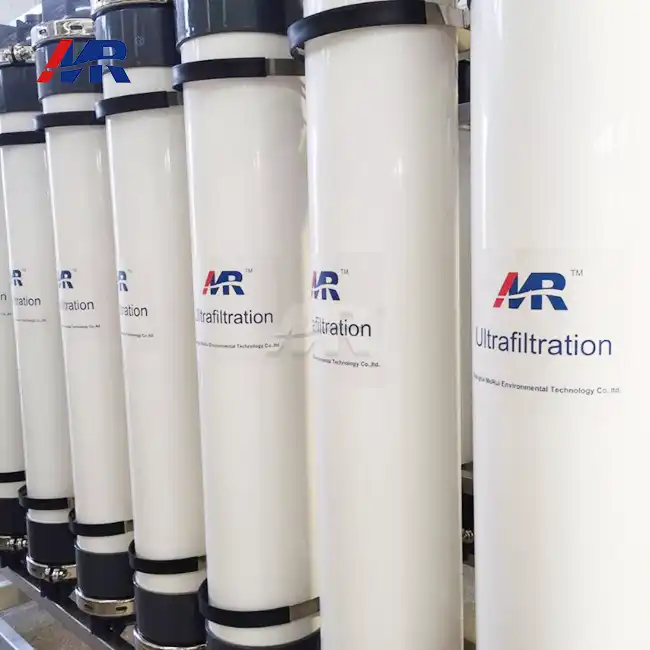
Understanding Ultra Filtration Plants in Industrial Applications
The Core Technology Behind Membrane Filtration
The main idea behind membrane filtration is the use of membranes for water cleaning, which has changed many manufacturing processes because they keep contaminants out without using chemicals. The technology works by letting water molecules pass through tiny holes in the material but keeping bigger particles inside. This process is very different from a regular sand filter or chemical coagulation; it gives better consistency and needs less help from the user.
Depending on the type of water and the needs of the application, the membrane modules are usually made up of hollow fiber or flat sheets. Each has its own benefits. Hollow fibre systems have a high packing density and remove turbidity very well, while flat sheet designs are great at handling high-solids feedwater streams that are common in recycling industrial wastewater.
How Does Ultrafiltration Differ from Other Purification Methods?
Procurement managers can make better choices when they know where ultrafiltration fits in the range of membrane technologies. Microfiltration uses pores that are 0.1 to 10 microns in size, which effectively gets rid of suspended particles while still letting bacteria and some viruses pass through. Nanofiltration makes the barrier even stronger (0.001-0.01 microns), and it can reject some dissolved salts and organic molecules, but it needs higher pressures to work.
Reverse osmosis is the most thorough filtering method; it gets rid of almost all dissolved solids, such as salts and minerals. A lot of industrial facilities use ultrafiltration as a pretreatment for RO systems. This keeps expensive membranes further down the line from getting clogged and extends their useful life. When compared to standalone RO systems, this staged method lowers the total cost of ownership by a large amount.
Key Components and System Architecture
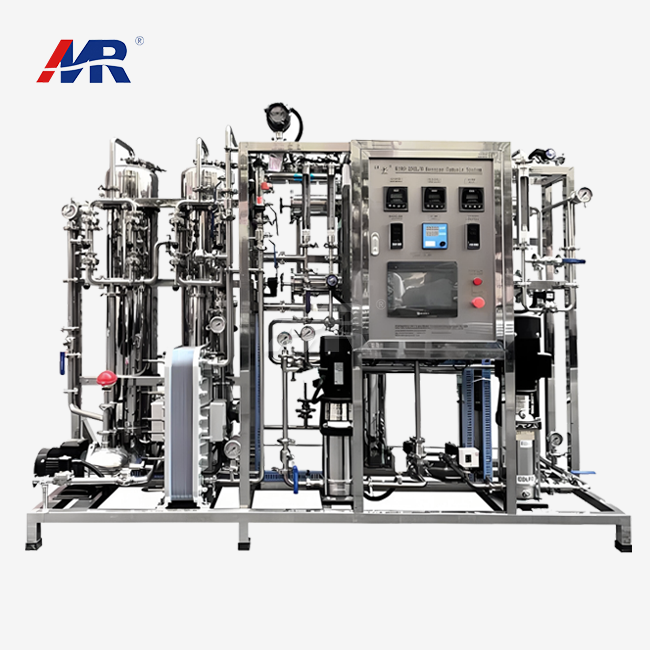
A full ultrafiltration system is made up of several integrated parts that work together. The feed pump brings in source water at a fixed pressure, usually between 0.1 and 0.3 MPa. This makes sure that the membrane works at its best without any damage. Large particles that could damage membrane surfaces are taken care of by pre-filters. Meanwhile, automatic control systems keep an eye on pressure differences, flow rates, and water quality factors all the time.
The membrane modules are the most important part of the system. Newer designs can filter more than 99.9% of the water. Backwash systems change the direction of flow every so often. This gets rid of any particles that have built up and lets the membranes breathe again. Chemical cleaning procedures, which are carried out as needed based on performance tracking, get rid of tough organic fouling and mineral scaling that can't be removed by backwashing.
Choosing the Right Ultra Filtration Plant for Your Factory
Assessing Your Water Treatment Requirements
A full source water study is the first step in choosing the right membrane filter equipment. The size and shape of the ultra filtration plant are directly affected by the amount of organic matter, total suspended solids, turbidity, and microbes present. The problems that a pharmaceutical company faces when treating municipal water for injection-grade uses are very different from those that a food processor faces when clarifying fruit juice or an electronics manufacturer faces when making ultrapure rinse water.
Production volume requirements dictate flow rate specifications for an ultra filtration plant, with industrial systems ranging from 50 to 1,000 cubic meters per hour. Planning for capacity takes into account things like peak demand times, batch processing vs. ongoing processing, and plans for future growth. Under-sizing or over-sizing equipment can slow things down, lower the quality of the result, or waste money and energy without need.
Evaluating Performance Specifications and Lifecycle Costs
Technical decision-makers need to know more about the total cost of ownership than just the original buy price. Energy use is usually between 0.1 and 0.3 kilowatt-hours per cubic meter handled, which adds up to a lot of money over the life of the machine. Small designs with pumps that work well and hydraulics that work at their best save money and make facilities smaller.
Another important thing to think about is how often and how much it costs to replace the membrane. It may cost more for high-quality membranes that have been shown to be resistant to chemicals and mechanical damage, but they will last longer than five years if they are used properly. Maintenance that is easy to get to, extra parts that are easy to find, and local expert support that can help keep production going during service stops that cost a lot of money.
Comparing Suppliers and Technology Platforms
There are many companies in the membrane filtration business, and their levels of quality, innovation, and customer service vary. People are more likely to trust established suppliers with decades of work experience and long lists of references than they are to trust newbies with short track records. Meeting NSF/ANSI standards, ISO quality management systems, and industry-specific approvals can show that you are dedicated to doing the best job possible.
Warranty terms show that the maker trusts the stability of the equipment. Capital investments are protected by performance guarantees that make sure water quality meets certain standards and comprehensive coverage that protects against flaws in materials and workmanship. After-sales support, such as operator training, preventative maintenance programs, and quick troubleshooting help, makes sure that the system continues to work well for a long time.
Installation, Operation & Maintenance of Ultrafiltration Plants
Best Practices for System Deployment and Integration
A careful site survey of the available room, utilities, and environmental factors is the first step to a successful ultra filtration plant installation. For membrane systems to work, they need stable bases, enough air flow, and safety from temperature changes that could hurt sensitive parts. To connect to current process water lines, careful hydraulic design is needed to make sure that flow is distributed correctly and pressure is managed.
Professional installation teams with experience in membrane technology cut down on the time needed for setup and avoid problems that could cost a lot of money during starting. Installing the pipes, valves, instruments, and programming the control system correctly is the first step toward long-term, reliable operation. Before going into production, full performance testing makes sure that the design standards are met.
Daily Operations and Routine Maintenance Protocols
Automated control systems make day-to-day tasks easier by constantly checking important factors and changing working conditions to keep things running at their best. Operators look at trend data to find small changes in the difference in pressure or permeate flow that mean fouling conditions are starting to form. Early action, such as changing the frequency of backwashing or using stronger chemicals to clean, stops performance loss and increases membrane life.
Visual checks for leaks, strange sounds, or vibrations that could mean a mechanical problem in an ultrafiltration plant that needs to be fixed are part of routine maintenance. Instrument tuning makes sure that tracking data is correct, and replacing filter cartridges and checking the chemical feed system keep the pre-treatment working well. Detailed maintenance logs keep track of everything that is done, making useful past records that help with troubleshooting and meeting legal requirements.
Troubleshooting Common Operational Challenges
The most common practical problem is a drop in permeate flow, which is usually caused by membrane fouling or scale. Figuring out the difference between fouling that can be fixed by better cleaning and damage that can't be fixed and needs a new membrane helps with the right course of action. Monitoring the pressure across membrane sections helps find the exact parts that are having issues, so repair work can be done more effectively.
If the quality of the permeate goes down, it means that the integrity of the membrane has been compromised, which could be due to too much pressure, chemical attack, or physical damage. On-line integrity testing finds broken fibres or damaged membrane sheets so that specific modules can be replaced instead of the whole system being replaced. Root cause analysis stops problems from happening again by fixing core problems with operations or changes in the quality of source water.
Industry Applications and Case Studies of Ultrafiltration Plants
Food and Beverage Manufacturing Applications
Dairy producers utilize membrane technology for whey protein concentration, milk standardization, and wastewater treatment, enabling resource recovery. An ultrafiltration plant gets rid of bacteria and solids in suspension while keeping useful proteins, raising the yield and quality of the product. Beverage makers rely on this technology for juice clarification, removing pectin and suspended particles while preserving flavor compounds and nutritional value.
A big Californian beverage bottler used membrane bioreactor technology, which combines biological treatment with ultrafiltration. This allowed them to reuse 85% of the water and still follow strict rules for discharge. The installation cut the city's yearly water use by 12 million gallons, which saved the city a lot of money and helped the company meet its green goals. Even though a lot of money was invested, the payback time was only 28 months.
Pharmaceutical and Biotechnology Implementations
Pharmaceutical manufacturers depend on consistent, high-quality purified water meeting United States Pharmacopeia standards for drug formulation, equipment cleaning, and processing. Membrane systems provide reliable microbial control without chemical disinfectants that could contaminate Products or require extensive rinsing. The technology integrates seamlessly with reverse osmosis and electrodeionization systems, producing water-for-injection-grade supplies.
Biotechnology companies processing cell cultures and fermentation broths leverage ultrafiltration for product concentration and buffer exchange. The gentle separation process maintains protein integrity while removing unwanted components, increasing downstream processing efficiency. Facilities appreciate compact footprints and automated operation, reducing cleanroom space requirements and minimizing contamination risks from operator intervention.
Industrial Wastewater Treatment and Resource Recovery
Metal finishing operations generate rinse waters containing oils, particulates, and dissolved metals requiring treatment before discharge or reuse. Membrane systems remove suspended contaminants, enabling metals recovery through ion exchange or evaporation, transforming waste streams into valuable resources. Electronics manufacturers treat chemical-mechanical planarization wastewater, recovering ultrapure water for reuse while concentrating waste solids for cost-effective disposal.
A Midwest automotive components supplier installed an ultra filtration plant treating 250 cubic meters daily of mixed industrial wastewater, achieving 95% reuse for cooling tower makeup and floor washing. The system eliminated costly fresh water purchases and reduced sewer discharge fees by $180,000 annually. Membrane cleaning frequency remained manageable at monthly intervals, with membranes exceeding their projected five-year service life.
Conclusion
Industrial membrane filtration technology keeps getting better, making water treatment systems in industries more reliable, efficient, and cost-effective. The systems deliver measurable benefits, including improved product quality, regulatory compliance assurance, resource conservation, and operational cost reduction. Carefully choosing the right provider, making sure the system is the right size, and keeping up with servicing are all things that can help you get a return on your investment over the long life of your equipment. As water scarcity intensifies and regulations tighten, advanced filtration technologies transition from optional upgrades to essential infrastructure supporting competitive manufacturing operations.
FAQ
1. What industries benefit most from ultrafiltration systems?
Pharmaceutical manufacturers, food and beverage processors, electronics fabricators, and chemical plants derive substantial value from membrane technology. These industries require consistent high-purity water meeting stringent quality standards while managing challenging wastewater streams. Municipal water utilities increasingly adopt ultrafiltration for drinking water treatment and wastewater reclamation, supporting sustainable water management.
2. How long do ultrafiltration membranes typically last?
Membrane lifespan depends on feedwater quality, operating conditions, and maintenance practices. Well-operated systems with appropriate pre-treatment achieve five to seven years of service, with some installations exceeding ten years. Regular monitoring, timely cleaning, and adherence to manufacturer guidelines maximize membrane longevity and protect capital investments.
3. Can ultrafiltration remove dissolved salts and minerals?
Standard ultrafiltration effectively removes suspended solids, colloids, bacteria, and viruses but does not eliminate dissolved salts or small organic molecules. Applications requiring demineralization typically combine ultrafiltration pretreatment with reverse osmosis or electrodeionization technologies. This staged approach optimizes performance while minimizing total treatment costs.
Partner with Morui for Advanced Membrane Filtration Solutions
You can trust Guangdong Morui Environmental Technology to be your reliable ultrafiltration plant source. They have a lot of experience with a wide range of industry uses. Our engineering team, which is made up of 20 specialised professionals and 500 committed employees spread across 14 branches, creates solutions that are exactly what you want. We make our own membranes, which gives us control over quality and lets us offer reasonable prices. We also work with top brands in the industry, like Shimge Water Pumps and Runxin Valves, to get parts that work with our membranes.
Our systems have great performance measures, such as flow rates of 50 to 1,000 cubic meters per hour, filter efficiency of more than 99.9%, and energy use of 0.1 to 0.3 kilowatt-hours per cubic metre. We offer full-service solutions that include designing and building equipment, installing it, activating it, and providing ongoing expert support. Email Our Team at benson@guangdongmorui.com to talk about your specific needs and get a detailed technical proposal based on our years of project experience.
References
1. American Water Works Association. (2021). Membrane Technology Research Committee Report: Ultrafiltration Applications in Municipal Water Treatment. Denver: AWWA Publications.
2. Crittenden, J.C., Trussell, R.R., Hand, D.W., Howe, K.J., & Tchobanoglous, G. (2022). MWH's Water Treatment: Principles and Design, Fourth Edition. Hoboken: John Wiley & Sons.
3. Membrane Technology and Research Institute. (2023). Industrial Membrane Filtration Systems: Performance Benchmarks and Best Practices. Newark: MTRI Technical Publications.
4. National Institute of Standards and Technology. (2022). Water Purification Technologies for Pharmaceutical Manufacturing Facilities. Gaithersburg: NIST Special Publication Series.
5. Singh, R. (2022). Membrane Technology and Engineering for Water Purification: Application, Systems Design and Operation, Third Edition. Oxford: Butterworth-Heinemann.
6. United States Environmental Protection Agency. (2023). Membrane Filtration Guidance Manual for Small Public Water Systems. Washington: EPA Office of Water Publications.
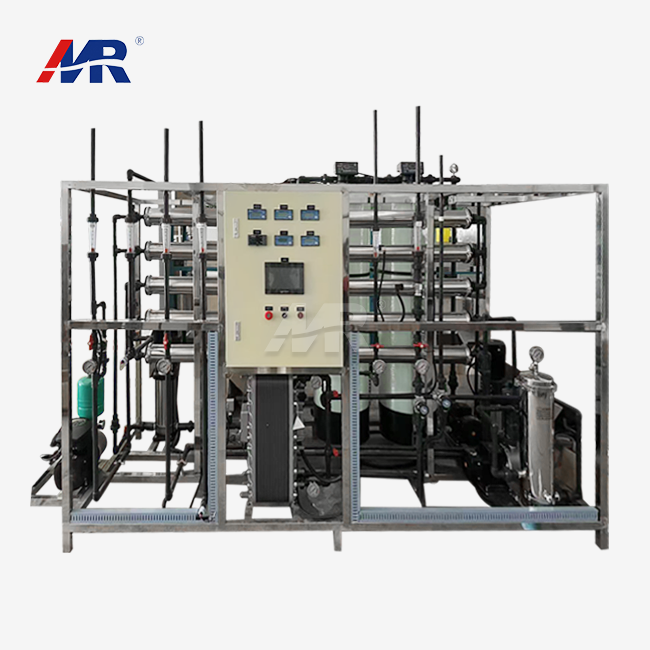 VIEW MOREedi purified water system
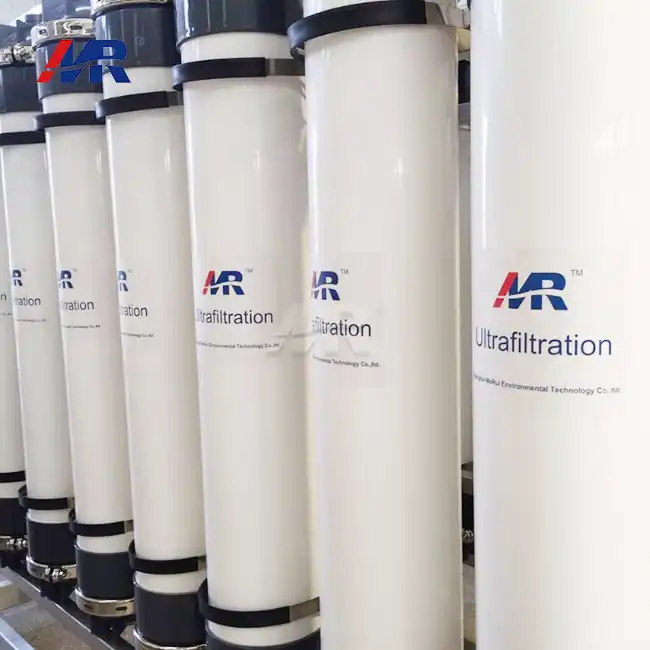 VIEW MORE90T/H ultrafiltration equipment
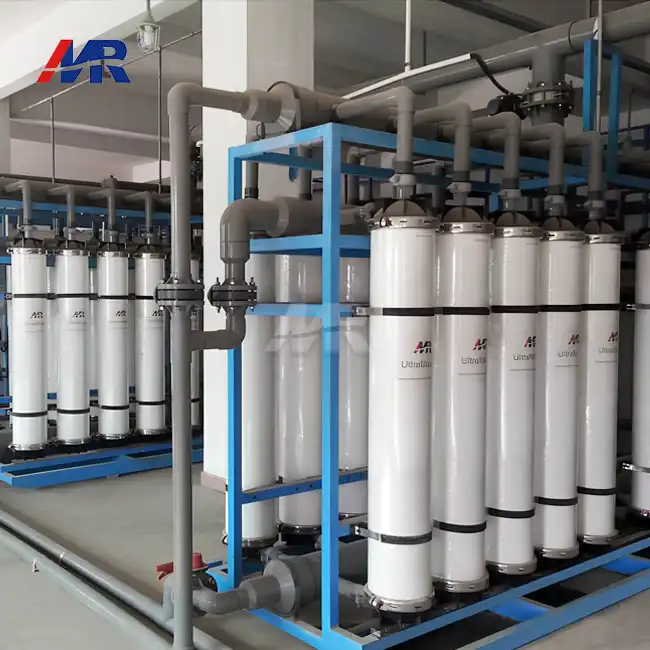 VIEW MORE200m3/hour ultrafiltration equipment
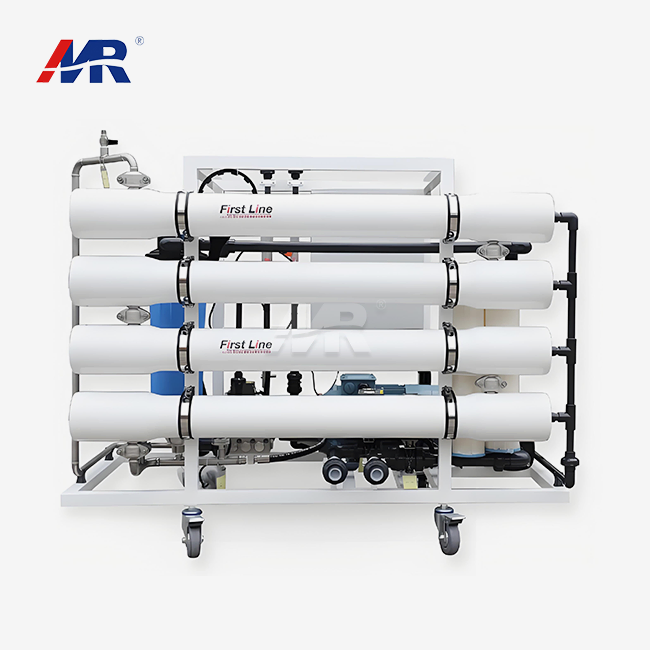 VIEW MOREseawater desalination system
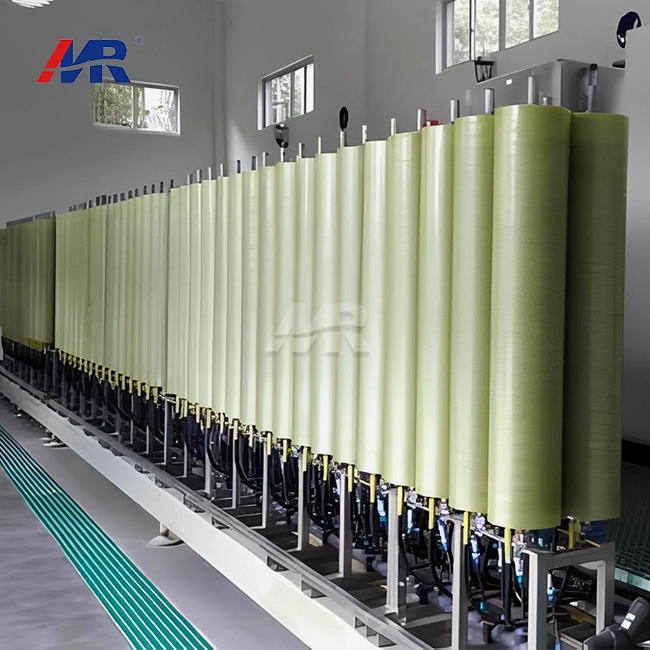 VIEW MORELeachate DTRO Treatment Equipment
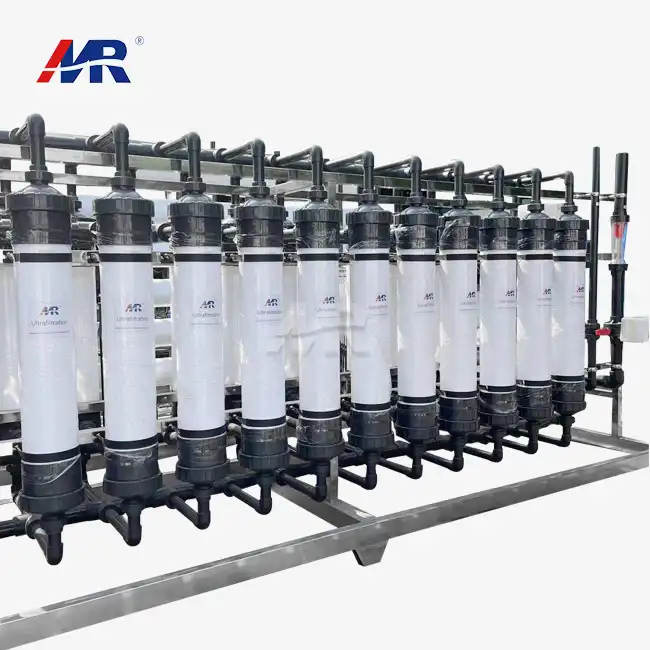 VIEW MORE30m3/hour ultrafiltration equipment
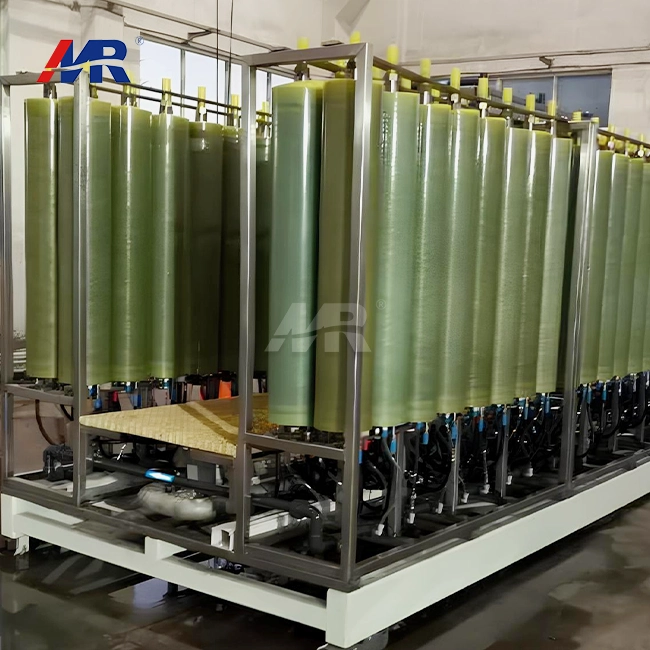 VIEW MOREDTRO for Wastewater Treatment
 VIEW MORE1000LPH EDI plant
