_1745823981883.webp)

Best RO System for Well Water and Bacteria Removal Compared
Selecting the best RO system for well water requires understanding that groundwater challenges differ significantly from municipal supplies. Well water commonly harbors elevated TDS levels, bacterial colonies, iron deposits, and hardness minerals that compromise operational efficiency and product quality. A multi-stage reverse osmosis solution engineered for well water applications integrates specialized pre-filtration, high-rejection membranes, and often UV sterilization to achieve up to 99.5% contaminant removal. These systems address critical industry pain points, including scaling, microbial contamination, and unpredictable mineral content that threaten equipment longevity and regulatory compliance across manufacturing, pharmaceutical, and food processing sectors.
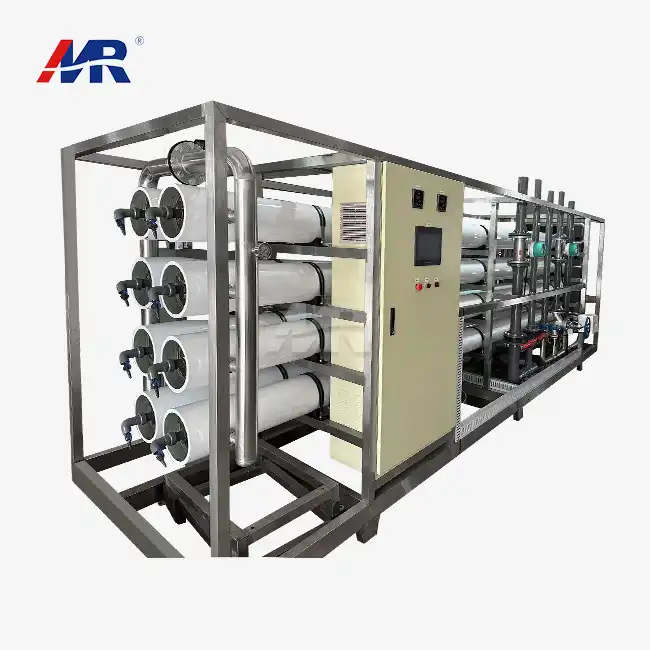
Understanding Well Water Contaminants and RO System Effectiveness
The best RO system for well water must take into account the fact that the problems with groundwater are very different from those with city supply. Well water often has high TDS levels, bacterial colonies, iron deposits, and hardness minerals that make operations less efficient and lower the quality of the Products they make. A multi-stage reverse osmosis system designed for well water uses UV sterilization, high-rejection filters, and specialized pre-filtration to get rid of up to 99.5% of contaminants. These systems solve important problems in the industrial, pharmaceutical, and food processing industries, like scale, microbial contamination, and mineral content that is hard to predict. These problems make equipment less durable and make it harder to follow rules.
The Hidden Complexity of Well Water Chemistry
When private wells serve commercial sites, they bring unique water quality problems that aren't usually seen in municipal systems. When well water is tested in a lab, it usually shows high levels of iron (often more than 0.3 mg/L), manganese, hydrogen sulfide, and hardness minerals like calcium and magnesium. Total Dissolved Solids levels are usually between 500 and 2000 ppm, and in some farming areas they are even higher, close to 10,000 mg/L. Another big problem is bacterial contamination, especially coliform bacteria and E. coli that get into groundwater through surface waste or well casings that are breaking down.
How Does Reverse Osmosis Technology Address Well Water Issues?
Thin-film hybrid materials are used in modern ro membrane technology to make a barrier that can reject dissolved solids at the molecular level. Under pressure (10 to 16 bar), water molecules move through the membrane while contaminants are flushed away as concentrate. This process effectively gets rid of dissolved minerals and salts (99%+ rejection), heavy metals like chromium, lead, and arsenic, nitrates and sulfates often found in farmland, and organic compounds.
Bacteria can be removed by RO membranes alone with about 99% success, but UV treatment is also needed for complete disinfection. The membrane pores are only 0.0001 microns wide, which is small enough to stop most germs. However, living things could get through damaged membranes or settle in storage tanks that haven't been cleaned properly.
Pre-Treatment Requirements for Optimal Performance
For well-water uses, strong pretreatment steps are needed to keep the RO membrane from getting clogged up and breaking down too soon. Activated carbon blocks get rid of chlorine, organic compounds, and hydrogen sulfide, which causes smells. Sediment filters (usually 5-micron) catch particles and rust. When there is more than 0.3 mg/L of iron in the water, it needs to be oxidized and filtered before it goes to the RO stage. This is because ferrous iron settles on the membranes and damages them permanently. In places with very hard water (above 180 mg/L), water softeners may be used before RO systems. This is because they keep calcium carbonate from scaling the membrane, which extends its life.
Comparing Top RO Systems for Hard and Bacterial-Contaminated Well Water
When purchasing managers evaluate the best ro systems for well water that is hard and full of bacteria, they should put a number of technical requirements in order of importance. Recovery rate shows how much of the feed water is turned into a clean product. Most industrial systems get between 50 and 75% recovery, and better rates lower the cost of getting rid of wastewater. The rejection rate shows how well contaminants are removed; industrial-grade systems keep 99.5% rejection for TDS.
Key Performance Metrics for Industrial Evaluation
Daily capacity is very important when choosing the best ro system for well water. Systems range from 1,000 GPD for small businesses to 100,000 GPD for large factories. The operating pressure affects how much energy is used and how well the technology works with other things. Well water systems usually work between 10 and 16 bar, which means that the pumps and pressure vessels need to be rated correctly. It is very important that the feedwater TDS tolerance is high. Normal RO membranes can handle up to 2,000 ppm, while brackish water membranes can handle up to 10,000 mg/L.
Commercial System Comparison
Different makers use different kinds of technology to deal with problems that come up with well water. As facilities get bigger, some systems stress flexible building, which lets capacity grow without having to completely replace everything. Others have automated control systems that keep an eye on TDS levels, pressure differences, and flow rates. These systems let workers know when repair is needed before the system stops working well.
Energy economy changes a lot from brand to brand. The current standard for power use in the business is between 1.5 and 2.5 kWh/m³. Permeate pumps and energy recovery devices lower operating costs. Companies that make medicines and electronics value systems that have built-in conductivity tracking and automatic membrane flushing routines that keep the water quality stable.
RO Systems Versus Alternative Technologies
Ion exchange is how water softeners get rid of hardness, but they don't do anything about TDS or bacteria. UV sterilization kills microorganisms well, but it doesn't get rid of minerals. Ultrafiltration gets rid of bacteria and particles but lets dissolved solids pass. Sediment pre-filters, carbon treatment, RO filtering, and UV post-treatment are frequently combined to form a complete shield against various contaminants. Using this unified method makes sure that strict industry standards are met, such as GMP standards for making medicines and USP standards for lab uses.
Installation, Maintenance, and Troubleshooting for Well Water RO Systems
Professional Installation Considerations
An accurate size determination based on peak water usage and feed water analysis is the first step to a successful RO system setup. For commercial installations to work, the equipment needs to be placed in the right amount of room (this depends on the capacity but modern systems stress compact design), there needs to be enough drainage for the concentrate to drain, and the electrical service needs to match the pump's specs. To link to current infrastructure, you need to pay close attention to how the plumbing and pressure work together.
Maintenance Protocols for Consistent Performance
Regular maintenance plans have a direct effect on how long a system lasts and how consistent the water quality is. Depending on the amount of sediment, pre-filters need to be replaced every three to six months. Carbon filters, on the other hand, last between six and twelve months before they run out of space to absorb more particles. Under normal conditions, RO membranes last about two to three years. However, well water with a lot of iron or bacteria may need to be replaced sooner.
Biofouling and mineral scaling can be avoided by cleaning the membrane every three months with approved chemical treatments. Normalized permeate flow and salt rejection rates should be watched by operators; drops of 10-15% mean that cleaning is needed. System sanitization once a year gets rid of bacterial colonies in storage tanks and transport lines. This is especially important for businesses that use water in irregular patterns and require a best-RO system for well water to maintain consistent water quality and reliable operation.
Common Issues and Remediation Strategies
Less permeate flow usually means that the membranes are getting clogged, the feed water pressure is dropping, or the pre-filters are full. Before thinking that the membrane has failed, technicians should check the pressure gauges at each stage and look at the filters. If the product water has a strange taste or smell, it could mean that the carbon filters are worn out or that there are germs in it that need to be cleaned right away. High TDS levels in the permeate indicate that the membrane is damaged and needs to be replaced. However, it is important to make sure that the O-ring seals are properly installed and that the housing is solid before deciding to replace the membrane.
Procurement Guide: Selecting and Buying the Best RO System for Your Well Water Needs
Procurement calculations should help facilities choose and get the best ro system for well water based on specific operational needs. To avoid production bottlenecks, calculations for purchases should take into account times of high demand instead of average consumption. Scalable designs let you add more capacity by installing multiple systems in parallel, which protects your initial investment and allows for growth.
Matching System Capacity to Operational Requirements
For small businesses like craft breweries and labs, 1,000–5,000 GPD systems are usually enough. But for food processing plants and drug makers, 20,000–100,000 GPD systems are usually needed. Capacity planning should account for peak demand periods to prevent production bottlenecks. Modular designs allow capacity expansion through parallel system installation, protecting initial capital investment while accommodating future scaling.
Total Cost of Ownership Analysis
A basic commercial unit can cost $5,000, while high-capacity industrial systems can cost $150,000 or more. Buyers also need to think about the costs of running the system. For medium-sized businesses, replacing filters and membranes usually costs between $500 and $2,000 a year. Also, using 1.5 to 2.5 kWh/m³ of energy means ongoing electricity costs. But these costs need to be weighed against the benefits, such as uniform water quality, lowering the number of rejected products in quality-sensitive manufacturing.
Supplier Selection and Support Infrastructure
It's helpful to work with suppliers that offer full service packages, especially for places that don't have their own dedicated water treatment staff. Genuine replacement parts are easy to find, which cuts down on long downtime, and expert support is easy to get to, which speeds up the troubleshooting process. Suppliers with local service networks can respond faster than makers far away, which means that production doesn't stop when equipment breaks down.
Why Choose Morui's RO Solutions for Well Water Challenges?
Engineered Performance for Demanding Applications
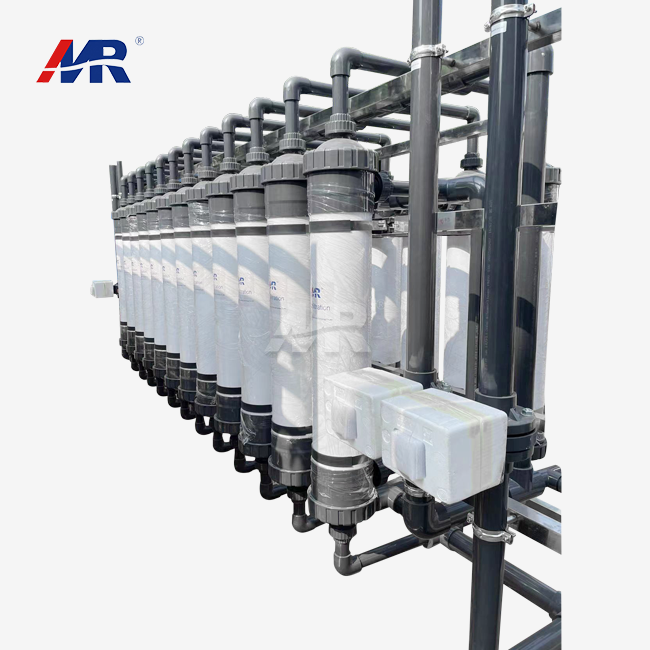
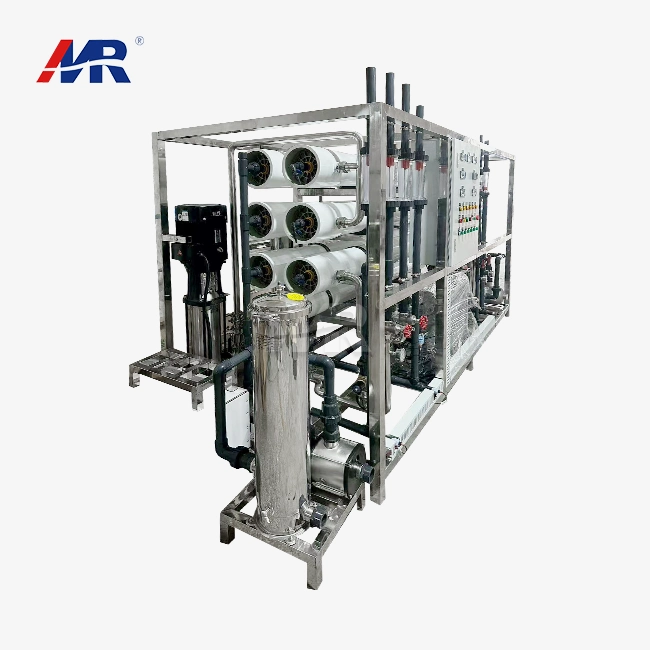
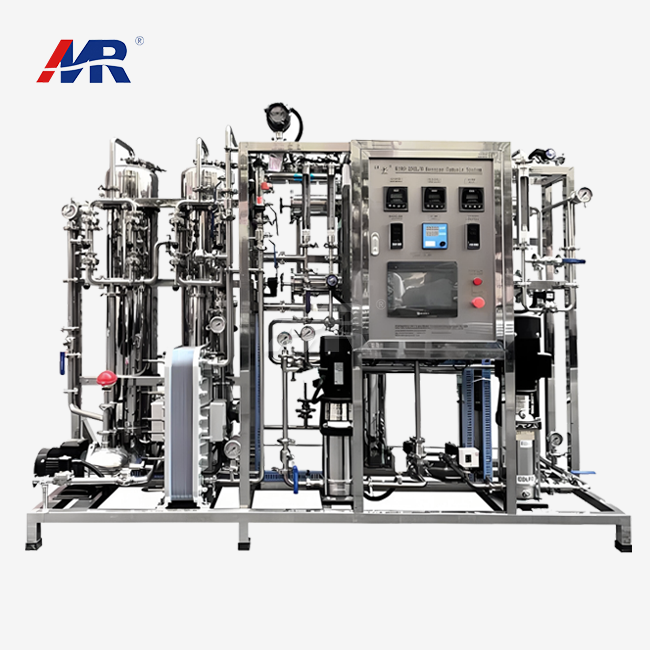
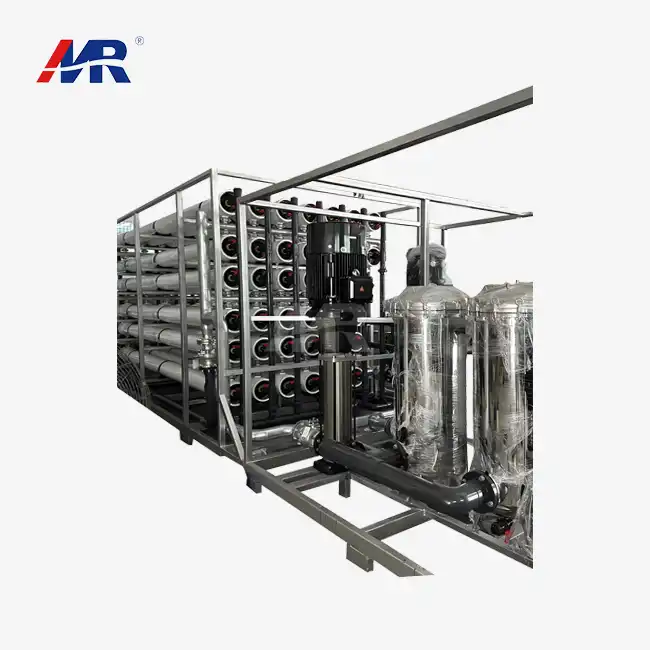
Morui's reverse osmosis systems use modern thin-film composite membranes that reject 99.5% of chemicals across the full pH range of 3–11. This means that they can handle well water chemistry that is too difficult for normal equipment. Our modular building theory lets facilities start with a base level of capacity and add on gradually as production needs rise, protecting capital investment while keeping operational flexibility.
- Customizable capacity ranges from 1,000 to 100,000 GPD and can handle a wide range of operations, from small factories to big municipal applications.
- Energy-efficient designs using 1.5 to 2.5 kWh/m³ of energy lessen running costs while keeping performance constant
- Automated control systems constantly check key parameters and notify operators when maintenance is needed before the water quality gets worse.
- Recovery rates up to 75% minimize concentrate volumes, cutting down on disposal costs and reducing environmental impact.
- Compact footprint design saves important floor space in crowded buildings without lowering the processing power
Comprehensive Support Infrastructure
Guangdong Morui Environmental Technology has 14 area offices with more than 500 employees, including 20 engineers who are specially trained to work on water treatment projects. As a trusted provider of the best RO system for well water, the company combines technical expertise with vertical integration to control quality throughout the whole manufacturing process, from making membranes to making equipment. Partnerships with top component makers like Shimge Water Pumps and Runxin Valves make sure that genuine replacement parts are easy to find and work with the system.
Field installations in water treatment plants, drug factories, and industrial facilities show that the system works reliably in a range of situations. One client in the beverage processing industry said that after installing Morui RO systems, the frequency of equipment descaling went down by 40%. Another client in the semiconductor manufacturing industry got a steady 18.2 MΩ·cm resistivity through our RO+EDI setup.
Turnkey Implementation and Ongoing Service
Morui takes care of the whole project, from the initial water study to system setup and training for operators. Our experts test the feed water in a lot of different ways to make sure that the right pre-treatment, membrane selection, and post-treatment steps are taken. Installation services make sure that the new system works well with the old one, and commissioning checks that the new system works as expected before handing it over to the owner.
As part of ongoing maintenance support, service visits are planned, help with fixing problems in an emergency is available, and genuine replacement parts are supplied. You can always get in touch with our technical team directly so we can answer quickly when you have questions about operations.
Conclusion
To choose the right reverse osmosis equipment for well water applications, you need to weigh the technical performance, operational reliability, and total ownership costs. Because well water has special contaminants like high TDS, bacteria, iron deposits, and hardness minerals, it needs systems that are designed to handle these problems, not just home equipment that is sized up for use in a larger area. To get complete cleansing that meets industry standards, successful applications use the right pre-treatment, high-rejection membranes, and often UV post-treatment. For long-term operational success, procurement managers should give priority to suppliers with scalable capacity, proven component quality, and a full support infrastructure.
FAQ
1. How often should RO membranes be replaced in well water applications?
The membrane's life depends on the quality of the feed water and how well the pretreatment works, but in well water service, it usually lasts between 24 and 36 months. This can be cut down to 12 to 18 months if there is a lot of iron, bacteria, or poor pre-filtration. Monitoring the normalized permeate flow and salt rejection gives early warnings of membrane wear, so replacement can be planned before the water quality gets worse.
2. Can reverse osmosis alone eliminate all bacteria from well water?
Because their pores are only 0.0001 microns wide, RO membranes physically stop about 99% of bacteria. However, UV treatment is still needed for full sterilization. Without proper cleaning procedures, live germs could stay in storage tanks or transport lines. Post-RO UV sterilization should be used in food processing, pharmaceuticals, and medical settings to meet proven log-reduction standards for microbial contamination.
3. What pre-treatment does well water need before RO processing?
Filtration of silt (usually down to 5 microns) and treatment with activated carbon are the bare minimum for pre-treatment. Wells with more than 0.3 mg/L of iron need to go through oxidation and filtration stages. Extreme hardness (above 180 mg/L) water needs to be softened to keep the membrane from growing. If there are bacteria in the water, it may need to be pre-chlorinated and then carbon-filtered before the RO stage.
Partner with Morui for Industrial Water Treatment Excellence
Guangdong Morui Environmental Technology is a top company that makes RO systems and offers unique solutions for difficult well water problems, including providing the best RO system for well water applications in the industrial, pharmaceutical, and public sectors. Our engineering team does full evaluations of the water quality and creates unified treatment systems that meet your exact operating and capacity needs. We offer complete installation, setup, and ongoing upkeep services to protect your water treatment investment. We have 14 regional branches and dedicated expert support. Get in touch with our experts at benson@guangdongmorui.com to talk about your well water purification needs and get a full technical proposal.
References
1. American Water Works Association (2021). Groundwater Quality and Reverse Osmosis Treatment Technologies. Denver: AWWA Publishing.
2. Crittenden, J.C., Trussell, R.R., Hand, D.W., Howe, K.J., & Tchobanoglous, G. (2022). MWH's Water Treatment: Principles and Design, Fourth Edition. Hoboken: John Wiley & Sons.
3. National Ground Water Association (2020). Private Well Water Quality: Contaminants and Treatment Solutions. Westerville: NGWA Press.
4. Membrane Technology Research Institute (2023). Industrial Reverse Osmosis Systems: Performance Optimization for Challenging Feed Waters. Technical Report Series, Volume 18.
5. United States Environmental Protection Agency (2022). Drinking Water Treatment Technologies for Household Use: Reverse Osmosis Systems. Washington: EPA Office of Water.
6. World Health Organization (2021). Water Quality and Health: Guidelines for Drinking-Water Quality in Industrial Applications. Geneva: WHO Press.