_1745823981883.webp)

How a 7 Stage Water Filtration System with RO Works
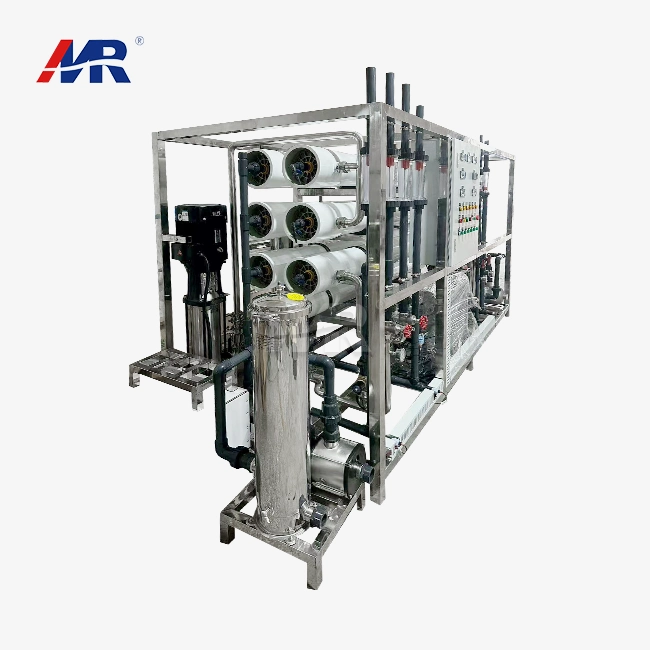
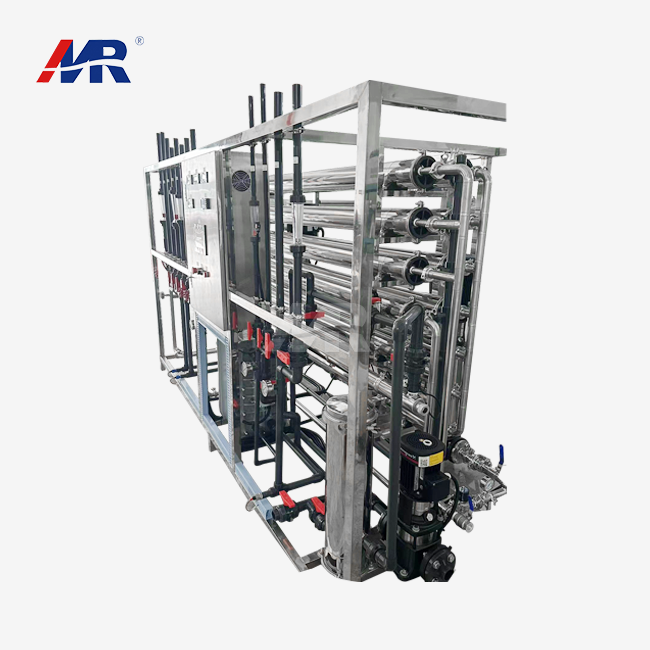
A 7-stage water filtration system represents an advanced purification solution that integrates seven distinct treatment barriers to deliver ultra-pure water. This multi-barrier approach combines sediment filtration, granular and carbon block filters, a high-performance reverse osmosis membrane, post-carbon polishing, remineralization, and UV sterilization. Each stage systematically removes specific contaminants ranging from visible particles to dissolved solids at the molecular level, ensuring water quality that meets the strictest industrial and commercial standards while addressing pH balance concerns common in conventional RO systems.
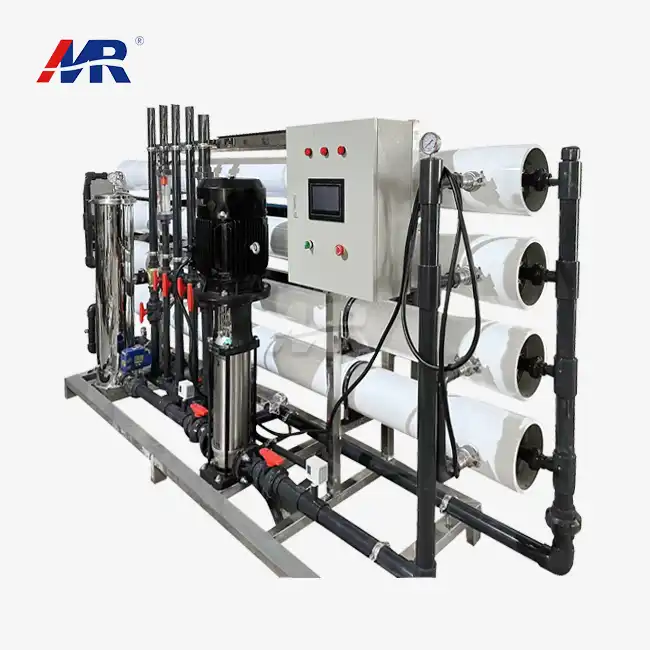
Understanding the Seven-Stage Purification Process
A 7-stage water filtration system is an advanced way to clean water because it uses seven different treatment barriers to get water that is very clean. A high-performance reverse osmosis membrane, post-carbon polishing, remineralization, UV sterilization, and sediment filtration are all part of this multi-barrier approach. Each stage carefully gets rid of different kinds of contaminants, from tiny bits that can be seen to dissolved solids at the molecular level. This makes sure that the water quality meets the highest industrial and commercial standards and fixes pH balance problems that often happen with other RO systems.
Stage One: Sediment Pre-Filtration
A plastic sediment filter, usually rated at 5 microns, is the first step in the process. Sand, rust, silt, and other obvious contaminants that could damage parts further down the line are caught by this first barrier. This stage before filtering increases the life of later filters in places where the quality of the raw water changes, like factories that get their water from wells or local sources with old infrastructure. The sediment cartridge protects the ro membrane surface from being scratched by rough particles. If this happened, rejection rates would drop, and the membrane would need to be replaced too soon.
Stage Two: Granular Activated Carbon Treatment
Granular Activated Carbon (GAC) gets rid of chlorine, dissolved organic compounds, and gaseous organic chemicals that are bad for taste and equipment health. The spongy carbon structure has a huge surface area where chemicals can stick to it. At this point, getting rid of the chlorine is very important because any remaining chlorine oxidizes the thin-film composite RO membranes and damages them permanently. Businesses that make food and drinks take this step a lot because it gets rid of smelly chemicals that would otherwise get into the finished Products. The GAC bed depth and contact time have a direct effect on how well the cleanup works, so it's important to get the right size when specifying.
Stage Three: Carbon Block Polishing
The carbon block filter, which is made up of packed activated carbon particles, filters at a smaller level (about 1 micron) and keeps chemical adsorption going. This step picks up particles that made it through the GAC bed and gets rid of any extra chlorine, taste, or odour compounds. The solid block structure stops channelling, which is when water chooses to move through open materials instead of making good contact. This dual-action filter is used in pharmaceutical operations and electronics manufacturing to keep precision RO membranes safe from both particulate fouling and chemical breakdown.
Stage Four: Reverse Osmosis Membrane Separation
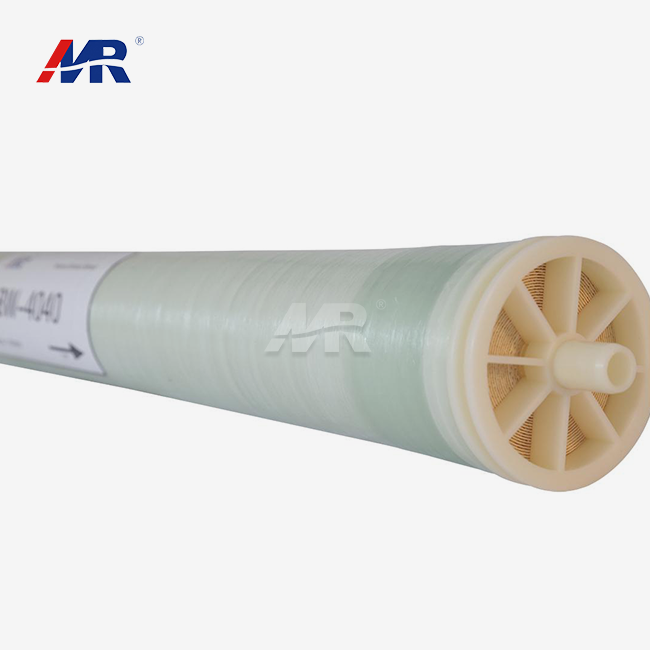
The RO membrane is the scientific heart of the system. It has pores that are only 0.0001 microns wide and works with semi-permeable thin-film composite technology. When pressure is put on the membrane, it pushes water molecules through while blocking dissolved salts, heavy metals like lead and arsenic, nitrates, fluoride, and new contaminants like PFAS and PFOS. When kept up properly, rejection rates for total dissolved solids usually go over 96%. This step is used by power plants and petrochemical plants to make ultrapure water that is used as boiler feedwater and in process applications where mineral buildup leads to scaling, corrosion, and loss of efficiency. The membrane housing has to be able to handle hydraulic pressures of 300 to 500 PSI, which means it has to be built to last and be tested for burst pressure.
Stage Five: Post-Carbon Refinement
A final step of activated carbon softens the permeate water, getting rid of any tastes or smells that may have made it through the RO membrane. This step is especially helpful when the system is stored in holding tanks, where slight plastic tastes can form. Medical facilities and labs need this extra detail to make sure that water used in sensitive applications stays completely pure and doesn't change the way things smell or taste.
Stage Six: Remineralization Adjustment
Because alkaline minerals are taken out, standard RO permeate has a low pH, usually between 5.5 and 6.5. When this acidic water comes in contact with metal pipes or equipment, it can cause severe corrosion. During the remineralization stage of a 7-stage water filtration system, controlled amounts of calcium and magnesium are added through special media. This brings the pH level back to a neutral range of 7.0 to 8.0 while also adding helpful minerals. This change stops the "flat" taste that comes with water that has lost minerals and saves equipment further downstream. This step is important for hospitals and fishing operations because it keeps the TDS level low while changing the chemistry of the water so that it is good for living systems.
Stage Seven: UV Sterilization or Alkaline Enhancement
In most Cases, the last barrier uses ultraviolet sterilisation at a wavelength of 254 nanometres to kill germs like bacteria, viruses, and protozoan cysts without using any chemicals. Water plants that are improving the way cities treat their water use UV to kill bacteria that are resistant to chlorine, like Cryptosporidium. In some setups, extra alkaline media can be used to make the pH even more stable. This is especially helpful in food service settings where alkaline water is chosen for making drinks. Whether UV or an alkaline boost is used depends on the microbe risk estimate of the source water and the needs of the end use.
Key Advantages for Industrial and Commercial Operations
When compared to simpler configurations, the complete treatment procedure provides real practical benefits that make the investment worth it. I'm going to go over the main benefits this equipment brings to tough jobs.
Comprehensive Contaminant Removal: The sequential barrier method gets rid of contaminants of all sizes, from 5-micron particles to dissolved molecules that are 0.0001 microns across. This range makes sure that the water quality meets the standards set by different industries, such as NSF/ANSI 58 for drinking water systems and USP specifications for pharmaceutical operations. Without extra deionisation, electronics makers can get the low resistance needed for working with semiconductors.
Extended Component Lifespan: The expensive RO membrane lasts longer between replacements, from 18 months to 36 months or more in ideal conditions, because proper pre-treatment lowers fouling and scaling on it. This means that the yearly operating costs will be lower and there will be less downtime for maintenance. The protection coating that limits membrane exposure to spikes in contaminant levels is especially helpful for wastewater treatment plants that deal with variable influent quality.
Improved Water Taste and Safety: Carbon filtration, RO purification, and remineralisation work together to make water that meets both scientific purity standards and taste expectations. This flavor profile is important for businesses that serve high-end drinks in hotels, while medical offices need the microbial safety guarantee that UV sterilization gives them without adding any harmful byproducts.
Operational Flexibility: The flexible design lets you change things to fit your source water problems. When handling high-salinity brackish water or seawater, some facilities can add more membrane stages, while those that are worried about microbes can ask for higher UV strength. Because it is flexible, the platform can be used in a wide range of fields, from farming irrigation systems that treat salty groundwater to marine boats that make drinking water from seawater.
All of these benefits help expert decision-makers who are in charge of making sure water quality is safe with their daily tasks. Because the system is reliable, maintenance tasks that come up out of the blue are less likely to mess up output plans.
Performance Validation and Quality Assurance
Tough quality control procedures make sure that systems that are installed work the way they're supposed to for as long as they're in use. When buyers are looking at different providers, they should make sure that the following validation steps are normal.
Hydrostatic burst pressure testing makes sure that housing assemblies can handle working pressures with enough safety margin, which is usually between 300 and 500 PSI based on the design. This testing of structural stability stops disasters that could harm buildings and stop activities. Testing the connections between manifolds for Hoover leaks finds tiny leaks that could lower the system's efficiency and let contamination get in after treatment.
TDS rejection stability checks show that the RO membrane keeps working better than 96% of the time after 24 hours of nonstop use at the recommended levels. During this dynamic testing, membrane flaws that were not visible during a static inspection are found. Spectrophotometric analysis of the remineralisation stage makes sure that mineral leaching happens at healthy levels that improve taste without making equipment further down the line susceptible to scaling.
Certification compliance lets outsiders check that systems meet well-known standards. A 7 stage water filtration system should be designed and tested according to relevant requirements, including NSF/ANSI Standard 58, which talks about claims that drinking water treatment units reduce contaminants. Standard 42 talks about aesthetic effects, such as getting rid of tastes and smells. Facilities that work with controlled industries should make sure that the equipment they use has the right licenses for that industry, such as FDA clearance for pharmaceutical water systems or local health department approvals for food service uses.
Selection Criteria for B2B Procurement Teams
To pick the right system configuration, you have to balance performance requirements with practical needs and price limits. During the buying process, people who make decisions should think about a number of important factors.
Analysis of the source water sets the baseline level of contaminants that the system needs to deal with. Well water, which may have high levels of iron, manganese, or hardness and needs extra pre-treatment, is not the same as municipal water. To desalinate seawater, you need special high-rejection filters and energy return devices. Undersizing equipment that doesn't meet treatment goals can be avoided by doing thorough water tests before design.
To keep from running out of water during important activities, flow rate standards must match times of high demand. For example, during work changes, food processing lines need to keep moving. Recovery rate, or the amount of feedwater that turns into product water, should be taken into account when figuring out the right size. This rate usually falls between 50 and 75%, based on the TDS of the source water and the design of the membrane. Getting rid of wastewater needs to be planned, especially in places that don't release any liquids.
Long-term operational costs are greatly affected by how easy it is to do maintenance. Systems with cartridges that can be changed quickly cut down on the time needed for regular maintenance. Clear housing designs let you see how much dirt is inside without having to depressurise the system. Modular construction lets you replace parts without shutting down the whole system, which is helpful in facilities that run all the time because downtime directly affects production revenue.
How much energy is used by a 7 stage water filtration system depends on the feed water pressure and how well the system works. To counter osmotic pressure and keep flow rates steady, source water with a high TDS needs more pressure to be applied. Permeate pumps move the pressure of the reject stream to the incoming feed water. This lowers the electrical demand by 20 to 30 percent. These efficiency methods save a lot of money for power plants and other big city buildings.
Conclusion
The 7-stage water filtration system with reverse osmosis removes all kinds of contaminants from the water by using designed barriers that work in a certain order to stop particle, chemical, dissolved solid, and microbe contamination. This advanced method creates water quality that meets the strict needs of industries like pharmaceutical manufacturing, food processing, electronics manufacturing, and power generation. It is also flexible enough to be used in city treatment updates and specific industrial settings. The investment needs to be carefully thought out in terms of the features of the source water, the operational needs, and the costs over its entire life. However, it provides stable performance that supports production quality, regulatory compliance, and operational efficiency in harsh commercial and industrial settings.
FAQ
1. What contaminants does a 7 stage water filtration system remove effectively?
Plaque, chlorine, heavy metals like lead and arsenic, dissolved salts, nitrates, fluoride, PFAS/PFOS compounds, bacteria, viruses, and protozoan cysts are all removed by the multi-barrier design. The sequential treatment goes from 5 micron-sized particles to 0.0001 micron-sized molecular contaminants. This complete cleaning is good for tough industrial and business uses that need stable water quality. The 7-stage water filtration system provides comprehensive purification suitable for demanding industrial and commercial applications requiring consistent water quality.
2. How often do filter components require replacement in industrial settings?
Replacement times depend on the quality of the source water and the amount of flow that is needed. Sediment and carbon pre-filters need to be replaced every 6 to 12 months, RO membranes need to be treated properly before they last 24 to 36 months, and UV lamps need to be replaced every year to keep killing germs. Regularly checking the difference in pressure between the cartridge housings and taking TDS readings helps figure out when to replace the cartridges so that performance doesn't go down.
3. Can the system treat high-salinity brackish water or seawater?
When set up correctly with the right feed pressure and energy return devices, the RO membrane can clean brackish water with a TDS of up to 10,000 mg/L and seawater with a TDS of up to 35,000 mg/L. For high-salinity uses, you need special high-rejection membranes and more steps to get the quality of the permeate you want while keeping the recovery rates you need. Site-specific design makes sure that the best performance is achieved even in difficult source water conditions.
Partner With Morui for Your Industrial Water Treatment Needs
We at Guangdong Morui Environmental Technology Co., Ltd. are experts at designing and delivering full water treatment systems that are perfect for businesses and factories. We offer a wide range of products, such as reverse osmosis systems, ultrafiltration tools, EDI modules, and custom multistage configurations that are made to fit your unique water quality needs. With more than 500 employees, 20 specialised engineers, and our own membrane production facility, we offer high-quality vertically integrated manufacturing along with full installation and commissioning services. Our 14 branches in different regions allow us to provide quick local help backed by technology know-how from around the world. We are a licensed supplier of high-quality parts like Shimge water pumps, Runxin valves, and Createc instruments. The systems we sell are made from certified parts that can be fully tracked. Whether you need ultrapure water for semiconductor processing, pharmaceutical-grade purified water, or solutions for desalinating seawater, Our Team can help you with planning, installation, and ongoing Technical support. Get a full proposal from a 7-stage water filtration system manufacturer dedicated to your business success by contacting our experts at benson@guangdongmorui.com to discuss your water treatment needs.
References
1. American Water Works Association. (2020). Reverse Osmosis and Nanofiltration: Manual of Water Supply Practices M46. Denver: AWWA.
2. Crittenden, J.C., Trussell, R.R., Hand, D.W., Howe, K.J., & Tchobanoglous, G. (2012). MWH's Water Treatment: Principles and Design (3rd ed.). Hoboken: John Wiley & Sons.
3. National Sanitation Foundation International. (2019). NSF/ANSI 58: Reverse Osmosis Drinking Water Treatment Systems. Ann Arbor: NSF International.
4. United States Pharmacopeial Convention. (2021). USP General Chapter <1231> Water for Pharmaceutical Purposes. Rockville: USP.
5. World Health Organization. (2017). Guidelines for Drinking-water Quality: Fourth Edition Incorporating the First Addendum. Geneva: WHO Press.
6. Membrane Technology and Research Institute. (2018). Industrial Water Purification: Membrane Processes and Applications. Cambridge: Academic Press.