

_1745823981883.webp)

Why Stainless Steel Reverse Osmosis Systems Outlast Plastic Frames?
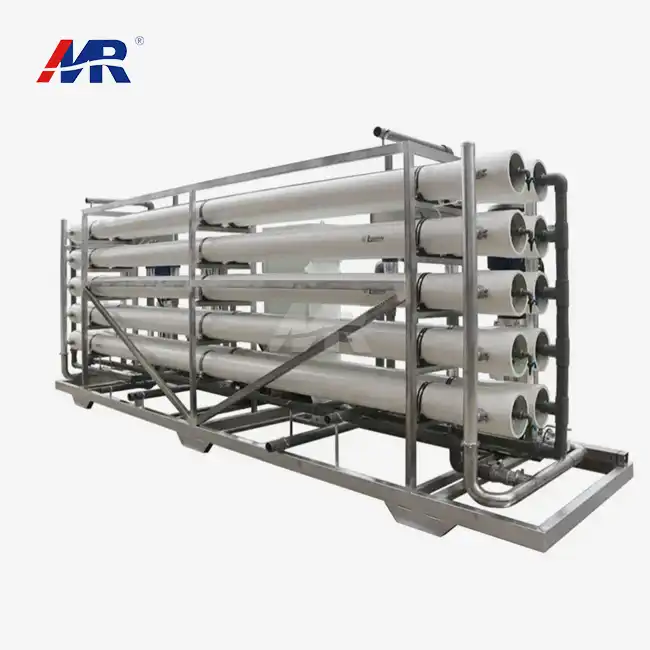
Compared to plastic-framed options, stainless steel reverse osmosis systems last a lot longer. The high amount of chromium in grades 304 and 316L forms an oxide layer that heals itself and doesn't break down when exposed to UV light, chemicals, or changing temperatures. This structural integrity stops micro-cracking and deformation that happen when high pressure (usually 10–16 bar) is applied continuously. These are problems that plastic housings have over time. The non-porous surface of stainless steel removes the risks of polymer breakdown and leaching, ensuring clean water output for the system's 15–20-year operational lifetime, which is about three times as long as most plastic frames.
Understanding the Durability Challenge in Reverse Osmosis Systems
Procurement teams must examine plastic-framed stainless steel reverse osmosis systems' material weaknesses. Polyethylene and polypropylene housings are inexpensive, but sunlight and high-intensity building illumination tear them down. UV light breaks polymer chains, causing surface chalking and weakening within 3–5 years of installation.
Another crucial issue is chemical compatibility. membrane maintenance cleaning techniques utilize oxidizing chemicals, acidic descalers, and alkaline detergents. When exposed repeatedly, plastic parts lose their surface, creating tiny cracks where bacteria can grow, and water quality degrades. Heat makes these difficulties worse because plastic has high thermal expansion coefficients, which promote seal failure and joint stress at pressure vessel-piping assembly connections.
Impact on Operational Costs
These degradation processes cause unscheduled downtime and increased part replacements. Plastic housings shift, making membrane compression difficult. Rejection rates drop below the design standard of 99.5%. Production facilities must decide whether to continue operating with poor water quality and risk contaminating batches or halt and perform emergency repairs. A pharmaceutical company reported 18% higher annual maintenance costs for plastic-framed systems than stainless steel installations. Mainly because they replaced housings more regularly and membrane fouling increased.
Regulatory and Sustainability Pressures
Because equipment materials might impact water safety, regulatory authorities have tightened compliance criteria. Pharmaceutical water systems should employ non-degradable, non-extractable, non-leachable materials, per FDA rules. Over time, plastics release trace organics. Modern analytical methods can detect these compounds at parts-per-billion. GMP-compliant businesses are increasingly using stainless steel.
Environmental stewardship adds to buying criteria. Plastic RO housings are discarded as industrial trash, and polluted polymer composites can't be reprocessed. Standard performance metrics and material recyclability are now evaluated when buying. This is because stakeholders' expectations and corporations' sustainability promises affect capital equipment purchases.
Core Advantages of Stainless Steel Reverse Osmosis Systems Over Plastic Frames
Materials science clearly shows that stainless steel reverse osmosis systems work better than plastic in a number of important ways. When procurement managers look at long-term equipment purchases, the following benefits directly solve the operational problems that they put first:
Superior Corrosion Resistance and Structural Stability
Scratched or abraded stainless steel types 304 and 316L form a passive oxide film with over 18% chromium. This protected layer is solid from pH 3 to 11, so harsh chemicals can clean it without breaking it down. With a yield strength of 205 MPa, 316L stainless steel remains rigid even after repeated pressure applications and removals. This contrasts with plastic housings, which creep and flex.
Ocean desalination initiatives demonstrate this value. High-salinity feedwater (TDS close to 10,000 mg/L) accelerates rusting of standard materials. However, 316L stainless steel installations last decades in these extreme environments. A coastal town that treats saltwater using stainless steel RO systems had to replace none of their housing in 12 years, whereas neighboring plastic-framed facilities had to replace all of their housing every 6 years.
Enhanced Water Purity Through Inert Surfaces
The non-reactive surface of stainless steel prevents secondary contamination that degrades product water. Plasticisers, stabilisers, and colourants can enter process water. Systems cleaned at high temperatures are especially susceptible to this. Even modest levels of these extractables are too high for pharmaceutical usage and don't fulfill USP monograph criteria for purified water.
Elektropolished stainless steel surfaces are clean and biofilm-free with roughness levels below 0.4 micrometres. Microbiological tests usually show that stainless steel systems have fewer heterotrophic plates than plastic systems. More time between cleaning processes and less biocide use lowers chemical costs and environmental concerns.
Energy Efficiency Advantages
Stainless steel's thermal conductivity and dimensional stability save energy. Plastic housings expand and contract with temperature, changing seal compression and making leaks easier. This increases power usage as high-pressure pumps work harder to maintain system pressure. Energy audits at beverage manufacturing plants found that stainless steel RO trains used 8–12% less specific energy (kWh per cubic metre of permeate) than plastic-framed systems.
Stainless steel pressure vessels can safely manage larger operating pressures due to their rigidity. By increasing feed pressure to 10–16 bar, operators may enhance recovery rates by 75%. Plastic housings can't properly sustain this pressure throughout the life of the product; thus, operating conditions must be set low, wasting energy.
When combined, these incentives give industrial purchasers great value. A power plant that bought boiler feedwater RO systems estimated that the stainless steel construction would pay for itself in 4.2 years due to lower energy costs, fewer membrane replacements, and no unplanned maintenance. Equipment should last 18 years, compared to 7 for plastic equivalents. This altered the lifecycle cost analysis.
Key Components of Stainless Steel Reverse Osmosis Systems That Improve Longevity
Knowing which parts of a stainless steel reverse osmosis system are most important for its durability helps procurement teams clearly state what is needed. Modern systems from companies like Morui are made with features that make them last longer and require less maintenance:
Precision-Engineered Pressure Vessels and Frames
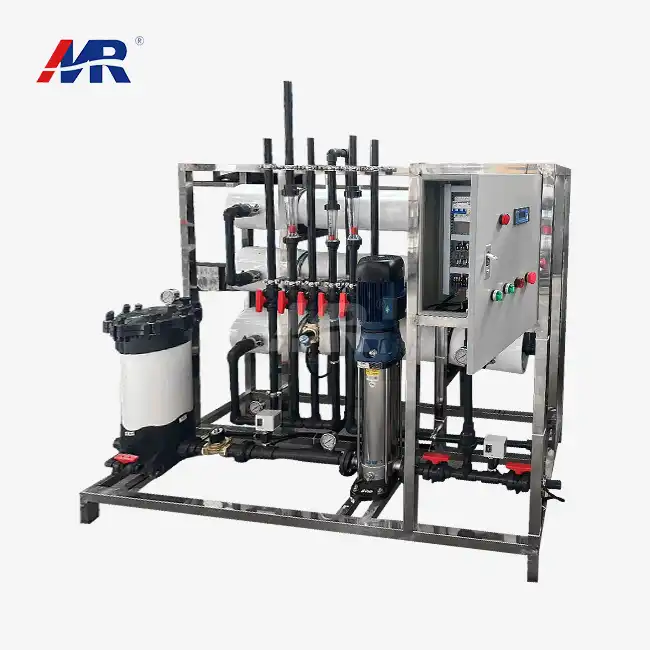
Pressure tank construction provides the main benefit. SUS316L stainless steel housings that satisfy ASME Section VIII specifications may withstand repeated pressure changes without wearing out. Instead of threaded connections, precision TIG welding connects vessel end caps. This eliminates plastic assembly leak pathways. Modular frame design makes installation straightforward and offers structural rigidity to align membrane pieces. Unaligned ones cause localized fouling and membrane failure faster.
Another crucial criterion is temperature tolerance. Stainless steel containers can handle 85–90°C hot water sanitisation for pharmaceutical and culinary applications. This function eliminates chemical cleaning, saving money and the environment. Operators can only use chemical disinfection because plastic housings warp at these temperatures.
Advanced Membrane Technology and Sealing Systems
High-quality seals and membranes fit flawlessly into stainless steel housings for optimal performance. When temperature changes, rigid stainless steel groove dimensions stay the same, so Viton and EPDM O-ring compression integrity remains. System recovery rates can reach 75% and reject 99.5% of dissolved solids. These specs worsen in plastic housings because size changes make seal contact with solids harder.
Morui's innovative membrane technology employs thin-film hybrid materials that can withstand aggressive cleansers. Stainless steel membranes last longer between repairs. Electronics factory data shows that membranes last over 5 years in stainless steel housings versus 3 years for plastic equivalents. Because membranes are easier to clean and operational conditions are steadier.
Integrated Automation and Monitoring Features
By preventing operational irregularities that damage equipment, automated control systems prolong life. Stainless steel RO systems with pressure indicators, conductivity monitors, and flow controls improve performance continuously. These parts' tiny footprints on rust-proof surfaces protect electronics from chemicals and moisture. Problems are identified in real time, so they don't need emergency repairs. A drop in permeate flow indicates membrane clogging, which maintenance teams prevent.
Another way to prolong life is UV sterilisation. Before water touches membranes, stainless steel inline UV reactors reduce microbial burden. This safety step prolongs membrane life and reduces biofouling, especially when handling surface water or recycled streams. UV pretreatment and stainless steel building produce stronger results than plastic-framed systems.
Customized maintenance schedules for key sections secure investments best. O-ring checks, pressure tests, and membrane cleaning every six months keep systems running well. In high-chloride environments, annual passivation protects stainless steel's oxide layer from crevice corrosion.
Comparative Analysis: Stainless Steel vs Plastic and Other Materials in Reverse Osmosis Systems
To justify allocating capital, purchasing decisions need to be based on quantitative comparisons between stainless steel reverse osmosis systems and plastic materials. The next analysis looks at the total cost of ownership, performance characteristics, and environmental factors:
Total Cost of Ownership Calculation
Stainless steel systems cost 40–60% more than plastic alternatives, but they are cheaper over time. A food processing plant's 10,000 GPD system illustrates this. The stainless steel device costs $52,000, while the plastic-framed one costs $32,000. But 15-year running costs research shows considerable differences:
Plastic systems needed new housings every six and twelve years ($8,500 and $9,200), plus 30% additional membrane replacements due to poor working conditions ($3,800 more). Leak and pressure maintenance cost $1,200 more per year than stainless steel systems. Energy use averaged 2.3 kWh/m³, compared to 2.0 for stainless steel. This added $6,400 to power expenses.
Plastic cost $78,300 to own compared to $64,800 for stainless steel, a $13,500 benefit for the better structure. This research didn't assess hard-to-measure items like production disruption costs and rule-breaking hazards, which favor stainless steel.
Performance Across Operating Environments
Each industry has distinct material selection issues. Pharmaceutical manufacturing requires tough cleaning tools. Only stainless steel may be used in USP-grade water systems because it resists heat and chemicals. Desalination of marine water exposes gear to corrosive chloride ions that break down plastic fast and harm stainless steel grades below 316L.
For electronics, you need ultrapure water with a resistance over 15 megohm-cm. Stainless steel's low extractables profile prevents biological pollution from hindering semiconductor production. However, plastic housings emit too many organics for critical cleaning. Municipal water treatment prefers stainless steel for its durability and low maintenance. Public utilities are typically on a budget; therefore, equipment that lasts 20 years or longer is cheaper.
Environmental Impact and Regulatory Compliance
Stainless steel is recyclable, which aligns with circular economy ideas, which are increasingly relevant in purchase decisions. As trash, 316L stainless steel can be reused without losing quality. Plastic RO housings are frequently dumped in landfills as unclean industrial waste.
Environmentally friendly materials are favored by regulations. California Title 22 requires recycled water equipment to be built of water-cleaning materials. No issue; stainless steel satisfies these standards. Unlike stainless steel, European REACH limits some plastic additives, creating compliance concerns. Forward-thinking procurement teams recognize that equipment materials must fulfill future operating regulations.
Maintenance and Troubleshooting Tips for Stainless Steel Reverse Osmosis Systems
When you follow the right upkeep steps, you can keep the durability benefits that stainless steel reverse osmosis system design offers. It's helpful for technical teams to know the best ways to install metal-framed systems:
Recommended Cleaning and Preventive Protocols
Cleaning times for membranes rely on the quality of the feedwater, but for industrial uses, they are usually done every three months. Stainless steel housings make this maintenance easier because they can handle harsh cleaning solutions that successfully restore membrane function. Mineral scale can be removed with citric acid descaling, and organic fouling can be removed with sodium hydroxide treatments. Because 316L stainless steel is resistant to chemicals, these alternating acid-base cleaning cycles can be used without worrying about material degradation, which is a problem with plastic system protocols.
The protective chromium oxide layer is kept up with passivation treatments every 12 to 18 months. This is done by running a weak nitric acid solution (5–10% strength) through the system for 30 to 60 minutes. This gets rid of any free iron that could start rusting. The process requires little downtime and keeps expensive home replacements from happening. It's a great way to protect your investment with a great cost-benefit ratio.
Common Troubleshooting Scenarios
Drops in pressure across the system are a sign of possible problems that need to be looked into. A slow loss of pressure over weeks means that the membrane is getting clogged and needs to be cleaned, while a sudden loss of pressure means that there are mechanical problems. Stainless steel systems make troubleshooting easier because the housings stay the same size. This means that technicians can be sure that problems are caused by membranes, seals, or control valves instead of frame deformation. By checking the O-rings during upkeep, they can be replaced before they start to leak. Unlike plastic housings, which have sealing surfaces that change shape when heated and cooled, stainless steel vessels have grooves that are always the same size.
More permeate conductivity means that the membrane is damaged or that the seal is being bypassed. The strong design of stainless steel housings takes away the need for housing flaws as a variable, focusing the testing process on membrane integrity. This speedy fixing cuts down on the mean time to repair by a large amount compared to plastic systems, where multiple failure modes make analysis more difficult.
Most problems can be avoided by using automated systems to do regular monitoring. Modern RO equipment made of stainless steel has flow meters, conductivity sensors, and pressure transmitters that can spot problems early on. Trending this data shows when performance is going down before it affects production. This lets maintenance be planned ahead of time instead of having to be done as an emergency.
Conclusion
The choice of materials has a big impact on how a stainless steel reverse osmosis system works, how much it costs over its lifetime, and how reliable it is in operation. Most of the evidence supports building with stainless steel for industrial and business uses where long-term value, sturdiness, and clean water are important. Systems with plastic frames are more likely to break, which leads to higher maintenance costs, production delays, and shorter equipment lifespans. Stainless steel types 304 and 316L avoid rusting, can withstand mechanical stress, and keep their shape over a wide range of temperatures and chemical exposures that break down plastic substitutes.
Stainless steel construction costs more up front, but it pays for itself in the long run by lasting longer, needing less maintenance, and using less energy. When looking at the total cost of ownership, buying decisions always choose stainless steel over plastic when the evaluation periods match the real lifecycles of the equipment. As rules get stricter and concerns about the environment become more important, stainless steel's benefits become clearer.
FAQ
Q1: What maintenance intervals do stainless steel reverse osmosis systems require?
Preventive maintenance plans usually include cleaning the membrane every three months, full checks every six months that include testing the seals and pressure, and passivation treatments once a year. These time periods are much longer than those for plastic systems, which need more frequent maintenance because their structures break down more quickly.
Q2: Can I integrate stainless steel RO systems with existing plastic infrastructure?
Integration is still possible with the right adapter parts and changes to the pipes. A technical evaluation should check the pressure ratings and make sure the connections work. Many places slowly switch to stainless steel equipment, replacing plastic units as they wear out.
Q3: How much longer do stainless steel systems last compared to plastic frames?
With proper maintenance, stainless steel reverse osmosis systems can last up to fifteen years in the field, while plastic-framed equivalents only last five to seven years. This 2-3 times longer life comes from better corrosion resistance and structural stability, which stop the breakdown processes that happen with plastics.
Partner With Morui for Superior Stainless Steel Reverse Osmosis Systems
When you buy industrial-grade water purification equipment, you need to work with manufacturers who have both technical know-how and a track record of dependability. Guangdong Morui Environmental Technology offers complete solutions and has a lot of engineering resources and manufacturing skills to back them up. Our stainless steel reverse osmosis systems are made of stainless steel and have advanced membrane technology, energy-efficient designs, and modular construction that meet the strict needs of pharmaceutical, food processing, power generation, and industrial uses.
As a well-known company that makes stainless steel reverse osmosis systems and has production plants that work together, we keep quality under control all the way through the supply chain, from making the membranes to putting together the whole system. Because we work with top component brands like Shimge Water Pumps, Runxin Valves, and Createc Instruments, you can be sure that your equipment will have tried-and-true parts. We set up systems that meet your exact needs and offer one-stop installation and commissioning services. Capacity ranges from 1,000 to 100,000 GPD and can be customised.
Our technical team is ready to look at your water treatment needs and suggest the best options that match performance with cost over the life of the product. Email benson@guangdongmorui.com to talk about how our stainless steel reverse osmosis systems can give your business the dependability, efficiency, and long life it needs.
References
1. American Water Works Association. (2020). Reverse Osmosis and Nanofiltration: Manual of Water Supply Practices M46. Denver: AWWA Press.
2. Baker, R. W. (2019). Membrane Technology and Applications, 4th Edition. Hoboken: John Wiley & Sons.
3. Crittenden, J. C., et al. (2021). MWH's Water Treatment: Principles and Design, 4th Edition. New York: McGraw-Hill Education.
4. National Association of Corrosion Engineers. (2018). Stainless Steels for Desalination and Water Treatment Applications. Houston: NACE International.
5. United States Pharmacopeial Convention. (2022). USP <1231> Water for Pharmaceutical Purposes. Rockville: USP.
6. World Health Organization. (2017). Technical Notes on Drinking-Water, Sanitation and Hygiene in Emergencies: Reverse Osmosis Desalination. Geneva: WHO Press.
 VIEW MOREbrackish membrane
 VIEW MOREcontainerized ro systems
 VIEW MORE45m3/hour seawater desalination system
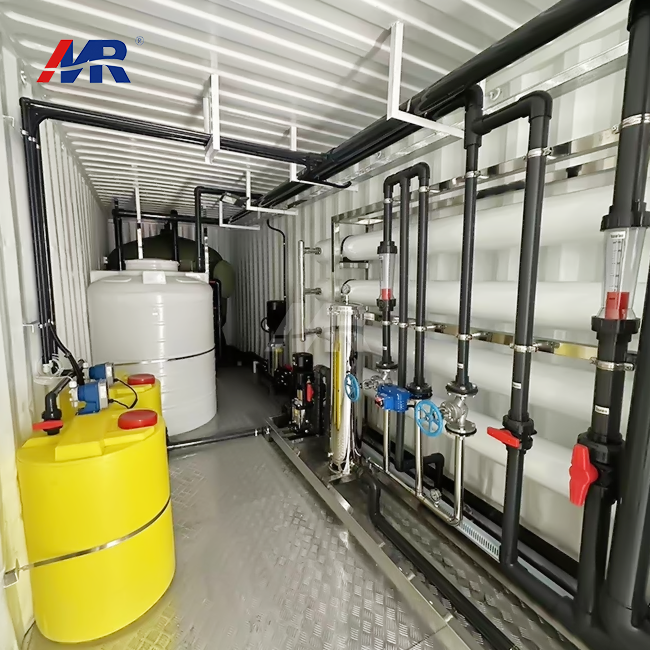 VIEW MOREcontainer reverse osmosis equipment
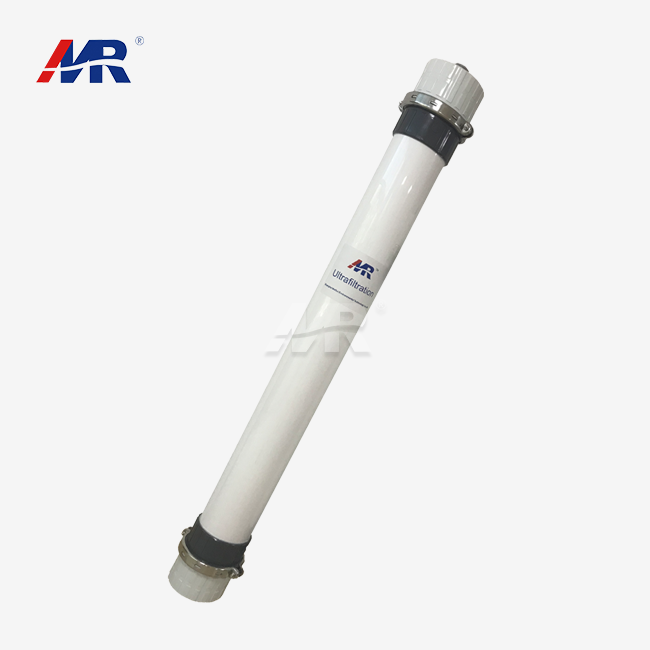 VIEW MOREultrafiltration membrane for wastewater treatment
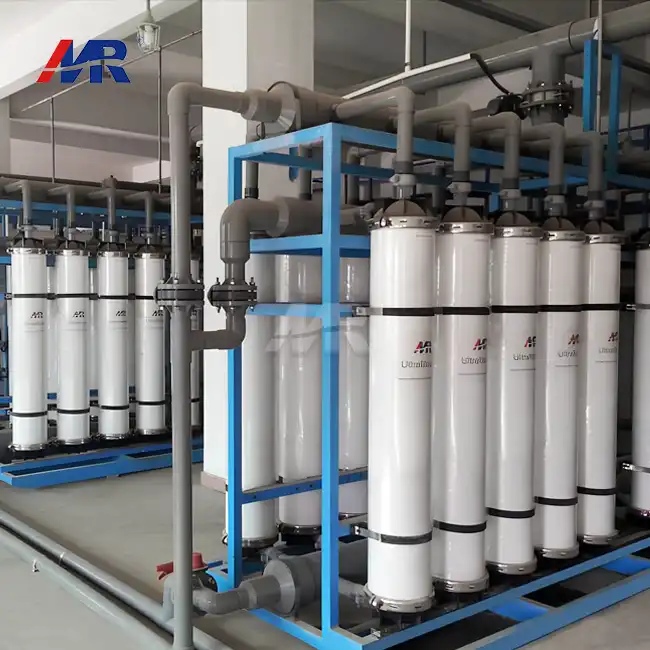 VIEW MORE20m3/hour ultrafiltration equipment
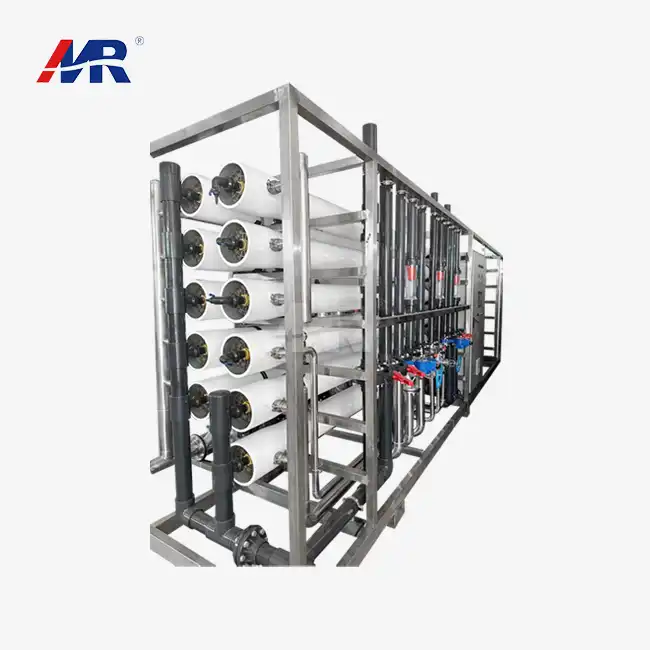 VIEW MORE60m3/hour reverse osmosis plant
 VIEW MORE3T/H reverse osmosis equipment
