_1745823981883.webp)

How to Size a Large RO System for High-Flow Applications
To properly size a large RO system, you must strike a balance between the needs for daily production, the characteristics of the feedwater, and the system's efficiency. To start, the process figures out the highest hourly demand and looks at the quality of the source water by checking things like Total Dissolved Solids (TDS) and turbidity. Next, the right membrane designs are chosen to reach the desired recovery rates while keeping the cleanliness of the permeate. The right size takes into account backups, seasonal changes, and the ability to grow in the future. This makes sure that the system meets the needs of treating water on an industrial scale without requiring too much money or work.
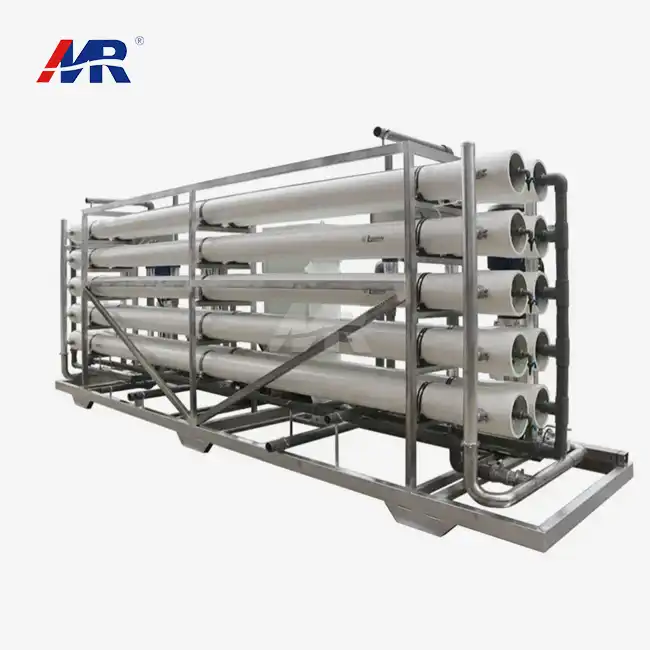
Understanding the Basics of Large RO Systems
The need to clean water in factories has pushed reverse osmosis technology into high-capacity areas where performance and dependability are very important. Knowing what makes large RO systems different from residential or small commercial units helps procurement teams make smart choices that meet operational needs.
What Defines a Large-Scale Reverse Osmosis System?
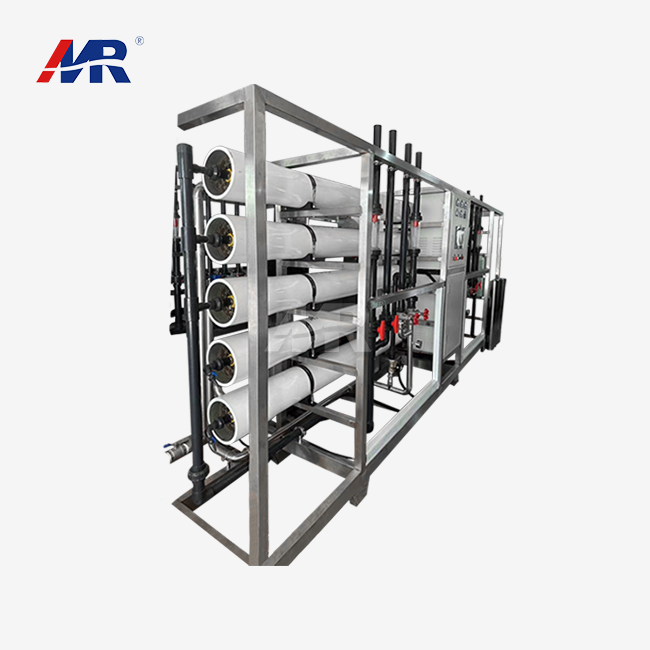
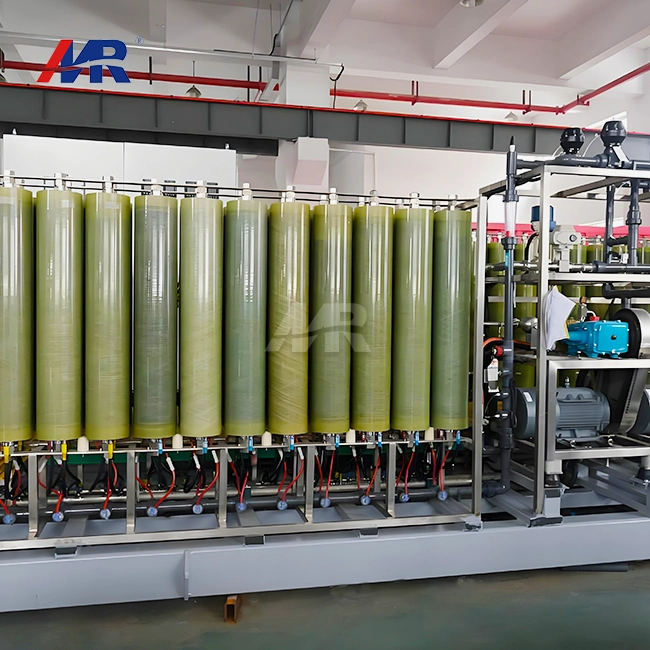
Large RO systems are designed to handle high-flow applications in cities, enterprises, and industries that utilize more than 50 cubic meters of water per hour. Built to last, these systems differ from smaller ones. Many pressure tanks are lined together, and high-flux thin-film composite (TFC) membranes may operate continuously. Multiple levels of high-pressure pumps, ASME-approved pressure containers, and modern pretreatment trains ensure feedwater quality before the membrane elements.
Capacity standards suggest that systems capable of handling 100m³/hour (2,400m³/day) are ideal for industrial operations. They output enough for industry, municipal water supply, and desalination projects with a small footprint and low energy use.
Core Components That Drive Performance
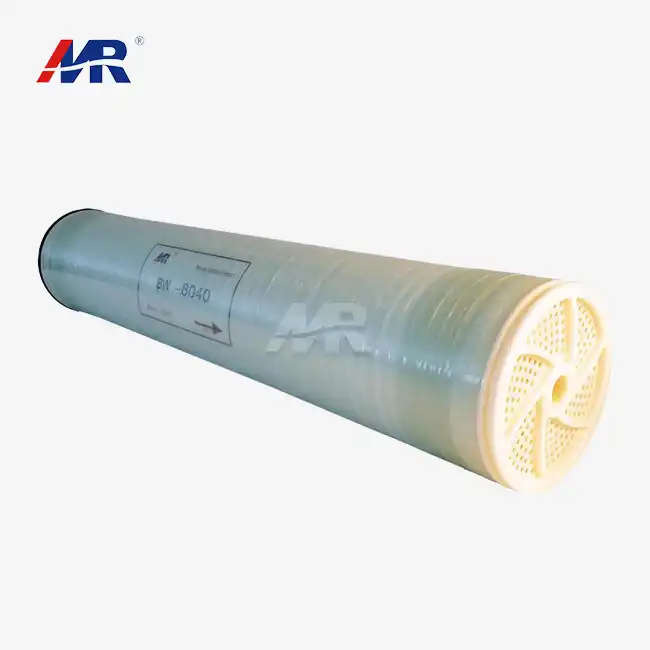
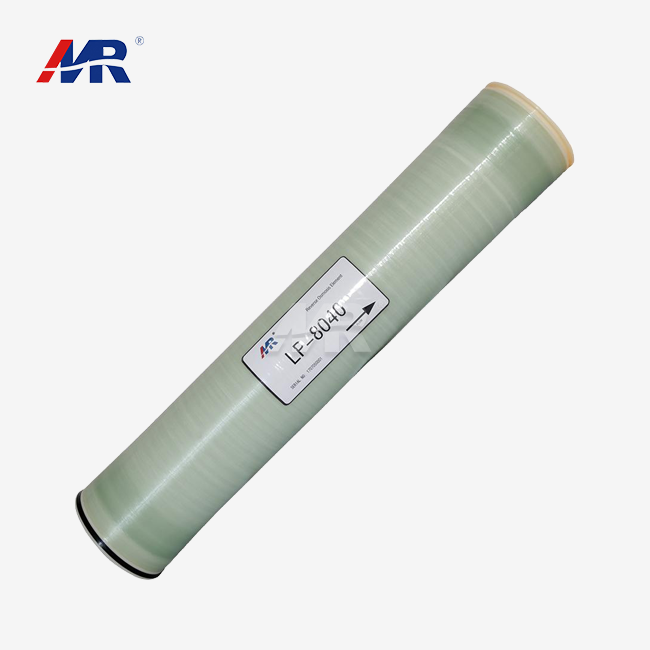
Any large-scale system relies on high-rejection, low-fouling TFC membranes in pressure vessels. These membranes reject 99.2%–99.8% salt. They remove dissolved salts, organic debris, and germs through semi-permeable barriers at 150 to 1,200 pressure, depending on feedwater saltiness.
Pre-treatment infrastructure matters too. Multi-media filtration removes suspended particles, activated carbon removes chlorine and organics that damage membranes, and antiscalant dosing prevents mineral buildup. This mix protects downstream parts and extends membrane life.
Control systems have evolved from manual valves to complicated PLC-based automation with tablet displays. These systems monitor SDI, conductivity, TMP, and flow rates in real time. They automatically adjust processes to maximize efficiency and notify workers of issues before they worsen.
Water Quality Parameters and Recovery Optimization
Big sites often recover 50%–80% of feedwater into pure permeate. Higher recovery rates reduce water waste but increase membrane fouling and salinity. Brackish water treatment systems recover 70% of the water, balancing efficiency and membrane life.
Permeate quality requirements vary widely by industry. Pharmaceutical processes require USP-compliant ultra-low conductivity water (below 1.3 µS/cm). However, power generation boiler feedwater must limit silica and hardness to prevent turbine scaling. Balanced flavor and microbiological safety are priorities while manufacturing food and drinks. However, electronics require ultrapure water with a resistance above 18 megohm-cm.
How to Accurately Size Your Large RO System?
When you get the right size for your large RO system, you avoid expensive overinvestment and make sure there is enough space for both present and future needs. The method uses both mathematical calculations and real-world factors that take into account how things work in the real world.
Assessing Flow Rate Requirements and Peak Demand
Record your facility's water usage during several production cycles. Demand during peak hours is 30–50% greater than normal use. This applies especially to batch production where huge numbers are needed. A pharmaceutical factory may require 120m³/hour of additional capacity during cleaning cycles, while using 2,000 m³ daily.
Use the formula: System Capacity = (Peak Hourly Demand) / (Recovery Rate × Operating Hours per Day) to determine required capacity. A 15–20% safety margin covers membrane performance loss and demand spikes. Using two 60m³/hour units instead of one 100m³/hour unit allows for more maintenance flexibility and prevents production interruptions during equipment breakdowns.
Evaluating Feedwater Quality and Treatment Requirements
A comprehensive feedwater examination underpins correct sizing. TDS, hardness, alkalinity, pH, temperature, turbidity, SDI, and organic content should be tested. When TDS exceeds 10,000 mg/L, special membranes and higher operating pressures are needed, affecting energy use. Our brackish water systems operate at 3-4 kWh/m³, while seawater desalination systems can reach 6-8 kWh/m³.
Efficiency changes greatly with seasons. Colder feedwater requires higher pressure to maintain flux rates, whereas hot water permeates membranes but accelerates bacterial fouling. In seasonally changing climates, temperature correction factors must be used when sizing systems. Iron, manganese, and hydrogen sulphide contaminants require expensive and space-consuming preparation.
Membrane Configuration and Surface Area Calculations
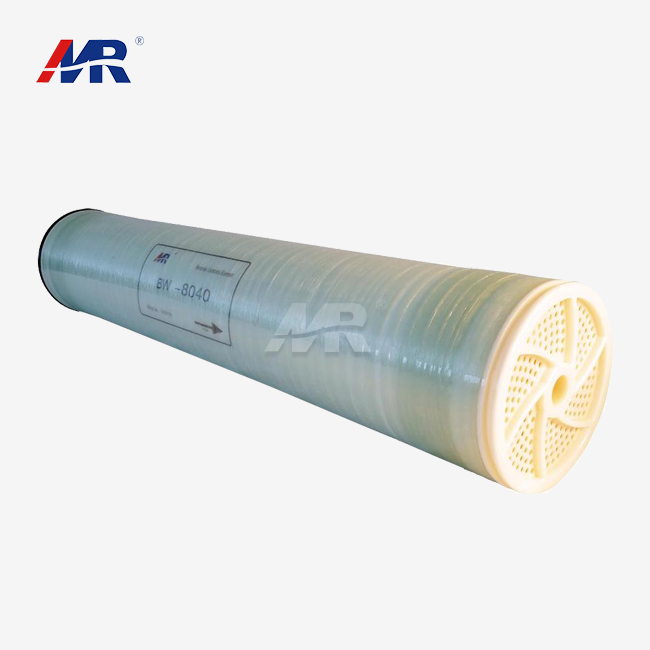
Output is proportional to membrane surface area. Standard 8-inch components contain 37 to 41 square meters of active membrane area. Depending on feedwater TDS, projected recovery, and flow rates, a 100m³/hour system may require 180-220 elements.
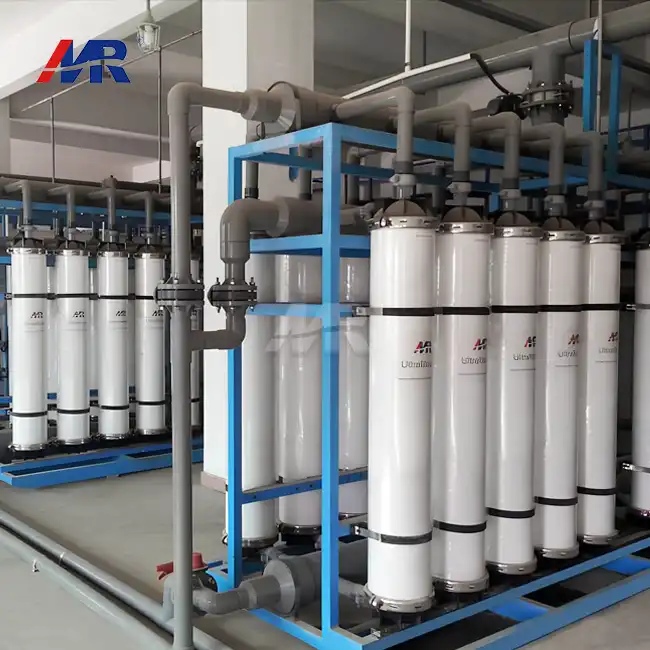
Industry standard membrane arrangement. Pressure vessels have six or seven components in a 2:1 array, so two first-stage vessels feed one second-stage vessel for greater recovery. To avoid concentration polarisation and maximize recovery, this stage method maintains concentrate flow speed. The operating pressure and concentration stream toxicity determine the pressure vessel material—stainless steel or FRP.
Planning for Expansion and Operational Flexibility
With modular construction, capacity can be increased incrementally without system redesign. Planning skid foundations and pipe infrastructure to suit additional membrane trains is inexpensive upfront but pays off tremendously in the long term. A factory that grows by 8–10% annually should adopt flexible systems that can increase by 25–50% by adding pressure vessel stacks.
Energy recovery devices (ERDs) become profitable when desalinating saltwater under high pressure. These devices save 30–40% electricity using high-pressure concentrate stream energy. While more costly and hard to set up, ERDs save money in the long run for systems cleaning above 50m³/hour of high-salinity feedwater.
Maintenance and Operational Considerations for Large RO Systems
System reliability and longevity for large RO systems depend on regular repair procedures that stop small problems from getting worse and causing expensive failures. When industrial operators follow structured maintenance protocols, membrane systems usually last between 15 and 20 years.
Establishing Effective Cleaning Schedules
How often the membrane is cleaned relies on the quality of the feedwater and the working conditions. Keeping an eye on the normalised permeate flow, salt passage, and differential pressure can help you spot membrane fouling early on. When the normalised flow drops by 10%, or the differential pressure rises 15% above baseline, cleaning is needed.
Chemical cleaning methods depend on the type of fouling. Mineral scaling needs acidic solutions, while organic fouling works with alkaline cleaners that contain surfactants. Cleaners with a high pH (11–12) break down biofilm and organic matter, while cleaners with a low pH (2-4) get rid of carbonate and sulphate scales. Using the right cleaning order—low pH first, then high pH—can get rid of mixed fouling that happens a lot in industrial settings. Our technical team gives you thorough cleaning instructions that are based on the nature of your water and how it is used.
Monitoring Performance Metrics
Key performance indicators are always being tracked by real-time monitoring systems. Conductivity meters on permeate lines find membrane breaks right away, so action can be taken quickly before the water that isn't supposed to be there gets to important processes. Flow meters on each pressure tank find parts that aren't working right and need to be cleaned or replaced.
Data logging creates baselines of past performance that show trends of slowly declining performance. Normalising flow and rejection data once a year, taking into account changes in temperature and pressure, can be used to figure out how fast membranes are wearing out and when they need to be replaced. Facilities that use predictive maintenance have about 40% fewer emergency shutdowns than facilities that use reactive maintenance.
Addressing Common Operational Challenges
Biological fouling is a problem that keeps happening in systems that treat surface water or wastewater. Biological fouling is a problem that keeps happening in systems that treat surface water or wastewater. Bacteria make biofilms that are resistant to regular cleaning chemicals. This means that you need to use special biocides and clean more often. Upstream ultraviolet sterilisation stops the growth of microbes, which greatly increases the time between cleanings.
When concentrate streams go over their solubility limits, scaling from calcium carbonate, calcium sulphate, or silica precipitation happens. Antiscalant chemicals remove minerals that cause scale, but the right amount must be added based on the chemistry of the concentrate. When you do too much, you waste chemicals and may introduce biological fouling. When you do too little, you let scale build.
Over time, the O-rings and membrane brine plugs on pressure vessels wear out. This lets raw feedwater mix with permeate, which is called bypass. Seal problems are found before they hurt the water quality by checking the pressure every three months. Keeping extra parts on hand, especially O-rings, cartridge filters, and membrane elements, cuts down on downtime when something breaks.
Procurement and Installation Insights for Large RO Systems
Strategic procurement for large RO systems balances the initial investment with the total cost of ownership, taking into account not only the price of the equipment but also how hard it is to install, what the warranty covers, and the infrastructure for ongoing support.
Breaking Down Capital and Operating Expenses
Depending on the complexity of the feedwater, the amount of automation, and the building materials used, the capital costs for a 100m³/hour system are usually between $400,000 and $700,000. It includes membranes, pressure vessels, high-pressure pumps, instrumentation, control systems, and equipment used for pretreatment. Because they need special materials that don't rust and energy recovery devices, seawater systems are much more expensive—often $1.2-2.0 million.
Depending on the conditions of the site, installation costs can range from 15% to 25% of the price of the equipment. For concrete pads, electrical infrastructure, pipe connections, and startup commissioning, you need skilled contractors who know how membrane systems work. Installation costs can be as high as 40 to 50 percent of the value of the equipment in places that are hard to reach or don't have a lot of utilities.
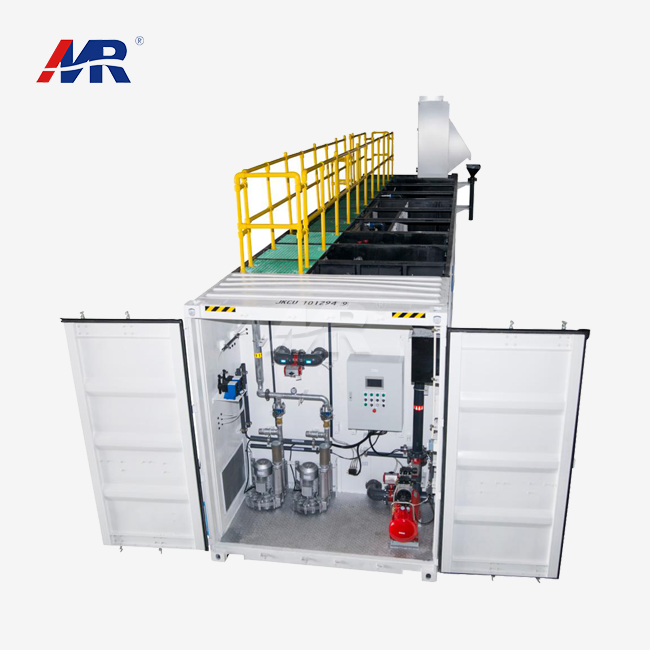
Shipping logistics are important, especially for big systems that are mounted on skids. Truck transport for domestic freight within the continental United States usually costs between $8,000 and $15,000. International shipping is more complicated because of customs clearance, import taxes, and longer wait times. Modular designs that separate systems into several smaller boxes lower the cost of shipping and make installation easier in places where entry is limited.
Selecting Suppliers and Evaluating Warranties
If you buy directly from manufacturers, you can get better customisation, Technical support, and clear pricing than through multiple distribution channels. The Guangdong Morui Environmental Technology company has many factories and a large inventory of parts, so they can deliver standard configurations in 6 to 8 weeks and make custom solutions for specific uses.
The terms of the warranty have a big effect on the total cost of ownership. Standard warranties cover flaws in the way the product was made for 12 to 24 months, but membrane performance warranties need to be carefully looked over. Reliable sellers promise minimum rejection rates and flux performance under certain working conditions. If an element doesn't work right, the supplier will replace it during the warranty time. Make it clear what situations don't cover warranties. For example, using chemicals incorrectly, operating outside of the intended parameters, or not doing enough pretreatment are all common examples.
Response times during failures depend on how available the service technology is. Downtime is kept to a minimum by suppliers who have local service centers with trained technicians and spare parts on hand. Throughout the lifetime of a system, our company has 14 branch sites with 20 specialised engineers who help with installation, operator training, preventive maintenance programs, and emergency response.
Custom System Design and Flexible Procurement Options
Standardised systems work well for many uses, but custom engineering is often needed because of the unique properties of the feedwater or limited area. Our Team offers custom system design services that make the best use of membrane configuration, pretreatment requirements, and automation features for each operation. As part of the feedback process, sample tests for difficult feedwaters are done to make sure that the installed system lives up to its performance promises.
Rental and lease choices give you freedom for short-term projects or sites that need to put off spending on capital. Short-term rental agreements (3–24 months) are good for construction dewatering, emergency water supply, or production increases during certain times of the year. Lease-to-own deals spread out costs over three to five years while building equity so that you can eventually own the car.
For buyers who don't have their own expert staff, turnkey contracts that include design, equipment supply, installation, and testing make the buying process easier. Single-source responsibility makes it easier to coordinate and makes it clear from the start who is responsible for how well the system works.
Conclusion
To properly size a large RO system, you need to carefully look at how much water you need to process, how it will be used, and any other issues that might come up. Accurate capacity calculations that take into account peak demand, recovery rates, and future growth keep businesses from under- or over-investing, which can be expensive and wasteful. Total ownership costs over the system's 15–20-year life are directly affected by how the membrane is configured, how much energy it uses, and how often it needs to be maintained. Choosing the right preparation, automation levels, and building materials is important for making sure that machines work reliably in tough industrial settings. This important water treatment technology has the lowest risk and highest return on investment when it is bought strategically from sources with a lot of experience and a full support system.
FAQ
Q1: What flow capacity qualifies as a large RO system?
How much flow does a large RO system have? Large-scale systems are usually industrial sites that process more than 50 cubic meters per hour, but municipal and desalination systems can go over 500m³/hour. These systems have multi-vessel arrays with 150 to 300 or more membrane elements set up in the best way possible for staging.
Q2: How often do membranes need replacement?
The membrane can last anywhere from 3 to 7 years, depending on the quality of the feedwater, how well the pretreatment works, and how often it is maintained. Facilities with thorough pretreatment and strict cleaning protocols usually get 6-7 years of use out of their equipment. However, facilities with difficult feedwaters may need to replace their equipment every 3–4 years.
Q3: Can systems handle varying feedwater quality?
Advanced control systems change the working settings automatically to account for changes in the feedwater that are within the limits of the design. But big increases in TDS or contaminants that weren't expected may mean that the pretreatment needs to be changed. During the design phase, pilot testing finds potential problems before the whole system is put into use.
Q4: What space requirements should be planned?
A 100m³/hour system needs 150 to 250 square meters of floor space for things like membrane skids, pretreatment equipment, chemical dosing systems, and enough room for maintenance workers to get to them. Vertical installations take up less space, but they make it harder to get to services.
Partner with Morui for Your Industrial Water Treatment Needs
Guangdong Morui Environmental Technology provides tailored water treatment options that are backed by high-quality manufacturing and a wide range of support services. Our large RO system designs include high-rejection TFC membranes, energy-efficient operation that uses only 3–4 kWh/m3, and modular construction that allows for capacity growth without any problems. We offer turnkey applications, from the original consultation through installation, commissioning, and continued expert support, as a reputable large RO system manufacturer with over 500 workers spread across 14 branches. Email our engineering team at benson@guangdongmorui.com to get quotes on custom systems, performance guarantees, and detailed specifications that are made to fit your specific industrial need.
References
1. American Water Works Association (2021). "Reverse Osmosis and Nanofiltration Manual of Water Supply Practices - M46, Third Edition." Denver: AWWA Publications.
2. Wilf, M. & Bartels, C. (2019). "Optimization of Seawater RO Systems Design." Desalination Journal, Volume 173, Pages 1-12.
3. United States Bureau of Reclamation (2020). "Desalination and Water Purification Technology Roadmap." Technical Service Center, Water Treatment Engineering Research Team.
4. Membrane Technology and Research Institute (2022). "Industrial Membrane Separation Processes: Design and Operating Guidelines." Stanford University Press.
5. International Desalination Association (2021). "IDA Desalination Yearbook 2021-2022: Global Water Intelligence and Reverse Osmosis Applications." Oxford: Global Water Intelligence Publications.
6. Environmental Protection Agency (2020). "Membrane Filtration Guidance Manual, EPA 815-R-06-009." Office of Water, United States Environmental Protection Agency.