

_1745823981883.webp)

How Much Does an Industrial Wastewater Treatment Plant Cost?
Industrial wastewater treatment plant prices vary greatly by capacity, technology, and complexity. Mid-sized plants handling 500-1,000 m³/day typically cost $500,000 to $2 million, while small-scale systems treating 50-100 m³/day start at $100,000-$300,000. Investing in large-scale facilities above 5,000 m³/day might cost over $5 million. Advanced membrane bioreactor systems cost 20-40% more than activated sludge plants but produce better effluent and take up less space, making them ideal for compliance-driven industries. Today's regulatory environment requires procurement professionals to understand wastewater management's financial investment. Good treatment infrastructure safeguards your operations and the environment, whether you run a pharmaceutical business that needs GMP-compliant water or a food processing plant with rigorous discharge criteria.
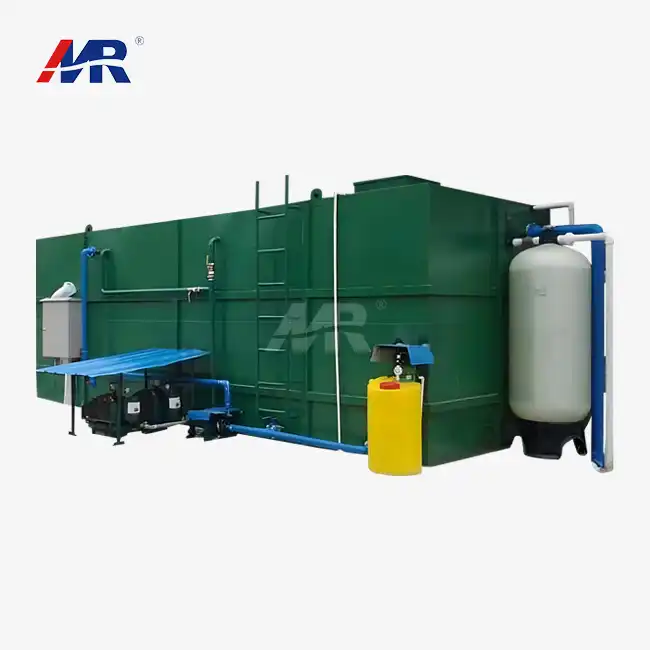
Understanding Industrial Wastewater Treatment Plants
Process effluent control is now a complex field that combines technical precision with environmental science. Modern industrial wastewater treatment plants are the first line of defence against pollution from factories. They also make it possible to reuse water and recover resources. Ultrafiltration and reverse osmosis systems are used by the pharmaceutical industry to meet strict purity standards. Textile makers, on the other hand, use specialised technologies to get rid of dye chemicals and surfactants that don't break down easily.
What Defines an Industrial Treatment System
In contrast to municipal facilities that deal with household sewage, industrial treatment plants deal with very different waste streams that contain specific contaminants. Chemical companies have to deal with heavy metals and phenolic chemicals, and food makers have to deal with high-strength organic loads from cleaning. Each business has its own problems that need custom tech solutions that strike a balance between how well treatments work and how easily they can be used.
Types of Treatment Technologies Available
Microbial communities are used in biological processes to break down organic pollution, which are cost-effective ways to deal with recyclable waste streams. Chemical cleaning uses coagulation, precipitation, and oxidation to get rid of some contaminants that biological means can't. Physical separation methods, such as dissolved air flotation, can handle the oily wastewater that comes from petrochemical plants. Ultrafiltration and biological treatment are combined in membrane technologies, especially membrane bioreactors, to make very clean wastewater that can be reused or dumped in sensitive areas.
Primary Factors Influencing Overall Costs
The complexity of a plant increases with the number and types of pollution that need to be removed. A center that handles mixed chemical waste, which includes both organic and inorganic substances, costs a lot more than one that handles simple organic wastewater. Pollution load directly affects equipment size; for example, when COD and BOD levels are high, reactor sizes need to be bigger, and ventilation systems need to be stronger. Regulatory standards determine the quality of the final effluent. Tougher discharge limits require more advanced polishing steps that raise the cost of capital and operating costs.
Core Components and Technologies Affecting Cost
What makes a treatment center cost what it does and how much it costs to run each day depends on its technology. When choosing equipment, you have to balance the need for efficiency with the available cash while still being sure of compliance. Modern systems put more and more emphasis on automation and using less energy because they know that, over the 20 to 30 years that a plant is in use, maintenance costs often rise above capital costs.
Equipment and Process Selection
Screens, grit chambers and equalisation tanks are examples of preliminary treatment parts that get raw wastewater ready for processing further down the line. Primary clarifiers use gravity to get rid of solids that can settle to the bottom of the tank. This lowers the amount of organic matter that gets to the biological treatment stages. Most systems work around secondary treatment, which is where activated sludge reactors or fixed-film bioreactors break down dissolved organic waste. Membrane bioreactor systems combine microfiltration with biological treatment, so they don't need extra clarifiers and make better wastewater.
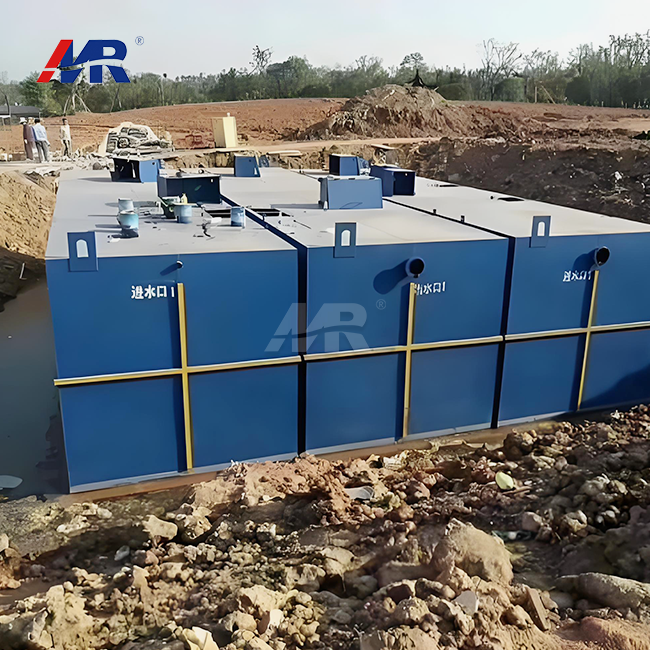
When compared to standard plans, Morui's flexible systems have small designs that cut the space they need by up to 40%. This efficient use of space is especially helpful in places that don't have a lot of land or can't grow. Our treatment capacity is between 50 and 10,000 m³/day, so it can handle activities from small factories to big industrial buildings.
How Capacity and Automation Drive Expenses
Larger amounts of wastewater need bigger tanks, pumps, and processing equipment for an industrial wastewater treatment plant, but economies of scale lower the cost of treatment per unit. Because of these economies of scale, a 1,000 m³/day industrial wastewater treatment plant doesn't cost ten times more than a 100 m³/day plant. Automation requires a big investment up front, but it pays off in the long run by cutting down on labour needs and improving process control. Operators can handle multiple facilities from a central control room with fully automated systems that allow remote tracking. This speeds up response times and reduces the number of costly process upsets.
Our installations are fully automated and can be monitored from afar, so your technical teams can keep an eye on performance metrics in real time and get reports about possible problems before they become compliance violations or equipment breakdowns.
Energy Efficiency and Specialized Design Considerations
The cost of energy use is a big part of running a treatment plant, and aeration systems usually use 50 to 60 percent of the electricity. When compared to older technologies, high-efficiency fans and fine-bubble diffusion systems can cut energy costs by 20 to 30 percent. Because our systems use better hydraulics and more advanced process control algorithms that match treatment intensity to actual pollutant loads, they use 30% less energy than traditional designs.
Often, industry-specific toxins need special treatment units. Textile factories need colour removal systems that can work with reactive dyes, and electroplating factories need units that can precipitate and recover heavy metals. Dissolved air flotation units and biological stripping for volatile organic chemicals work well together to clean up oily wastewater at petrochemical companies. These customised parts come with extra costs, but they make sure that regulations are followed and may help recover valuable resources.
Breaking Down the Cost Factors of Industrial Wastewater Treatment Plants
Planning for the cost of industrial wastewater treatment plants includes a lot more than just the initial purchase price. An in-depth cost analysis looks at all of the costs involved, including initial investments, setup fees, ongoing running costs, and maintenance needs throughout the product's life. When buying teams understand how these different parts work together, they can look at the total cost of ownership instead of just looking at the starting price.
Initial Capital Investment Components
Buying equipment like reactors, clarifiers, membrane modules, pumps, fans, and instruments usually takes up 40 to 50 percent of the total cost of capital. Another 10 to 15 percent goes to engineering design services, which turn project needs into thorough specifications and building drawings. 25 to 30 percent of capital funds are spent on civil works, such as concrete tanks, pipe networks, and control buildings. Adding electrical systems, computer gear, and SCADA integration to the initial investment costs about 10 to 15 percent more.
Our "turnkey" method simplifies this by taking care of the whole project, from the initial planning to commissioning and teaching the operators. With more than 500 employees, 20 specialised engineers, and 14 branch locations, we offer integrated solutions that make it easier to coordinate work and cut down on schedule delays that drive up project costs.
Operational Expenditures Over Time
Electricity costs make up most of operating spending, especially for biological processes that clean high-strength wastewater and need a lot of oxygen. Chemical use changes a lot based on the method of treatment. For example, coagulants, pH-adjustment chemicals, and disinfectants are long-term costs that go up with treatment volume. The cost of replacing the membrane is high over time. Depending on the feedwater and operating conditions, most modules need to be replaced every 5 to 7 years.
How much automation and how complicated the plant is have a big effect on how much labour is needed. Fully automated facilities may be able to run with little staff on site, while plants that are handled by hand need an operator there all the time. Maintenance tasks like regular checks, preventative servicing, and occasional repairs usually use up 2 to 5 percent of the cost of capital each year.
Regulatory Compliance and Environmental Standards
Discharge licenses set strict limits on the quality of wastewater, which affects the choice of cleaning technology and the costs that come with it. Facilities that discharge into sensitive receiving waters have to follow very strict rules that require advanced cleaning methods. Our systems can get rid of up to 99% of COD, BOD, and TSS, which means that even in tough legal situations, there are enough margins for safety.
Penalties for not following the rules can be much bigger than the practical savings from not having the right treatment infrastructure. For this reason, dependability and performance certainty are very important when buying something. Monitoring, reporting, and sometimes changing permits add overhead costs that need to be taken into account when figuring out the overall cost of the project.
Comparing Popular Industrial Wastewater Treatment Solutions in 2026
Choosing the right technology for an industrial wastewater treatment plant has a huge effect on both long-term operating success and capital investment. Before you can compare different methods, you need to know their pros, cons, and how much they will cost in different business settings. The treatment landscape keeps changing as membrane technologies get better and designs that use less energy become more popular for industrial wastewater treatment plant systems.
Membrane Bioreactors Versus Conventional Systems
Membrane bioreactors treat wastewater biologically and with ultrafiltration in one step, so they don't need any extra clarifiers and make very clean wastewater. Activated sludge plants usually have higher capital costs (25–35%) than regular ones, but the extra cost is well worth it because they offer many benefits. The amount of space needed goes down by 40 to 50 percent because there is less need for clarifiers and more waste. The quality of the effluent always meets strict standards for discharge, and there are no seasonal changes in performance that affect systems that use settling.
Aerobic and Anaerobic Treatment Approaches
Regular activated sludge is still a good deal for situations where there is a lot of land available, and the quality of the sewage doesn't need to be very high. These systems have been used for decades and have simple upkeep methods that make them reliable. But it's hard for them to regularly meet the strict discharge limits that are becoming more common in modern permits.
Biodegradable organic waste can be broken down in aerobic processes, but they use a lot of energy to aerate the waste. They work quickly, take up little space, and can handle a wide range of handling situations well. Anaerobic systems don't need to pay for air and make methane biogas, which can help a facility's energy costs. Anaerobic pretreatment can be very profitable for food processing plants that have a lot of high-strength organic wastewater, but the temperature needs to be carefully managed and the hydraulic retention times need to be longer.
Emerging Technologies and Cost Trends
Advanced oxidation processes that use ozone or UV rays to kill persistent organic substances that are not easily removed with normal methods still have fairly high costs of operation. Electrocoagulation can remove contaminants without using chemicals in some situations, and it shows promise for treating dirty wastewater. Forward osmosis and electrodialysis are interesting ways to treat water and get it back, but they are not widely used in industry yet.
As production volumes rise, membrane costs keep going down, which makes MBR and other membrane-based methods more competitive from a business point of view. Automation technologies from other fields allow for more complex process control at lower costs, which means that mid-sized businesses can now use advanced systems instead of easier ones they could only use before.
How to Optimize Your Investment When Procuring a Wastewater Treatment Plant
Strategic procurement weighs the limited original capital against the overall costs and managerial freedom over the lifespan. Thoroughly evaluating suppliers, setting realistic goals for performance, and making support plans that go beyond just delivering tools are all important for projects to be successful. How technology companies and end users interact has a big impact on long-term happiness and return on investment.
Evaluating Suppliers and Technology Partners
Track record is crucial in industrial water treatment because operational dependability affects productivity and compliance. Check potential partners for similar project experience, technical assistance, spare parts, and financial stability. Referrals from related sectors might help you distinguish between product and business claims.
Manufacturing influences product quality and delivery time. When integrated suppliers produce key components, quality and supply chain flexibility are maintained. Our membrane workshop and equipment processing capabilities allow us to supply customized solutions without relying on other sources whose delays might hinder project dates.
Turnkey Solutions and Custom Engineering Benefits
Having one contractor manage the whole work simplifies purchasing and lowers risks for an industrial wastewater treatment plant when dealing with many vendors. Turnkey suppliers design, supply, install, and finish projects. This simplifies warranty compliance and problem-solving. This integrated procurement strategy frequently finishes projects quicker and with fewer surprises than fragmented ones.
Customization enables you to fulfill your operations' demands without pushing them to suit conventional equipment. Customised solutions increase treatment efficacy, simplify processes, and help businesses adapt to changing situations. Our engineers design wastewater systems for chemical processing, pharmaceuticals, textile dyeing, food production, and other sectors.
Long-Term ROI and Maintenance Considerations
Investments in energy-saving methods that cut utility expenses in three to five years are wise. Also, technology that eliminates one shift job saves a lot of money throughout the equipment's lifespan. Instead of using theoretical estimates, evaluate vendors based on operating expenses from genuine installations.
Maintenance accessibility affects regular maintenance costs and emergency repair time. Well-designed systems allow maintenance to be done without halting the operation by easily accessing repair parts and separating duplicate equipment. Easy maintenance is built into our installations. Standardized components and clear documentation help support workers diagnose issues.
Drug production and cleaning need homogeneous ultrapure water from treatment systems. Electronics manufacturers require low-conductivity water for chip manufacturing and cleaning. Mining operations need robust systems to withstand fluctuating pollutant flows. Knowing industrial demands helps identify technology that has performed effectively in comparable scenarios.
Conclusion
To figure out how much a treatment plant costs, you have to balance a lot of technical and financial factors that are specific to your business needs and legal obligations. The amount of money needed to invest runs from a few hundred thousand dollars to several million dollars, based on the technology used, the capacity, and the performance standards. Total lifecycle costs are affected by operational costs like energy, chemicals, maintenance, and labour, which often go over the initial capital over longer project horizons. While modern membrane bioreactor systems are more expensive, they are worth it for uses that need to be compliant because they save room, produce better wastewater, and are reliable. Long-term relationships that work well are built on thorough supplier evaluations that focus on appropriate knowledge, full support, and past performance. When you do strategic buying, you should focus on the total cost of ownership instead of the minimum original investment. This will help your company run in a way that meets both its business goals and its environmental obligations.
Frequently Asked Questions
1. What is the typical price range for mid-sized treatment facilities?
Medium-sized plants that treat 500 to 1,000 m³ per day usually cost between $500,000 and $2 million, but this depends on the type of wastewater and the amount of treatment that is needed. Industrial effluents that contain both organic and inorganic contaminants are more difficult to treat than simple streams of organic garbage. At the higher end of this price range are membrane bioreactor systems, which offer better performance and smaller sizes.
2. How do environmental regulations impact costs?
Higher standards for discharge mean that treatment processes and monitoring systems need to be more advanced, which raises both capital and operating costs. Facilities that discharge into fragile ecosystems or areas that are already struggling with water have to follow extra strict rules. Compliance reliability supports spending more on reliable technologies that stop violations that cost a lot of money and could shut down production.
3. Why choose membrane bioreactor technology?
MBR systems take up 40–50% less room than regular plants but produce very clean wastewater that can be reused or discharged in strict ways. Higher amounts of biomass allow cleaning to happen faster and better handle loads that change. In many Cases, these benefits make up for the 25–35% capital premium. This is especially true when land costs are high or when reusing wastewater has economic value.
Partner with Morui for Your Industrial Wastewater Treatment Plant Needs
Selecting the right industrial wastewater treatment plant manufacturer affects the success of your project from the beginning of the design process to many years of trouble-free use. Guangdong Morui Environmental Technology specialises in treating all kinds of water, including garbage from homes and businesses, ocean desalination, and making drinking water. Our integrated services include making our own membranes, building equipment, designing and installing the whole system, installing it completely, and helping with commissioning. We sell known brands of parts, like Shimge water pumps, Runxin valves, and Createc instruments, so you can be sure that your system has hardware that has been tested and can be supported.
Our group of 20 engineers has a lot of experience in a wide range of industries, including pharmaceuticals, food processing, chemical manufacturing, textiles, and many more. With 14 branch sites and 500 dedicated workers, we offer quick local help backed by a wide range of company resources. No matter if you need a small 50 m³/day system or a huge 10,000 m³/day center, our flexible designs can be easily changed to fit your current needs and your plans for future growth.
Email our expert team at benson@guangdongmorui.com to talk about your unique application and get a quote that is based on your site conditions, effluent standards, and capacity needs. Check out our full selection of options for industrial wastewater treatment plants and learn how working with an expert supplier can help you stay in compliance, run your business reliably, and save you money in the long run.
References
1. Metcalf & Eddy, Inc. (2022). Wastewater Engineering: Treatment and Resource Recovery, 6th Edition. McGraw-Hill Education, New York.
2. United States Environmental Protection Agency. (2021). Industrial Wastewater Treatment Technology Database and Best Practices Manual. EPA Office of Water, Washington, DC.
3. Judd, S. & Judd, C. (2023). The MBR Book: Principles and Applications of Membrane Bioreactors for Water and Wastewater Treatment, 3rd Edition. Butterworth-Heinemann, Oxford.
4. Water Environment Federation. (2022). Industrial Wastewater Management, Treatment, and Disposal, Manual of Practice No. FD-3. WEF Press, Alexandria, VA.
5. American Water Works Association. (2023). Water Treatment Plant Design, 6th Edition. McGraw-Hill Professional, New York.
6. Asian Development Bank. (2021). Industrial Wastewater Treatment Plant Cost Analysis and Technology Selection Guidelines for Developing Economies. ADB Publications, Manila, Philippines.
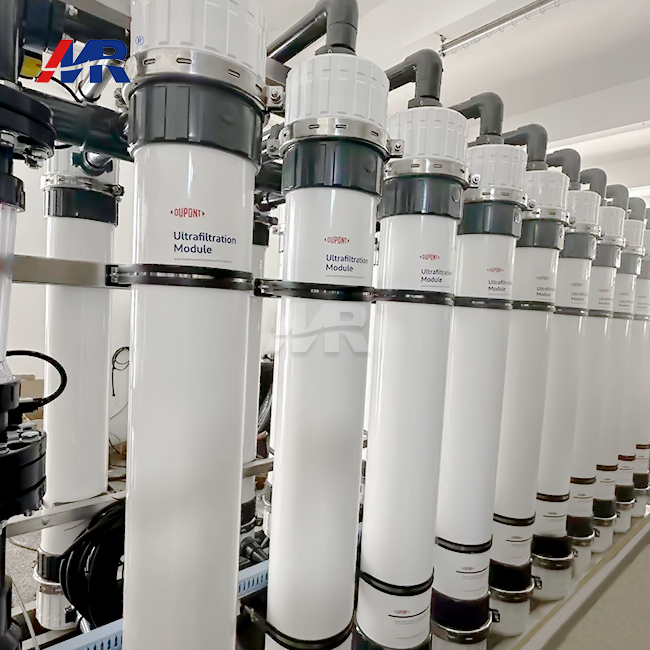 VIEW MOREultrafiltration water treatment system
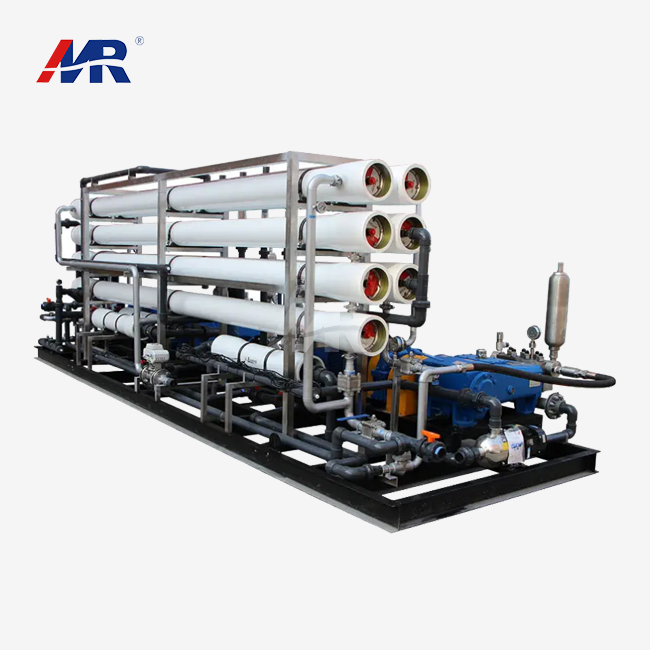 VIEW MOREseawater desalination machine
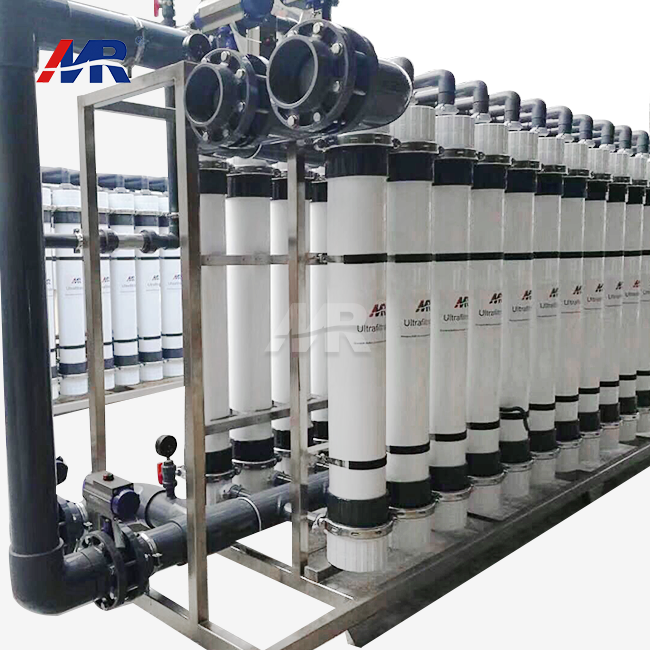 VIEW MOREultrafiltration water system
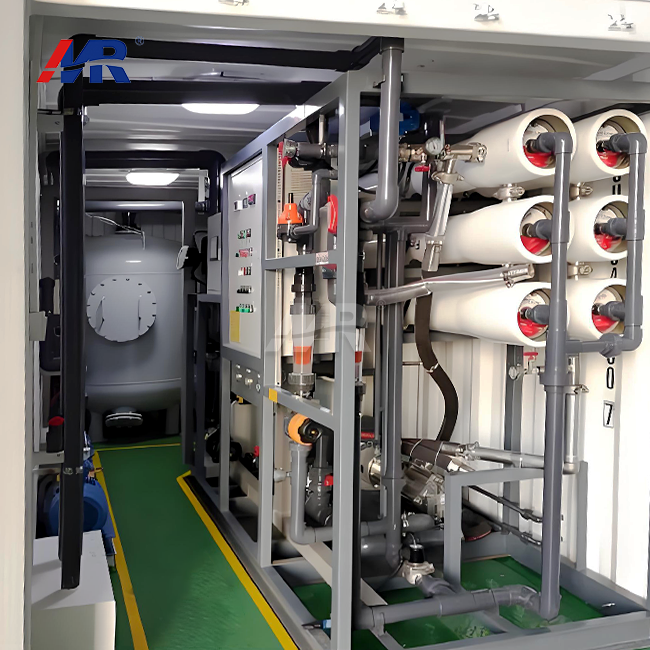 VIEW MOREcontainerized RO equipment
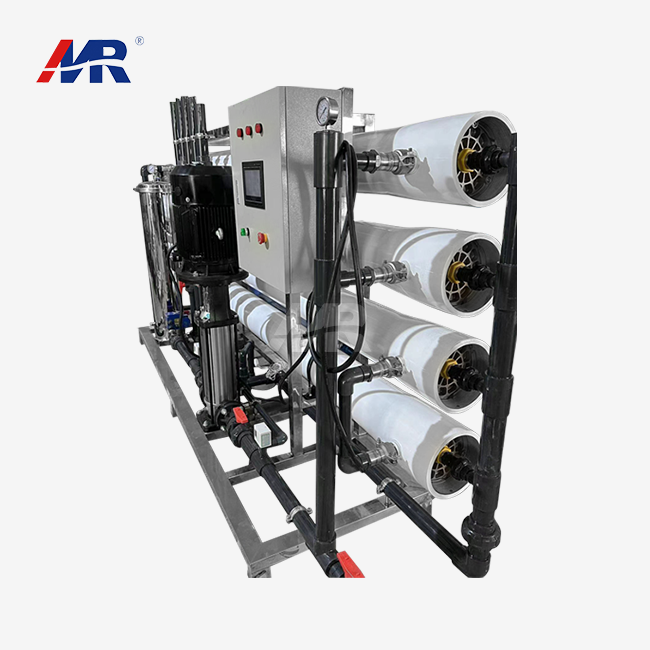 VIEW MOREunder counter reverse osmosis water system
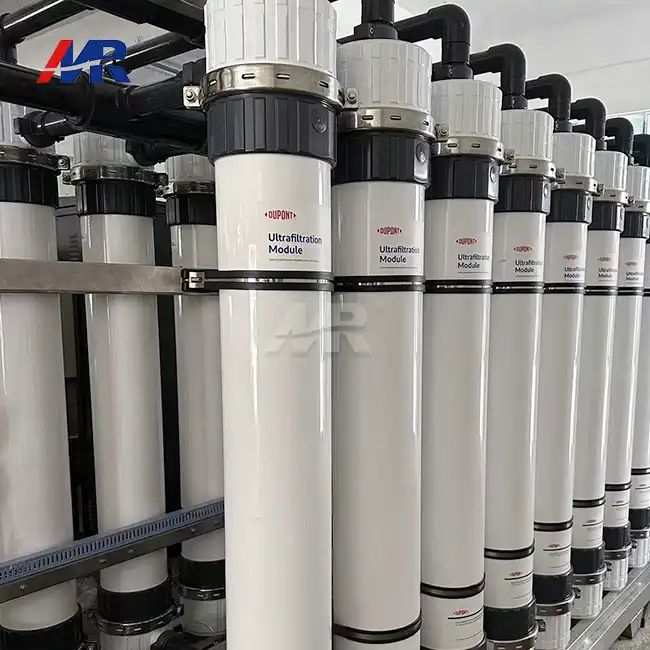 VIEW MORE100T/H ultrafiltration equipment
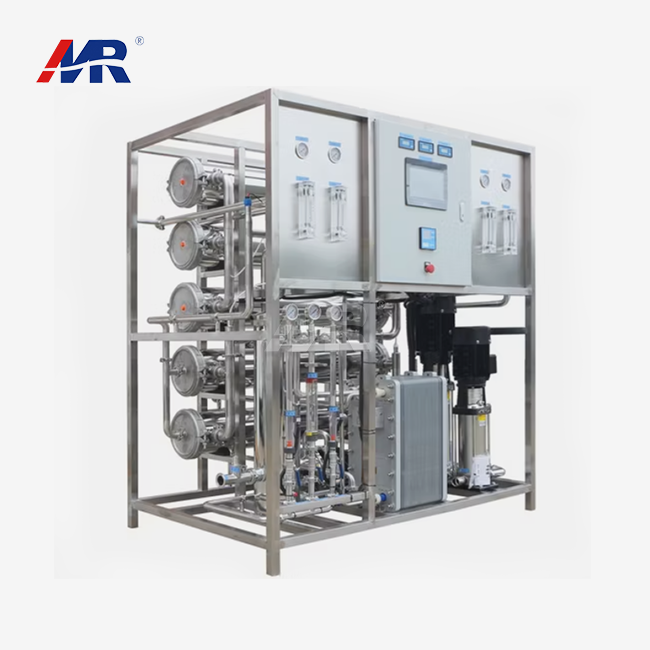 VIEW MOREro edi water system
 VIEW MOREwastewater treatment plant units
