

_1745823981883.webp)

Containerised Sewage Treatment for Hotels, Resorts, and Camps
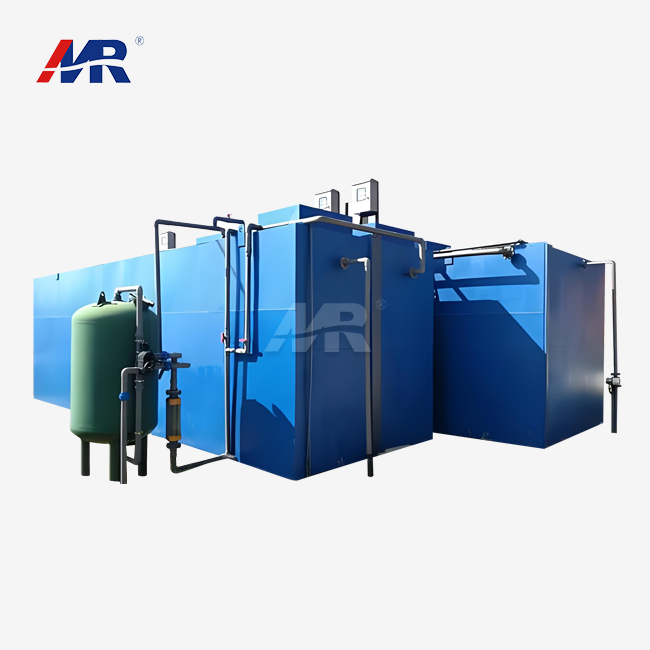
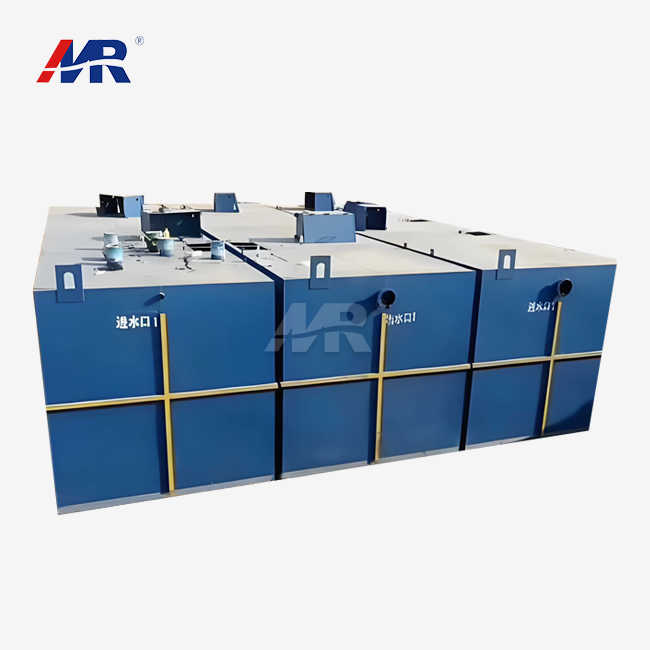
Containerised sewage treatment represents a transformative wastewater management solution for hotels, resorts, and camps, particularly those in remote or environmentally sensitive locations. These systems integrate the entire treatment process—from primary sedimentation through biological treatment, filtration, and disinfection—into a standard ISO shipping container. This modular approach eliminates the need for extensive civil engineering, reduces construction timelines from months to weeks, and provides a plug-and-play solution that addresses sanitation challenges where traditional infrastructure is impractical or cost-prohibitive.
Understanding Containerised Sewage Treatment Systems
What Makes These Systems Different
Unlike traditional treatment plants, which need a lot of land and a long time to build, portable wastewater systems come fully built from factories. This pre-fabrication gives you quality control that you can't get when building in the field. The self-contained units are usually 20 or 40 feet long and have all the parts they need inside steel casings that have been treated with marine-grade coatings to prevent rusting.
The new idea is to turn complicated medical processes into pieces that can be moved around. Hotels that have to deal with changes in seasonal demand or places that are in protected forest areas can use containerised sewage treatment systems without hurting fragile ecosystems or building long-term structures that might not be useful as business needs change.
Core Treatment Process and Components
First, basic screening is done to get rid of any big masses. Next, heavier particles fall to the bottom of the tank during primary settling. Microbes break down organic matter in the biological treatment stage, which usually uses MBR or MBBR technology. MBR systems remove more than 98% of BOD5 and lower the amount of Total Suspended Solids to less than 5 mg/L, which meets strict standards for discharge.
After biological cleaning, membrane filtration creates wastewater that can be used for things like toilet flushing or watering plants. In the last step of disinfection, pathogens are killed to levels that meet WHO Class A reuse guidelines. This is generally done with UV light or chlorination. Integrated control panels keep an eye on flow rates, dissolved oxygen levels, and effluent quality all the time, and they let operators know if anything goes wrong.
Key Advantages for Hospitality Operations
Because resorts don't have a lot of space, small treatment options are very useful. A containerised unit that processes 50 cubic meters of material every day takes up about 40 square meters of space, while similar standard systems take up 200 to 300 square meters. By being efficient, valuable land is kept for tourist services that bring in money.
The speed of installation has a direct effect on the continuity of operations. From preparing the spot to putting the system into service, our experience with small eco-lodges shows that the whole deployment process takes three to five weeks. Traditional building takes between 6 and 12 months, during which time properties may have to deal with regulatory pressure and possible working limits.
When systems are factory-calibrated to meet specific regulatory frameworks, it's easy to follow environmental rules. When properties in sensitive coastal areas or near protected rivers know that their effluent quality always meets or exceeds local discharge standards, they can rest easy. The devices also support sustainability standards, which are becoming more and more important to guests when they book their rooms.
Choosing the Right Containerised Sewage Treatment Solution
Matching Capacity to Operational Needs
When figuring out sizes, you need to look at times when there are a lot of people, not just average flow rates. A lodge with 200 rooms might have an average daily volume of 150 cubic meters, but during the holidays, that volume can rise to 220 cubic meters. When you choose the right containerised sewage treatment system, these changes are taken into account, and the overflow capacity stops overloading.
Over the system's 20-year life, the amount of energy used directly affects the costs of running it. Most of the time, 1.5 to 2.5 kWh are needed to treat 1 cubic metre of wastewater with MBR technology, while 0.8 to 1.5 kWh are needed for MBBR systems. Properties that don't have a lot of electricity or that pay a lot for energy can benefit from the lower-intensity MBBR method. However, MBR provides better sewage quality, which allows for more reuse.
Comparing Traditional Versus Modular Systems
The financial analysis goes beyond the price of the original buy. Traditional treatment plants need a lot of groundwork, concrete buildings, and specialised workers whose availability and prices change all the time. Fixed prices cover tools, shipping, and installation instructions for modular systems, so they don't go over budget as most traditional projects do.
Scalability is another important difference. Adding treatment capacity to existing plants needs building that causes disruptions and shutting down operations. Adding another container and connecting it to current units with little downtime is how modular systems allow for phased growth. This allows capital spending to match actual growth instead of forcing properties to build too much based on guesses about the future.
Portable Versus Fixed Configurations
Portability is important for seasonal camps and temporary event spaces. For these uses, systems are placed on trailer frames and have wiring that can be disconnected quickly. This makes it possible to move the systems within hours. Fixed installations at permanent resorts use concrete pads and permanent pipe connections, but they still have the main benefit of being precisely manufactured in a factory.
The answer is based on how things are usually done. Hunting camps that are open four months a year can store their movable units when the season is over. This keeps them from freezing and breaking in cold places. Year-round resorts like fixed installs that are a part of the scenery. Architectural enclosures hide the units while still allowing service access.
Implementing Containerised Sewage Treatment: Best Practices for Hotels and Resorts
Site Assessment and Infrastructure Integration
A thorough site evaluation is the first step to a successful deployment. The soil must be able to hold the weight of the full container, which is usually 8–12 tonnes for a 20-foot unit. If you have a good base, your pipes won't settle and become stressed. As the treatment processes depend on steady pumping and aeration, the electricity supply needs to have dedicated circuits that provide stable power.
Matching pipe invert elevations is needed for integration with existing wastewater collection systems. Gravity flow to the treatment unit makes things easier to do, but lift stations are needed for areas with rough terrain. Getting a permit before the system arrives is needed for all ways of getting rid of wastewater, such as to city drains, surface water release points, or underground irrigation fields. Our technical team helps clients deal with these rules by using their knowledge from working in many different places.
Installation Logistics and Timeline
Delivery planning takes into account the width of entry roads and the height of ceiling clearances for moving containers. Crane lifts from nearby entry points are sometimes needed for sites that are far away. By timing delivery with the end of site preparation, you can avoid expensive equipment demurrage charges.
Usually, the containerised sewage treatment installation process takes two weeks. On days 1-3, the foundation is checked, and the containers are put in place. Utility links, such as inlet pipes, power feeds, and effluent release lines, are the main focus of days 4–7. From days 8 to 12, the system is put into action, which includes adding bacteria to biological reactors and making sure that tracking tools are set up correctly. On days 13–14, operators are trained to make sure that staff understands how to do regular tasks and fix problems.
Operation and Maintenance Requirements
As part of daily maintenance, flow rates and effluent clarity are checked visually. Operators check the displays on the control panel to make sure that all parameters are still within the normal ranges. Cleaning basic screens and getting rid of grit that has built up are weekly chores. As part of the monthly schedule, membrane cleaning is done for MBR systems and media checking is done for MBBR designs.
Every six months, mechanical parts like pump seals, fan bearings, and valve motors are serviced by a professional. All sensors are tested every year, the quality of the effluent is checked in a lab, and the structure is checked for damage. These procedures, which are spelled out in the operations guides we give you, make the system last longer and stop it from breaking down unexpectedly during busy times.
Case Study: Remote Eco-Resort Success
A 35-room mountain lodge in Colorado had trouble with wastewater because the county wouldn't let them expand their old septic system. Quotes for traditional disposal plants went from $450,000 to $600,000. Construction took eight months. They chose an MBBR containerised system that held 60 cubic meters and cost $185,000, which included installation.
The system commissioning was done when they weren't busy, so there were no problems with operations. With an average of 8 mg/L BOD5 and 3 mg/L TSS in the wastewater, they were able to use drip irrigation on their ski slopes, which cut down on summer water costs. After three years of use, the machine needed very little maintenance—just cleaning the screen and changing the filter every three months—which proved the benefits of the total cost of ownership.
Industry Trends and Future Outlook in Containerised Sewage Treatment
Technological Innovations Reshaping the Market
Smart tracking tools now let you keep an eye on your system from afar using cloud-based dashboards. Operators get alerts on their smartphones when parameters move out of the ideal ranges. This lets them take action before small problems get worse. Predictive maintenance programs look at trends in performance and change parts based on how worn they are instead of random intervals.
To make things more energy efficient, variable-frequency drives change the speed of blowers to fit the demand for air. This uses 20–30% less power than fixed-speed equipment. Installing solar panels on remote properties that get a lot of sunlight is a good way to balance out electricity from the grid with electricity from renewable sources.
Responding to Hospitality Sector Demands
As a way to get their projects to market faster, resort developers are specifying modular treatment as standard infrastructure more and more. Five resorts on an island in the Caribbean all used containerised sewage treatment systems to make sure that the quality of the wastewater was the same, even though the conditions on each island were different. Standardisation made it easier to train staff and keep track of spare parts, and it showed guests and investors that the company cared about the environment.
Ultra-portable setups are in high demand in the temporary event sector, which includes luxury safari camps, festival places, and music retreats. These clients want quick setup and takedown, and they often move equipment between seasonal sites. As a result, manufacturers make designs that are tough enough to survive repeated transport and harsh outdoor conditions.
Regulatory Compliance and Sustainability
As discharge standards get stricter in North America and Europe, technologies that produce better effluent will be favoured. Florida's strict nutrient limits and California's Title 22 reuse rules make MBR systems that make water close to potable more popular. Properties that meet these standards have an edge over their competitors because they sell environmental responsibility to travellers who care about the environment.
The ideals of the circular economy support the reuse of treated wastewater, which cuts down on the use of groundwater. In dry areas, hotels use recycled water for things like cooling towers, pre-rinsing laundry, and planting that looks nice. This resource recycling helps the company meet its environmental goals and saves money at the same time.
Evaluating Suppliers and Making Purchase Decisions
Identifying Reputable Manufacturers
Verification of approval is the first step in evaluating a supplier. Getting ISO 9001 quality management certification means that the production process is organised. Electrical parts should have a CE mark or a UL listing that says they are safe. Treatment performance claims need to be backed up by independent testing. Reliable suppliers provide reports from third-party labs that show the quality of the effluent.
A lot depends on how much experience you have with hospitality applications. Manufacturers who work with industry clients might not understand how hotel businesses work, like how daily flow changes, how to keep things looking nice, and how to limit noise. By looking at a supplier's project resume, you can tell if they understand the specific needs of your industry. After-sales support is very important for containerised sewage treatment systems that last 20 years or more. Suppliers should keep a stockpile of spare parts and offer expert help during business hours that work for you. Response time commitments for emergency service—ideally less than 24 hours—keep power outages from lasting too long during busy times.
Financial Planning and Procurement Options
The cost of buying systems that treat 30 to 100 cubic meters of wastewater every day varies from $120,000 to $350,000, depending on the technology chosen and the quality standards for the wastewater. Depending on the site, installation can add anywhere from 15% to 25% to the cost of the tools. Maintenance costs range from $8,000 to $15,000 a year, which includes parts, labour, and professional servicing every so often.
Rental programs fit properties with unclear long-term wants or financial constraints. The monthly rental fees are usually between 2% and 3% of the purchase price. They cover providing the equipment and keeping it in good shape. Purchase choices built into rental deals let you become the owner of the system after a trial time to make sure it works well.
Lease-to-own buildings spread out the cost of capital over 5 to 7 years, which frees up cash for more important business assets. These deals usually include full upkeep packages, which make running costs predictable, which is helpful for making budgets.
Why Leading Operators Choose Morui
We at Guangdong Morui Environmental Technology Co., Ltd. have specialised knowledge that has been honed by installing hundreds of hotels and resorts around the world. Our engineering team includes people who have worked in resorts before, so we can be sure that the plans we make solve the problems that resort owners face every day. We make membranes in our own specialised production plant, which gives us control over quality and lead times and lower costs than rivals who use outside sources.
Our full service plan includes all stages of a job. Initial talks look at the conditions of the place and the rules that need to be followed. Based on this information, thorough plans are made that fit your operating needs and your budget. Our equipment processing facilities make systems that are set up the way you want them to be, including where the inlets and outlets are placed, how the control panels are customised, and how the Cases look. Installation support includes supervising the commissioning process on-site and creating training programs for operators based on the skill levels of the staff. Our network of service centers provides ongoing support that makes sure we can help quickly when it's needed.
We also work with well-known part makers like Shimge Water Pumps, Runxin Valves, and Createc Instruments to make sure that cleaning systems that use tried-and-true technologies work well. This method mixes new ideas with tried-and-true parts, so the risks of using equipment that hasn't been tested in the field are kept to a minimum.
Conclusion
Containerised sewage treatment solutions solve the main wastewater problems that hotels, cabins, and camps have by being environmentally friendly, taking into account regulations, and being flexible in how they run. The technology works well in a wide range of settings, from permanent luxury resorts to seasonal forest camps. It has been tested and proven to work in thousands of sites around the world. Carefully choosing a system whose capacity matches your needs and following the right steps for installation and maintenance will give you years of reliable service. As rules about the environment get stricter and people expect businesses to be more environmentally friendly, these modular systems make it possible for them to meet changing standards while keeping costs low and protecting valuable property for guests.
Frequently Asked Questions
1. Can systems handle occupancy fluctuations in seasonal operations?
Treatment systems can handle changes in flow rates by using buffer tanks with different sizes and biological processes that can be changed. Units that are the right size can handle daily changes of 40 to 50 percent without losing function. During long periods of low flow, aeration rates need to be slowed down to keep bacterial populations healthy. Our control systems instantly change to flow patterns, but properties that are stopped for more than one month a year have to follow seasonal shutdown processes.
2. What maintenance costs should we budget annually?
For containerised sewage treatment systems that treat 50 to 100 cubic meters of water every day, the average annual maintenance cost is between $8,000 and $15,000. Costs include things that need to be replaced, like membranes or media, skilled maintenance every three months, lab tests to make sure the equipment is working properly, and energy for the pumps and fans. Properties with trained in-house care staff save money because they do basic tasks themselves and only hire professionals for more complicated tasks.
3. Do these systems meet strict North American discharge standards?
Modern MBR and MBBR technologies always produce effluent quality that is higher than EPA secondary treatment standards and state-specific requirements, such as the Title 22 limits in California and the DEP limits in Florida. During production, systems are set up to meet the specific requirements of your jurisdiction. We provide compliance documentation and work with regulatory bodies to get permits. We do this by using the connections we've made through years of working on projects across North America.
Partner with Morui for Your Wastewater Treatment Needs
Improving your property's drainage system is a big investment that should only be done with the help of a professional. Our Team at Morui is an expert at matching containerised sewage treatment solutions to the needs of hospitality operations. We make sure that systems work well, are reliable, and follow the rules for as long as they're in use. Procurement managers and building heads are welcome to get in touch with us to talk about their projects in more detail. You can email benson@guangdongmorui.com to get personalised offers, set up site visits, or set up tours of our production plants. We are a well-known company with 500 dedicated workers and 20 specialised engineers. We offer solutions and full support to make sure that your investment saves both your business and the environment.
References
1. Water Environment Federation (2019). "Membrane Bioreactor Processes: Principles and Applications in Wastewater Treatment." WEF Manual of Practice No. 36.
2. Metcalf & Eddy, Inc. (2021). "Wastewater Engineering: Treatment and Resource Recovery, 6th Edition." McGraw-Hill Education.
3. United States Environmental Protection Agency (2020). "Decentralized Wastewater Treatment Systems: A Program Strategy." EPA Publication 832-R-05-002.
4. International Water Association (2018). "Modular and Containerised Water Treatment: Technology Assessment and Market Analysis." IWA Publishing.
5. American Society of Civil Engineers (2022). "Guidelines for Design of Wastewater Treatment Works in Remote Locations." ASCE Standards ASCE/EWRI 53-22.
6. World Health Organization (2017). "Guidelines for Safe Use of Wastewater, Excreta and Greywater in Agriculture and Aquaculture." WHO Press, Geneva.
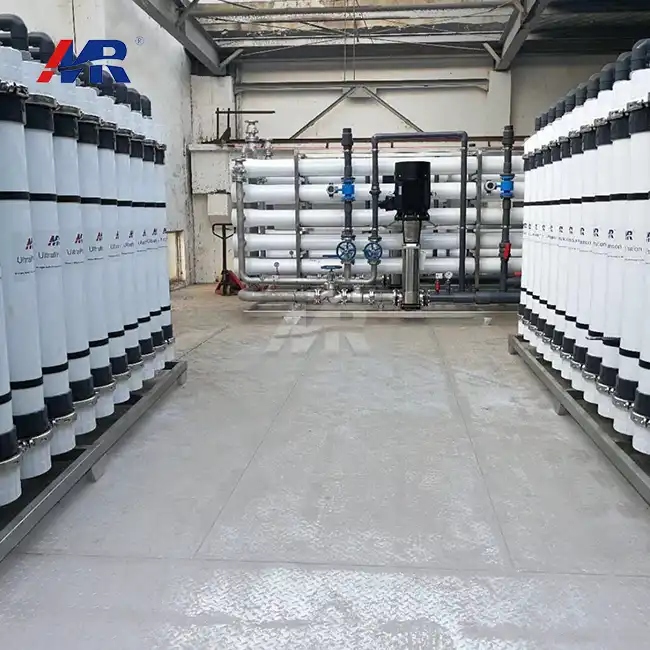 VIEW MORE2000m3/day ultrafiltration equipment
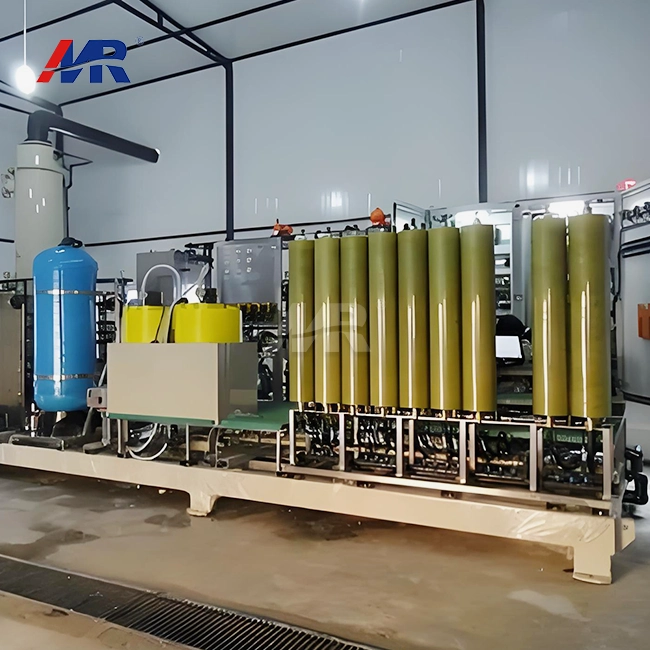 VIEW MOREDTRO Water Treatment
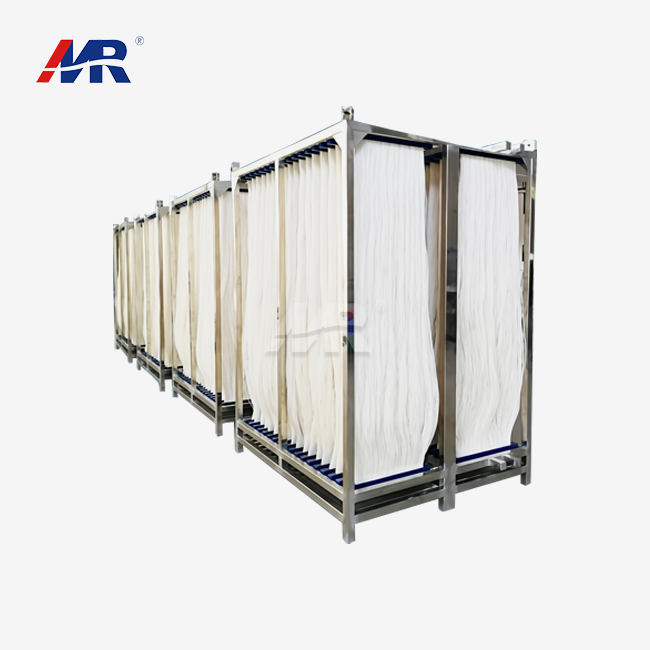 VIEW MOREbioreactor wastewater treatment
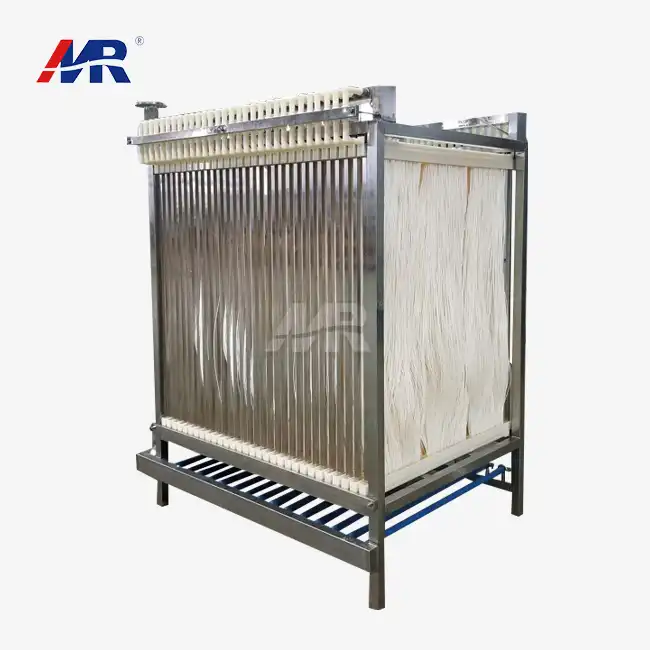 VIEW MOREMBR membrane
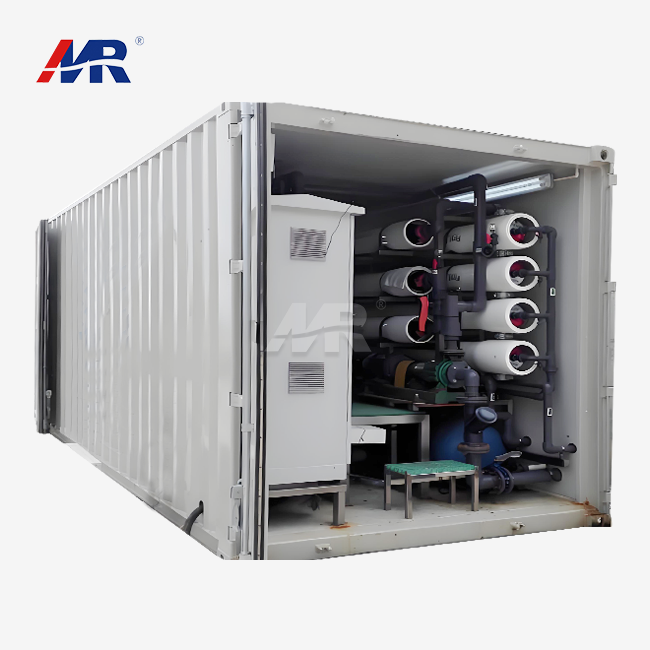 VIEW MOREcontainer seawater desalination equipment
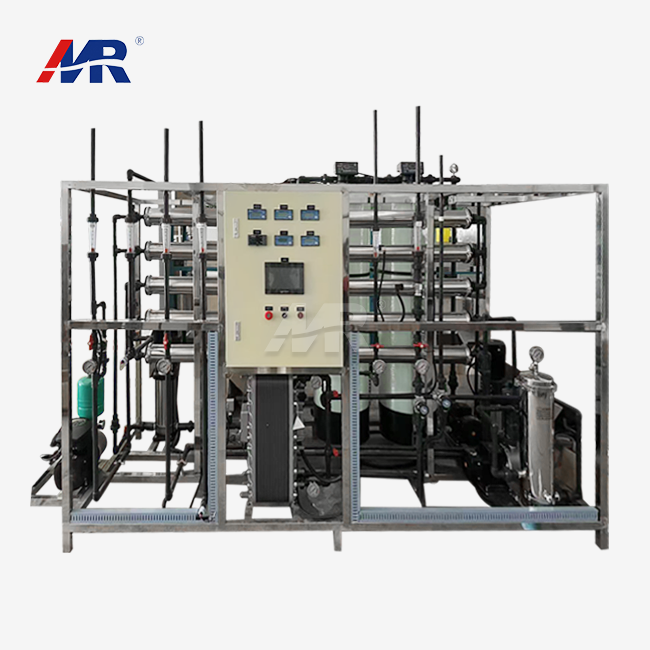 VIEW MOREedi purified water system
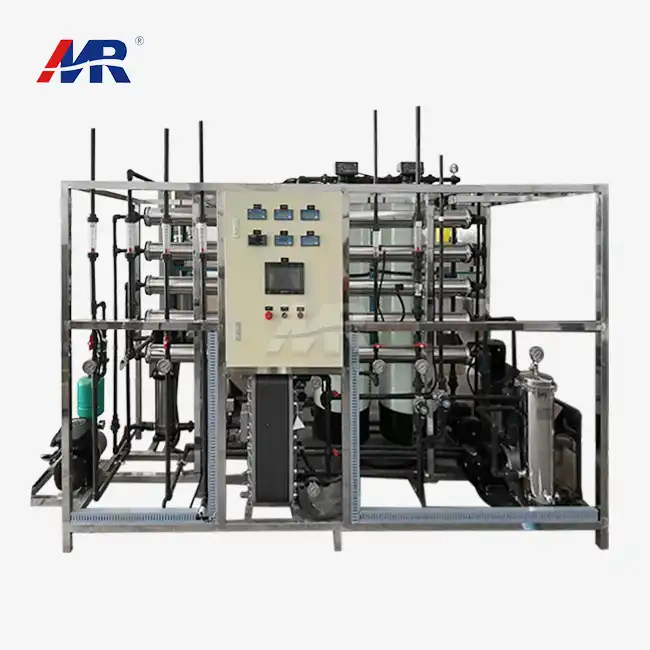 VIEW MOREedi water purification system
 VIEW MOREcommercial sewage treatment plant
