

_1745823981883.webp)

Can a Containerized Water Treatment Plant Be Easily Expanded?
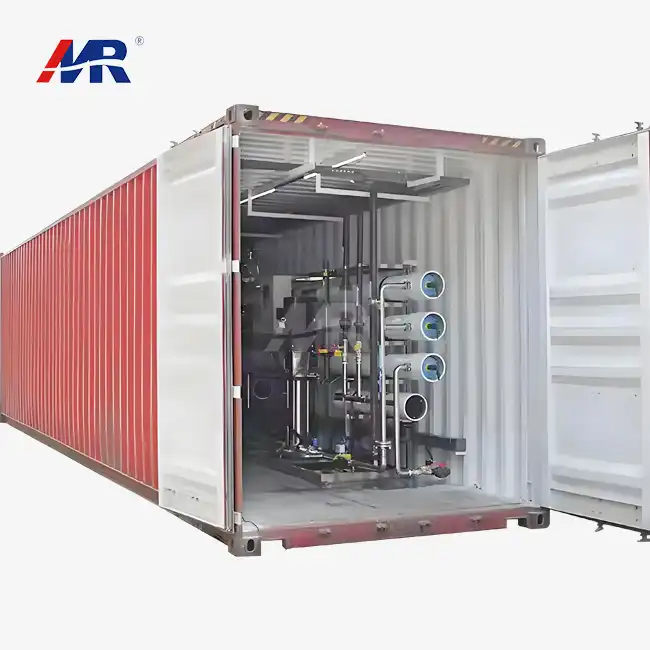
Containerized water treatment plants are designed with inherent expandability at their core. Unlike traditional fixed infrastructure, these modular systems—pre-assembled within standard shipping containers—allow you to scale capacity by simply adding additional units. The plug-and-play architecture means expansion doesn't require extensive civil engineering or months of construction downtime. Whether you're managing a pharmaceutical facility that needs to double its ultrapure water output or a municipal operator facing seasonal demand surges, containerized systems let you grow incrementally. This modular flexibility addresses the most pressing concern for technical decision-makers: how to future-proof water treatment investments without over-committing capital upfront or disrupting ongoing operations.
Introduction
Demands for water treatment don't stay the same for long. As production rises, legal standards change, and businesses grow, they need systems that can adapt to these changes. A lot of the procurement managers and plant engineers we've worked with have the same problem: traditional water treatment plants have set limits that are hard to change without spending a lot of money and time.
As a way to get around this problem, containerized water treatment plants were created. These fully combined systems come to the job site ready to work and are stored in weatherproof ISO crates. In addition to being easy to set up quickly, their flexible design makes growth simple and inexpensive. This article talks about how these systems can be expanded, what factors affect how well the expansion goes, and what you can do to plan for capacity growth without affecting operations. Our aim is to provide clear, useful information on how to use modular water treatment technology to B2B stakeholders, such as CFOs who are looking at capital efficiency and facility managers who are planning five-year capacity roadmaps.
Understanding Containerized Water Treatment Plants and Their Expandability
What Defines a Modular Water Treatment System
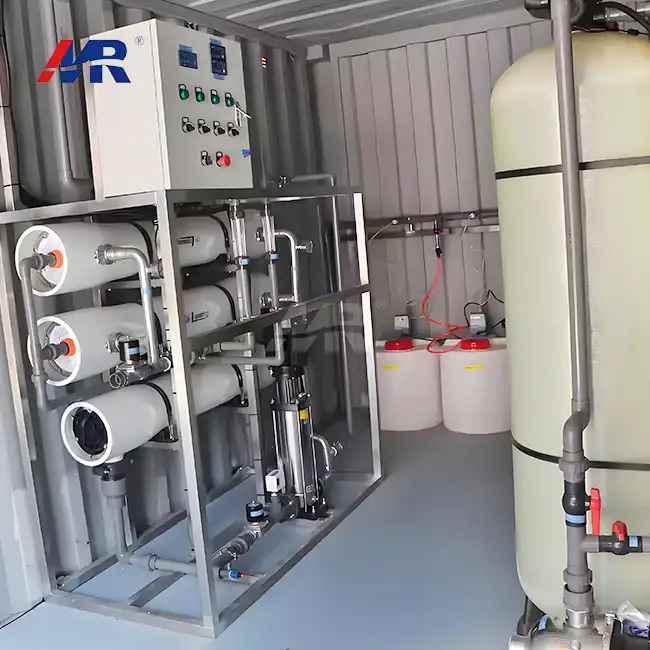
A containerized system uses normal 20- or 40-foot shipping containers to house multiple stages of water treatment, such as ultrafiltration, reverse osmosis, electrodeionization, or membrane bioreactors. Each unit comes factory-tested, pre-wired, and pre-plumbed, so there aren't any of the problems that come with building a traditional plant. We build these systems around standard connections, which means that linking services like power, water intake, and discharge doesn't need a lot of changes to the site.
Why Modular Architecture Supports Scalability
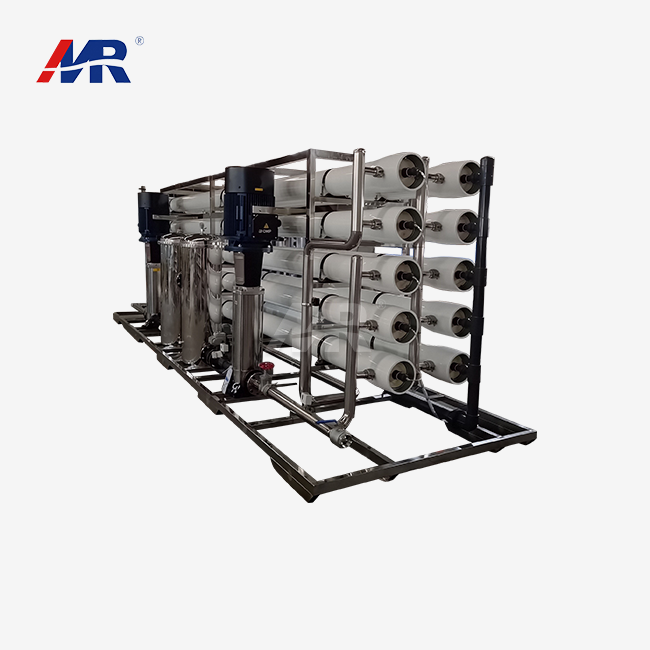
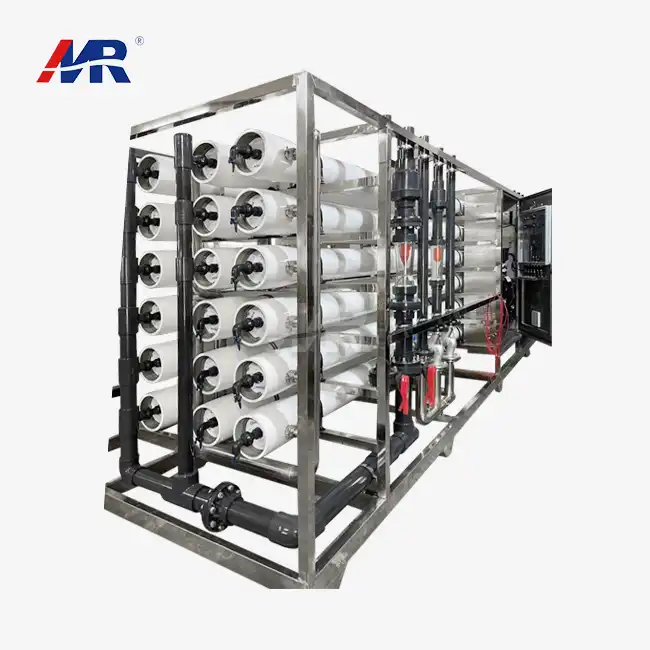
Standardized design concepts are what make expandability possible. Each container works on its own as a treatment train, handling a set flow rate. When you need more capacity, you add more units that are the same or similar and set them up in parallel. Industrial standards let the control systems talk to each other, which allows for centralized operation and tracking. With this architecture, going from 50 cubic meters per day to 200 cubic meters per day means copying modules that have already worked well instead of redesigning whole treatment chains.
Industries Benefiting from Flexible Capacity Growth
This flexibility is especially useful in manufacturing areas with changing production processes. As their product lines grow, food and drink producers can gradually add more reverse osmosis capacity. Pharmaceutical companies that are testing out new production areas like that they can put in specialized pure water units without having to mess up their existing GMP-compliant systems. Even municipal utilities that serve growing populations put these plants online in stages, making sure that the investment in infrastructure is matched to actual demand rather than guesses.
Key Factors Affecting the Expandability of Containerized Water Treatment Plants
Modular Design and Plug-and-Play Integration
Adding containers on-site isn't enough to make a containerized water treatment plant truly expandable. Standardized connection places for pipes, electricity distribution, and control networks are found in the most scalable systems. When compared to field-fabricated connections, our quick-disconnect fittings and pre-terminated cable assemblies cut installation work by about 60%. When you add a third RO unit, the system automatically balances flow distribution and changes chemical doses to be proportional. This is because the control design needs to be able to change on the fly.
Technology Adaptability Across Treatment Stages
Different scenarios for growth call for different technological responses. To increase capacity, it may only be necessary to run parallel copies of existing treatment trains. Adding electrodeionization to make ultrapure water is an example of a process upgrade that needs modular designs that can fit new process steps without having to rebuild the whole process. Manufacturers of electronics have switched from two-stage RO systems to RO+EDI setups by adding extra containers between existing units. This kept operations running smoothly during the change.
Site Constraints and Infrastructure Readiness
Obviously, physical space limits the potential for growth. A pharmaceutical school with limited space might use structural supports to stack containers vertically, while a remote mining business with lots of room to grow can spread out horizontally. The availability of all utilities is important. For example, electricity service must be able to handle more users, and water intake equipment must be able to handle higher flow rates. For future growth without having to pay for expensive upgrades, smart planning during the initial installation includes making some utilities bigger than they need to be.
Energy Efficiency During Capacity Scaling
Increasing the cleaning ability shouldn't make the energy use go up by the same amount. Variable frequency drives on pumps keep them working at their best even when the flow rate changes. As the capacity of a reverse osmosis system grows, the energy recovery devices on it become more cost-effective, which can sometimes make it worth it to retrofit during expansion projects. We keep a close eye on certain energy consumption metrics. Well-planned expansions keep or raise the number of kilowatt-hours produced per cubic meter, especially when older equipment is replaced with newer, more energy-efficient parts.
Comparing Expandability: Containerized vs. Traditional Water Treatment Plants
Infrastructure Flexibility and Modification Challenges
Traditional water treatment plants made of concrete and steel build their processes into fixed buildings. Adding on to a normal facility usually means building new ones, pouring foundations, and setting up huge networks of pipes, all of which take 18 to 36 months. Modular expansions, on the other hand, involve placing containers that have already been tried, connecting utilities, and turning on combined systems. We've finished growth projects in 8 to 12 weeks, which meant that they didn't affect regular business too much.
Financial Implications and Phased Investment
Many decisions about growth are based on how to best use capital. Traditional plants need a big upfront investment that's based on their expected peak capacity, which means that assets aren't being used during ramp-up times. Modular systems let you deploy capital in stages that match the rate of growth. At first, a client in the food processing industry put in two treatment tanks that could handle 100 m³ of production per day. Over the course of three years, as the beverage lines grew, they added four containers at a time. This way, capital costs were spread out over running budgets instead of needing big one-time payments.
Operational Continuity During Expansion
Shutdowns cost a lot of money. When a traditional plant grows, it often needs to connect to other systems, which means that production has to stop. Because the new units can work on their own before they are integrated, containerized increases reduce downtime. We set up and test new containers offline first, and then connect them during maintenance windows that last hours instead of days. One pharmaceutical client kept up GMP output during a project to double capacity, which was necessary for them to meet their promises to continuous manufacturing.
Real-World Cases: Successful Expansion of Containerized Water Treatment Plants
Industrial Wastewater Treatment Scaling
As more automakers signed up for their services, an electroplating plant in the Great Lakes region had to deal with higher overflow volumes. Their first containerized water treatment plant system, which had two containers, could handle 60 m³/day of heavy metal-filled garbage. They needed 150 m³/day of space within nine months. We put out three more containers with the same cleaning chemicals and barrier arrangements for the containerized water treatment plant. Because the system was built in modules, employees who already knew how to use the old system didn't need much training again. It took 14 weeks to finish the whole project, from the purchase order to the confirmed operation. This was in line with their tight production schedule.
Temporary Capacity for Project-Based Demands
For three years, a municipal water authority that was helping with a big building project needed temporary potable water capacity. It didn't make financial sense to buy fixed equipment. They hired four ultrafiltration units that came in containers and provided 200 m³ of drinking water every day. In the second year, they added two more containers because the construction district grew. They returned the tools when the job was over so that the capital assets wouldn't sit idle. This rental model shows the greatest freedom of expandability by being able to scale up or down based on short-term demand curves.
Pharmaceutical Manufacturing Validation and Growth
A biotechnology company working on cell culture therapies first set up one ultrapure water system in a container to support production at the lab level. During the clinical trial stages, they confirmed a second unit that was exactly the same. This doubled the capacity while keeping the water quality factors the same, which is important for regulatory consistency. Once they got permission to make the product, they grew to a total of six units. Because the approach was modular, each capacity increase used designs that had already been approved by regulators. This sped up the regulatory process and cut validation costs by about 40% compared to custom-engineered expansions.
How to Plan and Execute an Expansion of Your Containerized Water Treatment Plant
Capacity Assessment and Growth Forecasting
A thorough study of demand is the first step in planning effective growth. We help our clients look at past patterns of water use, predictions of future output, and possible changes to the way things are done. A client of a semiconductor processing company looked at their five-year chip production plan and found that certain quarters would need more capacity. Because they were ahead of time, they were able to time the arrivals of containers to coincide with the opening of a new clean room. This way, they avoided both capacity problems and the premature use of capital.
Technical Compatibility and Regulatory Compliance
Not all containers work well together. The treatment chemistry, membrane requirements, and control protocols for expansion units must be the same as those for existing systems. We keep thorough "as-built" records that are very helpful when planning for growth. Regulatory compliance needs the same amount of care—pharmaceutical expansions need validation protocols that show the new capacity produces water that meets the same quality standards. For larger discharge amounts, municipal projects need to get licenses. Costly project delays can be avoided by involving regulators early on.
Installation, Commissioning, and Performance Validation
The process of expansion happens in a structured order. Foundation work and service additions must be finished before the container arrives as part of site preparation. Positioning units, connecting pipes and electricity services, and putting together control systems are all parts of mechanical installation. We do systematic commissioning, which includes checking the accuracy of the instruments, the interlocks, and the performance of the process. Validation protocols show that the increased capacity meets the requirements of the design. A well-run project includes planning for what could go wrong, like finding possible integration problems and making plans for how to fix them before they cause delays.
Ongoing Maintenance and System Optimization
Adaptive maintenance strategies are important for success after expansion. More capacity means that more membranes need to be cleaned, more instruments need to be calibrated, and more data lines need to be watched by workers. We suggest combining upkeep tasks across all units, like setting standard cleaning routines, buying chemicals in bulk, and keeping a single inventory of spare parts. Advanced monitoring systems look for ways to improve performance by tracking trends across the expanded plant. One client in the power generation industry found that rebalancing the flow pattern after growth cut energy use by 12% and made the membrane last longer.
Conclusion
Containerized water treatment plants can really grow, which is something that standard facilities can't do. The flexible design, standardized interfaces, and plug-and-play integration make it possible for capacity growth that is based on real operating needs instead of guesses. We've looked at how design choices, site considerations, and technology choices affect the success of growth. We've also looked at real-life examples that show how this can be done in practice. Whether you're a technical decision-maker looking at long-term infrastructure strategies or a financial stakeholder trying to figure out the best way to deploy capital, modular systems have a lot of benefits. They allow for phased investments, minimal operational disruption, and the ability to change as rules and production needs change. The question of expandability isn't whether these systems can grow; it's how to use their natural adaptability to support your growth path.
FAQ
1. Can all containerized water treatment systems be easily expanded?
The ability to expand depends a lot on the choices made during the initial design process. It is easiest to add on to systems that are made with standard modules, common treatment technologies, and flexible control frameworks. It's harder to work on custom-engineered solutions that use unique parts or don't follow standard designs. When choosing initial systems, we suggest giving more weight to vendors with a history of successful expansion and ensuring long-term component availability.
2. What is the typical lead time for expanding an existing containerized plant?
Standard extension units that use current designs usually take 8 to 12 weeks to build and start using. This schedule includes building the containers, checking them in the plant, shipping them, installing them on-site, and making sure they work well. It may take 16 to 20 weeks for highly customized extensions that include new treatment technologies or stricter compliance requirements. Lead times depend a lot on the supply of parts. For example, membrane modules, specialized pumps, and control gear that take a long time to get can throw off schedules.
3. Does expansion significantly increase operational costs?
When energy-efficient designs are used for expansions, there are usually only small increases in marginal operational costs. Even though more capacity means more chemicals, energy, and membrane repairs, economies of scale often make up for these costs. Buying chemicals in bulk, planning upkeep better across multiple units, and making energy recovery systems better can often keep or even lower running costs per unit of volume. Careful system design during growth makes sure that the amount of energy used stays the same or goes down as the system grows.
Expanding Your Water Treatment Capacity with Morui
Guangdong Morui Environmental Technology is ready to help you grow your business by providing you with tried-and-true containerized water treatment plant solutions. Our engineering team of more than 20 specialized professionals has a lot of experience making flexible systems that can grow with your business without any problems. We've finished expansion projects in the pharmaceutical, food and beverage, electronics, and municipal sectors. From the initial assessment to commissioning and validation, we provide turnkey solutions.
We stand out from other companies that make containerized water treatment plants because our skills are all rolled into one. In addition to designing and building systems, we also run our own membrane production plant, which guarantees the quality of the parts and their availability for a long time. Our factories that process equipment follow strict quality standards, and their partnerships with well-known brands like Shimge pumps, Runxin valves, and Createc instrumentation make sure that their Products work well. We offer local response backed by enterprise-scale resources with 14 branches and 500 professionals helping clients throughout the lifecycles of projects.
Whether you're planning small increases in capacity or major system changes, we encourage you to talk to our engineering experts about your unique needs. Email benson@guangdongmorui.com to learn more about how our modular water treatment options can help you get the most out of your growth investment with the least amount of downtime.
References
1. "Modular Water Treatment Systems: Design Principles for Industrial Applications," Journal of Water Process Engineering, Volume 45, 2022.
2. Smith, Robert J., "Scalability Analysis of Containerized Reverse Osmosis Plants in Remote Operations," Desalination and Water Treatment, 2021.
3. International Water Association, "Guidelines for Modular Water Treatment Infrastructure Planning," IWA Publishing, 2023.
4. Chen, L., and Patel, K., "Cost-Benefit Analysis of Modular versus Traditional Water Treatment Facility Expansions," Water Resources Management, Volume 36, 2022.
5. "Prefabricated Water Treatment Systems: Regulatory Compliance and Validation Strategies," American Water Works Association Research Foundation, 2023.
6. Martinez, Elena, "Case Studies in Mobile and Containerized Water Purification for Industrial Applications," Water Technology Magazine, March 2023.
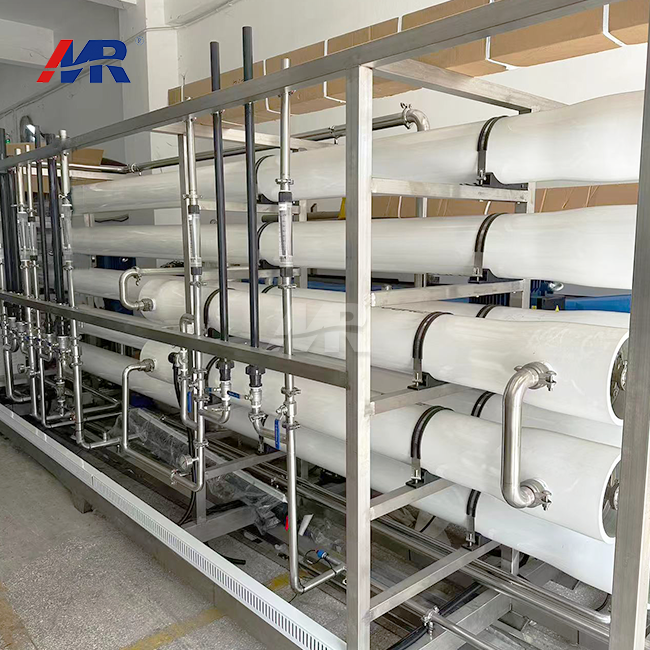 VIEW MOREosmosis drinking water system
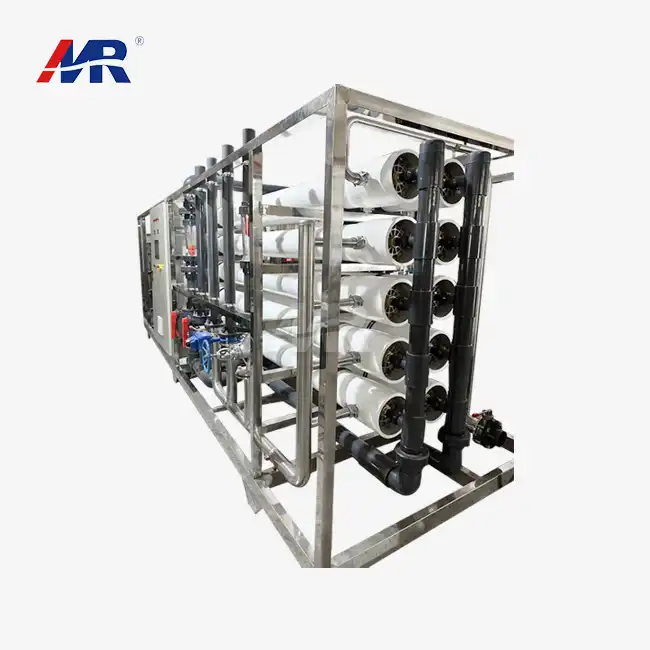 VIEW MORE50m3/hour reverse osmosis equipment
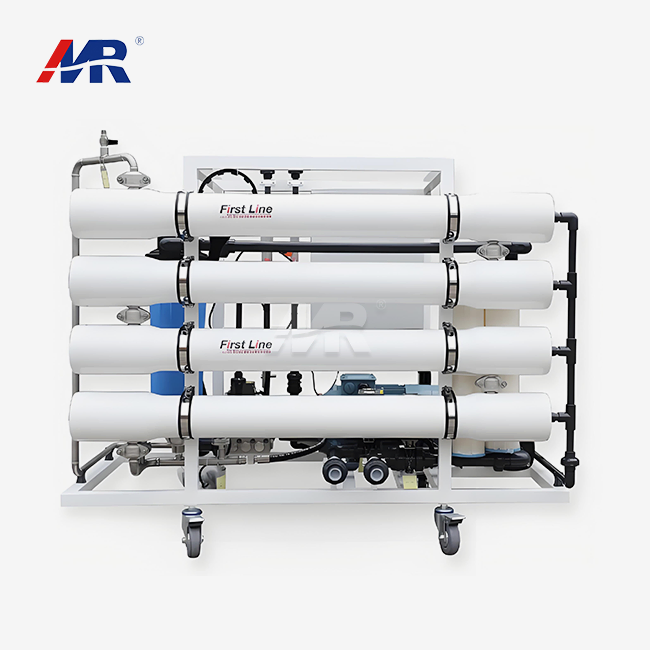 VIEW MOREseawater desalination equipment
 VIEW MOREcontainer 3m3/hour RO equipment
 VIEW MORE2 stage reverse osmosis system
 VIEW MORE100m3/hour reverse osmosis equipment
 VIEW MOREwastewater treatment plant
 VIEW MORELeachate DTRO Treatment Equipment
