

_1745823981883.webp)

RO Equipment Energy Consumption: Reducing Operating Costs
For businesses that run reverse osmosis water treatment systems, energy costs are one of their highest operational costs. The high-pressure pumps that push water through semi-permeable screens in modern RO equipment use a lot of electricity, which directly affects your bottom line. Figuring out how to reduce this energy use while keeping the water quality high can make a huge difference in how well your facility does financially. By choosing the right equipment, keeping it in good shape, and making sure it works at its best, industrial users in fields like pharmaceuticals, food processing, power generation, and municipal water facilities can cut their energy use by 30 to 50 percent. This can save them thousands of dollars a year and also help the environment.
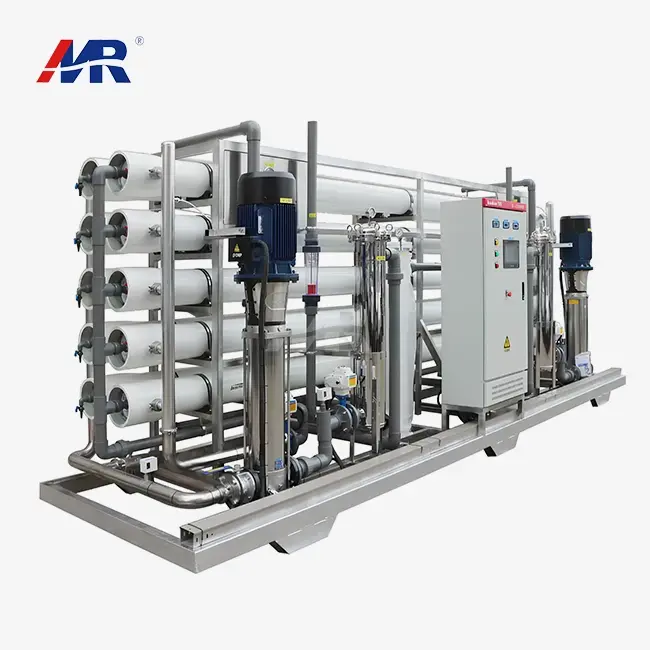
Understanding Energy Consumption in RO Equipment
How Pressure-Driven Filtration Works
In reverse osmosis systems, hydraulic pressure is used to overcome the natural osmotic pressure. This forces water molecules through membranes with pores that are about 0.0001 microns wide. The high-pressure pump usually uses between 60 and 70% of the system's total energy, so it's the main thing that needs to be improved to make it more efficient. The pressure needed and, by extension, the amount of energy used are affected by the membrane's resistance, the salinity of the feedwater, and the rate of recovery that is wanted.
Measuring System Efficiency
Kilowatt-hours per cubic meter (kWh/m³) are the standard unit used by professionals in the field to measure how well a RO system works. For brackish water applications, most industrial systems use between 1.5 and 2.5 kWh/m³. Desalinating seawater, on the other hand, often needs between 3.5 and 5.5 kWh/m³. Keeping an eye on these standards helps buying teams find equipment that isn't working well and set efficiency goals that are realistic. We have seen that many facilities use more energy than they need to because they don't have any standard measures to compare them to.
Variables Affecting Energy Requirements
Conditions of operation have a big effect on how much power is used. Temperature is very important; cold feedwater makes the viscosity and membrane resistance higher, which means that higher pressures are needed. Total dissolved solids (TDS) levels are directly related to energy needs. For example, treating water with 10,000 mg/L TDS needs a lot more pressure than treating water with 500 mg/L TDS. By understanding these connections, operators can predict changes that happen with the seasons and make the necessary changes to their operations.
Key Factors Driving Energy Consumption and Operating Costs
Feedwater Quality Characteristics
The type of water that comes into RO equipment has a big impact on how much energy is needed. High turbidity speeds up membrane fouling, which means that operators have to raise the pressure to keep production rates steady. When TDS levels are high, more hydraulic force is needed to get the rejection rates that are wanted. Changes in temperature have an effect on membrane permeability. For every degree Celsius change, the flow of water is changed by about 3%. Facilities that deal with difficult feedwater sources should buy strong pre-treatment systems, as the initial cost usually pays for itself in energy savings over time.
System Design and Component Selection
The architecture of equipment has a huge effect on how efficiently it works. Modern RO systems with remineralisation setups use variable frequency drives (VFDs) on the pump motors to precisely control the pressure based on real-time demand instead of keeping the maximum pressure steady. When compared to standard models, high-efficiency pumps with better hydraulic designs can save 15 to 20 percent of the energy used. The membrane you choose is very important. Newer thin-film composite membranes offer higher flux rates at lower pressures, which directly lowers the pump's workload.
Energy recovery devices are cutting-edge technology that will change the game. Pressure exchangers take hydraulic energy from the concentrate stream and move it to the incoming feedwater. This can save up to 98% of the energy that would have been lost. Even though these devices cost more up front, they usually pay for themselves in 18 to 24 months in middle to large-scale settings.
Maintenance Practices and Operational Discipline
The most common energy costs are caused by membrane fouling and scale. Differential pressure goes up as deposits build up, making pumps work harder. RO system procedures and regular cleaning stop this decline. Using automated tracking to keep an eye on normalised permeate flow and salt passage helps find performance drops before they lead to big energy gains. Facilities that set up strict maintenance plans, like cleaning the membranes every three months and checking their performance once a year, always do better than those that use reactive maintenance methods.
Practical Strategies to Reduce RO Equipment Energy Consumption
Optimize Pre-Treatment Processes
Pre-treatment that works well shields membranes and cuts down on energy waste. When multimedia filters, activated carbon units, and antiscalant dosing systems are the right size, they stop fouling that raises pressure needs. We suggest that you do a full analysis of the feedwater every three months to make changes to the chemistry of the pre-treatment. Facilities that use advanced filtration, like ultrafiltration pre-treatment, say they need to clean their membranes 20–30% less often, which saves energy.
Implement Smart Automation and Controls
Programmable logic controllers (PLCs) are used in modern new RO system setups to make sure that working parameters are optimised in real time. Automated flushing sequences keep the membrane from getting too compact. Variable frequency drives change the speed of the pump to match changes in demand. This stops energy from being wasted by running too-big of equipment at fixed speeds. Soft-start features lower the cost of electricity use during startup. These smart systems can adjust to new situations without any help from a person, always working at their best.
Regular Membrane Maintenance and Replacement
Over time, chemical ageing, fouling, and compaction make membranes less effective. Setting performance baselines when membranes are first installed lets managers see how they're doing over time and plan when to replace them. Using membranes that are badly damaged loses energy—a membrane that is only working at 60% of its full capacity may use 40% more energy per gallon made. This waste can be avoided by replacing things strategically using normalised data instead of random time frames.
Case Study: Pharmaceutical Manufacturing
A medium-sized drug factory in the Mid-Atlantic area ran a 50,000 GPD RO equipment system that used 2.8 kWh/m³. They made three changes after doing an energy audit: they put VFDs on the feed pumps, switched to high-efficiency membranes, and put in a pressure exchanger. In just six months, energy use dropped to 1.7 kWh/m³, which is a 39% drop. The annual energy savings were more than $43,000, which meant that the investment in the retrofit paid for itself in less than two years while the water quality stayed GMP-compliant.
Comparing Energy Efficiency Across RO Equipment Options
RO versus Alternative Purification Technologies
Different ways of treating water use different amounts of energy. UV cleaning uses very little power (0.01-0.04 kWh/m³), but it doesn't get rid of dissolved solids. Distillation is five times more energy-intensive than RO, but it produces very pure water (10–15 kWh/m³). Ultrafiltration uses 0.1 to 0.5 kWh/m³, but it can't get rid of enough contaminants for use in pharmaceuticals, electronics manufacturing, or boiler feedwater. For most industrial uses that need to get rid of dissolved solids, the RO machine is still the best combination of energy efficiency and purification power.
Evaluating Energy-Efficient Equipment Features
When procurement teams compare suppliers, they should ask for specifics on a number of important factors. Recovery rate has a direct effect on energy use; systems that recover 75% of their feedwater need less processing than systems that recover 50% of their feedwater. It's important that the rejection rate stays the same; tools that can keep 99.5% rejection even when conditions change saves time by not needing to do multiple treatment passes. Operating pressure ranges show how efficient a system is—systems that clean at 10–12 bar use less energy than systems that need 15–16 bar.
Total Cost of Ownership Analysis
Over the 15 to 20 years that a system is in use, energy costs make up 40 to 60 percent of its total running costs. Facilities should figure out levelized costs that include things like capital costs, energy use, membrane replacement, chemicals, and upkeep. Within three years, equipment that costs 20% more to buy but uses 35% less energy usually gives a better return on investment. We tell buying managers that instead of just looking at the acquisition price, they should ask sellers to give them an idea of how much operations will cost over the next 10 years.
Procurement Considerations for Energy-Efficient RO Equipment
Technical Specifications and Certifications
Quality sellers of RO equipment provide extensive paperwork, such as ISO 9001 manufacturing approval, third-party performance proof, and NSF/ANSI 61 drinking water system components standards compliance. Ask for certified pump efficiency curves, membrane flux data for your specific feedwater conditions, and figures that guarantee the most energy that will be used. Manufacturers with a good reputation back up their performance claims with contractual guarantees. Be wary of suppliers who won't commit to specific efficiency metrics.
Supplier Reputation and Support Infrastructure
Your relationship with the company that sells you tools lasts for decades after you buy it. Assess providers by how quickly they respond to technical help requests, how readily available spare parts are, and how well they can do field service. When problems happen, companies with local service networks have less downtime. Carefully read the warranty terms; full coverage should include membranes (usually for 3–5 years, based on usage), pumps, and control systems. We've seen that suppliers who offer training for operators and regular performance reviews help their clients stay as efficient as possible over time.
Customization and Scalability Options
Standard setups don't always work perfectly for industrial uses. Manufacturers that offer modular designs can expand their systems' capacity without having to replace the whole thing. Customisation is important when the chemistry of the feedwater presents unusual problems. Long-term performance is better for equipment designed for high-silica, high-temperature, or biologically active feedwater sources. Our cutting-edge systems are built in modules that can hold anywhere from 1,000 to 100,000 GPD. This lets facilities expand their operations while keeping their energy efficiency high as production needs change.
Flexible Procurement Arrangements
B2B clients can gain from looking into different ways to acquire customers. When cash is available, buying a facility outright has the lowest total cost. Leasing equipment helps businesses keep their cash for more important tasks while giving them access to the newest technology. Some sellers of RO equipment offer performance-based contracts that link payment structures directly to promised levels of efficiency, which perfectly aligns the interests of both the supplier and the client. When you buy in bulk from more than one facility, you can often get discounts of more than 15% to 20%.
Conclusion
To lower the amount of energy that RO equipment uses, you need to be very careful about the equipment you choose, how you use it, and how you maintain it. Modern systems that use advanced membranes, energy recovery devices, and smart controls consistently work 30 to 50 percent better than older equipment, saving you a lot of money on your electricity bills. From improving pre-treatment to using smart automation, the strategies listed make it possible for facilities in all kinds of businesses to lower their running costs while still meeting water quality standards. Energy efficiency isn't just a way to cut costs; it's also a way to gain a competitive edge in fields where profit margins are always getting smaller.
FAQ
Q1: What energy savings can I expect from upgrading my RO system?
Modern high-efficiency membranes, variable frequency drives, and energy recovery devices help facilities get 35 to 45 percent less energy when they replace equipment that is more than 10 years old. How much you save depends on the current state of the system, the quality of the feedwater, and its operating capacity. Full energy studies find the unique possibilities in your building.
Q2: How does membrane cleaning affect energy consumption?
When membranes are fouled, they need a lot more pressure—systems that are working with 15% fouling may need 25% more energy. Cleaning protocols should be followed every 90 to 120 days to keep performance high and avoid energy losses. Automated tracking systems find early signs of fouling before they cause a big drop in performance.
Q3: Are energy recovery devices compatible with existing systems?
Many installations that are already in place can be retrofitted with pressure exchangers or turbochargers, but this depends on the specifics of the site. When a system processes more than 20,000 GPD and the concentrate pressure is above 8 bar, it usually makes sense to add an energy recovery device. The lower operating costs will pay for it in two to three years.
Partner with Morui for Superior Energy-Efficient Water Treatment Solutions
Guangdong Morui Environmental Technology brings over a decade of specialized expertise in delivering industrial-grade RO equipment for sale that dramatically reduces operational expenses while ensuring pristine water quality. Our engineering team designs customized systems featuring advanced membrane technology, automated controls, and energy recovery configurations optimized for your specific feedwater conditions and production requirements. With power consumption ranging from just 1.5-2.5 kWh/m³, recovery rates reaching 75%, and rejection rates of 99.5%, our equipment delivers measurable performance advantages across pharmaceutical manufacturing, food processing, power generation, and municipal applications. Contact our specialists at benson@guangdongmorui.com for a complimentary energy assessment and discover how Morui's proven solutions—backed by comprehensive installation, commissioning, and ongoing Technical support—can transform your facility's water treatment economics and sustainability profile.
References
1. American Water Works Association. (2021). "Reverse Osmosis and Nanofiltration: Manual of Water Supply Practices M46." AWWA Publishing.
2. Wilf, M. & Bartels, C. (2020). "Optimization of Seawater RO Systems Design." Desalination Journal, Volume 173.
3. International Desalination Association. (2022). "Energy Efficiency in Reverse Osmosis Water Treatment: Best Practices for Industrial Applications."
4. U.S. Department of Energy. (2021). "Energy-Water Nexus: Industrial Water Treatment Technologies and Energy Consumption Patterns."
5. Greenlee, L.F., Lawler, D.F., Freeman, B.D., Marrot, B., & Moulin, P. (2019). "Reverse Osmosis Desalination: Water Sources, Technology, and Today's Challenges." Water Research Journal.
6. National Renewable Energy Laboratory. (2023). "Life-Cycle Cost Analysis of Commercial and Industrial Reverse Osmosis Systems: Energy Efficiency and Economic Performance."
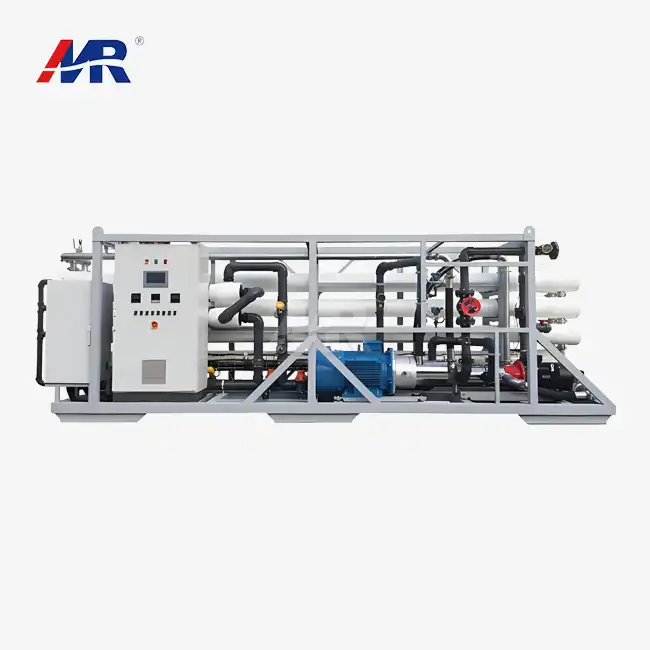 VIEW MORE15m3/hour seawater desalination system
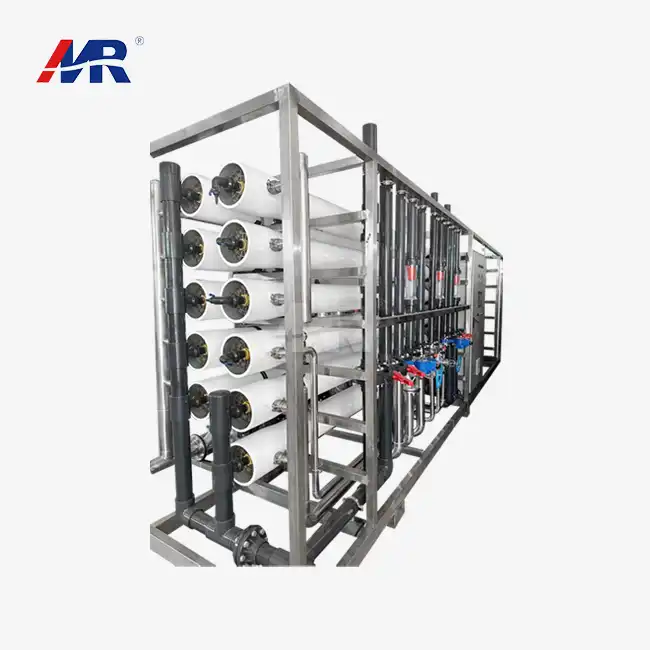 VIEW MORE60m3/hour reverse osmosis plant
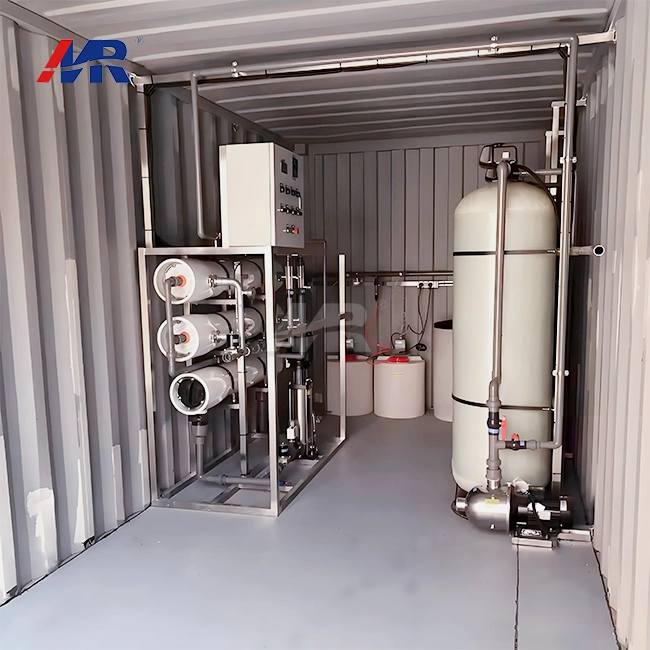 VIEW MOREcontainerized water treatment systems
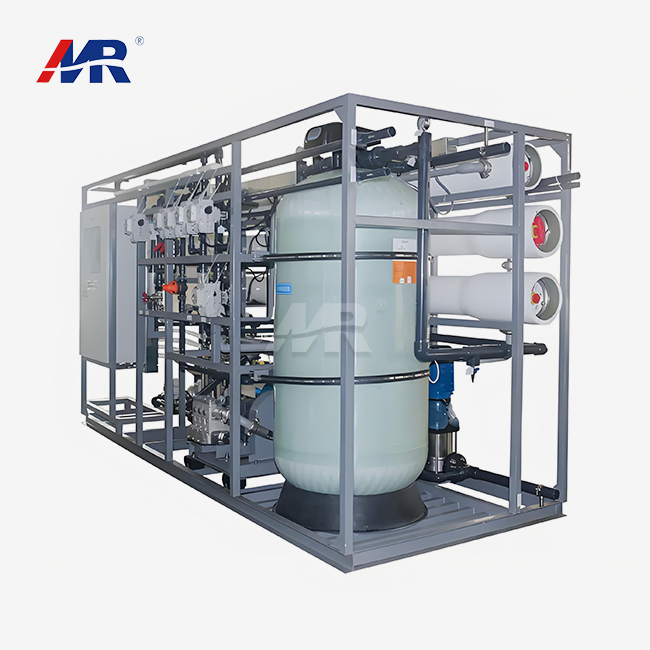 VIEW MOREswro desalination plant
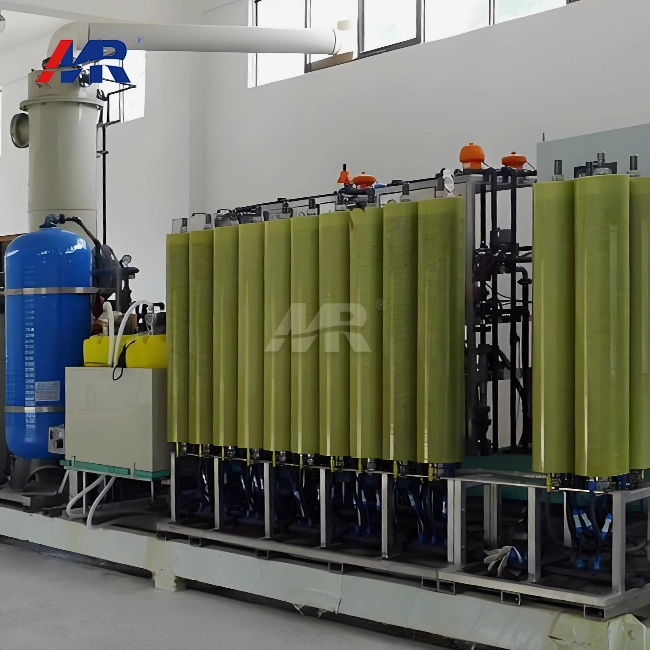 VIEW MOREDTRO membrane
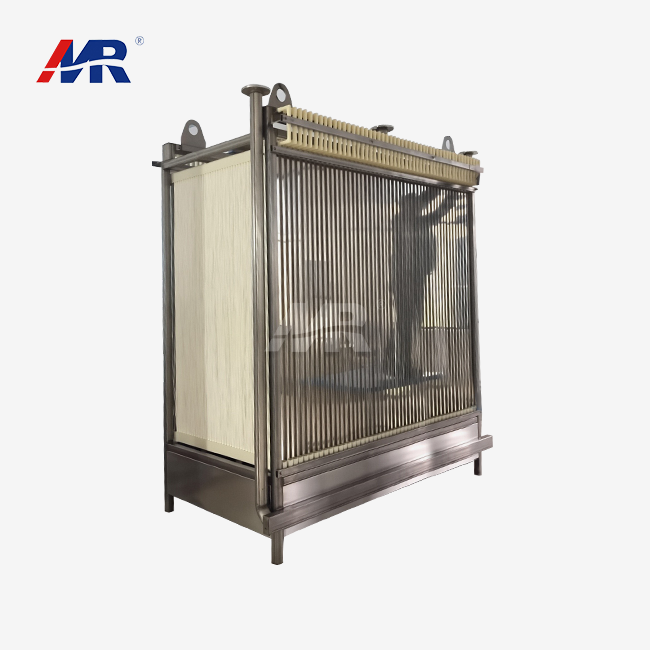 VIEW MOREsubmerged membrane bioreactor
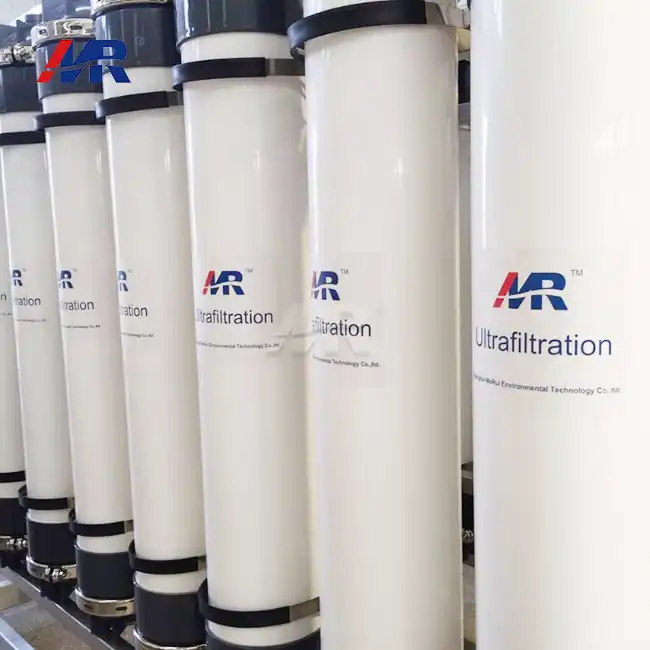 VIEW MORE90T/H ultrafiltration equipment
 VIEW MOREseawater desalination machine
