_1745823981883.webp)

Sea Water Desalination Plant Brine Discharge Compliance
Compliance with brine release rules is one of the most difficult parts of running a sea water desalination plant. Reverse osmosis or thermal processes are used to turn seawater into potable water. As a byproduct, these processes create concentrated brine, which has high salt levels, chemical additives, and leftover heat. Facilities must follow rules set by the US Environmental Protection Agency, European Union directives, and Middle Eastern environmental authorities. These rules depend on how well this discharge stream is managed. Compliance protects marine ecosystems, keeps operations running smoothly, and keeps a company's reputation in a field that is being looked at more and more closely.
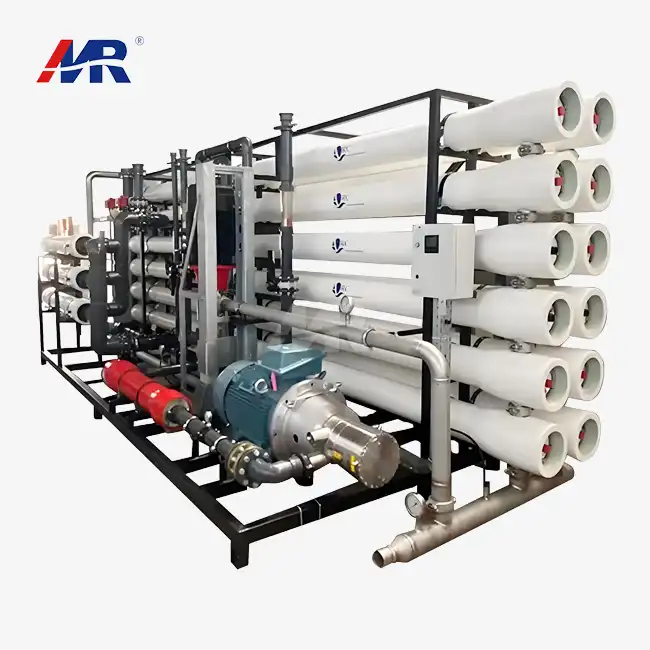
Understanding Brine Discharge in Seawater Desalination Plants
What Is Brine and Why Does It Matter?
Brine is the highly salty water that is left over after purification systems take saltwater and turn it into freshwater. Typical seawater has about 35,000 milligrams of dissolved solids per litre, but brine discharge often goes over 70,000 milligrams per litre, which doubles the salinity concentration. This concentrated stream also has antiscalants, coagulants, cleaning chemicals, and sometimes high temperatures that can damage marine life in the area if they are let out in the wrong way. Benthic creatures, coral reefs, and seagrass beds are especially at risk when the salt rises above what their bodies can handle.
Regulatory Frameworks Governing Discharge
The US Clean Water Act requires sites that discharge into territorial seas to get National Pollutant Discharge Elimination System permits. These permits require regular tracking of salinity, pH, temperature, and chemical components. Member states of the European Union enforce both the Water Framework Directive and the Marine Strategy Framework Directive. Before allowing discharge activities, they demand that the ecological status be assessed. Because of how much the Middle East depends on desalination infrastructure, countries like Saudi Arabia and the United Arab Emirates have set strict standards through groups like the Saudi Standards, Metrology, and Quality Organization. Not following the rules can lead to police measures like limited operations or fines of millions of dollars, so following the rules should be a top priority when buying things.
Compliance Challenges for Multinational Operations
Companies that run desalination plants in more than one jurisdiction have to deal with complicated compliance issues. A drug company with plants on the coasts of California, Abu Dhabi, and Barcelona has to deal with three different sets of rules that have different limits on discharge, monitoring frequencies, and reporting requirements. People are watching coastal cities and towns that invest in desalination to add to their drinking water sources because they are seen as bad environmental managers. Industries that use a lot of energy, like petrochemical refineries and power plants that use desalination for process water, need to make sure that their brine management plans are in line with their overall environmental management plans if they want to keep their ISO 14001 certification and the trust of their stakeholders.
Core Processes Impacting Brine Discharge Compliance
How Desalination Technology Influences Brine Characteristics?
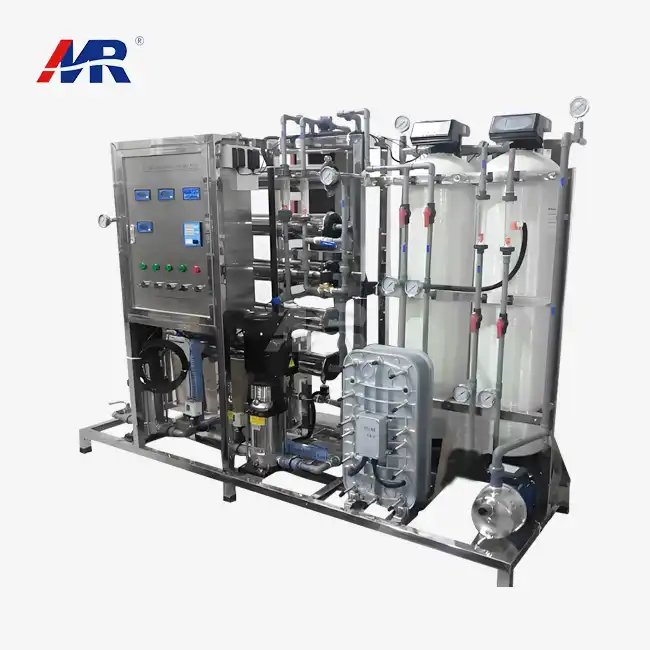
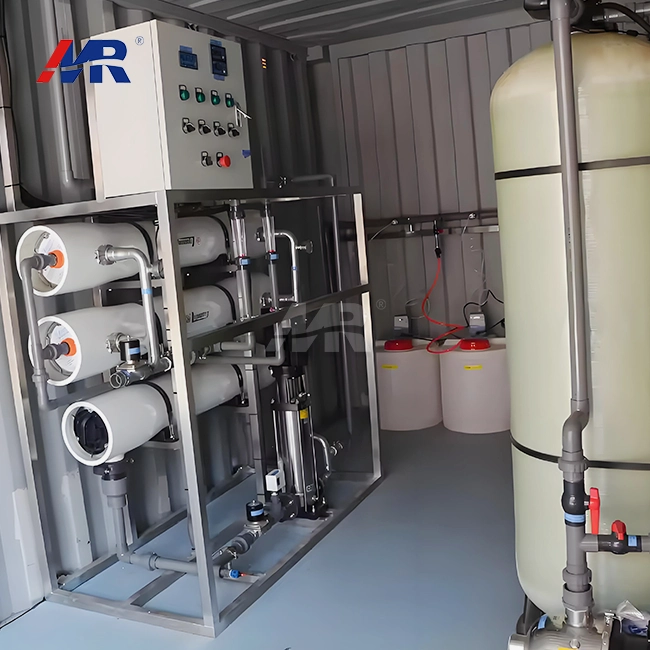
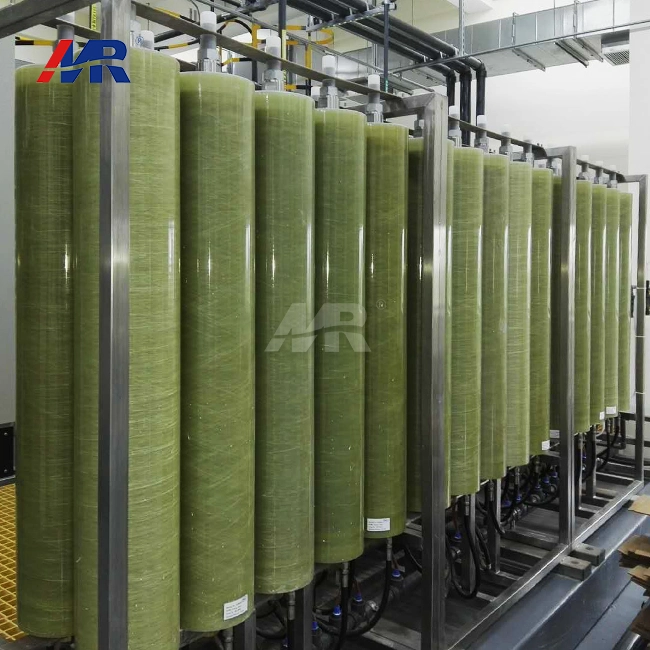
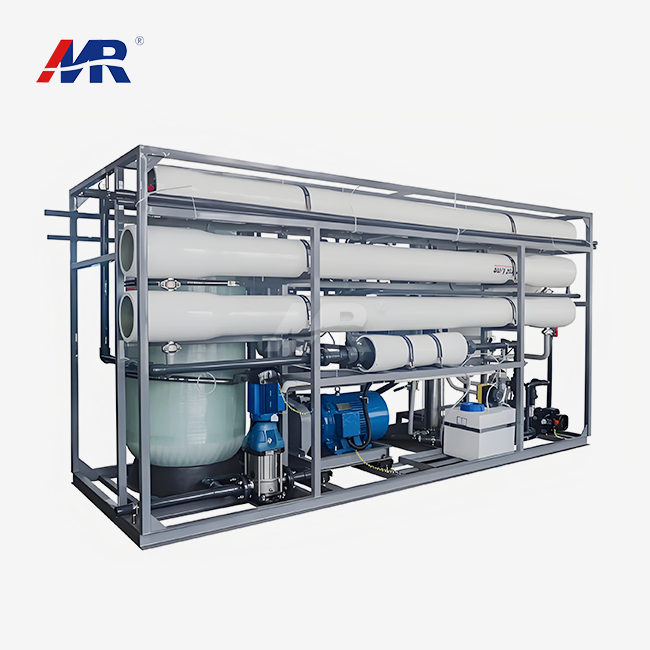
In a sea water desalination plant, reverse osmosis systems that work at 55 to 80 bar pressure usually get recovery rates of 40% to 50%, which means that about half of the amount that goes in turns into brine. Our advanced reverse osmosis systems at Morui can recover up to 50% of the water that goes through them while using only 3 to 4 kilowatt-hours of energy per cubic metre. This means that we use less brine and spend less on running the systems. Using heat to remove salt from water, like in multi-stage flash distillation, makes more brine and heats it up, which raises concerns about thermal pollution. Dosing chemicals like antiscalants, biocides, and pH adjusters to protect membranes introduces small amounts of contaminants that need to be carefully watched before they can be released.
Brine Management Technologies and Strategies
Facilities use a variety of methods to lessen the damage that brine does to the environment. Before they are released, dilution devices mix concentrate streams with cooling water or cleaned wastewater to lower the salt level to a safe level. Deep-well injection moves brine into rock layers thousands of feet below aquifers, keeping it away from ecosystems on the surface, but needing a lot of hydrogeological studies and permissions. Zero liquid discharge systems dry out all liquid waste, leaving behind solid salt that can be thrown away or used again. This is a good option for facilities in inland areas, but it's expensive because it uses a lot of energy. New technologies like membrane filtration and forward osmosis offer to lower the amount of brine by recovering more water.
Here are proven maintenance practices supporting compliance objectives:
- Regular membrane inspection and replacement keep salt rejection rates above 99.7%, which stops the use of too many chemicals that pollute brine streams
- Automated monitoring systems keep an eye on things like conductivity, pH, and temperature in real time, so when values get close to allowable limits, they can be fixed right away
- Preventive cleaning protocols ensure biofouling and scaling are less likely to happen when cleaning routines are followed, meaning that harsh chemical cleaning processes happen less often
- Energy recovery device maintenance makes sure it works at its best, which cuts down on the amount of energy used, which in turn affects the temperature of the water
These steps make operations more stable and show that you are following the rules during inspections and audits. Facilities that keep consistent records of maintenance build credibility with environmental agencies and often get better treatment when their permits are renewed.
Comparative Analysis of Seawater Desalination Technologies and Brine Impact
Reverse Osmosis Versus Thermal Desalination
Reverse osmosis sea water desalination plants make brine that is about twice as salty as the feedwater. Thermal plants, on the other hand, can make amounts of up to 80,000 mg/l, based on how many steps of distillation they have. The amount of energy used is very different. Thermal processes need 10 to 15 kilowatt-hours per cubic metre, while new RO plants with pressure exchanges only use 2.5 to 4 kilowatt-hours per cubic metre. This difference in energy has a direct effect on the temperature of the brine; the thermal discharge could be 10 to 15 degrees Celsius higher than the temperature of the surrounding seawater. Coastal areas with fragile ecosystems often limit heat discharge. This makes reverse osmosis the best technology for places with limited space for nature.
Choosing Technology for Sensitive Coastal Environments
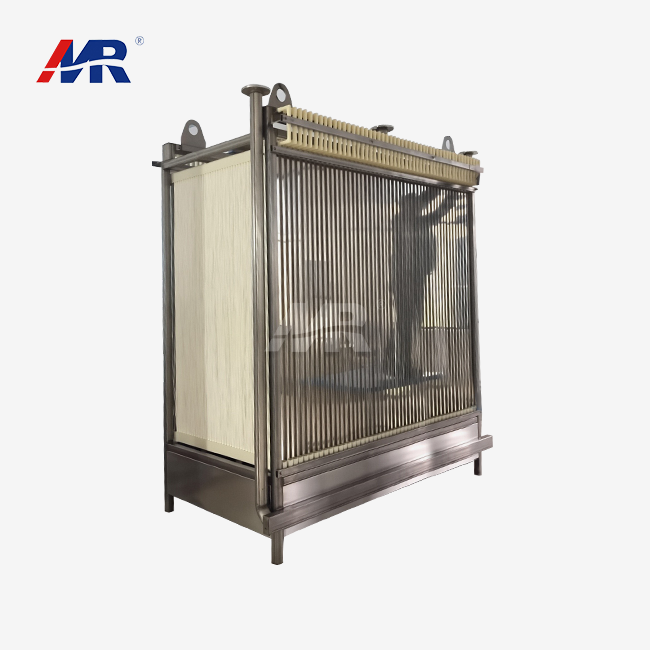
When procurement teams look at project options near coral reefs, protected marine reserves, or commercial fisheries, they need to give priority to technologies that cause the least amount of damage to the environment. Membrane-based systems are more flexible when it comes to adding advanced units for treating salt. Our machines use special thin-film composite membranes that can reject more than 99.7% of salt. This makes the freshwater better and concentrates fewer chemicals into the discharge streams. Modular designs let capacity grow from 1,000 to 100,000 cubic meters per day in stages, so the whole brine management infrastructure doesn't have to be redone.
Evaluating Financial Trade-Offs Between Capital and Operating Expenditure
Depending on the site conditions and government rules, the initial capital cost of reverse osmosis plants with full brine management systems runs from $800 to $1,500 per cubic metre of daily capability. Zero liquid discharge systems raise the initial cost of capital by 30% to 50%, but they get rid of the need to pay for ongoing tracking of discharges and the risk of regulatory action. When you compare operating costs, you need to take into account things like energy costs, membrane replacement cycles, chemical use, and programs that check for compliance. In places with strict discharge limits, facilities often find that spending more up front on advanced treatment technology lowers their long-term operational costs and regulatory liability.
Procurement Considerations for Brine Discharge Compliance
Evaluating Supplier Credentials and Support Capabilities
For procurement to go smoothly, it's not enough to just know the specs of the equipment; suppliers' track records in helping with regulatory compliance are also important. Reputable manufacturers provide proof of how well their Products work under different rules, such as EPA compliance case studies and EU certification records. Technical support teams should have knowledge of how to model discharge, make environmental impact assessments, and help with permit applications. When comparing proposals, after-sales service agreements that cover regular upkeep, emergency reaction, and help with legal reporting are key value differentiators.
Turnkey Solutions Versus Modular Equipment Procurement
When integrated planning, procurement, and building companies give turnkey plant solutions, there is only one person responsible for making sure that compliance goals are met. Contractors are in charge of choosing the technology, putting the system together, helping with permits, and giving performance promises that include limits for discharge quality. This method works for businesses that don't have their own desalination experts or that have tight project deadlines. Modular equipment procurement gives facilities with established engineering teams more freedom, allowing for customised integration with existing infrastructure and gradual capacity additions to meet changing demand.
Maintenance Contracts and Spare Parts Strategy
For a sea water desalination plant, continuous compliance rests on operations that don't stop and stay within the allowed limits. Comprehensive maintenance contracts should include response times for major problems, preventative maintenance schedules that are in line with what the manufacturer recommends, and guarantees that consumables like membranes and filter cartridges will be available. Purchasing plans that include multi-year agreements with manufacturers for spare parts make sure that parts are always available without having to pay too much to store them. Enterprise deals that cover standard equipment platforms across sites help businesses with multiple locations save money through economies of scale.
Case Studies and Best Practice Examples
Large-Scale Municipal Desalination Success
The Carlsbad Desalination Plant in Southern California is an example of large-scale salt management that works well. It produces 50 million gallons of water every day while following strict rules for release. A multiport diffuser system that goes out 2,000 feet from the facility quickly lowers the saltiness of the brine to normal levels within designated mixing zones. Continuous monitoring systems send data in real time to regional water quality authorities. This makes things clear, which has helped build trust in the community. The plant's energy recovery system reuses about 90% of the pressure energy from the concentrate streams. This lowers the specific energy use to 3.5 kilowatt-hours per cubic metre, which directly supports environmental goals by lowering the carbon footprint.
Industrial Integration in Petrochemical Facilities
A industrial complex in the Middle East has built-in desalination technology that provides 15,000 cubic meters of fresh water every day for boiler feedwater and process uses. Instead of building separate infrastructure for brine discharge, engineers planned for concentrate streams to mix with cooling tower blowdown before being released through outfalls that were already allowed. This method used monitoring infrastructure and regulatory permissions that were already in place, which cut capital costs by about two million dollars. The plant's computerised control system changes the mixing ratios to keep the release salinity within the allowed limits, even when the temperature and make-up of the seawater change with the seasons.
Emerging Innovations in Brine Treatment
Electrodialysis reversal and capacitive deionisation technologies are being tested in pilot projects that show promise for getting valuable minerals out of brine while lowering the amount of water that needs to be discharged. Facilities that collect magnesium, lithium, and rare earth elements turn trash streams into sources of income, which improves the economics of projects and moves the cycle economy forward. These new ideas are especially helpful for sea water desalination plants that treat brackish groundwater, which can't use normal ocean discharge options because they need to be able to discharge zero liquid. This is what drives innovation.
Conclusion
Getting around the rules for brine discharge is one of the most difficult parts of a desalination project. Companies that think about compliance from the time they choose a technology all the way through to routine maintenance gain a competitive edge by being sure of the rules and taking care of the environment. Advanced reverse osmosis systems with energy recovery, automated monitoring, and flexible capacity scaling work best in a wide range of regulatory settings. Strategies for buying things that focus on seller knowledge, full support services, and a history of compliance set up facilities to run efficiently and for a long time, meeting the water needs of cities, businesses, and industries.
FAQ
Q1: What are the primary environmental concerns with brine discharge?
Marine creatures' osmotic balance is upset by high salinity, and chemicals like antiscalants and cleaning agents make the water deadly. Some desalination processes use heat to lower the amount of dissolved oxygen in the water, which stresses out sensitive species. These effects can be lessened by following the right rules for dilution, cooling, and chemical management, as long as they are done in line with government rules and data from environmental monitoring.
Q2: How do procurement teams ensure equipment meets compliance standards?
Ask the supplier for proof of previous installations that met similar regulatory standards. Check that the Certifications on the equipment come from well-known standards groups. Include clauses in contracts that require support for compliance during the permit process and performance guarantees that are tied to parameters for discharge quality. Before making any final decisions about procurement, you should hire independent engineering consultants to check the technical specifications against the rules that apply in your area.
Q3: Is zero liquid discharge economically viable for all plant sizes?
Even though they cost more to install and run, ZLD systems work well for sites in areas that are sensitive to the environment or where dumping is strictly prohibited. When regulatory risk reduction is taken into account, ZLD may be worth it for plants that process more than 10,000 cubic meters of material every day. Smaller installations usually get better value by using advanced membrane technologies and better dilution strategies that make the most of water recovery rates within normal discharge frameworks.
Partner With Morui for Compliant Desalination Solutions
Guangdong Morui Environmental Technology combines tested reverse osmosis technology with full legal support. This makes us a reliable maker of sea water desalination plants for businesses that have to deal with complicated regulatory environments. Our systems have automated monitoring features that let you keep an eye on discharge parameters in real time, materials that don't rust so they last a long time in harsh marine environments, and a range of capacity options from 1,000 to 100,000 cubic meters per day. We offer full installation and commissioning services and have our own membrane production facilities. We have 14 branches, 500 dedicated professionals, and 20 specialised engineers. Get in touch with Our Team at benson@guangdongmorui.com to talk about your project needs and get solutions that are specifically designed to meet your regulatory requirements.
References
1. Lattemann, S., & Höpner, T. (2008). Environmental impact and impact assessment of seawater desalination. Desalination, 220(1-3), 1-15.
2. Roberts, D. A., Johnston, E. L., & Knott, N. A. (2010). Impacts of desalination plant discharges on the marine environment: A critical review of published studies. Water Research, 44(18), 5117-5128.
3. Missimer, T. M., & Maliva, R. G. (2018). Environmental issues in seawater reverse osmosis desalination: Intakes and outfalls. Desalination, 434, 198-215.
4. Panagopoulos, A., Haralambous, K. J., & Loizidou, M. (2019). Desalination brine disposal methods and treatment technologies: A review. Science of The Total Environment, 693, 133545.
5. Khawaji, A. D., Kutubkhanah, I. K., & Wie, J. M. (2008). Advances in seawater desalination technologies. Desalination, 221(1-3), 47-69.
6. Mezher, T., Fath, H., Abbas, Z., & Khaled, A. (2011). Techno-economic assessment and environmental impacts of desalination technologies. Desalination, 266(1-3), 263-273.