_1745823981883.webp)

RO Membrane Cleaning Triggers: When 10% Flux Loss Demands CIP
If the filtrate flow in your reverse osmosis system drops by 10%, it's not a small problem; it's a serious alert that needs to be dealt with right away. When membrane/8040-reverse-osmosis-membrane">ro membrane cleaning using Clean-In-Place protocols can restore performance before fouling causes permanent damage, this threshold represents the ideal intervention point. If you wait past this point, energy costs often go up, water quality gets worse, and membranes don't last as long. For pharmaceutical manufacturing, food processing, and industrial water treatment facilities to stay cost-effective, they need to act quickly.
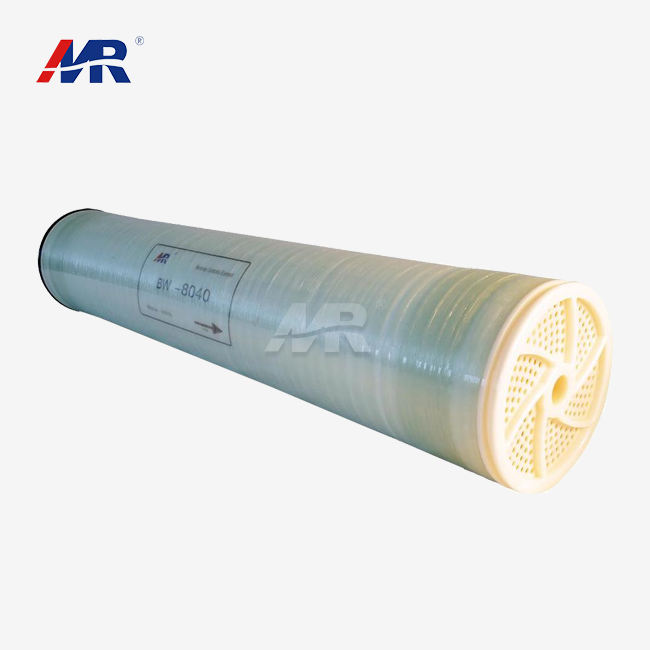
Understanding Flux Loss and Its Impact on RO Membranes
Flux is the amount of water that moves through a membrane per unit area over time. It is usually given in GFD or LMH, which stands for liters per square meter per hour. If this rate goes down, your system has a harder time meeting its production goals and uses more energy.
How Flux Monitoring Works in Practice?
Modern RO systems monitor normalised flux with flow meters and differential pressure monitors. Normalisation accounts for temperature and feed pressure changes. This helps workers start doing well. When normalised permeate flow drops 10% below plan, membrane surfaces have acquired enough foulants to make water flow difficult. This decline occurs before differential pressure rises become significant. This early warning prevents more damage.
The Financial Consequences of Delayed Intervention
Delaying cleaning until flux loss reaches 10% causes operational turmoil. More energy is used as feed pumps work harder to maintain output. As impurities pass via faulty membranes, product water quality degrades. Feed water is wasted when recovery rates drop. Most significantly, foulants become chemically bound layers that are hard to clear. Standard cleaning procedures may not work, and the membrane may need to be replaced, which can cost $8,000 to $50,000 per vessel, depending on system size.
Why 10% Serves as the Industry Standard Trigger
Research in various industrial contexts has shown that fouling can be reversed up to 10% flow reduction. After this, biological films harden, scale crystals grow, and organic molecules form stiff matrices. Dow, Hydranautics, and Toray membrane manufacturers recommend taking action now to maintain the warranty and achieve the greatest cleaning outcomes. The cutoff balances maintenance frequency and repairability. Thus, avoidable downtime and lasting performance loss are avoided.
Causes and Types of RO Membrane Fouling Leading to Flux Reduction
For effective RO membrane cleaning, there are many contaminants that can foul a membrane, and each requires a distinct diagnostic and treatment approach. Understanding how these pollutants function helps operators estimate the required cleaning volume and select the appropriate chemical protocols.
Scaling: Inorganic Mineral Deposits
Scaling occurs when high-pressure-dissolved minerals exceed their dissolution limits. Calcium carbonate, calcium sulphate, barium sulphate, and silica often form water-blocking crystal barriers on membranes. Calcium in feed water directly affects scaling danger. Groundwater with more than 200 ppm calcium scales within 3–6 months of operation. Antiscalant prolongs intervals, acidic cleaning must eliminate inhibitor buildup.
Biofouling: Microbial Growth and Biofilms
Bacteria, algae, and fungi thrive on membranes in organic-rich feed water above 20°C. These organisms generate slimy biofilms from extracellular polymeric substances (EPS). These biofilms drastically restrict flow and increase differential pressure. Biofouling is a major issue in the food and drink sector since clean water systems must handle sugar, proteins, and other biological substances. Alkaline or enzyme-based cleaners tear down biofilms' protective layers, not acidic ones.
Organic and Colloidal Fouling
NOM, humic acids, oils, and industrial particulates build up in feed channels and membrane active surfaces. These foulants pack down and produce thick cake layers that are hard to flush with water under operating pressure. Processing water with surfactants, lubricants, or biological chemicals from upstream treatment causes organic fouling in electronics and pharmaceuticals. Different types of water across the country affect fouling trends. Surface water in the Southeast has more organic matter than groundwater in drier Western locations, so cleaning plans must be adjusted more often.
Diagnostic Methods for Fouling Classification
Dirt kinds effect cleaning agent and method design. Operators examine normalised permeate conductivity, differential pressure, and salt rejection to describe fouling patterns. Membrane autopsy on sacrificial elements reveal deposit composition using imaging and chemistry. Establishing whether flux loss is largely caused by scaling, biofouling, or organic accumulation optimises chemical use and eliminates ineffective cleaning.
Best Practices for Effective RO Membrane Cleaning at 10% Flux Loss
When CIP processes are done on time, they restore membrane function while reducing the amount of chemicals used and downtime. Planning carefully, using the right cleaning Products, and checking things over and over again are all necessary for proper execution.
Chemical Selection and Compatibility
Based on pH, cleaning products can be put into two main groups. Acidic cleaners (pH 2-4) break down inorganic scales by using citric acid, hydrochloric acid, or special mixtures with chelating agents. Alkaline cleaners (pH 10–12) use sodium hydroxide, surfactants, and EDTA to get rid of biofilms and organic foulants. The PVDF membranes we make can handle pH levels from 2 to 11, which means they are chemically compatible with a wide range of cleaning methods. Our product specs include chlorine protection up to 2000 ppm, which means that the membrane can be cleaned regularly without breaking down. This is a big benefit over polyamide thin-film composite membranes, which break down when exposed to chlorine.
Enzymatic cleaners are better for sensitive areas because they use proteases and lipases to break down biological deposits without using harsh pH levels. Customized solutions are best for high-volume operations with unique fouling profiles, while commercial formulations offer consistent performance and Technical support.
Step-by-Step CIP Protocol
A structured sequence that removes the most foulants while protecting the membrane's integrity is needed for effective cleaning. The first step is to carefully check the cleaning tools, make sure the chemical amounts are correct, and raise the temperature to 30–35°C for the best reaction rates.
Low-flow recirculation is started by operators at 30–40% of normal operating flow to keep the membrane from deforming. The cleaning solution comes in contact with all membrane surfaces for 30 to 60 minutes, and the flow changes every so often to get rid of any buildup. Soaking for one to four hours lets chemicals get through tough fouling layers. Rinsing with permeate-quality water gets rid of any leftover chemicals and contaminants that have been moved around. This should be done until the pH and conductivity of the wastewater meet the requirements for the feed water. Before putting the system back into production, performance testing after cleaning makes sure that the flux is restored and that the cleaning worked.
Critical Safety Parameters
When carrying out RO membrane cleaning, to keep the membrane from getting damaged, the temperature, pH, and chemical amounts must stay within the limits set by the maker. Our PVDF membrane systems can safely operate in temperatures ranging from 5°C to 40°C, and they can handle heated cleaning solutions, which speeds up chemical reactions. During the cleaning process, the highest transmembrane pressure (TMP) should not exceed 0.6 bar to avoid damaging the membrane fibers. Chemical concentration and contact time must follow established guidelines. Excessive exposure to high-pH solutions can degrade membrane polymers, while insufficient treatment leaves behind fouling that accelerates flux loss.
Cleaning vs Replacement: Cost, Efficiency, and Procurement Considerations
When making strategic choices about membrane upkeep, it's important to weigh the costs of repairs right away against how well the system works in the long run. Figuring out when cleaning doesn't give you enough of a return helps you plan your purchases and allocate your budget.
Indicators of Irreversible Membrane Damage
There are times when replacing something is a better idea than keeping trying to clean it. If the normalized permeate flux doesn't go back to above 85% of the design specifications after a full CIP, this means that the fluid is permanently compacted or breaking down chemically. If salt rejection drops below 95% of its baseline level, it means that the membrane's active layer has been damaged and can't be fixed. No matter how clean the surface is, contaminants can get through if there is physical damage from bad cleaning, pressure changes, or chemicals that don't mix.
Financial Analysis of Maintenance Strategies
When the level of dirt is above 10%, it usually costs between $500 and $2,000 per event for chemicals, labor, and lost production time. For standard 8-inch units, replacing a membrane costs between $100 and $400 per element. Depending on the capacity, replacing the whole system can cost between $30,000 and $100,000. By keeping track of normalized performance data, operations can find the places where the total cost of cleaning exceeds the investment in replacement. Pharmaceutical facilities that have to follow cGMP rules often focus on replacement to keep their approval status, while industrial wastewater treatment centers on cleaning more often to get the most out of membrane service life.
Procurement Strategy for Cleaning Chemicals and Services
Working with well-known companies that sell chemicals for cleaning membranes guarantees access to tried-and-true formulas and technical know-how. For businesses that buy a lot of things and run various systems, bulk buying programs lower the cost per gallon. Our Team at Guangdong Morui Environmental Technology works together with big chemical companies to offer our customers the best prices and fastest shipping across the United States. We offer both off-the-shelf cleaning products and special formulas that are made to fit the fouling profiles that we find through water analysis and membrane autopsy services.
Whether you hire cleaning services or do your own maintenance depends on the size and technical skills of your business. Outsourcing gives you expert execution, specialized equipment, and performance guarantees, which are especially helpful when you're just starting out or trying to figure out a problem. Once staff get better at their jobs through maker training programs, in-house programs give schedules more freedom and lower long-term costs.
Optimizing RO Membrane Life Cycle and Maintaining Performance
To get the most out of your membrane investment, you need to take proactive steps that go beyond just cleaning them when they stop working well. Comprehensive monitoring, planned maintenance, and working together with suppliers all lead to long-term operational efficiency.
Establishing Preventive Cleaning Schedules
While 10% flux loss requires urgent CIP, planned maintenance based on the features of the feed water keeps that level from being reached over and over again. Preventive acid cleaning once a month is helpful for systems that process high-hardness groundwater to stop scaling from starting. Surface water sources with a lot of organic matter should be treated with alkaline water every three months before biofilm forms. The high filtration efficiency of our PVDF membrane systems—they get rid of up to 99.9% of suspended solids and bacteria—lowers fouling rates compared to traditional media filtration, so there are longer breaks between deep cleaning cycles. The small size (it takes up 50% less room than regular systems) makes upkeep easier and cuts down on the amount of chemicals needed for effective CIP.
Comprehensive Performance Monitoring
Keeping an eye on several indicators gives you early warnings before flux loss gets too bad. Differential pressure rises of 10 to 15 percent indicate that the feed channel is blocked by particles. As permeate conductivity goes up, salt rejection from membrane damage or channeling goes down. Recovery rate drops mean that fouling on the concentrate side is stopping brine from escaping. These parameters are stored in automated data logging systems, which send maintenance alerts when trends deviate from baselines. Integration of smart sensors and SCADA allows for remote monitoring and predictive analytics, which decreases the need for manual inspections by operators.
Technology Integration for Streamlined Maintenance
Advanced RO setups feature automatic RO membrane cleaning CIP systems that operate according to established protocols without any human assistance. This ensures consistent compliance with procedures and cuts down on human error. Programmable logic controllers (PLCs) follow validated recipes to control chemical dosing, temperature, flow sequencing, and rinse cycles. Automated systems are particularly useful at unmanned locations or for overnight shifts. Our equipment processing facilities manufacture integrated skid systems with built-in CIP capabilities. These complete solutions simplify installation and speed up the time required to put the equipment into operation.
Supplier Partnerships and Technical Support
Working together with companies that make membrane systems and chemicals gives you access to specialized knowledge that helps you clean better. Technical reps offer services like water analysis, fouling diagnosis, and custom cleaning methods that are made to fit the needs of each operation. Maintenance staff are taught through training programs the right way to do things, how to stay safe, and how to fix problems so that equipment lasts longer. Morui has more than 500 employees, including 20 specialized engineers, and its own factory for making membranes. It provides full support from the initial design of a system through decades of operational service. Our 14 offices in different areas make sure that technical questions and emergency service needs are met quickly.
Conclusion
Using systematic CIP protocols to deal with membrane flux loss at the 10% level protects your water treatment investment and keeps production goals and water quality standards in check. Long-term operational efficiency is best achieved by understanding how fouling works, following the right cleaning steps, and weighing the costs of maintenance against the costs of replacement. Our advanced PVDF membrane technology, which combines biological treatment with high-efficiency filtration, works better in a wide range of industrial, medicinal, and municipal wastewater uses. The higher tolerance for pH levels, high resistance to chlorine, and easier maintenance requirements lower the total cost of ownership while still making sure that regulations are followed and water production is reliable.
FAQ
Q1: When should membrane cleaning occur?
When normalized permeate flow drops by 10%, differential pressure rises by 15%, or salt passage rises by 10% compared to baseline performance, CIP protocols should be run. These levels show fouling that can be removed and works well with chemical treatment. If you go beyond these limits, you could damage the membrane permanently, which would cost a lot to replace. Setting cleaning schedules based on the quality of the feed water can cut down on the need for emergency repairs.
Q2: Can cleaning restore chlorine-damaged membranes?
Not at all. Chemical cleaning gets rid of built-up foulants, but it can't fix the damage that oxidizing agents do to the structure of membrane polymers. Polyamide thin-film hybrid membranes break down permanently when exposed to chlorine. Our PVDF membranes can withstand up to 2000 ppm chlorine, which means they can be cleaned regularly without losing any of their effectiveness. This is a big plus for situations where microbes need to be controlled.
Q3: How long does typical membrane cleaning take?
Four to eight hours are needed for each membrane stage for full CIP cycles that include chemical circulation, soaking, rinsing, and validation. Multiple-stage systems might need to be cleaned in a certain order to deal with different types of fouling. Scheduling during maintenance windows or less-busy production hours keeps operations as smooth as possible. Our design makes it easy to maintain, and the fact that parts can be swapped out speeds up service work.
Q4: Should operations use heated cleaning solutions?
Yes. Increasing the temperature of the cleaning solution to 30–40°C (within the 5–40°C operating range of the membrane) makes chemical reactions go faster and makes it easier for the foulant to dissolve. Temperature-controlled CIP systems make this optimization happen automatically. Too much heat above what the maker recommends can damage membrane structures, so it is important to keep an eye on the temperature while cleaning.
Partner with Morui for Expert Membrane Cleaning Solutions
To keep a RO system working at its best, you need reliable membrane technology and cleaning skills that have been tested and proven. Guangdong Morui Environmental Technology Co., Ltd. has more than 14 branches, a factory that only makes membranes, and 20 engineers who are trained to help you with your water treatment needs. Our PVDF membrane systems are very resistant to fouling, work with a wide range of chemicals, and are easy to maintain, which lowers the number of times they need to be cleaned and the costs of running them. We have options that are tailored to your facility's unique water quality problems, whether it deals with municipal wastewater, pharmaceutical-grade purified water, or industrial process streams.
As a supplier with a lot of experience in cleaning membranes, we offer both high-quality chemical formulations and full technical support. Our team does thorough water analyses, comes up with targeted cleaning plans, and teaches your staff the best ways to keep membranes working for as long as possible. To talk about your system performance issues, get personalized RO membrane cleaning advice, or set up an operating review, please email our technical experts at benson@guangdongmorui.com.
References
1. Membrane Cleaning and Maintenance Protocols for Reverse Osmosis Systems, American Water Works Association Research Foundation, 2019.
2. Fouling Diagnosis and Chemical Cleaning of RO Membranes in Industrial Applications, Journal of Membrane Science and Technology, Volume 28, 2021.
3. Economic Analysis of Membrane Cleaning Frequency and Replacement Strategies, International Desalination Association Technical Manual, 2020.
4. Clean-In-Place Procedures for Polyamide and PVDF Membrane Systems, Water Treatment Engineering Guidelines, 2022.
5. Flux Normalization Methods and Performance Monitoring in Commercial RO Plants, Desalination and Water Treatment Journal, Volume 45, 2020.
6. Chemical Compatibility and Lifespan Optimization for Advanced Membrane Materials, Industrial Water Treatment Conference Proceedings, 2021.