_1745823981883.webp)

Choosing a Reverse Osmosis Water Filter Membrane for Well Water
To pick the best membrane/8040-reverse-osmosis-membrane">reverse osmosis water filter membrane for treating well water, you need to look at the types of contaminants present, how the system will be used, and how much it will cost in the long run. High amounts of hardness elements, iron, manganese, and bacteria in well water can shorten the life of membranes and make them less effective at filtering. People who buy things for factories and run facilities need membranes that are specially made to handle these difficult feed water conditions while keeping high salt rejection rates and uniform permeate quality. The choice affects not only the purity of the water, but also operational costs, the frequency of system maintenance, and compliance with regulations in the manufacturing, food processing, and pharmaceutical sectors.
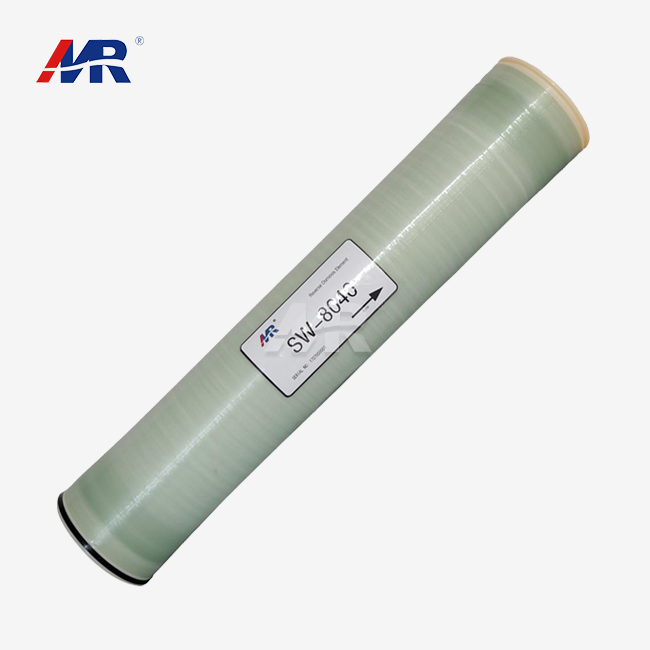
Understanding Reverse Osmosis Membranes and Their Role in Well Water Filtration
How RO Membranes Work in Well Water Applications
Under pressure, a reverse osmosis water filter membrane moves water molecules over a barrier that blocks others. This blocks dissolved solids, heavy metals, and microbes. Well water has issues compared to city sources. High calcium, magnesium, and iron levels accelerate membrane fouling and scaling, reducing flux rates and salt rejection efficiency. How selectively things pass through the membrane—usually a Thin-Film Composite (TFC) polyamide layer supported by polysulfone and polyester—depends on its chemical structure. In order to make water that fulfils commercial purity standards, this system rejects 97% to 99.8% of salt. RO technology removes dissolved ionic pollutants that degrade pharmaceutical, electronics, and beverage Products. Mechanical filtration removes particles solely.
Membrane Types and Material Considerations
Factory well water is treated most often with TFC membranes since they reject contaminants well and function well across a wide pH range (2–11). However, chlorine can harm them; thus, they must be strongly pre-treated with activated carbon filtration to prevent polyamide layer oxidation. Although cellulose triacetate (CTA) membranes can take chlorine, their lower rejection rates and smaller pH working windows render them unsuitable for demanding industrial environments. PVDF membranes endure longer and are less likely to clog due to new technologies. This is especially useful in well water with lots of organic debris or biological activity. PVDF membranes can handle 2000 ppm chlorine and pH 2–11. This makes them more durable in poor water chemistry.
TDS Impact on Membrane Selection
TDS affects membrane selection and system design. TDS levels in well water vary greatly by location. They reach over 5000 ppm in dry agricultural areas and 200 ppm in coastal aquifers. High-TDS feedwater requires a reverse osmosis water filter membrane with good structural integrity to maintain flux rates and high operating pressures (typically over 800 psi). Based on TDS levels, membrane manufacturers recommend recovery rates. This shows how to balance production and fouling. Recovery rates for brackish well water treatment are 50-75%. For high-salinity usage, staged systems with recovery rates below 40% may prevent barrier surface mineralisation and concentration polarisation.
Key Criteria for Selecting the Best RO Membrane for Well Water
Assessing Water Quality and Treatment Objectives
Buying selections begin with a complete water examination. The geology of the aquifer, the season, and its proximity to farms and factories affect well water chemistry. Hardness (calcium and magnesium carbonates), iron, manganese, silica, bacterial populations, and organic content are crucial. Water with more than 0.3 ppm iron clogs the RO stage and must be pre-oxidized and filtered. Water with a hardness of more than 200 ppm must be softened or antiscalant dosed to prevent calcium carbonate and calcium sulphate buildup on membrane surfaces. Pharmaceutical-grade water facilities require filters with rejection rates above 99% to maintain permeate conductivity below 1.3 µS/cm. However, higher product stream TDS may be fine for irrigation water reuse. Procurement teams can choose membranes with the proper pore diameters, flux capacities, and chemical compatibility based on quality requirements.
Performance Metrics That Drive Selection
Membrane lifespan affects the total cost of ownership. With proper pre-treatment, well water membranes last 24–36 months. Important success indicators:
Salt Rejection Rate: Good membranes reject above 98% of TDS throughout their lifespan, preventing process disruption. A decline in rejection indicates membrane breakdown due to chlorine damage, high pH, or physical breaches.
Flux rates, measured in gallons per day (GPD) or litres per square metre per hour (LMH), determine system size and cost. Well water membranes have a high initial flux and resist fouling. The output is constant during all working cycles in advanced configurations with flux rates between 10 and 25 LMH.
Well water's complex chemistry accelerates organic and inorganic fouling. Smooth, hydrophilic membranes prevent biofilm formation and particulate accumulation, requiring less cleaning and longer chemical treatment intervals.
Together with pre-treatment design, working pressure, temperature, and recovery ratio, these performance factors determine system performance and cost.
Evaluating Supplier Credentials and Certifications
Production and testing criteria must be reviewed to ensure membrane quality. Reliable vendors employ standard sodium chloride solutions for salt rejection testing, vacuum integrity testing to discover manufacturing faults, and accelerated ageing studies to predict product performance. NSF/ANSI 58 for residential use and ISO 9001 for industrial production provide clients with confidence in product quality. MDSS and chemical compatibility documentation prevent membranes from breaking down during cleaning or pH changes. Professionals buying should ask about batch testing, early failure guarantees, and skilled installation and problem-solving support.
Best Reverse Osmosis Membranes for Well Water in 2024: Market Comparison and Reviews
Leading Membrane Technologies for Industrial Well Water Treatment
There are special membranes on the market that are made to work with well water. Thin-Film Composite membranes from well-known brands can reject salt at rates of 98.5% to 99.8%, and their operating pressures are perfect for use with brackish water. The polyamide active layers in these membranes are specially made to resist organic fouling from humic substances and biological contaminants that are common in well water. Their polysulfone support layers give them the mechanical strength to handle changes in temperature and pressure that happen in industrial settings.
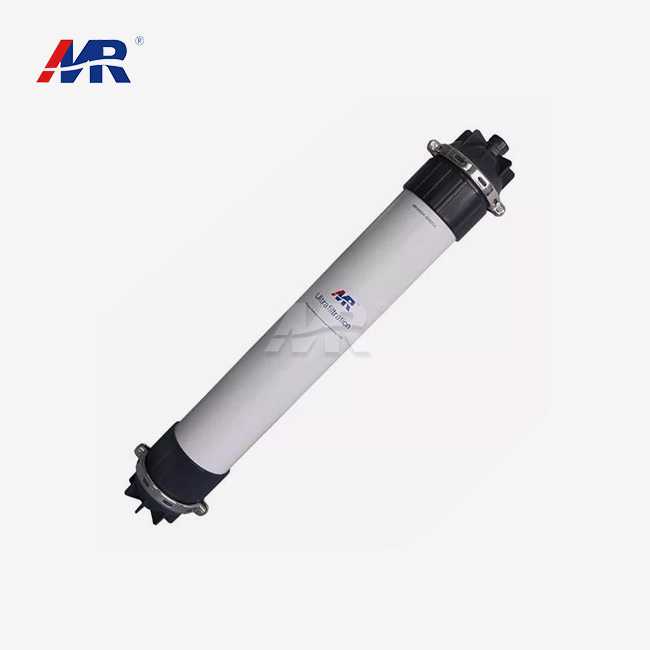
Ultrafiltration membranes made of PVDF are important parts of pre-treatment or can be used on their own in situations where getting rid of particles and bacteria is more important than getting rid of dissolved solids. With pores that are between 0.1 and 0.4 µm, PVDF membranes are very good at getting rid of colloids, bacteria, and suspended solids—up to a 99.9% removal rate. Their high chemical resistance lets you clean them harshly with oxidising agents, which keeps the flux working well in well water that is biologically active. Because the material is thermally stable, it can be used in temperatures ranging from 5°C to 40°C, which is good for groundwater sources that change temperature with the seasons.
Performance Comparison and Application Suitability
When procurement teams compare reverse osmosis water filter membrane options, they need to make sure that the product specs match the needs of the business. TFC membranes work great in situations that need to reject a lot of salt while keeping the quality of the permeate steady. This makes them perfect for making medicines, food and drinks, and boiler feedwater. Because they are sensitive to chlorine, carbon pre-filtration is needed. This makes the system more complicated but makes sure the membranes last longer.
PVDF membranes work really well in situations where chemical resistance and fouling resistance are more important than ultra-high salt rejection. PVDF can handle harsh cleaning methods and keep flux rates fixed, which is useful for municipal water treatment plants, commercial wastewater reclamation, and food processing plants. PVDF membrane systems have a small footprint—often 50% smaller than traditional treatment trains—which makes them useful in facilities that need to be retrofitted or in cities where space is limited.
Real-world performance data from pharmaceutical manufacturing shows that well-selected membranes can keep permeate conductivity below 10 µS/cm for over 30 months in well water with TDS levels around 1200 ppm. This proves that the technology is reliable for important uses.
Maintenance and Troubleshooting for RO Membranes Used with Well Water
Establishing Effective Cleaning Protocols
Understanding how fouling works in well water is the first step in maintaining membranes. Iron fouling shows up as reddish-brown deposits that need acidic cleaners (citric acid or hydrochloric acid at pH 2-3) to break down ferric hydroxide precipitates. Cleaning with acid gets rid of calcium carbonate scaling, but alkaline soaps (pH 11–12) mixed with surfactants are needed to get rid of organic fouling and biofilm. How often you clean depends on how much the normalised flux drops. Cleaning usually starts when the normalised flux drops 10-15% from baseline or when the normalised salt passage rises by 10%.
Low-pressure recirculation of cleaning solutions at temperatures between 30°C and 40°C for 30 to 60 minutes is an effective way to clean. After this, the surface should be rinsed well to get rid of any chemical residues. Keeping an eye on transmembrane pressure (TMP) while cleaning helps figure out how bad the fouling is and how well the cleaning is working. Well water systems that are well taken care of usually need to be cleaned every three to six months, but sources that are very dirty may need to be cleaned every month.
Diagnostic Methods for Problems with Performance
When membrane function goes down, certain signs show up that help with troubleshooting. When there is less permeate flow but steady salt rejection, it means that the membrane surface is physically fouled or scaling, which can be fixed by cleaning methods. If there is more salt passing through while the flow is normal, it means that the membrane has been damaged, either chemically by chlorine contact or physically by pressure spikes. When flow and rejection both go down at the same time, it means that there is severe fouling and concentration polarisation.
Performance drift can be found early by keeping an eye on feed pressure, permeate flow, permeate conductivity, and concentrate flow on a regular basis. Normalised performance estimates that take into account changes in temperature and pressure give accurate trending data that can tell the difference between routine changes and real membrane degradation. This proactive approach stops small problems from getting worse and turning into system failures that need emergency membrane replacement.
Preventive Strategies for Extended Membrane Life
How long a membrane lasts in well water applications depends on how the pre-treatment is designed. Multimedia filtration gets rid of iron particles and solids in the fluid, which protects membranes from wear and particle fouling. Adding chemical antiscalants or ion exchange to water softens it to stop hardness scaling. This is especially important when the feed water hardness is more than 150 ppm. Chlorine and organic compounds that hurt TFC membranes or help living things grow are removed by activated carbon filtration.
Biological control methods include adding shock chlorine to the feed water on a regular basis (which is then dechlorinated before the RO stage) or adding low doses of chlorine all the time to stop bacteria from growing in pre-treatment tanks and pipes. Biological control that doesn't use chemicals is possible with UV treatment, but the feed water needs to be clear for it to work. These combined methods keep the membranes working well while reducing how often they need to be cleaned and extending the time between replacements beyond what is normally expected in the industry.
Procurement Tips: How to Buy Reverse Osmosis Membranes for Well Water – Sourcing and Supplier Guidance
Identifying Reliable Membrane Suppliers
To do good procurement, you need to check out sellers based on their technical skills, the accuracy of their products, and their customer service after the sale. Well-known companies offer detailed technical information, such as performance curves, chemical compatibility charts, and installation instructions. They provide batch-specific test data that shows the rejection of salt, the flux rate, and the integrity testing results. This makes sure that membranes meet the published specifications. Teams in charge of buying things should check that sellers are certified, ask for examples from similar projects, and look at the guarantee coverage. Reliable suppliers usually offer 12- to 24-month warranties against manufacturing defects.
Product supply and wait times are affected by distribution networks. Local sellers keep common reverse osmosis water filter membrane sizes in stock, which speeds up the deployment of projects. Working directly with manufacturers gives you access to custom configurations and engineering support for more complicated uses. For international sources, you need to pay attention to the shipping conditions. For example, if you ship wet membranes, you need to keep the temperature under control so they don't freeze, and if you ship dry membranes, you need to be careful not to damage them.
Negotiating Volume Purchases and Service Agreements
Through volume discounts and lower shipping costs per unit, buying in bulk can save you a lot of money. Standardising membrane types across installations is good for facilities that have more than one RO system because it makes inventory management and training technicians easier. Annual supply deals lock in prices, provide protection against changes in the market, and ensure that products are always available for replacements that are planned. Technical support, on-site troubleshooting help, and priority access to engineering resources during system expansions or performance problems are all common parts of these agreements.
Service level agreements (SLAs) should spell out how long it will take to answer technical questions, whether new membranes are available in case of an emergency, and how performance promises will work. Good suppliers stand behind their goods and are willing to look into membranes that aren't working right, test the water on-site, and suggest changes to the system that will make it work better. With this partnership approach, suppliers become strategic resources instead of just transactional vendors, which helps the business succeed in the long term.
Conclusion
To choose the right reverse osmosis water filter membrane for treating well water, you need to carefully look at the nature of the water, how well it needs to work, and the total cost of ownership. When it comes to important uses, TFC membranes are better at rejecting salt, and PVDF technology is better at resisting fouling and chemicals for tough well water conditions. Strong pre-treatment, proactive maintenance protocols, and strategic supplier relationships are all important for making sure that the membrane lasts as long as possible and the system works reliably. Purchasing managers who spend time creating detailed specifications and checking out potential suppliers get measurable benefits like less downtime, lower operating costs, and consistent product water quality that helps manufacturing and processing operations further down the line.
FAQ
Q1: What factors most significantly affect membrane lifespan in well water service?
Feed water quality affects how long a membrane lasts. When there is more than 0.3 parts per million of iron, 200 parts per million of hardness, or bacteria, fouling happens faster and needs a lot of pre-treatment. Exposure to chlorine damages TFC membranes in a way that can't be fixed, and pH changes that are too high or too low break down membrane materials. With the right pre-treatment and regular upkeep, a membrane can last up to 30 to 36 months in uses that use hard well water.
Q2: Can RO membranes effectively remove iron and bacteria from well water?
Yes. Because their pores are only 0.0001 microns wide, which is much smaller than bacterial cells, quality membranes physically block bacteria and reject up to 99% of dissolved iron. However, particulate iron needs to be filtered out first to keep the membrane from getting clogged. Biological activity needs disinfection upstream to stop biofilm from forming on membrane surfaces, which lowers performance and shortens the life of the system.
Q3: What distinguishes TFC from PVDF membrane materials?
TFC membranes are made up of polyamide active layers that are designed to reject a lot of salt (98–99.8%), but chlorine can damage them. With pores that are between 0.1 and 0.4 µm, PVDF membranes are very good at resisting chemicals. They can handle up to 2000 ppm chlorine and work great in situations where fouling is not a problem. PVDF is used for pre-treatment or as a filter on its own, while TFC is the best choice for situations where maximum dissolved solids removal is needed.
Partner with Morui for Expert RO Membrane Solutions
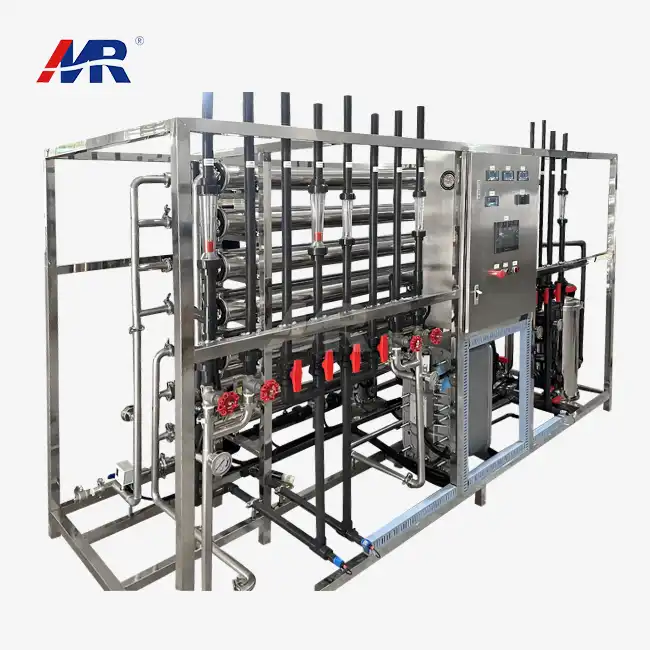
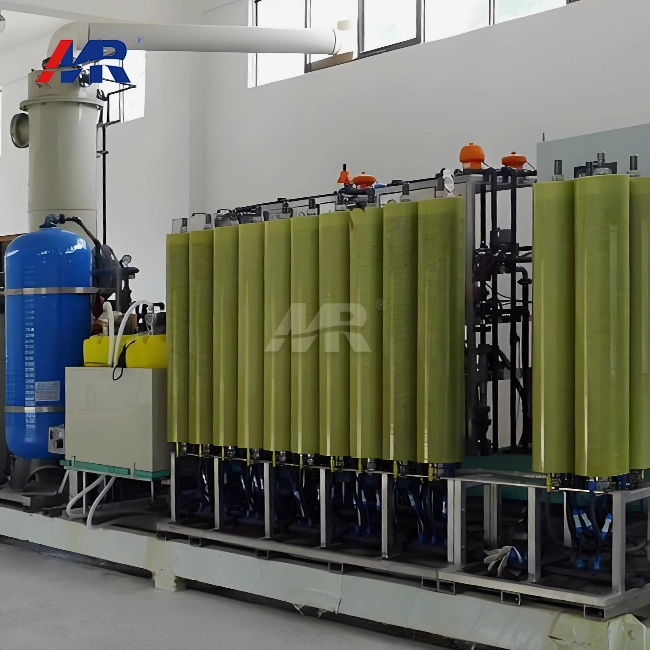
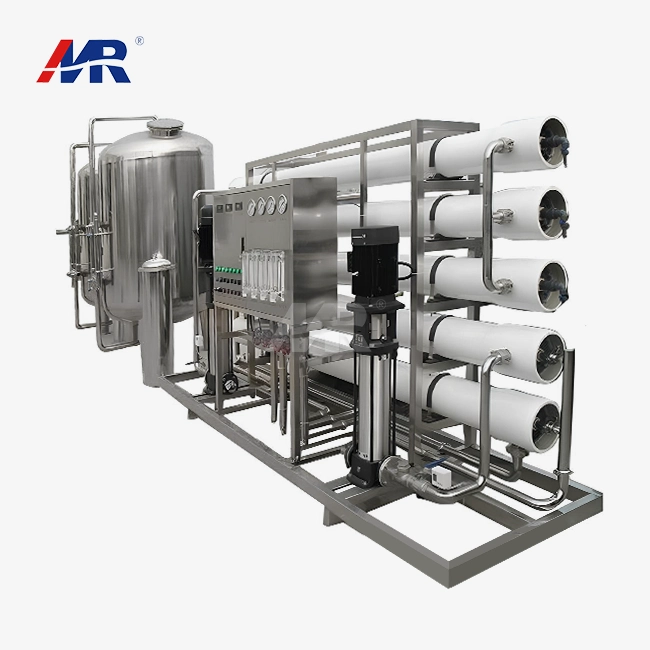
Guangdong Morui Environmental Technology specialises in full water treatment systems that are made to work with difficult well water conditions in the food processing, pharmaceutical, and industrial manufacturing industries. We have been making reverse osmosis water filter membranes for a long time and have over 14 branches and specialised membrane production sites. We offer complete solutions, from testing the water to setting up the system. Our 20-person research team helps you choose the right membrane by combining PVDF ultrafiltration and TFC reverse osmosis technologies to solve your unique water quality problems. You can be sure that your investment will lead to measurable performance improvements thanks to volume procurement programs, OEM collaboration opportunities, and quick technical support. Email Our Team at benson@guangdongmorui.com to talk about how you want to treat your well water and get detailed product specifications that are made to fit your needs.
References
1. American Water Works Association. (2020). Reverse Osmosis and Nanofiltration: Manual of Water Supply Practices M46. Denver: AWWA.
2. Greenlee, L.F., Lawler, D.F., Freeman, B.D., Marrot, B., & Moulin, P. (2009). Reverse osmosis desalination: Water sources, technology, and today's challenges. Water Research, 43(9), 2317-2348.
3. National Sanitation Foundation International. (2021). NSF/ANSI 58: Reverse Osmosis Drinking Water Treatment Systems - Certification Standards and Testing Protocols.
4. Crittenden, J.C., Trussell, R.R., Hand, D.W., Howe, K.J., & Tchobanoglous, G. (2012). MWH's Water Treatment: Principles and Design (3rd ed.). Hoboken: John Wiley & Sons.
5. Membrane Technology and Research, Inc. (2019). Industrial Membrane Separation Processes: Performance Optimization and Fouling Mitigation Strategies. Technical Report Series.
6. Water Quality Association. (2022). Point-of-Use Reverse Osmosis Systems: Technical Application Guide for Well Water Treatment. Lisle: WQA Publications.