

_1745823981883.webp)

Low-Pressure Reverse Osmosis Water Filter Membrane Benefits
Low-pressure membrane/4040-reverse-osmosis-membrane">reverse osmosis water filter membranes offer huge benefits by lowering the operating pressure needed while still performing exceptionally well at cleaning. These advanced semi-permeable barriers can reject up to 99.5% of salt, which means they use a lot less energy than regular high-pressure systems. At operating pressures between 150 and 600 psi, the thin-film composite structure removes dissolved solids, heavy metals, and microbial contaminants effectively. This makes them perfect for industries that need cost-effective water treatment solutions. When businesses invest in low-pressure technology, their utility costs go down right away, and they meet strict regulatory standards for applications in pharmaceutical, food processing, and municipal settings.
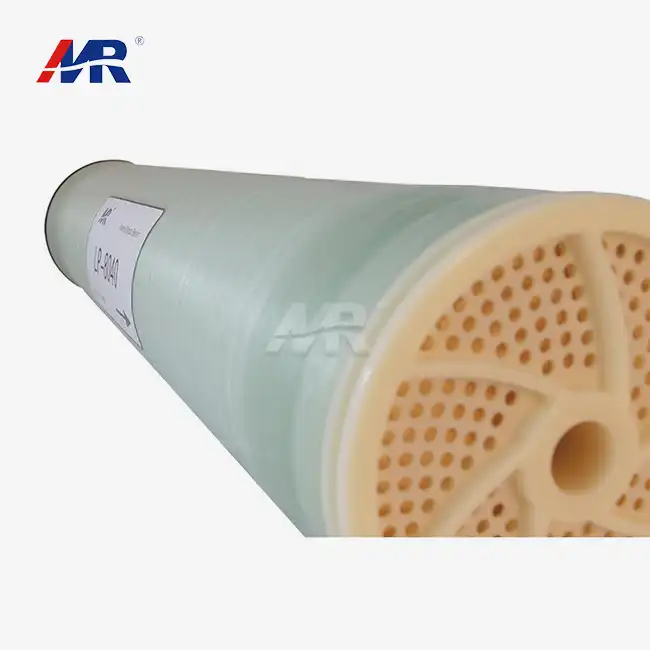
Understanding Low-Pressure Reverse Osmosis Water Filter Membranes
Reverse osmosis water filter membranes: An Introduction. The way low-pressure systems work is based on new membrane science that increases the flow of permeate without using too much hydraulic power. Low-pressure membranes are more efficient at processing brackish water and municipal feeds with much less energy than traditional configurations that need pressures above 1000 psi for seawater applications.
Core Working Principles and Pressure Dynamics
Low-pressure filtration uses the difference in osmotic pressure to carefully let water molecules through while blocking contaminants as small as 0.0001 microns. When feed water goes into the membrane element, pressure pushes the cleaned permeate through the active layer, leaving behind concentrated reject water that has all the impurities removed. Depending on the salt of the feed, this process works well within 150 to 600 psi, while most seawater systems need 800-1200 psi.
Thin-Film Composite Versus Cellulose Triacetate Technologies
The choice of membrane has a big effect on how well the system works and how well it works with other systems. Thin-film composite (TFC) membranes have three layers: a polyamide active barrier, a microporous polysulfone support, and a polyester base. These layers work together to give the membranes great flow properties and high rejection rates of up to 99.5%. These membranes are very good at keeping organic fouling away, but they need chlorine-free feed water because they are sensitive to oxidants. Cellulose triacetate (CTA) membranes can naturally handle chlorine, but they reject salt less well (95–97%) and can't handle as much pH. When the goal is to get rid of as many contaminants as possible, TFC membranes are the most common choice for industrial uses.
Operational Variables Affecting Filtration Efficiency
Feed water quality has a direct effect on how well and how long a reverse osmosis water filter membrane works. Temperature changes affect the rate of permeate production. For every 1°F rise above 77°F, output goes up by about 3%, and flow goes down by the same amount when temperatures drop. Keeping the pH level between 2 and 11 during operation stops the active layer from breaking down. Total dissolved solids (TDS) levels determine the pressure that is needed. For example, brackish sources with TDS levels between 2000 and 10,000 ppm can be processed efficiently at lower pressures than seawater with pressures above 35,000 ppm. Recovery rates for low-pressure systems are usually between 50 and 75%. This is done by matching the amount of concentrate that needs to be disposed of with the amount of water that can be produced.
Benefits of Using Low-Pressure RO Membranes for B2B Water Filtration Needs
Businesses that use low-pressure membrane technology see improvements in a number of performance indicators that can be measured. These benefits directly lead to operational savings and regulatory compliance, which are two of the biggest problems that procurement managers and facility engineers have to deal with.
Substantial Energy Cost Reductions
When compared to standard RO systems that handle the same amount of feed, low-pressure configurations use 25–40% less power. If a pharmaceutical plant that processes 50 gallons per minute runs at 400 psi instead of 600 psi, it can save more than $18,000 a year on power costs. When a factory keeps up a continuous work plan, energy efficiency is especially important because the savings add up every month. Less pressure is also needed, which lets smaller, cheaper pumps be used in the basic design of the system.
Extended Membrane Service Life and Durability
Working at moderate pressures keeps mechanical stress on membrane fibres to a minimum. If you follow the right maintenance steps, this means that you can go from replacing them every 24 months to every 36 to 48 months. Our membrane elements are built to last, and they have a working area of 85 ft² (7.9 m²) in normal 4-inch pressure vessels. They can work continuously at temperatures as high as 113°F (45°C). Fouling rates are lower when the pressure is low because the flow is softer, so particles don't get pushed against the membrane surfaces. This longevity has a direct effect on the total cost of ownership by lowering the number of replacements needed and the costs that come with them.
Superior Contaminant Removal Performance
Despite different types of contaminants, low-pressure membranes still have a great ability to reject them. Up to 99.5% of salts are rejected, which gets rid of enough sodium, chloride, sulphates, and nitrates to meet standards for drinking water and industrial processes. Heavy metals like lead, arsenic, cadmium, and mercury are removed at rates higher than 98%, which is necessary for pharmaceutical production to meet USP standards for filtered water. The membrane pores are only 0.0001 microns wide, which makes them completely impenetrable to bacteria, viruses, and cysts. This keeps microbes safe without using chemicals to kill them. These skills help with new worries about PFAS and other persistent organic pollutants that are being regulated more and more in the industrial and municipal sectors.
Simplified Maintenance Requirements
Low-pressure action cuts down on how often you have to clean and how much fluid you use. Standard clean-in-place (CIP) methods that use citric acid to remove mineral scale and sodium hydroxide to remove organic fouling still work, but cleanings can be done more frequently to save money on chemicals and time. Our membrane design is naturally resistant to biological fouling, which means that biofilm buildup doesn't cause as many unplanned shutdowns. When replacing old high-pressure systems, maintenance teams like simple installation steps that work with the infrastructure that's already there. The highest feed flow rates of 16 gpm (3.14 m³/h) can handle a wide range of production sizes, from small lab systems to medium-sized factories.
How to Choose the Best Low-Pressure RO Membrane for Your Business?
To choose the right membrane technology, you need to carefully look at operational parameters, procurement issues, and expected long-term performance. Structured decision models that match technology requirements with business goals are helpful for B2B buyers.
Assessing Water Quality and Volume Requirements
First, do a full study of the feed water by measuring its TDS, hardness, pH, turbidity, and microbe content. Source water with a TDS level below 10,000 ppm can usually be treated with low pressure. Higher salinity needs special membranes or more than one step of processing. The daily production amount tells you how much membrane area you need. Figure it out by using the ideal recovery rates and the flux drop you expect over the membrane service life. Pharmaceutical companies that need a steady supply 24 hours a day, seven days a week should add 20 to 30 percent to their capacity to account for cleaning cycles and changes in temperature that affect output during different seasons.
Comparing Membrane Technologies and Manufacturer Standards
Manufacturers of well-known thin-film composite membranes have shown that they are reliable in a wide range of industrial settings. Our membrane elements always work the same way because they are made with exact controls that make sure the polyamide layer thickness is the same and the glue lines are free of flaws. When looking at different options, make sure that they meet the NSF/ANSI 58 standards for home use or the right pharmaceutical Certifications (USP, EP) for GMP-regulated facilities. Using standard 2000 ppm NaCl solutions for salt rejection testing should confirm what the manufacturer says; rejection rates below advertised values show problems with quality control. Claims about output ability are backed up by permeate flow testing at set temperatures and pressures.
Balancing Cost Against Performance and Warranty Terms
The initial purchase price of a reverse osmosis water filter membrane is only one part of the total cost of ownership. Use your building's current electricity rates to figure out how much energy it will save. For example, a system that saves 15 kW of power continuously would be worth $13,000 a year at $0.10/kWh. A warranty that lasts longer than the usual 12 months guards against defects in the manufacturing process and shows that the maker has faith in the product. When you buy in bulk from well-known sources, you can get discounts of 12 to 18% for orders that include more than 50 membrane parts. Check the Technical support that the supplier offers, such as application engineering help, startup commissioning services, and ongoing troubleshooting. Reliable providers keep enough stock on hand to fill urgent repair orders within 48 to 72 hours, so production doesn't stop.
Optimizing Performance and Longevity of Low-Pressure RO Membranes
Proactive monitoring and preventative maintenance plans are needed for membranes to keep working well. Operations that use systematic control practices get the most out of their investments by getting uniform water quality output and longer repair gaps.
Recognizing Early Warning Indicators
Keep an eye on three important factors all the time: the normalised permeate flow, the salt rejection rate, and the difference in pressure between the membrane elements. If the permeate flow drops 10% from the starting point, even though the temperature and pressure stay the same, this means that fouling is happening and needs to be cleaned. If salt rejection drops below 95%, it means that the membrane has been damaged by oxidants, too much pressure, or mechanical stress, and the element needs to be replaced. When the differential pressure goes up by more than 15%, it means that particles are building up or living things are growing on the feed side surfaces. Setting baseline values during initial commissioning lets you do accurate trend analysis that shows how performance is slowly declining before major problems happen.
Implementing Effective Cleaning Procedures
Do preventative cleanings every three to six months, based on the quality of the feed water, instead of waiting until performance starts to drop. Cleaning with 0.1% sodium hydroxide at pH 11.5 is alkaline and gets rid of organic matter and biofilm. Cleaning with 2% citric acid at pH 3 is acidic and gets rid of mineral scale. To keep the membrane from getting damaged, the cleaning solution should not be hotter than 95°F, and it should be circulated for 30 to 60 minutes before being rinsed well. Sodium metabisulfite solutions clean systems well between production runs and get rid of stubborn biological fouling. Always check that the cleaning Products you use are safe for polyamide chemistry. Oxidising biocides, such as chlorine or hydrogen peroxide, can damage the active layer in a way that can't be fixed.
Systematic Monitoring and Documentation Practices
Keep detailed operational logs that record daily pressure readings, flow rates, conductivity readings, and the quality of the water that is thrown away. This documentation lets you connect changes in performance to operational events like changing the feed source or making changes to the treatment process upstream. Every three months, membrane autopsies on old elements give us useful information about the main fouling mechanisms, such as mineral scaling, colloidal fouling, or biological growth, which helps us improve the pre-treatment process. Modern buildings have automated data gathering systems that send maintenance alerts when factors go above certain limits. This lets problems be fixed right away, before they get worse and cost a lot to fix.
Future Trends and Innovations in Low-Pressure Reverse Osmosis Membrane Technology
Advances in materials science and the integration of digital technology are changing the membrane technology environment, giving early users the chance to gain a competitive edge.
Advanced Material Development
Researchers are working on graphene-enhanced membranes that promise 50% higher flow rates while keeping the same level of rejection. Biomimetic membranes based on aquaporins and water channel proteins can theoretically use the least amount of energy, which is close to the limits of thermodynamics. These innovations are still mostly in the lab stage, but they should be ready for sale in 5 to 7 years. Adding zwitterionic polymers to surfaces that aren't easily fouled has led to 60% fewer cleanings being needed in the field, which directly addresses operational cost concerns. New materials focus on expanding the pH ranges that can be used to 1–13, which lets cleaning methods be more aggressive without having to replace the membrane.
Digital System Integration and Predictive Analytics
With inline sensors and machine learning algorithms, smart reverse osmosis water filter membrane systems can predict fouling events two to three weeks before they happen and performance starts to drop. Predictive maintenance plans figure out the best times to clean, which cuts down on chemical use while keeping output steady. Cloud-based monitoring platforms make it possible to keep an eye on multiple treatment facilities from one place, which helps find problems that affect many sites. Blockchain-based traceability systems keep track of a membrane's performance history from the time it is manufactured until it is thrown away. This helps with regulatory compliance and warranty claims. Technical support teams can troubleshoot operating problems without having to visit the site, which cuts down on reaction times and trip costs.
Strategic Procurement Recommendations
Focus on technical partnership over transactional purchasing when building long-term relationships with suppliers. The best value comes from suppliers who offer application engineering support, pilot testing, and performance guarantees, rather than those who offer the lowest prices. Spread your membrane purchases among two or three qualified manufacturers to avoid problems with the supply chain and keep prices low. Take part in industry groups and professional conferences to keep up with new tools that are starting to be used in business. Align capital investment cycles with membrane replacement plans to add next-generation technologies as old parts hit the end of their useful life. This way, you can avoid technology becoming obsolete too soon and still get the benefits of innovation.
Conclusion
Low-pressure reverse osmosis water filter membranes are a tried-and-true technology that has been shown to cut costs, remove contaminants better, and make operations easier in a wide range of commercial settings. Pharmaceutical companies, food makers, local utilities, and industrial sites that need stable water purification will find that the 99.5% salt rejection, lower energy use, and longer service life make the economics very appealing. Improvements in membrane materials and digital monitoring keep making performance better, and new ideas promise even more efficiency gains. When procurement workers choose low-pressure systems, they put their companies in a better position to meet stricter government rules while keeping costs down with tried-and-true water treatment technology.
FAQ
Q1: What feed water quality is suitable for low-pressure membranes?
Low-pressure devices are good at treating salty water with TDS levels between 500 and 10,000 ppm. This is a good range for municipal water supplies, which are perfect candidates. To keep the SDI (Silt Density Index) below 3.0 and stop premature fouling, feed water should go through pre-filtration to get rid of solids bigger than 5 microns.
Q2: How does chlorine affect membrane performance?
When chlorine concentrations above 0.1 ppm hit polyamide thin-film composite membranes, they break down permanently. Damage from oxidation breaks polymer bonds in the active layer, which quickly lowers salt rejection levels below what is acceptable. The upstream carbon filter gets rid of chlorine well, but it's important to keep an eye on it to make sure the residual amounts stay below 0.05 ppm.
Q3: What determines membrane replacement timing?
If normalised salt rejection drops below 95%, permeate flow drops 30% from baseline, or differential pressure rises 50% after proper cleaning, the membranes need to be replaced. When used normally and with the right pre-treatment and upkeep, good membranes last between 36 and 48 months.
Partner With Morui for Advanced Reverse Osmosis Water Filter Membrane Solutions
Guangdong Morui Environmental Technology Co., Ltd. has more than 14 years of experience treating industrial water, and they have 20 dedicated engineers and the ability to make membranes in-house. Our low-pressure reverse osmosis water filter membrane elements get rid of 99.5% of salt while using up to 40% less energy than traditional systems. As a full-service supplier of reverse osmosis water filter membranes, we build the whole system, buy the equipment, install it, test it, and provide ongoing technical support through our network of 14 regional branches and 500 technical pros. Email our engineering team at benson@guangdongmorui.com to talk about your water purification needs and get personalised suggestions that are in line with your business goals.
References
1. American Water Works Association (AWWA). (2020). Reverse Osmosis and Nanofiltration: Manual of Water Supply Practices M46, Second Edition. Denver: AWWA Publications.
2. Greenlee, L. F., Lawler, D. F., Freeman, B. D., Marrot, B., & Moulin, P. (2009). Reverse osmosis desalination: Water sources, technology, and today's challenges. Water Research, 43(9), 2317-2348.
3. National Science Foundation International. (2019). NSF/ANSI Standard 58: Reverse Osmosis Drinking Water Treatment Systems. Ann Arbor: NSF International.
4. Qasim, M., Badrelzaman, M., Darwish, N. N., Darwish, N. A., & Hilal, N. (2019). Reverse osmosis desalination: A state-of-the-art review. Desalination, 459, 59-104.
5. United States Environmental Protection Agency (EPA). (2021). Membrane Filtration Guidance Manual. Washington, D.C.: Office of Water.
6. Wilf, M., & Bartels, C. (2005). Optimization of seawater RO systems design. Desalination, 173(1), 1-12.
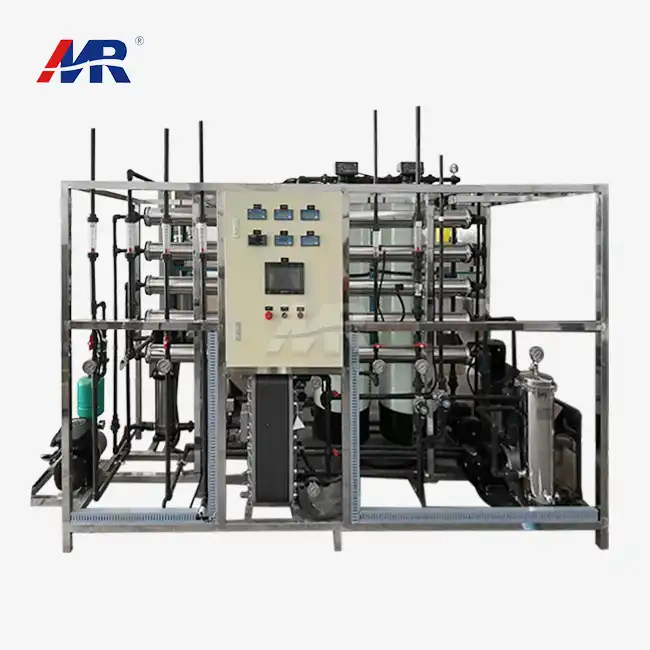 VIEW MOREedi water purification system
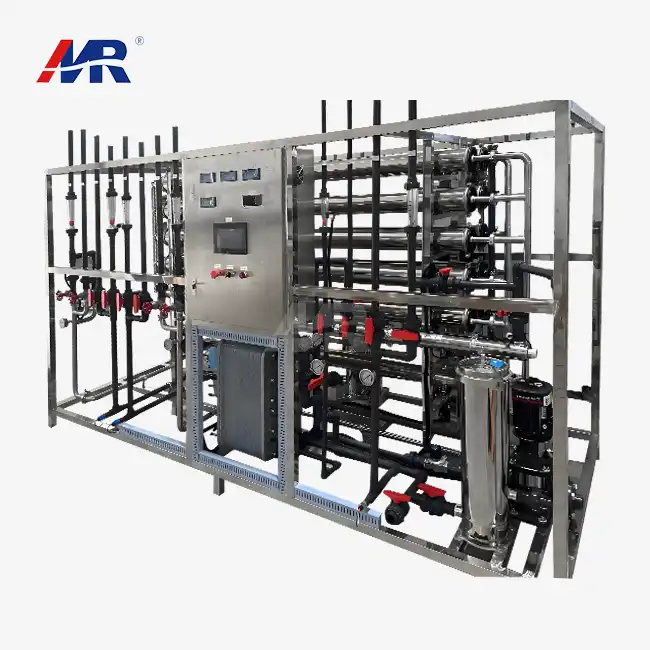 VIEW MORE2000 liters/hour EDI system
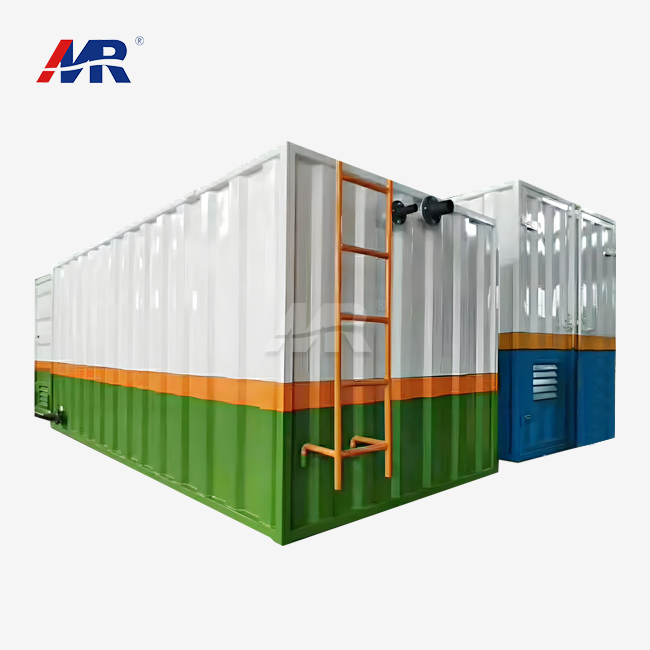 VIEW MOREindustrial sewage treatment plant
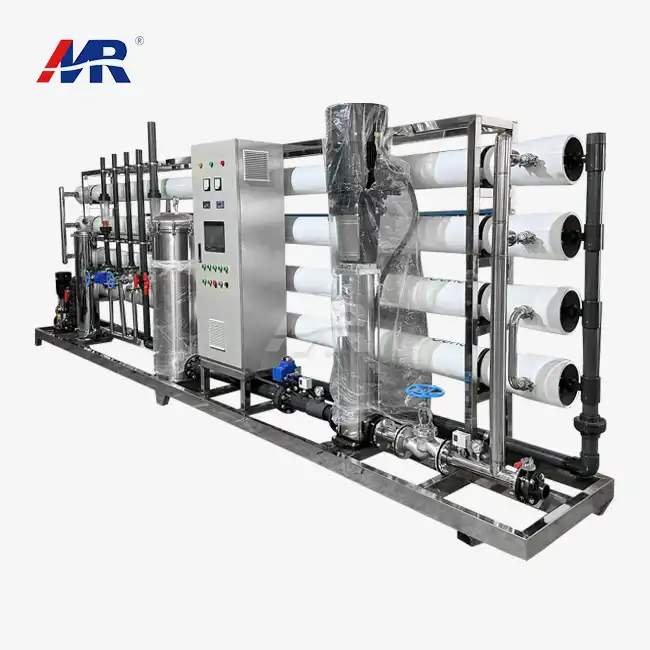 VIEW MORE500m3/day reverse osmosis RO plant
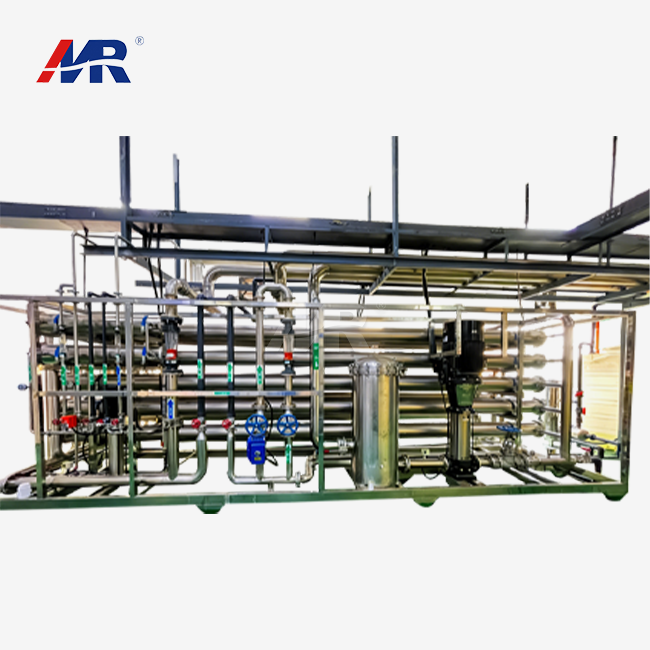 VIEW MOREnew ro system
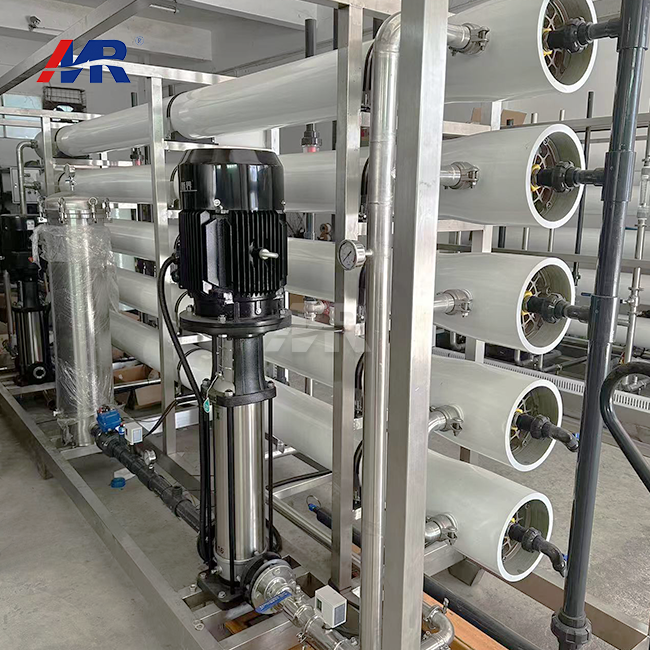 VIEW MOREosmosis water purification system
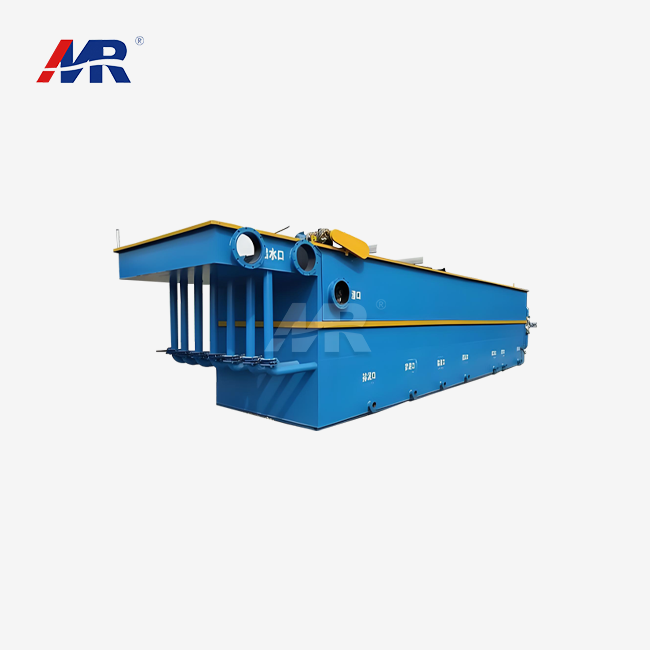 VIEW MOREadvanced wastewater treatment system
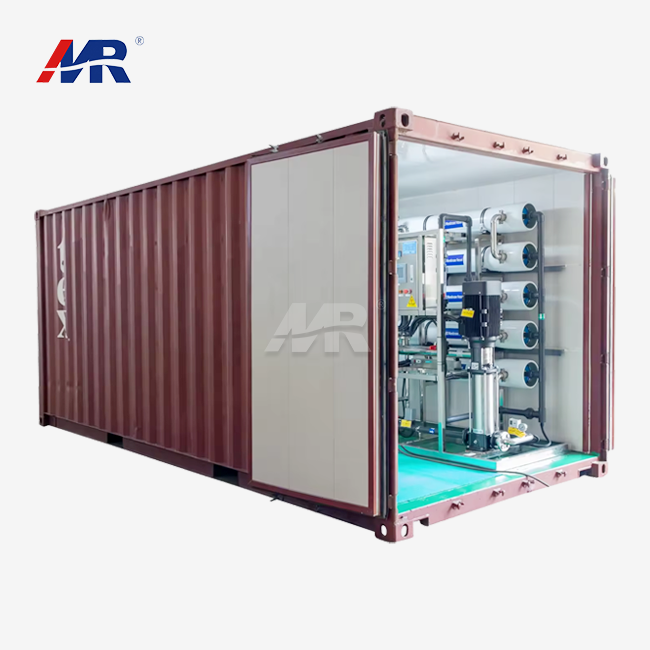 VIEW MOREmobile container reverse osmosis equipment
