

_1745823981883.webp)

Sizing a Seawater RO System for Island Communities
For island towns, sizing a seawater RO system necessitates careful consideration of population needs, yearly demand fluctuations, and infrastructure limitations. Through reverse osmosis technology, a properly set up seawater RO system can turn salty ocean water into safe freshwater. This helps solve the unique water shortage problems that places around the world face. Accurate sizing strikes a balance between the need for capacity and the need to use energy as efficiently as possible. This ensures long-term operations while still meeting high-demand times. This includes figuring out how much water each island needs every day, choosing the right membrane configurations, and making plans for future growth that are based on the island's population and geography.
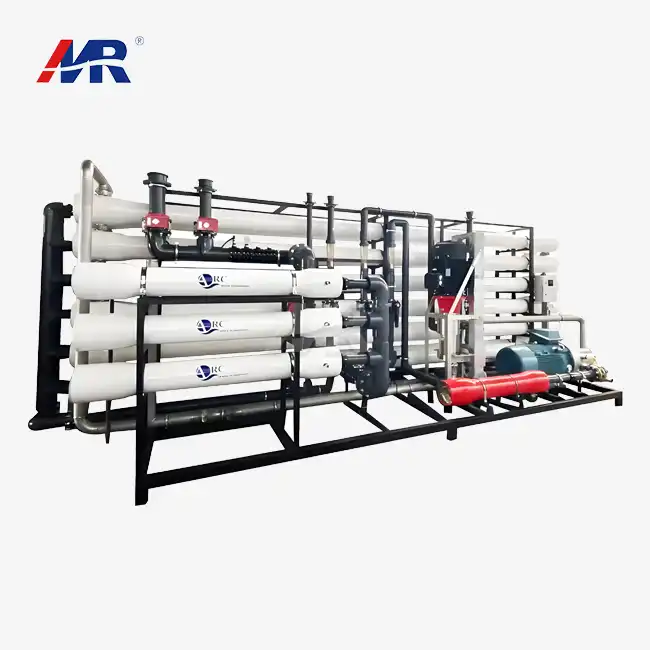
Understanding the Basics of Seawater RO Systems
Thanks to progress in technology, desalination has become a reliable option for places where freshwater sources are limited or nonexistent. Islands have unique problems because they are far away from other places and don't have a lot of groundwater reserves. This means that producing water from the ocean is not only possible but often necessary.
The Reverse Osmosis Process for Island Environments
When reverse osmosis desalination is done, seawater is pushed through semi-permeable membranes by high pressure, which is generally between 55 and 80 bar. More than 99.7% of salt can be removed with this method because it takes away molecules of water from dissolved salts, minerals, and other impurities. The technology works really well on islands because it doesn't need thermal energy sources and can be used with renewable power systems like solar or wind farms.
Essential Components of a Seawater Desalination System
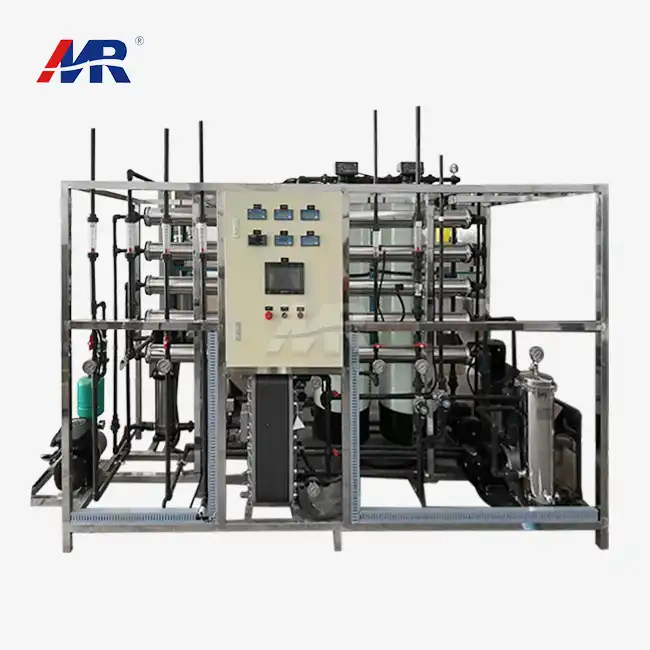
A full system is made up of several important parts that work together. To overcome the osmotic pressure, high-pressure pumps are used, and systems that take in seawater and filter it through carefully planned points are used. Before water gets to the sensitive membrane modules, pre-treatment units get rid of big particles, sediments, and biological pollutants. Energy recovery devices use the high-pressure concentrate stream to get hydraulic energy. This cuts the total amount of power used by up to 60%. After the water is cleaned, post-treatment equipment changes the pH levels and adds back in important minerals. This makes the water safe for people to drink and meets government standards.
Benefits Compared to Alternative Water Sources
There are clear benefits to membrane-based desalination over thermal distillation and importing fresh water. A properly designed seawater RO system typically uses 3 to 4 kWh of energy per cubic metre of produced water, which is a lot less than older thermal technologies. Due to their modular design, reverse osmosis systems can change their capacity based on changes in demand. This keeps installations from being too big and inefficient. The environmental effects can be controlled by using the right brine disposal methods, and the systems ensure water security during droughts regardless of how much rain falls or how the weather changes.
Key Dimensions in Sizing Seawater RO Systems for Island Use
System size is the most important part of any project because it affects prices, dependability, and long-term viability. During peak times, installations that are too small have trouble meeting demand, while installations that are too big waste money and energy.
Calculating Daily Water Consumption and Peak Demand
Population-based water needs vary by town and use. Island residents consume 150–300 litres per day for drinking, cooking, sanitation, and hygiene. Tourist destinations' peak months might double or triple demand. Hotels, taverns, and small factories add work that must be considered when designing capacity. Look at past consumption data, anticipate future population growth, and add 20–30% more than peak demand to reach the proper size.
Small-Scale versus Large-Scale System Configurations
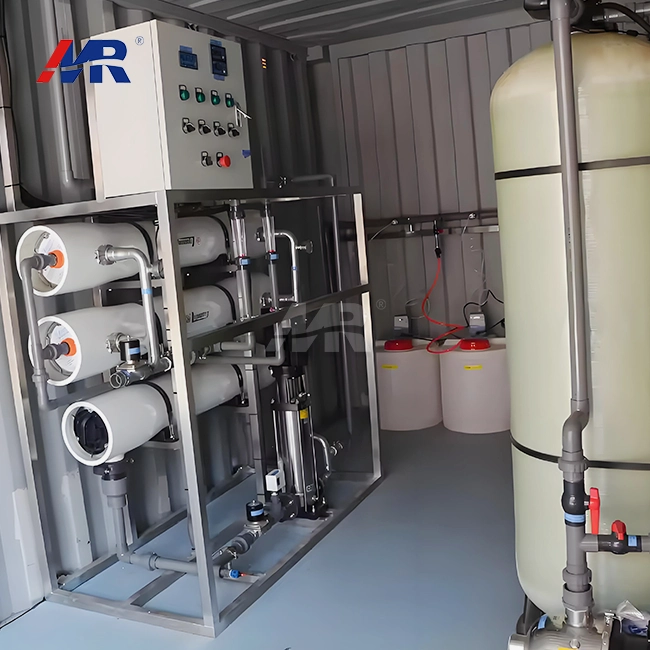
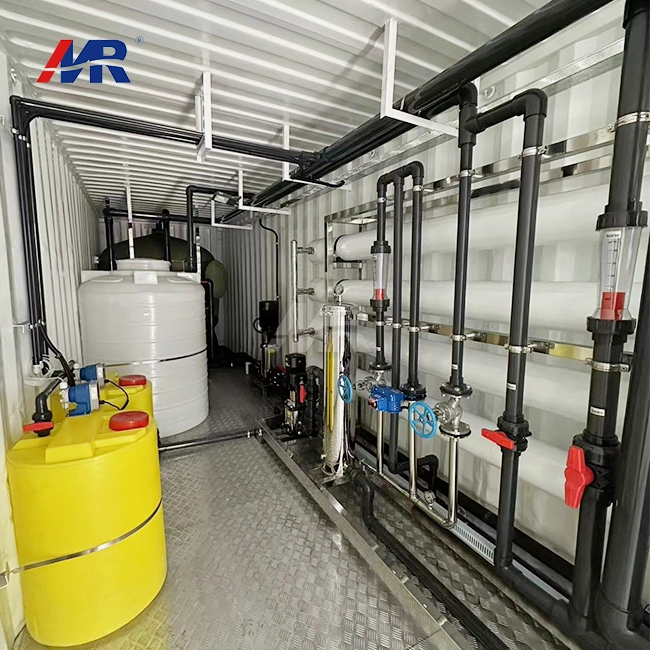
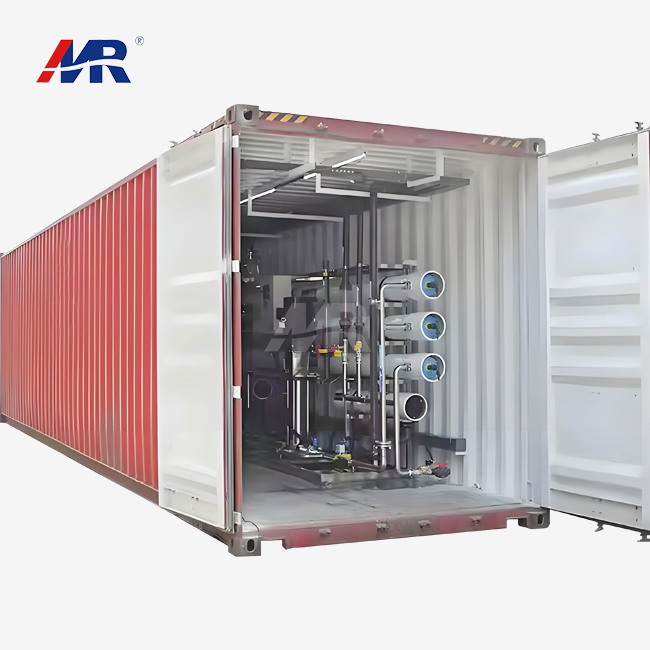
Capability needs affect technology and system structure. Small island towns with less than 1,000 people benefit from containerised or skid-mounted systems that produce 50 to 500 cubic meters per day. Small units are easy to move, set up rapidly, and require less infrastructure preparation. Larger islands with more than 5,000 residents need industrial-scale trash-handling systems that can manage 1,000–100,000 cubic meters every day. These systems have many membrane trains working simultaneously. This allows system assistance and maintenance while modules are cleaned or replaced.
Energy Efficiency and Operational Cost Analysis
The highest ongoing cost of desalination is the power used. This is especially true for islands that depend on diesel generators or expensive fuels that have to be brought in from other countries. Modern systems use energy recovery technologies that cut the net power needed by a large amount. Finding out how much energy is needed includes looking at how well the pumps work, how much pressure the membranes need, how much power is used for pre-treatment, and any other systems that are needed, such as tracking and control gear. When islands have access to renewable energy sources like solar panels or wind turbines, they can connect them to desalination plants to get big economic benefits. For example, running these plants could be 40–60% cheaper than running them with fossil fuels.
Comparison of Available Seawater RO Technologies and Solutions
Choosing the right technology affects every part of a system's performance, from the initial cost of the capital investment to the costs of running the system and maintaining it over many years. Knowing the choices that are out there helps procurement teams match the conditions of each island with the best equipment configurations.
Seawater RO versus Thermal Desalination Methods
For small to medium-sized island uses, membrane technology has mostly replaced thermal methods. It has been shown that reverse osmosis systems use less energy, take up less space, and can adapt more easily to changing demand patterns. Thermal methods, like multi-stage flash distillation, need a lot of heat sources and work best when they're used on very big scales, usually more than an island needs. When the daily capacity is less than 50,000 cubic meters, membrane systems tend to be more cost-effective and easier to maintain because they don't have to deal with corrosion and scaling as thermal evaporators do.
Performance Specifications and Industry Standards
In 2024, the best seawater RO system gets recovery rates close to 50%, which means that about half of the seawater that comes in is turned into product water and the other half is concentrated brine. It consistently rejects more than 99.4% of the salt, making water with less than 500 mg of total dissolved solids per litre from feedwater that has between 35,000 and 45,000 mg per litre of salt. If everything is done right, a membrane should last between 5 and 7 years. As fouling builds up, its performance slowly decreases over time. Pre-treatment that works, as shown by silt density index values below 3, makes sure that the membrane lasts a long time and that production rates stay steady. Automated control systems that can be monitored from afar allow machines to work without a person being there and allow for quick responses to problems.
Leading Equipment Options for Island Applications
High-efficiency membranes in Morui's high-tech seawater desalination system remove salt while maintaining low operating pressures. The system's duplex stainless steel and polymer coatings prevent rust and prolong their lifespan in hostile marine settings. On small islands, compact modular designs make installation easier and allow communities to grow as needed. Island electricity is expensive; therefore, energy recovery systems reduce power use. Projects from tiny communities to regional water bodies can use 1,000 to 100,000 cubic meters per day.
Step-by-Step Guide to Planning and Installing a Seawater RO System
To carry out a project successfully, it needs to be carefully planned so that it takes into account the technical, logistical, and operational issues that are unique to island settings. Preparing well cuts down on expensive delays and makes sure systems work reliably from the time they are commissioned onwards.
Conducting Comprehensive Site Assessments
First, salinity, temperature, turbidity, and seasonal fluctuations in saltwater quality affect system design and treatment procedures. To minimise environmental harm, intake placement is based on water depth, seabed condition, marine traffic patterns, and environmental sensitivity. The availability of electricity, land needed to set up the equipment, proximity to distribution networks, and ease of access for installation and maintenance are all considered in an infrastructure compatibility assessment. Building materials-poor islands may need particular logistical plans to supply tools and experienced people.
Selecting Reliable Suppliers and Evaluating Proposals
Instead of judging suppliers by equipment cost, consider how successfully they've done similar island projects. Major part warranties last 2–5 years and cover premature failures and manufacturing defects. Remote areas where vendor support could take days or weeks to set up need post-sale services like timely technical assistance, spare parts availability, and maintenance training. Current configurations in similar situations might assist you in determining long-term reliability and how much something costs to run compared to what you expected.
Installation Best Practices and Maintenance Protocols
Professional installation that follows the manufacturer's instructions makes sure that the warranty is valid and that the system works at its best from the start. The right way to store and handle membranes keeps them from getting damaged during building, and regular cleaning and pressure testing find leaks before they are put into service. By teaching local workers routine tasks like chemical dosing, membrane cleaning, and preventative maintenance, operations can run without constant help from outside sources. Keeping extra parts on hand for common and important parts cuts down on downtime when repairs are needed. Monitoring key performance indicators like specific energy consumption, salt passage, and normalised permeate flow on a regular basis lets you find fouling or mechanical problems early, before they do a lot of damage.
Environmental and Operational Considerations for Island Communities
Responsible desalination practices balance the need for freshwater output with care for the environment and long-term economic viability. Island landscapes often have unique species that need to be carefully protected when facilities are being built and run.
Managing Brine Discharge and Ecological Protection
Usually, concentrate streams from reverse osmosis systems have twice as much salt as the seawater they come from, plus cleaning chemicals that need to be thrown away properly. Adding cooling water or sewer sludge to the wastewater before it is released lowers the effects of salt on marine environments. When you use diffuser systems in your outfall design, the concentration is spread out over larger areas. This speeds up natural mixing and reduces the number of areas with high salinity. Monitoring programs that keep an eye on benthic communities and water quality near discharge points make sure that operations stay in line with environmental rules. Some advanced systems are looking into ways to get rid of all liquids or recover salt for commercial use, but these are still hard to do on a normal island scale because they are expensive.
Total Cost of Ownership and Financing Strategies
The cost of capital for a turnkey seawater RO system ranges from $1,000 to $3,000 per daily cubic metre of capacity, depending on the size, complexity, and needs of the site. Usually, $0.50 to $1.50 is added to each cubic metre of produced water to cover operating costs like energy, membranes, chemicals, labour, and repairs. Development bank loans, public-private partnerships, or regional infrastructure funds that spread costs over 15 to 25 years are common ways for cities to pay for projects. Industrial users might like purchase agreements or build-own-operate agreements, in which specialised water companies buy water on long-term contracts and own the systems. When compared to small purchases made on their own, volume commitments and bulk purchases can cut the cost of equipment by 15 to 25 percent.
Emerging Technologies and Future Trends
Innovations keep making energy economy, membrane longevity, and automation better. Currently being developed, graphene-based membranes offer higher flow rates and better fouling resistance, which could lower energy use to less than 2 kWh per cubic metre. AI systems change operating factors like pressure, flow rates, and cleaning cycles in real time to get the most out of them and make the membrane last longer. Using a mix of renewable energy sources, like batteries, lets the system run continuously on intermittent solar and wind power without needing diesel backup. Deployment times are cut from months to weeks with plug-and-play modular containerized systems. This is especially helpful for emergency response and communities that are growing quickly.
Conclusion
To correctly size desalination infrastructure, you have to find a balance between technical requirements and the way things work on islands. Accurately estimating demand is the first step in any successful project. Next comes carefully choosing the right technology and provider, and finally, reliable long-term operations backed by trained staff and long-term upkeep programs. Investing in the right tools ensures water security, which supports economic growth, raises living standards, and makes people more resistant to changes in the weather. When procurement professionals fully understand the rules of sizing and work with experienced partners, they set their communities up for decades of reliable freshwater service.
FAQ
Q1: What capacity seawater RO system does a small island community need?
A town with 500 people usually needs 75 to 150 cubic meters of daily capacity, assuming that each person drinks 150 to 300 litres. Adding a 25% margin for peak demand and future growth suggests that systems with a daily capacity of 100 to 200 cubic meters work well. Seasonal tourists can make these needs double during busy times.
Q2: How often do membranes require replacement?
Membrane parts usually last between 5 and 7 years if they are used correctly and are cleaned regularly. The actual lifespan depends on the quality of the feedwater, how well the pre-treatment works, and how often the system is maintained. Performance indicators that are getting worse, like higher salt passage or lower flow rates, mean that the system needs to be replaced before it fails completely.
Q3: Can systems be customized for different island sizes?
Modern tools can be changed in a lot of ways thanks to flexible design. Containerized units work well for small communities, but multiple membrane trains are needed for larger ones. Different types of demand can be met by changing the capacity, and control systems can range from simple manual platforms to complex automated ones, based on the technical knowledge and funds available.
Partner With Morui for Your Island Desalination Needs
Guangdong Morui Environmental Technology is ready to help your island community meet its freshwater needs with a range of desalination options. We provide full project support, from the original review through installation, testing, and continued expert support, as a well-known seawater RO system provider. Our engineering team has 20 years of experience treating water in municipal, industrial, and remote settings around the world. With our own membrane manufacturing facilities, over 500 dedicated professionals, and 20 specialised engineers, we keep quality under control throughout the entire production chain while keeping prices low. Morui's all-in-one method includes providing the necessary tools, helping with site preparation, overseeing the installation, teaching operators, and creating maintenance plans that are specific to your needs. Our automated systems with remote monitoring cut down on the amount of work that needs to be done while keeping the water quality stable. Please email Our Team at benson@guangdongmorui.com to talk about your specific capacity needs, timeline expectations, and budget limits. We make proposals that are specific to your area's geography, population, and infrastructure. This way, we can make sure that the system is the right size and will provide reliable freshwater for years to come.
References
1. World Health Organization (2017). Guidelines for Drinking-Water Quality: Fourth Edition Incorporating the First Addendum. Geneva: WHO Press.
2. Greenlee, L.F., Lawler, D.F., Freeman, B.D., Marrot, B., and Moulin, P. (2009). Reverse Osmosis Desalination: Water Sources, Technology, and Today's Challenges. Water Research, 43(9), 2317-2348.
3. Elimelech, M. and Phillip, W.A. (2011). The Future of Seawater Desalination: Energy, Technology, and the Environment. Science, 333(6043), 712-717.
4. International Desalination Association (2021). IDA Desalination Yearbook 2020-2021: Global Water Intelligence Market Profile and Desalination Markets.
5. Voutchkov, N. (2018). Energy Use for Membrane Seawater Desalination: Current Status and Trends. Desalination, 431, 2-14.
6. Amy, G., Ghaffour, N., Li, Z., Francis, L., Linares, R.V., Missimer, T., and Lattemann, S. (2017). Membrane-Based Seawater Desalination: Present and Future Prospects. Desalination, 401, 16-21.
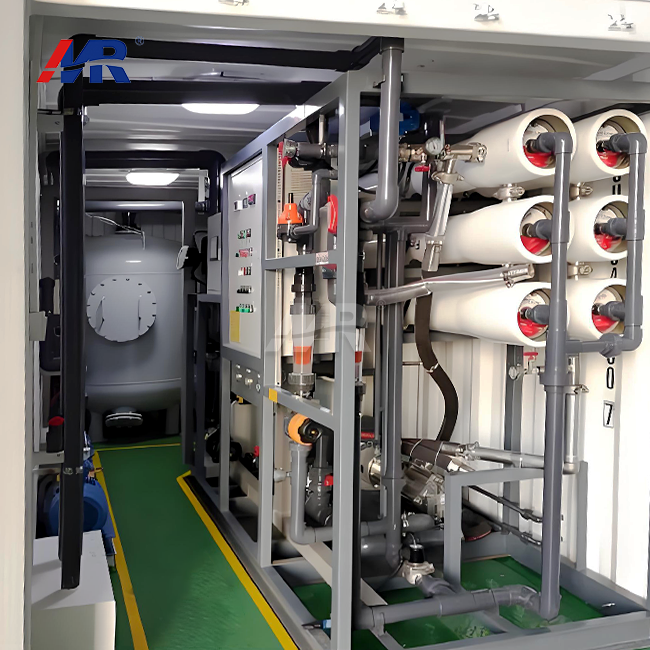 VIEW MOREcontainerized RO equipment
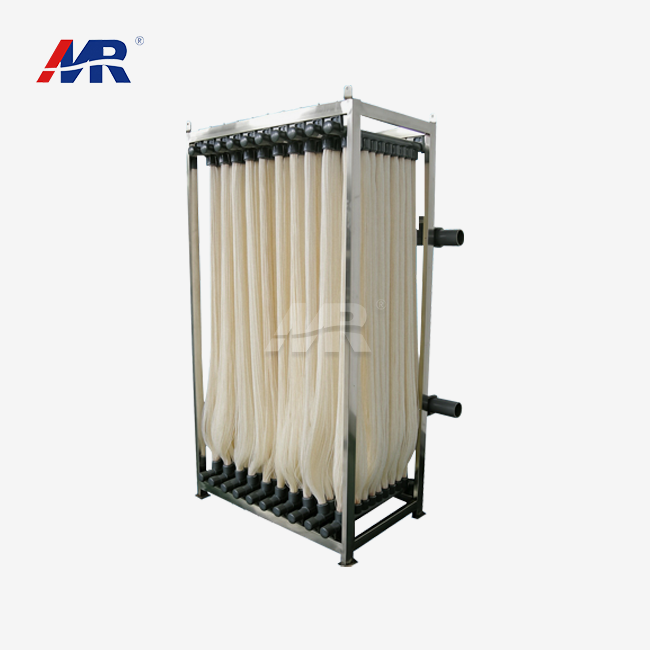 VIEW MOREbiological reactor wastewater treatment
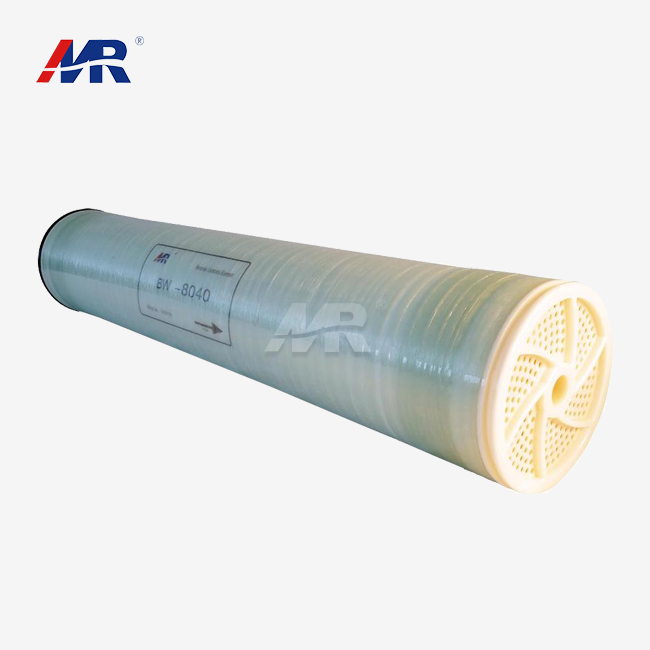 VIEW MORE8040 reverse osmosis membrane
 VIEW MOREedi water purification system
 VIEW MOREcontainerized reverse osmosis system
 VIEW MOREcontainerized desalination plant
 VIEW MORE2000 liters/hour EDI system
 VIEW MOREContainerized Reverse Osmosis Systems
