

_1745823981883.webp)

Reverse Osmosis Water Filter Membrane Storage and Preservation
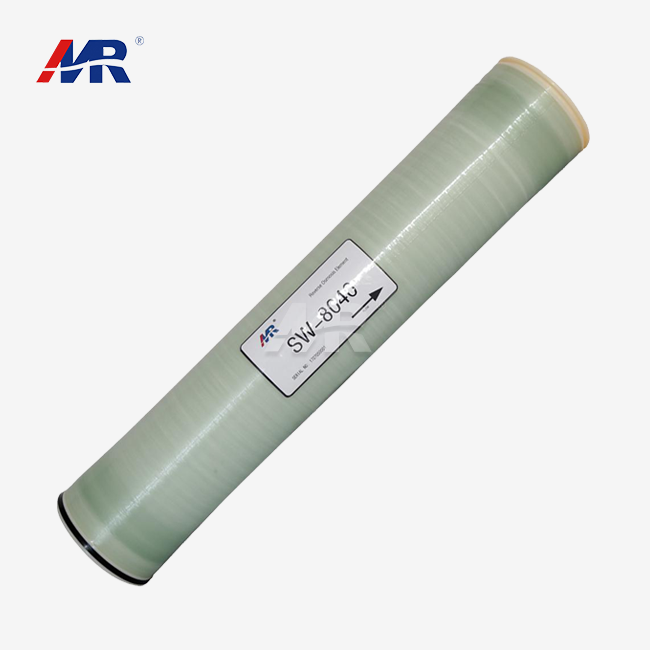
How well you store and take care of membrane/8040-reverse-osmosis-membrane">reverse osmosis water filter membrane systems has a direct effect on how well they filter, how many contaminants they reject, and how long they last. Controlled environmental conditions are needed to keep biofouling, premature degradation, and structural compromise from happening with industrial-grade membranes that have thin-film composite structures. When kept in the right way, with the right preservation solutions, in temperature-controlled environments, and in sealed packaging, ro membranes can keep working at or above 99% of their rated salt rejection level until they are installed. Understanding these important storage procedures helps procurement professionals protect their investments and make sure that systems start up without any problems in areas like pharmaceuticals, food processing, power generation, and local water treatment.
Introduction
Nowadays, membrane-based water purification is the main way that industrial water is treated, and it's used in important processes like making medicines, semiconductors, and drinks. The semi-permeable filter that keeps dissolved solids, bacteria, and contaminants from getting into the feed water is the most important part of these systems. Whether they are technical decision-makers at multinational companies or factory owners in charge of regional facilities, procurement professionals all have to deal with the same problem: keeping membrane integrity from the time they receive it in the warehouse until they are installed.
This guide solves that problem by giving useful information about how to store things, how to keep them fresh, and how to handle things in B2B settings. These tried-and-true methods will help you lower lifecycle costs, cut down on warranty claims, and make sure consistent water quality from the start, whether you're in charge of bulk orders for an upgrade to a municipal water plant or coordinating shipments for offshore desalination platforms.
Understanding Reverse Osmosis Water Filter Membranes
The Technology Behind Semi-Permeable Barriers
Pressure drives separation in semi-permeable membranes, which push feed water through very small pores (about 0.0001 microns) and leave behind dissolved salts, organic molecules, heavy metals, and microbes that are not wanted. This method is very different from activated carbon adsorption or mechanical filtration. The technology depends on a difference in pressure that is higher than the natural osmotic pressure. This lets water molecules pass through but not bigger solutes.
Membrane Construction and Performance Characteristics
A three-layer thin-film composite architecture is common in modern industrial membranes. The selectively active polyamide layer, the structurally supportive microporous polysulfone layer, and the mechanically stable polyester backing all work together to make the film. With an active area of 85 ft², membranes can handle up to 16 gallons per minute at up to 600 psi, and they can reject salt at rates of 97% to 99.5%, based on the chemistry and temperature of the feed water.
Comparison with Alternative Filtration Technologies
Low-pressure ultrafiltration devices can get rid of particles as small as 0.01 microns, but they can't get rid of dissolved salts. Activated carbon filters are great at getting rid of chlorine and organic compounds, but they can't protect against monovalent ions or total dissolved solids, unlike a reverse osmosis water filter membrane. Nanofiltration is like a middle ground between ultrafiltration and reverse osmosis. It can selectively remove ions that aren't needed for water softener. Knowing these differences helps procurement teams choose the right technology for projects that need to purify boiler feedwater, pharmaceutical-grade water, or seawater.
Principles of Proper Storage and Preservation of RO Membranes
Environmental Factors Affecting Membrane Integrity
Changes in temperature are one of the worst things that can happen when you're storing something. When temperatures drop below 32°F, polyamide layers become brittle. Long-term heat above 113°F speeds up the breakdown of water and structure. UV light breaks down polymer chains even through normal packaging, so it's important to store things in a way that keeps light out. Chemical vapours from cleaners, solvents, or chlorine-based disinfectants can get through the packaging and damage the active layer. This can cause performance loss too soon, which can be seen as conductivity spikes during commissioning.
Optimal Storage Environment Specifications
To keep storage areas between 50°F and 77°F and below 70% relative humidity, as suggested by best practices in the industrial world, so that microbes don't grow on membrane surfaces. Sealed packaging should stay sealed until it's time to install it, and wet membranes should be kept in preservative solutions provided by the maker, usually sodium metabisulfite at a 1% strength, to keep bacteria from growing on them. Always put membranes on crates horizontally, never vertically, so that stress doesn't build up on the end caps and break the seal.
Real-World Storage Challenges and Solutions
A pharmaceutical company in New Jersey found that salt rejection dropped by 15% across a batch of membranes that had been stored in an uncontrolled warehouse for nine months. A study of the root causes showed that the temperature was changing randomly and the packing seal was breaking down. After putting the goods in climate-controlled storage and following monthly inspection procedures, later batches kept performing as expected for 18 months. This example shows how careful environmental management leads to more reliable operations and lower repair costs.
Best Practices for Handling and Maintaining RO Membranes Pre-Installation
Receiving Inspection and Documentation Protocols
When items are delivered, procurement teams should check the integrity of the packaging by looking for holes, leaks, or damaged protective caps. As part of the documentation review process, model numbers are compared to purchase orders, manufacture dates are checked to keep track of shelf life, and data from certificates of analysis are checked. When membranes are shipped in glycerin or preservative solutions, it's important to make sure that the liquid levels stay high enough to completely cover the membrane surfaces and keep them from drying out in some places and losing some of their performance.
Short-Term Versus Long-Term On-Site Storage
Membranes that will be installed within 60 days can stay in their original shipping crates as long as they are kept indoors, out of direct sunlight, and away from chemicals. For storage longer than six months, extra care must be taken, such as testing and restocking the preservative solution every three months. The pH of the solution should stay between 3 and 5, and test strips should be used to check the biocide concentrations. Temperature tracking logs make it possible to track things and give early warnings of changes in the environment that could hurt membrane health.
Pre-Installation Conditioning Procedures
Before being put into production water systems, reverse osmosis water filter membrane units stored in sodium metabisulfite solutions need to be flushed well. Standard procedures include low-pressure rinse cycles with 3 to 5 gallons per minute of permeate-quality water for 30 to 45 minutes, or until the amount of residual preservative is below what can be detected. This step conditions the material by removing any protective chemicals and adding water to the polyamide layer. This makes sure that the required flux rates and rejection performance are met from the start. If this step is skipped or sped up, performance problems and extra troubleshooting are likely to happen during commissioning.
Choosing the Right RO Membrane for Your Business Needs
Membrane Chemistry and Application Matching
Thin-film hybrid membranes are used a lot in industry because they are very good at rejecting substances and can work with pH levels ranging from 2 to 11. These screens work great for desalination, making ultrapure water for electronics manufacturing, and medicinal uses that need USP-grade water. Alternatives to cellulose triacetate can handle up to 1 ppm of chlorine continuously, which makes them good for municipal uses where complete dechlorination is hard to achieve. However, they lose some of their ability to reject salt and can only work in a smaller pH range.
Performance Specifications for Industrial Procurement
When procurement professionals look at membrane specifications, they should put salt rejection rates, permeate flux at standard conditions, and membrane area compared to vessel dimensions at the top of the list. High-performance industrial membranes, such as those with an active area of 85 ft³ and the ability to work with standard 4-inch pressure vessels, allow for a wide range of system configurations. Operating conditions like a maximum pressure grade of 600 psi and temperature ranges up to 113°F make the system reliable in a wide range of situations, from taking in cold seawater to recycling hot process water in food manufacturing.
Cost Analysis for Bulk Purchasing Decisions
When buying a membrane, you have to weigh the unit price against the total lifecycle costs, which include shipping, warranty coverage, and the availability of Technical support. When comparing individual membrane orders to bulk purchases, you can usually save 15% to 25%. However, you need to take into account the costs of keeping inventory and the space needed for storage when figuring out your return on investment (ROI). Building relationships with manufacturers that offer both OEM and private-label options gives you more options when it comes to where to buy things. This is especially helpful for distributors that serve regional markets or companies that run multiple facilities with standard requirements. Access to technical support, such as application engineering advice and help with troubleshooting, is often more valuable in the long run than small differences in unit prices.
Troubleshooting and Maintenance Tips for Stored RO Membranes
Recognizing Signs of Storage-Related Degradation
A visual inspection shows several signs of wear and tear. Changes in colour from white or cream to yellow or brown could be caused by oxidative damage or the growth of bacteria. When membrane elements swell physically, it means they are absorbing too much water, or there is an imbalance in the percentage of the preservative solution. Membranes that smell sour or bad probably have biological growth that needs to be fixed right away before installation is even thought about.
Diagnostic Testing for Performance Verification
Conductivity tests using calibrated TDS meters on the original permeate output are part of verifying the performance after storage. When tested with a standard 2000 ppm sodium chloride solution at 77°F and 150 psi, membranes that meet the requirements should be able to reject more than 97% of the salt. By measuring flux and comparing real permeate flow to the manufacturer's stated capacity, you can tell which membranes are damaged by chemical damage, fouling, or compaction. These steps keep you from putting damaged membranes that would need to be replaced too soon, and cause system failure.
Preventive Maintenance Strategies During Storage
Setting up inspection schedules every three months finds problems early, before they get worse and can't be fixed. Protocols for inspections include testing the pH of the preservative solution, looking at the packaging to make sure it is solid, going over the temperature log, and rotating inventory to make sure that the oldest stock moves through the supply chain before the newest batches. Keeping detailed records of storage makes people responsible and gives proof for warranty claims in case membranes fail after installation because of improper storage conditions.
Reconditioning Protocols and Replacement Decision Criteria
Reverse osmosis water filter membrane units with light biological contamination may react to cleaning with 2% citric acid or sodium hydroxide solutions that have been set to pH 11 and pumped around for one to two hours before being rinsed thoroughly. Recovery rates that change based on how bad the contamination is may bring back 70% to 90% of the original performance in good Cases. Reconditioning rarely works on membranes that have reactive damage, physical tears, or have been exposed to chlorine for a long time. When refurbishing costs get close to 40% of the price of a new membrane or when performance recovery goes below what is acceptable for the application, replacement becomes the smarter economic choice.
Conclusion
To store and keep semi-permeable filtration elements in good condition, you need to pay attention to environmental controls, preservative chemistry, and proper handling procedures. Purchasing managers who use temperature-controlled storage, regular inspections, and the right conditioning methods protect their capital investments and make sure that the systems work reliably in water treatment uses for pharmaceuticals, cities, and businesses. Understanding polyamide membrane chemistry and spotting signs of degradation are just a few of the technical details and best practices in this guide that will help you lower the costs and downtime that come with premature membrane failure.
FAQ
Q1: How long can RO membranes be stored before installation?
If you keep membranes properly, in sealed containers with the right preservatives, they should last for 12 to 18 months. Wet-stored elements kept in temperature-controlled areas between 50°F and 77°F can last up to 24 months if the preservative is checked on and refilled every three months. In general, dry-stored membranes have a longer shelf life (up to 36 months), but they need more conditioning before they can work at their best.
Q2: What preservation solutions are recommended for long-term storage?
The standard preservative for long-term membrane storage in the industry is sodium metabisulfite at a concentration of 1% in a pH 3-5 solution. This mixture stops biological growth while keeping the integrity of the polyamide layer. Some makers add propylene glycol to their Products to keep them from freezing during shipping and storage in cold places. Stay away from stabilisers that contain chlorine because they damage thin-film composite membranes in a way that can't be fixed.
Q3: Can improperly stored membranes be salvaged?
Recovery ability is based on the type and level of damage. If membranes are briefly exposed to changes in temperature or small amounts of biological contamination, they may respond to cleaning protocols with citric acid or caustic acid. Damage from chlorine or long-term UV light causes oxidative damage that changes the structure in a way that cleaning can't fix. Performance testing using conductivity measurements gives the most accurate answer to the question of whether something can be salvaged or needs to be replaced.
Partner with Morui for Premium Membrane Solutions and Expert Technical Support
Guangdong Morui Environmental Technology has its own membrane production facility and more than 20 highly skilled engineers who work with us to provide complete water treatment solutions. Our thin-film composite membranes can reject 99.5% of salt and have an active area of 85 ft². They are made to fit normal 4-inch pressure tanks and can be used for everything from desalinating offshore platforms to making ultrapure water for pharmaceuticals. As a well-known company that makes reverse osmosis water filter membranes and has 14 regional branches, as well as partnerships with industry leaders like Shimge Water Pumps and Runxin Valves, we offer full turnkey solutions that include everything from choosing the right equipment to installing it and making sure it works. Contact our expert team at benson@guangdongmorui.com to talk about your specific needs, get personalised help choosing a membrane, and see our huge selection of products that are ready to ship right away to markets in North America.
References
1. American Water Works Association Research Foundation. "Membrane Technology: Applications and Operations Manual for Drinking Water Treatment Systems." Denver: AWWA Press, 2019.
2. Baker, Richard W. "Membrane Technology and Applications, Third Edition." Hoboken: John Wiley & Sons, 2012.
3. Gitis, Vladimir, and Raphael Semiat. "Water Treatment: Membrane Processes and Engineering Design Principles." Weinheim: Wiley-VCH, 2018.
4. National Water Research Institute. "Guidelines for the Storage and Handling of Reverse Osmosis Membranes in Water Treatment Facilities." Fountain Valley: NWRI Publications, 2017.
5. Schafer, Andrea I., and Anthony G. Fane. "Fouling and Preservation Protocols for Semi-Permeable Membranes in Industrial Water Treatment." Water Research Journal, Vol. 142, 2020.
6. World Health Organization. "Water Quality Standards and Membrane Filtration Technology for Potable Water Production." Geneva: WHO Press, 2018.
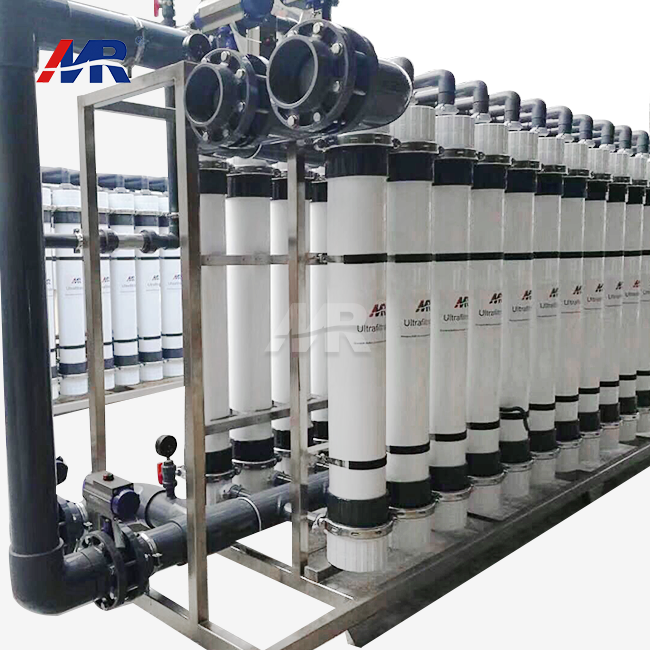 VIEW MOREultrafiltration water system
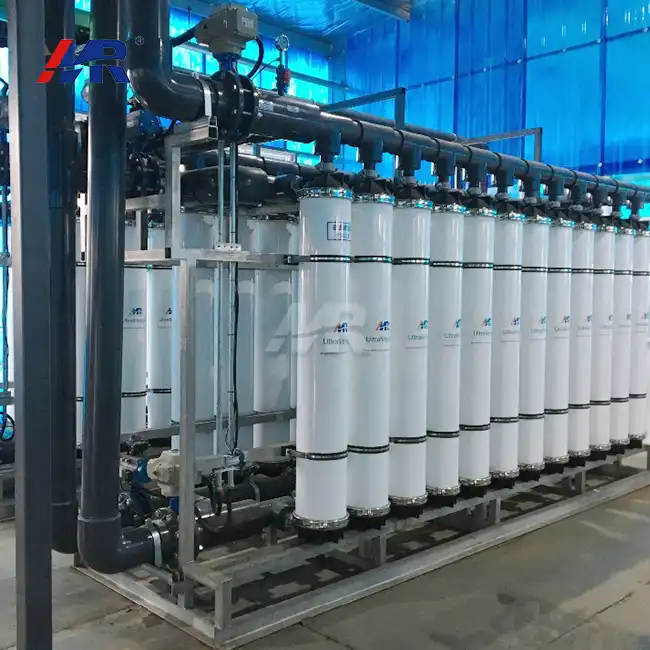 VIEW MORE50m3/hour ultrafiltration plant
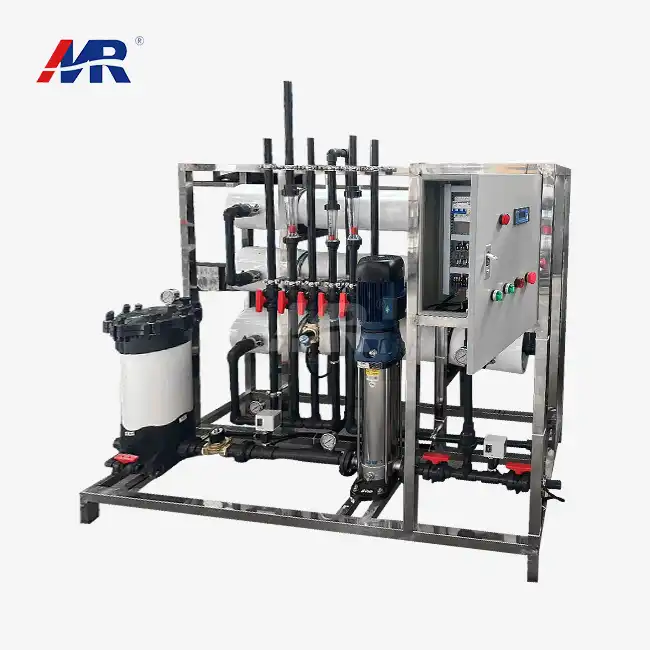 VIEW MORE3T/H reverse osmosis equipment
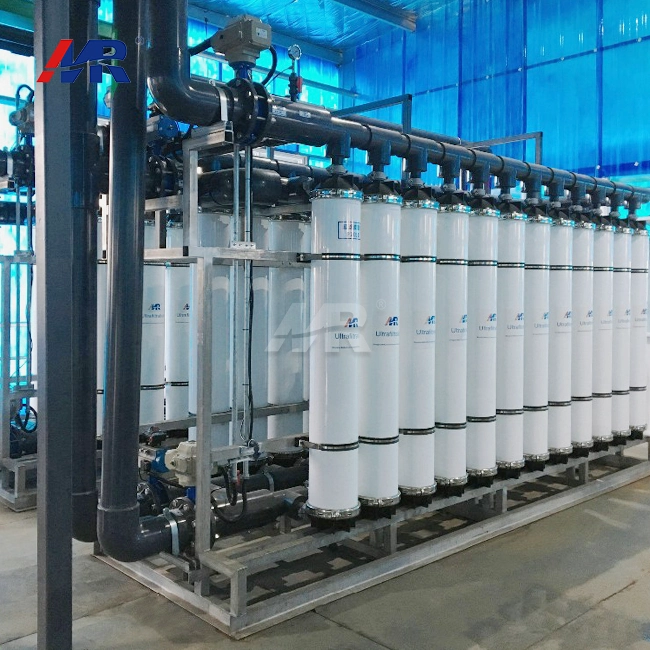 VIEW MOREultrafiltration equipment
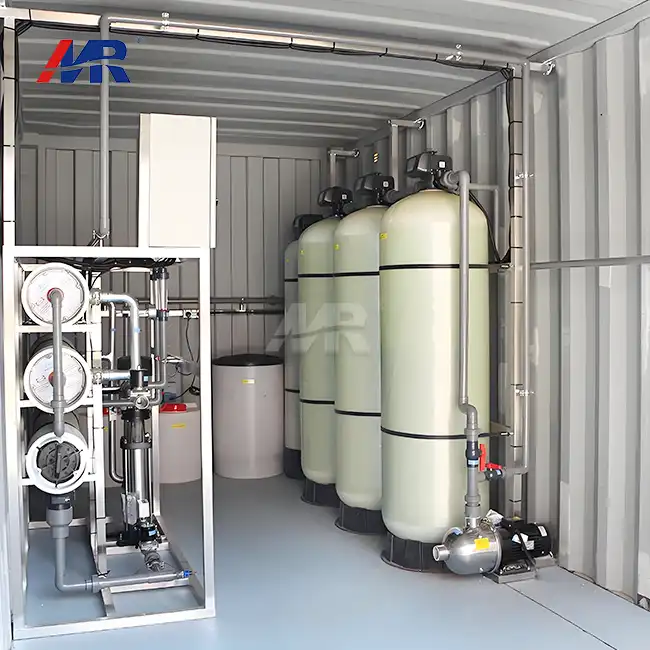 VIEW MOREcontainer ro equipment
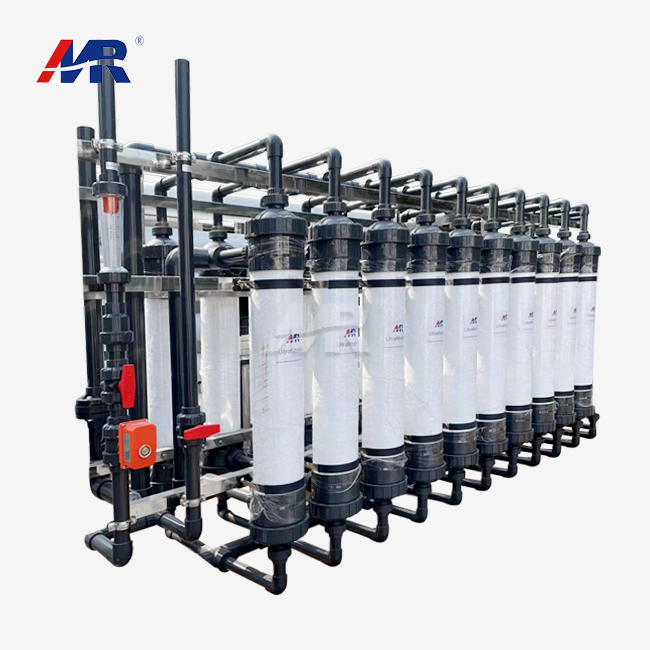 VIEW MOREultrafiltration drinking water system
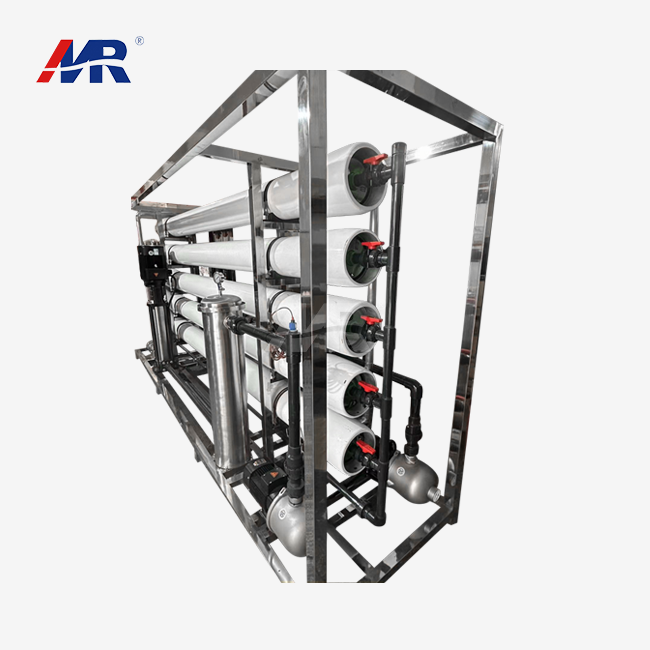 VIEW MOREreverse osmosis water treatment equipment
 VIEW MORE30m3/hour ultrafiltration equipment
