_1745823981883.webp)

RO Water Membrane Types: SWRO vs BWRO vs Low-Pressure
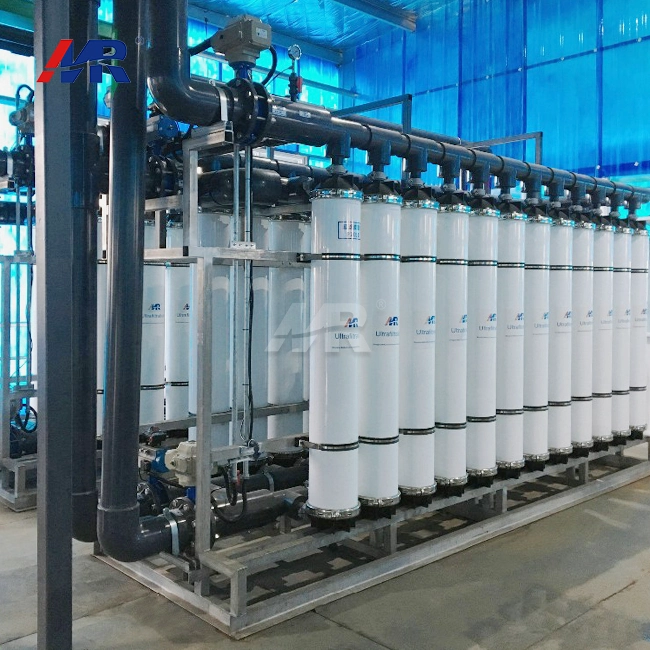
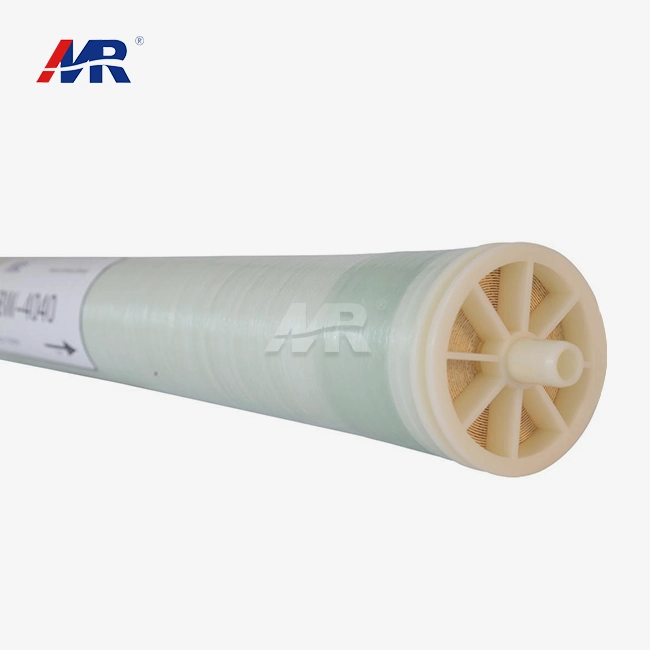
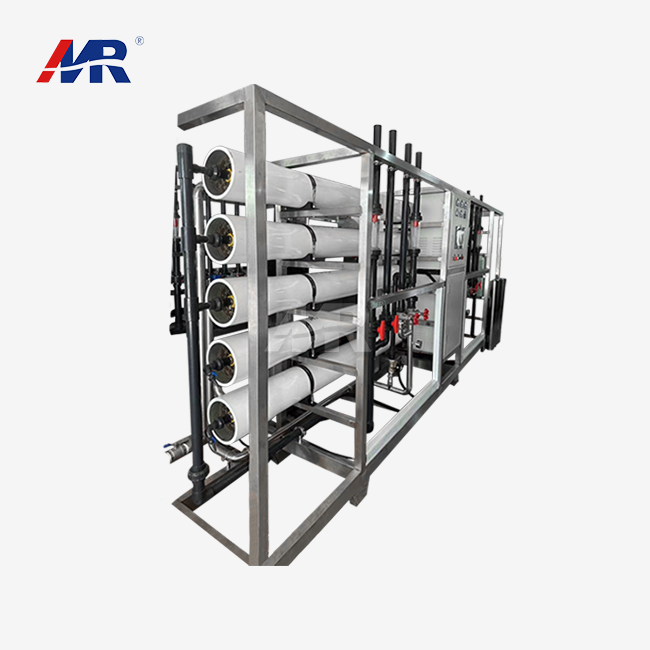
Learn about the different kinds of reverse osmosis filters if you want to find new ways to clean water. An membrane/8040-reverse-osmosis-membrane">RO water membrane is mostly impenetrable, so it keeps dissolved salts, toxins, and particles out of the water. This is made possible by pressure-driven technology. Low-Pressure RO (LPRO) membranes make up two types, and Seawater RO (SWRO) membranes make up the other two. Each one works with different water quality problems and needs different things to do its job. It depends on the type of membrane you pick how well it works, how much power it needs, and how much it costs to run. The people who buy things, make technical decisions, and run facilities can use this guide to get the real-world information they need to match membrane technology to specific industrial uses, like making medicines or drying out salty water for cities.
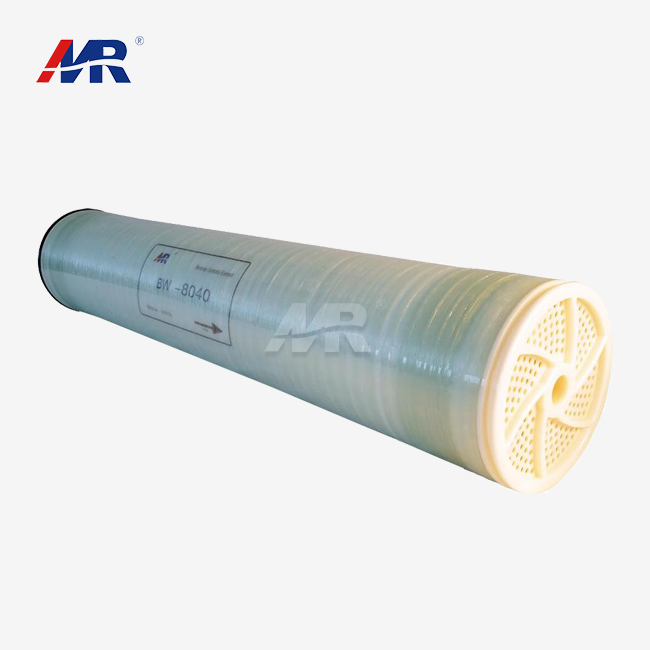
Understanding RO Water Membrane Basics
Core Working Principles of Reverse Osmosis Membranes
Reverse osmosis uses hydraulic pressure to break a barrier. Without considering the sediments and germs in the polluted water, clean water molecules are pushed through it. A robust polyester backing, dense polyamide active layer, and microporous polysulfone interlayer make up the membrane's thin-film composite structure. This arrangement usually removes over 99.2% of salt and maintains filtrate flow.
Material Composition and Performance Impact
Membranes are constructed of two major materials today. Industry uses mostly thin-film composite (TFC) membranes. They are chemically stable and operate well at pH 2–11. They also flow fast. This membrane can withstand severe Clean-in-Place (CIP) procedures with basic and acidic solutions. Although less common, cloth-based membranes can handle some chlorine levels. This makes them helpful in cities with disinfectant-laden feed water.
Critical Performance Metrics for Industrial Buyers
Purchasing managers rate RO water membranes using several measurements. It shows how many dissolved solids are removed. Industry systems can work 98–99.8% of the time, depending on membrane type and operation. Permeate flow, measured in GFD or LMH, indicates your system's capacity. Business costs depend on the recovery rate, which is the ratio of product water to feed water. It can reach 85% depending on the feed water saltiness and membrane setup. You should also consider the temperature. Every degree Celsius of temperature increase increases flow rate by 3%. Too much heat breaks it down faster.
Comparative Overview of RO Membrane Types: SWRO vs BWRO vs Low-Pressure
Seawater Reverse Osmosis (SWRO) Membranes
SWro membranes require salty water with 35,000 to 45,000 ppm added solids. Work requires above 800 to 1,200 psi. This is far higher than ocean osmotic pressure. Seawater contains organic debris, silica, and calcium sulphate that clog SWRO elements. These parts are transparent due to their polyamide active layer. SWRO technology turns large amounts of rainfall into drinking water in coastal cities, island settlements, and remote areas. New energy recovery equipment can recover 95% of concentrate stream pressure energy. Overuse of energy remains the main issue. Much less labour.
Brackish Water Reverse Osmosis (BWRO) Membranes
Some water sources are salty at 1,500–10,000 ppm TDS. These waters are treated with BWRO screens. Groundwater, farm runoff, and industrial waterways are examples. They operate at 150–400 psi, far lower than marine systems. This reduces energy use and construction expenses. The membrane chemistry lets some things through while choosing out the good ones to operate best in this salinity range. Power plants that treat marine water, oil field water businesses, and dry land agriculture irrigation projects use BWRO systems. Recovery rates of 75% to 85% reduce waste and maximise water recovery.
Low-Pressure RO Membranes
High-pressure membranes are old news in membrane science. They work with fresh water under 2,000 mg TDS. Salt rejection remains above 98% at 80–150 psi. Because of its design, the membrane is more transparent, allowing more fluid to flow through with less pressure change. Food, drink, medical, and electronics manufacturers use low-pressure systems to generate pure water. Main benefits include lower energy costs (30–40% less than typical BWRO systems) and less membrane fouling due to gentler operating conditions. With proper care, it can live 5–7 years longer.
Understanding these distinctions enables procurement teams to align membrane selection with actual water quality characteristics and operational objectives, avoiding costly mismatches that compromise performance.
How to Choose the Right RO Membrane for Your Business – Decision Support Approach?
Analyzing Source Water Characteristics
Check the feed water before deciding. Water should be checked for TDS, pH, temperature, and pollutants like iron, manganese, biological contaminants, and mixed solids. Langlier Saturation Index (LSI). If high, scaling can occur. High SDI means Silt Density Index. Membrane systems require thorough cleaning of SDI->5 water sources. This is common with cartridge and multimedia filtration.
Matching Operational Parameters to Membrane Capabilities
How much permeate flow you need depends on how much you need to create. Also, make sure the membrane has enough capacity and backup. Consider whether your organization needs batch or continuous work. How much and where you acquire energy will affect your material choice. BWRO or low-pressure systems are better than SWRO systems, which require a lot of power, in places with expensive electricity. Membrane arrangements require varied amounts of area due to part sizes and arrangement. Allow ample space.
Comparing RO with Alternative Filtration Technologies
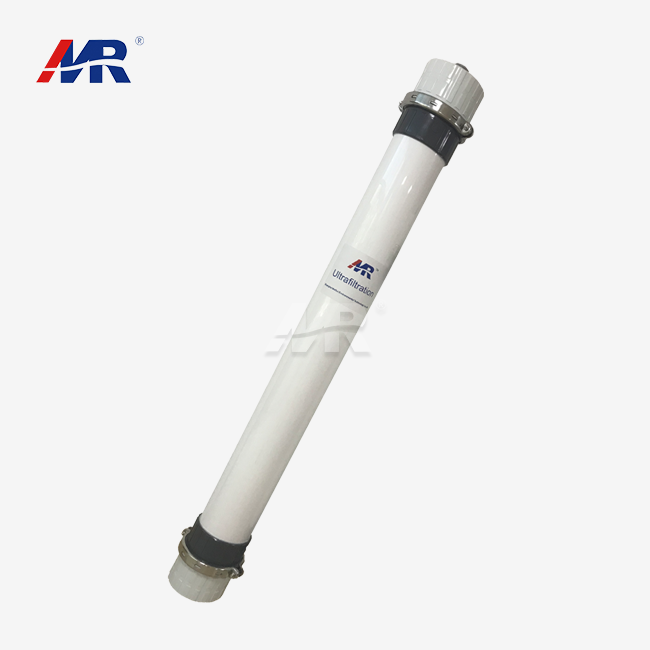
It removes dissolved salts and tiny compounds well. Ultrafiltration (UF) systems with 0.01-0.1 μm pores effectively remove germs, viruses, and colloidal debris, but not well-mixed ions. It's in the center because it passes monovalent salts but rejects organic molecules and divalent ions. After UF preparation, many companies add RO membranes to their mixed systems. This saves space. This prevents dirt and other contaminants from clinging to the thin film. Morui's PVDF ultrafiltration membranes can withstand up to 2,000 ppm chlorine with 0.1-0.4 μm pores. They prepare wastewater for the city and corporate RO systems well.
Evaluating Supplier Credentials and Certifications
Good RO water membrane manufacturers employ ISO 9001 quality management systems and provide performance validation data, chemical compatibility tables, and clear usage instructions. A drinking water system should be purchased from an NSF/ANSI 61-approved vendor. Make sure the corporation follows FDA standards when buying food and medical tools. After buying from a firm for a while, you trust them. Famous manufacturers have consistent wait times and fast expert service. Find nearby sellers with stock or delivery networks. This will expedite shipment and make replacements easier.
Maintenance, Troubleshooting & Extending RO Membrane Lifespan
Recognizing Common Performance Degradation Symptoms
You can tell if the membrane is getting clogged or packed down by the normalised permeate flow. If it drops by 10 to 15 percent when it first starts, you need to clean it. It turns out that more salt is passing through because the conductivity is higher. Either the membrane or the seal is broken, and this needs to be fixed right away. If the pressure difference between the membranes goes up, it means that particles are building up on the feed gap or membrane surface. This takes more power and could damage the membranes because the leaves of the membrane move around inside the pressure tank.
Implementing Effective Cleaning Protocols
Set up various ways to clean in place based on the kind of dirt. Alkaline and enzymatic cleaners work best when the pH level is higher, between 11 and 12. This is when biological growth and organic buildup are most likely to be killed. You need acidic treatments like citric acid or hydrochloric acid to get rid of the layers of calcium carbonate, calcium sulphate, and silica that make up mineral scaling. How often you need to clean it depends on how good the water is that you use and how well you prepare it. Machines that get a good prep can go three months without being cleaned. Machines that get a lot of dirt on them might need to be cleaned every month. While cleaning, it's important to keep the temperature in check. The solutions work best when they are kept between 25°C and 35°C. The membrane won't break because of this.
Proactive Monitoring and Preventive Strategies
Put in place tools that can check the temperature, conductivity, feed pressure, permeate flow, and concentrate flow all the time. Every day, find the normalised permeate flow and salt passage. To keep an eye on the membrane's real state, make sure to take changes in temperature and pressure into account. Keep detailed working logs that show when the machine was cleaned, how much chemical was used, and when it started working normally again. This will help you find long-term trends. This will cut down on the amount of foulants that reach the membrane. To do this, improve the systems that use multimedia filters, activated carbon units, and antiscalant doses. For BWRO situations, membranes should last between 5 and 7 years, and for tough SWRO situations, they should last between 3 and 5 years. Make sure you take good care of your systems and fix them right before you use them.
Procurement Insights: Buying and Installing RO Water Membranes
Specifying Technical Requirements for Purchase Orders
Set the exact membrane specs, such as the element width (4 or 8 inches), length, area, permeate flow grade, and area of the membrane. Make it clear what needs to be done to use the pressure tanks and interconnectors that are already in place. To keep things fresh, find out which way works best for you: dry or wet. A sodium metabisulfite solution keeps wet membranes fresh, and they need to be put in place or stored correctly right away. Dry membranes, on the other hand, last longer (over three years) and are easier to ship.
Leveraging Bulk Procurement Advantages
Unit costs go down a great deal when you buy a lot of something. This is especially true when you use the same type of membrane in many different systems. You can get better prices and keep your inventory flexible when you buy a lot of membranes at once. This is because things are delivered in stages. Plan breaks for repair to happen at the same time as purchases to keep the cost of emergency moving as low as possible. A lot of businesses sell installation kits that include all the parts you need, such as membranes, interconnectors, O-rings, brine seals, and lubricants. These kits help you plan better and make sure that all the parts fit together well.
Navigating Installation and System Integration
Food-grade glycerin should be used to grease the O-rings, and the end caps and interconnectors should be loaded with the right amount of force. Also, pay attention to the orientation marks. Before you can use a pressure tank, you need to clean it well and check the parts inside. During the first 30 to 60 minutes that the machine is running, slowly raise the feed pressure. Keep an eye out for leaks and strange sounds. Before adding high-salinity feed, it is important to flush new membranes with low-pressure permeate or RO product water. After that, the stabilisers can be washed away, and the membrane will still work the same way.
Calculating Total Cost of Ownership and ROI
You should think about more than just how much the RO water membrane costs at first. You should also think about how much it costs to staff and chemicals, as well as to run, clean, and treat the trash. Because they save money on electricity, low-pressure membranes that cost 15 to 20 percent more normally pay for themselves in 18 to 24 months when they are used a lot. They might also be able to meet their environmental goals if they use technologies that use less energy. Some people may get money back or credits from the government if they do good things for the environment. The TCO of the RO water membrane has everything to do with how long it lasts. If you take good care of it, it could last three to five years longer. This will cut your capital costs by 40% a year.
Conclusion
Make sure you know about the feedwater, how it will be used, and how much the membrane will cost in the long run before you choose an SWRO, BWRO, or Low-Pressure membrane. There are different types of membranes that can handle different amounts of pressure and salt. There are trade-offs in performance that change how much energy is used, how often it needs to be fixed, and how long it lasts. If you want to be good at procurement, you need to learn a lot about the market, keep your capacity in check, and only work with reliable providers who can offer expert help and quality assurance. Repair plans and tracking tools are the best ways to keep membranes in good shape and get the most out of your buy. If you want your company to stay competitive in terms of how well it works and follow all the rules, you should keep up with new membrane technology. This is because the rules for cleaning industrial water are always changing.
FAQ
Q1: What is the main difference between SWRO and BWRO membranes?
Water that is very salty (35,000 to 45,000 ppm TDS) is best for SWRO membranes, which need pressures between 800 and 1,200 psi. For brackish water, BWRO membranes can handle water with a salt level of 1,500 to 10,000 ppm TDS at much lower pressures (150 to 400 psi). It's best if the makeup of the membrane is different for each salt level of water. Being able to handle the higher osmotic pressures and unique fouling properties of ocean water is something that SWRO does very well.
Q2: How often should industrial RO membranes be replaced?
Keep up with their care and treat them right, and BWRO membranes should last between 5 and 7 years in industrial settings. SWRO membranes, on the other hand, only last three to five years because they have to work in rougher conditions. Why should you replace something? A lot of it depends on how well the prep works, how good the feedwater is, and how well the cleaning steps are followed. As a regular way to check on the membrane's health, normalised data tracking is better than plans that are based on random times because it shows the membrane's true state better.
Q3: Can low-pressure membranes be used for seawater desalination?
Not at all. Low-pressure membranes aren't strong enough or good enough at blocking water to be used in seawater. Water with less than 2,000 ppm TDS is best for them. The mechanical stress or difference in osmotic pressure is too great for them to handle in order to get the salt out of the saltwater. When there is a lot of salt, SWRO membranes are still the only good choice.
Partner with Morui for Reliable RO Water Membrane Solutions
The best place to get an RO water membrane is from Guangdong Morui Environmental Technology Co., Ltd. More than 14 locations and more than 500 hard-working staff work for them. Our 20-person engineering team can help you find the best membrane technology for your business, whether you run a plant that breaks down drugs or food or one that takes salt out of city water. We make our own PVDF membranes, so when you buy a lot of them from us, you save money. We do more than just sell good membranes. We also plan, install, and start up whole systems. For quick and easy work, we partner with well-known brands such as Shimge Water Pumps and Runxin Valves. We know how to clean up factory wastewater, turn salty ocean water into drinking water, and use this water in energy, business, and the community. Call or email benson@guangdongmorui.com to talk to Our Team about your membrane needs. We'll help you choose a product that fits your budget and performance needs.
References
1. Greenlee, L.F., Lawler, D.F., Freeman, B.D., Marrot, B., & Moulin, P. (2009). Reverse osmosis desalination: Water sources, technology, and today's challenges. Water Research, 43(9), 2317-2348.
2. Fritzmann, C., Löwenberg, J., Wintgens, T., & Melin, T. (2007). State-of-the-art of reverse osmosis desalination. Desalination, 216(1-3), 1-76.
3. Wilf, M., & Bartels, C. (2005). Optimization of seawater RO systems design. Desalination, 173(1), 1-12.
4. Zhao, S., Zou, L., Tang, C.Y., & Mulcahy, D. (2012). Recent developments in forward osmosis: Opportunities and challenges. Journal of Membrane Science, 396, 1-21.
5. Petersen, R.J. (1993). Composite reverse osmosis and nanofiltration membranes. Journal of Membrane Science, 83(1), 81-150.
6. Elimelech, M., & Phillip, W.A. (2011). The future of seawater desalination: Energy, technology, and the environment. Science, 333(6043), 712-717.