

_1745823981883.webp)

How to Improve Wastewater Treatment Secondary Treatment Efficiency
Improving wastewater treatment secondary treatment efficiency demands a comprehensive approach that addresses biological processes, mechanical systems, and operational controls. Secondary treatment relies on microbial communities to metabolize organic matter, reducing Biological Oxygen Demand (BOD) and Chemical Oxygen Demand (COD) to levels safe for discharge or reuse. By optimizing process parameters like Mixed Liquor Suspended Solids (MLSS) concentrations, Hydraulic Retention Time (HRT), and aeration intensity, facilities can achieve removal efficiencies exceeding 95%. Regular performance audits, targeted equipment upgrades, and integration of real-time monitoring technologies transform treatment operations from reactive maintenance to proactive optimization. This performance-driven mindset benefits pharmaceutical plants, food processing facilities, municipal utilities, and industrial manufacturers seeking regulatory compliance alongside operational cost reduction.
Assessing Current Secondary Treatment Performance
Establishing Key Performance Indicators
Figuring out how well your facility is currently running is the first step in any optimisation project. Measurements of the quality of your wastewater, like BOD, COD, Total Suspended Solids (TSS), and nutrient amounts (nitrogen and phosphorus), show how well your biological processes break down organic pollutants. Tracking how much energy is used per cubic metre handled shows areas where operations aren't working as well as they could, and repair logs show when equipment keeps breaking down. System uptime numbers and compliance rates with release permits give us more information about the health of the plant as a whole.
Recognizing Common Efficiency Bottlenecks
A lot of treatment centers have problems that keep coming up and make them less effective. If there isn't enough airflow, microbes can't get enough oxygen, which slows down the breakdown of organic matter. The Food-to-Microorganism (F/M) ratio is thrown off when there are imbalances in nutrients. This can lead to either feast-or-famine conditions or toxic environments. Problems with handling sludge cause too much waste to build up or premature release. As mechanical parts like pumps, blowers, and clarifiers get older, they gradually become less efficient by using more energy and moving less fluid. Systematic audits can help you find these bottlenecks so that yOur Team can decide which corrective steps to take first.
Benchmarking Against Industry Standards
You can get reliable reference points by comparing your performance data to the EPA wastewater treatment secondary treatment Regulations (which say that BOD and TSS must be less than 30 mg/L) and the ISO 16075 standards. Pharmaceutical industry clients usually want even tighter internal standards to protect processes that come after. Municipal utilities have to find a mix between following the rules and meeting the community's standards for caring for the environment. Benchmarking shows if your company is operating at the median, leading-edge, or suboptimal levels for its industry. This helps you make investment choices.
Identifying Key Bottlenecks in Secondary Treatment Systems
Biological Process Constraints
Activated sludge systems get sludge boosting when filamentous bacteria beat out floc-forming species, making it hard for the sludge to settle and giving high Sludge Volume Index (SVI) numbers. This situation makes it more likely for solids to get into the effluent, which is against TSS limits. On the other hand, wasting too much sludge reduces the number of microbes that are needed to remove contaminants. Biofilm sloughing and media clogging happen in trickling filters, which shortens the time that wastewater and treatment organisms are in touch with each other. Changing temperatures throughout the year make these problems even worse because they change metabolic rates, which means that dynamic process adjustments are needed.
Mechanical and Operational Limitations
The equipment in most wastewater treatment secondary treatment plants that uses the most energy is the equipment that adds air. When blowers don't work right, diffusers get clogged, or fine-bubble systems are old and broken, they waste electricity and don't move air as well as they could. When mixing isn't done well enough, dead zones form where raw wastewater doesn't reach active material. Gaps in the control system make it hard for operators to respond quickly to changes in the input load, which can upset the process. Putting off upkeep on important things like pumps and sensors can lead to problems with their reliability, which can lead to treatment breakdowns.
Regulatory and Financial Pressures
Tougher standards for discharge force facilities to get better at getting rid of waste without having to spend more money. Penalties for violating permit conditions encourage steady performance but don't give much advice on how to solve technology problems. Rising energy costs put pressure on operations teams to cut back on energy use while keeping treatment efficacy high. Because of all of these pressures, strategic optimisation is not a choice for long-term business viability; it is necessary.
Optimization Principles for Enhancing Secondary Treatment Efficiency
Integrating Advanced Process Controls
Real-time tracking changes wastewater treatment secondary treatment from being overseen by hand to being precise based on data. Putting dissolved oxygen monitors in different aeration basins lets the blowers make changes automatically, which keeps the conditions perfect for nitrification and keeps energy from going to waste. Online BOD and COD analysers find changes in the quality of the influent, which causes process changes to happen before problems happen. Programmable logic controllers (PLCs) coordinate many process variables at once, making the best use of complex interactions that can't be managed well by hand.
Modern automation platforms let technical teams keep an eye on multiple facilities from one central control room through remote monitoring. Alarm systems let operators know about problems before they get so bad that they break the rules. By analysing historical data, you can find long-term trends that help you make choices about capital planning and predictive repair plans.
Enhancing Biological Treatment Capacity
Getting the best Sludge Retention Time (SRT) balances the growth of microbes with keeping the system stable. Longer SRT encourages slow-growing nitrifying bacteria that are needed to get rid of ammonia, but too much retention makes it more important to add air. Bioaugmentation adds specific groups of microbes that can break down chemicals that local populations have trouble breaking down. Nutrient dosing programs make sure that microorganisms get the right amounts of nitrogen and phosphorus, which keeps their performance from dropping because of a lack of nutrients. Enzymatic activity rates are highest when pH levels are kept in the right areas (usually 6.5 to 8.5), and temperatures are kept stable.
Upgrading Mechanical Infrastructure
Aeration systems that use less energy save a lot of money on operations. Older rotary lobe blowers use 15–25% more electricity than high-efficiency turbo fans. Fine-bubble diffusers can move more than 30% of the air, while coarse-bubble systems can only do 8 to 15%. Variable frequency drives (VFDs) on pumps and fans change the motor speeds based on demand instead of always going at full speed. Usually, these mechanical changes pay for themselves in less than three years just by saving money on energy costs.
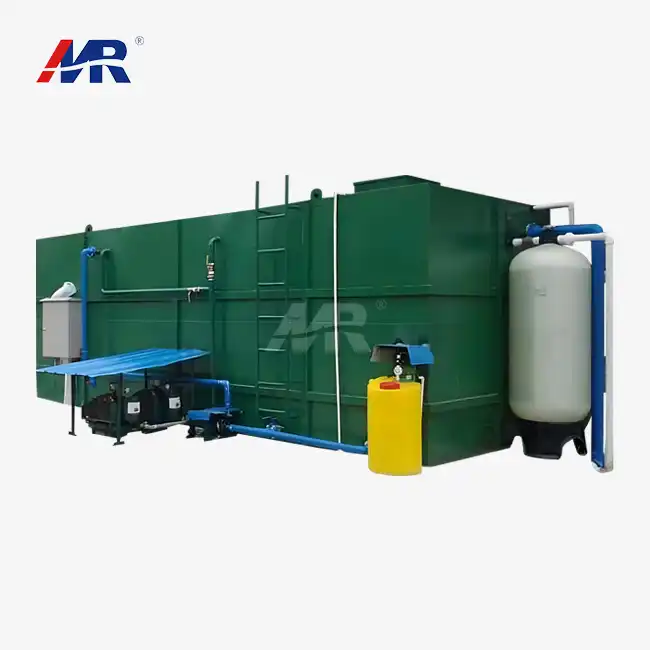
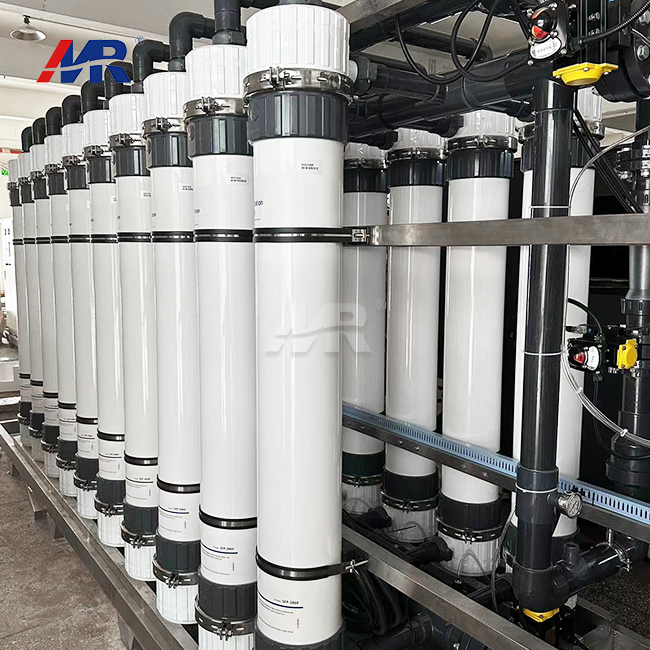
membrane Bioreactor (MBR) systems are a revolutionary method that combines advanced filtration with biological treatment. MBRs keep MLSS levels higher (8,000–12,000 mg/L) than regular activated sludge, which lets them leave smaller footprints and achieve better effluent quality. The built-in membrane filter gets rid of the need for extra clarifiers and makes effluent that can be used in demanding situations again. Our MBR systems at Morui can remove up to 99% of BOD, COD, and TSS, and they can handle processing flows of 50 to 10,000 m³/day with only 0.3 to 0.5 kWh/m³ of energy use.
Implementing Specific Techniques and Strategies
Optimizing Activated Sludge Operations
Step-feed designs spread the input across several aeration basin zones. This makes it easier to balance the amount of organic matter and oxygen demand than plug-flow designs. This method keeps the inlet zones from being oxygen-poor and the outlet points from having too much air flow through them. Extended aeration systems work with low F/M ratios (0.05-0.15 kg BOD/kg MLSS/day), which makes the wastewater treatment secondary treatment more stable and lowers the amount of sludge that is made. Sequencing Batch Reactors (SBRs) do the fill, react, settle, and decant stages in a single tank in timed cycles. This gives operators the freedom to adapt to different flow conditions.
Enhancing Trickling Filter Performance
The choice of media has a big effect on the ability to help. Plastic media has a lot of empty room and surface area, which lets thick biofilm grow without getting clogged. Recirculation ratios (usually 0.5 to 3.0 times the flow of the influent) keep wetting rates high and weaken wastewater that is coming in. Regular cleaning plans stop biofilm from building up too much, which blocks airflow and makes treatment less effective. Combining trickling filters with active sludge cleaning further downstream makes hybrid systems that have the benefits of both fixed-film treatment and flexible suspended-growth processes.
Deploying Hybrid and Advanced Technologies
Integrated Fixed-Film Activated Sludge (IFAS) systems suspend plastic media carriers in aeration basins, where attached biofilms and suspended-growth cultures are grown together. This two-population approach increases the number of people who can be treated within the footprints of existing infrastructure. Moving Bed Biofilm Reactors (MBBR) get the same benefits by constantly moving the media carriers around the basin. This keeps the treatment even throughout the basin and stops dead zones.
Morui's fully automatic systems use these high-tech setups along with full preliminary treatment (screening and grit removal), primary sedimentation, secondary biological processes, MBR filtration, and sludge management routines. The modular design works for a wide range of businesses, from small start-ups to large global factories. It can be used in the production of food and drinks, medicines, textiles, chemicals, and public services. With remote tracking, technical staff can keep an eye on how the treatment is working at all times and fix problems before they become a problem for compliance.
Verification of Optimization Results and Continuous Improvement
Establishing Performance Benchmarks
Post-optimization testing makes sure that the changes that were made have the effects that were hoped for. It is possible to measure improvements in removal efficiency by comparing data on runoff quality before and after changes. Tracking how much energy is used makes sure that the new equipment saves as much as expected. Operational cost studies take into account less chemical use, less sludge discharge volume, and less money paid in fines. These metrics show financial decision-makers the return on investment and point technical teams in the direction of opportunities for further wastewater treatment secondary treatment improvement.
Implementing KPI Tracking Dashboards
Data visualisation platforms combine many performance indicators into easy-to-use dashboards that executives, plant managers, and operations teams can access. Trend charts show how performance slowly changes before it hits important levels. Comparative displays show how well each treatment train does compared to the averages for the whole plant, which helps find assets that aren't working as well as they could. Automated reporting creates compliance paperwork for regulatory entries, which makes things easier for administrators and makes sure the information is correct.
Fostering Continuous Improvement Culture
Operator training programs make sure that people who work directly with customers understand how the process works and can spot early warning signs that performance is getting worse. When accidents happen, cross-functional teams made up of operations, maintenance, and engineering staff work together to find the root cause. When you work with technology suppliers like Morui, you can talk to application engineers who can help you with troubleshooting, upgrading equipment, and changing how things are done. Regular performance reviews hold people accountable and celebrate successes like increased speed and compliance.
Conclusion
In conclusion, biological optimisation, mechanical upgrades, and sophisticated process controls must be balanced in order to improve wastewater treatment secondary treatment efficiency. Facilities that regularly check their performance, find problems, and fix them get better sewage quality while also cutting down on running costs. Technologies like MBR systems, high-efficiency aeration equipment, and real-time tracking tools make changes that can be measured and are in line with environmental and governmental goals. Practices for continuous improvement make sure that gains last over time, adjusting to changing influent traits and discharge standards. When companies spend money on optimisation, they become stars in the environment and protect their bottom line.
FAQ
1. What are the main differences between primary and secondary wastewater treatment?
Physical sorting methods like screening, sedimentation, and flotation are used in primary treatment to get rid of solids that settle and materials that float, usually reducing BOD by 50 to 60%. Biological processes are used in wastewater treatment secondary treatment, where microbial communities break down dissolved and colloidal organic matter, getting rid of 85–95% of BOD. The bacterial stage makes wastewater that can be released or polished again.
2. How often should secondary treatment systems undergo performance audits?
Comprehensive audits done every three months are enough of a time frame for most facilities to notice slowly declining performance. Industrial plants that treat a lot of wastewater or wastewater with different strengths might benefit from reviews every month. Continuous monitoring systems keep track of performance every day and perform in-depth studies when deviation alerts are received.
3. What maintenance practices most impact secondary treatment efficiency?
Cleaning the diffuser regularly keeps the flow of oxygen from decreasing, and replacing old mechanical parts on time keeps the pump from breaking down. Every month, calibrating sensors makes sure that control systems respond correctly to changes in the process. Scheduled sludge wasting keeps MLSS ratios at the right level. Regular maintenance on blowers keeps them from stopping working without warning, which can upset biological populations.
4. Can existing facilities upgrade to MBR technology without complete reconstruction?
Adding membrane modules to an existing activated sludge system usually requires small changes to the basin and the installation of some extra equipment. It is cheaper to add MBR technology to existing treatment plants that have enough hydraulic capacity and structural stability than to build whole new ones. Feasibility and cost-effectiveness are determined by site-specific engineering assessments.
Partner with a Trusted Wastewater Treatment Secondary Treatment Supplier
Guangdong Morui Environmental Technology Co., Ltd. helps businesses and cities improve their performance by using its many years of experience. We design full systems that can handle 50 to 10,000 m3/day and have BOD, COD, and TSS removal efficiencies of up to 99% as an experienced wastewater treatment secondary treatment maker. Our small, modular designs make the best use of space, and fully automated controls with remote tracking make operations simpler. With more than 500 workers, 20 specialised engineers, and 14 offices that can make our own membranes, we offer complete solutions, from supplying the equipment to installing it and starting it up. Get in touch with our technical team at benson@guangdongmorui.com to talk about how our systems can improve the effectiveness of your treatments while also making sure that they are followed and keeping costs low.
References
1. Metcalf & Eddy, Inc. (2014). Wastewater Engineering: Treatment and Resource Recovery (5th ed.). McGraw-Hill Education.
2. Water Environment Federation. (2018). Design of Water Resource Recovery Facilities: Manual of Practice No. 8 (6th ed.). WEF Press.
3. U.S. Environmental Protection Agency. (2021). Secondary Treatment Regulation: Technical Development Document for Effluent Limitations Guidelines and Standards. EPA Office of Water.
4. Tchobanoglous, G., Stensel, H. D., Tsuchihashi, R., & Burton, F. (2013). Wastewater Engineering: Treatment and Resource Recovery. McGraw-Hill Professional.
5. International Water Association. (2020). Activated Sludge - 100 Years and Counting: Advances in Process Design and Optimization. IWA Publishing.
6. American Water Works Association. (2019). Water Treatment Plant Design (5th ed.). AWWA Publishing.
 VIEW MOREultrafiltration membranes for water treatment
 VIEW MOREreverse osmosis water treatment equipment
 VIEW MORE8m3/hour two pass reverse osmosis system
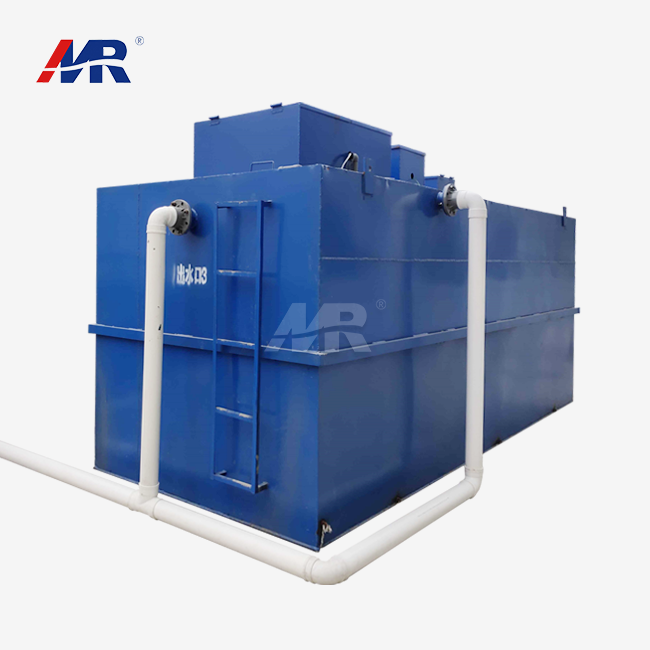 VIEW MOREMBR wastewater treatment plant
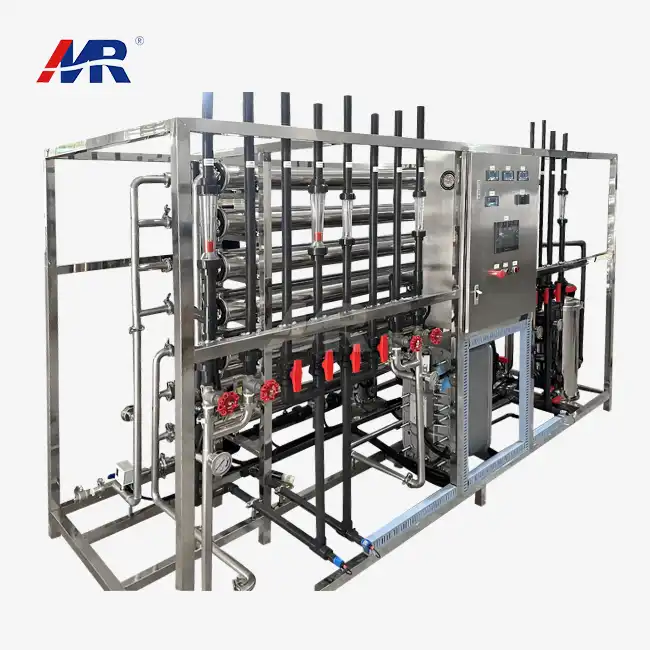 VIEW MORE2m3/hour EDI system
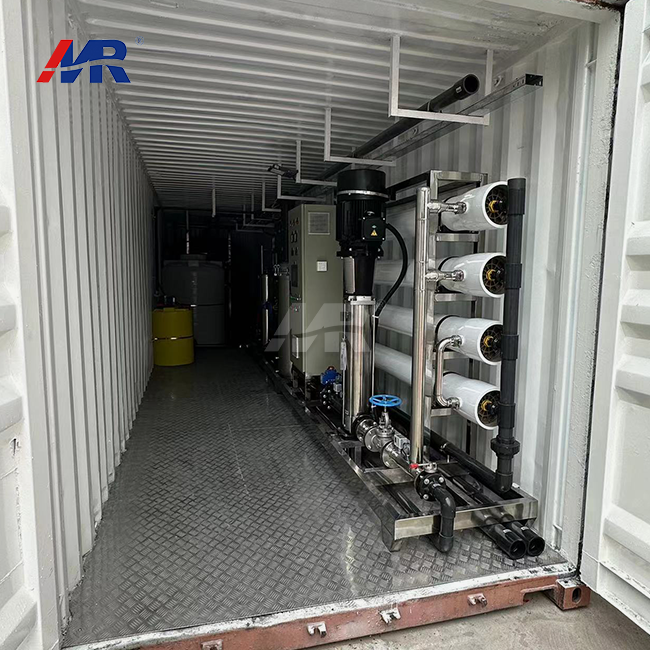 VIEW MOREcontainerized ro system
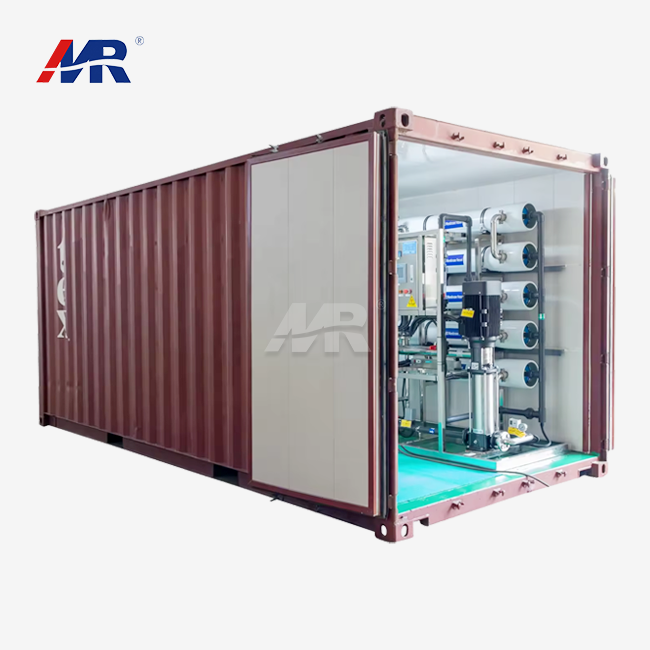 VIEW MOREmobile container reverse osmosis equipment
 VIEW MOREwater ultrafiltration system
