

_1745823981883.webp)

Why Choose a Disc Tube Reverse Osmosis System for Leachate Treatment?
Choosing a Disc Tube Reverse Osmosis (DTRO) system for leachate treatment addresses one of the most stubborn challenges in industrial wastewater management. Leachate contains exceptionally high concentrations of dissolved solids, organic compounds, and heavy metals that overwhelm conventional reverse osmosis membranes. DTRO technology features a unique stacked disc membrane configuration that creates turbulent flow channels, enabling it to handle inlet COD levels up to 25,000 mg/L while maintaining consistent permeate quality. This design minimizes fouling, extends membrane lifespan beyond three years, and reduces cleaning frequency compared to spiral-wound systems—making it the preferred choice for landfills, battery manufacturers, and heavy industrial operators facing strict Zero Liquid Discharge mandates.
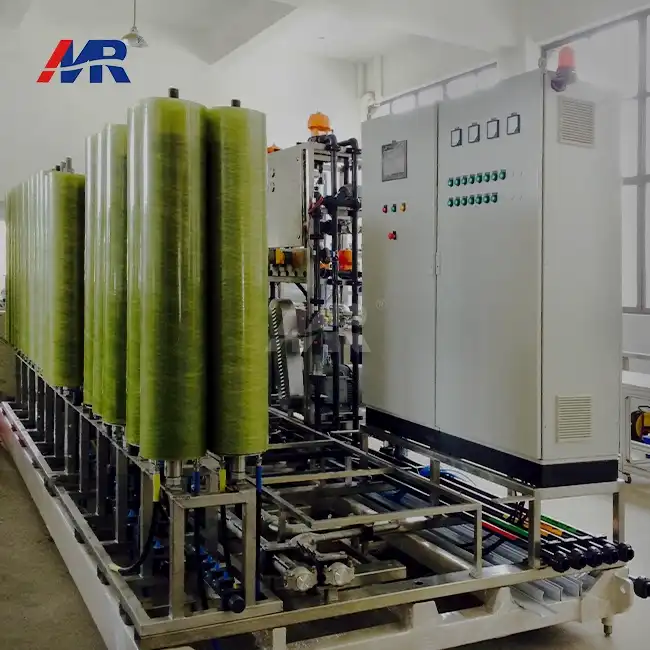
Introduction: Understanding Leachate Treatment Challenges
Landfill leachate is one of the most complex industrial wastewaters. This liquid is created when precipitation soaks through decomposing rubbish, or when companies produce powerful wastewater. Ammonia nitrogen, COD, heavy metals, and salts abound. Municipal waste treatment facilities under government pressure to clean waterways. Meanwhile, battery and electronics factories must fulfill tight discharge regulations or become Zero Liquid Discharge (ZLD) certified.
Traditional membrane filtering systems struggle with leachate variability. Conventional spiral-wound reverse osmosis membranes foul easily with suspended particles and large organic loads. This requires additional chemical cleaning, which damages the membrane and adds operating expenses. Unplanned downtime, changing permeate quality, and 12- to 18-month membrane maintenance cycles are common in facilities. These issues strain organizations' finances and make operations less predictable, particularly mid-sized ones with restricted capital budgets.
Why Standard RO Falls Short
Most reverse osmosis systems work with cross-flow, which means that the feedwater flows across the membrane surface. When leachate is treated, organic matter and particles in the fluid quickly build up in the spiral-wound modules' narrow flow pathways. This is called concentration polarization. This effect lowers flux rates, raises transmembrane pressure, and speeds up the breakdown of membranes. Facilities that deal with landfill leachate or industrial wastewater with a COD level higher than 10,000 mg/L often say that regular RO systems can't be used because they need too much upkeep.
Overview of Disc Tube Reverse Osmosis Technology
Disc Tube Reverse Osmosis membrane technology works differently with difficult feedwater due to its structure. There are no rolled spiral membranes in DTRO systems. Instead, they stack octagonal membrane pillows between ABS spacing discs on a central tie rod. A pressure-resistant tubular housing holds this part. It creates open flow channels that cause turbulent feedwater flow through the module.
The membrane cushions have three ultrasound-welded layers. Permeate gathers in this sealed pocket before flowing to the central collection tube. Hydraulic deflectors between each disk constantly swirl and scrape the membrane. This prevents particle settling and splits concentration boundary layers. This device self-cleans when working, so no outside cleaning systems are needed.
How Disc Membranes Handle High-Solid Content
Large 2–4 mm flow channels are seen in DTRO modules. While spiral-wound membranes clog quickly, these channels can handle floating solids and dissolved matter. Feedwater flows through the disc stack at 3–5 m/s, creating shear stress that prevents cake layers. This design allows DTRO systems to handle feedwater with up to 20,000 mg/L suspended particles without filtering them, which is more costly and complicated.
After basic screening, Guangdong Morui's DTRO systems handle waste leachate immediately due to their fouling resistance. Our devices maintain flux rates for cleaning wastewater from battery electrolytes, where lithium salts and organic solvents generate significant osmotic pressure. 316L stainless steel can withstand chloride ions and sulfuric acid residues that would ruin membrane housings in months.
Comparing Disc Tube to Spiral Wound Membranes
Operational data demonstrates large disparities in performance for Disc Tube Reverse Osmosis systems. To restore flux rates, spiral-wound waste leachate systems need chemical cleaning every two to four weeks. Each cleaning cycle costs $800–$1,500 in chemicals and downtime. DTRO units extend cleaning times by 8–12 weeks under the same circumstances, saving 60–70% per year. Membrane lifetime is another major distinction. Spiral membranes last 18–24 months in waste service, but DTro membranes last over three years.
The energy usage patterns are also varied. DTRO systems have 45–60 bar transmembrane pressures, whereas spiral systems that treat the same feedwater have 60–80 bar. Optimized DTROs in Guangdong Morui use 37 kW per hour to process high-salinity wastewater. Each continuously running system saves over $15,000 annually. Better hydraulic design reduces pressure losses and fouling resistance, increasing efficiency.
Performance and Efficiency Advantages in Leachate Treatment
Installations in the real world show that DTRO technology works better than other technologies. In 2021, a city dump in the southeast of the United States switched from spiral-wound RO to Guangdong Morui's DTRO system. The DTRO system has been in use for 24 months and has kept the permeate TDS below 450 ppm while treating the feedwater with COD at an average of 18,500 mg/L and ammonia nitrogen at 1,200 mg/L. The center says that cleaning the membranes only happens once every three months instead of twice a month, which cuts chemical use by 73%.
Contaminant Rejection Rates
DTRO membranes can get rid of 99% of dissolved salts, heavy metals, and organic molecules, even when the feedwater conditions are changing. When handling industrial wastewater whose makeup changes with production plans, this consistency is very important. When battery factories make lithium-rich wastewater, the conductivity changes every day from 12,000 to 35,000 µS/cm. Guangdong Morui's DTRO systems change the operating pressure to keep the quality of the permeate steady, providing water that can be used again in the process without any help from a person.
Getting rid of heavy metals is especially important for soldering and painting cars. Our DTRO modules lower the amount of hexavalent chromium in the water from 45 mg/L to less than 0.05 mg/L, which means that the water meets EPA discharge standards without needing any extra treatment. Nickel, copper, and zinc all have removal rates of more than 98.5%, which lets facilities get back valuable metals from concentration streams while making clean water for watering plants or making cooling towers work again.
Recovery Rates and Water Conservation
When leachate is treated by standard reverse osmosis systems, they usually get 40–50% of the water back before the concentrate's saltiness hits the membrane's limits. Through better fouling resistance and concentration polarization control, DTRO technology increases recovery to 50–70%. When three DTRO trains are run in series with an intermediate pH adjustment, industrial sites usually get a total recovery rate of 85% while keeping the quality of the concentrate high enough for crystallizer evaporators in ZLD systems.
After adding Guangdong Morui's DTRO system, a battery manufacturing client that was processing 250 m³/day of electrolyte wastewater used 170 m³/day less freshwater. At regional water rates of $3.50 per cubic meter, just buying water saves more than $217,000 a year. Cutting the amount of wastewater that needs to be disposed of from 250 m³/day to 75 m³/day saves an extra $127,000 a year at the local rates for disposing of hazardous waste. Even when you count the costs of capital investment and upkeep, these real financial benefits pay for themselves in less than 28 months.
Maintenance Simplicity and System Uptime
For inspection, spiral-wound modules need special housing bolts and access to a confined area. Disc Tube Reverse Osmosis modules, on the other hand, can be taken apart quickly with common tools. In 15 to 20 minutes, maintenance workers can unbolt the end cap and slide the disc stack off the pressure tube. This lets them quickly check the membrane without disturbing the links to the pipes. This ease of access turns fixing from a multi-hour struggle into a simple diagnostic process for Disc Tube Reverse Osmosis systems.
Guangdong Morui gives each DTRO system thorough upkeep instructions that were made after 19 years of experience in the field. Unplanned downtime for our clients' systems is only 0.8% per year, compared to 3-5% for spiral-wound RO systems in the same service. IoT sensors that check differential pressure, flow rates, and permeate conductivity make predictive maintenance possible. Our smart tracking package lets workers know 72 hours before cleaning is needed, so they can schedule operations during planned breaks in production.
Designing and Selecting the Right Disc Tube RO System
To find the right size DTRO system, you need to look at five important factors: the type of water input, the quality you want the permeate to be, the rate of recovery, the space you have available, and how well it will work with your current treatment system. The engineering team at Guangdong Morui starts every project with a full analysis of the water. They take samples during peak production to get the most accurate picture of the worst-case contaminant loads.
Flow Rate and Capacity Planning
Your module choice depends on your daily wastewater production and permeate flow needs. Guangdong Morui produces DTRO modules with capacity from 5 to 200 m³/day per dwelling. In parallel arrays, systems can achieve capacities exceeding 5,000 m³/day. A pharmaceutical company handles 450 m³ of wastewater daily, using three parallel trains. Each train has four series-connected DTROs. This setup allows the corporation flexibility—one train may be repaired while the other two produce.
When planning multi-year operations, scalability is crucial. DTRO systems with 30% greater capacity than needed are used by facilities with 10–15% annual output expansion. Modular architecture allows adding membrane modules to pressure vessels or parallel trains without modifying control systems or high-pressure pumps.
Pre-Treatment Integration
DTRO membranes can handle more solids than regular RO membranes, but optimizing the pre-treatment process makes the membrane last longer and costs less to run. Guangdong Morui usually suggests multi-media filtration for leachate that has construction waste or plastic pieces in it. This gets rid of particles bigger than 50 microns that could damage membrane seals. Changing the pH to 6.5–7.5 and adding antiscalant stops calcium carbonate and calcium sulfate from scaling in high-recovery processes.
Facilities that clean oily wastewater from making cars use dissolved air flotation before the DTRO modules. Getting rid of less than 20 mg/L of free oils and emulsified hydrocarbons stops membrane fouling from lipid films that are hard for chemicals to clean. Effective pre-treatment usually pays for itself within six months because it cuts down on how often the membrane needs to be cleaned and makes it last longer.
Customization for Industry-Specific Needs
Electronics companies need DTRO systems to handle copper concentrations of up to 2,500 mg/L along with sulfuric acid when cleaning PCB etching wastewater. Guangdong Morui builds these systems with PVDF seals that don't corrode in acidic environments and titanium metal bolts. Concentrate streams with recovered copper run to electrowinning cells. This turns a business that used to just get rid of waste into one that makes money by recovering waste Products.
Operators of landfills have to deal with seasonal changes. For example, spring runoff triples the production of leachate for 8 to 12 weeks each year. Instead of designing systems for peak flow and running equipment that is too big for most of the year, Guangdong Morui creates base-load DTRO trains that are augmented by mobile containerized units that are used during times of high volume. This method cuts down on capital costs by 35–40% while keeping treatment capacity during yearly highs.
Procurement Guide for Disc Tube Reverse Osmosis Systems
Selecting a qualified Disc Tube Reverse Osmosis manufacturer requires evaluating technical capabilities, component quality, and long-term support infrastructure. The membrane technology market includes established specialists alongside general water treatment vendors offering DTRO as a supplementary product line. Procurement professionals should prioritize manufacturers demonstrating vertical integration—controlling membrane production, module assembly, and system integration rather than sourcing components from multiple subcontractors.
Evaluating DTRO Manufacturers and Suppliers
Guangdong Morui is one of the best companies that makes DTRO systems because it has 15 specialized workshops that do a lot of different things. We use our own special ultrasonic methods to make membrane cushions that have leak-proof seals that can withstand working pressures of 70 bar or more. As part of our quality control procedures, we test all of our membranes under 100% pressure at 1.5 times their design pressure and check their conductivity to make sure they meet certain failure rates before they leave our plant.
Sourcing components shows how committed a manufacturer is to quality. Guangdong Morui works with Toray and Dow to get high-performance membranes. They also use Shimge high-pressure pumps that are designed to work continuously and Runxin automatic control valves that have been used in more than 100,000 setups and have been proven to work. These partnerships make sure that replacement parts are easy to find and work with systems that have been in use for 15 to 20 years.
Cost Structure and Total Ownership Analysis
There are three parts to the price of a DTRO system: the initial capital investment, ongoing consumables, and maintenance labor. Industrial systems that clean 200 to 500 m³/day usually have capital costs between $180,000 and $450,000, based on how automated they are, what materials they are made of, and how much pre-treatment they need. Guangdong Morui gives clear quotes that include the costs of the equipment, installation materials, commissioning services, and training for the operators.
Consumable costs, like replacing membranes, cleaning chemicals, and filter cartridges, make up 8 to 12 percent of the capital cost every year. The most expensive item is replacing the membrane every three years. Depending on the size and type of membrane, a module can cost anywhere from $3,200 to $6,800. Chemical cleaning costs between $800 and $1,200 every three months for most commercial settings. Because these costs are known ahead of time, accurate lifetime budgeting is possible, which helps with financial planning and requests for capital funds.
Service Networks and Technical Support
Quick technical help is crucial for equipment maintenance during operating issues. The Guangdong Morui has 14 regional service centers across China. These establishments have qualified DTRO technicians who diagnose and repair systems. We have membrane modules, high-pressure seals, and instruments to ship to any plant location in seven days.
Remote monitoring affects Technical support performance. IoT-enabled control systems provide real-time functioning data to cloud servers, where algorithms seek unusual patterns that may indicate a malfunction. Our experts contact facility workers before production is affected to offer diagnostic advice when sensor data shows differential pressure or permeate quality is rising or falling. This proactive approach prevents 80% of unscheduled shutdowns that customers experience using reactive maintenance strategies.
Conclusion
Disc Tube Reverse Osmosis technology has been shown to solve problems with wastewater treatment that are too hard for other membrane systems to handle. The special disc-stack structure creates turbulent flow patterns that keep the membrane from getting clogged, make it last longer than three years, and cut down on cleaning times by 60–70% compared to spiral-wound options. Data from industrial installations shows that DTRO systems can remove 99% of contaminants, keep the permeate quality stable below 500 ppm TDS, and work at recovery rates of 50–70%. These are all performance metrics that directly lead to regulatory compliance and cost savings. Guangdong Morui is a reliable DTRO system supplier for facilities that want to protect the environment and make the most of their operational costs. This is because we have integrated manufacturing capabilities, partnerships with top component suppliers, and a full technical support infrastructure.
Frequently Asked Questions
1. What makes DTRO particularly effective for landfill leachate?
Leachate from landfills has very high amounts of contaminants—more than 15,000 mg/L of COD, 1,000 mg/L of ammonia nitrogen, and different types of dissolved solids—that quickly clog up regular membranes. DTRO's open flow channels and high turbulence can handle these conditions by continuously cleaning the membrane surface. This keeps particles and bacterial fouling from building up in spiral-wound systems within weeks of starting up.
2. How often do DTRO membranes require replacement?
The membrane's life relies on the quality of the feedwater and how it is used, but in systems that are run correctly, it usually lasts longer than three years. Clients of Guangdong Morui that treat battery wastewater and landfill leachate say that membranes last 42 to 48 months before the flux drops and they need to be replaced. The membrane will last longer if it is properly pre-treated, cleaned with chemicals on a regular basis according to the manufacturer's instructions, and not used past its designed healing rate.
3. Can DTRO systems scale for small facilities?
Of course. Different types of modular DTRO configurations can be used for facilities with 100 m³/day to 5,000 m³/day capacities. Containerized systems that come pre-assembled and ready to use are helpful for small manufacturers and municipal landfills that process 100 to 200 m³/day. All that's needed to get them up and running are some utility connections. Guangdong Morui creates platforms that can be expanded by adding membrane sections as production rises, so the company doesn't have to replace its core infrastructure.
Partner with Guangdong Morui for Advanced Leachate Treatment Solutions
Guangdong Morui Environmental Technology designs and builds engineered DTRO systems. They have 19 years of experience in membrane technology and have worked with Fortune 500 companies like CATL and BYD to get these systems to work well. Our production is fully integrated, so we control quality from making the membranes to putting together the whole system. This makes sure that the dependability that small businesses and large companies need to meet legal requirements. We offer customized DTRO setups that are made to fit the makeup of your wastewater, quick deployment through pre-assembled skid systems that are sent out in 20–35 days, and expert help 24 hours a day, seven days a week, including both on-site commissioning and online troubleshooting. Get in touch with our engineering team at benson@guangdongmorui.com to talk about your leachate treatment problems and get a detailed technical proposal that shows how our Disc Tube Reverse Osmosis systems lower operational costs while meeting Zero Liquid Discharge standards.
References
1. Chen, W., & Zhang, L. (2021). "Performance Evaluation of Disc Tube Reverse Osmosis in High-Strength Industrial Wastewater Treatment." Journal of Environmental Engineering, 147(8), 04021032.
2. Morrison, J.K., & Patel, R.S. (2020). "Comparative Analysis of Membrane Technologies for Landfill Leachate Treatment: Economic and Operational Considerations." Water Research, 186, 116358.
3. Huang, Y., Li, Q., & Wang, M. (2022). "Fouling Mechanisms and Mitigation Strategies in Disc Tube Membrane Systems Treating Complex Industrial Effluents." Desalination, 521, 115392.
4. Schmidt, T.H., & Anderson, K.L. (2019). "Advanced Membrane Configurations for Zero Liquid Discharge Applications in Battery Manufacturing." Industrial Water Treatment, 41(3), 28-37.
5. European Membrane Society. (2021). "Technical Guidelines for Disc Tube Reverse Osmosis System Design and Operation in Municipal Wastewater Applications." EMS Technical Report Series, Volume 14.
6. National Water Research Institute. (2020). "Membrane Technology Advancements for High-Salinity Wastewater Treatment: A Comprehensive Technology Assessment." NWRI Report 2020-08, Fountain Valley, California.
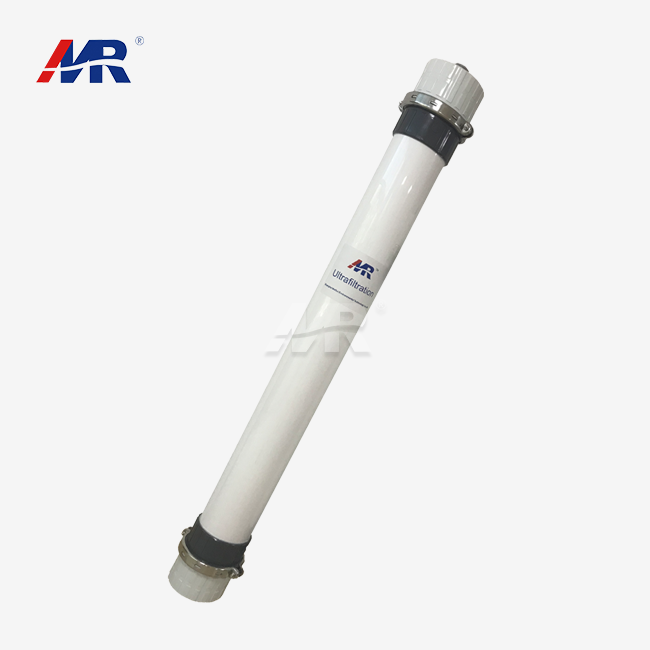 VIEW MOREultrafiltration membrane for wastewater treatment
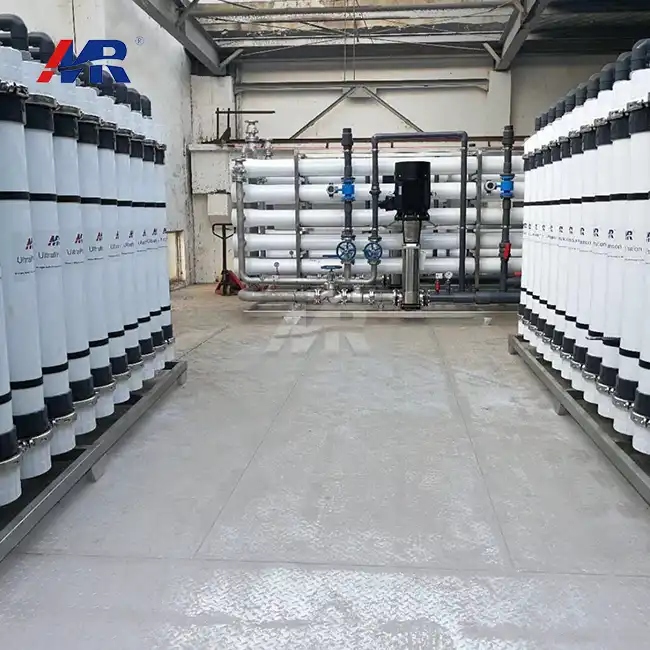 VIEW MORE2000m3/day ultrafiltration equipment
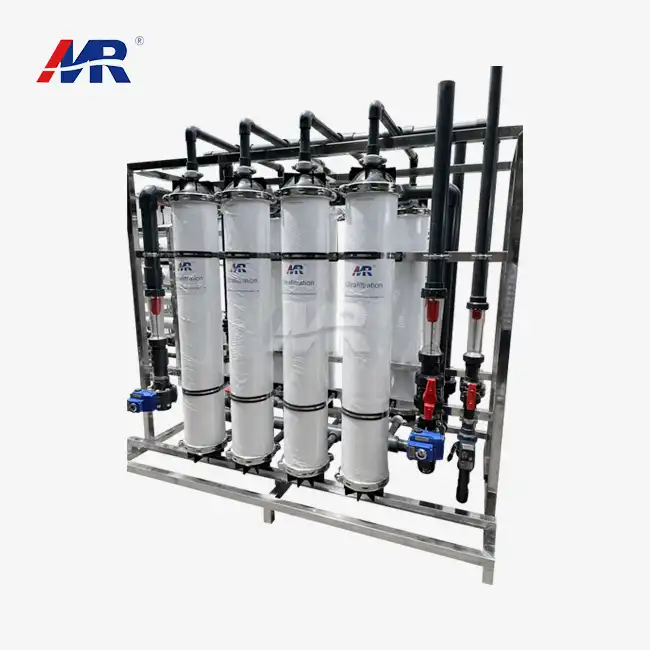 VIEW MORE15T/H ultrafiltration system
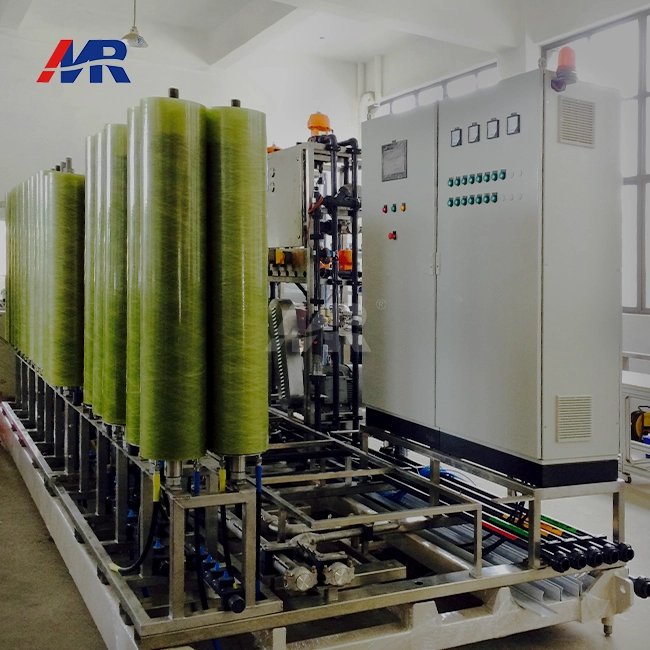 VIEW MOREDTRO Elements
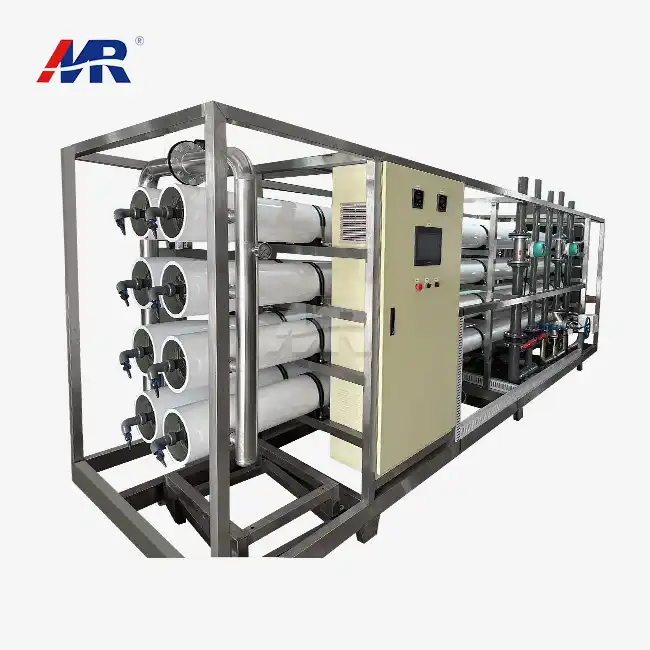 VIEW MORE8m3/hour two pass reverse osmosis system
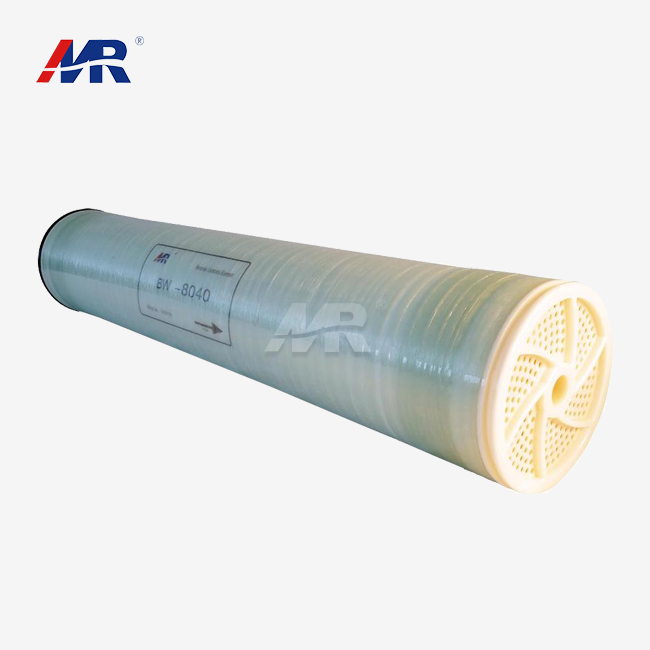 VIEW MORE8040 reverse osmosis membrane
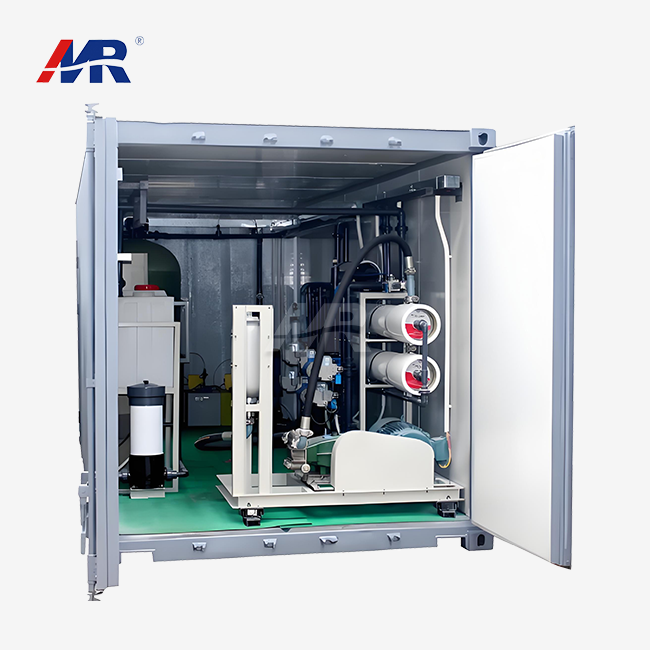 VIEW MOREcontainerized UF+RO system
 VIEW MOREro edi water system
