_1745823981883.webp)

What Are the Most Effective Leachate Treatment Methods for Landfills?
membrane">Leachate treatment methods encompass specialized physical, chemical, and biological processes engineered to neutralize the highly concentrated, toxic liquid effluent generated when precipitation percolates through landfill waste materials. These multi-stage systems address the unique challenges posed by leachate's variable composition—including elevated Chemical Oxygen Demand (COD), ammonia nitrogen (NH3-N), heavy metals, and refractory organics—while ensuring compliance with stringent environmental discharge standards. Modern treatment technologies combine biological degradation, advanced oxidation, and membrane filtration to protect groundwater resources and meet regulatory requirements established by agencies such as the US EPA and international environmental directives.
Introduction
One of the biggest environmental problems that waste management companies around the world have to deal with is how to handle landfill leachate. When rainwater seeps through trash that is breaking down, it pulls out a complex mix of heavy metals, organic molecules, dissolved salts, and long-lasting toxins. If this dirty liquid isn't cleaned up, it will seriously harm underground pools, bodies of water on the surface, and the ecosystems around them. Regulatory systems in the US and around the world require patients to go through a lot of treatment before they can be released or put back into the system.
Environmental engineers, procurement managers, and facility operators are under more and more pressure to set up treatment systems that balance how well they work, how much they cost, and how well they follow the rules. As part of the selection process, several technical approaches are looked at. Each has its own benefits based on the age of the landfill, the type of waste it holds, and the limitations of the site. Knowing about these leachate treatment methods helps people make choices about long-lasting, scalable solutions that protect the climate and the funds of businesses.
Understanding Leachate and Its Treatment Challenges
What Makes Leachate Treatment Complex?
The properties of landfill leachate change a lot over the course of a facility's life. Biodegradable organics and waste with a high biochemical oxygen demand (BOD) are produced by new dumps. This means that biological treatment is possible. Old landfills, on the other hand, make wastewater with low BOD/COD ratios—often below 0.1—which means that most of the organic matter is no longer biodegradable. This old leachate has xenobiotic organic compounds, fulvic acids, and humic substances that don't break down normally in living things.
Heavy metals like lead and cadmium, ammonia levels higher than 1,000 mg/L, and total dissolved solids (TDS) levels that are hard for membrane systems to handle are also in the harmful mix. Seasonal changes make treatment even more difficult because flow rates change a lot from dry to wet times. Biological activity is affected by changes in temperature, especially in places where winters are below zero, making it hard for microbes to work at their best.
Regulatory Drivers and Environmental Impact
Investment in more advanced treatment facilities is driven by the need to meet environmental standards like GB16889-2008 in foreign markets and US EPA rules under the Clean Water Act. Leachate that hasn't been cleaned up can pollute groundwater supplies that are used by farms and residential areas. Groundwater remediation often comes with long-term costs that are higher than the initial investment in proper treatment systems. This means that proactive management of leachate treatment methods is both environmentally friendly and smart on a financial level.
Overview of Leachate Treatment Methods
Biological Treatment Approaches
Microbial communities break down recyclable organic matter and nitrogenous chemicals through biological processes. Activated sludge systems, sequencing batch reactors (SBR), and moving bed biofilm reactors (MBBR) are all low-cost ways to treat young waste that has a good BOD/COD ratio. Bacteria can change ammonia into nitrogen gas in an anoxic/oxic (A/O) environment, which supports nitrification-denitrification cycles. The membrane bioreactor (MBR) combines biological treatment with ultrafiltration membranes to make high-quality effluent while keeping a small size that is good for places with limited room.
Biological methods are cheaper to run than chemical or physical ones when it comes to getting rid of biodegradable contaminants. When leachate is fully developed and has organic materials that microbes can't break down, it has some problems. In cold climates, operations need bioreactors that are insulated and extra heating. Waste heat from landfill gas-to-energy systems could be used to keep mesophilic digestion temperatures around 35°C.
Chemical and Physical Treatment Technologies
To get rid of lingering organic pollution, advanced oxidation processes (AOP) use hydroxyl radicals that are made by ozone, hydrogen peroxide, or UV light. Fenton oxidation, which uses ferrous iron and hydrogen peroxide together, works especially well on molecules that are hard for living things to break down. Heavy metals and phosphates are removed by chemical precipitation, which makes the discharge clear enough for the next cleaning step.
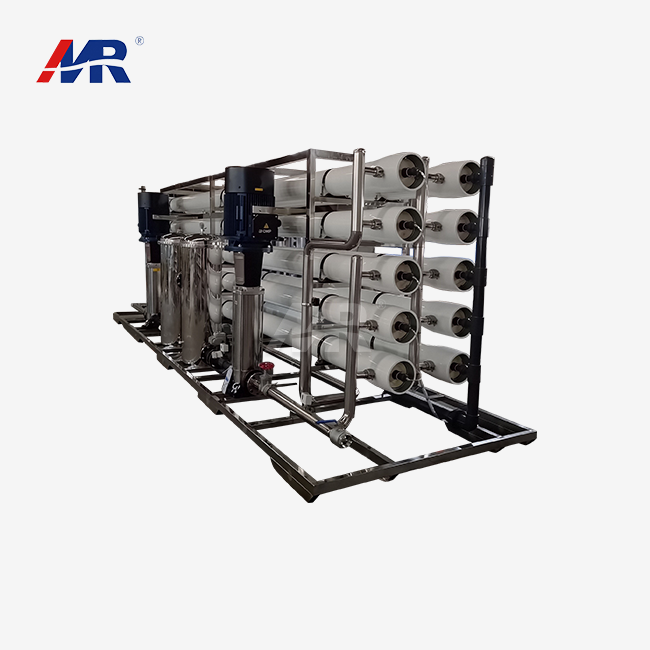
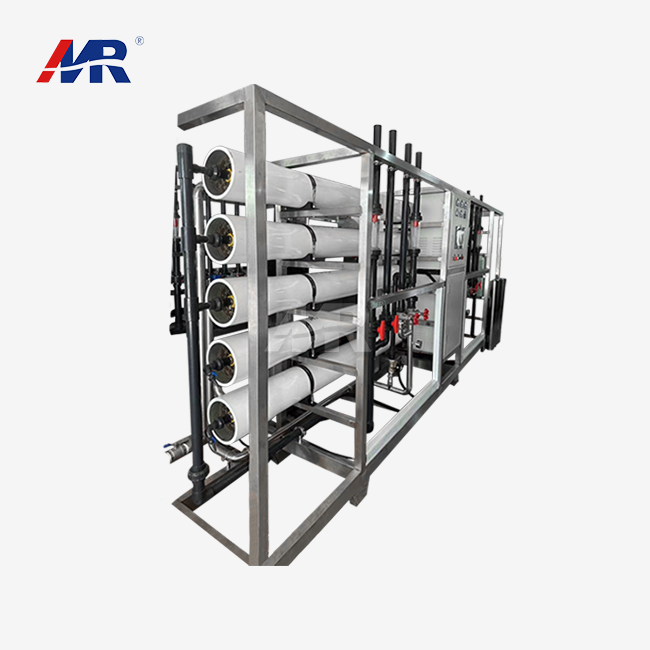
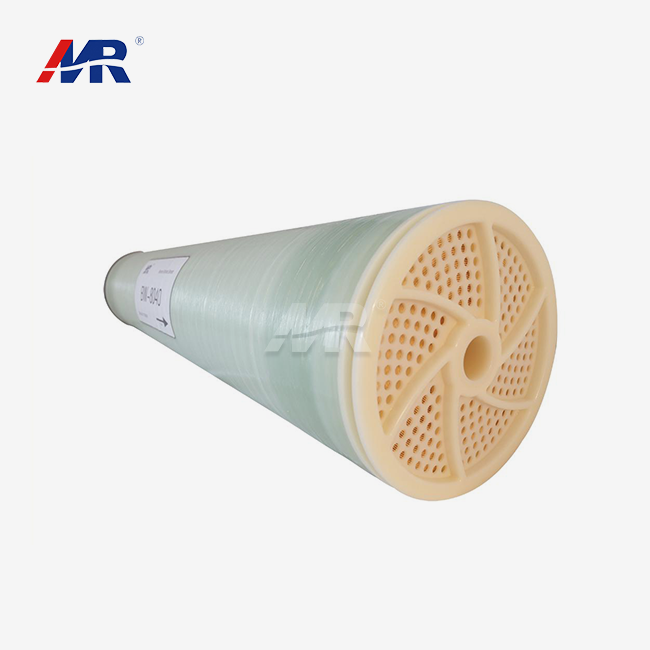
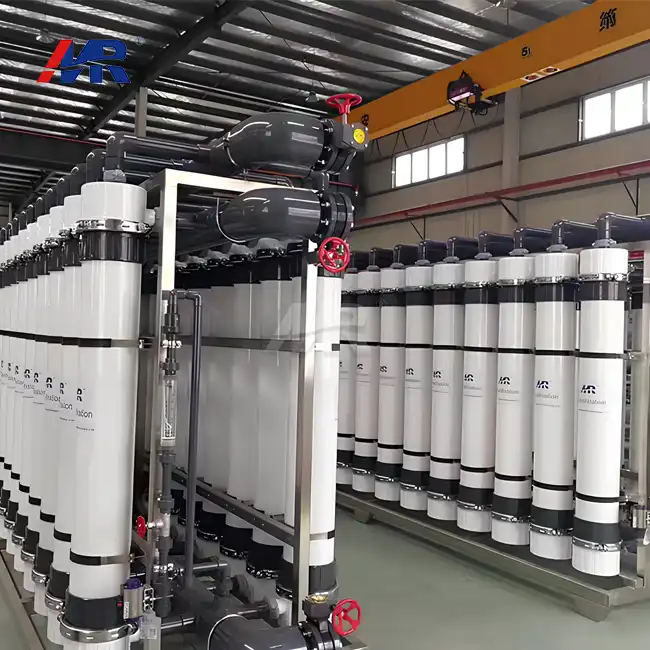
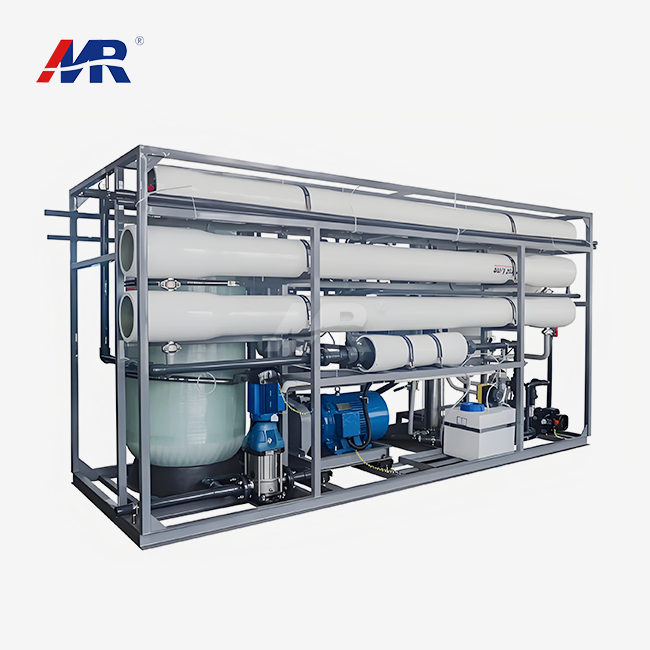
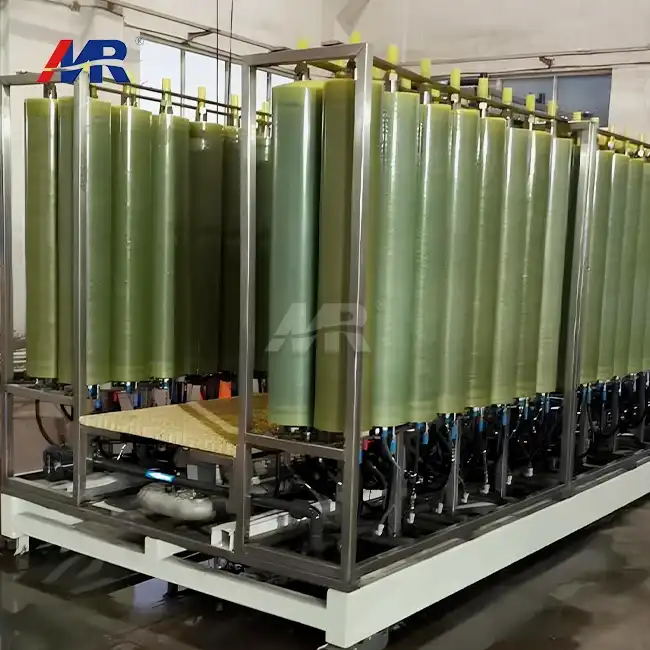
Membrane separation technologies are the most important part of modern physical therapy. It is better for reverse osmosis (RO) systems, especially Disc Tube Reverse Osmosis (DTRO) designs, to handle strong leachate and fouling than regular spiral-wound membranes. Before RO treatment, ultrafiltration (UF) removes dissolved solids and macromolecular organics as a pre-treatment. NF is a method that removes only divalent ions and organic molecules, making it a good compromise between UF and RO.
Integrated Hybrid Systems
More and more modern systems use multi-barrier methods that combine biological preparation with membrane polishing. Usually, the steps go like this: SBR biological treatment, then coagulation-flocculation, sand filtration, and DTro membrane separation. This step-by-step method takes advantage of how cheap biological treatment is for biodegradable parts and uses membrane technology to meet discharge standards for pollutants that won't break down. During the whole lifecycle of the system, the hybrid approach makes the best use of both capital expenditures (CAPEX) and operating expenditures (OPEX) for various leachate treatment methods.
Comparative Analysis: Selecting the Best Treatment Method for Your Landfill
Evaluating Performance Against Cost
Biological disposal systems have the lowest CAPEX and OPEX when the leachate conditions allow microbes to break down the waste effectively. Operating costs mostly include energy for cleaning, adding nutrients when needed, and getting rid of sludge. For old dumps that make leachate that doesn't break down easily, biological ways aren't enough. They need to add chemicals or membranes, which greatly raises the initial cost of the project and the ongoing costs of running it.
Because they need special equipment and infrastructure, membrane systems cost more to set up at first. With the right pretreatment and regular Chemical-In-Place (CIP) cleaning protocols, DTRO membranes commonly used in leachate applications can last for two to three years. Replacement prices are a big part of lifecycle planning. High-pressure pumping uses a lot of energy, which adds to the costs of running the business. However, energy recovery devices and efficient system design can help lower these costs.
Advanced oxidation processes work well against problematic compounds, but they require chemicals to be bought and handled in a certain way. At industrial sizes, the prices of reagents add up quickly, especially when making ozone or hydrogen peroxide. When people make decisions about leachate treatment methods, they have to look at the total cost of ownership, which includes how well the treatment works, how much reagent is used, how the waste is managed, and how well the rules are followed when the influent conditions change.
Environmental Footprint and Sustainability Considerations
Zero Liquid Discharge (ZLD) setups handle DTRO concentrates and evaporate them using Mechanical Vapour Recompression (MVR). This completely stops liquid discharge. Concerns about water scarcity can be eased by ZLD, and resources can be recovered. However, the high energy needs and solid waste management requirements need to be carefully thought through. More and more projects that want to get LEED approval or meet company sustainability requirements request ZLD, even though it costs more in terms of CAPEX and OPEX.
Passive biological processes in natural treatment systems that include built marshes make them less harmful to the environment. These big systems need a lot of land and longer hydraulic holding times, so they can only be used in places with plenty of land and modest treatment needs. The environmental benefits include making habitats and using little energy, but seasonal performance changes and a lack of high-strength leachate capacity make it hard for many people to use.
Matching Technology to Operational Requirements
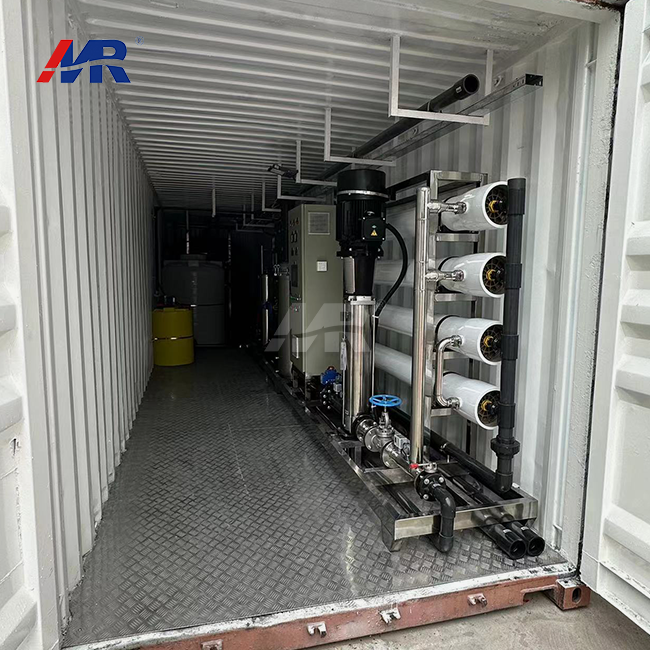
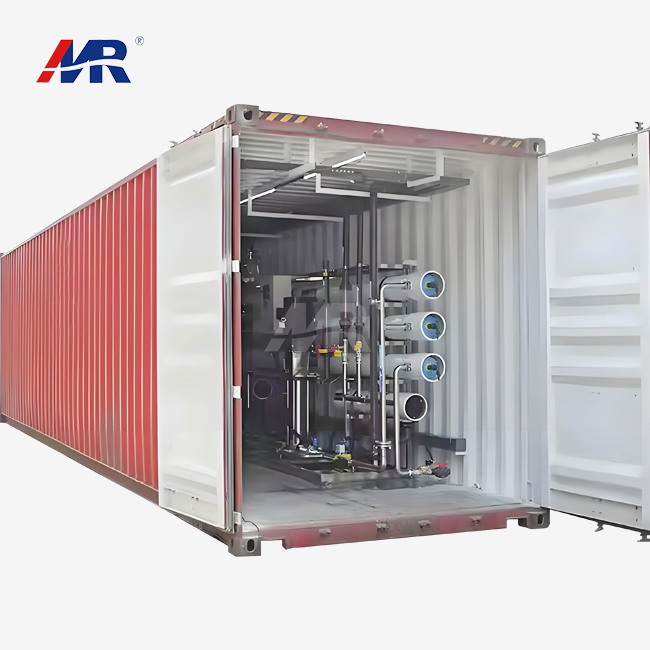
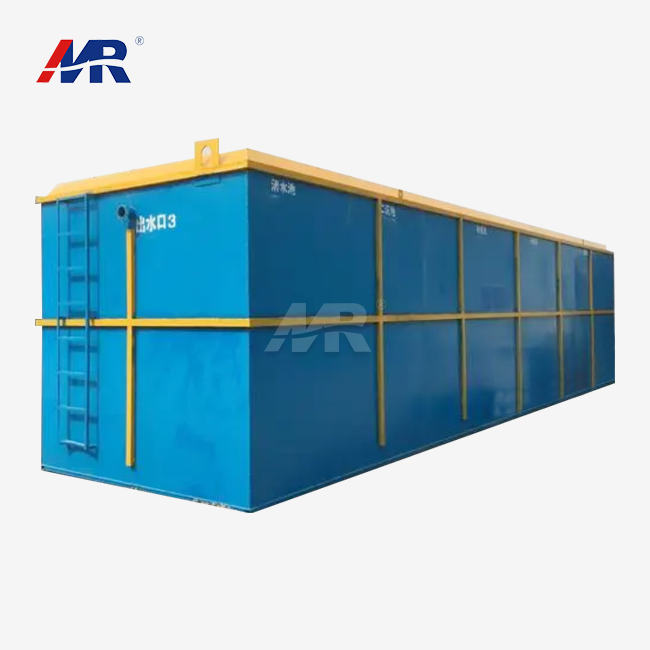
Modular, containerised treatment systems that can be expanded and moved around are helpful for small to medium-sized landfills. Prefabricated units come with functions already built in, which cuts down on the time and complexity of installation. Modular biological systems or small membrane units are cost-effective and easy for operations that process less than 50 cubic meters of material every day.
Large landfills, like those used by cities or businesses, that handle hundreds of cubic meters of trash every day need designed systems with backups, automatic tracking, and complex process controls. Multi-train setups keep operations going even when repair is being done. Remote monitoring lets you do preventative maintenance and real-time performance optimisation, which cuts down on downtime and makes sure that discharge permits are always followed.
Procuring Your Leachate Treatment System: Tips and Best Practices
Defining Technical Specifications
A successful procurement process starts with a full characterisation of the leachate, taking into account natural changes and expected changes as the waste ages. COD, BOD5, ammonia nitrogen, heavy metals, TDS, pH, and priority pollutants should all be measured in a lab. Understanding how influent unpredictability affects equipment size and technology choice helps keep costs low and performance high.
Minimum cleaning performance needs are set by discharge standards. Municipal sewer lines may allow biological treatment that meets pretreatment standards, but direct public water release requires strict limits that can only be met by advanced multistage processing. Involving regulatory bodies early on makes it clear what permits are needed and when they need to be completed. This keeps costly redesigns from having to be done during the licensing process for different leachate treatment methods.
Supplier Evaluation Criteria
In addition to the specs of the equipment, when choosing a provider, you should also look at their expert assistance, availability of spare parts, and service networks. Operational risks are lower when membrane manufacturers offer full CIP protocols, fouling troubleshooting, and replacement programs. Designing, supplying, installing, commissioning, and teaching operators is all part of turnkey project delivery. This makes implementation easier and sets up a single point of responsibility.
By using equipment leasing, Build-Operate-Transfer (BOT) agreements, or performance-based contracts to set up your finances, you can spread out your capital needs and make sure that seller benefits are in line with long-term system performance. Reference projects that work in similar conditions can teach us a lot about how things work in the real world, what repairs are needed, and how quickly suppliers can respond. Site visits to sites that are already up and running show practical issues that aren't always clear from reading technical books.
Long-Term Operational Planning
Maintenance contracts that include preventative service schedules, emergency reaction agreements, and supply chains for consumables keep operations running smoothly. Operator training programs that cover everyday tasks, how to fix problems, and safety rules help employees become more competent, which lowers the need for outside service providers. It is easier to share knowledge and get inspected by regulators when you have documentation packages with things like process flow diagrams, equipment manuals, and standard operating procedures.
Case Studies & Practical Insights
Municipal Landfill Biological Treatment Success
In the southeast of the United States, a 150-acre city dump used a sequencing batch reactor system to treat 75 cubic meters of medium-aged leachate every day. The A/O setup got rid of 92% of the ammonia and lowered the COD level from 3,500 mg/L to 320 mg/L, which was within the limits set by the city waste system. The average cost of operations was $2.15 per cubic metre, which was a lot less than the $8.00 per cubic metre costs of off-site hauling options. The system's modular design meant that it could handle a 40% rise in flow during later steps of growth without having to make major changes to the infrastructure.
Industrial Waste Membrane Polishing Application
A chemical factory in the Midwest put in a landfill with a hybrid system that uses both MBBR biological pretreatment and DTRO membrane separation to handle 120 cubic meters of highly variable industrial leachate every day. Biodegradable organics were cut by 85% in the biological stage, and the membrane system got the end TDS level below 500 mg/L and the COD level below 100 mg/L, which was enough to meet direct release permits. The 15% of the influent volume that was DTRO concentrate went through MVR evaporation, which made solid waste that needed to be stabilised and thrown away. The whole project cost $2.8 million, and it costs $4.75 per cubic metre to run, which includes energy, chemicals, and membrane replacement reserves.
Compact Modular Solution Performance
A 45-acre dump in the suburbs used a containerised system that processed 20 cubic meters of waste every day using biological and membrane stages that were combined. The plug-and-play unit came from the factory already tested, so all that was needed was to connect the utilities and do a little site preparation. Commissioning took only three weeks, while it usually takes six months for custom-engineered systems. The small size took up only 400 square feet, leaving valuable space free for activities that bring in money. Automation and remote monitoring made it possible for a single operator to manage the facility and handle other tasks as well, showcasing efficient leachate treatment methods.
Conclusion
To handle leachate well, you need to make sure that the cleaning technology fits the conditions at the spot, the rules, and your company's skills. Biological processes are cost-effective ways to deal with biodegradable leachate, while membrane systems are strong enough for older landfills that produce refractory effluent. Combining several treatment stages into hybrid configurations improves both performance and cost-effectiveness. When operations make choices about purchases that balance CAPEX, OPEX, compliance assurance, and supplier support skills, they set themselves up for long-term financial and environmental sustainability. As rules get stricter and people become more concerned about the environment, investment in leachate treatment methods that have been shown to work saves both community resources and the ability to keep running.
FAQ
1. How do I determine which leachate treatment method suits my landfill?
The choice depends on how old the leachate is and what it is made of. Biological treatment works well on young leachate with BOD/COD ratios above 0.3 and costs less. For mature leachate that is mostly made up of hard organics, membrane filtering or advanced oxidation is needed. By taking samples during wet and dry seasons, you can see how variability affects system size and technology choice. When you hire expert suppliers, they can make site-specific suggestions based on work that has been done before for various leachate treatment methods.
2. Can biological systems handle high ammonia concentrations?
High-efficiency A/O biological processes can lower ammonia through nitrification and denitrification if they are set up correctly and have enough carbon sources and airflow. If the concentration is more than 1,500 mg/L, air stripping towers may help with pretreatment by lowering the biological load. Controlling the temperature to keep the bacteria active is very important, especially in cold places where insulated reactors and extra heating keep performance steady even when the weather changes.
3. What maintenance do membrane systems require?
Regular Chemical-In-Place cleaning is needed for DTRO and mbr membranes, usually every 72 to 120 hours of operation. This is done with alkaline and acidic solutions to get rid of organic and mineral fouling. Pretreatment that includes coagulation and filtration makes membranes last longer and lowers the number of times they need to be cleaned. If you follow the right steps, DTRO membranes can work for two to three years before they need to be replaced. Keeping spare membranes on hand cuts down on downtime during change-outs.
4. Is Zero Liquid Discharge practical for leachate applications?
ZLD systems that use both membrane concentration and MVR evaporation get rid of the liquid output and leave behind a solid residue that helps keep things stable. Even though it is scientifically possible, this method makes both capital investments and energy prices much higher. ZLD makes economic sense for places where water is scarce, where waste limits are strict, or where dumping fees are high. When deciding how to implement ZLD, it is important to carefully weigh the total lifecycle costs against environmental goals and regulatory requirements.
Partner with Morui for Comprehensive Leachate Treatment Solutions
Morui's biological reactors, advanced oxidation units, and membrane separation technologies can handle a wide range of operational scales and leachate profiles, making them ideal for landfill operators who need reliable, cost-effective treatment systems. Our engineering team has over 20 years of experience designing turnkey installations that meet international standards for discharge while keeping costs low over their entire life. With more than 500 dedicated professionals, 20 specialised engineers, and our own manufacturing capabilities for membranes, we offer complete solutions, from the initial assessment to commissioning and ongoing Technical support.
Our modular systems can be used by sites that process 10 to 500 cubic meters of material every day, and their designs are flexible enough to allow for future capacity increases. We have strategic partnerships with top component makers like Shimge Water Pumps, Runxin Valves, and Createc Instruments. This makes sure that systems are reliable and that parts are always available. No matter what kind of facility you need—a small containerised unit or a full multi-stage one—Our Team can make suggestions that are tailored to your specific needs and budget for robust leachate treatment methods.
Guangdong Morui Environmental Technology has 14 regional branches that serve foreign markets with local help. As part of our service promise, we offer user training, preventative maintenance programs, and emergency technical help to make sure that the equipment always works well. As a well-known provider, we know how important it is for waste management companies to follow environmental rules and keep their systems running smoothly. You can email benson@guangdongmorui.com.
References
1. Renou, S., Givaudan, J.G., Poulain, S., Dirassouyan, F., and Moulin, P. "Landfill Leachate Treatment: Review and Opportunity." Journal of Hazardous Materials, Vol. 150, No. 3, 2008, pp. 468-493.
2. Kjeldsen, P., Barlaz, M.A., Rooker, A.P., Baun, A., Ledin, A., and Christensen, T.H. "Present and Long-Term Composition of MSW Landfill Leachate: A Review." Critical Reviews in Environmental Science and Technology, Vol. 32, No. 4, 2002, pp. 297-336.
3. Amor, C., De Torres-Socías, E., Peres, J.A., Maldonado, M.I., Oller, I., Malato, S., and Lucas, M.S. "Mature Landfill Leachate Treatment by Coagulation/Flocculation Combined with Fenton and Solar Photo-Fenton Processes." Journal of Hazardous Materials, Vol. 286, 2015, pp. 261-268.
4. Kurniawan, T.A., Lo, W.H., and Chan, G.Y.S. "Physico-Chemical Treatments for Removal of Recalcitrant Contaminants from Landfill Leachate." Journal of Hazardous Materials, Vol. 129, No. 1-3, 2006, pp. 80-100.
5. Wiszniowski, J., Robert, D., Surmacz-Gorska, J., Miksch, K., and Weber, J.V. "Landfill Leachate Treatment Methods: A Review." Environmental Chemistry Letters, Vol. 4, No. 1, 2006, pp. 51-61.
6. Abbas, A.A., Jingsong, G., Ping, L.Z., Ya, P.Y., and Al-Rekabi, W.S. "Review on Landfill Leachate Treatments." American Journal of Applied Sciences, Vol. 6, No. 4, 2009, pp. 672-684.