

_1745823981883.webp)

Industrial Wastewater Treatment System: A Complete Buyer's Guide
Choosing the right wastewater treatment system can determine whether your facility achieves regulatory compliance or faces costly penalties and operational shutdowns. Industrial wastewater treatment systems represent specialized engineering solutions that remove contaminants from effluents generated across manufacturing, chemical processing, food production, and numerous other sectors. These systems combine physical, chemical, and biological processes to transform contaminated water into reusable resources or safe discharge streams. Understanding how these technologies work, which options suit your industry, and how to evaluate suppliers will empower you to make informed procurement decisions that protect both your budget and the environment.
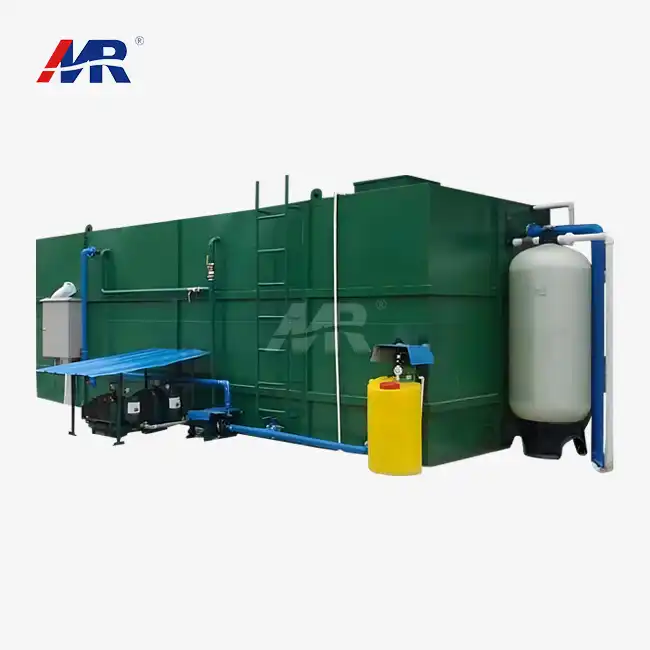
Understanding Industrial Wastewater Treatment Systems
Managing industrial wastewater has changed over time from simple diluting methods to complex, multi-stage cleaning methods. Modern treatment options have to meet strict environmental standards while also reducing costs and recovering resources as much as possible.
Core Components and Treatment Stages
Every successful treatment goes through different stages, each of which targets a different type of contamination. Screening and grit removal are the first steps in preliminary treatment. They catch big solids and rough particles that could damage equipment further down the line. This step keeps pumps, valves, and other mechanical parts from wearing out too quickly.
After primary treatment, the solids that are floating in the liquid are separated from the flow by gravity. In settling tanks, heavy particles settle to the bottom, where they stay while oils and lighter materials move to the top and can be removed. Most of the time, this stage gets rid of 50–70% of the suspended solids and greatly lowers the biochemical oxygen demand.
In secondary treatment, bacteria break down dissolved organic waste through biological processes. Biological contactors that rotate, activated sludge systems, and trickling filters all create spaces where bacterial colonies can break down pollutants into simpler, less harmful compounds. At this organic stage, the amounts of BOD, COD, and nitrogen Products are greatly reduced.
Industry-Specific Waste Characteristics
Different industries produce different types of wastewater that need different ways to be treated. Food and drink factories have to deal with a lot of fats, oils, and grease, which need to be removed using special Dissolved Air Flotation units before they can be treated biologically. Pharmaceutical companies make complicated chemicals and active pharmaceutical ingredients that need high-tech oxidation processes.
For precise cleaning tasks, electronics makers need ultrapure water, which creates waste streams with heavy metals and special solvents. Textile colouring processes release highly coloured wastewater with varying pH levels and manufactured dyes that cannot be cleaned up with normal biological methods. Knowing the specifics of your waste helps you choose the right technology and make sure you follow the rules for dumping permits.
Types of Industrial Wastewater Treatment Systems and Their Applications
The technology you choose has a big effect on both your initial investment and your long-term operating costs. Matching treatment methods to the type of waste you have will make them more effective while using fewer resources.
Biological Treatment Technologies
Activated sludge methods are still the most common way to handle industrial wastewater. They use aeration tanks with floating microbial cultures to break down organic toxins. These systems have been shown to work reliably, and they can be set up to remove nutrients when nitrogen or phosphorus limits are in place. For biomass separation, conventional activated sludge needs extra clarifiers, which increases the area needed.
membrane bioreactors are more advanced options that get rid of the need for secondary clarifiers by adding ultrafiltration membranes directly to the biological process. MBR technology produces better effluent that can be used again, smaller system footprints (50–70%) compared to traditional methods, and consistently low turbidity levels even when influent changes. The daily treatment capacity is between 50 and 10,000 cubic meters, and the removal rate for BOD, COD, and total dissolved solids is up to 99%.
Sequencing Batch Reactors work by adding, reacting, settling, and decanting in a single tank at set times. This set-up works well for places with changing flow patterns or limited room because it gives operators freedom without requiring complicated tank arrangements.
Chemical and Physical Treatment Methods
Chemical precipitation adds a coagulant and changes the pH to target specific pollutants like heavy metals, phosphorus, or colloids that are suspended in the fluid within a wastewater treatment system. This method responds quickly to changes in the influent and deals with toxins that stop cellular processes from happening. Operating costs for a wastewater treatment system include the ongoing costs of chemicals, getting rid of sludge, and hiring skilled workers to make the process run more efficiently.
Advanced oxidation methods use ozone, hydrogen peroxide, or UV light to break down chemical molecules that are hard for living things to break down. Pesticides, medicine residues, and complicated industrial poisons can all be cleaned up very well with these technologies. Energy use is usually between 0.3 and 0.5 kilowatt-hours per cubic metre, so practical economy is a very important factor in the choice.
Solutions for Small and Medium Enterprises
Smaller businesses that do not have a lot of money or technical staff have special problems that need to be solved by compact modular systems. Containerised treatment units come already put together and tested, which cuts the time it takes to install them from months to weeks. These plug-and-play setups have automated controls and the ability to be monitored from afar, so they can be used without having committed workers on-site.
Scalable designs let you add small amounts of capacity as production rates rise. This protects your initial investments and lets your business grow. Package plants that combine several treatment stages into one unit reduce the need for civil construction and make the permit process easier.
How to Choose the Right Industrial Wastewater Treatment System
Strategic selection looks for solutions that meet legal needs, practical goals, and budgetary limits while also providing the most long-term value.
Regulatory Compliance Frameworks
The US Environmental Protection Agency (EPA) sets national effluent standards for different types of industrial waste. However, state agencies may set stricter local limits. Facilities need to know the preparation standards that apply if they are going to discharge to city systems, because POTWs have strict concentration limits in place to protect their biological processes and the quality of the biosolids. Direct dischargers to surface waters need an NPDES permit and must follow strict rules for monitoring and reporting.
New pollutants like PFAS chemicals, microplastics, and pharmaceutical residues are getting more attention from regulators. Smart procurement plans choose technologies that can meet future needs without major changes so they can be used even when standards get stricter.
Critical Evaluation Criteria
Treatment efficiency tells you how well your system gets rid of the pollutants it needs to get rid of in order to meet release standards. Instead of depending only on theoretical performance data, test what the seller says with your real waste streams as a pilot project. Get references from sites that handle similar waste streams and operate under similar rules.
The total cost of ownership includes more than just the price of buying the equipment. It also includes the costs of setting it up, using energy and chemicals, keeping it in good shape, and finally getting rid of it or shutting it down. Using variable frequency drives on blowers and high-efficiency diffusers in energy-efficient designs cuts running costs by a large amount over the system's lifetime.
System scalability tells you if your investment can handle seasonal changes or more production without needing to be replaced too soon. With modular setups, adding more trains in parallel is a cheaper way to increase throughput than redesigning the whole system.
When buildings are limited on room and real estate is highly valued, footprint optimisation is very important. Small designs that use vertical reactors or membrane filtration get the most treatment done in each square metre of space.
Supplier Differentiation Factors
Leading makers set themselves apart by coming up with new technologies that have been tested and proven through a lot of research and field setups. Companies that own their own membrane production facilities have better control over quality and the dependability of their supply chains than companies that buy from outside sources.
Customisation features make sure that systems meet your specific needs instead of causing you to make operating sacrifices to fit standard packages. Maintaining multiple equipment production sites by suppliers shows they can make things and are financially stable for a long-term relationship.
Localised support networks with strategically placed branches, enough engineering staff, and easy access to spare parts inventories cut down on downtime when repairs or maintenance are needed. Check to see if sellers offer direct technical help or if they use independent representatives who may work with multiple brands at the same time.
Procurement and Installation Guidelines for Industrial Wastewater Treatment Systems
A thorough plan is needed for a successful implementation, from making the budget to commissioning and checking the performance.
Comprehensive Budget Development
The costs of capital equipment for a wastewater treatment system are only the initial investment part. Getting the site ready, which includes things like concrete steps, wiring, and pipe hookups, usually costs 30 to 50 percent of the cost of the equipment. Add the costs of engineering design, construction management, and permit fees to the total budget for the project.
Electricity use, chemical dosing, sludge disposal, lab tests, and operator labour are all ongoing running costs. Ask vendors to give you full estimates of their running costs based on the types of waste you have and how much you want to discharge. Instead of choosing based only on the lowest starting price, compare the lifetime costs of different technologies.
Project Management Best Practices
To prepare a site, building workers, utility companies, and equipment installers need to be able to talk to each other clearly and stick to a schedule. Delays in one area affect later tasks, making the project take longer and delaying the operating and legal benefits that drove your investment.
Pay close attention to hydraulic profiles, electrical load management, and process control interfaces when integrating new systems with old ones. Equalisation tanks protect biological processes from shock loads that could stop treatment from working properly by absorbing changes in influent flow and concentration. These storage tanks keep the flow rates to the reactors steady, even if the production plan changes.
Before taking full responsibility, commissioning procedures make sure that all the equipment works properly and that the control system and treatment work as they should. Insist on written startup procedures, training for operators, performance guarantees, and clear obligations for fixing problems if systems don't meet effluent quality goals.
Financing and Leasing Alternatives
Lack of money doesn't have to keep people from getting access to modern treatment equipment. Leasing equipment turns high upfront costs into steady monthly payments, which keeps working capital for running the business's main tasks. For industrial customers, some suppliers offer financing programs with terms that are flexible to fit their cash flow needs.
Environmental infrastructure investments are encouraged by government grant programs and low-interest loan facilities. This is especially true for small and medium-sized businesses that are working to stop pollution or recover resources. State reserve funds and rural development programs make loans easier to get and offer better terms than traditional business loans.
Maintenance, Optimization, and Long-Term Performance
Proactive maintenance plans and ongoing performance optimisation are key to keeping treatments working well and systems lasting a long time.
Preventive Maintenance Protocols
Regular checks keep small problems from getting worse and causing expensive failures and long periods of downtime. Calibration of pH, liquid oxygen, and oxidation-reduction potential sensors keeps the process under tight control and stops treatment problems. Manufacturers of equipment choose calibration rates based on the type of monitor used and the conditions of the process.
Managing sludge waste gets rid of extra biomass so that biological reactors keep the right amount of food for microorganisms. Not enough wasting leads to solids growth and clarifier overload, while too much waste raises the need for aeration and lowers the effectiveness of treatment. The right wasting rates are determined by keeping an eye on the amounts of mixed liquid suspended solids and sludge volume index values.
Blower and pump systems use a lot of energy and are very important mechanical parts. Lubricating bearings, keeping an eye on vibrations, and maintaining filters all add to the life of equipment and keep it from breaking down when you least expect it. To keep mixing working well, submersible mixers need to be checked for blade wear and seal stability on a regular basis.
Common Operational Challenges and Solutions
Changes in the characteristics of the influent, changes in the biomass population, or wear and tear on the equipment can all lead to a drop in performance. Biological inhibition from toxic shock loads or yearly temperature effects could be causing the effluent quality to drop even though the working settings stayed the same. Bench-scale toxicity testing finds chemicals that are harmful, which lets source control steps be taken.
When foam forms in aeration tanks, it means that filamentous bacteria are growing or that surfactants are building up. Too much foaming can be stopped without stopping the process by changing the choice zone setups, changing the dissolved oxygen set points, or installing foam spray systems.
In MBR use, membrane fouling lowers the flow of filtrate and raises the pressure across the membrane. Chemical cleaning methods that use citric acid to get rid of inorganic deposits and sodium hypochlorite to get rid of biological fouling get the membrane working again. By figuring out the best maintenance cleaning schedule, you can balance the cost of cleaning with the lost output caused by less flow capacity.
Future-Proofing and Sustainability Strategies
Upgrades to wastewater treatment system technology that use energy recovery technologies turn trash streams into useful materials while lowering costs. When high-strength organic garbage is broken down anaerobically, biogas is made that can be used to make heat or electricity, which lowers the cost of buying energy for the wastewater treatment system. Recovery of heat from warm wastewater streams warms up arriving water, which lowers the need for heating in processes that need to keep a certain temperature.
Liabilities are turned into income streams through resource recovery programs. Nutrient recovery turns phosphorus and nitrogen chemicals into crystals that can be used to make fertiliser. Reusing water systems cleans sewage to a level where it can be used for irrigation, process water, or cooling towers. This cuts down on both the amount of freshwater used and the amount of wastewater that is dumped.
Improvements to automation, such as monitoring water quality in real time, predictive maintenance algorithms, and the ability to operate from afar, improve performance while lowering the need for labour. Cloud-based SCADA systems let experts fix problems from a central location. This is especially helpful for businesses with multiple locations or that don't have enough technical staff on hand.
Conclusion
To choose the right industrial wastewater treatment system solution, you have to find a balance between technical performance, following the rules, and being able to afford it in the long term. Modern systems that use both biological processes and membrane filtration produce better effluent in smaller spaces while still using little energy. A successful procurement process includes more than just buying tools. It also includes full lifetime planning, evaluating vendor partnerships, and long-term strategies for optimisation. When businesses spend money on treatment infrastructure that is properly defined and kept, they protect the environment, improve operating resilience, and gain regulatory trust.
Frequently Asked Questions About Wastewater Treatment Systems
1. What distinguishes MBR technology from conventional activated sludge processes?
By adding ultrafiltration membranes straight to biological reactors, membrane bioreactors get rid of the need for extra clarifiers. This setup cuts down on the system's size by 50–70% while constantly making high-quality wastewater that can be used again. MBR systems keep mixed liquor concentrations higher, which increases their bulk treatment capacity compared to traditional methods that need gravity to settle the liquid.
2. How should facilities prepare for seasonal flow and load variations?
Equalisation tanks protect biological processes from shock loads that stop treatment from working properly by absorbing changes in the concentration and spikes in the flow of water. Systems that are built with enough hydraulic holding time and temperature control keep microbial communities alive when the flow rate is low. Variable frequency drives on blowers change the level of aeration to match the actual need for oxygen instead of always running at full capacity.
3. What maintenance activities prevent unexpected system failures?
Regularly calibrating sensors makes sure that the process is controlled correctly and that wrong results don't mess up the treatment. Keeping an eye on how fast sludge is being wasted on a regular basis keeps biomass concentrations at their best. Inspections of mechanical parts like pumps, blowers, and mixers on a regular basis find wear before they cause major problems. After 5 to 10 years of use, most electromechanical equipment needs to be replaced or fixed up in a big way.
Partner With Morui for Your Wastewater Treatment System Needs
Guangdong Morui Environmental Technology has a lot of experience treating water for a wide range of uses, including industrial waste, city sewage, and special needs. As a well-known company that makes wastewater treatment systems and has more than 14 regional branches with more than 500 committed employees and 20 experienced engineers, we offer full solutions from the initial planning phase to installation and testing. As part of our integrated capabilities, we have production sites for proprietary membranes and processing plants for various pieces of equipment. This ensures quality control throughout the entire manufacturing process. We are also authorised dealers for well-known names like Createc Instruments, Runxin Valves, and Shimge Water Pumps. Email our technical team at benson@guangdongmorui.com to talk about your unique treatment needs and get tailored plans that solve your operational problems.
References
1. Metcalf & Eddy, Inc., "Wastewater Engineering: Treatment and Resource Recovery," 5th Edition, McGraw-Hill Education, 2014.
2. United States Environmental Protection Agency, "Industrial Wastewater Treatment Technology Database," Office of Water, 2022.
3. Water Environment Federation, "Membrane Bioreactors: WEF Manual of Practice No. 36," McGraw-Hill Professional, 2012.
4. American Water Works Association, "Water Treatment Plant Design," 5th Edition, McGraw-Hill Education, 2012.
5. National Research Council, "Managing Wastewater in Coastal Urban Areas," National Academies Press, 1993.
6. International Water Association, "Biological Wastewater Treatment: Principles, Modelling and Design," IWA Publishing, 2008.
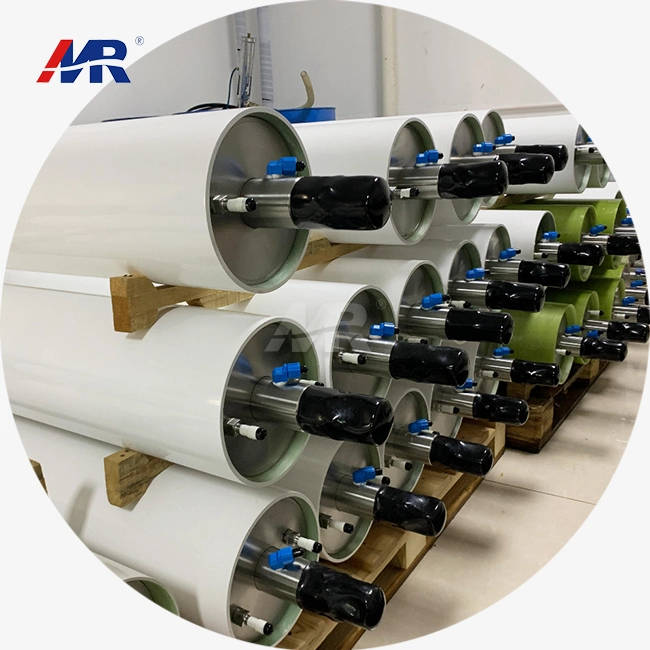 VIEW MORELandfill Leachate Treatment Plant
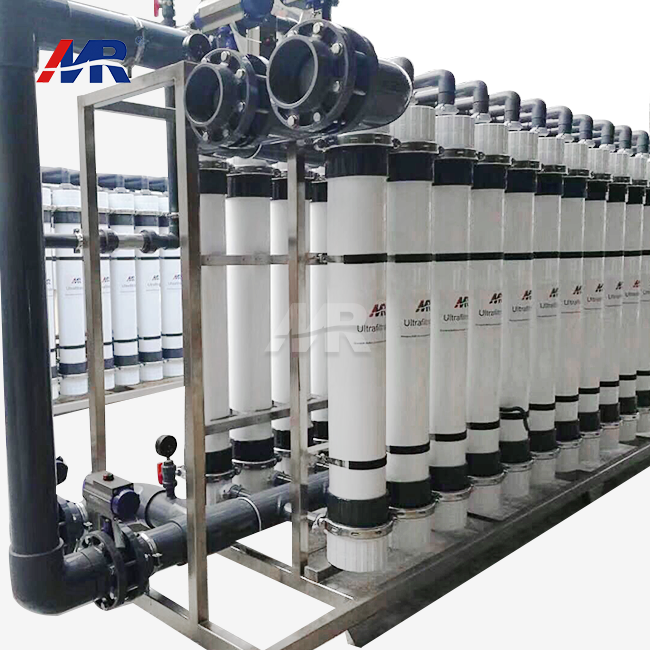 VIEW MOREultrafiltration water system
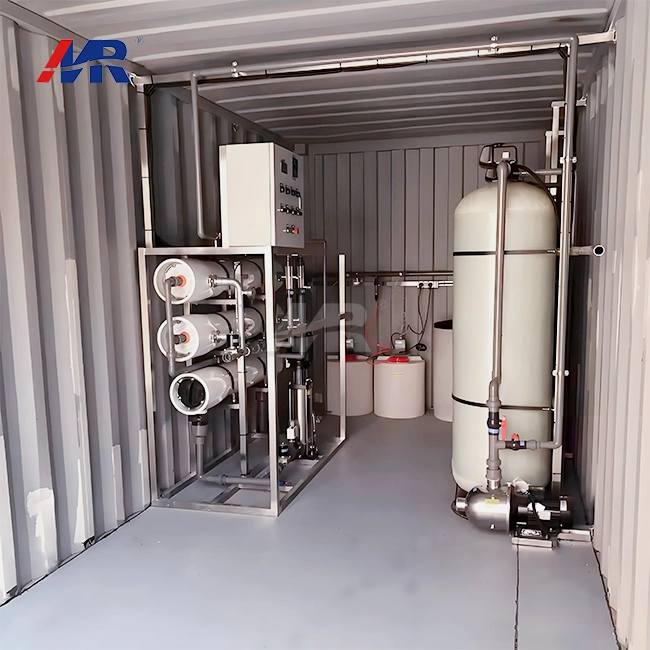 VIEW MOREcontainerized water treatment systems
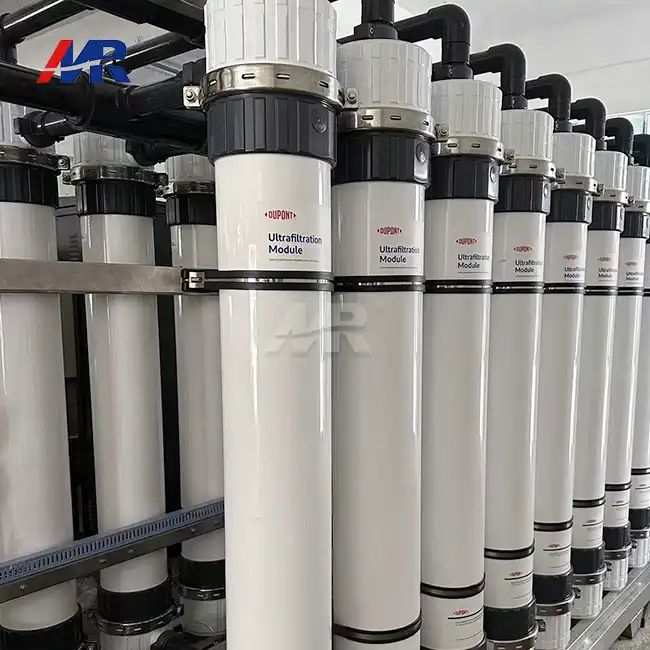 VIEW MORE100T/H ultrafiltration equipment
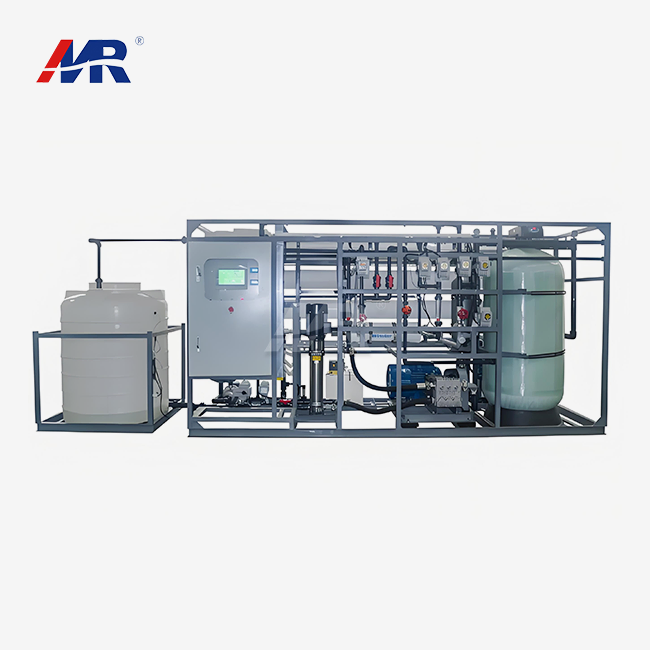 VIEW MOREseawater treatment system
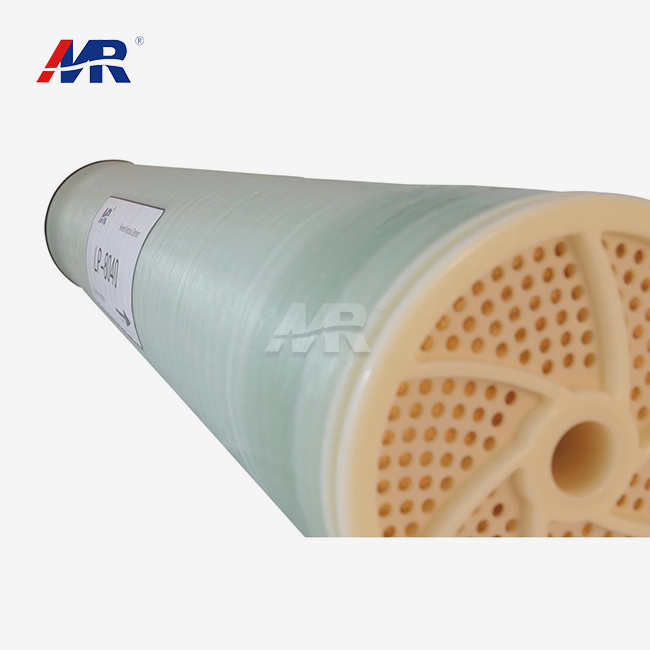 VIEW MOREmembrane used for reverse osmosis
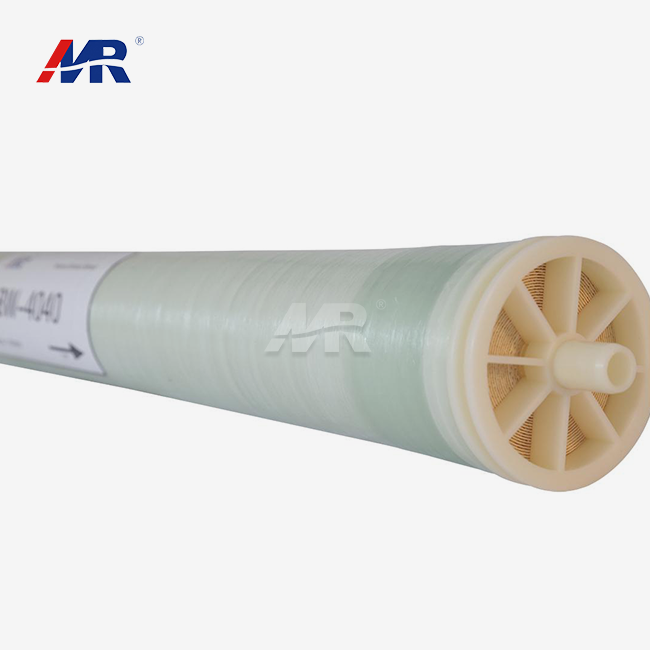 VIEW MOREindustrial reverse osmosis membrane
 VIEW MOREedi water treatment system
