

_1745823981883.webp)

RO Water Membrane Autopsy: What Fouling Looks Like Inside
When facility managers see that the differential pressure and permeate flow are going up in their reverse osmosis systems, the culprit is usually found inside the membrane elements. An RO water membrane autopsy shows the battle going on inside these important filtration parts, where scale, biofilm, organic matter, and particles build up and slowly stop the system from working properly. Knowing what fouling looks like on a microscopic level helps procurement professionals and plant workers make better choices about pretreatment, maintenance schedules, and when to replace membranes, which protects operations budgets and keeps production going.
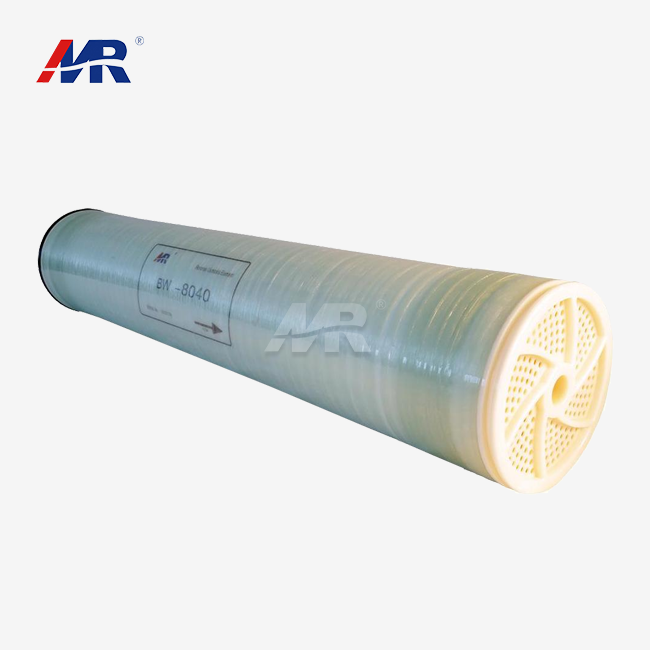
Introduction
RO water membranes are the most common way to clean water in power plants, water treatment plants, pharmaceutical companies, and food and drink factories. Many times, operations have had trouble explaining why their performance was dropping, and only after doing RO water membrane autopsies did they find that fouling had been slowly lowering performance for months. Understanding RO water membrane fouling isn't just a technical exercise; it has a direct effect on your bottom line by making you use more energy and chemicals and paying for new membranes too soon.
This complete guide explains the autopsy process and shows what different kinds of fouling look like inside membrane elements. It also tells you how to stop them. We'll look at the diagnostic tools that professionals use to treat water, compare RO water membrane technologies that are good for different industrial uses, and give you useful buying advice. This resource gives you the knowledge to get the most out of your water treatment investment, whether you're a technical decision-maker looking at how well the system is working or a purchasing manager looking for replacement membranes.
What Is RO Water Membrane Fouling?
Membrane fouling is when rejected materials build up over time on membrane surfaces and in feed pathways, making the system less effective by increasing hydraulic resistance. Industrial RO water membrane processes are plagued by four main fouling mechanisms. Each one leaves a unique mark that trained analysts can recognise during autopsy procedures.
Organic Fouling: The Invisible Performance Killer
Feed water breaks down natural oils, organic debris, and biological waste materials, causing organic fouling. Carbon-based chemicals form a conditioning coating on membrane surfaces that attract foulants. Food preparation facilities with poor pretreatment might lose 30–40% of normalized flow to organic fouling after six months. Regular cleaning procedures struggle with sticky organic residues. Special enzymatic or surfactant cleansers are frequently needed.
Inorganic Scaling: Crystalline Barriers to Flow
Small-soluble salts form crystals on membrane surfaces, causing mineral scaling. Most scaling is caused by calcium carbonate, calcium sulphate, barium sulphate, and silica. Autopsying RO water membrane elements from power plants and desalination facilities frequently reveals hard, solid layers at the end, where concentration factors are greatest. These deposits prevent water from passing through and wear down the thin-film composite layer, making it difficult to move.
Biological Fouling: Living Barriers Inside Your System
Bacteria colonizing and producing biofilms on water membranes cause biofouling. Membrane surfaces attract microorganisms, which grow and release extracellular polymeric compounds that create a gel matrix. Under ideal circumstances, biofilms develop in 48–72 hours. After death, corpses have thick, slimy coatings in feed spacer channels, where flow slows. The pharmaceutical and beverage industries face challenging issues because biological contamination may affect more than product performance.
Suspended Solids Can Block Particulate Fouling
Airflow is blocked by suspended particles in particulate fouling. Particulate fouling occurs when suspended silt, clay, iron corrosion Products, and metal hydroxides block fluid movement. These particles accumulate in feed channels and push on membrane surfaces, stopping flow. Municipal water treatment facilities frequently experience particulate fouling when upstream clarity or media filtration fails. Rough brown or red deposits are seen in autopsy samples. These are usually where elements enter and tumultuous mixing begins. Operators may pinpoint performance concerns by knowing fouling processes. This allows them take focused remedial steps instead of time- and money-wasting ones.
Inside the RO Membrane Autopsy: Visualizing Fouling and Damage
The RO water membrane autopsy process gives forensic-level information about how failures happen, which guides both short-term fixes and long-term strategies for making the system work better.
Membrane Element Extraction and Initial Assessment
An autopsy should begin by gently removing the element, writing down its location in the pressure vessel array, and noting any pre-failure issues. Each constituent is weighed by technicians. Dirty membranes weigh 20–40% more than clean ones due to layers. Colour patterns are common on the feed end. White or grey scaling is inorganic, brown fouling is iron, green or black growth is biological, and tan or yellow accumulation is organic.
Destructive Analysis and Microscopic Examination
Raw water membrane sheets are carefully removed and sliced into portions for further analysis. Scanning electron microscopy demonstrates surface topological changes at 10,000x. Crystalline scale structures, biofilm architecture, and organic coatings are examples. Energy-dispersive X-ray spectroscopy determines if sediments are calcium-based scales, silica complexes, or metal oxides. These analytical tools provide clear solutions when performance data is inconclusive.
Chemical Analysis of Deposit Composition
Chemical characterization of foulant samples uses several approaches. Acid processing and inductively coupled plasma analysis assess metal and scale intermediates. Total organic carbon measures organic matter, whereas ATP tests evaluate biological activity. Detailed chemical profiles often reveal unexpected pollutants. One semiconductor plant discovered that trace surfactants from upstream operations accelerated organic fouling, which wasn't visible without examination.
Linking Autopsy Findings to Operational Conditions
Autopsies provide the most helpful data when analysts link deposit patterns to operational histories. Tail-focused scaling indicates a low antiscalant dosage or quick recovery. Biofouling on all sections indicates a faulty disinfection system. Particulate deposition at lead elements indicates upstream filtering failure. These patterns make raw analytical data beneficial for preventing issues.
How to Prevent and Clean RO Membrane Fouling?
When it comes to return on investment, proactive fouling management is much better than reactive approaches that only fix problems after performance falls apart. A thorough study of the feedwater is the basis of successful fouling prevention. The following things should be tested: turbidity, total dissolved solids, pH, alkalinity, hardness, iron, manganese, silica, total organic carbon, and bacterial numbers. These factors allow for the right design of pretreatment systems.
Feed Water Testing and Pretreatment Optimization
Particulate matter is removed by multimedia filtration, hardness is removed by water softeners, organics and chlorine are absorbed by activated carbon, and mineral precipitation is stopped by antiscalant chemicals. Strong preparation usually costs 15 to 25 percent of the total system capital, but it stops 70 to 80 percent of fouling problems before they happen.
Monitoring Normalized Performance Parameters
To find fouling effectively, you need to keep an eye on normalised flux, normalised salt passage, and normalised pressure drop. Changes in temperature and feed pressure hide fouling trends, so comparing data to standard conditions shows the real condition of the RO water membrane. During commissioning, you should set performance baselines and set alert thresholds at 10% deviation from baseline values. This early warning system lets people step in before fouling gets bad enough to do permanent damage or need emergency shutdowns.
Implementing Strategic Cleaning-in-Place Protocols
CIP methods should match the cleaning chemicals to the kinds of fouling that have been found through autopsies or performance trending. Alkaline cleaners get rid of organic matter and biofilms, acidic cleaners break down metal scales, and oxidising agents kill biological contaminants. For CIP protocols to work, they need to have the right circulation speed, temperature control, soaking times, and thorough rinsing. Many operations use standard cleaning recipes, but customised protocols based on real fouling mechanisms make cleaning 40% to 60% more effective while using 40% to 60% less chemical.
Here are some tried-and-true ways to make RO water membranes last longer while keeping them working at their best:
- Establish feed water quality specifications that require uniform prep performance. This will stop fouling precursors from getting to the RO water membranes.
- Implement automated antiscalant dosing systems with flow-proportional control and live tracking to make sure that the right amount of inhibitors is always present, even when production rates change.
- Schedule preventive CIP at set times, usually every 90 to 180 days, depending on the quality of the feed water.
- Maintain proper crossflow speed above 0.15 m/s to keep particles from settling in feed lines and concentration polarisation from happening.
- Control biological growth by cleaning the system regularly, keeping it clean while it's off, and getting rid of dead ends where germs can grow.
These preventative steps lower the total cost of ownership by making membranes last longer, from the usual 3 years to 5–7 years in many industrial settings. They also use less energy and chemicals while they're working, so the total cost of ownership is lower.
Comparing RO Membrane Technologies and Solutions for Industrial Buyers
To choose the right RO water membrane technology, you need to make sure that the characteristics of the membrane match the composition of your feed water, the quality standards for the product water, and the limitations of your operation.
Thin-Film Composite Versus Cellulose Acetate Membranes
Thin-film hybrid RO water membranes are widely employed in industry because they reject more salt (99.2-99.8%), tolerate greater flux rates, and clean more aggressively at pH ranges 2–11. Oxidizing chemicals may degrade the polyamide active layer, which separates well. Small quantities of chlorine may permanently harm it. For usage where chlorine removal is difficult, cellulose acetate membranes can take up to 1 ppm chlorine. However, their limited pH range (4-6), lesser rejection (95-8%), and spontaneous breakdown make them less valuable in industry.
PVDF Membrane Technology for Demanding Applications
Polyvinylidene fluoride and other modern RO water membrane materials are resilient to high temperatures and chemicals, making them ideal for tough industrial environments. We eliminate 99.9% of bacteria and suspended particles using PVDF membranes. This is done via membrane filtration and biological treatment. These membranes can handle city rubbish and make medicines with 0.1 to 0.4 micrometre holes and flow rates of 10 to 25 liters per square metre per hour. The material can handle pH levels from 2 to 11 and temperatures from 5 to 40°C, unlike regular polyamide membranes. Cleaning is easy without damaging the membrane due to chlorine resistance up to 2,000 ppm.
Evaluating Energy Efficiency and Recovery Rates
Economy is crucial when selecting a RO water membrane system since energy accounts for 30–50% of its cost. New low-pressure membranes function effectively at 150–250 psi for brackish water applications and use less pump power. Recovery rate optimization balances product water production with fouling risk. Higher foulant recovery speeds scaling and lowers cleaning intervals. Most industrial operations recover 75–85% of brackish water. Different setpoints may be required based on the application and energy, water, and disposal costs.
Matching Membrane Configuration to Application Requirements
In 4-inch and 8-inch diameters, spiral-wound elements have high packing density and low cost, making them ideal for most industrial applications. Hollow fibre designs can handle particles in suspension and provide a lot of surface area per unit volume. Plate-and-frame designs simplify cleaning in fouling-prone areas. Choose a suitable water membrane based on feed water variability, space, operator expertise, and maintenance ease. A pharmaceutical corporation with tight quality requirements and competent staff may use high-end low-fouling membranes that operate, while a municipal facility looking to save money may choose sturdy standard-grade materials that endure.
Procurement Guide: Where and How to Source Quality RO Membranes
Comparing unit prices isn't the only part of strategic RO water membrane procurement. The total cost of ownership, supplier reliability, and Technical support capabilities are also important.
Evaluating Membrane Manufacturers and Suppliers
Global manufacturers provide a broad choice of RO water membrane solutions with well-documented performance, extensive warranties, and technical support networks. Make sure membrane sellers provide validated test data on salt rejection, flux rate, and element size. Support performance claims with examples from comparable organizations and apps. Many procurement experts don't realize how vital supplier expertise is. Talking to application experts who understand your water chemistry and practical concerns helps solve performance issues and optimize system design.
Balancing Quality and Cost Considerations
Premium RO water membranes cost 30–50% more than budget membranes, but they operate better; thus, it's worth it. Low-fouling membranes need less cleaning and cost less. Capital equipment costs less when membrane groups are smaller due to greater initial flux. Quality materials last longer, reducing replacements and labor expenses. Even though they cost more, mid-range to high-end membranes are generally cheaper in the total cost of ownership, which includes energy, chemicals, labor, and downtime.
Establishing Supplier Partnerships for Long-Term Success
Strategic partnerships with RO water membrane providers have advantages beyond purchasing. Faster access to experts, early product announcements, and emergency shipments are available to preferred customers. Joint development projects allow suppliers to customize membrane compositions. You may typically receive better prices and payment conditions by committing to a set quantity of work across sites. When considering partners, consider their financial stability, production capacity, quality management systems, and commitment to continual development. These will demonstrate their long-term reliability to support your operations.
Conclusion
RO water membrane autopsy reveals how fouling is affecting your water treatment operations by explaining inexplicable performance decreases. In membrane elements, mineral scales, biofilms, organic deposits, and particulate debris accumulate. The correct scientific procedures may reveal these items' distinctive markings. Preventive methods like feed water testing, preparation, and cleaning always outperform reactive ones. They extend membrane life and reduce expenditures. Choose a technique based on membrane qualities that meet your application and feed water issues. Strategic partnerships with membrane providers offer technical expertise and a consistent supply of materials to let you operate your company for years.
FAQ
Q1: What causes a sudden flux decline in reverse osmosis systems?
What makes RO water membrane systems lose flow all of a sudden? Sudden drops in flow rate usually mean that colloidal fouling or fast mineral scaling is happening, especially calcium carbonate or calcium sulphate precipitation. At the same time that deposits block flow through feed routes, differential pressure rises. As soon as possible, you should look over recent feed water quality data to see if there have been any changes in turbidity, hardness, or pH. Use the right cleaning chemicals for the job—acidic cleaners for inorganic scales and alkaline cleaners for organic/colloidal fouling—during an emergency CIP. When problems keep happening, they need a full analysis of the feedwater and the pretreatment system.
Q2: How frequently should industrial membranes undergo replacement?
The service life of an RO water membrane depends a lot on the quality of the feedwater, how well the pretreatment works, and how the membrane is used. Well-run systems with strong pretreatment can usually last 5 to 7 years before it becomes cost-effective to replace them. If the feed water is hard to handle or there isn't much pretreatment, the operation may need to be replaced every three to four years. Regularly check the normalised performance factors. The membrane needs to be replaced when cleaning doesn't bring it back to a good level of performance or when it needs to be cleaned more than every three months, which means it's breaking down irreversibly.
Q3: Can fouling be completely prevented?
In real life, it's still not possible to get rid of all fouling, but proper system design and operation greatly lower fouling rates. RO water membrane processes have concentration polarisation effects that cause things to slowly build up, even if the pretreatment is very good. The practical goal is to keep fouling under control so that performance stays good between cleanings, allowing the longest possible time between CIP procedures while preventing damage that can't be fixed. This balanced method improves practical economics by lowering the amount of chemicals used and the number of times membranes need to be replaced, while keeping the quality of the product water constant.
Partner with Morui for Advanced Membrane Solutions
For cutting-edge RO water membrane solutions, work with Morui. With more than 14 locations and more than 500 committed employees around the world, Guangdong Morui Environmental Technology specialises in complete water treatment systems. Our engineering team has decades of experience with membrane technology, which is used for everything from cleaning up industrial wastewater to making ultrapure water for pharmaceutical use. We make advanced PVDF membranes that are 99.9% effective at filtering, very resistant to chemicals, and have small footprints that cut installation costs by up to 50%. As a well-known RO water membrane provider, we offer full solutions that include choosing the right equipment, designing the system, installing it, and making sure it works properly. Our facility for making membranes guarantees uniform quality and effective supply chain performance. We work with top brands like Shimge Water Pumps, Runxin Valves, and Createc Instruments to give you fully integrated systems that are perfect for your needs. Contact our technical experts at benson@guangdongmorui.com to talk about the problems you're having with your membranes and get personalised advice that fits your needs in terms of performance, durability, and cost-effectiveness.
References
1. Membrane Fouling and Cleaning in Reverse Osmosis Systems: A Comprehensive Review (2023), Journal of Membrane Science and Technology, Volume 47, pp. 234-267.
2. Industrial Water Treatment: Principles and Practice of Reverse Osmosis Membrane Maintenance (2022), American Water Works Association Research Foundation Technical Report Series.
3. Autopsy Analysis Techniques for Failed ro membrane Elements: Diagnostic Protocols and Case Studies (2023), Desalination and Water Treatment International, Volume 89, pp. 145-178.
4. Comparative Performance Analysis of Thin-Film Composite and Advanced Polymer Membranes in Industrial Applications (2023), International Desalination Association Technical Conference Proceedings.
5. Economic Optimization of Membrane Replacement and Cleaning Strategies in Large-Scale RO Systems (2022), Industrial Water and Wastewater Management Quarterly, Volume 34, Issue 2, pp. 67-94.
6. Chemical Characterization Methods for Membrane Foulants: From Laboratory Analysis to Operational Decision-Making (2023), Water Environment Federation Technical Practice Manual Series.
 VIEW MOREhome wastewater treatment plant
 VIEW MOREcontainerized water treatment systems
 VIEW MORE25m3/hour reverse osmosis equipment
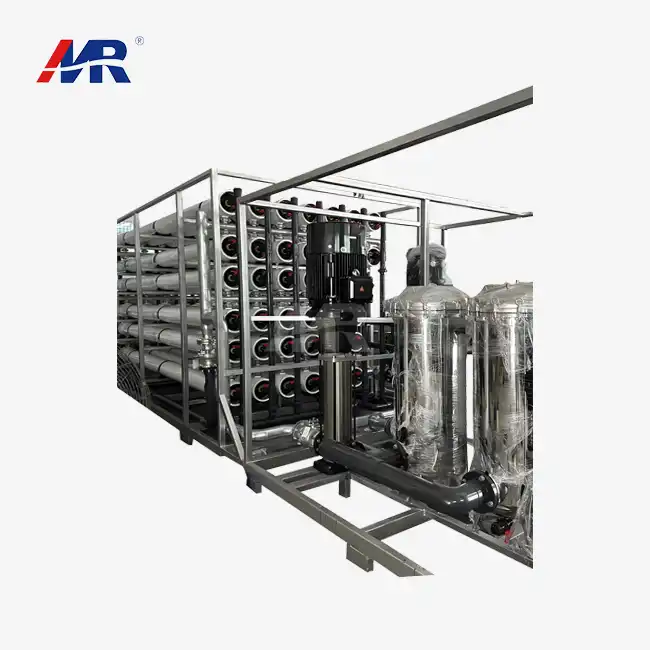 VIEW MORE150m3/hour reverse osmosis plant
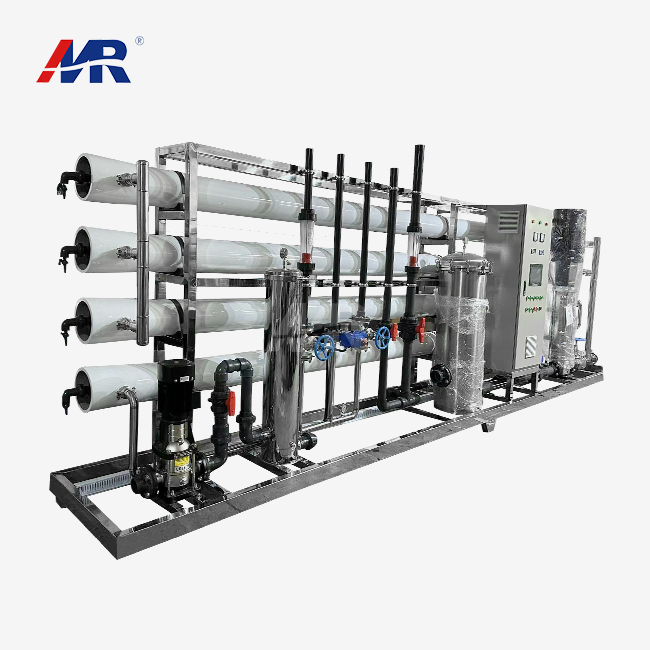 VIEW MOREreverse osmosis plant
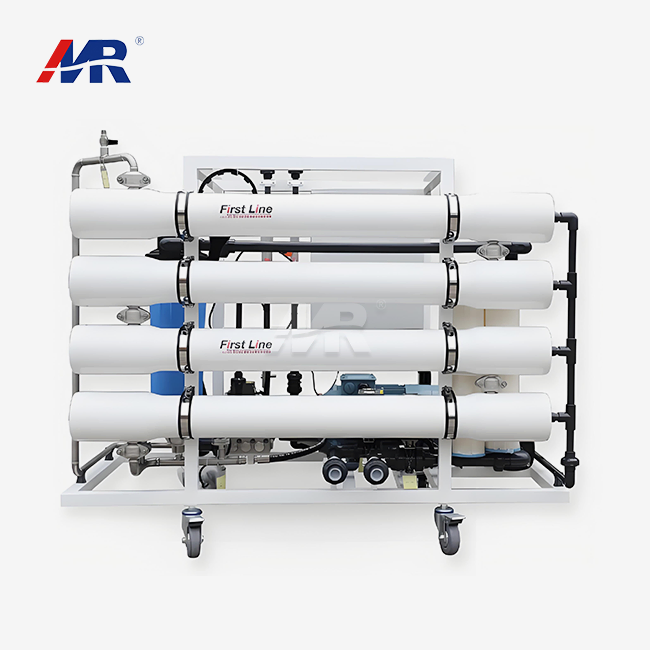 VIEW MOREseawater desalination system
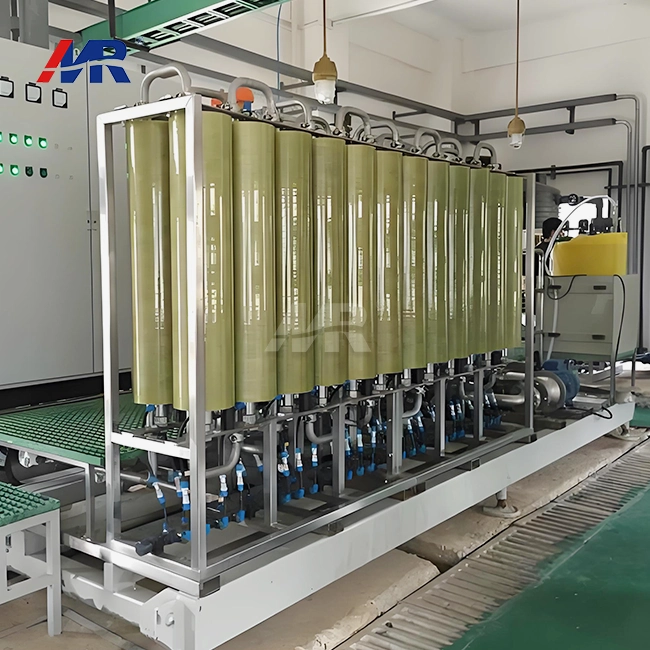 VIEW MOREDisc Tube Reverse Osmosis
 VIEW MOREreverse osmosis membrane
