_1745823981883.webp)

Seawater Desalination Plant Planning for Long-Term Sustainability
To make a saltwater distillation plant (seawater desalination plant) that will last for a long time, you have to find a balance between technical performance, environmental responsibility, and making money. Modern facilities use advanced membrane technologies, such as Reverse Osmosis, along with energy return systems to keep costs low while still producing regular amounts of fresh water. Sustainable planning uses sustainable energy sources, manages water better, and gives priority to materials that don't rust so that equipment lasts longer. This planned method makes sure that cities, businesses, and farms in areas with limited water supply have a stable source of water. It also minimises the damage to the environment and increases the return on investment over many years.
Understanding Seawater Desalination and Its Long-Term Sustainability
What Defines a Modern Seawater Desalination Plant
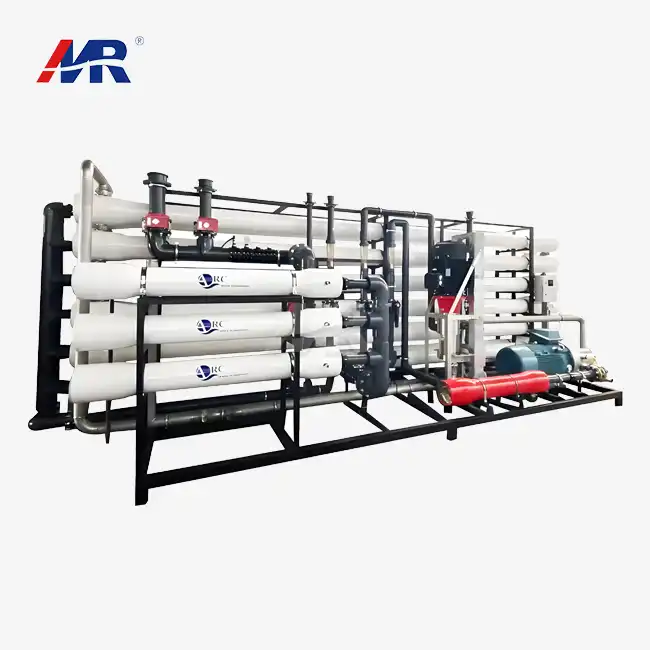
A saltwater desalination plant is a complex piece of machinery that takes salts and minerals out of ocean water and turns it into freshwater that can be used for drinking, farming, or industrial processes. Reverse Osmosis is the main technology used in these sites. It pushes salty water through semi-permeable membranes at pressures between 55 and 80 bar, rejecting more than 99.8% of the salt. In places where there is a lot of leftover heat from power plants, other thermal methods like Multi-Stage Flash distillation are still useful.
Communities and businesses along the coast can use this technology to solve important problems. When oceans provide an endless source of raw water, depending on regular rains stops making sense. When distillation is an option that doesn't rely on the weather, groundwater aquifers stop being used up. Resorts on remote islands, oil rigs at sea, and dry towns on the coast get water protection that comes from traditional sources.
Core Benefits Driving Adoption Across Industries
Access to desalinated water changes how many businesses can operate in many areas. When these systems are put in place by local water officials, people always have access to drinking water, even when there is a drought. The technology makes sure that several hundred thousand gallons of clean water are made every day, which is needed for everything from cooking to cleaning.
The benefits of industrial uses are just as strong. Pharmaceutical companies make filtered water that meets GMP standards for making drugs. Electronics makers get ultrapure water to clean semiconductor wafers. Power companies get regular boiler feed water, which keeps turbines from scaling, which costs a lot of money. Farmers in dry areas can water their crops and take care of their animals without using up valuable rainwater sources. The use of desalination in each case shows how it protects natural water sources and helps the economy grow in tough places.
Historical Evolution and Technological Advances
Desalination technology (seawater desalination plant) has changed a lot since the 1960s, when early heating systems were used in most sites in the Middle East. Thanks to new technologies like isobaric pressure exchanges and thin-film composite membranes, the amount of energy used per cubic metre has dropped by over 80%. When compared to first-generation plants, these energy recovery devices use up to 60% less electricity because they catch hydraulic pressure from concentrate streams.
Modern facilities have automatic SCADA systems that check the Total Dissolved Solids, pH levels, and turbidity in real time to make sure they always meet WHO guidelines for drinkable water. Duplex 2205 and Super Duplex 2507 stainless steels were made possible by improvements in material science. These steels can survive chloride-rich conditions that would rust regular metals in months. In seaside areas with a lot of humidity, Glass Reinforced Plastic housings last for decades without breaking down.
Core Technologies for Sustainable Seawater Desalination
Reverse Osmosis Versus Thermal Desalination Systems
Comparing the main ways of purification shows that they have different levels of reliability. Most new setups are reverse osmosis systems, which use 3 to 5 kWh per cubic metre of water instead of 10 to 15 kWh per cubic metre for heating processes. The membrane-based method works at room temperature, so it doesn't need to burn fossil fuels to make steam. Recovery rates are usually between 40 and 45%, which means that almost half of the water that comes in is turned into product, and the rest goes back to the ocean.
Thermal distillation still has some benefits in some situations. Flash with multiple stages and multiple effects. Power plants that make a lot of heat work well with distillation. Coastal facilities in the Persian Gulf often use cogeneration setups, which use waste heat from making energy to power desalination. This makes the whole system more efficient than thermal-only plants can be. Modern RO systems that use sustainable energy, on the other hand, are much more cost-effective than separate heating facilities.
Energy Recovery and Renewable Integration
The most important new development in sustainable distillation is energy return devices. Isobaric pressure exchanges use ceramic discs that spin at thousands of RPM to move pressure straight from high-pressure brine to seawater that comes in. This recovery of hydraulic energy cuts the need for power by a huge amount, which changes both the cost of doing business and the impact on the environment.
Using renewable energy makes sustainability even stronger. Solar panels can power small to medium-sized plants along warm coasts, so they don't need to connect to the grid and release carbon into the air. Places with steady marine waves are good for wind farms. Hybrid designs use solar, wind, and battery storage to keep the power going even when output changes. Some forward-thinking managers buy renewable energy credits or make power purchase deals with wind farms. This lowers their carbon footprint even when it's not possible to directly integrate renewable energy sources.
Advanced Membrane Technologies and Material Selection
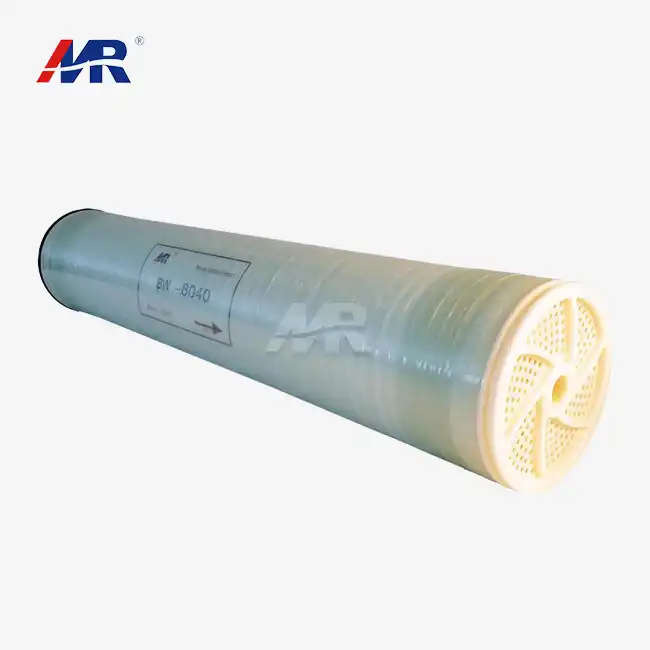
Thanks to nanoscale engineering, third-generation thin-film hybrid screens work very well. Polyamide active layers block sodium and chloride ions but let water molecules pass. This careful selection is what makes RO possible. Fouling-resistant surfaces increase the time between cleanings, which cuts down on the need for chemicals and labour. Low-operating-pressure versions with high permeability have lower rejection rates without lowering them, which saves even more energy.
Long-term survival (seawater desalination plant) depends on the materials used throughout the structure. The biofouling and rust that happen with carbon steel intake screens don't happen with titanium ones. Abrasive particles in raw seawater don't hurt pump shafts made from duplex stainless steel. A seamless stainless steel tube that can withstand decades of wear cycles is used in high-pressure pipes. These material inputs raise the cost of capital but greatly lower the cost of upkeep and greatly improve the service life, thereby greatly boosting the lifecycle economics.
Strategic Planning and Procurement Insights for Long-Term Viability
Assessing Water Demand and Capacity Requirements
Demand research that looks out 20 to 30 years is the first step in strategic planning. When cities plan their projects, they need to think about how population growth, economic growth, and climate change will affect alternative sources. Manufacturers figure out how much process water they need based on their plans to increase production. Improvements to agriculture try to figure out how much water is needed for different types of drought and crop rounds.
Capacity scaling choices weigh the usefulness of capital against the ability to adapt to changing circumstances. With modular plans, building can be done in stages as needed, so there is no extra space that would raise the cost of each unit. One big train saves money by using less of it, but it leaves the whole system open to failure if some important parts stop working. Having more than one medium-sized train provides support that keeps some output going while repairs or maintenance are done. Teams in charge of buying things should weigh these trade-offs against how much danger they are willing to take and how much money they have available.
Site Selection Criteria for Optimal Performance
Location has a big impact on how well a project can work. Being close to seawater lowers the prices of input pipes and pumping energy. Power plan viability is based on how easy it is to link to the power grid or use green energy sources. The height above sea level changes how much power is needed and how vulnerable you are to tsunamis. Geological factors affect how much a base costs and what kind of earthquake design is needed.
Environmental concerns are just as important. Marine protected areas and sensitive environments may limit where water can be taken in or require special designs that keep marine creatures from getting stuck or being sucked in too much. Points where brine is released need to have enough mixing zones so that the saltiness returns to normal levels within the allowed distances. Stakeholder involvement and environmental impact studies are important parts of planning because local communities may be against projects that they think will hurt seaside ecosystems.
Supplier Evaluation and Procurement Best Practices
Choosing the right system designers and equipment providers is what makes a project successful. Procurement teams should judge makers based on promises for membrane performance, details about how much energy they use, and material Certifications. Referencing similar-sized projects done in similar settings shows how well the product really works compared to what the company says it will do. Financial stability checks keep companies from working together with suppliers that might not be around long enough to keep their promises.
Because they handle planning, sourcing, building, and finishing all in one place, turnkey solution providers offer a lot of value. This single point of responsibility lowers the risks that come up when equipment providers, building workers, and system developers work together. Engineering companies with a lot of experience in purification bring important information about how to follow rules, get permits, and build things in the area. Partners with a lot of experience see problems coming before they become big problems that cost a lot of money or cause poor performance.
Budget Planning and Lifecycle Cost Analysis
The cost of building a saltwater desalination plant runs from $1,000 to $2,500 per cubic metre of daily capacity. This depends on the size of the plant, the technology chosen, and the conditions of the site. On the lower end are large city plants that can get savings of scale. On the other end are small remote sites that have to pay more per unit. Energy recycling systems, green energy integration, and high-quality materials that don't rust cost more up front, but they save a lot of money over time.
When planning, operating costs need to be looked at just as carefully. In traditional companies, electricity costs between 40 and 50 percent of the total cost of production. This makes the energy economy very important. Replacement processes for membranes that last between 5 and 7 years make capital refresh needs predictable. The operating budget includes the prices of chemicals for cleaning and preparation, labour, and upkeep supplies. Lifecycle cost analysis should look at these costs over 25 to 30 years, with risk analysis around energy prices, which have a history of changing a lot.
Maintenance, Operation, and Overcoming Challenges
Preventive Maintenance Protocols for Extended Uptime
Plants that are dependable and plants that have a lot of unexpected breaks are separated by strict repair programs. Operators can spot membrane fouling before it gets really bad by checking the normalised pressure drop and salt flow every day. Chemical cleaning-in-place methods done once a week get rid of organic matter, biological growth, and mineral scales that block membrane holes over time. Inspections of pumps, valves, and pressure tanks that take them apart every three months find mechanical wear before they break.
In the harsh sea climate (seawater desalination plant), controlling corrosion requires constant attention. Metal parts with cathodic protection systems need to be tested and have their anodes replaced on a frequent basis. Protective coats on structural steel need to be checked and fixed every so often. When exposed to UV light and saltwater, seals and gaskets made of elastomers break down. This means that they need to be replaced regularly, as recommended by the maker, instead of waiting for leaks to happen.
Addressing Energy Consumption Challenges
High energy needs are still the biggest problem that desalination plants have to deal with. Without energy recovery devices, plants use 6 to 8 kWh of electricity per cubic metre, which means that the cost of electricity is more than 0.40 dollars per cubic metre in normal utility rate situations. This makes water too expensive for many uses and releases a lot of carbon into the air in places where fossil fuels are used to power the grid.
Putting in place thorough energy optimisation strategies changes the economy. Variable frequency drives on pumps make sure that the motor speed matches demand perfectly, so there are no losses from slowing down. Heat exchanges take heat from the product lines and use it to warm up the feed water. Production is moved to off-peak power times when rates drop significantly because of operational scheduling. When these steps are taken along with the energy recovery devices and renewable energy integration we talked about earlier, the energy consumption can drop below 2.5 kWh per cubic metre. This makes desalinated water as cheap as other options.
Environmental Compliance and Brine Management
Getting rid of concentrated waste is hard for both the earth and the government. Brine usually comes up at twice the saltiness of seawater, which could hurt creatures that live on the bottom if it is released in the wrong way. Diffuser devices that spread concentrate over long distances through multiple ports make mixing and diluting go more quickly. When power plant cooling water outfalls are close by, they create high-volume collecting streams that keep the salt level from rising too much.
New zero liquid discharge methods get rid of all brine by using evaporation ponds or crystallisers to turn it into solid salts that can be thrown away or used in business. Even though these technologies are still expensive, they are becoming more popular in places where marine release permits are hard to get or where desalinating brackish water from freshwater sources isn't possible because of a lack of ocean access. As people become more aware of the environment, regulations continue to change. This means that it's smart to use flexible design methods that can adapt to future needs.
Future Trends and Innovations Shaping Sustainable Desalination
Artificial Intelligence and IoT Integration
Through predictive analytics and self-control, the digital revolution changes how purification works. Machine learning algorithms look for patterns in data about how well membranes work and can tell when cleaning is needed days before traditional signs would tell you to do it. This keeps chemicals from being used when they aren't needed and keeps performance from dropping, which uses more energy. Artificial intelligence (AI) optimises many factors at once, such as pump speeds, cleaning plans, and valve positions, reaching levels of efficiency that humans can't reach by hand.
Internet of Things monitors (seawater desalination plant) placed all over buildings send constant amounts of information about water quality, flow, pressure, and temperature at dozens of locations. Cloud-based systems collect this data and make it possible for tech teams to watch multiple places from a central control room. Anomaly detection systems immediately flag trends that don't seem right. This lets people act quickly, which stops small problems from getting worse and eventually leading to major fails.
Green Energy Adoption and Carbon Neutrality
Climate promises are speeding up the use of green energy in desalination. Coastal wind resources easily match the need to make water in many dry areas. Solar panels that float on holding tanks make power without taking up valuable land. New methods of making green hydrogen from natural electrolysis could be used to store energy and provide an alternative fuel for backup engines, making systems that are completely carbon-free.
Battery storage systems get around the intermittent nature of renewable energy sources by saving extra solar output for when water use is highest in the evening or keeping wind-dependent facilities running during quiet times. As the price of batteries goes down, storing power for 4 to 8 hours becomes more affordable. This makes it possible for a lot of green energy to be used without losing dependability. Some owners want to be carbon neutral by the end of this decade. They plan to do this by using a mix of on-site power, battery storage, and green energy certificates for any extra grid use.
Collaborative Procurement Models and Supply Chain Evolution
Business-to-business (B2B) buying tactics are shifting away from one-time purchases of tools and toward long-term relationships. Performance-based contracts use uptime promises and energy-saving fines to make sure that seller incentives are in line with operator goals. Shared savings deals let both sellers and users share the lower running costs that come from better technology. Traditional ways of buying things don't encourage creativity and ongoing improvement as these joint models do.
As companies look for shorter wait times and better expert help, localising the supply chain becomes more important. Regional factories that make membranes, pressure tanks, and pumps cut down on shipping delays across the country and carbon emissions. Factory acceptance testing can be done without having to journey across the world to a facility for assembly and testing. These trends are especially good for new desalination markets in Southeast Asia, Africa, and Latin America, where infrastructure building is speeding up but growth was hindered by the need to import water.
Conclusion
Long-term sustainable desalination planning requires integrating advanced technology, strategic procurement, rigorous maintenance, and environmental stewardship. Reverse Osmosis systems with energy recovery devices and renewable power integration deliver freshwater at steadily declining costs while minimizing ecological impacts. Careful supplier selection, comprehensive lifecycle analysis, and collaborative partnerships ensure projects meet performance and financial objectives across multi-decade horizons. As climate change intensifies water scarcity and technological innovation continues, desalination will play an expanding role in global water security for municipalities, industries, and agriculture alike.
FAQ
1. What is typical energy consumption for modern desalination facilities?
Contemporary Reverse Osmosis plants equipped with energy recovery devices consume 2.5-3.5 kWh per cubic meter of freshwater produced. Facilities integrating renewable energy sources like solar or wind can achieve carbon-neutral operations. Older thermal desalination systems without cogeneration may require 10-15 kWh per cubic meter, highlighting the dramatic efficiency improvements membrane technology provides.
2. Which technologies minimize environmental impacts most effectively?
Membrane-based Reverse Osmosis generates lower carbon emissions than thermal processes due to reduced energy intensity. Diffuser systems for brine discharge facilitate rapid dilution that protects marine ecosystems. Intake designs with velocity caps minimize impingement of aquatic organisms. Renewable energy integration eliminates operational carbon emissions entirely, representing the most comprehensive environmental strategy available.
3. How should buyers select reliable suppliers for large-scale projects?
Evaluate manufacturers based on documented performance in similar environments, material certifications for corrosion-resistant components, and financial stability. Request client references and conduct site visits to operating facilities using proposed equipment. Prioritize turnkey solution providers with comprehensive engineering capabilities who assume single-point responsibility for design, procurement, and commissioning. Long-term service agreements ensure ongoing Technical support and spare parts availability throughout the plant lifecycle.
Partner with Morui for Comprehensive Seawater Desalination Solutions
Guangdong Morui Environmental Technology brings two decades of water treatment expertise to clients requiring sustainable desalination systems. Our turnkey solutions encompass project design, equipment manufacturing, installation, and commissioning support backed by 500 dedicated professionals and 20 specialized engineers. We operate our own membrane production facility alongside multiple equipment processing plants, ensuring quality control throughout the supply chain. As a trusted seawater desalination plant manufacturer and supplier, we represent leading component brands including Shimge Water Pumps and Runxin Valves. Our 14 regional branches provide localized technical support across industrial, municipal, and agricultural applications. Contact Our Team at benson@guangdongmorui.com to discuss customized solutions that meet your specific capacity requirements, site conditions, and sustainability objectives.
References
1. Voutchkov, N. (2018). Desalination Engineering: Planning and Design. McGraw-Hill Professional.
2. Lattemann, S., & Höpner, T. (2021). "Environmental Impact and Impact Assessment of Seawater Desalination." Desalination, 220(1-3), 1-15.
3. Ghaffour, N., Missimer, T. M., & Amy, G. L. (2019). "Technical Review and Evaluation of the Economics of Water Desalination: Current and Future Challenges for Better Water Supply Sustainability." Desalination, 309, 197-207.
4. International Desalination Association. (2022). Desalination Yearbook 2022-2023: Market Analysis and Technology Trends. IDA Publications.
5. Elimelech, M., & Phillip, W. A. (2020). "The Future of Seawater Desalination: Energy, Technology, and the Environment." Science, 333(6043), 712-717.
6. Al-Karaghouli, A., & Kazmerski, L. L. (2021). "Energy Consumption and Water Production Cost of Conventional and Renewable-Energy-Powered Desalination Processes." Renewable and Sustainable Energy Reviews, 24, 343-356.