_1745823981883.webp)

Brackish Water RO Performance Factors Every Buyer Should Know
When choosing water cleaning equipment (brackish water ro), knowing what affects performance is what makes the difference between a successful business and one that costs a lot of money to fix. Brackish water reverse osmosis systems use a special kind of membrane separation technology to remove salt from water that has a Total Dissolved Solids content of 1,000 to 15,000 mg/L. These systems solve important problems in many fields by turning useless groundwater into process-grade water, stopping mineral scaling, and being cheaper than thermal distillation methods. From dealing with drug companies, power plants, and city halls, we know that buyers who understand these performance factors can get systems that meet strict water quality standards and give them a clear return on their investment.
Understanding Brackish Water RO Systems: Basics and Technology
How Reverse Osmosis Treats Moderate Salinity Water
How reverse osmosis treats water with a moderate amount of salt
The planning and management of brackish water treatment are very different from those of ocean osmosis. To get rid of osmotic forces and remove dissolved minerals from feed water, these systems use semi-permeable barriers that work at low to medium pressures (usually 150 to 400 psi). The cross-flow filter system constantly moves the concentrate away from the membrane surface. This lowers the chance of fouling and keeps the quality of the permeate stable. Our technology has been used to treat well water for farming in California's Central Valley and industrial process water in petrochemical plants in Texas. Both places regularly achieve 99.0% to 99.7% salt rejection rates.
Critical Components That Drive System Performance
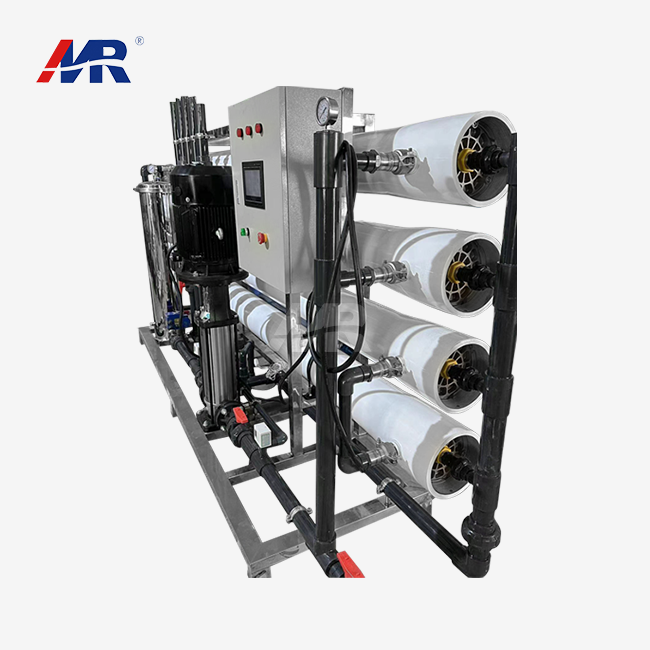
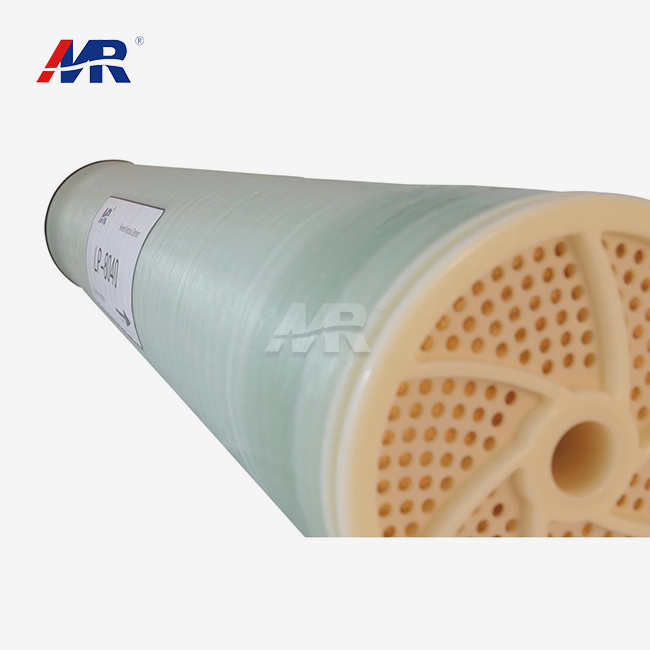
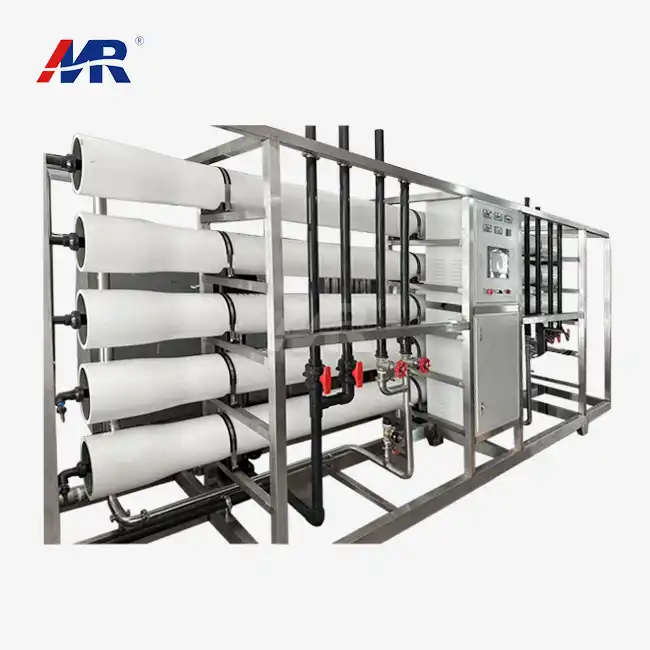
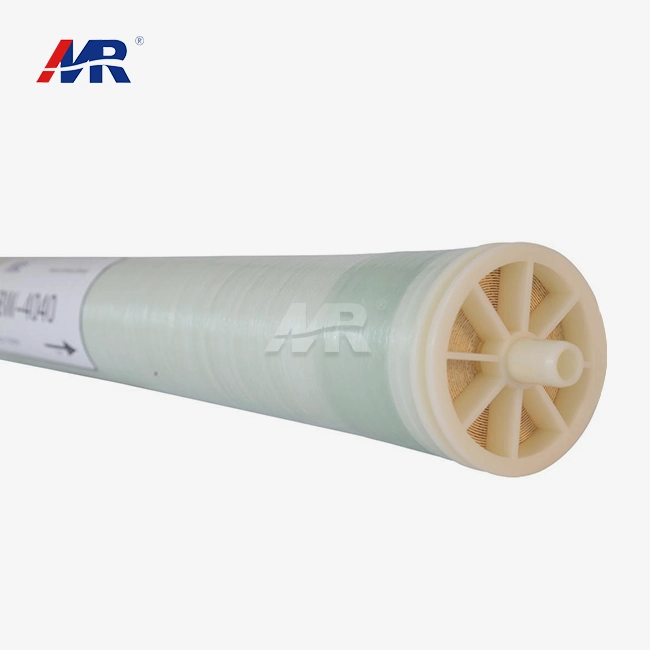
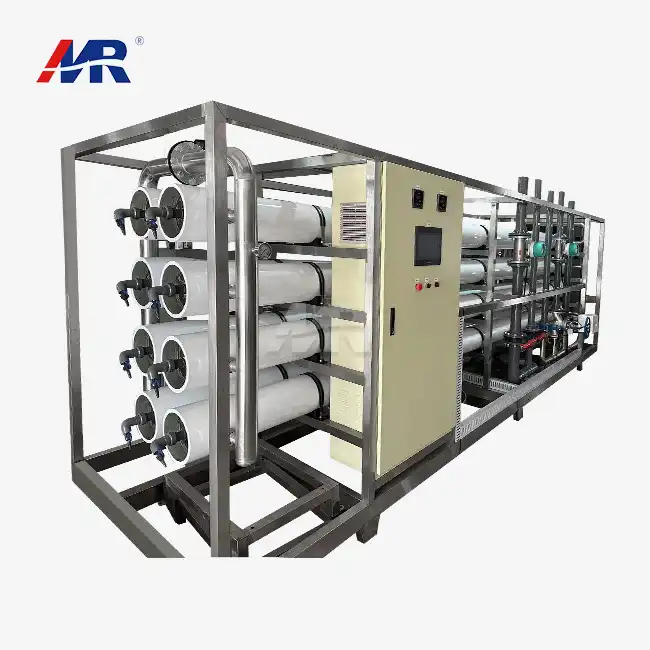
High-performance systems have a number of important parts that work together. Thin-film composite membranes, which are made of polyamide materials and are very resistant to chemicals from pH 2 to 11, act as a barrier for separation. High-pressure pumps provide the exact amount of force needed to move water through membrane holes while preventing the rejection of dissolved salts. Advanced controllers keep an eye on important factors like flow rates, pressure differences, and conductivity readings, and change the process on the fly to keep it running at its most efficient level. Pre-treatment parts like multimedia filters, cartridge housings, and chemical dosing tools keep membranes from breaking down too quickly.
Membrane Selection: Matching Technology to Water Chemistry
The choice of membrane (brackish water RO) has a big effect on how well the treatment works and how long it lasts. Polyamide thin-film composites are widely used in industry because they have high flow rates and great rejecting properties, making them especially good at getting rid of calcium, magnesium, and salt. In some situations, cellulose acetate membranes are better than others. For example, they can handle more chlorine and are more resistant to bacterial attack. However, they are less good at rejecting salt. We've helped clients choose the right membranes for a wide range of uses, from cleaning boiler feed water so that silica levels are below 0.02 mg/L to adjusting sodium adsorption ratios in irrigation water for farms.
Key Performance Factors Impacting Brackish Water RO Efficiency
Feed Water Quality and Pretreatment Requirements
Characterising and preparing the feed water correctly is the first step to making RO work well. The Silt Density Index shows the possibility of colloidal clogging. Values below 3 are thought to be safe for protecting membranes. Total hardness, pH, and silica levels decide how strong the preparation needs to be. Depending on the chemistry of the raw water, softener, acid injection, or antiscalant doses may be needed. In some Cases, membrane fouling happened within weeks instead of years because of poor preparation. This led to unexpected shutdowns and expensive cleaning processes.
Changes in temperature are another performance element that is often forgotten. Because water becomes less viscous, every 1°C drop in temperature lowers permeate production by about 3%. Facilities that deal with yearly changes in temperature can benefit from variable frequency drive pumps that can adapt to changes in viscosity automatically, keeping production levels at goal levels without having to make constant changes by hand.
Operating Pressure and Recovery Rate Optimization
Finding the right balance between working pressure and recovery rate is a key design choice that affects both the cost of energy and the life of the membrane. Higher recovery rates—often 75% to 85% in salty environments—lower the amount of garbage that needs to be dumped and raise the efficiency of water use. But active recovery raises the concentration of salt near membrane surfaces, which can make scaling more likely and possibly speed up membrane breakdown. We help our clients find the best recovery rate for their needs, taking into account the type of water they use, the rules about release, and their long-term cost goals.
Multistage setups improve recovery while keeping the saltiness of the concentration in check. The permeate from the first stage is treated in a second membrane array in a two-stage design. This gives a higher total recovery without putting individual membranes through extreme concentration factors. This method works especially well for sites in areas with limited water, where getting the most out of the resources they have is more important than making small increases in capital spending.
Capacity Planning and Scalability Considerations
Accurately defining capacity stops both oversizing, which loses money and makes running costs go up, and undersizing, which doesn't meet production needs during times of high demand. Modular system designs are flexible and let you add capacity in stages as production rates rise. We've planned setups that start with single skids for start-ups and include ways to add parallel trains as production grows, so the whole system doesn't have to be replaced.
When figuring out capacity, you have to take into account that membrane fouling happens over time and slows down normalised permeate flow. By planning for a 10-15% capacity gap above current needs, you can account for performance drops between cleanings and small increases in production that don't require instant growth.
Comparing Brackish Water RO With Alternative Technologies
Seawater RO: When Higher Salinity Demands Different Solutions
Seawater reverse osmosis systems operate at dramatically higher pressures—800 to 1,200 psi—due to feed water TDS levels exceeding 35,000 ppm. This pressure requirement translates directly into energy consumption, making seawater treatment significantly more expensive per gallon produced. Brackish systems treating water below 10,000 ppm TDS achieve similar purification results while consuming 40-60% less energy, representing substantial operational savings over system lifetime. The distinction matters critically for procurement decisions; specifying seawater-grade equipment for brackish applications wastes capital on unnecessary pressure ratings and oversized components.
Ion Exchange and Thermal Distillation Alternatives
Ion exchange systems excel at polishing applications and specific ion removal, but struggle with high TDS brackish water RO due to frequent regeneration requirements and chemical consumption. Reverse osmosis removes a broader spectrum of contaminants—dissolved salts, organics, bacteria, viruses—in a single-pass process without chemical regenerants. Thermal distillation technologies like multi-effect evaporation provide reliable purification but consume considerably more energy, making them economically disadvantageous except in facilities with abundant waste heat availability.
Complementary Membrane Technologies
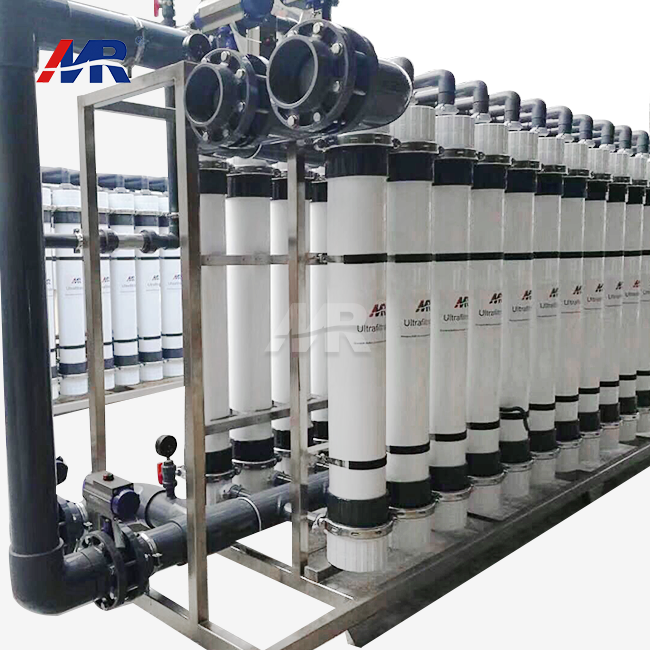
Ultrafiltration serves as an effective pretreatment stage, removing suspended solids, colloids, and microorganisms that would otherwise foul ro membranes. Nanofiltration occupies the middle ground between UF and RO, selectively removing divalent ions while passing monovalent salts, useful for specific softening applications. Many modern installations integrate these technologies—UF pretreatment protecting RO membranes, followed by electrodeionization for ultrapure water production in pharmaceutical and semiconductor applications. We've specified such integrated systems for electronics manufacturers requiring resistivity above 18 megohm-cm for precision component cleaning.
Maintenance, Troubleshooting, and Maximizing System Lifespan
Proactive Cleaning Protocols and Performance Monitoring
Tracking performance all the time is the first step in maintaining membranes. Normalised permeate flow, salt passing rate, and difference pressure can show problems before they get too bad. When normalised flow drops 10% or differential pressure rises 15% from the starting points set during installation, cleaning is needed. Chemical cleaning methods depend on the type of fouling. For example, acidic cleaners get rid of mineral scales, alkaline cleaners get rid of organic fouling, and biocides stop germs from growing.
We suggest making cleaning plans based on real performance data instead of just picking random times. Some facilities with good preparation clean their membranes every six months, while others with difficult feed water need to be checked on every month. Data-driven maintenance cuts down on chemical contact that isn't needed and stops performance loss from waiting too long to fix a problem.
Managing Silica, Scaling, and Biological Fouling
Silica is hard to fix in salt water because it has limits on how much it can dissolve, which can lead to permanent scaling if amounts in the concentrate stream go above saturation levels. For proper handling, certain antiscalants and pH changes are needed to keep the silica in a liquid form. We fixed problems with silica scaling at power plants by putting in place automatic acid doses and constant pH tracking. This made the membrane last 4.5 years instead of 2 years.
Biological fouling happens when bacteria stick to membrane surfaces and make biofilms that block fluid flow and raise pressure drop. Chlorination stops living things from growing in the feed water, but it needs to be taken out before RO membranes can work because chlorine damages polyamide membranes. Dechlorination systems, which usually involve injecting sodium bisulfite, need to be the right size to protect membranes and keep biological activity in check.
Strategic Component Replacement and Supplier Partnership
Membranes are the most important part of RO systems. They usually last between 3 and 5 years if they are properly treated before use and the SDI stays below 3. If you replace it on time, you can avoid major failures that could pollute processes further downstream with water that has only been partly cleaned. In addition to membranes, cartridge filters, O-rings, and high-pressure seals need to be replaced at regular intervals as specified by the manufacturer.
Working with reliable sources ensures you can get real substitute parts that are made to fit the original system. Counterfeit or mismatched parts may save you money at first, but they often break down early, causing unexpected downtime that costs a lot more than the savings you made on the purchase. We work with authorised wholesalers of names like Shimge Water Pumps and Runxin Valves to make sure that our customers get approved parts that are backed by maker warranties.
Buying Guide: How to Choose the Right Brackish Water RO System
Assessing Operational Requirements and Water Quality Goals
A careful needs survey is the first step to successful buying. Set an output goal that takes into account peak demand and expected future growth. Set water quality standards that are appropriate for your use. For example, pharmaceutical operations need USP-purified water standards, while cooling tower makeup may be able to handle higher TDS limits. Completely describe the stream water by testing it in a lab for TDS, hardness, pH, silica, iron, manganese, and biological oxygen demand.
Budgets need to take into account more than just the original capital costs. They also need to account for costs over the whole life of the system, such as energy use, membrane repair, chemical use, and upkeep labour. Over the course of 10 years, a system with a 10% higher initial cost but 20% lower energy use will usually have a lower total cost of ownership.
Evaluating Supplier Credentials and Support Infrastructure
The choice of supplier (brackish water RO) affects how well a system works for its whole life. Look at how long the maker has been in business, how well they can do technical things, and how many Products they have already put in your application area. Ask for case studies and client examples from businesses that work with similar water quality problems. Warranty terms show how confident the maker is in their products. For example, covering all membranes, pressure tanks, and controls shows that the building is good and the parts are reliable.
How quickly problems are fixed when they happen depends on the system for after-sales help. Suppliers with nearby service teams, extra parts that are easy to get, and expert help that is available 24/7 lower the risk of downtime. We've seen plants shut down for a whole week while they wait for unique parts to be shipped from abroad. Systems with better support would have had these parts in stock locally.
Certification Standards and Regulatory Compliance Systems
must comply with the relevant standards and Certifications appropriate to your industry. The NSF/ANSI 61 approval shows that the products meet the safety standards for drinking water, which is important for public and food-grade uses. Standardised testing methods for RO function proof are given in ASTM D4194. Pharmaceutical facilities need equipment that is made to GMP standards and comes with all the paperwork needed to support approval processes.
Energy economy standards and performance scores make it possible to compare different pieces of equipment in a fair way. Look for systems that have energy recovery devices built into larger setups. These devices catch pressure energy from concentrated streams and use it to power smaller systems 25–35% less.
Conclusion
Selecting optimal brackish water treatment equipment requires balancing multiple performance factors—membrane technology, operating parameters, maintenance requirements, and supplier capabilities. Systems delivering 99%+ salt rejection while operating efficiently at 150-400 psi provide cost-effective solutions for TDS levels between 1,000 and 15,000 mg/L. Proper pretreatment protecting membrane integrity, combined with proactive maintenance protocols and strategic supplier partnerships, ensures reliable operation across demanding industrial and municipal applications. Understanding these interconnected variables empowers procurement professionals to specify systems that achieve water quality objectives while minimizing lifecycle costs and operational risks.
FAQ
1. What distinguishes brackish water systems from seawater desalination equipment?
Seawater RO operates at substantially higher pressures between 800-1,200 psi due to feed water TDS exceeding 35,000 ppm, while brackish water systems function efficiently at 150-400 psi for moderate salinity levels. This pressure difference translates directly into energy consumption and equipment costs, making brackish-specific systems more economical for appropriate applications.
2. How frequently do membranes require replacement?
Membrane lifespan typically ranges from 3 to 5 years when protected by proper pretreatment, maintaining the Silt Density Index below 3. Performance monitoring provides replacement indicators—when normalized permeate flow drops 10% or differential pressure increases 15% despite thorough cleaning, membrane replacement becomes necessary.
3. Can these systems handle high silica concentrations?
Yes, but managing silica requires specific antiscalants and pH adjustment, maintaining silica in soluble form below saturation limits in the concentrate stream. Monitoring concentrated silica levels and adjusting recovery rates prevents irreversible scaling that can permanently damage membranes.
4. How does temperature affect production capacity?
Temperature significantly impacts viscosity and permeate production. Every 1°C temperature decrease reduces output by approximately 3%, requiring either seasonal operational adjustments or variable frequency drive pumps that automatically compensate for viscosity changes while maintaining target production volumes.
Partner With Morui for Reliable Brackish Water RO Solutions
Guangdong Morui Environmental Technology brings comprehensive water treatment expertise backed by 14 regional branches and over 500 dedicated professionals, including 20 specialized engineers. As an established brackish water RO manufacturer, we design systems tailored to your specific industrial requirements—whether pharmaceutical-grade purified water, power plant boiler feed, or agricultural irrigation applications. Our integrated capabilities span equipment manufacturing through our own membrane production facility, turnkey installation services, and ongoing Technical support, ensuring optimal system performance throughout operational life.
We serve as authorized agents for premium component brands, including Shimge Water Pumps and Runxin Valves, guaranteeing genuine parts and manufacturer-backed warranties. Our technical team conducts thorough feed water analysis, designs custom pretreatment solutions, and provides comprehensive operator training supporting long-term system reliability. Contact our engineering specialists at benson@guangdongmorui.com to discuss your brackish water treatment challenges and receive a detailed specification proposal.
References
1. Greenlee, L.F., Lawler, D.F., Freeman, B.D., Marrot, B., and Moulin, P. (2009). "Reverse Osmosis Desalination: Water Sources, Technology, and Today's Challenges." Water Research, 43(9), 2317-2348.
2. Wilf, M., and Bartels, C. (2005). "Optimization of Seawater RO Systems Design." Desalination, 173(1), 1-12.
3. American Water Works Association. (2007). Reverse Osmosis and Nanofiltration: Manual of Water Supply Practices M46. Denver: AWWA.
4. Fritzmann, C., Löwenberg, J., Wintgens, T., and Melin, T. (2007). "State-of-the-Art of Reverse Osmosis Desalination." Desalination, 216(1-3), 1-76.
5. Buros, O.K. (2000). The ABCs of Desalting, 2nd Edition. Topsfield: International Desalination Association.
6. Moch, I., and Querns, W.R. (1983). "Brackish Water RO Process for Potable Water." Desalination, 46(1-3), 239-246.