

_1745823981883.webp)

Why Is the Best Reverse Osmosis System for Well Water Worth It?
When you buy the best reverse osmosis system for well water, you get real benefits like clean water all the time, safe tools, and following the rules. Changing TDS levels, heavy metal contamination, and microbial risks are some of the special problems that well water has that normal filters can't handle. A special RO system with high-rejection filters, multi-stage pre-filtration, and built-in tracking can get rid of up to 99% of contaminants while keeping production processes safe. This investment will lower upkeep costs, cut down on downtime, and improve product quality in a wide range of fields, from food preparation to medicines. This makes it an important asset rather than a nice-to-have update.
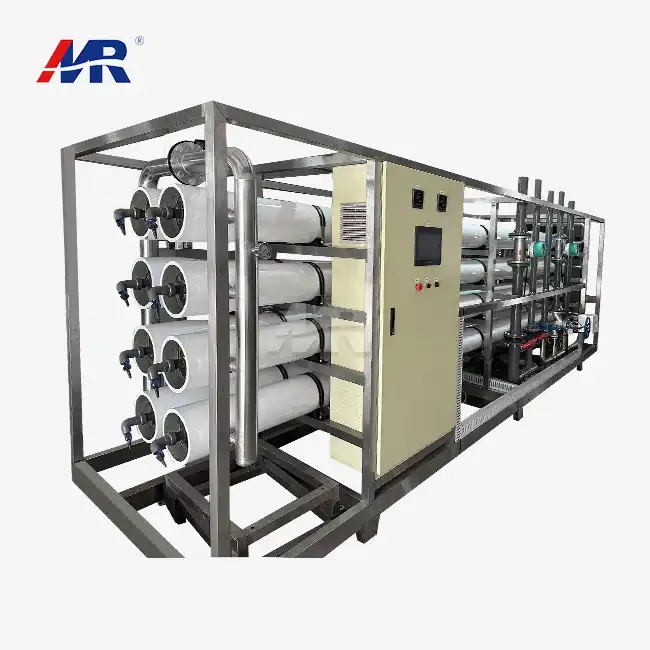
Understanding Reverse Osmosis Systems for Well Water: Core Principles and Benefits
How RO Technology Addresses Well Water Contaminants
Reverse osmosis works through a semi-permeable membrane with pores that are about 0.0001 microns wide. This creates a physical barrier between water molecules and dissolved solids, metals, and microbes. Well water usually has iron levels between 0.3 mg/L and 10 mg/L, and it also has high TDS levels that can go over 500 ppm in rural areas. These impurities are pushed away by the membrane using size restriction and charge repulsion, leaving behind permeate water with TDS levels below 50 ppm. This method works especially well for getting rid of arsenic, nitrates from farm waste, and radionuclides that city water systems never come across.
Protecting Sensitive Equipment and Production Processes
Well water that hasn't been cleaned poses big risks to industrial uses. To make semiconductors, you need ultrapure water with a resistance of more than 18 M·cm. To make medicines, you need water that meets USP standards for purity. Well water particles cause scaling in boiler systems, which lowers the efficiency of heat movement by 30% and requires more fuel to be burnt. Mineral layers on heat exchangers, valve seats, and process pipes can be avoided with RO pre-treatment, which makes equipment last longer. When companies in the beverage industry put in complete RO systems built for well water chemistry, they cut down on the number of times they had to service their equipment by 40%.
Compliance with Industry-Specific Water Quality Standards
Regulatory systems in all areas require water cleanliness that can be checked (best reverse osmosis system for well water). Pharmaceutical sites that follow GMP must have water quality records that show total organic carbon levels below 500 ppb and bacterial counts below 10 CFU/100 mL. Food processing businesses must follow FDA rules that say they can't leave pesticide levels that are above what can be detected. Well water RO systems that are connected to real-time tracking keep checking the water's parameters, creating log trails that are needed for regulatory checks. During certification checks and quality assurance reviews, this ability to record becomes very important.
Evaluating and Selecting the Best Reverse Osmosis System for Well Water
Assessing System Capacity and Daily Water Demand
Capacity planning requires an accurate assessment of peak hourly demand alongside daily consumption patterns. A pharmaceutical facility processing 10,000 gallons daily needs systems rated at 15-20 GPM to accommodate production surges and cleaning cycles. Recovery rates directly impact operational costs—modern systems achieve 50-75% recovery from well water compared to 25-35% in older designs. We recommend sizing systems with 20% capacity buffers to account for membrane fouling over time and seasonal water quality variations. Commercial RO units range from 1,000 to 100,000 GPD, depending on application scale.
Integration of Pre-Treatment Components
Well water characteristics dictate pre-treatment requirements that protect membrane integrity. Here are the essential pre-treatment stages for well water applications:
- Sediment Filtration: Removes particles above 5 microns, including sand, silt, and rust that cause abrasive membrane damage. Pleated cartridge filters or multimedia beds handle turbidity levels up to 10 NTU before RO processing.
- Iron and Manganese Oxidation: Catalytic media or chemical oxidation convert dissolved iron and manganese into filterable solids. This prevents membrane fouling that reduces flux rates by 50% within months.
- Water Softening: Ion exchange resins remove calcium and magnesium hardness, preventing scale formation on membrane surfaces. Systems treating water above 200 ppm hardness require softening to maintain 85% recovery rates.
- Carbon Adsorption: Activated carbon blocks eliminate chlorine residuals, hydrogen sulfide odors, and volatile organic compounds that degrade thin-film composite membranes.
These pre-treatment stages work synergistically to extend membrane lifespan from 2-3 years to 5-7 years in well water applications. The upfront investment in comprehensive pre-treatment reduces the total cost of ownership by minimizing membrane replacement frequency and maintaining consistent system performance.
Performance Comparison with Alternative Treatment Methods
Alternative technologies offer limited solutions compared to RO capabilities. UV disinfection addresses microbial contamination but leaves dissolved solids intact. Water softeners handle hardness yet permit nitrates, arsenic, and other health hazards to pass through. Activated carbon removes organic compounds and chlorine but cannot reduce TDS or heavy metals. Distillation achieves high purity but consumes 10-15 times more energy than RO systems. Multi-stage RO configurations combining pre-treatment, membrane separation, and post-treatment polishing deliver comprehensive contaminant removal unmatched by single-technology approaches.
Maintenance, Lifespan, and Performance Optimization of RO Systems for Well Water
Establishing Routine Maintenance Protocols
Systematic care (best reverse osmosis system for well water) keeps a system working well and stops it from breaking down when you least expect it. Depending on how cloudy the well water is, sediment pre-filters need to be changed every three to six months. The adsorption ability of carbon blocks stays the same for 6 to 12 months before breakthrough happens. When normalised permeate flow drops by 10% or salt rejection drops below 95%, ro membranes need to be cleaned. Scaling can be removed with citric acid solutions for chemical cleaning, and biological fouling can be removed with alkaline cleansers. We have proof that after five years of operation, sites that follow maintenance plans every three months keep 90% of their original system capacity.
Monitoring Critical System Parameters
Changes in measurable parameters show that performance is getting worse before the system fails. Increases in feed pressure of 10 to 15 percent show that the membrane is getting clogged and needs to be cleaned. If the permeate conductivity goes above the standard values, it means that the membrane integrity has been lost or the seal has failed. Differential pressure across pre-filters that is higher than what the manufacturer recommends shows particle loads that could cause contamination further down the line. Automated tracking systems keep an eye on these factors all the time and send out repair alerts before they cause problems with output. Real-time data logging also gives auditors of quality management systems the proof they need.
Taking care of fouling, scaling, and membrane breakdown
The nature of well water causes problems that speed up membrane wear. Iron fouling shows up as brown spots and lowers flow by 30 to 60 percent in a few weeks if it is not fixed. When the water temperature goes up or the pH level goes above 8.0, calcium carbonate scaling happens. This makes solid layers that are hard to get rid of chemically. Biological pollution, which is caused by naturally occurring bacteria, forms biofilms that make systems 40% less efficient. Dosing antiscalant at 2–5 ppm stops minerals from settling, and pesticide treatment stops the spread of microbes. Knowing the results of your well water research helps you choose the right cleaning chemicals that can make your membrane last up to seven years longer.
Cost Considerations and Procurement Insights for Well Water RO Systems
Initial Capital Investment and Installation Expenses
The cost of buying a system depends a lot on how much it can do and how complex it is. Commercial RO systems that can handle 5,000 GPD cost between $8,000 and $25,000, based on how automated they are and what they are made of. With built-in pre-treatment and control tools, industrial units that make 50,000 GPD cost between $75,000 and $200,000. Professional installation, which includes changes to the pipes, electrical connections, and system setup, adds 15 to 25 percent to the cost of the equipment. Well water uses often need extra pre-treatment equipment that costs between $3,000 and $15,000, based on the problems with the water quality. Clients should set aside $12,000 to $30,000 for complete 5,000 GPD systems that remove common contaminants from well water.
Ongoing Operational Expenses
Consumables, energy, and repair services are examples of operating costs that have an effect on the total cost of ownership. For systems that produce 5,000 GPD, replacing the filter cartridge costs about $400 to $800 a year. Depending on the design, replacing the membrane every 5 to 7 years costs between $1,500 and $4,000. Depending on local energy rates and how well the system works, the amount of electricity used ranges from $0.50 to $1.25 per 1,000 gallons created. Servicing plans that cover preventative repair and priority service cost between $800 and $3,000. A full cost study shows that high-efficiency systems with automatic settings lower running costs by 25–35% compared to basic setups, even though they cost more to buy at first.
Strategic Procurement and Supplier Selection
Choosing skilled providers guarantees that you will get your tools on time and get good expert help. Professionals in charge of buying things should check the qualifications of suppliers, such as whether they are ISO 9001 certified, have authorisations to make membranes, and offer service in their area. For multi-site setups, there are chances to buy in bulk, with savings of 10–20% on orders of more than five computers. Longer guarantee periods of 3 to 5 years raise the price of tools by 8 to 12 percent, but they put the responsibility of upkeep on the providers. We've seen that clients who put a supplier's service skills ahead of the lowest starting price have 30% fewer system interruptions and regularly get the expected equipment lifespans.
Why Investing in Premium RO Systems Delivers Strategic Advantages
Measurable ROI Through Enhanced Reliability
Premium RO systems designed for use with well water (best reverse osmosis system for well water) produce measurable benefits in a number of operating areas. Pharmaceutical companies say that their systems are up 99.7% of the time, compared to 92% for cheaper equipment. This means that there are no costly production breaks that could delay batch releases. Food makers report that the amount of rejected goods goes down by 15 to 20 percent after they install high-performance RO systems that keep the water quality stable. When electronics factories get ultrapure water from advanced RO setups, the number of defects in chip processing drops by 40%. Even though they cost more up front, these business changes pay for themselves in 18 to 36 months.
Industry Validation Through Case Studies
Implementations in the real world show real gains in many fields. After adding a multi-stage RO system with UV post-treatment, a regional beverage bottler that treated 30,000 GPD from well sources cut the number of annual water quality complaints by 85%. A pharmaceutical contract maker got FDA audit approval on the first review after the RO system was put into service. This saved them from having to pay for expensive repairs that other companies had to make. By delivering constant, low-salinity water, a farm irrigation company that treated salty well water improved crop yields by 22% and cut down on fertiliser costs. For people who are looking at buying choices, these written results prove that investments in premium systems were worth it.
Future-Proofing Through Technology Integration
New technologies improve the RO system's abilities and get processes ready for changing needs. IoT-enabled tracking tools let you see what's going on with a system from afar, and proactive repair alerts cut service response times by 60%. Energy recovery devices take in hydraulic pressure from concentrate streams. In high-pressure situations, this cuts the amount of electricity needed by 30 to 40 percent. Advanced membrane chemicals can handle chlorine and prevent bacterial fouling, which increases service times by 40%. Because of these new ideas, businesses can adjust to stricter rules and higher operating costs without having to buy all new equipment.
Conclusion
The best reverse osmosis system for well water is an investment that will pay off in the long run by providing consistently clean water, protecting equipment, and being reliable in its operation. The specific types of contaminants in well water mean that it needs special cleaning methods that regular filters can't provide. Premium RO systems with strong pre-treatment, high-rejection membranes, and smart tracking get rid of up to 99% of contaminants while still running efficiently and cheaply. Companies in the industrial, pharmaceutical, farming, and local sectors are able to meet strict quality standards while also lowering the cost of upkeep and making equipment last longer. This investment sets businesses up for long-term growth in a place where water quality has a direct effect on the quality of Products and the way they are regulated.
FAQ
1. Can Reverse Osmosis Systems Effectively Remove Iron from Well Water?
RO membranes effectively reject dissolved ferrous iron but struggle with oxidized ferric iron particles that foul membrane surfaces. Proper pre-treatment using oxidation and filtration converts soluble iron to filterable solids before RO processing. Systems treating well water with iron concentrations above 0.3 mg/L require dedicated iron removal stages to achieve optimal membrane performance and lifespan.
2. How Often Should Filters Be Replaced in Well Water Applications?
Replacement frequency depends on well water quality and daily production volume. Sediment pre-filters typically need replacement every 3-6 months, carbon blocks every 6-12 months, and RO membranes every 5-7 years with proper maintenance. Monitoring differential pressure and permeate quality provides accurate replacement timing rather than relying solely on calendar schedules.
3. Can RO Systems Handle High TDS and Hardness Levels?
Commercial RO systems effectively treat well water with TDS up to 2,000 ppm and hardness exceeding 300 ppm when equipped with appropriate pre-treatment. Water softening or antiscalant injection prevents scaling on membrane surfaces, maintaining recovery rates above 50%. Systems treating extremely hard water may require additional stages or lower recovery rates to prevent mineral precipitation.
Partner with Morui for Engineered Water Treatment Solutions
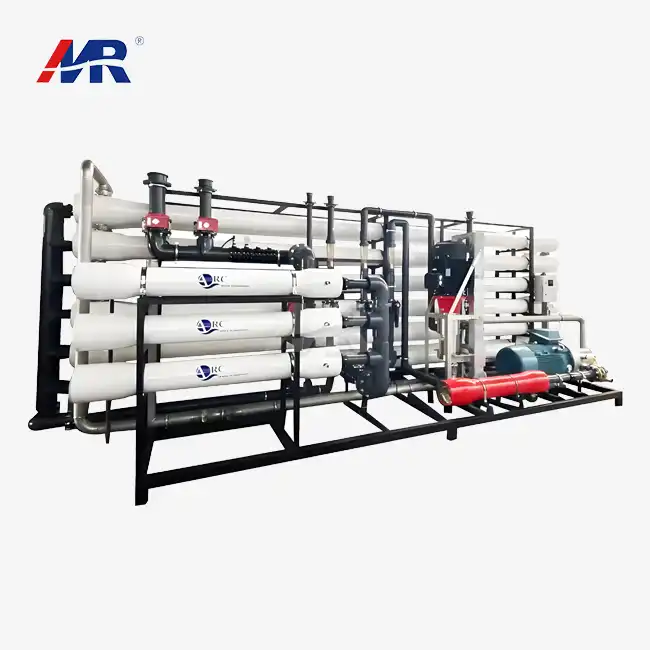
Guangdong Morui Environmental Technology delivers comprehensive reverse osmosis systems (best reverse osmosis system for well water) as a trusted manufacturer and supplier, specifically engineered for demanding well water applications across industrial sectors. Our technical team of 20 engineers provides customized system design, integrating our proprietary membrane production with premium components from partners, including Shimge Water Pumps and Runxin Valves. We offer turnkey solutions encompassing equipment fabrication, on-site installation, system commissioning, and ongoing Technical support through our network of 14 regional branches. Contact our specialists at benson@guangdongmorui.com for complimentary water quality assessments and procurement consultations that align advanced RO technology with your operational requirements, ensuring water purity that protects your processes and satisfies regulatory standards.
References
1. American Water Works Association. (2021). Reverse Osmosis and Nanofiltration: Manual of Water Supply Practices M46. Denver: AWWA Publishing.
2. Greenlee, L.F., Lawler, D.F., Freeman, B.D., Marrot, B., & Moulin, P. (2009). Reverse osmosis desalination: Water sources, technology, and today's challenges. Water Research, 43(9), 2317-2348.
3. National Ground Water Association. (2020). Private Well Water Treatment Systems: Selection and Maintenance. Westerville: NGWA Press.
4. U.S. Environmental Protection Agency. (2019). Point-of-Use or Point-of-Entry Treatment Options for Small Drinking Water Systems. EPA Publication 815-R-06-010.
5. World Health Organization. (2017). Guidelines for Drinking-water Quality: Fourth Edition Incorporating the First Addendum. Geneva: WHO Press.
6. Membrane Technology Research Group. (2022). Industrial Membrane Separation Technology: Principles and Applications in Water Treatment. Cambridge: Academic Press.
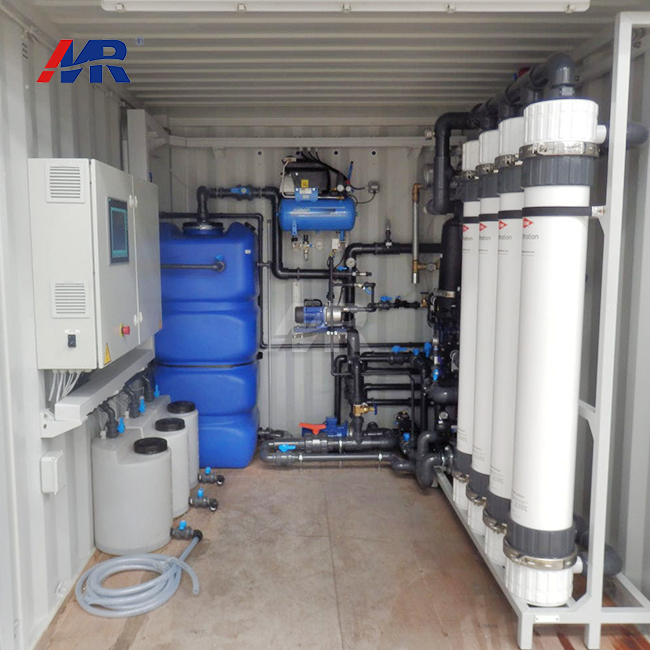 VIEW MOREcontainerized ultrafiltration equipment
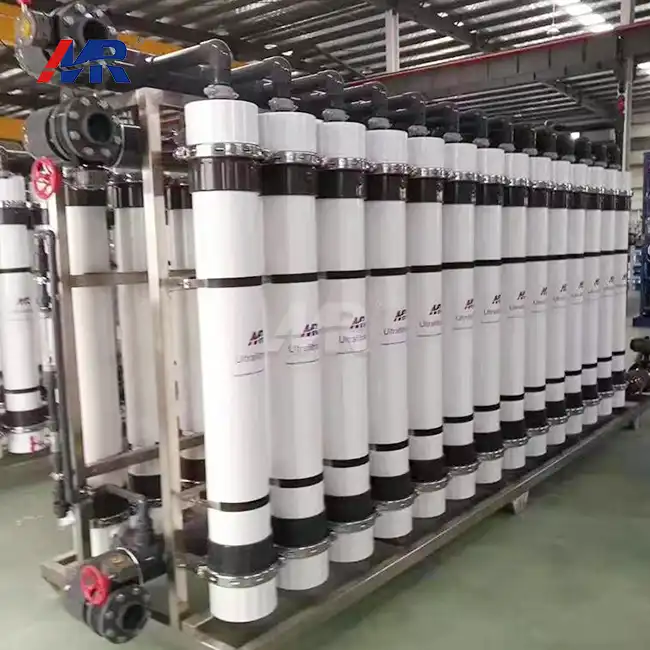 VIEW MORE70m3/hour ultrafiltration plant
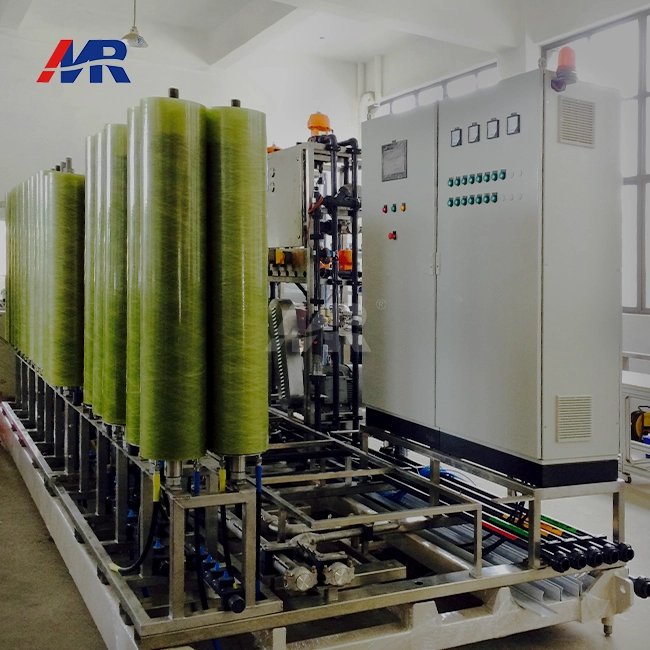 VIEW MOREDTRO Elements
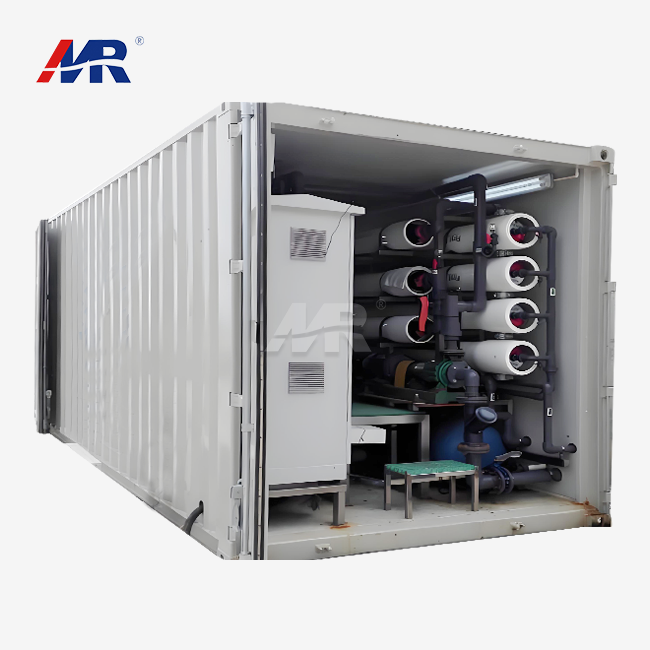 VIEW MOREcontainer seawater desalination equipment
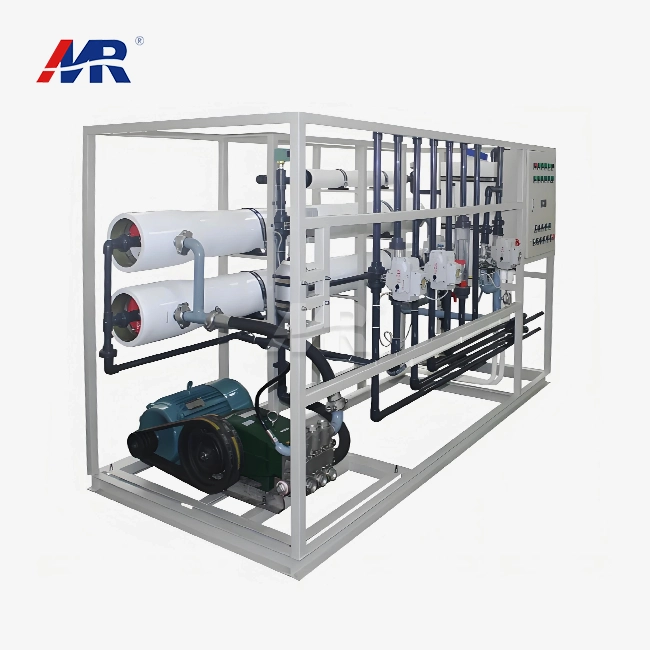 VIEW MOREseawater desalination pre-treatment
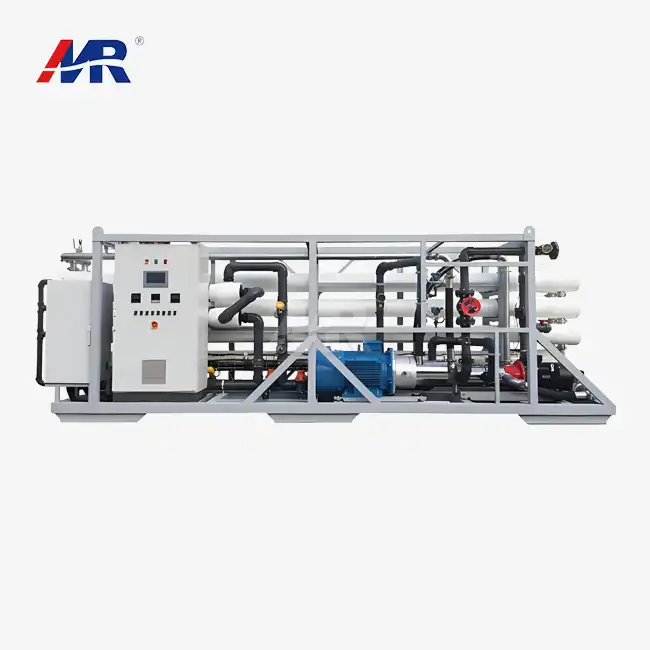 VIEW MORE15m3/hour seawater desalination system
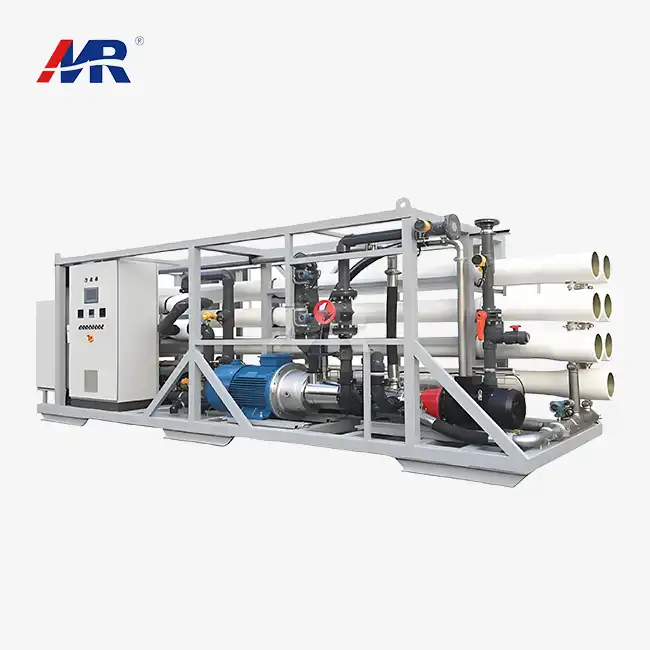 VIEW MORE20m3/hour seawater desalination equipment
 VIEW MORE25m3/hour seawater desalination plant
