

_1745823981883.webp)

Modern Leachate Treatment Methods and Technologies Explained
When waste decomposes in landfills, it creates a challenging byproduct known as leachate—a highly contaminated liquid that threatens groundwater and surface water quality. Modern leachate treatment methods represent sophisticated, multi-stage systems combining biological, chemical, and physical processes to neutralize this toxic effluent. These methods address the unique composition of leachate, which contains elevated levels of Chemical Oxygen Demand (COD), refractory organic compounds, ammonia nitrogen, heavy metals, and dissolved salts. Understanding these treatment approaches is essential for facility managers and procurement decision-makers who face the dual challenge of regulatory compliance and cost management.
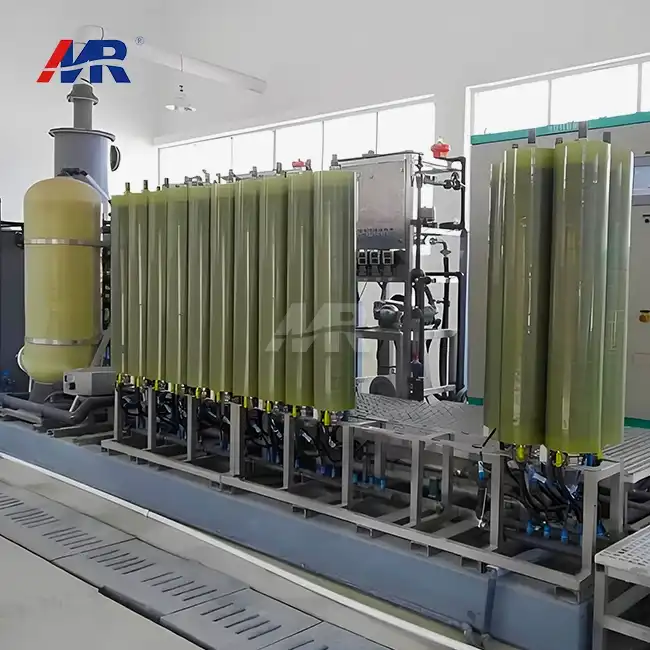
Understanding Landfill Leachate and Its Treatment Challenges
The types of materials breaking down underground, the age of the trash, and the weather can all have a big effect on the leachate that forms in landfills. Most leachate from new landfills is made up of biodegradable organic matter. On the other hand, waste from older landfills is mostly made up of chemicals that don't break down and can't be treated with bacteria.
The Complex Nature of Leachate Contamination
There are four main types of pollution in the contamination profile of leachate. The concentration of organic molecules, which is measured by COD, can range from 2,000 to 60,000 mg/L. Mature leachate has especially difficult-to-remove organics. Nitrogen levels in ammonia often go above 1,500 mg/L, which makes nitrification very hard. When electronics and batteries are thrown away, heavy metals like lead, chromium, and mercury leak into the water. Also, high levels of chlorides and sulphates raise the salinity, which hurts treatment equipment and stops living things from working.
Regulatory and Operational Hurdles
In China (GB16889-2008), the EU Landfill Directive 1999/31/EC, and different EPA rules in the US all have strict rules about how municipal and industrial facilities can discharge waste. These frameworks require that certain toxins be almost completely removed before they can be released. Rainfall changes with the seasons, which causes changes in flow rates that make it hard to plan for the capacity of a cleaning system. Because leachate is very poisonous, it needs to be handled in a certain way and with extra safety precautions. These make operations more complicated and raise the cost of insurance.
Why Standard Wastewater Treatment Falls Short?
Due to its high levels of pollutants and toxicity, landfill leachate can't be treated by regular municipal wastewater treatment plants. The low BOD5/COD ratio in mature leachate—often below 0.1—shows that most of the organic matter is not biodegradable. This means that activated sludge methods don't work very well without a lot of preparation. There need to be specialized medical facilities because of this basic incompatibility.
Comprehensive Overview of Modern Leachate Treatment Methods
Modern methods of cleaning use a mix of tools that are specifically designed to work with leachate. Each method has its own benefits for getting rid of different types of contaminants.
Biological Treatment Systems
Microbial activity is used by biological systems to break down nitrogenous pollutants and biodegradable organic molecules. Sequencing Batch Reactors (SBR) work in controlled cycles of filling, reacting, settling, and decanting. This makes them flexible for situations with changing flow rates. These systems work best with younger waste that has a good BOD/COD ratio. Bioreactors with membranes (MBR) combine biological treatment with microfiltration membranes to produce better effluent while requiring less space. The membrane part keeps the waste inside the reactor, which lets more microbes grow and makes the process work better. Moving Bed Biofilm Reactors (MBBR) use plastic frames that float in the fluid and give biofilm a lot of surface area to grow on. They work well even when toxic chemicals stop planktonic bacteria from moving for a short time.
Chemical Treatment Approaches
Chemical oxidation and precipitation are used as effective leachate treatment methods to get rid of contaminants that are not broken down by living things. Advanced Oxidation Processes (AOP) use hydroxyl radicals made by ozone, hydrogen peroxide, or UV light to break down organics that are hard to break down. When ferrous iron and hydrogen peroxide are mixed together, Fenton's reagent lowers the COD levels in mature leachate before biological treatment. Using aluminum sulfate or ferric chloride for coagulation and flocculation gets rid of heavy metals, colloidal particles, and dissolved solids by neutralizing charges and clumping particles together. Changing the pH level of ammonia strips turns ammonium ions into gaseous ammonia, which is then taken away by aeration towers. This method works especially well for leachate with a lot of ammonium.
Physical Treatment Technologies
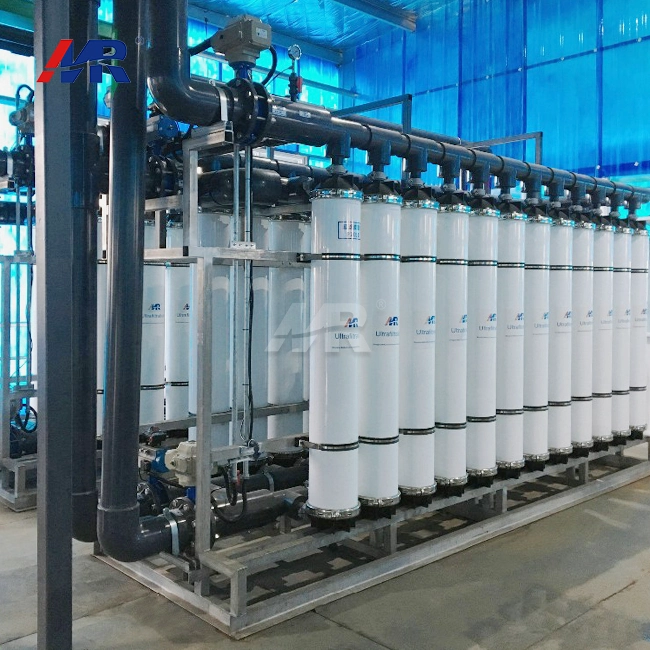
The best way to get rid of contaminants is to use membrane separation methods. More than just spiral-wound membranes, Disc Tube Reverse Osmosis (DTRO) systems are better at dealing with scale potential and high suspended solids. This makes them perfect for leachate uses. DTRO can get rid of over 95% of dissolved salts and most organic compounds. Nanofiltration (NF) membranes are a mix of ultrafiltration and reverse osmosis. They remove divalent ions and bigger organic molecules while letting monovalent salts pass through. When rules or site limitations require it, evaporation systems, especially Mechanical Vapor Recompression (MVR), can concentrate leachate to reach Zero Liquid Discharge (ZLD).
Integrated Hybrid Systems
More and more modern facilities use multi-barrier treatment trains, which use a series of different technologies in a certain order to get the best results. A normal setup might include initial screening and pH adjustment, biological treatment with MBBR or MBR, chemical oxidation to get rid of any remaining organics, and finally membrane filtering to make effluent that is safe for release. This layered method makes sure that legal rules are followed even if some parts of the process have short-term changes in how well they work.
Comparing Leachate Treatment Technologies: How to Choose the Best Method?
To choose the right treatment facilities, you need to carefully look at site-specific factors that go beyond the original cost of capital.
Assessing Leachate Characteristics
A full lab test should find out about COD, BOD5, ammonia nitrogen, heavy metals, pH, conductivity, and dissolved solids. The biological treatability is based on the BOD5/COD ratio. Ratios above 0.4 favour biological methods, while ratios below 0.1 require chemical or membrane cleaning. Seasonal sampling finds patterns of variation that help with planning for capacity.
Economic Considerations
The initial cost of membrane systems is usually 40–60% higher than biological treatment alone. However, the ongoing costs may be cheaper because fewer chemicals are used and the quality of the effluent is better, which means that discharge fees are avoided. Energy use varies a lot. For example, organic systems need between 0.5 and 1.5 kWh per cubic meter, while membrane processes may need between 2 and 4 kWh per cubic meter. For a 15- to 20-year lifecycle cost study, membrane replacement cycles should be taken into account. For DTro membranes, these cycles usually last two to three years, and for mbr membranes, they usually last five to seven years with the right Chemical-In-Place (CIP) cleaning procedures.
Site and Regulatory Constraints
Large biological treatment ponds may not be possible on some plots of land, so small membrane or chemical systems are more likely to work. These leachate treatment methods can be selected based on site conditions, available space, and required discharge standards. The weather affects how well biological treatment works. For example, when it's below zero, operations need bioreactors that are protected and have heating systems, which could use waste heat from petrol engines in landfills. The location of the discharge determines the quality standards that must be met. For example, direct discharge into a river needs stricter treatment standards than transport to municipal plants.
Technology Maturity and Support
Technology that has been tried and tested and has a history of working well lowers organizational risk. Long-term success depends a lot on how reliable your suppliers are, how easy it is to get spare parts, and how close you are to expert help. Facilities should give more weight to vendors who offer full service agreements that cover regular maintenance, emergency response, and performance guarantees.
Designing and Procuring Modern Leachate Treatment Plants
For a project to be completed successfully, engineering teams, procurement workers, and management staff must work together from the very beginning.
Modular and Scalable Design Principles
The landfill's treatment capacity should be able to handle the amount of leachate that is expected over its active life plus the time it takes to close, which is usually 30 to 50 years. Modular design lets you gradually increase capacity as trash loads rise, so you don't have to make a big investment all at once. Containerised treatment units are mobile and can be used in temporary locations or for sample tests before going live on a large scale.
Critical Procurement Evaluation Criteria
Before a vendor is qualified, they should show that they have worked on similar projects with leachate of the same type and amount. Certifications like ISO 9001 for quality management and ISO 14001 for environmental management show that a business follows a set of rules for running its operations. Technology certifications from groups like NSF International or the CE mark show that it meets safety and performance standards. Reference site visits let you see how operations are running firsthand and talk to current customers about how reliable the service is.
Turnkey Solutions and Service Agreements
Complete packages that include providing the equipment, doing the groundwork, installing it, commissioning it, teaching the operators, and providing initial operating support make the project delivery process easier and make it clear who is responsible for what. Performance-based service contracts ensure effluent quality, uptime rates, and energy usage, which aligns the interests of the provider with the success of the operation. Maintenance deals that cover preventative maintenance, the sale of spare parts, and emergency repair services protect against problems that happen when you least expect them.
Real-World Implementation Success
A municipal solid waste facility in the southeast of the United States set up a hybrid treatment system that uses both MBBR biological treatment and DTRO membrane polishing to deal with 250 cubic meters of mature leachate every day. The combined method made sure that strict discharge limits for ammonia (below 5 mg/L) and COD (below 100 mg/L) were always met, even when flow rates changed with the seasons. The facility got full construction services and ongoing expert support from Guangdong Morui Environmental Technology. This cut down on the time it took to get up and running and improved operating factors during the first year, which is a very important time.
Best Practices for Efficient and Sustainable Leachate Management
Long-term business success relies on proactive management strategies that go beyond choosing the right technology.
Continuous Monitoring and Adaptive Control
Instruments that measure pH, conductivity, dissolved oxygen, and oxidation-reduction potential in real time make it possible to respond quickly to changes in the process. Based on the features of the influent, automated control systems used in leachate treatment methods change the amounts of chemicals added, the rates of ventilation, and the times of hydraulic retention. Regular testing in a lab of the influent and effluent makes sure that rules are being followed and finds new patterns that need process changes. Data logging and trend analysis show patterns in weather changes and equipment performance declines before they happen.
Preventive Maintenance Programs
Chemical-In-Place (CIP) protocols for scheduled membrane cleaning keep flux rates stable and increase membrane life. Biological systems need to lose biomass, have their mixers inspected, and have their diffusers cleaned on a regular basis in order to keep working well. Manufacturers of equipment usually give suggestions for maintenance plans that balance how often upkeep needs to be done with how much it affects operations.
Regulatory Compliance and Risk Mitigation
Keeping thorough operating records that show the results of daily monitoring, repair work, and any deviations from normal parameters shows that you did your job correctly during regulatory reviews. Discharge breaches can be avoided by having backup plans for things like power outages, broken equipment, and extreme weather. To protect against the worst-case scenarios, keep money set aside or get insurance for environmental risk.
Embracing Digital Transformation
Industrial Internet of Things (IIoT) sensors, cloud-based data analytics, and the ability to watch from afar are being used more and more in modern treatment centers. These digital tools make it possible for predictive maintenance, which plans repairs based on how the equipment is actually working instead of just picking random times. Expert help from afar lets trained technicians figure out what's wrong and show on-site staff how to fix it without having to fly.
Conclusion
Modern leachate treatment methods require complex, multistage systems that are tailored to the waste at the site, the rules that apply, and the limitations of the operation. Biological methods are a cheap way to treat younger leachate, while membrane technologies and chemical processes are better at dealing with the tough compounds that are common in older leachate. Integrated hybrid systems are the most reliable way to make sure that regulations are always followed. A thorough description, careful vendor selection, and a commitment to proactive operational management are all important for a successful implementation. As environmental regulations get stricter and landfill operations last for decades, it becomes not only necessary for the environment but also a smart business move to invest in treatment infrastructure that has been used before and has reliable Technical support.
FAQ
1. Why are biological leachate treatment methods alone insufficient for mature landfills?
A BOD5/COD number below 0.1 shows that mature leachate is mostly made up of organic molecules that don't break down. These stubborn substances can't be broken down by biological processes, so the waste has a lot of colour and COD that is still there. To meet outflow guidelines, a membrane filter or advanced oxidation is needed. The low biodegradability is because microbes have been breaking down the material for years, leaving behind complex chemical structures and humic substances that can't be broken down by microbes anymore.
2. What is the typical lifespan of membranes in leachate treatment systems?
How long a membrane lasts depends a lot on how well it was treated before it was cleaned. DTRO membranes that deal with leachate that has already been handled usually last two to three years before they need to be replaced because the flux decreases. In general, MBR membranes last between 3 and 5 years. Chemical-In-Place (CIP) cleaning with alkaline and acidic solutions on a regular basis gets rid of dirt and grime and keeps performance high. If a facility doesn't do enough pretreatment, the membrane could fail within 12 to 18 months because of permanent fouling or damage from abrasive particles.
3. How do these methods handle high ammonia levels?
When leachate is fully developed, it often has ammonia levels higher than 1,500 mg/L, which means that it needs special nitrogen removal. Anoxic/oxic (A/O) is a biological process that changes ammonia to nitrate and nitrogen gas. It does this by switching between aerobic zones, where nitrate is formed, and anoxic zones, where ammonia is reduced. For very high amounts, physical ammonia stripping towers are an option. They raise the pH above 11 to turn ammonium into gaseous ammonia, which is then removed by air stripping before biological treatment.
Partner with Morui for Advanced Leachate Treatment Solutions
Guangdong Morui Environmental Technology is an expert at creating and putting in place custom wastewater treatment systems that can handle the most difficult leachate profiles. In both industry and urban settings, our engineering team has successfully put membrane bioreactors, DTRO systems, and integrated treatment trains to work. As a well-known provider of leachate treatment methods with 14 regional branches and more than 500 dedicated professionals, we offer full turnkey services from the initial assessment to installation, commissioning, and ongoing operational support. Our ability to make our own tools and a membrane production plant ensures quality control and reasonable pricing. Email our technical team at benson@guangdongmorui.com to talk about your unique leachate problems and get a solution plan based on our 20 years of experience treating water.
References
1. Renou, S., Givaudan, J.G., Poulain, S., Dirassouyan, F., and Moulin, P. (2008). "Landfill Leachate Treatment: Review and Opportunity." Journal of Hazardous Materials, Vol. 150, Issue 3, pp. 468-493.
2. Kulikowska, D., and Klimiuk, E. (2008). "The Effect of Landfill Age on Municipal Leachate Composition." Bioresource Technology, Vol. 99, Issue 13, pp. 5981-5985.
3. Deng, Y., and Englehardt, J.D. (2006). "Treatment of Landfill Leachate by the Fenton Process." Water Research, Vol. 40, Issue 20, pp. 3683-3694.
4. Wiszniowski, J., Robert, D., Surmacz-Gorska, J., Miksch, K., and Weber, J.V. (2006). "Landfill Leachate Treatment Methods: A Review." Environmental Chemistry Letters, Vol. 4, Issue 1, pp. 51-61.
5. Trebouet, D., Schlumpf, J.P., Jaouen, P., and Quemeneur, F. (2001). "Stabilized Landfill Leachate Treatment by Combined Physicochemical-Nanofiltration Processes." Water Research, Vol. 35, Issue 12, pp. 2935-2942.
6. Kurniawan, T.A., Lo, W.H., and Chan, G.Y.S. (2006). "Physico-Chemical Treatments for Removal of Recalcitrant Contaminants from Landfill Leachate." Journal of Hazardous Materials, Vol. 129, Issues 1-3, pp. 80-100.
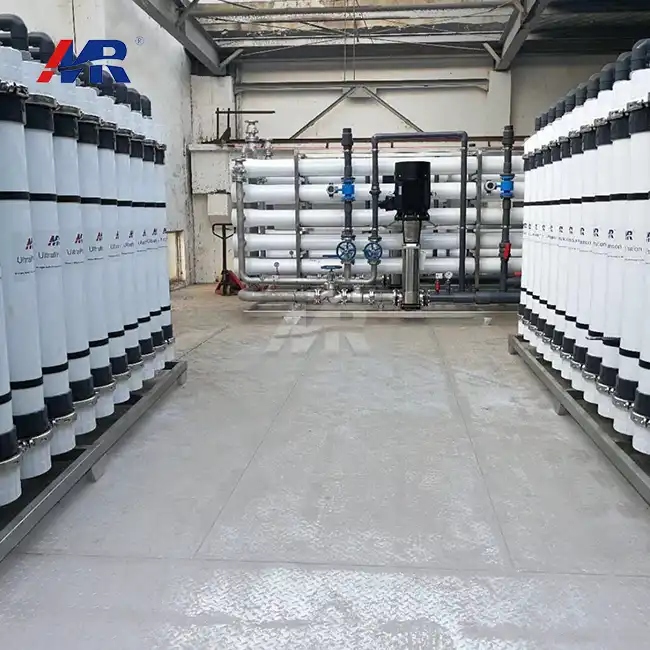 VIEW MORE2000m3/day ultrafiltration equipment
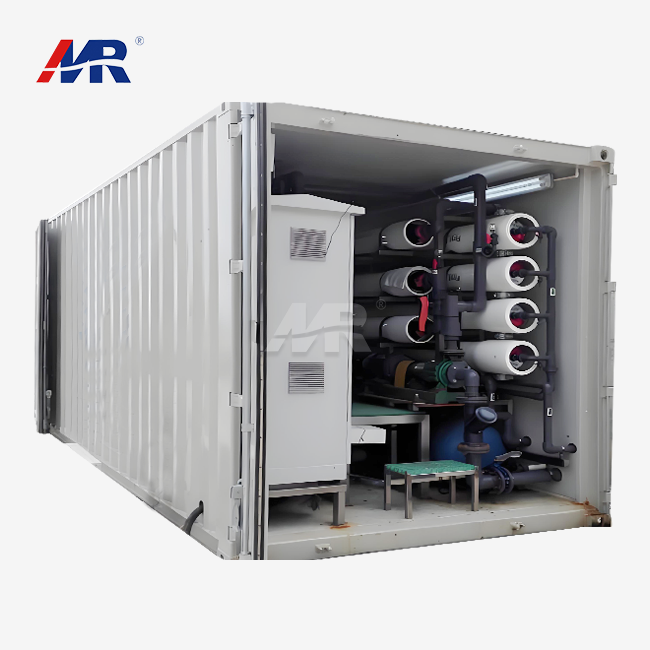 VIEW MOREcontainer seawater desalination equipment
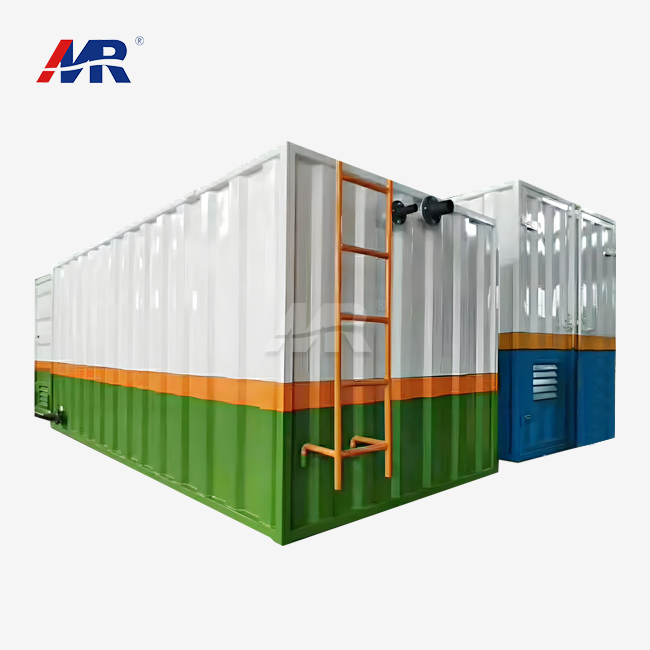 VIEW MOREindustrial sewage treatment plant
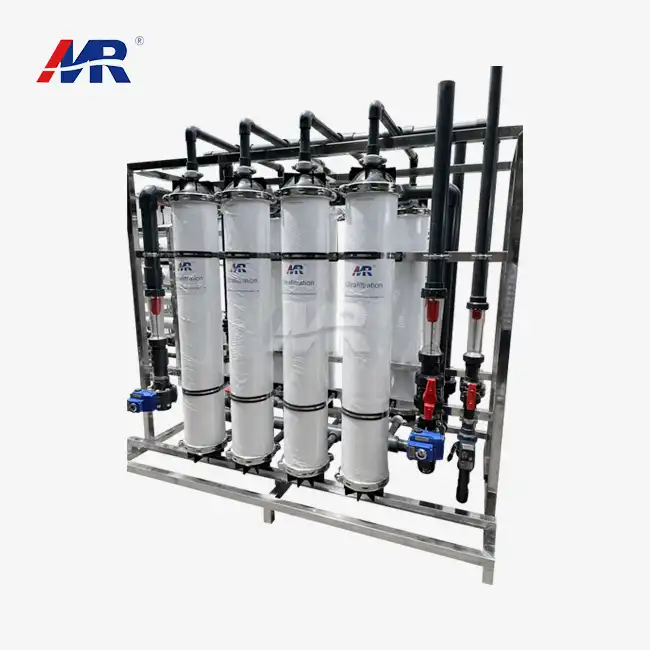 VIEW MORE15T/H ultrafiltration system
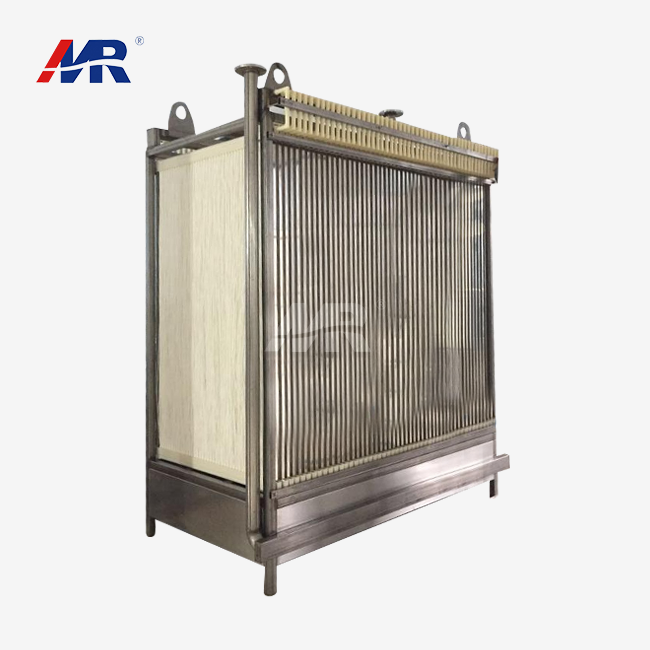 VIEW MOREmembrane bioreactor mbr
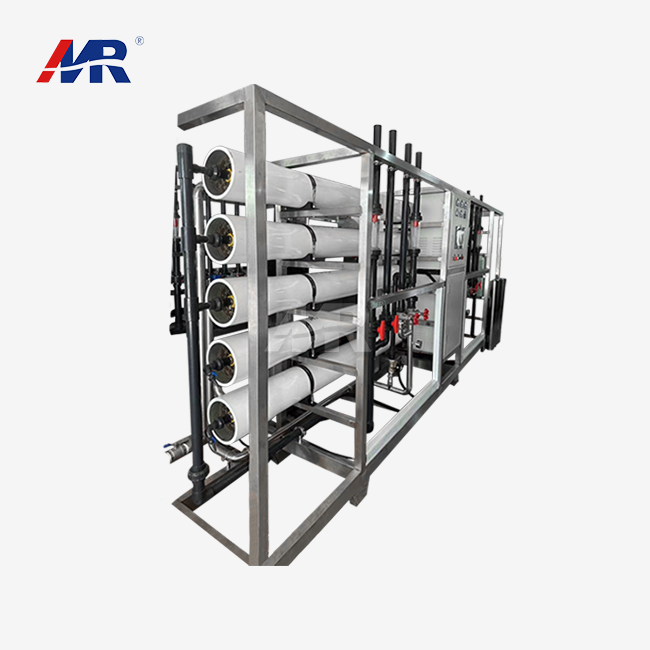 VIEW MOREhighest rated reverse osmosis system
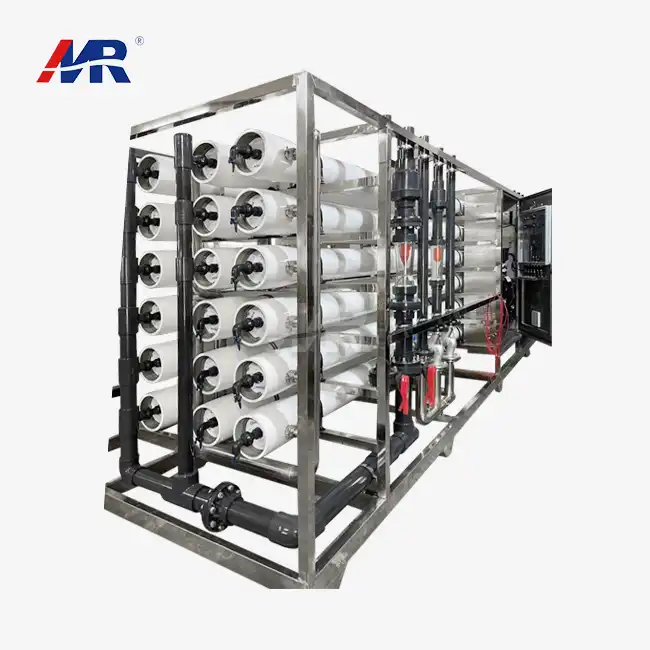 VIEW MORE100m3/hour reverse osmosis equipment
 VIEW MOREultrafiltration equipment
