_1745823981883.webp)

How Biological Wastewater Treatment Secondary Treatment Works
Wastewater treatment secondary treatment represents the core biological purification stage where indigenous microorganisms—primarily bacteria and protozoa—consume dissolved organic contaminants left after primary sedimentation. This critical phase removes 85-95% of Biological Oxygen Demand (BOD) and suspended solids by creating controlled environments where aerobic or anaerobic organisms break down organic matter into simpler compounds. The process transforms sewage from food processing, pharmaceutical production, or municipal sources into significantly cleaner effluent, preventing oxygen depletion in receiving water bodies and protecting public health. Understanding how this biological stage functions helps procurement professionals select systems that balance treatment efficiency with operational costs.
Understanding Biological Secondary Treatment in Wastewater Treatment
The Core Biological Mechanism
Creating large groups of bacteria that naturally break down organic pollution is what secondary biological treatment is all about. In activated sludge systems, wastewater goes into aeration tanks. There, billions of bacteria eat the sugars, fats, proteins, and other carbon-based compounds that have been dissolved. Through respiration, these microbes turn organic matter into carbon dioxide, water, and new cell material. The mixed liquor that is made up of cleaned water and microbial flocs then moves to secondary clarifiers, which separate the clean wastewater from the concentrated sludge by gravity. Some of this active biomass is recycled back into the aeration tank. This keeps the microorganism concentrations at the best level for continuous treatment, which is between 2,500 and 4,500 mg/L.
Key Process Parameters
Biological treatment that works relies on carefully controlling a number of factors that are all linked. The food-to-microorganism ratio tells us how much organic matter each unit of biomass takes in, which has a direct effect on how well the waste is removed. In most systems, the hydraulic retention time (HRT) controls how long wastewater stays in touch with active cultures. In these systems, HRT is usually between 4 and 8 hours. The average amount of time microorganisms stay in the system is measured by sludge retention time. This time affects the species composition and treatment capabilities. To keep aerobic metabolism going, dissolved oxygen levels must stay above 2 mg/L. This means that the fluid must be constantly aerated with motorised diffusers or surface aerators. Temperature has a big effect on microbial activity. Nitrifying bacteria are especially sensitive to temperatures below 10°C, which means that yearly changes in operations are needed.
Trickling Filter Alternative
In addition to activated sludge, trickling filters are an easier biological way to treat wastewater. Biofilms are grown on stationary surfaces that the wastewater flows over. The plastic or rock media in these fixed-film reactors give microbes a lot of places to stick themselves. Microorganisms take in and break down organic molecules as wastewater flows over the biofilm. This happens while air moves naturally or through forced airflow. Since aeration happens passively, this method uses less energy than activated sludge systems. This makes it a good choice for smaller installations or places with extra space. The treatment usually gets rid of 65 to 85% of the BOD, which is good for moderately strong wastewaters from food processing or light industry.
Comparative Analysis of Secondary Treatment Methods
Activated Sludge Systems versus Trickling Filters
To choose between these main biological ways in wastewater treatment secondary treatment, you have to look at a number of economic and performance factors. When it comes to removing biological oxygen demand (BOD), activated sludge works better than trickling filters, reducing it by 90–95%. However, activated sludge uses a lot more energy—0.4 to 0.6 kWh/m³ on average for continuous aeration—while passive ventilation in trickling filters only uses 0.1 to 0.2 kWh/m³. Because of higher loading rates and more compact reactor designs, activated sludge takes up 50–70% less land area, which makes it better for installations in cities or industrial places with limited space. Trickling filters work well in places where energy costs are more of a concern than space constraints, like breweries, wineries, or rural municipal facilities that process moderate amounts of organic waste.
Aerobic versus Anaerobic Treatment Pathways
Choosing between biological treatment that needs oxygen and treatment that doesn't need oxygen has a big impact on how the system is designed and how well it works. Aerobic systems are very good at getting rid of soluble organic compounds and nitrification, which changes ammonia into nitrate to get rid of nitrogen. These methods make a lot of extra sludge that needs to be thrown away. For every kg of BOD cleared, they usually produce 0.4 to 0.6 kg of biomass. Anaerobic treatment doesn't need any air to work, so it uses very little energy and is good for treating strong industrial wastewater from medicines, chemicals, or food production. Anaerobic digestion creates biogas that is high in methane and can be used as a source of energy. However, it also creates 0.1 to 0.2 kg of sludge for every kg of BOD that is removed. Pharmaceutical and petroleum companies are using anaerobic pretreatment more and more for concentrated waste streams before aerobic polishing. This lowers the cost of treatment and is better for the environment.
Membrane Bioreactor Advanced Integration
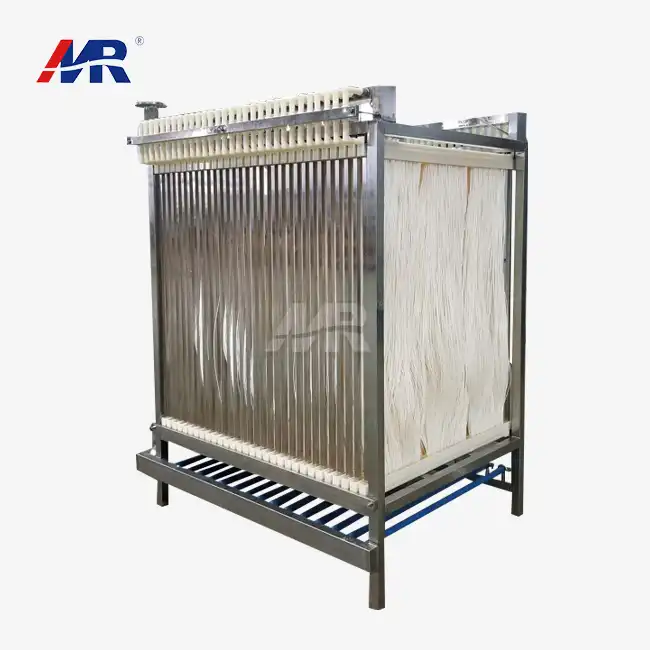
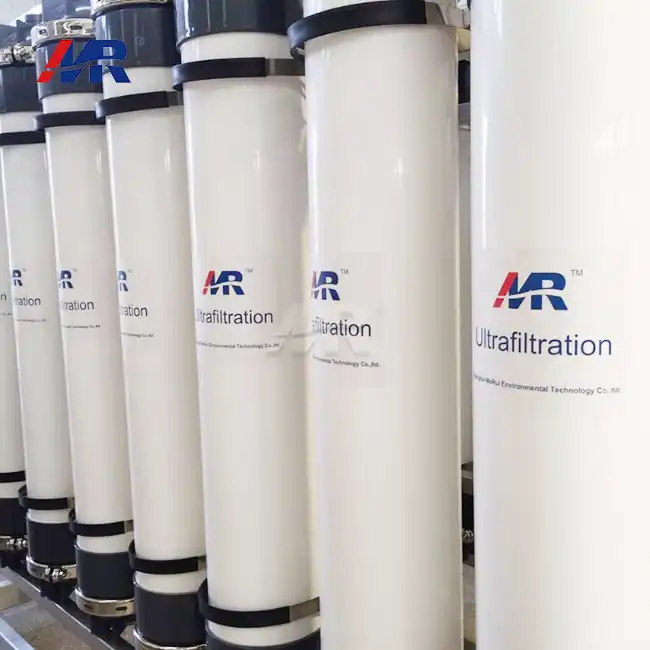
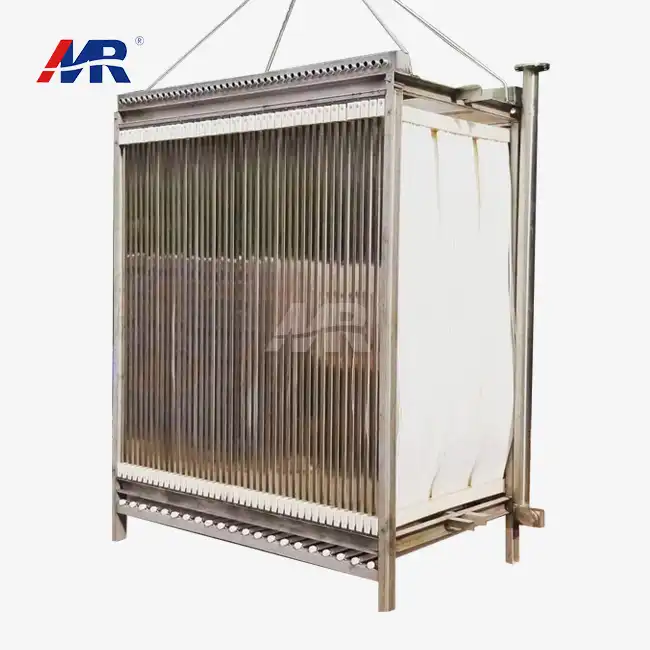
membrane bioreactors are the next step forward for traditional activated sludge because they use microfiltration or ultrafiltration membranes instead of gravity clarifiers. This setup keeps the concentration of mixed liquor suspended solids between 8,000 and 12,000 mg/L, which is twice or three times what normal systems can do. It also cuts the reactor volume by 60–70%, which is a huge difference. MBR technology creates very high-quality wastewater with turbidity below 1 NTU and almost full pathogen removal. This meets strict release standards or allows direct water reuse in projects that make electronics, medicines, or clean up cities. Fouling on the membrane is still the biggest problem, and it needs to be cleaned with chemicals regularly and replaced every 5 to 7 years. When procurement teams look at MBR solutions, they should keep in mind that they have higher initial costs, but they also have smaller footprints and better effluent quality, which is especially helpful for facilities with limited land or that need advanced treatment.
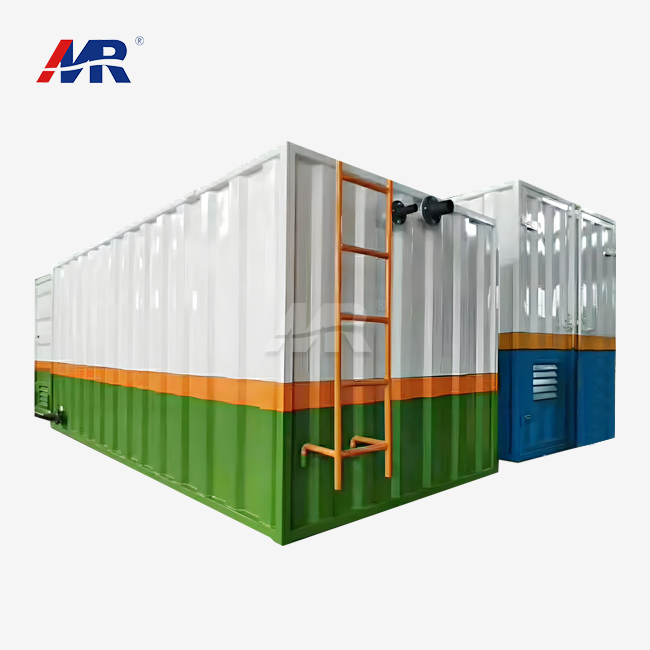
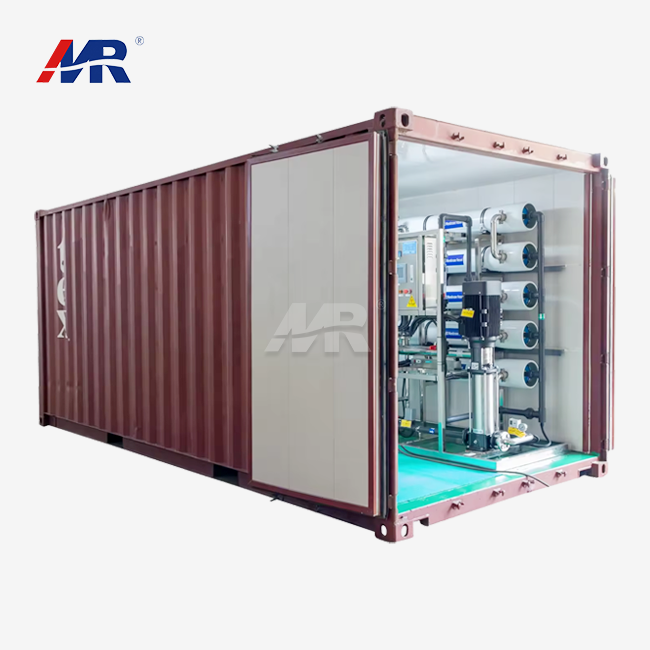
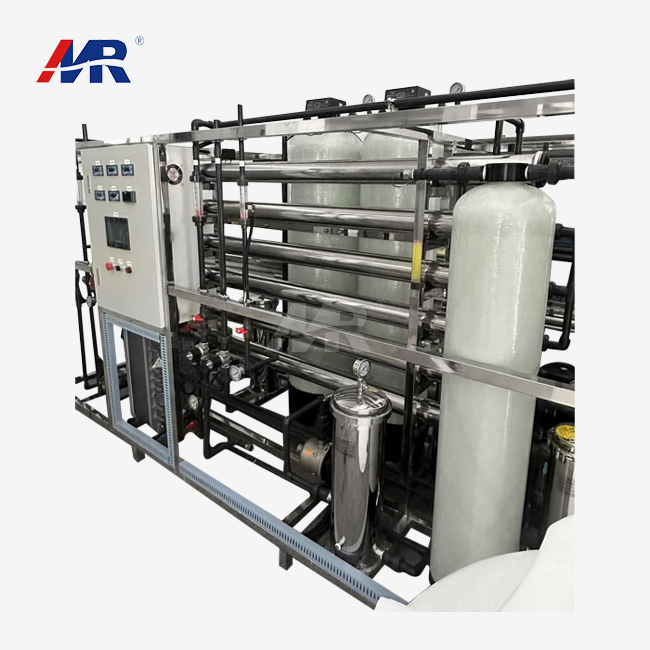
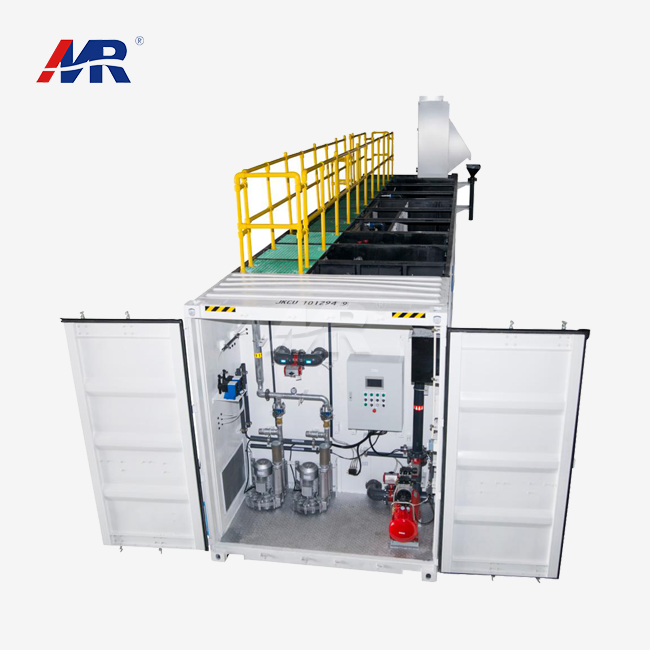
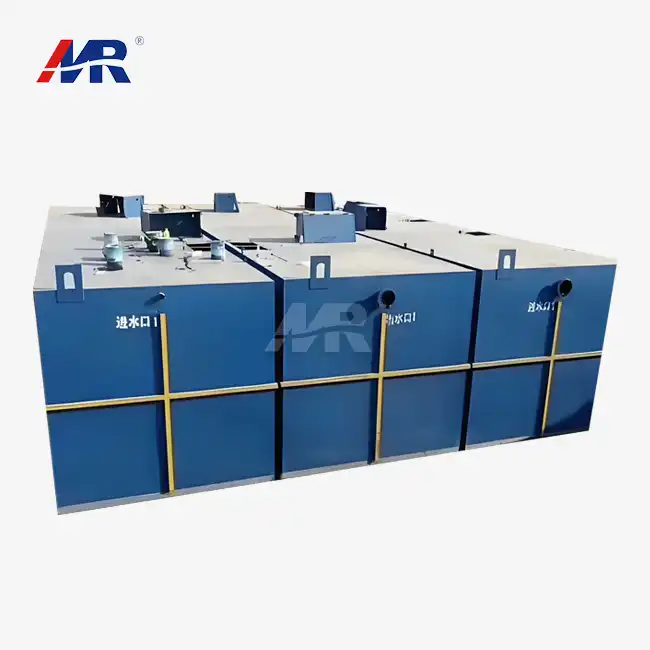
These tried-and-true technologies are used in our biological treatment systems at Morui. They can handle up to 10,000 m³/day and can be used in a wide range of settings, from small food processors to big city plants. As production grows, the flexible design lets it be expanded, and automated controls keep biological performance at its best with little help from an operator.
Key Operational and Performance Considerations
Regulatory Compliance Requirements
Meeting standards for release guides the design and running of wastewater treatment secondary treatment in all fields. The U.S. Environmental Protection Agency sets Secondary Treatment Regulations (40 CFR Part 133) that say local sites must have effluent BOD5 and Total Suspended Solids below 30 mg/L. However, different states often have tighter rules. Industrial dischargers have to follow pretreatment standards that are specific to their industry. For example, pharmaceutical facilities have to deal with antibiotic residues, food processors have to control nutrient loading, and electronics manufacturers have to get rid of trace organics. Continuous tracking systems keep an eye on factors like pH, dissolved oxygen, temperature, and wastewater quality. They also make compliance records that need to be sent to regulators. Penalties for not following the rules range from $10,000 to $50,000 per day of violation. To avoid financial and social risks, it is important to get accurate biological treatment.
Common Operational Challenges
The most common biological treatment disruption is sludge thickening, which happens when filamentous bacteria beat out regular floc-forming species, making it harder for sludge to settle in clarifiers. Low Food-to-Microorganism ratios, mineral deficits, or low liquid oxygen all make it easier for filamentous growth to happen. Some ways to fix the problem are to change the patterns of aeration, add selector zones to help floc formers, or use controlled chlorine doses to stop filaments without hurting the overall biomass. Too many detergents, too much grease, or certain types of bacteria, like Nocardia, can cause foaming problems that need to be fixed by controlling the source, using surface spray systems, or changing how the system works. Biological stability is affected by changes in temperature. For example, cold weather slows down the nitrification process and may require more sludge retention time or extra warmth in important Cases.
Energy Efficiency and Cost Optimization
Aeration usually uses 45–60% of all the energy used in a wastewater treatment plant, so how well the blowers work is very important for the cost of running the plant. Traditional rotary lobe designs use 20–30% more energy than modern high-efficiency turbo blowers, which means that over multiple years of use, the savings are significant. Instead of running at full capacity all the time, variable frequency drives change the intensity of aeration to match the real-time oxygen demand. This saves even more electricity. Morui's systems only use 0.3 to 0.5 kWh/m³ of energy because they have better control over aeration and use biological kinetics more efficiently. For a facility that treats 1,000 m³ of water every day, this level of efficiency saves between $30,000 and $50,000 a year in energy costs compared to traditional designs. This means that the investment pays for itself in three to five years.
Procurement Insights: Selecting and Sourcing Secondary Treatment Solutions
Essential Equipment Components
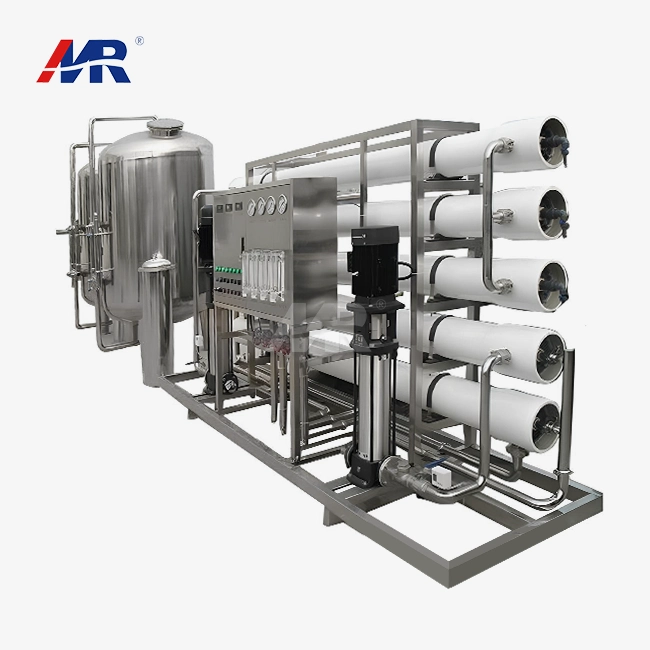
For biological medicine to work, several important types of tools must be used together. Aeration systems are made up of blowers, diffusers, and networks of pipes that give oxygen to microorganisms. Prices range from $150,000 to $500,000, based on how much oxygen the system can treat and how well it works. Secondary clarifiers separate treated wastewater from biomass. They need special ways to collect sludge and overflow weirs that are the right size for the hydraulic loading rates. Return-activated sludge pumps move concentrated microorganisms from clarifiers back to aeration tanks, making sure that the right levels of biomass are maintained. Instruments for process control, such as dissolved oxygen sensors, flow meters, and automated valve systems, make sure that biological processes work at their best while reducing the amount of work that needs to be done. Professionals in charge of buying things should look at how well the whole system works together instead of just individual parts. They should also make sure that sellers guarantee compatibility and performance.
Supplier Evaluation Criteria
It's important to look at more than just price when choosing reliable suppliers of wastewater treatment secondary treatment equipment. To make biological systems work with specific types of wastewater, like that from pharmaceutical compounds, food processing organics, or industrial chemicals, you need to know a lot about technology. Look for suppliers that have installed their Products in your industry before. This shows that they know how to deal with operational challenges and regulatory requirements. Service infrastructure is very important because biological systems need ongoing technical help, access to repair parts, and the ability to respond to emergencies. Financial stability and warranty terms protect procurement investments. Reputable manufacturers offer performance guarantees and 2–5 year warranties on equipment. Morui is a supplier with more than 14 locations and more than 500 workers, including 20 specialized engineers. They offer full project support from the initial planning phase to long-term service contracts and installation.
Installation and Integration Considerations
When upgrading old treatment plants or building new ones, it's important for equipment providers, civil contractors, and process experts to work together carefully. To get a site ready, you have to look at the soil conditions, the utilities that are available, and how it will fit in with the current primary and secondary treatment stages. Hydraulic shaping makes sure that there is good gravity flow between treatment units, which cuts down on the need for pumps and energy costs. For aeration fans and pumps, the electrical infrastructure needs to be able to handle large motor loads. For important projects, this often means using dedicated transformers and backup power systems. Complete biological treatment setups usually take between 6 and 12 months to build. Modular systems shorten this time by pre-assembling parts in the workshop. Clear milestone payments tied to outputs should be set up in procurement strategies. This will protect project funds and make sure that suppliers are committed to sticking to the schedule.
Conclusion
The most important part of modern effluent management is biological wastewater treatment secondary treatment, which uses bacterial metabolism to get rid of organic pollutants and protect the ecosystem. When procurement professionals understand how activated sludge systems, trickling filters, and advanced membrane bioreactors work, they can choose technologies that meet the needs of their industries and meet regulatory requirements. Careful supplier selection and system integration are key to a successful application that balances the speed of removal, the amount of energy used, the amount of space available, and the long-term costs of running the business. As new ideas keep coming up in automation, recovering resources, and low-energy processes, smart purchasing relationships with experienced manufacturers make sure that you can get the tried-and-true technologies that work well and help you meet your sustainability goals.
FAQ
1. What causes biological treatment systems to fail unexpectedly?
Sudden failures usually happen when toxic shock loads wipe out microbial populations, when hydraulic overloads are too high, or when microorganisms go without food for a long time. When highly concentrated chemicals leak into collection systems by mistake and kill sensitive bacteria, industrial facilities get toxic shocks. Adding equalisation tanks evens out changes in the influent, and source control programs keep harmful substances from getting into treatment systems. Keeping healthy seed sludge supplies on hand lets living things quickly recover from problems.
2. How does temperature impact treatment performance in different climates?
When it's below 10°C, nitrifying bacteria work much more slowly, and they remove 40–60% less ammonia than they do in the summer. To make up for it, operators extend the sludge retention time, which lets nitrifiers that grow more slowly build up enough populations. Some sites in the north use covered reactors with extra warmth to keep their output steady all year. On the other hand, temperatures above 35°C can be hard on mesophilic bacteria, which is why cooling steps are sometimes needed in hot or desert settings.
3. What differentiates municipal and industrial biological treatment requirements?
Standardised activated sludge designs can be used with municipal waste because it has stable amounts of chemicals and organic matter. Depending on the producing process, industrial wastewater has very different levels of power, temperature, pH, and chemical make-up. Pharmaceutical plants need systems that can deal with antibiotic residues, food processors need high-rate designs that can handle large amounts of organic matter, and chemical manufacturers may need special biomass that can handle synthetic compounds. Instead of off-the-shelf city designs, biological treatment engineering that is tailored to industrial needs is needed.
Partner with Morui for Advanced Biological Treatment Solutions
Guangdong Morui Environmental Technology is an expert at providing complete wastewater treatment secondary treatment systems engineered specifically for industrial and municipal applications across North America. Our biological treatment platforms can get rid of up to 99% of BOD, COD, and dissolved solids while using only 0.3 to 0.5 kWh/m³ of energy. This is possible because the design of the process is optimised. Our modular systems can clean up to 10,000 m³ per day, and they can be easily expanded to meet the needs of your building now and in the future. As a well-known company that has its own membrane production facility and works with top component brands like Shimge Water Pumps and Runxin Valves, we offer full turnkey services that include designing the process, installing and commissioning the equipment, and providing ongoing Technical support. Our Team of 20 specialized engineers has a lot of experience with biological treatment in the pharmaceutical, food and beverage, chemical production, and municipal wastewater industries. They will make sure that your investment in biological treatment meets all regulations and runs smoothly. Get in touch with us right away at benson@guangdongmorui.com to talk about your specific wastewater problems and get a detailed technical proposal that shows how our tried-and-true biological treatment solutions can help you reach your business and environmental goals.
References
1. Metcalf & Eddy, Inc. (2014). Wastewater Engineering: Treatment and Resource Recovery (5th Edition). McGraw-Hill Education.
2. Water Environment Federation (2018). Design of Municipal Wastewater Treatment Plants: Manual of Practice No. 8 (6th Edition). WEF Press.
3. Henze, M., van Loosdrecht, M.C.M., Ekama, G.A., and Brdjanovic, D. (2008). Biological Wastewater Treatment: Principles, Modelling and Design. IWA Publishing.
4. United States Environmental Protection Agency (2021). Nutrient Control Design Manual: State of Technology Review Report. EPA Office of Water.
5. Tchobanoglous, G., Stensel, H.D., Tsuchihashi, R., and Burton, F. (2013). Wastewater Engineering: Treatment and Resource Recovery (International Edition). McGraw-Hill.
6. Judd, S. and Judd, C. (2011). The MBR Book: Principles and Applications of Membrane Bioreactors for Water and Wastewater Treatment (2nd Edition). Elsevier.