

_1745823981883.webp)

Industrial Ultra Filtration System: Benefits and Applications
An ultra filtration system represents a transformative membrane technology addressing critical water purification challenges across industrial operations worldwide. Utilizing hollow fiber PVDF membranes with pore sizes between 0.01 and 0.1 microns, this pressure-driven separation process removes suspended solids, bacteria, viruses, and macromolecules while preserving essential mineral content. Industries facing stringent water quality requirements—from pharmaceutical GMP compliance to food safety regulations—rely on ultrafiltration as a robust physical barrier delivering consistent, pathogen-free water without chemical additives or high energy consumption.
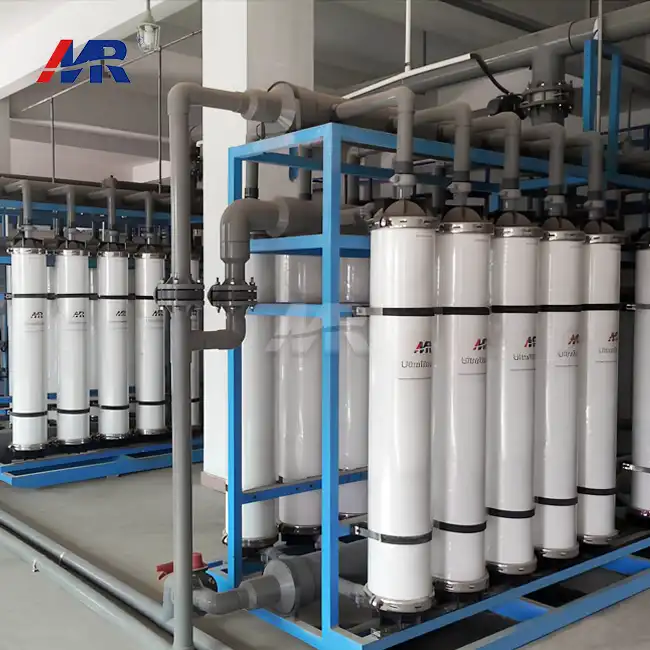
Understanding Industrial Ultrafiltration Systems
Core Technology and Operating Principles
Under mild pressure, industrial ultrafiltration system operations work with semi-permeable membranes that form a selective barrier. The technology works at pressures between 0.1 and 0.3 MPa, which is much lower than reverse osmosis systems. This means that it uses less energy and doesn't need as much infrastructure. The hollow fibre PVDF membranes are very resistant to chemicals across a pH range of 2 to 11. This means that they can be used in both acidic and basic commercial settings without breaking down.
System Components and Configuration
A complete ultra filtration system has many useful steps that work together in a planned order. Large particles are removed during pre-treatment, which protects membrane surfaces from damage caused by mechanical forces. The feed pump keeps the transmembrane pressure steady, and ultrafiltration membrane units do the real separation. Backwash systems that are automated change the direction of flow every so often. This gets rid of any contaminants that have built up and keeps the permeate flux rates between 40 and 100 L/m²/h. The Clean-in-Place (CIP) system uses chemical cleaning procedures without taking anything apart. This means that maintenance processes have less downtime.
Membrane Characteristics and Performance Metrics
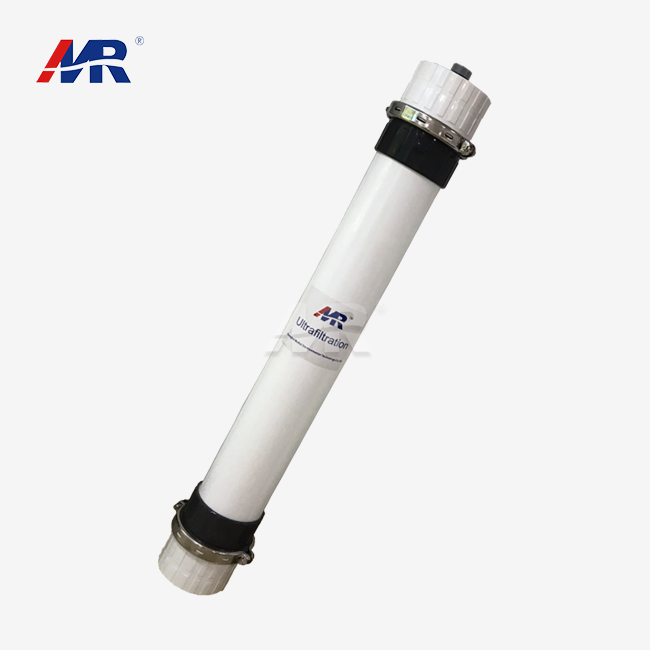
Compared to other polymers, PVDF membrane material is more hydrophilic, which means it doesn't let organic matter stick to it as much. It's possible to customize the treatment capacities from 1 m³/h for lab use to 10,000 m³/h for city water plants thanks to the hollow-fiber design, which allows for high packing density in small module housings. A temperature range of 1 to 40°C allows for changes in the seasons and hot process streams. The molecular weight cut-off is usually between 10,000 and 500,000 Daltons. This range keeps bacteria and colloidal particles between 0.2 and 2.0 microns in while letting dissolved salts pass.
Benefits of Industrial Ultrafiltration Systems
Operational Efficiency and Economic Advantages
Modern ultra filtration systems make performance gains that can be measured and have a direct effect on operational budgets and the dependability of production. The technology gets rid of the need for bleach and UV cleaning while killing 99.99% of Cryptosporidium and Giardia cysts, which are harmful germs that can't be killed with chemicals. Because less pressure is needed, 40 to 60 percent less energy is used per cubic meter of processed water than with reverse osmosis. Integrated tracking systems keep an eye on important factors like transmembrane pressure, permeate flow, and turbidity in real time, while automated operation cuts down on labour costs and mistakes made by humans.
Here are the core advantages distinguishing industrial ultrafiltration systems from conventional treatment approaches:
- Contaminant Removal Efficiency: The membrane barrier reduces bacteria by 6-7 logs and viruses by 4-5 logs without any chemicals being added. This meets FDA and EPA pathogen removal standards for direct drinkable refill applications.
- Energy Conservation: Low working pressure means using 0.1 to 0.2 kWh/m³ of energy, while reverse osmosis systems of the same size use 0.5 to 1.0 kWh/m³.
- Space Optimization: Small modular designs of an ultra filtration system cut down on the size of the facility by 50–70% compared to clarification and sand filtration systems used in wastewater treatment secondary treatment processes. This is especially helpful in urban settings where space is limited.
- Operational Simplicity: Automated backwash routines and CIP protocols reduce the need for human work, and programmable logic controls change the working settings based on changes in the quality of the feed water.
- Membrane Longevity: PVDF membranes can work for 5 to 7 years with proper upkeep. The longer service times make up for the higher cost of replacing.
- Customization Flexibility: Modular architecture lets you add more modules in parallel to increase capacity without having to redesign the whole system. This is useful for businesses that are growing and for seasonal demand changes.
These advantages collectively reduce total cost of ownership while enhancing water quality consistency, addressing both financial and operational priorities for procurement decision-makers evaluating treatment technology investments.
Environmental and Regulatory Compliance
Ultrafiltration technology is in line with stricter rules about how industries can discharge waste and reuse water. Unlike chlorination, which makes trihalomethanes, or ozonation, which makes bromate compounds, the physical separation process doesn't make any chemicals that need to be thrown away. Concentrate streams with discarded solids usually only make up 2–5% of the feed volume. This keeps the cost of getting rid of trash to a minimum. Installing systems as secondary treatment steps helps factories reach their Zero Liquid Discharge (ZLD) goals by making high-quality permeate that can be used again in the process or released into the environment and meets surface water standards.
Industrial Ultrafiltration System Applications
Food and Beverage Processing
The food business needs complete microbial safety while also keeping the original qualities of the product. An ultrafiltration system cleans fruit drinks by getting rid of yeast, mold spores, and pulp particles while keeping the vitamins, natural colors, and flavor compounds. uf membranes are used by dairy makers to concentrate milk protein, getting 35–80% protein content in retentate streams. Ultrafiltration is used as a pre-treatment step before reverse osmosis by beverage makers. This keeps the membranes from getting clogged and increases the life of the RO element by getting rid of organic matter and colloidal silica. The technology works at temperatures that are safe for heat-sensitive foods, so the nutritional value and taste of the food are kept the same during processing.
Pharmaceutical and Biotechnology Manufacturing
For preparing ingredients, cleaning equipment, and making Products, pharmaceutical businesses need water that meets the standards set by the United States Pharmacopoeia (USP). Ultrafiltration membranes offer proven log reduction values for endotoxins and bacteria, which helps meet GMP paperwork needs during regulatory inspections. UF systems are used in biotechnology facilities to clean proteins, make cell culture media, and make vaccines, all of which need water that doesn't contain pyrogens. PVDF membranes are chemically compatible and can resist cleaning procedures with hot water (80°C), sodium hydroxide, and peracetic acid, keeping their clean state between production batches.
Municipal Water Treatment and Wastewater Reclamation
To deal with new toxins and drought conditions, municipal utilities all over the world are replacing traditional sand filtration with ultrafiltration through advanced ultra filtration system solutions. Cryptosporidium and Giardia are pathogens that cause waterborne disease outbreaks that chlorination can't always kill. UF systems installed at water treatment plants completely block these pathogens. The technology consistently makes turbidity below 0.1 NTU, even when the quality of the raw water changes, like when there are storms and public water sources get a lot of sediment. Membrane Bioreactor (MBR) designs combine biological treatment with ultrafiltration in wastewater treatment plants, supporting wastewater treatment secondary treatment processes with higher efficiency. These plants make effluent that can be used for commercial purposes, released into the environment in areas with limited water, or indirectly used for drinking.
Electronics and Semiconductor Manufacturing
For photolithography and wafer cleaning, semiconductor manufacturing needs ultrapure water with a resistivity of more than 18 MΩ·cm and less than 1 ppb of total organic carbon. Ultrafiltration is an important step before reverse osmosis and electrodeionization because it gets rid of particles that mess up nanometer-scale circuit patterns. The technology keeps organic matter and granular silica from fouling ro membranes further downstream. This keeps the quality of the permeate fixed and increases the membrane's life. The small size is appreciated by electronics makers because it allows integration in cleanrooms where space is expensive.
How to Choose the Best Ultrafiltration System for Industrial Procurement?
Performance Specifications and Technical Requirements
Before choosing the right ultrafiltration system equipment, you need to know what your water quality goals are and how fast the water needs to move. Teams in charge of buying things should be clear about how well they want to get rid of certain contaminants, like bacteria, turbidity, and total suspended solids, as well as what levels of permeate quality are acceptable. Selecting the right flux rate combines the costs of capital with the benefits of working efficiently. A higher flux lowers the membrane area that needs to be used, but based on the feed water characteristics, it may also make it more likely to foul. Temperature and pH ranges must match the process conditions to make sure that the membrane works at all operational temperatures.
Supplier Evaluation and Quality Assurance
To find trustworthy manufacturers, you need to look at their professional skills, service infrastructure, and name in the industry. Established providers offer a wide range of paperwork, such as performance licenses, material safety data sheets, and test methods that help with regulatory compliance. Having access to Technical support, such as help with setup, operator training, and tools for troubleshooting, is very important during the deployment phase and during ongoing operations. Warranty terms that cover membrane repair, equipment failures, and performance promises protect the value of the investment and show that the maker trusts the product to work well.
Integration with Existing Infrastructure
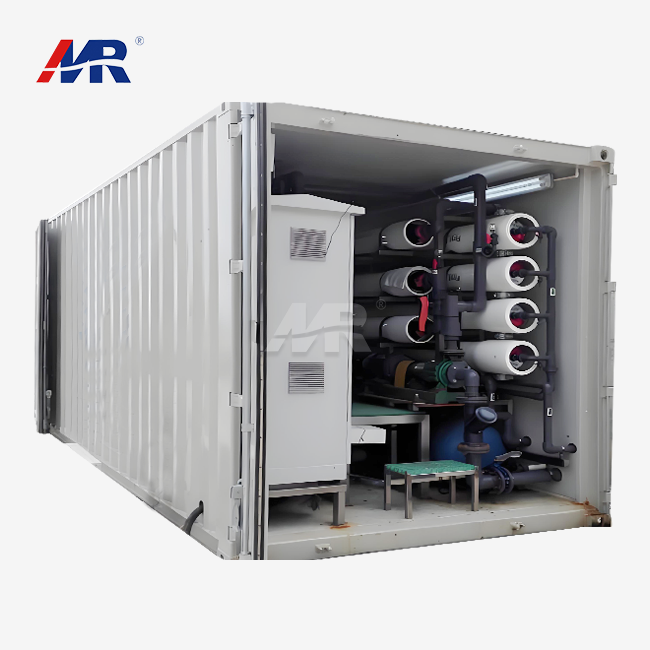
For ultrafiltration to work, it needs to be compatible with current treatment methods and work within the limits of the building. The design of a system depends on how much space is available. Containerized skid-mounted units work well in places with limited floor space, while permanent setups provide the best long-term efficiency. The amount of electricity available, the architecture of automation, and the infrastructure for handling wastewater all affect the specifications and costs of installing equipment. Modular designs make implementation easier because they can be done in stages. This way, capacity can grow along with production without having to buy systems that are too big at first.
Maintenance and Cost Management for Ultrafiltration Systems
Preventive Maintenance Protocols
Maintenance tasks that are done at regular times are necessary for membranes to last and work well all the time. Every day, tracking measures transmembrane pressure differences that show how fouling is spreading and needs to be adjusted by changing the backwash frequency. Using alkaline and acidic cleaning solutions once a week for CIP cycles gets rid of organic deposits and mineral scale, bringing permeate flux back to normal levels. Integrity testing is done every three months to make sure the membrane barrier is still intact. This checks for fibre breaks or seal failures before they affect the quality of the water. Pumps, valves, and sensors are checked once a year, and old parts are replaced before they break down unexpectedly and stop production.
Total Cost of Ownership Analysis
A full financial analysis looks at more than just the original capital costs of an ultra filtration system. It also takes into account the costs of installation, running, and replacing things that break down over time. Costs of installation include buying tools, getting the spot ready, piping, electricity connections, and services for starting up the system. Operating costs include things like electricity, cleaning chemicals, replacing membranes, and labour for regular upkeep. Energy-efficient designs with optimal working pressures lower electricity costs, and membranes that last longer mean that they don't need to be replaced as often. Automated systems require less work, but they require more time to program at first. Facilities should figure out how much it costs to clean one cubic metre over the estimated lifetime of the system, which is usually between 15 and 20 years. This will allow them to accurately compare the cost to other technologies and help financial decision-makers understand the benefits of the investment.
Operational Optimization Strategies
Managing the quality of the feedwater through effective pre-treatment makes the membrane last longer and requires less cleaning. Faster fouling can be stopped by removing large particles, adjusting the pH, and managing the amount of organic matter that is present. When you run below your maximum flux capacity, you can keep the fouling rates steady, which means you can go longer between cleaning cycles. By keeping an eye on specific energy and chemical use, you can see when efficiency is going down and take action before performance goes down even more. Data logging and trend analysis show regular patterns that help plan preventive maintenance for planned downtimes in production, which has the least possible effect on operations.
Conclusion
In conclusion, industrial ultrafiltration systems have been shown to effectively clean water for a wide range of applications, from pharmaceutical-grade purity to public supply safety. This technology combines strong contaminant removal with a small, efficient design that can be changed to fit different needs, from small lab installations to large municipal plants. PVDF hollow fibre membranes that work at mild pressures offer long-term options that use manageable amounts of energy and don't need much upkeep. For implementation to go well, the specifications must be carefully chosen to match the goals for water quality, the supplier must be carefully chosen so that expert support is prioritised, and strict upkeep routines must be followed to get the best return on investment.
FAQ
1. What distinguishes ultrafiltration from reverse osmosis systems?
Ultrafiltration removes particles, germs, and proteins while letting dissolved salts pass. It does this at lower pressures than reverse osmosis, which removes solids that are dissolved in water. UF works well as a pretreatment to keep RO membranes from getting clogged, or it can be used as a treatment on its own when demineralization is not needed.
2. How long do ultrafiltration membranes typically last?
PVDF membranes have working lives of 5 to 7 years if they are properly maintained with chemical cleaning and backwashing on a frequent basis. How long something actually lasts relies on the quality of the feed water, how it is used, and how well it is maintained. Damage from harsh chemicals or physical forces shortens the life of membranes.
3. Can ultrafiltration systems handle variable feed water quality?
Modern ultrafiltration systems have automated controls that change the operating parameters and backwash frequency based on changes in the quality of the feed water. During turbidity spikes, pre-treatment gets rid of too many solids to protect membranes. However, long-term exposure to severely degraded feed water speeds up fouling, which means that the membrane needs to be cleaned more often and may not last as long.
Partner with Morui for Advanced Ultrafiltration Solutions
Guangdong Morui Environmental Technology Co., Ltd. is a leading ultra filtration system manufacturer serving the manufacturing, municipal utilities, pharmaceuticals, and food processing industries. Our 14 branches are run by 20 engineers and 500 hard-working professionals who make unique membrane systems with sizes ranging from 1 to 10,000 m³/h. We have our own facilities for making membranes, so we can keep an eye on quality throughout the whole process. We also provide full turnkey services, which include supplying equipment, installing it, and starting it up. We use only the best parts in our systems because we are authorized dealers for top brands like Shimpe Water Pumps and Runxin Valves. Get in touch with our technical experts at benson@guangdongmorui.com to talk about your unique water treatment problems and get ideas that are tailored to your budget and operational needs.
References
1. Membrane Filtration Guidance Manual, United States Environmental Protection Agency, Office of Water, 2005.
2. Baker, R.W., Membrane Technology and Applications, Third Edition, John Wiley & Sons, 2012.
3. Water Treatment Membrane Processes, American Water Works Association Research Foundation, 1996.
4. Judd, S., The MBR Book: Principles and Applications of Membrane Bioreactors for Water and Wastewater Treatment, Elsevier, 2011.
5. Guidelines for Drinking-Water Quality, Fourth Edition, World Health Organization, 2011.
6. Ultrafiltration and Microfiltration Handbook, Cheryan, M., CRC Press, 1998.
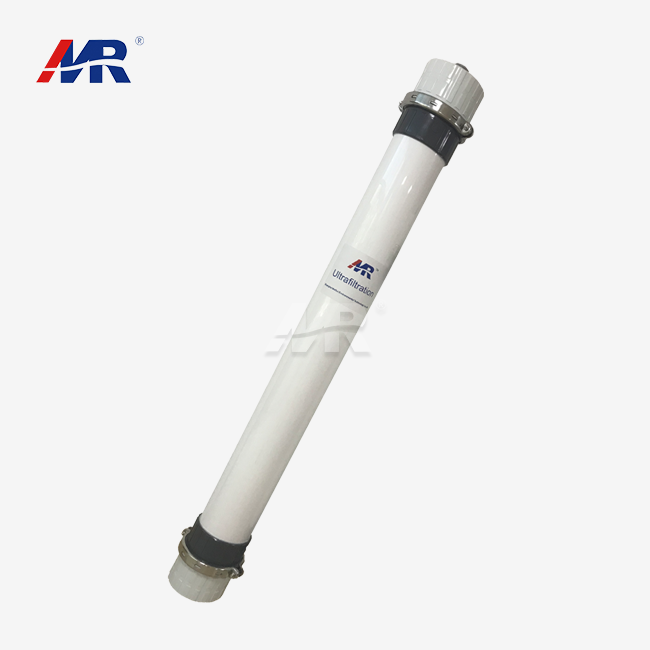 VIEW MOREultrafiltration membrane for wastewater treatment
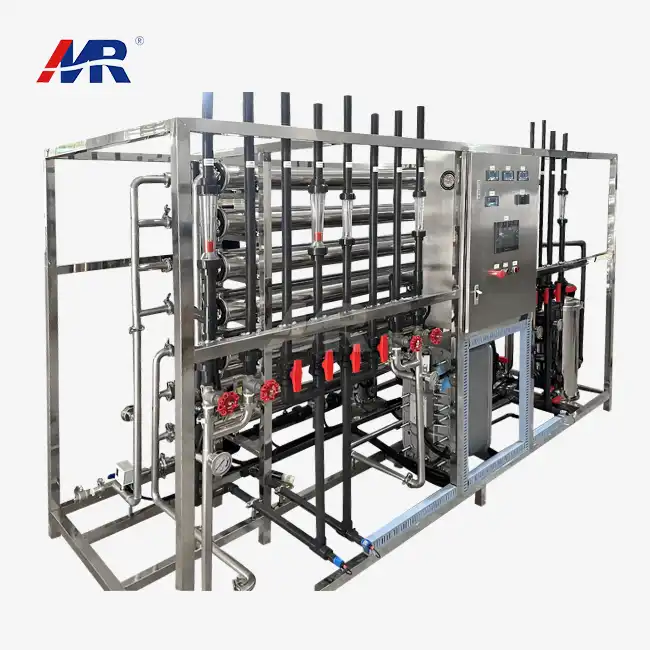 VIEW MORE2m3/hour EDI system
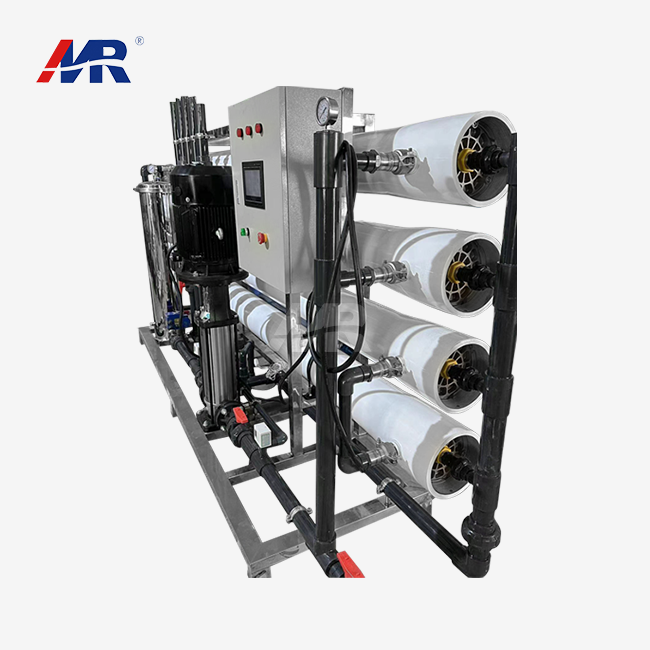 VIEW MOREunder counter reverse osmosis water system
 VIEW MOREcontainer seawater desalination equipment
 VIEW MORE15m3/hour seawater desalination system
 VIEW MORE2000 liters/hour EDI system
 VIEW MORE60m3/hour reverse osmosis plant
 VIEW MOREultrafiltration membrane system
