

_1745823981883.webp)

Industrial Wastewater Treatment Plant Design: Essential Engineering Guide
Designing an industrial wastewater treatment plant requires balancing technical performance, regulatory compliance, and operational efficiency. An optimized system not only protects the environment but also reduces operational costs and extends equipment lifespan. Whether your facility handles petrochemical effluents, food processing streams, or textile dye-laden water, understanding core design principles empowers you to make informed procurement decisions that deliver long-term value and sustainability.
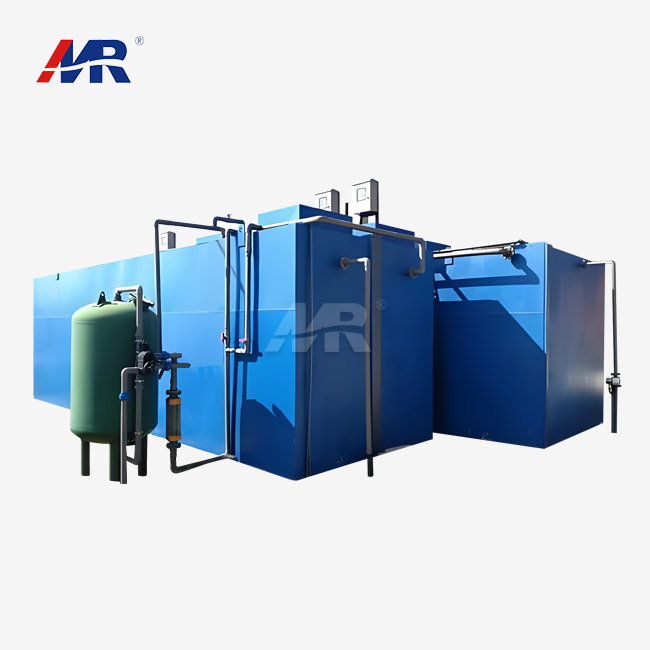
Introduction to Industrial Wastewater Treatment Plant Design
Heavy metals, organic substances, suspended solids, and chemical residues can be found in wastewater from industrial, medicinal, textile, and food processing plants. Without the right treatment, these pollutants put ecosystems at risk, pollute water supplies, and put businesses at risk of fines from the government. Under the Clean Water Act, the U.S. Environmental Protection Agency upholds strict flow limits that must be met.
These problems can be solved by designing plants with care. Facilities turn harmful wastewater into safe water for reuse or safe streams for release by using modern filtration, biological treatment, and chemical neutralization methods. This proactive approach keeps companies from getting fined, protects their brand's reputation, and helps them reach their sustainability goals. When engineering teams and procurement managers put optimized design first, they gain a competitive edge by using less water, saving money on treatment costs, and being better environmental stewards.
Understanding the types of pollutants that are unique to your business helps you choose the right technology. Food processors have to deal with high biochemical oxygen demand (BOD) loads that are best handled by anaerobic digestion, while petrochemical wastewater has oily compounds that need dissolved air flotation systems. If you pay attention to these details early on in the design process, your treatment system will work reliably in real-world situations.
Core Principles and Stages of Industrial Wastewater Treatment Plant Design
Assessing Treatment Capacity and Flow Characteristics
Accurate planning for capacity is the basis of good design. To make sure that equipment is the right size, engineers look at peak flow rates, daily volume changes, and yearly changes. When output goes up, systems that are too small cause bottlenecks, and setups that are too big waste money and energy. With our modular systems, you can handle capacities ranging from 50 to 10,000 m³/day. This means that facilities can grow slowly as production rises.
Sequential Treatment Stages Explained
The treatment process goes through different stages, and each stage targets a different type of contamination. Screening and grit removal are used in preliminary cleaning to keep downstream equipment from getting damaged. Before biological processing starts, the total suspended solids (TSS) are cut by 50–70% in sedimentation tanks, which are used for primary treatment.
Biological processes are added during secondary treatment, and microorganisms absorb dissolved organic waste. This greatly reduces both BOD and COD. Our systems use membrane bioreactor (MBR) technology, which combines biological treatment with ultrafiltration membranes to get rid of COD, BOD, and TSS up to 99% of the time. This two-step process makes very high-quality wastewater that can be released into the environment or used again.
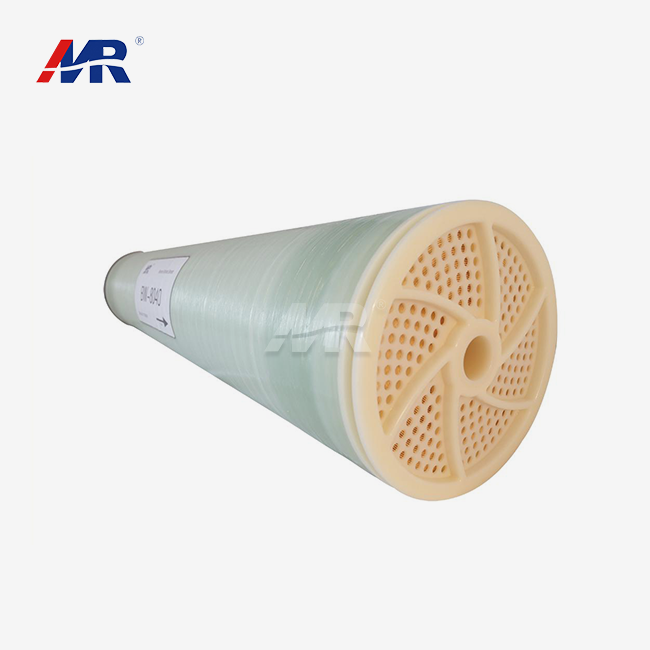
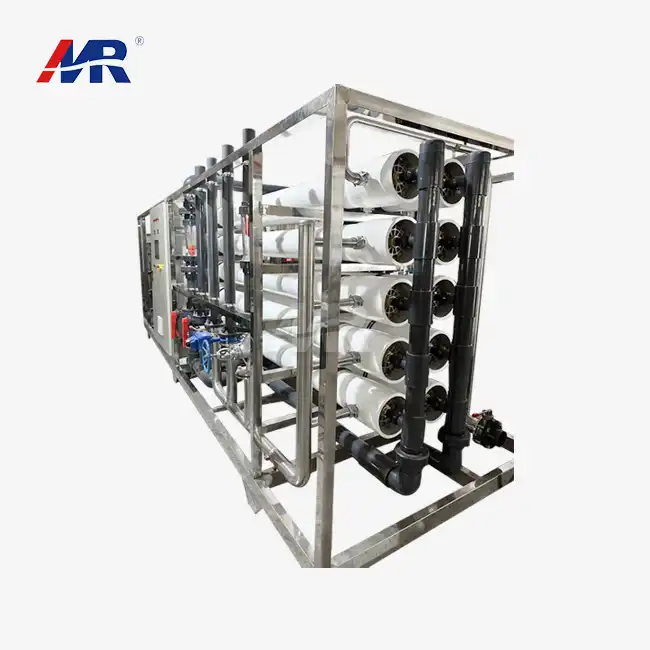
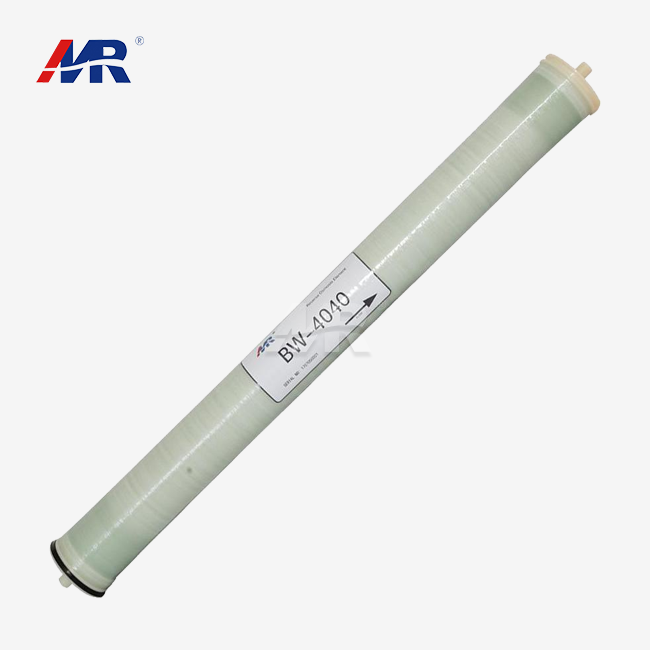
Advanced tertiary treatment in an industrial wastewater treatment plant uses methods like activated carbon adsorption, advanced oxidation, or reverse osmosis to get rid of contaminants that don't go away. Adding electrodeionization (EDI) modules after RO units is helpful for factories that need very clean water for production, like electronics plants or pharmaceutical factories.
Energy Efficiency and Sustainable Design Practices
Modern designs put an emphasis on saving energy without lowering performance. Because we use variable frequency drives on pumps, better control of aeration, and heat recovery from biological reactors, our systems use 30% less energy than standard installations. The small footprint saves up to 40% of room compared to standard designs that use clarifiers. This lowers the cost of construction and the work that needs to be done to get the site ready.
Controls that are run by computers constantly check the water quality and make real-time changes to chemical dosing, aeration rates, and membrane cleaning cycles. With remote tracking, operators can find problems before they get worse, which keeps performance stable and reduces the need for human action.
Selecting the Right Treatment Technologies for Your Industry
Comparing Biological, Chemical, and Physical Treatment Methods
Biological treatment is the most efficient way to break down organic chemicals, which makes it perfect for use in food processing, beverage production, and city uses. Sequencing batch reactors (SBR), moving bed biofilm reactors (MBBR), and activated sludge methods have all been shown to work well. But biological systems need to be very careful about how they control temperature and pH, and they may have trouble with harmful chemicals that stop microbes from working.
Through coagulation, flocculation, and precipitation, chemical treatment quickly gets rid of pollutants. Chemicals are used to separate heavy metals like chromium, nickel, and copper during electroplating and metal finishing. These systems are good at handling shock loads, but they make chemical sludge that needs to be thrown away, which raises the cost of doing business.
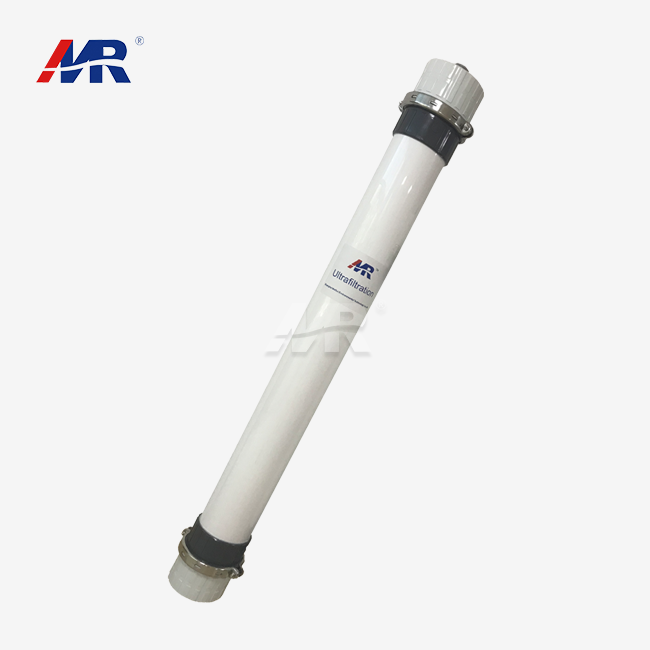
Physical cleaning methods, like membrane filtering, dissolved air flotation, and centrifugation, get rid of particles without adding chemicals. MBR systems treat wastewater biologically and use ultrafiltration, which results in better wastewater quality in smaller sites. Nanofiltration and reverse osmosis make it possible to recycle water in places where there isn't enough of it. This is especially helpful for cloth dying businesses that want to use process water more than once.
Industry-Specific Technology Applications
To deal with phenolic chemicals and stay stable in high-salinity settings, petrochemical plants that handle oily wastewater use DAF systems followed by biological stripping. Food and drink processors deal with heavy organic streams from cleaning-in-place (CIP) processes using anaerobic reactors that make biogas, a useful energy byproduct that helps pay for treatment costs.
Getting rid of reactive dyes and detergents is hard for textile and dyeing plants in particular. These factories can reuse treated water in their production processes by using advanced color removal technologies in an industrial wastewater treatment plant that combines chemical oxidation with MBR filtration. This uses a lot less freshwater. Our flexible solutions can be changed to fit your specific contaminant profile, making sure that they work well in any industry.
Custom-Designed Versus Packaged Treatment Systems
Packaged systems come in standard sizes and shapes that work well with wastewater that has known properties and average flow rates. These "turnkey" solutions cut down on the time needed for building and make buying easier. Custom-designed plants can handle complicated waste streams, large capacities, and limitations that are unique to the site. When you work with experienced partners like Guangdong Morui Environmental Technology, which has 14 branches, employs over 500 people, including 20 engineers, and keeps up membrane production facilities, you can be sure that you will get expert advice that is specific to your needs.
Addressing Design Challenges and Maintenance for Optimal Performance
Handling Fluctuating Wastewater Characteristics
During different production stages, garbage from industrial processes has different types of chemicals in it. Concentration spikes happen during batch processes, and seasonal goods change the way organic loading patterns work. These changes are absorbed by equalization tanks, which send stable feedwater to biological reactors. Advanced control systems change the amount of chemicals and the flow of air based on real-time measures of the water quality. This keeps the treatment working well even if the water quality changes upstream.
Overcoming Scaling and Fouling Issues
Organic chemicals, mineral scaling, and cellular growth can all clog up membrane systems. Using acid and alkaline liquids to clean the membrane regularly will recover flux rates and make it last longer. Our fully automated cleaning processes run on optimized schedules set by watching transmembrane pressure. This keeps performance from dropping without using too many chemicals. Screening, adjusting the pH, and clotting are all good ways to reduce fouling possibility before it starts.
Maintenance Best Practices for Longevity
Regular maintenance plans for pumps, blowers, membranes, and instruments keep them from breaking down without warning. Inspections every three months find wear patterns before they cause problems. Standardizing components makes it easier to keep track of extra parts. Our systems work with platforms that do predictive maintenance. These platforms look at vibration data, power consumption trends, and performance measures to correctly predict when maintenance needs to be done.
Partnering with suppliers offering comprehensive after-sales support—including training, technical assistance, and genuine replacement parts—protects your investment. Morui provides one-stop installation and commissioning services, ensuring seamless startup and ongoing operational support. Our relationships with leading brands like Shimge Water Pumps, Runxin Valves, and Createc Instruments guarantee component reliability and availability.
Regulatory Compliance and Risk Mitigation
Environmental laws are always changing, and new laws often mean stricter limits on what can be dumped. By building systems with compliance gaps, you can avoid expensive upgrades when standards get stricter. Automated reports and real-time tracking make regulatory paperwork easier and show that you did your homework during inspections. By using multiple treatment trains, you can keep things running even when equipment breaks down or needs repair. This keeps you from breaking the rules and getting fined or having to stop production.
Making an Informed Procurement Decision
Evaluating Supplier Expertise and Technology Offerings
There's more to choosing an equipment provider for an industrial wastewater treatment plant than just checking prices. Check the vendor's track record by looking at past projects in the same industry as yours. Check the company's credentials, technical skills, and quality standards for production. Companies that make their own membranes and have various processing facilities with a variety of tools show vertical integration, which improves quality control and supply reliability.
For twenty years, Guangdong Morui Environmental Technology has specialized in treating garbage from factories and homes, desalinating seawater, and making drinking water. This variety of experience leads to useful insights during the design of the system, which helps predict working problems before they happen.
Understanding Total Cost of Ownership
The initial cost of capital is only one part of the total cost. Look at how much energy, chemicals, labor, and membrane replacements will be needed over the system's 15–20-year life. Our energy-efficient designs, which cut energy use by 30%, save a lot of money and often make up for the higher initial cost by paying for themselves quickly.
Financing and leasing options make it easier to stick to a budget while still giving you immediate access to cutting-edge treatment technology. There are a lot of companies that sell tools that offer flexible payment terms, performance guarantees, and service plans that include regular upkeep in a monthly fee.
Choosing the Right Industrial Wastewater Treatment Plant Manufacturer
Reputable makers use tried-and-true technology and offer quick customer service. Check out more than just the specs of the equipment. Also look at the training programs, the availability of spare parts, and how quickly Technical support responds. Suppliers with large branch networks offer local service access, which cuts down on downtime while problems are being fixed or troubleshot.
Global stars in the water business, such as Veolia, SUEZ, and GE Water, set standards for new ideas and dependability. Most of the time, regional specialists can provide better customization and individualized care. Morui has a lot of engineering knowledge, the ability to make things, and a service infrastructure that lets us help facilities from the first consultation all the way through decades of reliable operation.
Conclusion
A good design for a wastewater treatment plant strikes a mix between technical performance, following the rules, and making money. Procurement teams can choose systems that will provide long-term value when they know about the different stages of treatment, the available technologies, and the needs of the industry. Putting an emphasis on energy saving, flexible scalability, and automatic controls can help cut costs while still being good to the environment. Partnering with experienced providers who offer full planning, high-quality equipment, and ongoing support will protect your investment and make sure the system works reliably for its entire lifecycle.
FAQ
1. What factors determine the required treatment capacity?
Treatment capacity is based on peak production flow rates, the amount of wastewater produced per unit of production, and the expected growth of the plant. Engineers look at past flow data and predicted growth to make sure that systems are the right size, with capacity margins that are usually 20–30% higher than what is needed now.
2. How do I choose between biological and chemical treatment methods?
Biological treatment works best for wastewater that is mostly organic, has a stable makeup, and isn't too toxic. It also has lower running costs. Chemical treatment works well for heavy metals, quick pH changes, and shock loads, but it makes chemical sludge that needs to be thrown away. A lot of places use both methods in turn.
3. What routine maintenance does an industrial treatment plant require?
Regular tasks include cleaning cycles for the membranes, checking the pumps and blowers, removing the sludge from the clarifier, and calibrating the instruments. Schedules for preventative maintenance usually happen every three months, and major component overhauls happen every three to five years, based on how the system is used and the quality of the water.
Partner with Morui for Superior Industrial Wastewater Solutions
Guangdong Morui Environmental Technology offers complete cleaning systems that are designed to meet the needs of your business. Our flexible designs can handle anywhere from 50 to 10,000 m³/day and can get rid of up to 99% of COD, BOD, and TSS while using 30% less energy than regular systems. We are a well-known company that makes industrial wastewater treatment plants. We have over 500 employees, 20 specialized engineers, and dedicated membrane production facilities. We offer complete solutions, from the initial design to commissioning and ongoing support. Email benson@guangdongmorui.com to talk about your wastewater treatment needs and get a plan that is specifically made for your location.
References
1. Metcalf & Eddy, Inc. (2014). Wastewater Engineering: Treatment and Resource Recovery. 5th Edition. McGraw-Hill Education.
2. Qasim, S.R., Motley, E.M., and Zhu, G. (2017). Water Works Engineering: Planning, Design, and Operation. Prentice Hall.
3. U.S. Environmental Protection Agency. (2021). Industrial Wastewater Treatment Technology Database. Office of Water.
4. Wang, L.K., Hung, Y.T., and Shammas, N.K. (2020). Advanced Physicochemical Treatment Technologies. Humana Press.
5. Crittenden, J.C., Trussell, R.R., Hand, D.W., Howe, K.J., and Tchobanoglous, G. (2012). MWH's Water Treatment: Principles and Design. 3rd Edition. John Wiley & Sons.
6. Judd, S. and Judd, C. (2019). The MBR Book: Principles and Applications of Membrane Bioreactors for Water and Wastewater Treatment. 2nd Edition. Butterworth-Heinemann.
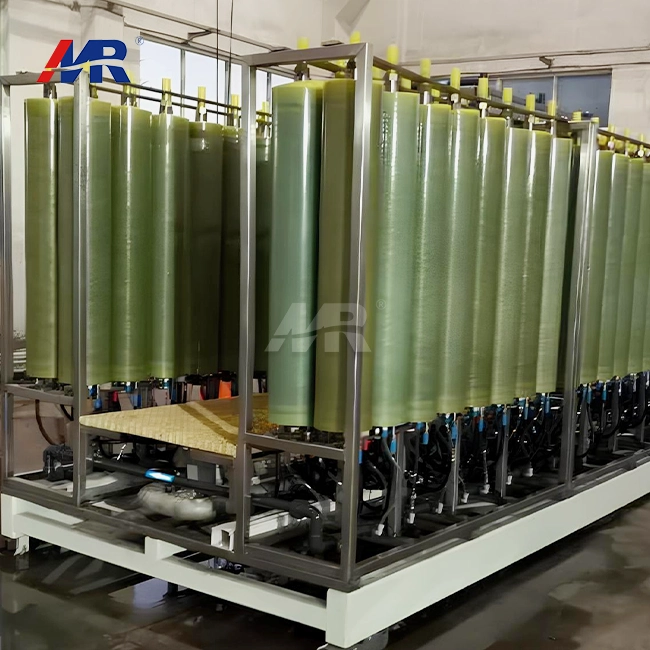 VIEW MOREDTRO for Wastewater Treatment
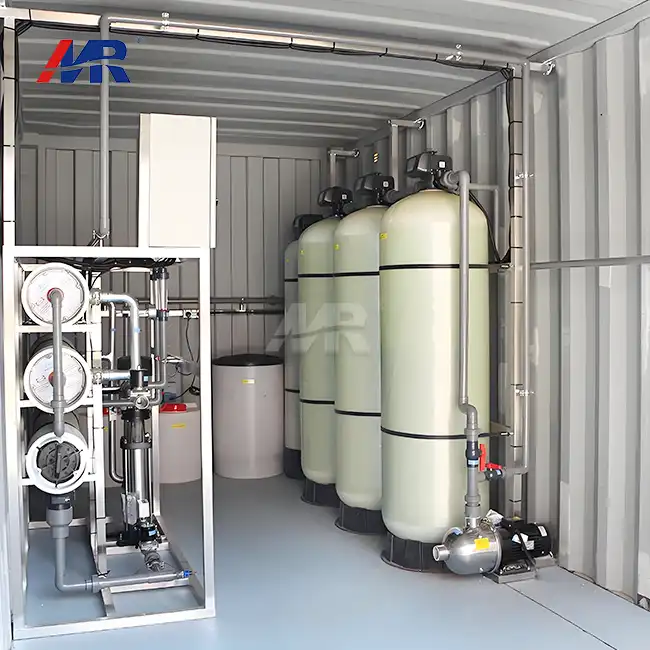 VIEW MOREcontainer ro equipment
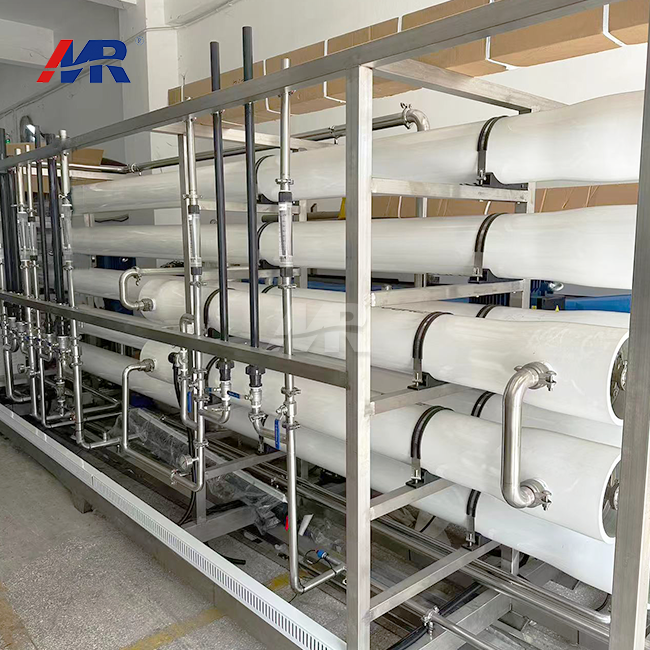 VIEW MOREosmosis drinking water system
 VIEW MOREultrafiltration membrane for wastewater treatment
 VIEW MOREbrackish membrane
 VIEW MORE50m3/hour reverse osmosis equipment
 VIEW MORE4040 reverse osmosis membrane
 VIEW MOREindustrial ro membrane
