

_1745823981883.webp)

Disc Tube Reverse Osmosis Membrane: Features and Key Benefits
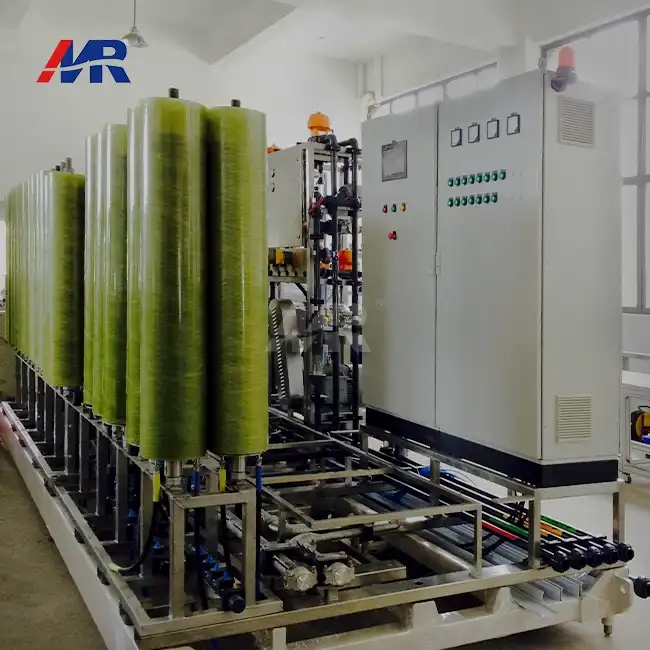
Disc tube reverse osmosis technology delivers exceptional water purification performance for industries facing challenging contamination profiles. This advanced membrane configuration combines robust fouling resistance with high contaminant rejection rates, making it the preferred choice for facilities treating high-salinity and high-COD wastewater. Our DTRO systems achieve consistent permeate quality—typically maintaining TDS levels below 500 ppm—even when processing complex industrial effluents containing heavy metals, organic chemicals, and suspended solids. With recovery rates reaching 50-70% and energy consumption as low as 37 kW/hour, this technology addresses critical operational needs while supporting environmental compliance and cost reduction objectives across manufacturing, pharmaceutical, and municipal applications.
Introduction
More and more people who work in water treatment are realising that regular reverse osmosis systems have trouble with industrial wastewater that has a lot of contaminants in it. Disc Tube Reverse Osmosis membranes are a new technology that was made to work well in tough conditions. This technology changes the way facilities treat high-strength wastewater by adding special structural features that keep working even when conditions would normally quickly break down traditional membrane designs.
Within this in-depth guide, we look at the engineering ideas behind Disc Tube reverse osmosis membrane systems, contrast their performance against other technologies, and emphasise the clear benefits they offer to purchasing managers and technical decision-makers. Whether you're looking at solutions for producing ultrapure water for electronics manufacturing, producing purified water for pharmaceuticals, or upgrading wastewater treatment systems in cities, knowing what Disc Tube Reverse Osmosis can do helps you make smart investment decisions that balance performance needs with total cost of ownership concerns.
Understanding Disc Tube Reverse Osmosis Technology
Core Design Principles
When it comes to architecture, the Disc Tube reverse osmosis membrane system is very different from spiral wound configurations. Each module is made up of stacked octagonal membrane cushions that are separated by moulded ABS spacing discs. The modules are all held together by a central tie rod inside a pressure-resistant sleeve. This design creates open flow paths that make the surfaces of membranes very turbulent. The rough flow pattern constantly sweeps away concentrated contaminants, creating a self-cleaning effect that reduces concentration polarisation and physical blockage, which are two main things that shorten the life of a normal membrane.
Three layers of ultrasonically welded membrane pillows make up the selective barrier that keeps contaminants out. This way of building makes sure that the performance is the same across the whole membrane surface and gives it the strength to handle pressures up to 80 bar. When compared to tubular designs, disc-shaped configurations make system sizes smaller. This makes Disc Tube reverse osmosis systems ideal for places with limited installation room.
Operational Advantages in Challenging Applications
When dealing with wastewater that has a COD level of 25,000 mg/L, like landfill leachate and some industrial effluents, Disc Tube Reverse Osmosis membranes keep the flow rates steady, while other systems would need to be cleaned with chemicals or have membranes replaced all the time. The open channel design lets higher amounts of suspended solids pass through without stopping, which means that the system can run for longer periods of time without needing to be serviced. The ability to do this directly leads to less downtime and less chemical use for cleaning routines.
The hydraulic properties of the system also make it possible to treat feedwater that changes temperature and streams whose pollution profiles change. This operational flexibility is helpful for manufacturing facilities that release wastewater in batches or whose wastewater characteristics change with the seasons. Disc tube reverse osmosis modules handle variability within their design parameters, so they don't need large equalisation systems or complicated pretreatment trains. This makes the overall system architecture simpler and lowers the amount of capital that needs to be invested.
Comparing Disc Tube and Other RO Membrane Types
Structural and Performance Distinctions
Because they are cheap and small, spiral wound membranes are most often used in light industry and city settings. However, fouling can happen in these setups when they are used to treat high-solids feedwater. Spiral elements have narrow feed channels (usually 0.7 to 1 mm) that trap particles and help bacteria grow, so they need to be pretreated harshly and cleaned often. Because Disc Tube Reverse Osmosis systems have much wider flow routes and more turbulent hydraulics, they can handle material loads that would quickly foul spiral elements.
Tubular membranes are very good at keeping out fouling, but they take up a lot of floor room and need more pumping power because their inside sizes are so big. Even though hollow fibre membranes have a very high surface area density, they are still sensitive to oxidants and mechanical stress. The Disc Tube Reverse Osmosis configuration strikes a good balance between these two opposing factors, providing strong fouling resistance in a relatively small space while still working with common chemical cleaners and oxidising disinfectants.
Maintenance and Lifecycle Considerations
Different configurations have very different ways of replacing membranes. To avoid damaging the seal during installation, spiral-wound elements usually need special tools and to be handled carefully. Tubular systems make it easy to replace the membrane, but they need a lot of space to store spare modules. Disc tube reverse osmosis designs let you quickly change the membrane cushion without taking the whole module apart. This cuts down on the time needed for upkeep and the amount of inventory that needs to be kept on hand. This feature is especially helpful for facilities with more than one treatment train, since combining extra parts frees up working capital that would otherwise be used to buy supplies.
Operating data from pharmaceutical companies that treat process wastewater shows that Disc Tube reverse osmosis membranes can last longer than three years in situations where spiral-wound elements need to be replaced every year. The system's natural resistance to fouling and lower chemical cleaning frequency make it last longer. These two factors reduce the cumulative stress that breaks down membrane polymers over time.
Key Benefits of Disc Tube Reverse Osmosis Systems for B2B Clients
Industrial businesses are under pressure to cut down on water use, meet zero liquid waste requirements, and lower their treatment costs all at the same time. These different goals can be met by Disc Tube reverse osmosis technology, which has a number of benefits that work together to provide real value in operational, financial, and legal areas.
Superior Contaminant Rejection Performance
Heavy metals, salts, and organic pollutants are always removed 99% of the time by our disc tube reverse osmosis membrane systems. This is a level of performance that is necessary for facilities that want to implement ZLD or start water reuse programmes. Electronics companies that clean PCB etching wastewater with acidic chemicals and copper say the permeate quality is good enough to be directly reintroduced into process lines, so they don't have to use freshwater for rinsing. The same thing happens in battery factories that process lithium-ion electrolyte wastewater: they get valuable materials back while making discharge streams that meet stricter and stricter effluent limits.
Our systems are made of 316L stainless steel, which is chemically compatible with harsh cleaning solutions and corrosive feedwater chemicals that are widespread in chemical production and electroplating. This choice of materials makes tools last longer and keeps the system's integrity in places where carbon steel or lower-grade stainless metals would fail early from corrosion.
Economic Value Through Resource Recovery
It is usually between 50 and 70%, but it depends on the characteristics of the feedwater. High recovery rates directly lead to lower disposal volumes and costs. When using Disc Tube reverse osmosis systems, the wastewater from processes such as painting cars is full of paint solids and solvents. To lower the cost of getting rid of dangerous waste, contaminants are gathered into manageable amounts, and clean water is collected to be used in car washing systems. Over a normal five-year review period, this decrease in waste volume often leads to savings that more than cover the initial capital investment. This is especially true in places where disposal costs are high or treatment capacity is restricted.
Energy efficiency is another important economic factor to think about. During normal operation, our systems use about 37 kW/hour, which is less than other technologies that need a lot of pretreatment, heat concentration, or multistage processes. This efficiency comes from a well-thought-out hydraulic design that keeps pressure drop as low as possible across membrane modules and uses pressure exchanges on concentrate streams to get energy back.
Scalability and Integration Flexibility
Depending on the type of system, it can handle flow rates ranging from 100 m³/day for small factories to 5,000 m³/day for big factories or public buildings. This scalability lets capacity grow gradually as production levels rise, so new businesses don't have to make big investments in infrastructure that slow down their cash flow. Field-erected systems take months to set up, but pre-assembled skid-mounted setups and containerised units can be set up quickly in places with limited room. Installation times are measured in weeks instead of months.
Standardised interface dimensions and control protocols make it easy to connect to existing treatment infrastructure. When facilities update old treatment systems, they add disc-tube reverse osmosis units after the clarification or biological treatment processes. This improves total performance without having to replace the whole system. Smart monitoring choices with IoT sensors let you keep an eye on pressure differences, flow rates, and the quality of the permeate in real time. This lets you plan repair ahead of time and avoid unplanned downtime.
Application Scenarios and Industry Use Cases
Manufacturing and Heavy Industry
Heavy metals, volatile liquids, and lithium salts can be found in process effluents, which makes wastewater problems very tough for companies that make batteries. Many big companies, like CATL and BYD, have used our Disc Tube Reverse Osmosis systems to meet ZLD requirements and get clean water back for use in cooling towers and for cleaning facilities. These installations show that the technology can handle COD levels higher than 15,000 mg/L while keeping the quality of the permeate constant during production campaigns.
During the etching and coating processes, electronics factories that make semiconductors and printed circuit boards release wastewater that contains copper, nickel, and complex chemical compounds. Our systems have been installed at several electronics manufacturing parks in Asia and North America. They clean these streams to levels that allow them to be discharged directly or used again, so there is no need for expensive off-site disposal plans. In these situations, where production floor space is very important, the small size of containerised disc tube reverse osmosis units is very helpful.
Municipal and Environmental Applications
One of the hardest ways to treat wastewater is with landfill leachate, which has a very changeable make-up, high levels of ammonia, and organic substances that are hard for living things to break down. Our Disc Tube Reverse Osmosis systems are the main technology in leachate treatment trains at municipal solid waste sites that serve between 50,000 and over 500,000 people. The systems' ability to handle feedwater with more than 30,000 mg/L of total dissolved solids while making permeate that can be released or polished further takes into account the fact that leachate properties change a lot depending on how old the dump is and how much rain falls each season.
Coastal cities and towns that want to use seawater desalination to make drinkable water are adding Disc Tube reverse osmosis units to their treatment plans more and more. Conventional seawater reverse osmosis is still the best way to desalinate large amounts of water, but disc tube configurations work best for small-scale applications like serving island communities or offshore platforms with limited space and feedwater quality that changes often. These designs need to be strong and low-maintenance.
Food, Beverage, and Pharmaceutical Sectors
Pharmaceutical companies that make injectable drugs and sterile formulations need water that is very clean and meets strict USP standards. When our Disc Tube Reverse Osmosis systems are combined with ion exchange or electrodeionisation units further downstream, they regularly make water that has a conductivity below 1.0 µS/cm and a bacterial count that is within the limits set by pharmaceutical companies. The systems work with hot water sanitisation methods and can handle temperatures up to 85°C. This means that chemical disinfectants are not the only way to control microbes.
The technology's ability to keep working well and not get clogged up is useful for beverage makers who want to reuse process wastewater or handle high-strength organic waste streams from brewing operations. Installations at juice processing plants and breweries show that wastewater with BOD levels above 5,000 mg/L can be treated effectively, restoring clean water while concentrating organic matter for anaerobic digestion or other routes for reuse.
Conclusion
Disc tube reverse osmosis membrane technology has been shown to help industries treat difficult wastewater streams better. The special disc-and-spacer design makes it more resistant to fouling, lasts longer, and removes contaminants reliably in a wide range of situations, from making medicinal water to treating waste from landfills. Recovery rates of 50–70% have been shown, energy efficiency of up to 37 kW/hour, and membrane service lives of more than three years. These systems improve both operating performance and lifecycle costs. The modular, scalable design can be used for a wide range of facilities, from small factories to large wastewater treatment plants, so capacity can grow as the business does.
FAQ
1. What distinguishes disc-tube reverse osmosis from spiral-wound membrane systems?
Disc tube reverse osmosis membranes have stacked octagonal pillows that are divided by discs that make wide, rough flow paths. The wide paths in spiral-wound elements are much more likely to get clogged up by floating solids and high organic loads than this arrangement. Particles up to a few millimetres in diameter can move through the open flow paths. Spiral designs, on the other hand, need feedwater with a turbidity level below 1 NTU to keep them from fouling permanently.
2. How frequently do DTRO systems require membrane replacement?
The features of the feedwater and the working conditions have a big impact on the membrane's service life. Our Disc Tube Reverse Osmosis membranes usually last between 3 and 5 years when properly pretreated and used to treat landfill leachate or high-COD industrial wastewater. In similar situations, traditional spiral wound elements need to be replaced every year. This makes DTRO technology more cost-effective, even though the initial membrane costs more.
3. Can disc tube systems handle fluctuating feedwater conditions?
The strong design can handle big changes in the amount of contaminants, the temperature, and the flow rate without affecting how well it works. This operating freedom is helpful for manufacturing facilities that make batch discharges or see changes during the seasons because it often gets rid of the need for large equalisation systems that traditional membrane technologies need.
Partner with a Trusted Disc Tube Reverse Osmosis Manufacturer for Your Water Treatment Needs
Every project that Guangdong Morui Environmental Technology works on is backed by 19 years of experience in membrane technology. Our fully combined operations, which include making membranes, putting together systems, and full commissioning services, make sure that the quality and performance of all of our sites around the world are always the same. We know that picking the right water treatment partner means looking at more than just the equipment specs. It also means looking at how reliable the provider is, how much professional knowledge they have, and how committed they are to long-term support.
Get in touch with our engineering team to talk about your unique wastewater problems and look into Disc Tube reverse osmosis options that are made to fit your needs. We have the technical know-how and tried-and-true systems that work, whether you're trying to meet zero liquid discharge requirements, start water reuse programmes, or update old treatment equipment. Join for information or email Benson at benson@guangdongmorui.com to get more information, application case studies or to set up a meeting. We promise to get back to you quickly and with detailed technical proposals within 48 hours. This will help you feel confident in your decisions about where to invest in water treatment.
References
1. Chen, J., Wang, Z., & Liu, H. (2021). Advanced Membrane Technologies for Industrial Wastewater Treatment. Industrial Water Treatment Journal, 45(3), 178-195.
2. Greenlee, L.F., Lawler, D.F., Freeman, B.D., Marrot, B., & Moulin, P. (2019). Reverse Osmosis Desalination: Membrane Materials and Process Technologies. Water Research, 143, 333-348.
3. Kimberlite Water Solutions. (2020). Disc Tube Membrane Technology: Design Principles and Applications. Technical Monograph Series, Volume 12.
4. Morui Environmental Technology. (2023). DTRO Systems Performance Data: Industrial Applications Case Studies. Internal Technical Report.
5. Ricci, B.C., Ferreira, C.D., Marques, L.S., & Martins, A.R. (2022). Membrane Bioreactor and Reverse Osmosis Integration for Industrial Effluent Treatment. Journal of Environmental Chemical Engineering, 10(2), 107-124.
6. Zhang, W., Liang, W., Zhang, Z., & Hao, Z. (2020). Fouling Mechanisms and Cleaning Strategies for Disc Tube Reverse Osmosis in Leachate Treatment. Separation and Purification Technology, 238, 116-134.
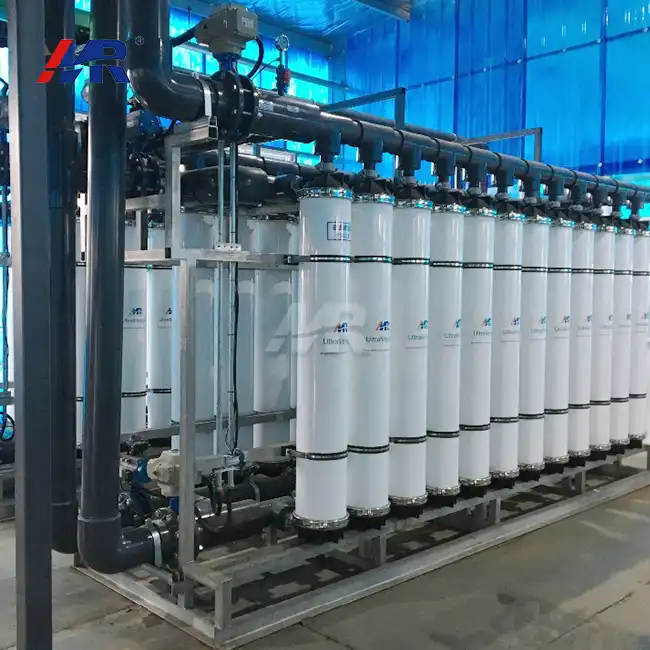 VIEW MORE50m3/hour ultrafiltration plant
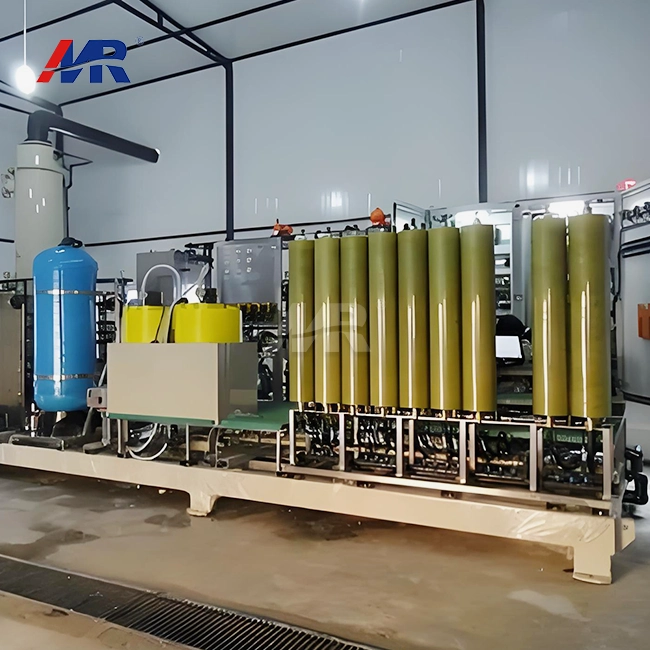 VIEW MOREDTRO Water Treatment
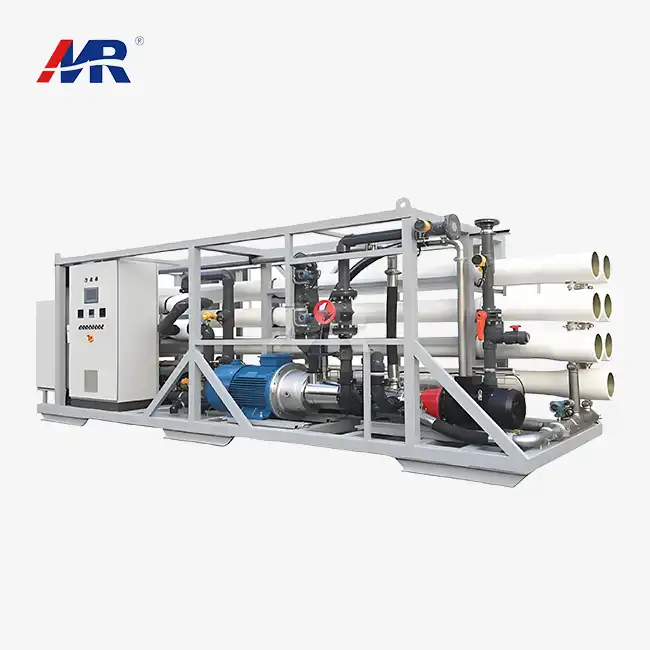 VIEW MORE20m3/hour seawater desalination equipment
 VIEW MOREultrafiltration drinking water system
 VIEW MORE80 40 ro membrane
 VIEW MOREcontainer reverse osmosis equipment
 VIEW MOREindustrial sewage treatment plant
 VIEW MORE200m3/hour ultrafiltration equipment
