

_1745823981883.webp)

How an Ultra Filtration System Process Delivers Clean Water
An ultra filtration system is a pressure-driven membrane separation technology that uses semi-permeable hollow-fiber membranes with pore sizes between 0.01 and 0.1 microns to eliminate suspended solids, bacteria, viruses, and high-molecular-weight contaminants from water sources. This advanced treatment method delivers consistent water quality for industries requiring pathogen-free, low-turbidity output while maintaining essential mineral content. Unlike conventional sand filtration, this membrane-based approach provides a dependable physical barrier against waterborne pathogens, making it indispensable across pharmaceutical manufacturing, municipal water utilities, food processing, and industrial wastewater recycling operations where water purity directly impacts product quality and regulatory compliance.
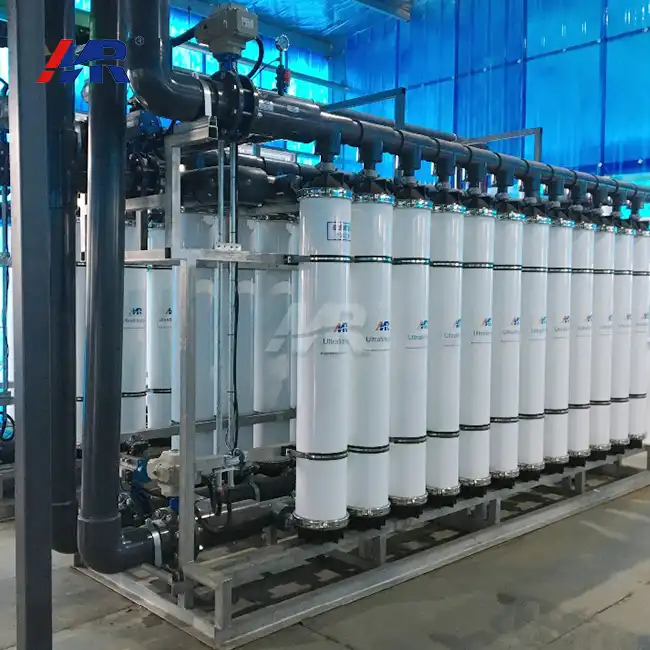
Understanding Ultrafiltration Systems: Technology and Process
Core Components and Membrane Types
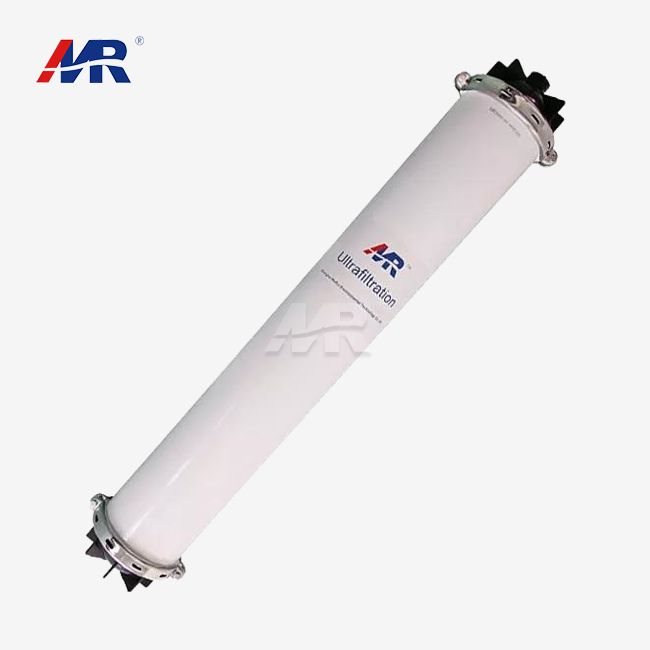
How the membranes are set up is what makes any ultrafiltration system work. Industrial uses mostly hollow fiber membranes made from Polyvinylidene Fluoride (PVDF), which are very strong and don't react badly with chemicals. These membranes put together thousands of tiny tubes inside spherical modules. This makes huge filtration surfaces in small spaces. The hollow fiber form lets the flow go either outside-in or inside-out, based on the feed water and the level of backwash efficiency that is needed.
Flat sheet membranes are another type of structure. They are usually used in plate-and-frame systems where it needs to be easy to change modules. Hollow-fiber systems can pack more densely, but flat-sheet forms are easier to maintain in smaller operations. The available space, budget for capital projects, and technical knowledge on-site all affect the choice of configuration.
Separation Mechanism and Pore Size Significance
It works by size exclusion, which means that particles bigger than the membrane holes can't get through. With pores that are between 0.01 and 0.1 microns wide, ultrafiltration is good at getting rid of bacteria (0.5 to 5 microns), viruses (0.02-0.3 microns), and colloidal matter, but it lets salts and minerals that are dissolved through. This molecular weight cut-off (MWCO) is usually between 10,000 and 500,000 Daltons. Ultrafiltration is in the middle of microfiltration and nanofiltration when it comes to treating water.
Operating pressures stay low at 0.1 to 0.3 MPa, which is about 15 to 45 psi. This means that less energy is used than in reverse osmosis systems, which need 200 to 1,000 psi. This difference in pressure pushes water molecules and small solutes through the membrane pores, but it keeps bigger contaminants on the surface of the membrane. Backwashing changes the direction of flow every so often, which gets rid of collected particles and restores permeate flux rates.
Position in Water Treatment Hierarchy
Knowing how ultrafiltration fits in with other technologies for cleaning helps buying teams make treatment trains that work well. Microfiltration (MF) can get rid of bigger particles than 0.1 microns, but it can't always get rid of viruses. Nanofiltration (NF) gets rid of divalent ions and organic molecules, but it needs higher pressures to work. Reverse osmosis (RO) gets rid of dissolved salts, but it needs a lot of energy and makes concentrated streams of waste.
By lowering the Silt Density Index (SDI) below 3, ultrafiltration acts as a bridge between these technologies and provides strong preparation for RO systems. This is done by stopping membrane fouling before it starts. When used on its own, ultrafiltration removes microbes from water without changing the minerals in it. This is a big plus for companies that make bottled water and drinks that want to keep the taste while getting rid of pathogens.
Benefits and Advantages of Ultra-Filtration Systems for B2B Users
Consistent Water Quality and Contaminant Removal
Industrial activities can't handle changes in the quality of the water. An ultrafiltration system consistently rejects more than 99.99% of bacteria and 99.9% of viruses, even when the viscosity of the influent changes. When there are seasonal storms, the turbidity of the raw water rises from 5 NTU to 50 NTU. Regular clarifiers have a hard time keeping the quality of their effluent, but membrane systems keep making permeate that is less than 0.1 NTU and completely clear.
Pharmaceutical companies that use water to make injectable medicines count on the dependability of an ultra filtration system to meet US Pharmacopoeia standards. Plants that make dairy Products or fruit juices need water that is free of pathogens so that their products don't get contaminated and have to be recalled, which costs a lot of money. Cryptosporidium and Giardia are protozoan parasites that are resistant to chlorine disinfection. This adds another defense for municipal water companies that serve areas with vulnerable populations.
Energy Efficiency and Lifecycle Cost Advantages
In terms of operational economics, these are the main benefits of ultrafiltration systems:
- Low Energy Use: At 0.1 to 0.3 MPa, it only needs about 0.2 to 0.5 kWh per cubic meter of permeate, which is a lot less than RO systems, which need 3 to 6 kWh per cubic meter to desalinate seawater. This means lower energy costs and a smaller carbon impact, which is becoming more and more important as businesses commit to sustainability goals and carbon neutrality plans.
- Longer Lifespan of the Membrane: With proper care, high-quality PVDF hollow fiber membranes can last longer than 7 to 10 years. Chemical compatibility over a pH range of 2 to 11 lets you clean the membrane harshly without damaging it, so the flux rates stay the same throughout its life. The total cost of ownership is lower than with cartridge filters that need to be changed every three months.
- Compact Footprint: Modular skid-mounted designs that can clean up to 10,000 m³/h of water reduce the amount of land that needs to be used, which is important for urban sites where land is expensive. When compared to regular clarification basins, vertical membrane rack configurations take up 40–60% less floor space. This lets existing buildings add more capacity.
These operational benefits add to the return on investment, and for industrial installations, the payback time is usually between 2 and 4 years. Less use of chemicals for preparation and cleaning makes the economy even better. Electronics companies say their running costs are 30% lower now that they use ultrafiltration to make semiconductor-grade water instead of multimedia filters.
Enhanced Process Reliability and Downstream Protection
Ultrafiltration acts as a temporary wall to keep colloidal silica, organic macromolecules, and bacterial slime from blocking the ro membranes further down the line. UF prep increases the life of RO membranes by 50 to 100 percent by keeping SDI values below 3. This lowers the number of times they need to be cleaned and the cost of replacing them. When compared to traditional clarification followed by media filtration, power plants that use membrane systems for boiler feedwater pretreatment report 60% less unplanned downtime.
Comparing Ultrafiltration with Other Filtration Technologies
Ultrafiltration versus Reverse Osmosis
Reverse osmosis gets rid of dissolved salts, which makes demineralized water that is needed for high-pressure heaters and making electronics. RO, on the other hand, needs fresh water with an SDI below 5 and a turbidity below 1 NTU to keep the membrane from getting clogged permanently. An ultrafiltration system works great as a pretreatment for RO because it can handle different quality raw water and protect expensive RO elements at the same time.
The energy needs of these systems are very different from one another. Due to the need for osmotic pressure, brackish water RO uses 1.5 to 3 kWh per cubic meter, and seawater RO uses 4 to 6 kWh per cubic meter. Ultrafiltration uses only 0.2 to 0.5 kWh per cubic meter, which makes it a cost-effective method for uses like drinking water, reusing wastewater, and food preparation where the presence of minerals improves the quality of the product.
Ultrafiltration versus Microfiltration
Microfiltration has bigger pores (0.1 to 1 microns), which get rid of bacteria and solids in suspension while letting viruses and some macromolecules pass. Because of this limitation, MF can only be used in situations where viruses don't need to be removed or where chemical cleaning is sufficient. The process of ultrafiltration completely removes viruses without adding any chemicals, so it meets the stricter rules for drinking water and making medicines.
The operating levels for MF and UF systems are the same, but the materials used for the membranes are different. In microfiltration, polypropylene or polyethersulfone are often used. In ultrafiltration, PVDF is preferred because it is better at resisting chemicals during harsh cleaning processes. This important benefit makes the ultra filtration system last longer in industrial settings where the feed water chemistry is difficult.
When to Choose Ultrafiltration over Conventional Methods?
Activated carbon filters are great at getting rid of chlorine, taste, odor, and organic chemicals, but they can't get rid of pathogens. Depending on their rating, sediment filters catch particles bigger than 5 to 50 microns, but they need to be replaced often and don't protect against microbes. Sand filters are cheap and can handle a lot of solids, but they make inconsistent effluent quality and take up a lot of space.
Ultrafiltration is the best option when you need to remove pathogens for sure, get consistent low-turbidity output, use few chemicals, or make small automated systems. Facilities that are open 24 hours a day, seven days a week, can benefit from membrane systems because they don't need as much human input as backwash-intensive media filters do. Ultrafiltration has higher initial costs, but routine savings and increased efficiency make it worth the money for important water uses.
Procurement Considerations for Ultra Filtration Systems
Selecting Appropriate System Capacity and Configuration
Peak demand research is the first step in figuring out how much cleaning capacity is needed. When manufacturing facilities figure out maximum hourly demand instead of average daily flow, they have to take into account changes in the production plan. An ultrafiltration system can be expanded in stages as production grows, which is a useful feature for businesses that want to avoid spending too much on capacity that isn't being used.
If the feed water is good, the flux rates can be anywhere from 40 to 100 liters per square meter per hour (LMH). Surface water sources that are clean have higher flux and lower fouling rates. On the other hand, industrial wastewater or uses with a lot of turbidity need a modest design flux of 40–50 LMH to keep cleaning cycles at 30–45 minutes. Temperature changes how well membranes work. Water below 15°C lowers flux by 20–30%, so bigger membrane areas are needed to keep production rates at target levels.
Cost Analysis: Capital and Operating Expenses
The price of a system depends a lot on its capability, amount of automation, and the materials used to build it. Small systems that can treat 1 to 5 m³/h for use in a lab or clinic cost between $15,000 and $40,000. Industrial units that handle 10 to 50 m³/h cost between $80,000 and $250,000 on average. Large municipal systems that treat 1,000 m³/h or more are multimillion-dollar projects that need thorough planning and design that is tailored to the site.
Installation costs, which include plumbing, electrical hookups, instrumentation integration, and testing, add 15 to 30 percent to the cost of the equipment. For pharmaceutical or food-grade uses, stainless steel costs 25–40% more than PVC or carbon steel options that can be used for treating wastewater from cities or factories.
Operating costs include things like labor, cleaning agents, energy use, and replacing membranes. Chemical costs range from $0.02 to $0.08 per cubic meter of permeate made each year. Replacement of the membrane every 7–10 years costs about 10–15 percent of the original capital cost. For simple tasks, well-designed systems can keep their total running costs below $0.15 per cubic meter.
Evaluating Suppliers and Ensuring Reliable Partnership
Aside from unit price, procurement teams should look at providers in a number of other ways as well. Being able to provide technical help is very important during setup, troubleshooting, and optimization. Suppliers with trial testing programs let you check how well the membrane works with real site water before committing capital. This lowers the risk of putting the system into action in difficult situations.
How quickly after-sales service responds affects how long equipment problems last for an ultra filtration system. Repairs can be done faster by suppliers who keep extra parts in stock in their own regions rather than sending parts all over the world. Equipment warranties last between one and three years, while membrane warranties last between five and seven years when used properly. Comprehensive training programs for repair staff lower costs and make tools last longer.
When businesses with multiple locations or large municipal utilities buy standard systems in bulk, they can save money. When there aren't enough supplies, volume commitments can get you 10–20% price cuts and first choice when supplies are low. Setting up preferred supplier relationships streamlines requirements, makes managing inventory easier, and speeds up project timelines across all of an organization's projects.
Conclusion
An ultrafiltration system has been used successfully by businesses and cities that need to get rid of pathogens, keep the water quality uniform, and use little energy. Because the technology can handle different conditions in the feed water while still protecting the cleaning processes further down the line, it is essential for use in pharmaceutical manufacturing, food processing, public water supply, and industrial wastewater. With the right system size, supplier choice, and maintenance schedules, ultrafiltration can last for decades and have good lifecycle economics. As rules on water quality get stricter and businesses try to be more environmentally friendly, membrane-based cleaning is the way of the future for treating water. It protects public health while also being efficient and good for the environment.
FAQ
1. What contaminants can ultrafiltration systems remove effectively?
With holes that are 0.01-0.1 microns wide, ultrafiltration membranes get rid of turbidity, bacteria, viruses, protozoan cysts like Cryptosporidium and Giardia, and high-molecular-weight organic molecules like proteins and polysaccharides. An ultrafiltration system does not get rid of minerals, salts, or low-molecular-weight organic chemicals that are dissolved in water, though. For uses that need to remove minerals, reverse osmosis or ion exchange must be used after ultrafiltration.
2. How often do ultrafiltration membranes require replacement?
When used correctly and maintained as directed, high-quality PVDF hollow fiber membranes should last between 7 and 10 years. How long a membrane lasts relies on the type of water it is fed, how often and how it is cleaned, and how it is used within certain pH and temperature ranges. Every year, tests for membrane integrity find damaged fibers that need to be replaced before the quality of the product goes down.
3. Can ultrafiltration systems integrate with existing water treatment infrastructure?
It is easy to add ultrafiltration units to treatment plants that are already in place as primary filtration or secondary polishing steps. Systems can work on their own or with processes that clarify and disinfect water before and after they are installed. Standard pipe links make modular skid-mounted systems easier to install. Industry-standard protocols let control systems talk to plant SCADA networks, which lets other treatment processes be coordinated and centralized.
Partner with a Trusted Ultra Filtration System Manufacturer
Guangdong Morui Environmental Technology offers ultra filtration systems that are specially designed for your business or city's needs. Our hollow fiber PVDF membrane systems can handle capacities from 1 m³/h to 10,000 m³/h and have been shown to work well in food processing, pharmaceutical manufacturing, municipal water treatment, and recycling industrial wastewater. We offer full support from the first consultation all the way through installation, commissioning, and ongoing technical service. We have over 500 workers, including 20 specialized engineers, 14 regional branches, and our own membrane production plant.
Our automatic systems are small, use little energy, and have membranes that last a long time. This lowers your total cost of ownership while maintaining stable water quality. We are official representatives for Shimge Water Pumps, Runxin Valves, and Createc Instruments, so we can offer complete solutions from well-known brands. Whether you need a single system or standard setups at multiple sites, our buying team can get it to you quickly and at a good price. Email benson@guangdongmorui.com to talk to one of our technical experts about your water treatment needs and get a full plan that fits your budget and operational needs.
References
1. American Water Works Association (2020). Membrane Filtration for Water Treatment: Principles and Applications. AWWA Manual M53, Denver, Colorado.
2. United States Environmental Protection Agency (2019). Membrane Filtration Guidance Manual. Office of Water, EPA 815-R-06-009.
3. Gao, W., Liang, H., Ma, J., Han, M., & Li, G. (2021). Membrane Fouling Control in Ultrafiltration Technology for Drinking Water Production: A Review. Desalination, 498, 114714-114732.
4. Crittenden, J.C., Trussell, R.R., Hand, D.W., Howe, K.J., & Tchobanoglous, G. (2012). MWH's Water Treatment: Principles and Design, Third Edition. John Wiley & Sons, Hoboken, New Jersey.
5. Zhang, X., Wang, D., Li, Y., & Sun, D. (2018). Industrial Applications of Ultrafiltration in Water and Wastewater Treatment. Journal of Environmental Chemical Engineering, 6(4), 4103-4116.
6. World Health Organization (2017). Potable Reuse: Guidance for Producing Safe Drinking Water. WHO Press, Geneva, Switzerland.
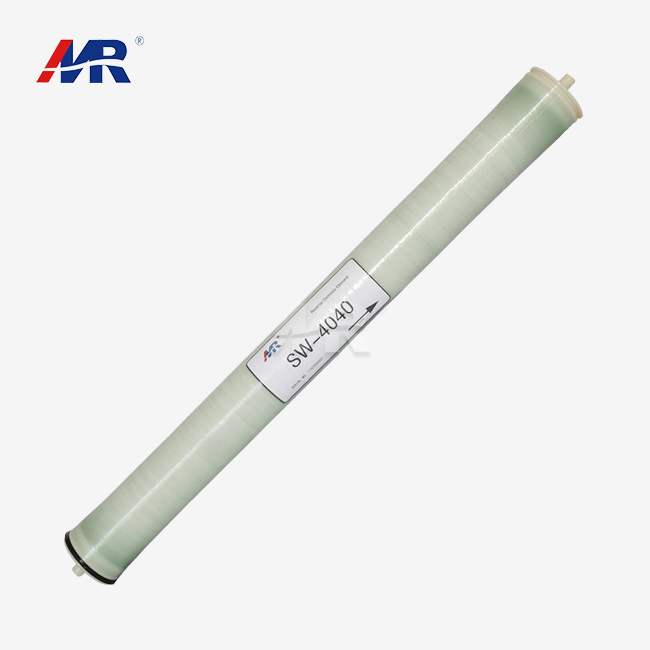 VIEW MORE4040 seawater reverse osmosis membrane
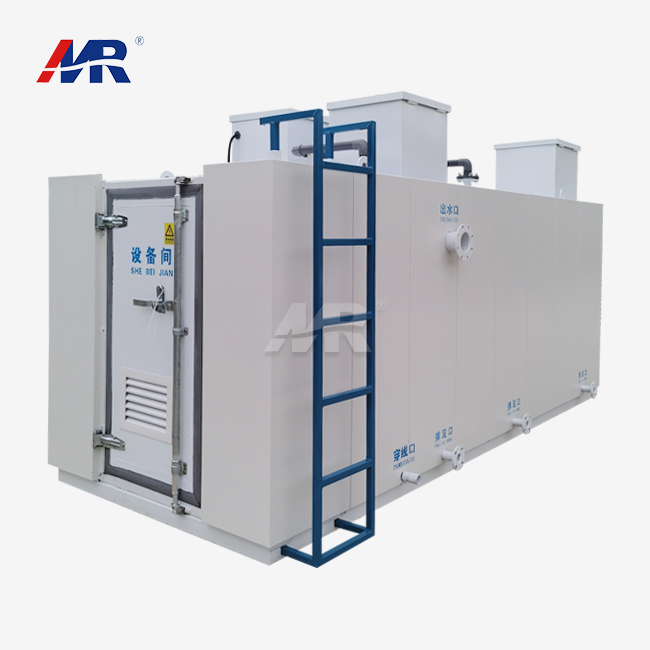 VIEW MOREwastewater treatment plant
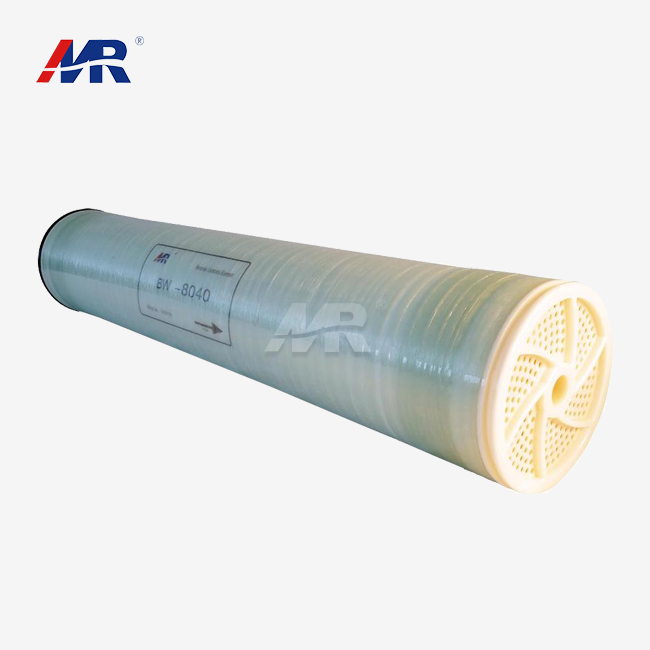 VIEW MORE8040 reverse osmosis membrane
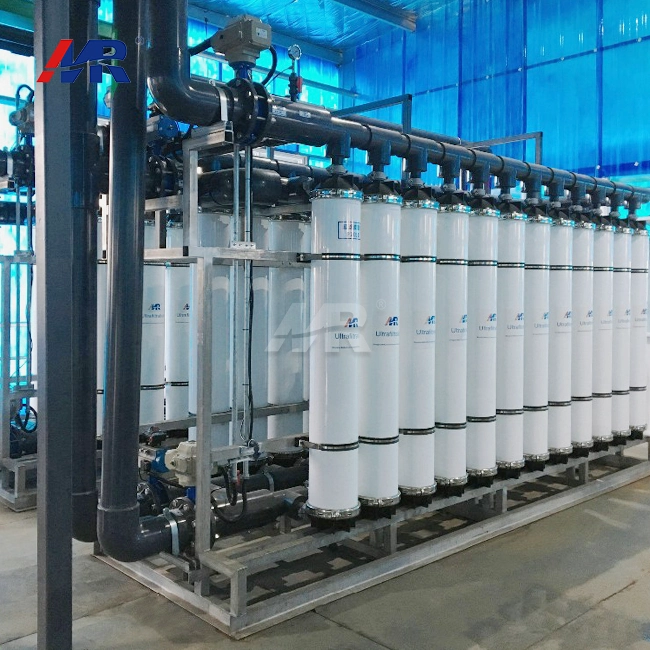 VIEW MOREultrafiltration equipment
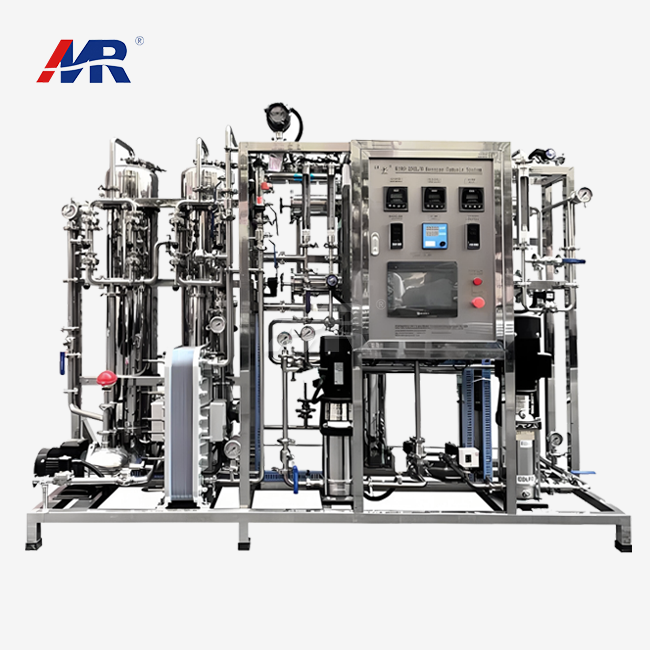 VIEW MORE1000LPH EDI plant
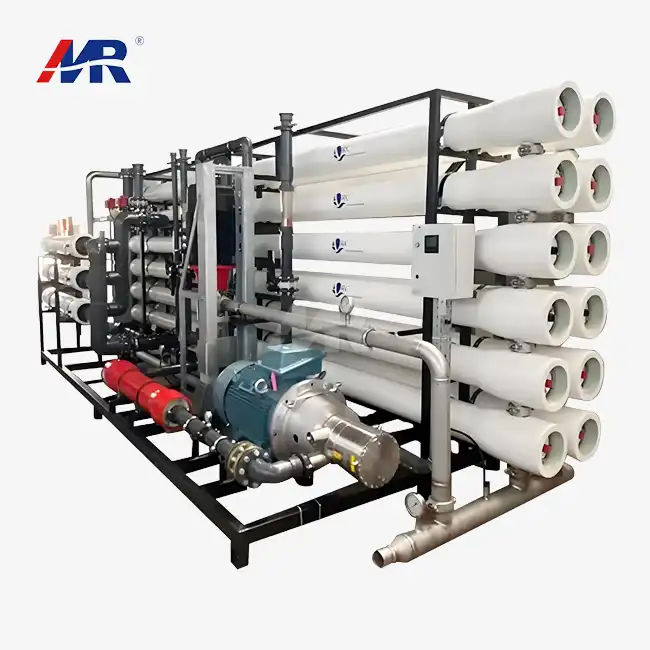 VIEW MORE45m3/hour seawater desalination system
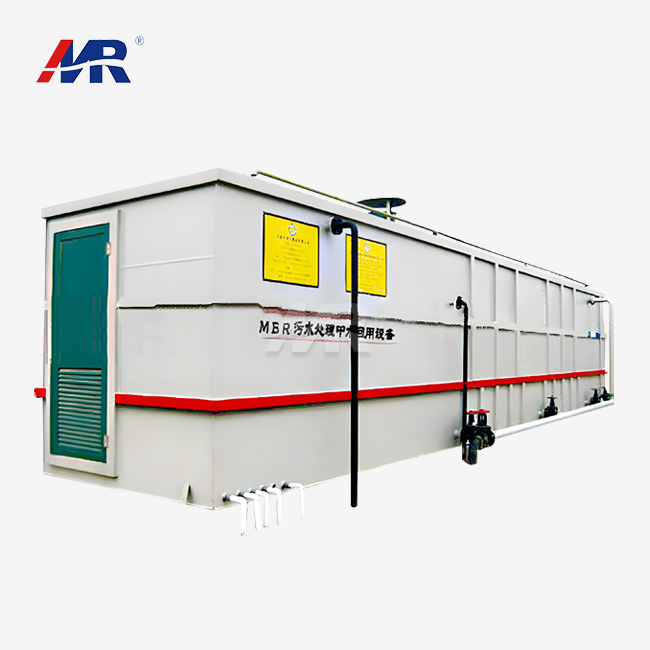 VIEW MOREsewage treatment plant MBR system
 VIEW MOREultrafiltration membranes for water treatment
