_1745823981883.webp)

How to Choose the Best RO System for Well Water with Iron
Choosing the best RO system for well water demands careful evaluation of iron removal capabilities, membrane technology, and operational scalability. Iron-contaminated groundwater creates serious challenges—rust staining, equipment fouling, and taste issues that compromise production quality across industries. An effective reverse osmosis solution must combine advanced pre-filtration stages with high-rejection membranes to eliminate up to 99% of dissolved iron, sediment, and other contaminants. Procurement managers and engineers need systems that balance treatment efficiency with long-term reliability, ensuring uninterrupted operations while meeting regulatory standards for water purity in manufacturing, food processing, and pharmaceutical applications.
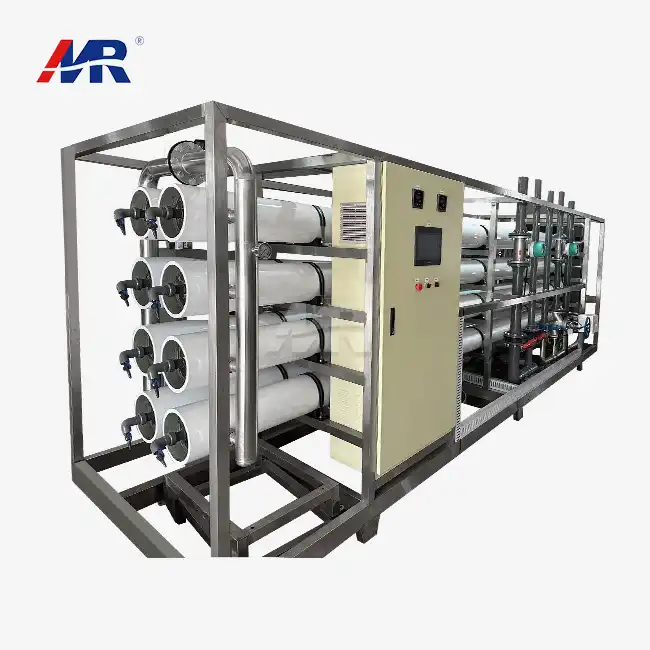
Understanding the Challenges of Iron in Well Water
Industrial facilities face big operational and financial risks when iron gets into groundwater. When well water has a lot of iron in it, businesses have problems with broken equipment, bad Products, and upkeep issues that slow down work and cost more.
Common Iron-Related Problems in Industrial Settings
Well, water iron usually comes in two chemical forms: ferrous iron, which is dissolved and shows up as clear water, and ferric iron, which is oxidized and shows up as rust bits. Both pose different problems. Ferrous iron can't be seen until it comes into contact with air, which causes rusting and leaves rust spots on things and surfaces. Iron that is ferric jams lines, breaks valves, and makes membrane systems dirty. Manufacturers that use well water often report brownish discolouration, a metallic taste, and bacterial growth (iron bugs thrive in iron-rich settings). All of these problems lower the quality of the products they make and make it harder for them to follow the rules.
Why Standard Filtration Falls Short?
Normal silt filters and carbon blocks aren't good at getting rid of dissolved iron. Ferrous iron goes through these systems without changing until it oxidizes further downstream, which causes problems at key production points. When the iron level in well water is higher than 0.3 mg/L, it needs special treatment that includes oxidation, filtration, and membrane separation. Without the right pretreatment, ro membranes get clogged up quickly, which lowers the rejection rate and shortens the life of the parts.
Testing and Assessment Requirements
Accurate water research is the first step in choosing the right treatment method. Total dissolved solids (TDS), iron content and species, pH levels, hardness, and the presence of microbes should all be measured by a professional. Testing shows if the iron is mostly ferrous or ferric, if iron bacteria have colonised, and if there are any other toxins like manganese, hydrogen sulphide, or arsenic that need to be removed at the same time. Facilities that use well water should test it every three months to see how the seasons change and make changes to their cleaning methods as needed.
Core Criteria to Evaluate RO Systems for Well Water with Iron
To choose the right reverse osmosis equipment for iron-rich groundwater, you need to look at certain performance parameters and configuration choices that match the needs of the business and the water's chemical makeup.
Iron Removal Capacity and Membrane Technology
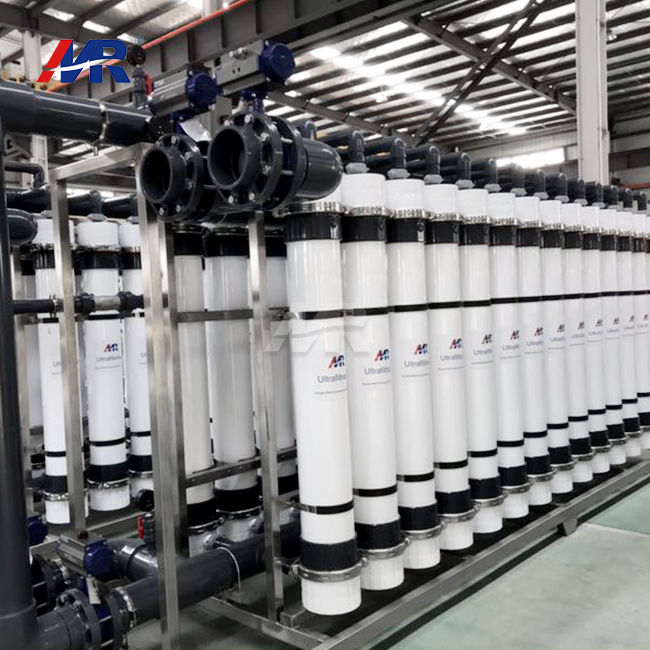
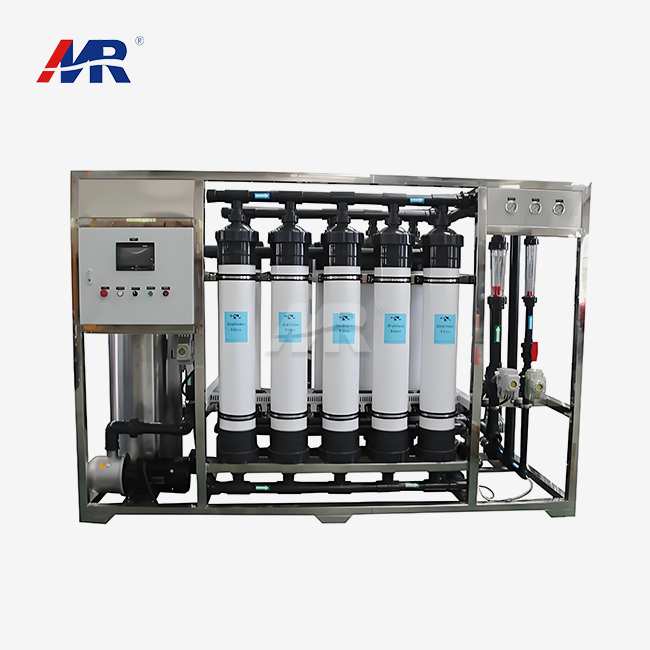
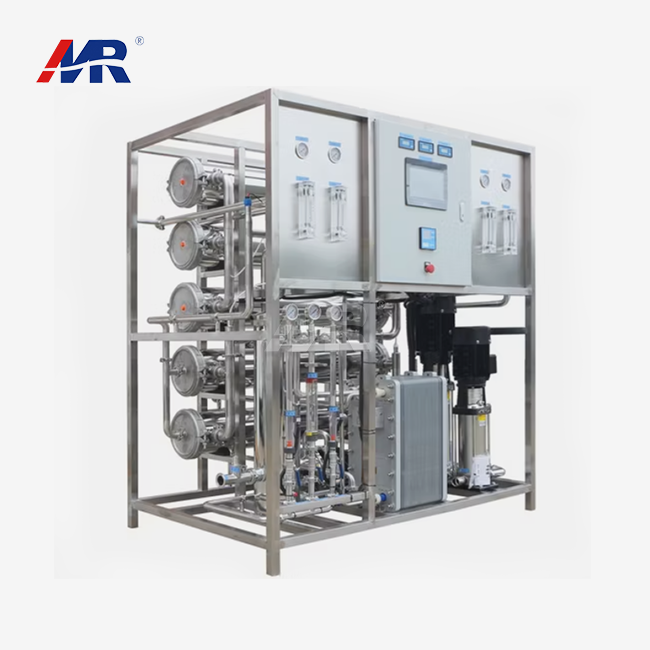
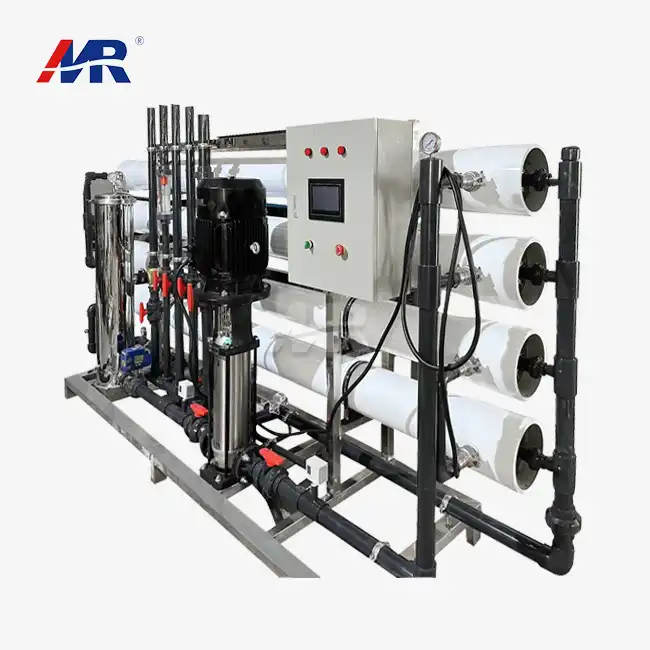
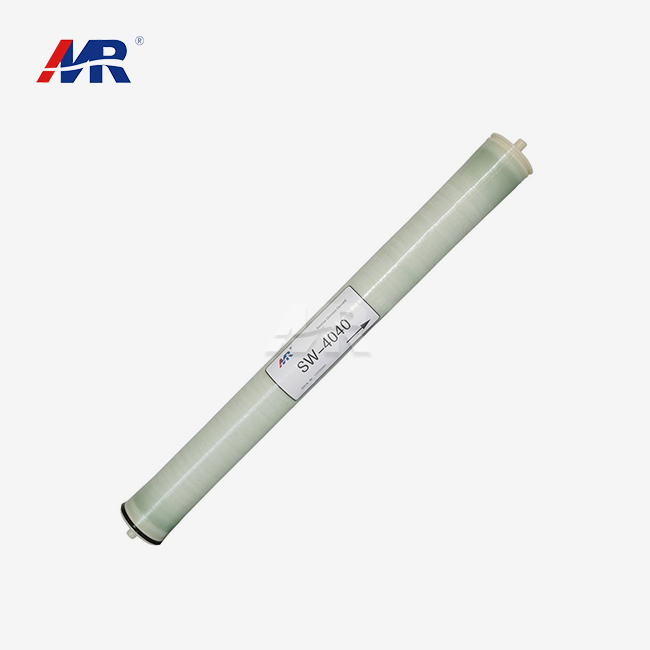
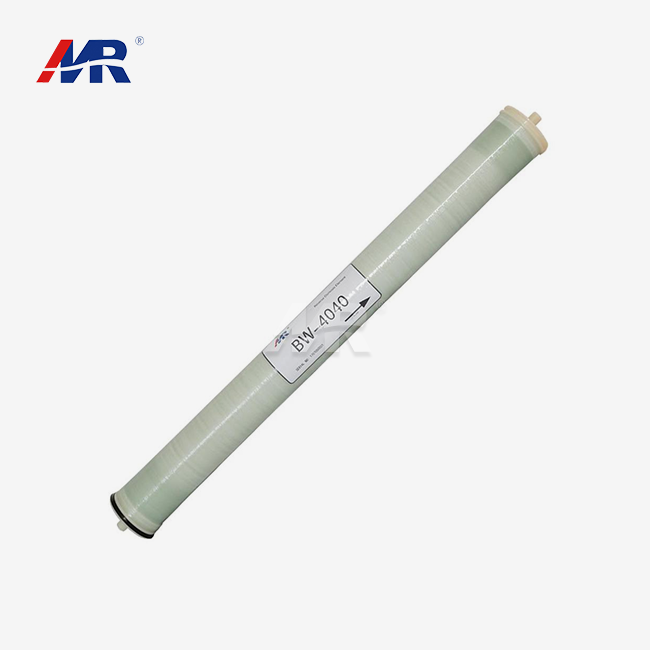
Before water gets to the RO filters, it goes through several stages of pretreatment that work well together, which is especially important when selecting the best RO system for well water. Oxidation tanks change ferrous iron into ferric particles, which are then caught by sediment screens. Thin film composite (TFC) membranes are used in high-quality systems because they can reject more than 99.5% of dissolved metals, TDS, and contaminants as small as 0.0001 microns. Capacity factors include the amount of work that is done every day, times of high demand, and the need for future growth. Systems with capacities between 1,000 and 100,000 gallons per day (GPD) are needed in industrial settings. Modular designs make it easy to add more capacity as needs arise.
Pretreatment Configuration for Iron Management
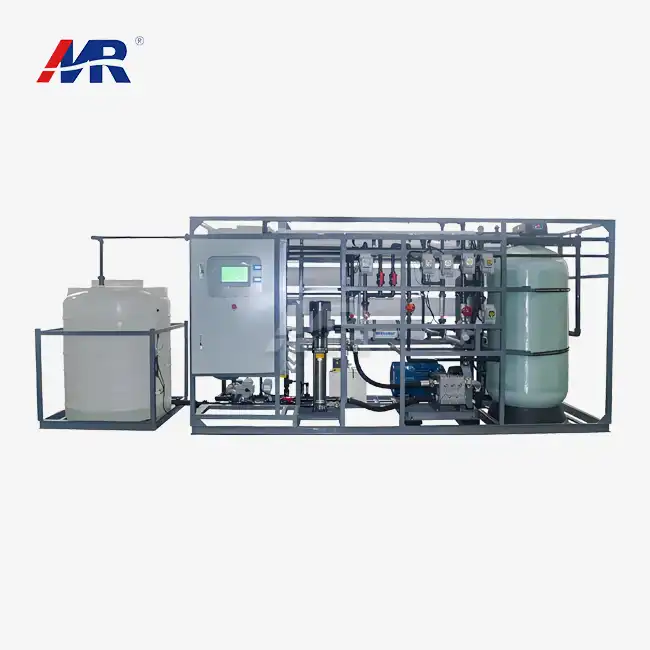
For iron removal to work, the water must go through a number of steps that prepare it before it comes into contact with the membrane. Important parts include sediment filters that get rid of particles as small as 5 microns, carbon filters that get rid of chlorine and organic compounds that hurt membranes, water softeners that lower the calcium and magnesium that cause scaling, and oxidation systems that change dissolved ferrous iron to a form that can be filtered. More advanced installations have automated backwashing filters that make parts last longer and require less maintenance work to be done by hand.
System Scalability and Maintenance Design
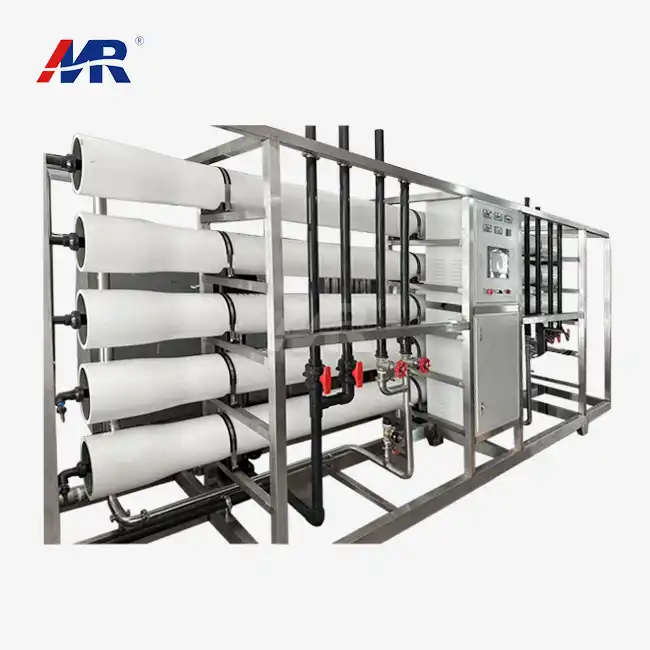
Modular construction that makes installation, maintenance, and future upgrades easier should be a top priority for industrial buyers. Programmable logic controllers (PLCs) are used in automated control systems to keep an eye on working pressure (10 to 16 bar), flow rates, and membrane performance in real time. This lets workers know when maintenance is needed before problems get worse. Designs that use 1.5 to 2.5 kWh/m³ of energy lessen operating costs by a large amount over the life of the equipment. Small footprints allow facilities with limited room to use them while still making filter replacement and repair processes easy to access.
Comparison of Leading RO Systems Suitable for Well Water with Iron
When you know about the different technologies and brands that are out there, you can make smart decisions about what to buy that balance performance needs with budget limits and service availability.
Technology Benchmarks and Certification Standards
The best reverse osmosis systems for treating well water that is contaminated with iron meet NSF/ANSI certification standards. This proves that the parts are safe and work as promised. Leading makers use spiral-wound membrane elements with more than 400 square feet of surface area to make contact with and rejection of contaminants as efficient as possible. Recovery rates—the amount of feed water that is turned into a clean product—reach 75% in systems that are working at their best, which cuts down on waste and running costs. Automatic cleaning processes keep iron from building up on membrane surfaces, which makes the service life longer than the average in the industry.
Alternative and Complementary Treatment Technologies
Even though reverse osmosis gets rid of all contaminants, combined methods often work better for groundwater that is high in iron. When placed upstream, water softeners remove hardness minerals that make fouling problems worse when mixed with iron. Before RO processing, chemical oxidation systems that use chlorine, potassium permanganate, or ozone turn absorbed iron into particles that can be filtered. Microbes can be killed by UV cleaning without adding chemicals that membranes have to get rid of. To make sure that all practical standards are met for water quality, procurement teams should look at the design of the whole system instead of just individual parts.
Total Cost of Ownership Analysis
The cost of buying tools at first is only a small part of the long-term expense. A full cost analysis takes into account things like installation costs, ongoing filter and membrane replacement costs, energy use, chemical additives (if required), maintenance labour, and lost time due to downtime. Choosing the best RO system for well water requires evaluating these factors carefully, as a system with suitable components can reduce operating expenses over time. Even though they cost more to buy, high-quality systems with better parts usually have a lower total cost of ownership because the parts last longer, they need less upkeep, and they work consistently so that production doesn't stop. Well water with more than 3 mg/L of iron may need a new filter every two to three years, while better-sourced water only needs one every five to seven years. This has a big effect on the overall cost of the system.
Procurement Considerations for B2B Clients: Buying and Installation
To make sure long-term operating success, buyers of industrial water treatment equipment need to carefully consider the equipment's specs, the seller's skills, and the help that comes after the sale.
Specifications and Compliance Verification
Technical data sheets should list the type of membrane and how well it rejects things, as well as the working pressure ranges, pH tolerance (3–11 for flexible uses), maximum feed water TDS (up to 10,000 mg/L for strong systems), and temperature limits. Parts that meet health and safety standards for their intended uses are certified by NSF International and the Water Quality Association. Pharmaceutical and food processing businesses need equipment that is in line with FDA and GMP standards, has clean design features, and has proof that the materials used are compatible. Warranty terms for membranes, pressure tanks, pumps, and control systems protect your investment and show that the company behind the product is sure it will last.
Vendor Selection and Partnership Value
When deciding between direct manufacturers and authorized distributors, you have to weigh price, expert help, and how easy it is to get service. Manufacturers that have been around for a while and have engineering teams in the United States offer better application knowledge, help with custom configuration, and access to replacement parts. Distributors are useful because they are close by, but they might not have the deep technical knowledge to solve difficult water chemistry problems. As an example of a full-service provider, Guangdong Morui Environmental Technology has its own facilities for making membranes and equipment, as well as partnerships with top component names like Shimge Water Pumps and Runxin Valves. This makes sure that there is quality control, reasonable pricing, and quick expert help during the whole process, from installation to commissioning to operation.
Installation Planning and Logistics Coordination
Professional installation is needed for industrial RO systems because they need to coordinate electricity service, pipe connections, drain lines for wastewater, and the integration of the control system. Preparing the site means making sure that the floor can hold enough weight, that the climate is safe (temperature and humidity levels are checked), and that repair workers can get to it in the future. Custom setups may have longer lead times, anywhere from 6 to 12 weeks. To avoid production delays, you need to plan ahead. Specification development, vendor qualification, competitive bidding, and purchase order management with clear delivery schedules and acceptance testing protocols are all parts of an effective procurement process.
Best Practices to Maximize RO System Performance for Well Water with Iron
To keep the system working at its best, it needs regular upkeep, tracking, and changes to how it works based on changes in water quality and the seasons.
Preventive Maintenance Protocols
Regular repair plans stop iron fouling and make parts last longer. Depending on the amount of iron and particles in the water, sediment filters need to be replaced every three to six months. As the adsorption capacity decreases over time, carbon filters need to be replaced every 6 to 12 months. Cleaning membranes with citric acid or other special mixtures gets rid of iron layers that slow down flow and rejection rates. Automated systems make maintenance easier by giving you information about when to clean your filters, how long they're expected to last, and performance trends that show how parts are wearing out before they break.
Water Quality Optimization Through Pretreatment Adjustment
Testing the water on a regular basis lets the cleaning be improved as the features of the source water change. Changes in rainfall, water table levels, and temperature that happen with the seasons can affect the iron concentration and speciation. For users looking for the best RO system for well water, these adjustments are especially important because well water conditions can vary significantly over time. By changing the amount of oxidation chemicals used, how often they are backwashed, and the pressure settings, the quality of the product water stays the same even when the feed water changes. Changing the pH before RO processing raises the rejection rate and lowers the chance of scaling from calcium and magnesium carbonates that form when conditions are too acidic.
Performance Monitoring and Troubleshooting
Key success indicators that modern RO systems with digital tracking keep an eye on are the permeate flow rate, the feed pressure, the reject stream TDS, and the difference in pressure across membranes. Fouling means that the membrane needs to be cleaned or replaced because production rates are going down. If the reject stream TDS goes up, it means that the membrane is being damaged by iron getting through or chemicals not getting along. By keeping thorough working logs, you can compare past performance to help with fixing when issues appear and support warranty claims if equipment flaws cause failures.
Conclusion
Choosing the right reverse osmosis equipment for well water that is iron-contaminated means balancing a lot of technical, operational, and financial factors. Comprehensive pretreatment, high-performance filters, and automatic controls are all parts of effective systems that keep the water quality stable even when the source water changes. Industrial buyers should give more weight to makers whose products have tested technology, quick expert support, and adaptable layouts that can be changed to fit future growth. Thorough water testing, qualifying vendors, and total cost analysis make sure that choices about buying offer long-term value through reliable performance, minimal downtime, and regulatory compliance across demanding applications.
FAQ
1. How often should filters be replaced in an RO system treating iron-rich well water?
Depending on the amount of iron in the water and how much it is used, sediment and carbon pre-filters need to be replaced every three to six months. If you take care of your RO membranes, they should last between 2 and 5 years. Water that is high in iron may shorten their life. By using automated monitoring, operators are notified when performance drops, which means filters need to be replaced. This keeps production from stopping.
2. Can reverse osmosis systems effectively treat well water with both high iron and hardness?
Iron and hardness problems can be solved successfully with systems that combine water softening, oxidation, and RO processes. Scaling is caused by calcium and magnesium, which are removed by softeners. Oxidation changes absorbed iron into bits that can be filtered. This multi-barrier approach makes sure that membranes get properly prepared water, which increases the efficiency of rejection and the life of the parts.
3. What system configuration works best for industrial facilities—centralized or point-of-use?
Configuration depends on how the facility is set up, how much production is needed, and how clean the water needs to be. Centralised systems treat all of a building the same way, which cuts down on equipment duplication and makes servicing easier. Point-of-use systems serve particular production lines that need different types of water or act as a backup while repair is being done. Modular designs let you use a mix of centralized pre-treatment and distributed RO cleaning steps.
Morui's Advanced RO Solutions for Iron-Contaminated Well Water
It is very important to choose the best trustworthy RO system for a well water supplier so that operations run smoothly and there is no costly downtime. Morui is an expert at designing and building unique reverse osmosis systems that solve difficult groundwater problems in industries like pharmaceuticals, food processing, electronics manufacturing, and public water treatment. Our integrated approach combines our own membrane technology (made in our own factories) with high-quality parts from partners at the top of the industry. This creates systems that have 99.5% rejection rates and recovery rates that are close to 75%.
Morui has more than 14 offices, more than 500 workers, and 20 specialized engineers. They offer full turnkey solutions that include system design, equipment manufacturing, installation, commissioning, and personalized Technical support. Our modular systems can be used in a range of settings, from small manufacturing sites to big industrial centers, and can handle flows from 1,000 to 100,000 GPD. Energy-efficient designs keep running costs low, and automated controls make sure of consistent performance with little help from the user. If you need an RO system that works on its own or an integrated system that treats multiple contaminants, Morui's expert team can make solutions that work best for your water chemistry and operating needs. Email our technical experts at benson@guangdongmorui.com to talk about your well water treatment problems and get a personalized estimate.
References
1. American Water Works Association. (2022). Water Quality Standards for Industrial Applications: Iron Removal Technologies and Best Practices. Denver, Colorado: AWWA Publishing.
2. National Ground Water Association. (2023). Groundwater Contamination Handbook: Assessment and Treatment of Iron, Manganese, and Heavy Metals. Westerville, Ohio: NGWA Press.
3. Membrane Technology Research Institute. (2023). Reverse Osmosis System Design for Challenging Source Waters: Engineering Guidelines and Case Studies. Minneapolis, Minnesota: MTRI Technical Publications.
4. International Desalination Association. (2024). Industrial Water Treatment Systems: Comparative Analysis of RO Technologies for Well Water Applications. Topsfield, Massachusetts: IDA Publishing.
5. Water Quality Association. (2022). Technical Manual for Point-of-Entry Water Treatment Systems: Iron Removal and Membrane Protection Strategies. Lisle, Illinois: WQA Technical Services.
6. Society of Manufacturing Engineers. (2023). Water Management in Industrial Facilities: Treatment System Selection, Installation, and Maintenance Protocols. Southfield, Michigan: SME Press.