

_1745823981883.webp)

Why Choose a 25m3/hour Reverse Osmosis Equipment for Factories Today?
When water quality drops overnight, a three-shift plant can't turn off output. That one truth sells more procurement officers than any brochure ever could. A 25m3/hour reverse osmosis equipment kit designed for this pressure provides stable output, tight rejection rates, and a size that fits within an existing utility room. This guide will take you through what the system performs, which sectors it is used in, how the figures compare with smaller units, and what a buyer should look for before completing a purchase order. You will also watch an actual deployment narrative of Guangdong Morui Environmental Technology Co., Ltd.
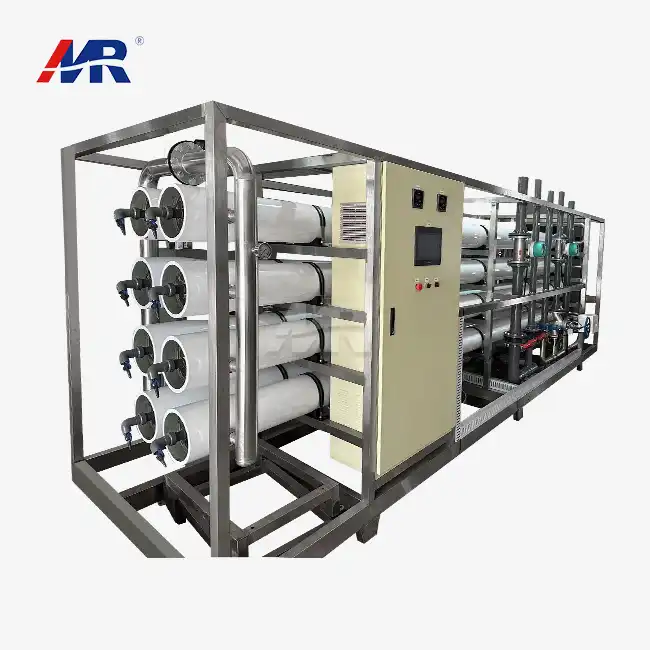
What Is a 25 m³/hour RO System?
Raw water is forced under pressure through a semi-permeable membrane in reverse osmosis. On the concentrate side, salts, heavy metals, microorganisms, and dissolved materials are left behind.” Clean Permeate Channels. This is achieved by a reverse osmosis equipment unit of 25 m³/hour, which accomplishes 25,000 litres in an hour, enough to power a mid-size beverage facility, a regional pharmaceutical workshop, or a municipal water station without the need to operate many smaller units in tandem.
Core Components of the System
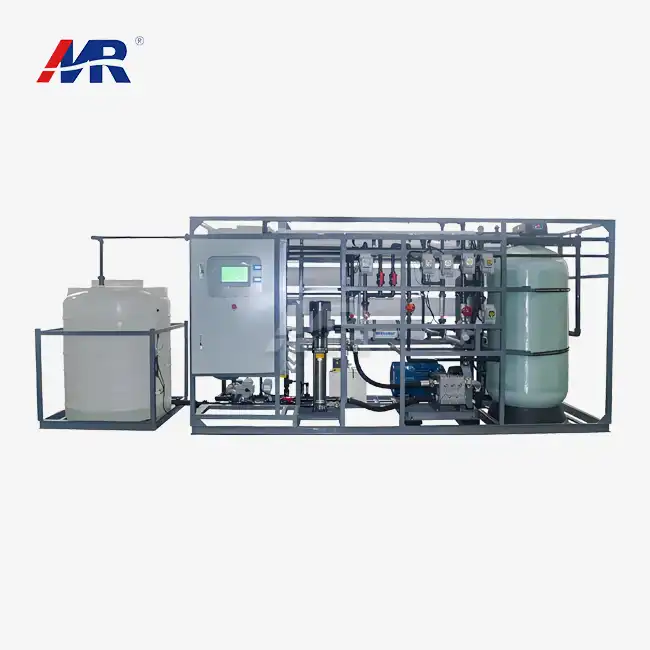
Units designed to this capacity all share a similar backbone of a raw water tank, multimedia and carbon pretreatment filters, a high-pressure pump, spiral-wound thin-film composite (TFC) membrane housings, and a PLC touch-screen control panel. Guangdong Morui’s original arrangement additionally includes antiscalant dosage so that scale-producing minerals never even reach the surface of the membrane. Morui have their own membrane factory; thus, a 25m3/hour reverse osmosis equipment order comes with matching components, not a random assortment of parts from whichever supplier happened to have stock that week. Lead time is shorter, and future spare-part buying is easier.
How does capacity map to Real Output?
That is 25 cubic metres each hour, or around 600 cubic metres a day if the factory works continuously in shifts. A 25m3/hour reverse osmosis equipment system at this capacity can provide enough permeate for boiler feed for a mid-size power unit, rinse water for an electronics line, or bottling water for a beverage operation making tens of thousands of bottles a day. Buyers of this capacity are nearly invariably beyond the stage of the small workshop and into continuous operation in industry.
Why Do Factories Need 25 m³/hour RO Capacity?
Water from a well or municipal source is seldom pure enough for an industrial line. Total dissolved solids, hardness and microbiological load vary with the seasons, and a manufacturer cannot vary its production with them.” We have a 25m3/hour reverse osmosis equipment system that takes the unpredictability out. So we get the same quality no matter what comes up at the input valve.
Matching Capacity to Shift Patterns
If the factory runs two or three shifts, you have to design the equipment for peak demand, not average demand. By mid-shift, small RO units dry up storage tanks, stopping manufacturing lines and causing overtime maintenance calls. A correctly designed 25m3/hour reverse osmosis equipment set overcomes the bottleneck totally.
Compliance Pressure Is Rising
Asian, South American, and African regulators are strengthening industrial wastewater discharge and process water quality requirements. Audits increasingly require documented, repeatable water quality from facilities previously using simple sand filters, especially in the food, pharmaceutical, and electronics production industries.
Ready to Stop Water Downtime? Talk to Morui's engineering team.
Water quality complaints, membrane fouling, and unscheduled shutdowns cost far more than a new system ever can. Morui produces and commissions 25m3/hour reverse osmosis equipment as a complete kit, not a box of parts. Please contact the engineering department at benson@guangdongmorui.com for a site-specific price from a manufacturer that also produces its own membranes in-house.
What Factory Applications Need 25 m³/hour RO Water?
Such capacity is at a happy medium: big enough to cater to a steady industrial demand, small enough not to need a separate water treatment facility. Most of the questions Morui gets at this precise flow rate come from three areas.
Food and Beverage Production
Water used for bottled water, juice concentrate, and carbonated beverage lines must meet very rigorous limits for total dissolved solids to preserve flavour and shelf stability. The final rinse, dilution, and bottling steps are usually provided by a 25m3/hour reverse osmosis equipment line, with a tiny polishing loop for any residual conductivity.
Pharmaceutical and Biotechnology Water
Purified water for GMP-controlled manufacturing is usually first treated in a 25m3/hour reverse osmosis equipment unit, followed by an extra ultrafiltration or EDI polishing unit. Facilities that produce injectable-grade or oral solid dose Products need verified rejection rates exceeding 98 per cent, which is the range this equipment class offers.
Power, Petrochemical, and Municipal Utilities
This capacity tier is used for boiler feed water for thermal power plants, reinjection water for oilfields, and drinking water improvements for municipal facilities. The table below describes the usual location of a 25 cubic metre per hour system inside each sector’s process line.
| Industry | Typical Use of RO Water | Target Water Quality |
|---|---|---|
| Food & Beverage | Bottling, mixing, CIP rinse water | TDS below 10-50 ppm |
| Pharmaceutical | Pre-treatment ahead of UF/EDI polishing | Meets GMP purified water standard |
| Electronics | Chip rinsing, precision cleaning (paired with EDI) | Ultrapure, near-zero conductivity |
| Power Generation | Boiler feed water | Low silica, low hardness |
| Petrochemical | Reinjection and process water | Reduced TDS and hardness |
| Municipal Water Plants | Drinking water upgrade | Meets national potable standards |
The same kind of equipment is used in dry coastal zones to clean brackish irrigation water and circulation aquaculture systems in agriculture and aquaculture operations to reduce disease pressure from raw water sources. This capacity is often also specified by hospitals and research laboratories, typically when dialysis water consumption is substantial for a big regional site.
How Does 25 m³/hour RO Compare with Smaller Systems?
Buyers sometimes question the capacity, and two smaller machines operating in tandem could be preferable to one 25-cubic-meter machine. The answer relies on the redundancy requirements, the footprint, and the long-term running cost.
Footprint and Installation Cost
One mid-capacity skid featuring 25m3/hour reverse osmosis equipment will need less plumbing, control panels, and floor space than two or three smaller ones with the same total output. The installation labor and commissioning time decrease proportionately, which is especially important for manufacturers renovating an existing utility room instead of constructing a new one.
Operating Economics at Scale
Larger pumps and membrane arrays tend to be more energy efficient per cubic meter generated than multiple small units working individually, since pressure vessels and high-pressure pumps scale more effectively than pretreatment steps. How does a 25 cubic meter system compare to smaller and bigger options on the criteria that matter most to industrial buyers? See the comparison below.
| Metric | 5m³/hour System | 25m³/hour System | 50m³/hour System |
|---|---|---|---|
| Typical Facility Fit | Small workshop | Mid-size factory | Large industrial plant |
| Footprint | Compact, single skid | Medium skid, 20-30 m² | Multi-skid, 45+ m² |
| Energy Use (kWh/m³) | 1.2-1.6 | 0.8-1.2 | 0.7-1.0 |
| Redundancy Options | Limited | Dual-train possible | Standard dual/triple train |
| Best Fit | Pilot lines, labs | Continuous shift production | Multi-line plants, municipal supply |
Some facilities looking to increase output in a few years opt for a somewhat bigger system anyhow, but when a facility is currently working continuous three-shift production, the 25 cubic meter tier corresponds to real need, not to speculative development.
What Are the Benefits of 25 m³/hour RO Equipment?
"Buyers seldom say, 'I want reverse osmosis; I want a machine that does this. They want fewer breakdowns, less expense, and water that meets all the standards of purity without question. Properly sized and maintained, a 25m3/hour reverse osmosis equipment kit delivers on all three.
Here are the main benefits factory operators say they see after moving into this capacity tier:
- Consistent production at scale. The system generates consistent, high-quality water at 24/7, so manufacturing lines never sit idle waiting for a water tank to replenish or a smaller unit to keep up with demand across three consecutive shifts.
- Protection of apparatus. Removing scale-forming minerals before they reach boilers, cooling towers, and precision tooling enhances equipment life and reduces unscheduled maintenance visits, which plant maintenance teams routinely cite as one of their top operational expense concerns.
- Reduced long-term operational expenses. Energy-efficient pumps, a high recovery rate of over 75 percent, and a compact multimedia pretreatment train cut both power draw and raw water usage vs. older, huge legacy systems still functioning in many area firms.
- Regulatory assurance. Rejection rates of 98% to 99.5% are documented and provide quality managers with a paper trail for audits, whether the standard is from a food safety organization, a pharmaceutical regulator, or a municipal water authority.
These benefits accrue throughout the lifetime of a system and are not a one-time, significant save. A facility that eliminates two unexpected shutdowns a year, increases the intervals between membrane replacements, and sails through every water quality assessment without a single flagged result has already paid back a significant part of its equipment costs over the course of only a few operational seasons.
A Real Deployment: Southeast Asia Bottling Plant
When a mid-sized beverage bottler in Southeast Asia experienced alarm trips in its current two-unit system during high summer demand, when raw water turbidity and hardness both increased, it turned to Morui. Morui constructed a single 25m3/hour reverse osmosis equipment line with enhanced multimedia pretreatment and antiscalant dosing adjusted to the individual well water profile of the facility.
Measured Results After Commissioning
During the next operating season, the plant achieved a recovery rate of nearly 75 percent, a rejection rate of more than 98.5 percent on continuous conductivity monitoring, and no unplanned membrane cleanings during the seasonal turbidity spike that had previously resulted in two shutdowns per year. The plant’s own maintenance data, provided to Morui’s engineering team, show that unplanned water-related downtime throughout that timeframe fell from around 40 hours per year to less than 6 hours.
How Much Does a 25 m³/hour RO System Cost?
Prices vary based on feed water quality, membrane grade, the complexity of the control system, and whether the customer wants installation and commissioning thrown in. The raw well water with high turbidity requires more pretreatment than municipal feed, which changes the overall cost, no matter the RO skid itself.
What Drives the Quote Up or Down?
The brand of membrane and how they are staged are more important than most purchasers think. When selecting 25m3/hour reverse osmosis equipment, a single-pass system using ordinary TFC membranes has a lower capital cost than a two-pass arrangement designed for ultrapure applications such as semiconductor rinse water. Price also varies based on the extent of automation. A simple relay-controlled panel will cost less than a complete PLC touch-screen system with remote monitoring.
Typical Cost Breakdown
| Cost Category | Share of Total Project Cost | Key Cost Drivers |
|---|---|---|
| RO Skid & Membranes | 45-55% | Membrane grade, stage count, pump quality |
| Pretreatment System | 15-20% | Raw water turbidity, hardness, and chemistry |
| Control & Automation | 10-15% | PLC complexity, remote monitoring features |
| Installation & Commissioning | 10-15% | Site readiness, piping distance, labor rates |
| Ongoing Consumables (Annual) | Variable | Membrane replacement, antiscalant, cleaning chemicals |
Buyers should request a quote that separates these line items rather than a single lump figure. A transparent breakdown makes it easier to compare quotes across manufacturers and to spot where a supplier may have cut corners on pretreatment or automation to hit a lower headline price.
Payback Period in Practice
Most factories replacing an aging or undersized system recover the cost difference of a properly configured 25m3/hour reverse osmosis equipment unit within two to four years, once reduced membrane replacement frequency, lower energy draw, and avoided downtime are added together. Facilities upgrading from manual dosing and basic filtration to a PLC-controlled system with antiscalant dosing tend to land at the faster end of that range, since automated dosing alone cuts both chemical waste and membrane fouling incidents considerably.
None of these figures replace a site-specific quote, since raw water chemistry and local energy tariffs both shift the real payback timeline. What holds steady across regions is the underlying pattern: undersized or poorly maintained systems cost more over five years than a correctly sized unit purchased upfront, even though the initial invoice looks smaller.
How Much Energy Does a 25 m³/hour RO Plant Use?
Energy consumption is often the single largest recurring operating cost tied to an RO system, ahead of membrane replacement and chemical dosing combined. A well-designed 25m3/hour reverse osmosis equipment unit in a reverse osmosis plant typically consumes between 0.8 and 1.2 kWh per cubic meter of permeate produced, depending on feed water salinity and pump efficiency.
Where the Energy Actually Goes?
The high-pressure feed pump accounts for the majority of energy draw, since it must push raw water through the membrane at pressures typically between 10 and 20 bar for brackish water applications. Variable frequency drives paired with the pump can trim consumption further by matching pressure output to real-time demand instead of running at a fixed maximum.
Industry Context for Energy Numbers
Water treatment broadly accounts for a meaningful share of industrial electricity use worldwide, and energy costs at treatment facilities can range from a small fraction to well over half of total operating costs depending on the site (National Renewable Energy Laboratory, 2011). The U.S. Department of Energy's Industrial Technologies Office notes that treating water for industrial processes is inherently energy intensive, which is part of why buyers increasingly weigh a system's kWh-per-cubic-meter figure as heavily as its purchase price (U.S. Department of Energy, 2025). Choosing energy-efficient pumps and a properly sized membrane array at commissioning avoids years of paying for wasted electricity on a system that was undersized or mismatched to the feed water from day one.
How Do You Choose a 25 m³/hour RO System?
Selecting a supplier is as important as selecting the equipment itself. A well-built skid installed without proper pretreatment or commissioning support will underperform regardless of its membrane specifications.
Questions to Ask Before You Buy
Ask any prospective supplier of a reverse osmosis plant for documented rejection and recovery rate data from a comparable feed water source, not just factory-condition test results. Ask whether the company manufactures its own membranes or resells another brand, since in-house production usually means faster replacement parts and more responsive Technical support when something goes wrong at 2 a.m. on a production line.
Why Manufacturer Scale Matters?
Guangdong Morui Environmental Technology Co., Ltd. operates more than 14 branches with over 500 employees and roughly 20 in-house engineers, alongside its own membrane production factory and several equipment processing facilities. That scale matters practically: a buyer gets one-stop equipment supply, installation, and commissioning support instead of coordinating separate vendors for membranes, pumps, and controls. Morui also serves as an authorized agent for established component brands, including Shimge water pumps, Runxin valves, and Createc instruments, which gives buyers documented component traceability alongside the core 25m3/hour reverse osmosis equipment package.
After-Sales Support and Spare Parts
Ask what happens after commissioning ends. A supplier that only sells equipment leaves the buyer to source membranes, seals, and pump parts independently once something wears out. Morui's branch network and in-house engineering team back every 25m3/hour reverse osmosis equipment installation with ongoing technical support and locally accessible spare parts, which matters most during the exact moment a factory can least afford an extended water outage.
What Pretreatment Does a 25 m³/hour RO System Need?
Membranes in a reverse osmosis system fail far more often from poor pretreatment than from manufacturing defects. Skipping or undersizing the pretreatment train is the single most common mistake factories make when specifying a new system.
Standard Pretreatment Stages
A typical configuration runs raw water through multimedia filtration to strip suspended solids, then through activated carbon filtration to remove chlorine and organic compounds that would otherwise damage the membrane surface. Antiscalant dosing follows, calibrated to the specific hardness and silica content of the feed water source.
Matching Pretreatment to Feed Water Source
Well water with high iron or manganese content needs additional oxidation and filtration steps that municipal feed water rarely requires. Surface water sources with seasonal turbidity spikes, like the Southeast Asia bottling plant case above, benefit from an oversized multimedia stage that can absorb short-term quality swings without overwhelming the ro membranes downstream.
Getting pretreatment right at commissioning protects the reverse osmosis system investment across the equipment's entire service life. Underinvesting here to save a small amount upfront routinely costs more in early membrane replacement than the pretreatment upgrade would have cost in the initial quote.
How Do You Maintain a 25 m³/hour RO System?
Routine maintenance keeps rejection rates high and energy consumption low across years of continuous operation. A neglected system drifts toward higher pressure, lower recovery, and eventually premature membrane failure.
Daily and Weekly Checks
Operators should log feed pressure, permeate flow, and conductivity readings daily to catch drift before it becomes a failure. Weekly checks on pretreatment filter pressure differential flag clogging before it forces the high-pressure pump to work harder than designed.
Membrane Cleaning and Replacement Schedule
Chemical cleaning-in-place, generally scheduled quarterly for well-maintained BWRO plant systems, restores membrane performance without full replacement. Membranes themselves typically last three to five years under proper pretreatment conditions, though feed water quality and cleaning discipline both shift that window considerably in either direction.
Track normalized performance, not raw numbers. Raw pressure and flow readings shift with water temperature, so operators should normalize data against a baseline to spot real fouling trends rather than reacting to seasonal noise that looks alarming but resolves on its own.
Keep spare consumables on-site. Antiscalant, cleaning chemicals, and at least one spare cartridge filter set prevent a routine maintenance task from turning into an unplanned production stoppage while parts ship from a distant supplier.
Following this discipline, a properly pretreated 25m3/hour reverse osmosis equipment system can run for well over a decade with routine membrane and component replacement, rather than requiring an early full-system overhaul.
Conclusion
A 25 cubic meter per hour 25m3/hour reverse osmosis equipment system sits squarely at the capacity factories actually need once they move past pilot-scale production. It balances footprint, energy efficiency, and output in a way that smaller units cannot match and larger systems do not always justify. Getting the pretreatment, control system, and supplier relationship right at the start determines whether that equipment delivers a decade of steady service or a string of avoidable headaches.
FAQ
1. How much water does a 25 m³/hour RO system produce per day?
Running continuously, the system produces roughly 600 cubic meters of purified water in a 24-hour period, though actual daily output depends on shift patterns and planned maintenance windows.
2. What is the recovery rate of a 25 m³/hour reverse osmosis system?
Most well-configured systems in this capacity class achieve a recovery rate up to 75 percent, meaning roughly three-quarters of feed water becomes usable permeate while the remainder exits as concentrate.
3. Can a 25 m³/hour RO system remove enough contaminants for pharmaceutical use?
RO alone typically reaches a rejection rate of 98 to 99.5 percent, which covers the bulk purification stage. Pharmaceutical facilities usually pair it with ultrafiltration or EDI polishing to reach the stricter GMP purified water standard.
4. How long does installation take for this capacity?
Depending on site readiness and pretreatment scope, installation and commissioning typically run several weeks from equipment arrival to validated startup, with additional time if civil works or new piping runs are required.
5. What feed water is suitable for a 25 m³/hour RO system?
A 25 m³/hour RO system can treat municipal, well, surface, or brackish water when properly configured. However, pretreatment requirements depend on turbidity, hardness, iron, manganese, silica, TDS, and chlorine levels. A complete water analysis should therefore be completed before selecting membranes, pumps, and pretreatment equipment.
Get a Site-Specific Quote for Your Facility
Every raw water source behaves differently, and a generic spec sheet cannot account for your plant's turbidity, hardness, or shift schedule. Morui's engineering team reviews your water analysis and proposes a configured 25m3/hour reverse osmosis equipment solution as a manufacturer and supplier, not a reseller. Contact benson@guangdongmorui.com with your feed water data to start a formal quote.
References
1. U.S. Environmental Protection Agency, "Point-of-Use Reverse Osmosis Systems," WaterSense Program, 2024. Referenced for RO system efficiency and rejection performance standards. https://www.epa.gov/watersense/point-use-reverse-osmosis-systems
2. U.S. Department of Energy, "Water and Energy RD&D," Industrial Technologies Office, 2025. Referenced for the energy intensity of industrial water treatment. https://www.energy.gov/cmei/ito/water-and-energy-rdd
3. National Renewable Energy Laboratory, "Energy Efficiency Strategies for Municipal Wastewater Treatment Facilities," U.S. Department of Energy, 2011. Referenced for energy cost share at treatment facilities. https://www.osti.gov/servlets/purl/1036045
4. U.S. Food and Drug Administration, "FDA Regulates the Safety of Bottled Water Beverages," 2024. Referenced for water quality standards in food and beverage production. https://www.fda.gov/food/buy-store-serve-safe-food/fda-regulates-safety-bottled-water-beverages-including-flavored-water-and-nutrient-added-water
5. Grand View Research, "Water Desalination Equipment Market Report," 2025. Referenced for reverse osmosis market share and industrial growth trends. https://www.grandviewresearch.com/industry-analysis/water-desalination-equipment-market
6. Energy Efficiency Analysis of Water Treatment Plants, MDPI Energies, 2025. Referenced for global electricity use in water treatment processes. https://www.mdpi.com/1996-1073/18/5/1086
About the Author
Shihai Su, Senior Water Treatment Application Engineer. Shihai has spent over a decade specifying and commissioning industrial RO, UF, and desalination systems across food, pharmaceutical, and power sector clients in Asia and beyond. His work focuses on matching membrane technology and pretreatment design to real feed water conditions rather than generic spec sheets.
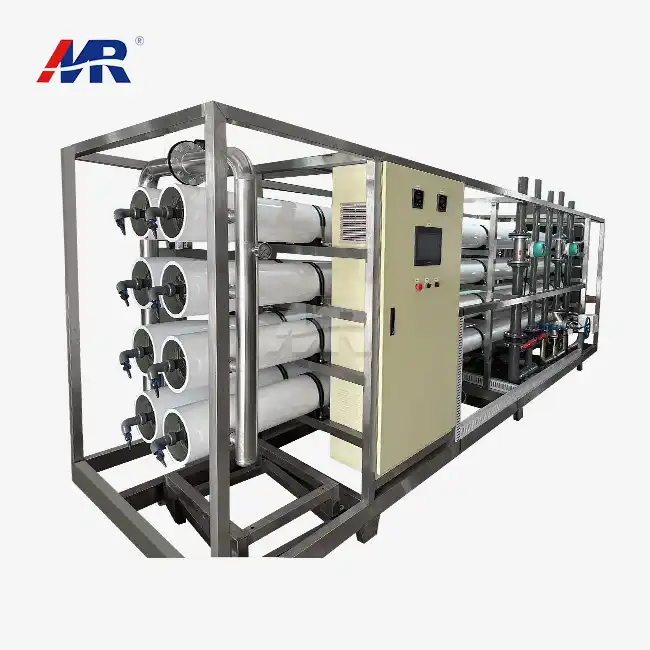 VIEW MORE8m3/hour two pass reverse osmosis system
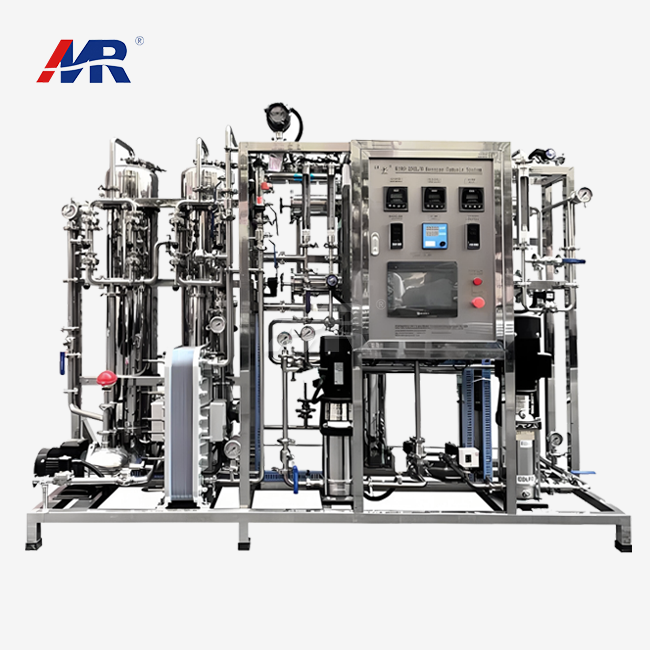 VIEW MORE1000LPH EDI plant
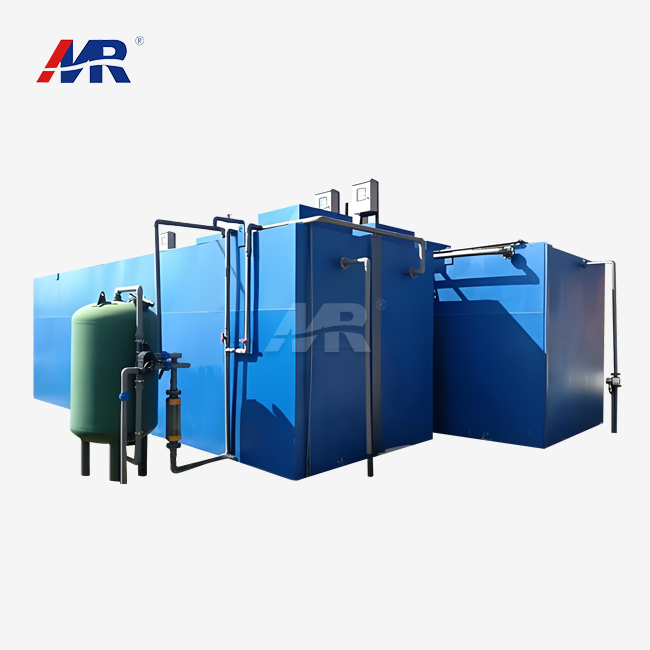 VIEW MOREsewage treatment plant
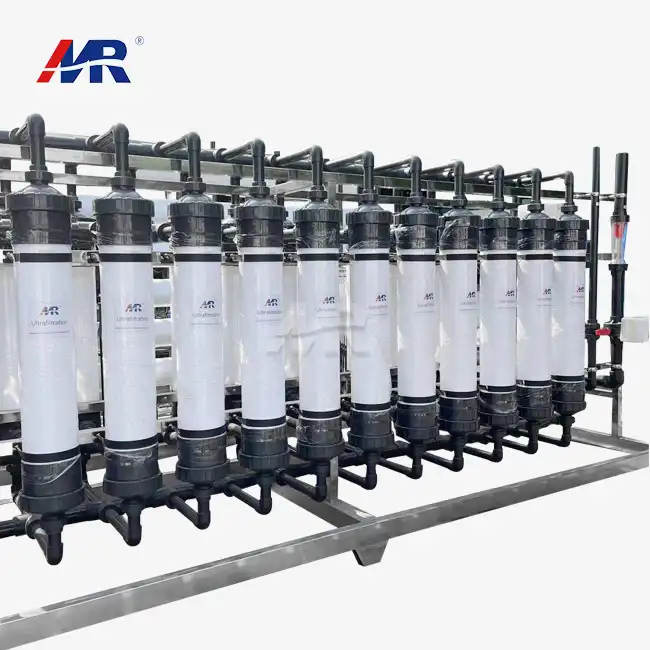 VIEW MORE30m3/hour ultrafiltration equipment
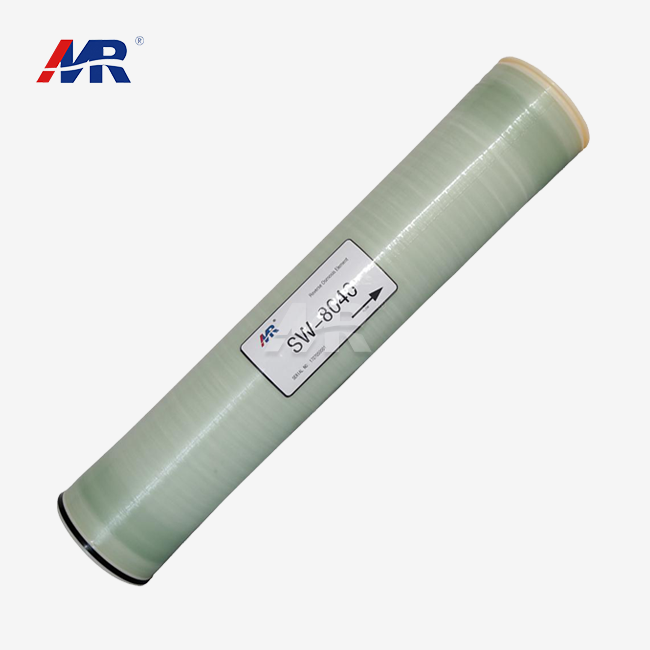 VIEW MORE8040 seawater reverse osmosis membrane
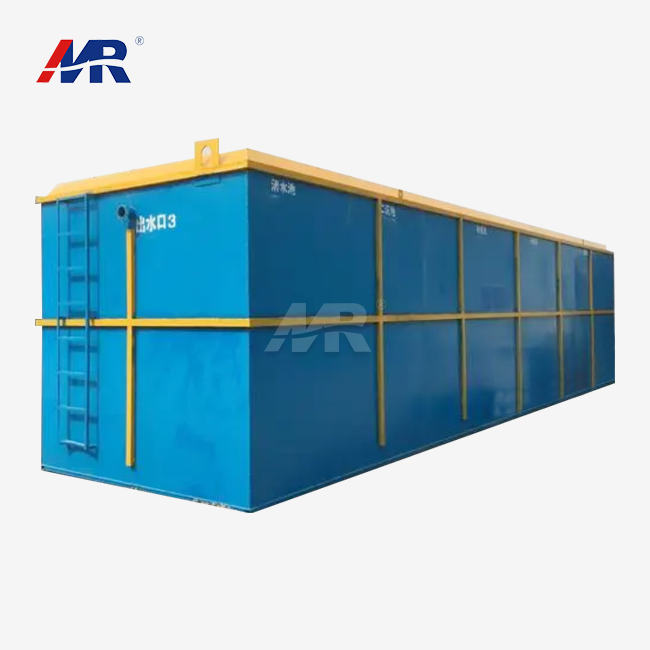 VIEW MOREwaste water treatment plant
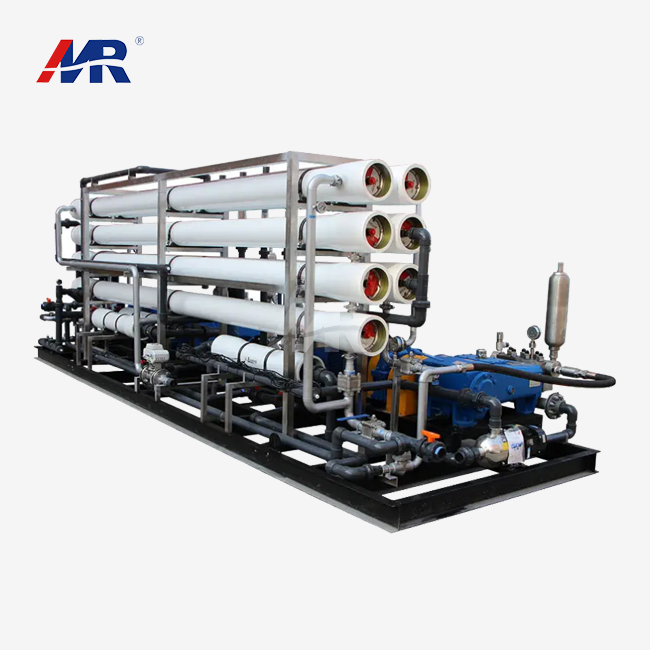 VIEW MOREseawater desalination machine
 VIEW MORE5m3/hour seawater desalination equipment
