

_1745823981883.webp)

Is NF Pre-Treatment Essential for Leachate Water Treatment?
In current leachate water treatment systems, nanofiltration pre-treatment is becoming more and more useful, but how important it is for your individual business will depend on your needs. When dealing with old waste leachate that contains a lot of divalent salts and refractory organics, NF pre-treatment makes the equipment last 30–40% longer, removes more pollutants, and stops membrane fouling on downstream reverse osmosis units. Even though it's not required in all Cases, NF pre-treatment is a smart investment for facilities that have to change membranes often, have problems with discharge standards, or need more stable operations in complex industrial settings.
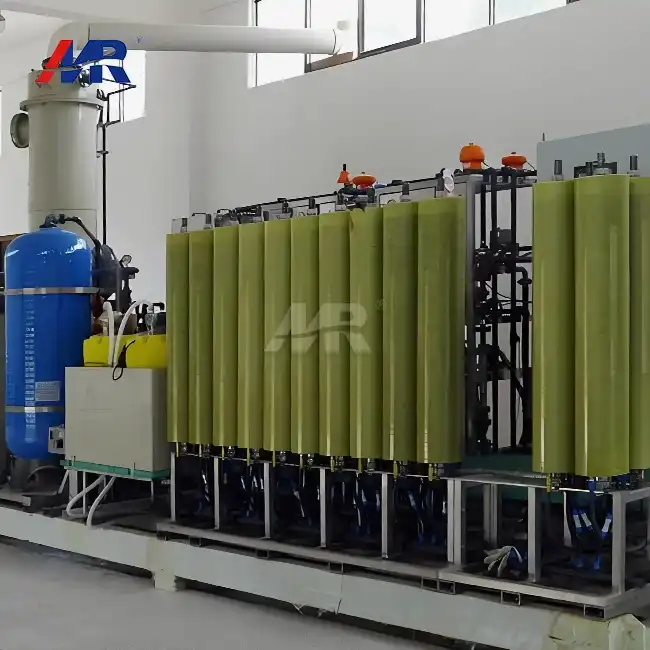
Understanding Leachate Water Treatment and Nanofiltration (NF)
The Complex Nature of Landfill Leachate
Leachate from landfills is one of the most difficult types of industrial wastewater that environmental engineers have to deal with. This very dirty liquid comes from rainwater that seeps through trash in garbage dumps, waste incinerators, and facilities that handle toxic waste. Highly concentrated Chemical Oxygen Demand (COD) (often more than 60,000 mg/L), ammonia nitrogen (between 2,000 and 5,000 mg/L), heavy metals, and persistent organic substances that are hard for living things to break down normally are found in the waste. Because of these factors, it's hard for wastewater treatment plants to do their jobs, especially when it comes to protecting groundwater and following rules like GB 16889-2008 and EPA release requirements.
How Does Nanofiltration Technology Work?
Nanofiltration is different from ultrafiltration and reverse osmosis in a way that no other membrane separation method can. NF membranes work at modest pressures of 50 to 150 psi and have pores that are 1 to 10 nanometres wide. This lets them selectively reject divalent ions (calcium, magnesium, and sulphate) and organic molecules with molecular weights above 200 to 1000 Daltons. NF systems let monovalent ions pass through while catching bigger organic toxins and multivalent salts. This is different from RO systems, which remove almost all dissolved solids. Because of this selective permeability, NF is very good at getting rid of certain types of pollutants in waste streams without using as much energy as is needed for full desalination.
Differentiation from Other Membrane Technologies
Procurement workers can make smart investment choices when they know the differences between membrane technologies. Ultrafiltration works at lower pressures and removes proteins, bacteria, and suspended solids. It can't get rid of dissolved salts or small organic substances, though. In order to completely remove contaminants, reverse osmosis needs more energy, and fouling happens faster when handling raw leachate. Nanofiltration is a good compromise because it treats runoff first to get rid of fouling precursors before RO, and it uses 20–30% less energy than RO systems that work on their own. This middle-of-the-road method has become very popular among sites that deal with old leachate that has a moderately salty and high organic content.
Core Challenges in Leachate Treatment Addressed by NF Pre-Treatment
Membrane Fouling Mitigation
Typical systems for treating leachate have trouble with membrane fouling that happens quickly because of humic substances, colloidal particles, and calcium scaling. These fouling processes greatly lower flux rates, require regular chemical cleaning, and shorten the life of membranes to 18 to 24 months in harsh environments. NF pre-treatment gets rid of organic proteins and divalent cations before they can reach ro membranes, which are sensitive to fouling. Facilities that use NF pre-treatment report 40–55% lower fouling rates downstream and longer membrane replacement times of 36–48 months. This saves a lot of money and makes the process more reliable.
Variable Leachate Composition Management
The quality of leachate changes a lot depending on how old the dump is, the time of year it rains, and the type of waste that is put there. Young leachate from active dumps breaks down quickly, with a BOD/COD ratio above 0.4. Older leachate, on the other hand, breaks down slowly, with a BOD/COD ratio below 0.1 and high levels of ammonia. This variation makes biological treatment systems hard to use and makes loads on membrane units uncertain. NF pre-treatment creates a stabilising buffer that keeps the effluent's properties constant, even if the influent changes. The technology keeps rejection rates the same even when the feed conditions change. This lets downstream processes work within their design limits and makes sure that discharge standards are always met.
Enhanced Pollutant Removal Efficiency
Organic molecules in old leachate that are resistant to biological oxidation stay in the water during the first stages of leachate water treatment cleanup. These chemicals make it harder to reuse water and cause sewage quality violations to happen over and over again. Studies done at local solid waste facilities show that NF pre-treatment can get rid of 60–75% of COD and 50–65% of colour before the leachate gets to the final polishing steps. This better removal profile takes care of more compliance factors at once while also lowering the amount of chemicals needed in secondary treatment. The combined effect makes the system work better overall and makes it possible for cleaned wastewater to be reused or sent back to the system for more use.
Evaluating NF Pre-Treatment within the Leachate Water Treatment Process
Multi-Stage Treatment Integration
To handle leachate effectively, you need to use a plan that combines different treatment methods in a way that makes sense. Usually, an advanced system starts with basic screening and equalisation to get rid of large solids and smooth out changes in flow. After that, the stream goes through biological cleaning using either anaerobic or aerobic methods to get rid of biodegradable organics and ammonia nitrogen. After biological treatment, NF pre-treatment is an important step that must be taken before the final RO cleaning or advanced oxidation processes. This timing lets each technology work on the parts of the pollution that it does best, maximising total removal while keeping costs low.
Critical Design Parameters
Paying close attention to operational factors is necessary for NF pre-treatment planning to go well. It is important to choose a membrane based on the features of the runoff. Loose NF membranes (200–400 MWCO) work well for high organic loads, while tight NF membranes (150–300 MWCO) work well for salt rejection. The operating pressure is usually between 80 and 120 psi, which balances the flow rates with the energy use. Recovery rates between 65 and 85% are best for managing concentrates and keeping fluid output at a good level. Temperature control is necessary because changes in viscosity have a big effect on performance. The best temperature range for function is between 20°C and 25°C. These factors need to be changed based on the conditions and discharge goals at the spot.
Cost-Benefit Analysis
When making investment choices, it's important to weigh the costs of capital spending against the benefits of long-term operations. The initial costs of an NF system are usually between $800,000 and $2,500,000 for municipal-scale setups that handle 50 and 200 cubic metres of waste every day. The exact costs rely on how complicated the system is and how much automation is used. Costs of doing business include replacing membranes ($45,000 to $80,000 per module set), using energy ($0.35 to $0.55 per cubic metre), cleaning chemicals ($0.15 to $0.22 per cubic metre), and paying workers. NF pre-treatment, on the other hand, gives real benefits by increasing the life of downstream membranes (worth $120,000 to $200,000 per saved replacement cycle), lowering the amount of chemicals used (20 to 35%), and making sure that release rules are followed better (avoiding fines of up to $500,000 per year). Payback times are usually between 3 and 5 years for sites that have to change membranes often or have trouble with compliance.
Market Solutions and Supplier Insights for NF Pre-Treatment Systems
Evaluating Technology Providers
On the global market, there are a lot of different NF pre-treatment options, each with its own performance and service guarantees. Leading makers set themselves apart by having a track record of success in difficult leachate uses, the ability to do full pilot tests, and a strong system for providing support after the sale. Suppliers of good quality offer specific performance guarantees that spell out the minimum rejection rates, flux stability, and membrane lifespan under certain working conditions. Certifications like ISO 9001 for quality management, ISO 14001 for environmental standards, and ASME pressure tank codes show that the Products are made well and follow the rules. Procurement teams should give more weight to providers that can show successful setups in similar applications with performance data that can be checked over a number of years.
Morui's Integrated Leachate Solutions
Guangdong Morui Environmental Technology specialises in full leachate water treatment systems that include modern NF pre-treatment and are designed to meet the specific needs of city landfills, waste incineration sites, and dangerous waste centres. Our engineering team uses the skills of more than 20 specialised engineers and vertically integrated manufacturing capabilities that cover making membranes and tools in a number of different processing sites. We make NF systems that are specifically designed for each site, taking into account issues like shock load resistance, automatic fouling control, and methods for minimising concentrates. Even in harsh settings, our installations consistently perform, keeping 70–80% COD rejection rates and getting 95%+ system uptime through proactive maintenance plans and quick technical reaction.
Strategic Procurement Considerations
Choosing a provider for leachate water treatment is more than just buying tools. It's also about building a long-term relationship. As part of a full-service deal, installation supervision, operator training, starting commissioning, and ongoing expert help that can be used to solve problems should all be included. Maintenance plans that include preventive checks, performance optimisation, and emergency service keep warranties valid and cut down on unplanned downtime. Leasing choices for equipment give people who need to spend a lot of money more freedom. This is especially helpful for city clients who are watching their budgets or testing out new technology before committing to it fully. The real economic value of quality systems backed by solid supply partnerships can be seen by looking at the total cost of ownership over 10 to 15 years instead of just the initial purchase price.
Best Practices and Regulatory Compliance in Leachate Treatment with NF
Navigating Environmental Standards
As environmental groups focus on protecting groundwater and improving the quality of public water, the rules that guide the release of leachate become stricter. The EPA sets cleanup standards based on technology, while many states set rules based on water quality that are stricter than the federal minimums. Directives from the European Union also require the use of BAT (Best Available Technology) and tight numerical limits on COD, nitrogen species, and heavy metals. NF pre-treatment makes compliance easier by regularly getting removal rates that are higher than what standard treatment can do. This gives operators a safety window against violating permits. Another benefit is that NF systems produce steady wastewater quality, which means that samples need to be taken less often than with biologically dominated processes, which can go wrong.
Operational Excellence Protocols
To get the most out of an NF system's performance and life, it's important to strictly follow best management practices. Setting baseline performance metrics during commissioning sets standards that can be used to measure ongoing operation. This lets you find problems with falling flux rates or rejection efficiency more quickly. By setting up regular tracking plans for transmembrane pressure, normalised flux, and salt passage, you can spot fouling before it causes major production losses. When cleaning routines are optimised based on real fouling processes instead of random schedules, membrane damage from too much chemical exposure is kept to a minimum. Temperature compensation methods make sure that testing of performance is correct even when the weather changes with the seasons. When these operational practices are built into standard operating procedures and user training, they keep the membrane working at its best for its entire life cycle.
Maintenance and Training Programmes
Technical training from the supplier builds operating skills that are necessary for the leachate water treatment system to work reliably. Complete classes teach how to handle membranes, prepare chemicals, fix problems, and follow safety rules that are special to leachate environments. Support that is ongoing through remote tracking platforms lets providers keep an eye on system performance all the time. They can send alerts when parameters go outside of normal ranges and suggest ways to fix the problem before it gets worse. Factory-trained techs check that the machine is working correctly on a regular basis, replace parts that need to be replaced before they break, and update the automation programming as running conditions change. When machine owners and technology providers work together in this way, they get the most out of their assets and protect their long-term value.
Conclusion
Nanofiltration is a very useful pre-treatment for leachate water treatment when the sewage is old, there is a lot of fouling potential, or strict release rules apply. Even though NF technology isn't always necessary for leachate situations, it does solve some of the most important problems that traditional methods have, such as membrane fouling, changeable influent quality, and pollution removal that just won't work. The cost-benefit analysis shows that NF should be used when facilities have to deal with high membrane repair costs, unclear compliance, or unstable operations. It takes careful system design, choosing high-quality equipment from reputable suppliers, and strict operating management to make the technology work at its best in saving the environment and keeping costs low over its entire life.
FAQ
1. Can NF Pre-Treatment Replace Biological Treatment in Leachate Systems?
NF pre-treatment works with biological treatment, not instead of it, for complete wastewater control. Biological processes are still needed to get rid of soluble organics and change ammonia into nitrogen, especially in young leachate with BOD/COD ratios above 0.3. NF is very good at getting rid of organics and multivalent salts that are hard for living things to break down. This makes it most useful after biological treatment steps. Putting raw leachate through NF without biological preparation speeds up membrane fouling and makes it much more expensive to get rid of the concentrate. Integrated systems that use both biological treatment and NF pre-treatment before RO work best and are the most cost-effective.
2. How Does NF Impact Overall Energy Consumption?
NF pre-treatment usually lowers the total amount of energy used by the system compared to RO handling of raw wastewater on its own. NF units use 35–45% less energy per amount treated because they work at 80–120 psi instead of 200–400 psi for RO units. When used as a pre-treatment, NF increases the life of RO membranes and keeps flow rates high, which lowers the amount of energy needed to make the same amount of permeate. Total energy costs for NF+RO systems are between $0.80 and $1.40 per cubic metre treated, while they are between $1.20 and $2.00 per cubic metre for RO-only systems that foul up more quickly. Variable frequency drives, energy recovery devices, and setting processes to run during off-peak power rate times are all ways to save energy.
Partner with Morui for Advanced Leachate Water Treatment Solutions
To solve complicated leachate problems, you need people with a lot of knowledge who can provide tested technology and full help. Guangdong Morui Environmental Technology combines production skills that are vertically merged with a lot of field knowledge gained from more than 500 installations to provide reliable NF pre-treatment systems designed for tough leachate applications. Our 20 specialised engineers work together with clients from the first feasibility study to long-term operational optimisation. They make sure that systems meet performance goals while keeping costs low over their entire lifespan. Get in touch with our technical experts at benson@guangdongmorui.com to talk about your unique leachate treatment needs and look into custom solutions from a reputable maker of leachate water treatment.
References
1. Renou, S., Givaudan, J.G., Poulain, S., Dirassouyan, F., & Moulin, P. (2008). Landfill leachate treatment: Review and opportunity. Journal of Hazardous Materials, 150(3), 468-493.
2. Kjeldsen, P., Barlaz, M.A., Rooker, A.P., Baun, A., Ledin, A., & Christensen, T.H. (2002). Present and long-term composition of MSW landfill leachate: A review. Critical Reviews in Environmental Science and Technology, 32(4), 297-336.
3. Luo, J., & Ding, L. (2015). Influence of pH on treatment of landfill leachate by nanofiltration and reverse osmosis. Desalination and Water Treatment, 54(9), 2512-2522.
4. Wiszniowski, J., Robert, D., Surmacz-Gorska, J., Miksch, K., & Weber, J.V. (2006). Landfill leachate treatment methods: A review. Environmental Chemistry Letters, 4(1), 51-61.
5. Trebouet, D., Schlumpf, J.P., Jaouen, P., & Quemeneur, F. (2001). Stabilized landfill leachate treatment by combined physicochemical-nanofiltration processes. Water Research, 35(12), 2935-2942.
6. Zhao, R., Gupta, A., Novak, J.T., Goldsmith, C.D., & Driskill, N. (2013). Characterization and treatment of organic constituents in landfill leachates that influence the UV disinfection in the publicly owned treatment works (POTW). Journal of Hazardous Materials, 258-259, 1-9.
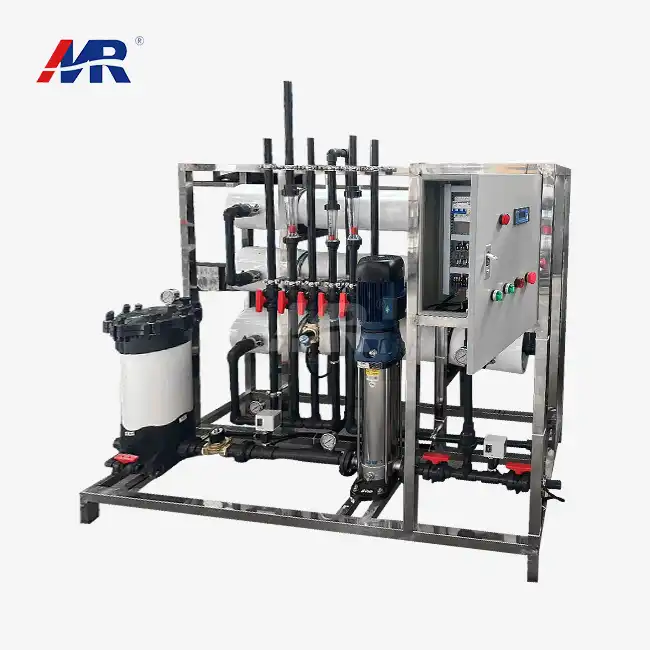 VIEW MORE3T/H reverse osmosis equipment
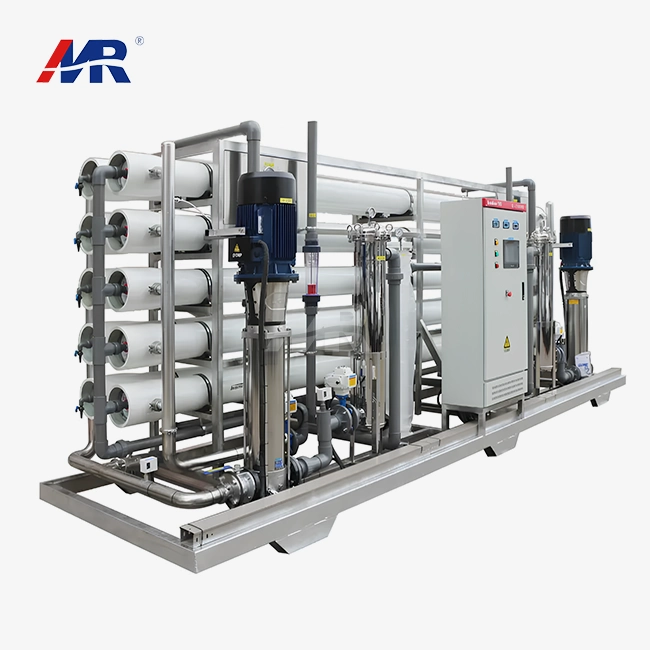 VIEW MOREreverse osmosis water purification plant
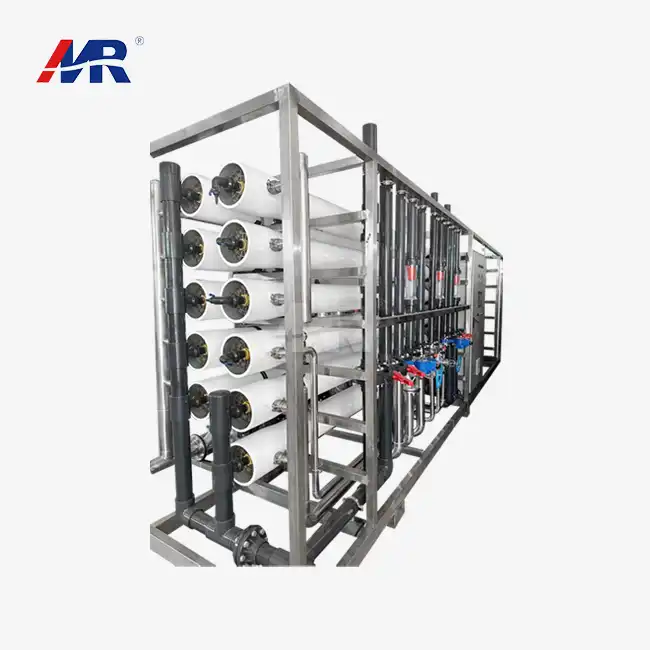 VIEW MORE60m3/hour reverse osmosis plant
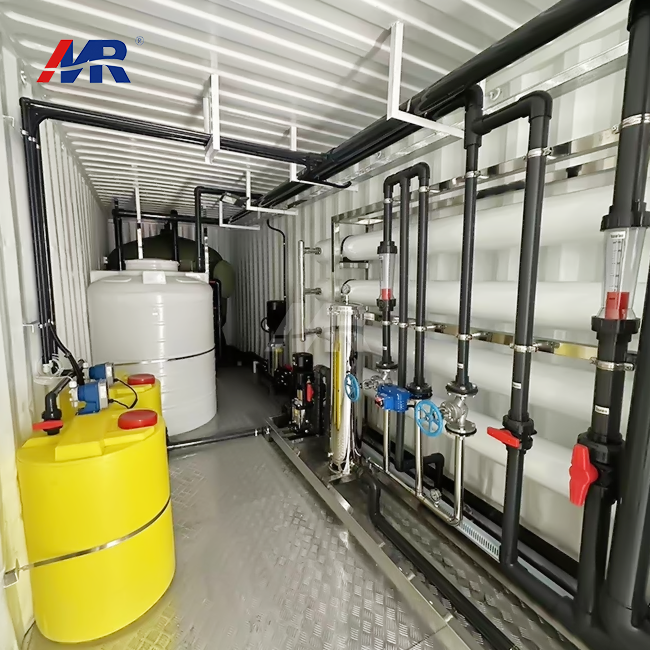 VIEW MOREcontainer reverse osmosis equipment
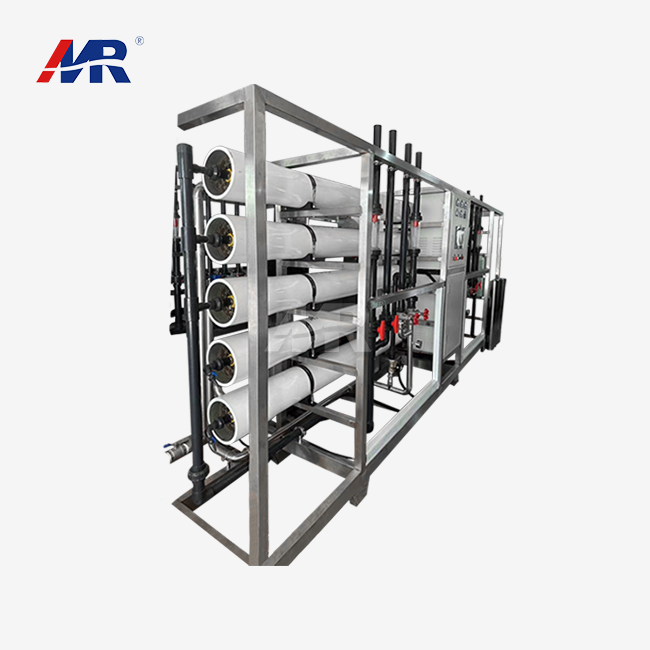 VIEW MOREhighest rated reverse osmosis system
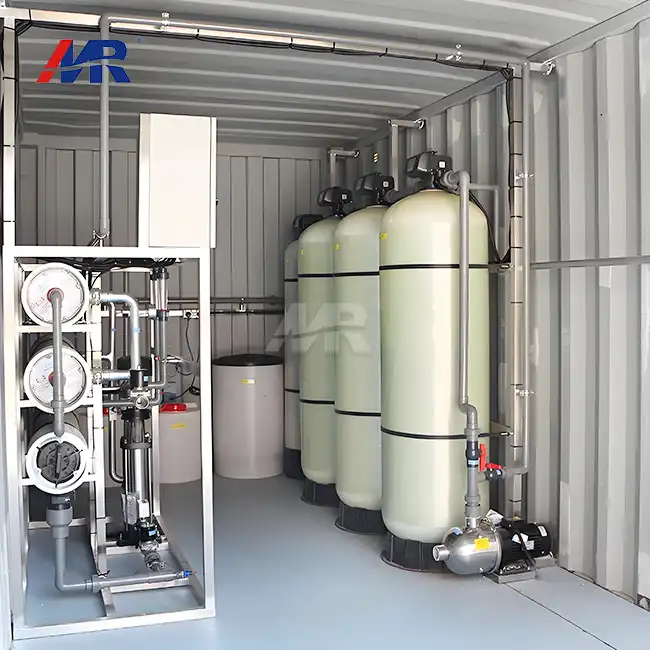 VIEW MOREcontainer type 3m3/hour RO equipment
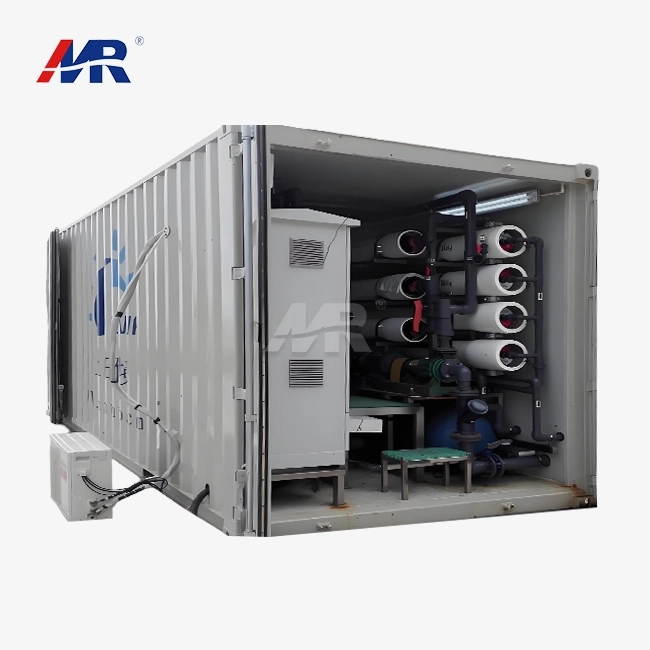 VIEW MOREcontainerized ro systems
 VIEW MOREElectrodeionization system
