

_1745823981883.webp)

Is EDI Electrodeionization Cost-Effective for Ultrapure Water?
When evaluating purification solutions for high-purity industrial water, the question of cost-effectiveness becomes paramount. Yes, EDI electrodeionization proves cost-effective for ultrapure water production when you factor in long-term operational savings, elimination of chemical handling expenses, and consistent water quality. Unlike traditional deionization methods requiring periodic regeneration with hazardous acids and caustics, electrodeionization operates continuously with minimal downtime. This technology reduces labor costs, eliminates chemical procurement and disposal expenses, and maintains stable production output—advantages that translate directly into measurable ROI for pharmaceutical, semiconductor, power generation, and laboratory applications.
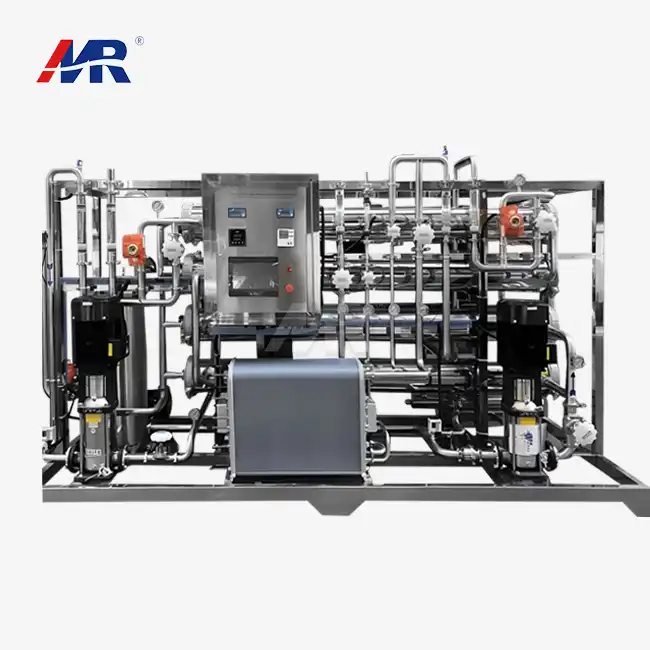
Introduction
Ultrapure water that passes strict quality standards is becoming more and more important in manufacturing settings across the United States. The stakes have never been higher, from rinsing semiconductor wafers that need resistivity above 18 MΩ·cm to making USP-grade water for pharmacy processes. Traditional ion exchange beds cause problems in the workplace because the water quality changes during exhaustion cycles, they need to store dangerous chemicals, and the neutralization waste can harm the environment.
We've seen procurement managers deal with these problems every day. Many factories have had to rethink their water treatment systems because they are looking for stable, long-lasting technology to clean the water. Electrodeionization is a big step forward because it combines electrical separation with ion exchange to make ultrapure water all the time without the problems that come with other methods. You need to look at the technology through four different views in order to figure out if this investment fits with your operational goals and budget. These are capital spending, operational efficiency, maintenance needs, and lifetime value.
Understanding Electrodeionization Technology
The Core Mechanism Behind EDI Systems
With the help of ion-exchange resins, ion-selective membranes, and a DC electrical field, EDI electrodeionization is a cutting-edge electrochemical water treatment method that constantly deionizes water without the use of chemicals. Placing resin beads between cation and anion exchange membranes creates dilute and concentrated spaces, which is how the system works. As direct current runs through the stack, ions move through the membranes and connect to their corresponding electrodes. At the same time, the electrical field keeps renewing the glue in place. This beautiful design gets rid of the loop of exhaustion and renewal that happens in most ion exchange systems.
Comparing EDI with Traditional Purification Methods
In the old way of doing things, sulfuric acid and sodium hydroxide have to be used for batch renewal, which causes problems with operations and creates dangerous waste streams. In ultrapure uses, reverse osmosis alone can't get the resistance levels needed because it only gets rid of 95–99% of the solids that are dissolved, leaving behind ions and weakly ionized species. EDI electrodeionization overcomes these drawbacks by acting as a post-RO cleaning step, collecting any leftover ionic contaminants to produce resistivity between 10 and 18.2 MΩ·cm. Electrodeionization and RO preparation work together to make a strong, chemical-free way to clean water that is comparable to mixed-bed deionization but easier to use.
Technical Properties Defining Performance
Detailed scientific information about electrodeionization devices shows what they can and can't do. The product always meets the requirements of ASTM D5127 Type E-1.2 for water resistance, and the amount of total organic carbon is usually less than 5 parts per billion. Water recovery rates range from 90% to 95%, which means that compared to some other methods, there is very little loss. It uses between 0.1 and 0.5 kWh of energy per cubic meter, which isn't much but is made up for by the fact that chemical costs aren't needed. The modular design lets it be easily expanded from small tabletop units that can make 10 liters of water per hour to large industrial setups that can make thousands of gallons of water every day. Because of these technical features, EDI is a flexible option that can be used in a wide range of industrial settings while keeping high output quality.
Cost-Effectiveness Analysis of EDI for Ultrapure Water Production
Initial Capital Investment Considerations
Electrodeionization systems usually have higher start-up costs than regular ion exchange equipment, but they are still less expensive than full mixed-bed deionization setups when you include the costs of chemical storage, containment facilities, and neutralization systems. A medium-sized edi system for a drug facility could cost between $80,000 and $150,000, based on its size, amount of automation, and how hard it is to integrate. The EDI stack, rectifier power supply, control systems, and plumbing that goes with them are all part of this major investment. Facilities that already have reverse osmosis systems don't have to pay as much to build RO preparation equipment. Compared to regenerative ion exchange setups, this method saves a lot of money because it doesn't need chemical storage tanks, spill control systems, or safety gear.
Operational Cost Comparison Across Technologies
The real story of costs can be found in operational bills. Chemical renewal in standard deionization systems costs a lot of money because of the cost of buying acid and caustic, neutralizing waste, paying to get rid of it, and using a lot of water during regeneration cycles. These ongoing chemical costs are entirely eliminated by EDI electrodeionization. The main cost of running the system is the electricity it uses, which can be anywhere from $0.05 to $0.20 per thousand gallons based on the local power rates and how well the system works. Under normal working conditions, membrane and electrode replacements happen every 5 to 7 years. This makes maintenance budgets more reliable. Without regeneration schedules, chemical handling routines, and quality tracking during exhaustion cycles, a lot less work needs to be done.
Factors Influencing Total Cost of Ownership
Several variables significantly impact the economic equation. The quality of the feed water has a direct effect on how well and how long electrodeionization works. When the conductivity of RO filtrate is higher than 50 µS/cm, membrane fouling happens faster, and stack life is shorter. Dissolved carbon dioxide amounts above 5 ppm compete with the resin's ability to hold water, which could mean that degasification equipment is needed. Hardness breakthrough from damaged ro membranes leads to scale, which needs expensive cleaning or replacement too soon. Facilities that use strict RO pretreatment get the full cost benefits of electrodeionization, while facilities that use less strict pretreatment see shorter service times and higher maintenance costs.
Operational scale is very important. Because EDI has set capital costs, smaller sites that make less than 500 gallons of water every day may find that traditional portable exchange deionization is cheaper. Large-scale uses that use thousands of gallons of water every hour, on the other hand, make electrodeionization even more useful because it gets rid of chemicals and can run continuously, which has strong economic benefits. Depending on the cost of chemicals, labor, and utilities in the area, the breakeven point is usually between 1,000 and 2,000 gallons per day.
When to Choose EDI Over Other Water Purification Methods?
Application-Specific Decision Criteria
Technology choice is based on how pure the water needs to be. EDI electrodeionization's ability to get rid of weakly ionized species is very useful in situations where resistivity needs to be above 15 MΩ·cm and silica levels need to be below 1 ppb, like making semiconductors or high-pressure boiler feedwater. Electrodeionization is helpful for pharmaceutical production that needs USP-purified water to meet bacteria and chemical standards without using cleaning chemicals. In laboratories, the constant quality that regenerative systems provide by getting rid of batch-to-batch differences is highly valued.
The choice is also affected by how stable the volume is. Facilities that need a steady amount of water can make good use of electrodeionization's constant operation. Operations with highly variable usage patterns—weekend shutdowns, yearly fluctuations—may face challenges keeping optimal EDI performance during long idle periods. In batch production settings, compact exchange deionization or on-demand mixed-bed systems can be more useful because they are flexible.
Real-World Implementation Success Stories
The most difficult place for electrodeionization to be used is in semiconductor manufacturing sites. A big chip maker in Arizona got rid of its old mixed-bed deionization system and replaced it with a modular EDI system that can process 500 gpm and constantly reach 18.2 MΩ·cm resistance. The construction got rid of 12,000 gallons of sulfuric acid and 8,000 gallons of sodium hydroxide every year and made the workers less likely to be exposed to dangerous materials. Without breaks for regeneration, production performance went up in a way that could be measured.
Electrodeionization (EDI) is being used more and more in power plants to make ultrapure boiler mix water. After RO, an EDI system was put in place at a combined-cycle plant in Texas. This made water that met ASME boiler standards and cut chemical costs by 75%. People were very interested in the environmental benefits, like getting rid of thousands of gallons of neutralized trash every year. Maintenance staff liked how easy things were to do because they could spend more time watching predictive tools instead of handling chemicals.
Pharmaceutical companies like edi electrodeionization for water systems that are GMP-compliant. A research company in Massachusetts added EDI to their purified water loop, which helped them get uniform quality that met FDA validation requirements. The chemical-free process made paperwork easier and got rid of the risks of contamination that come with renewal in advance. Sanitization procedures that use ozone and hot water kept the bioburden in the system low without affecting the performance of the EDI.
Procurement Guide: Buying and Maintaining an EDI System
Key Selection Factors for EDI Equipment
When buying EDI electrodeionization, the name of the brand is very important. Established makers offer stack designs that have been tested and proven, as well as full expert support and reliable substitute parts. Long-term viability can be judged by looking at a supplier's qualifications, such as how long they've been in business, the size of their installed base, and their technical resources. It should be clearly documented how long a membrane will last under certain working conditions, not just optimistically promoted. Realistic service intervals of 5 to 7 years under normal conditions are the average in the business. Claims of service intervals longer than 10 years should be looked at closely to see what the working assumptions are.
The standards for the system must match the needs of the process. Oversizing costs too much and makes operations less efficient, while undersizing hurts the quality of the water during times of high demand. The right capacity is chosen based on accurate flow estimates that include needs for future growth. Integration skills are very important—being able to work with current RO systems, control infrastructure, and monitoring tools makes setting up and running the business easier. Automation ranges in complexity. Simple systems have settings that you have to use by hand, while more complex platforms have predictive diagnostics, remote tracking, and cleaning steps that are done automatically.
Maintenance Best Practices and Troubleshooting
Preventative maintenance affects how long electrodeionization lasts and how consistently it works. Problems with the feed water can't hurt the EDI stack because the quality of the RO extract is constantly being checked. By keeping an eye on differences in conductivity, temperature, and pressure, you can spot problems before they become too big to fix. Electrode sections should be checked for wear on a regular basis, and changes in stack resistance that show fouling or scaling can be seen by keeping an eye on the current-voltage properties.
When done correctly, clean-in-place methods greatly increase the life of membranes. Mineral scaling can be removed with mild acid cleaning, and organic gunk can be removed with caustic treatments. The regularity of CIP relies on the features of the feed water. Cleaning every three months works well for most uses, but cleaning once a month may be needed for source water that is problematic. By exactly following the manufacturer's instructions, membrane damage from too high chemical concentrations or temperatures is avoided.
Systematic evaluation is needed to fix common problems in EDI electrodeionization. Changes in the quality of the feed water, like higher conductivity, hardness breakthrough, or more dissolved CO₂, are common causes of sudden drops in resistance. Gradual loss of resistance means that the membrane is getting clogged and needs to be cleaned. If the pressure drop across the stack goes up, it means that particles are building up because the RO preparation wasn't good enough. By keeping an eye on past trends, you can take action before the water quality goes below what is required.
Conclusion
When looked at in its entirety, EDI electrodeionization is a very good value for money when used for ultrapure water. The technology gets rid of ongoing chemical costs, cuts down on labor needs, ensures uniform quality, and makes following rules easier—benefits that add up over the lifetime of a system. Electrodeionization is especially helpful for places that need a steady supply of water, strict RO preparation, and quality standards above 10 MΩ·cm. Basic ion exchange systems require more money to buy at first, but EDI usually has a lower total cost of ownership after two to four years for middle to large setups. Electrodeionization is the best way to clean ultrapure water for forward-thinking industrial processes because it is easy to use, doesn't harm the environment, and is built to last.
FAQ
1. Why is reverse osmosis required before electrodeionization?
Before water gets to the EDI stack, 95–99% of the dissolved ions are removed by RO, which is an important step in the process. Without this main barrier, the electrodeionization system would have to deal with too many ions, which would quickly scale the membrane, draw too much current, and cause it to fail before it should. The quality of the RO permeate directly affects how well and how long the EDI works.
2. How Does Dissolved CO₂ Affect EDI Performance?
Carbon dioxide is a weakly ionized gas that competes for resin capacity but doesn't add to the conductivity that can be measured. Even though the product has low ionic content, high CO₂ amounts lower its water resistance. To get the best purity levels, concentrations higher than 5 ppm usually need degasification tools before electrodeionization.
3. What Is the Typical Lifespan of an EDI Module?
High-quality electrodeionization modules usually last between 5 and 7 years of steady service when used correctly and with the right RO pretreatment. Lifespan depends on the quality of the feed water, the number of hours it is used, how often it is cleaned, and how closely it is followed by the maker. Facilities that follow strict preparation standards usually go above and beyond these standards.
4. Can Electrodeionization Remove Silica and Boron Effectively?
Electrodeionization is very good at getting rid of weakly ionized species like reactive silica and boron, which are contaminants that are hard for RO systems to get rid of on their own. This feature is especially useful in electronics and power generation settings, where even small amounts of these pollutants have a big effect on processes.
Partner with Morui for advanced EDI electrodeionization solutions.
Guangdong Morui Environmental Technology can help you with all of your ultrapure water problems. As a well-known EDI electrodeionization company with more than 14 locations and more than 500 committed employees, we offer complete solutions, from designing the system to installing it, starting it up, and providing ongoing support. Twenty experts on our engineering team have a lot of experience with medicine, semiconductors, power generation, and industry uses. We keep up our own membrane production plant, which gives us control over quality and supply reliability that independent sellers can't match.
Morui does more than just make Products. They also offer full water treatment ecosystems that include top names of parts like Shimge water pumps, Runxin valves, and Createc instruments in the best way possible. This all-around method guarantees compatibility, performance, and serviceability for the entire life of your machine. Our all-in-one installation and testing services take away the hassle of coordinating, giving you options that are ready to go right away.
Whether you're looking into electrodeionization for the first time or want to improve the infrastructure you already have, our expert consultants are ready to listen to your needs and make suggestions that fit them perfectly. Get in touch with us at benson@guangdongmorui.com to talk about your ultrapure water needs and find out how Morui's tried-and-true solutions can help your business.
References
1. American Society for Testing and Materials. (2021). ASTM D5127-21 Standard Guide for Ultra-Pure Water Used in the Electronics and Semiconductor Industries. ASTM International.
2. Ganzi, G.C., Wood, J.H., & Griffin, R.K. (2019). Electrodeionization: Theory and Practice in Continuous Electrodeionization Technology. Water Treatment Engineering and Research.
3. International Society for Pharmaceutical Engineering. (2020). ISPE Baseline Guide Vol. 4: Water and Steam Systems for Pharmaceutical Manufacturing Facilities. ISPE Publications.
4. Strathmann, H. (2018). Electrochemical Water Processing Technologies in Industrial Applications. Membrane Science and Technology Series, Volume 15.
5. United States Pharmacopeial Convention. (2022). USP 43-NF 38: General Chapter Purified Water and Water for Injection Standards. USP Publications.
6. Wood, J., Gifford, J., Arba, J., & Shaw, M. (2020). Production of Ultrapure Water by Continuous Electrodeionization: Cost Analysis and Performance Optimization. Industrial Water Treatment Journal, 48(3), 234-251.
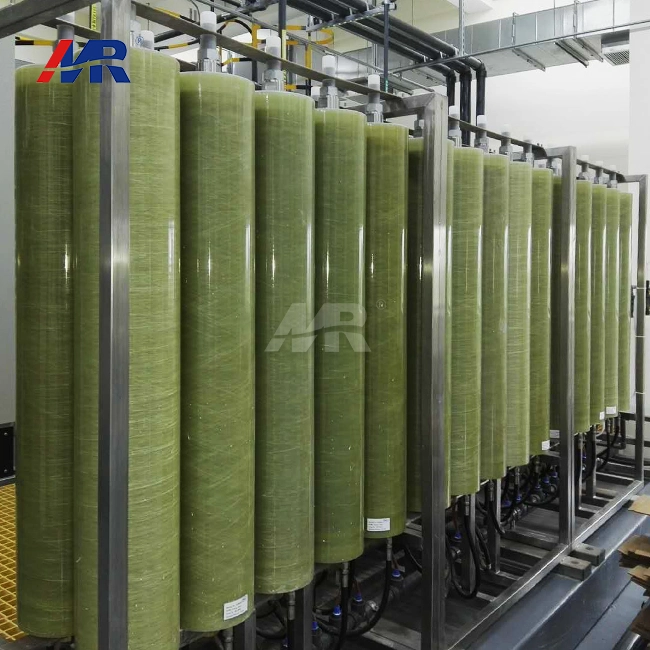 VIEW MOREDTRO Modules
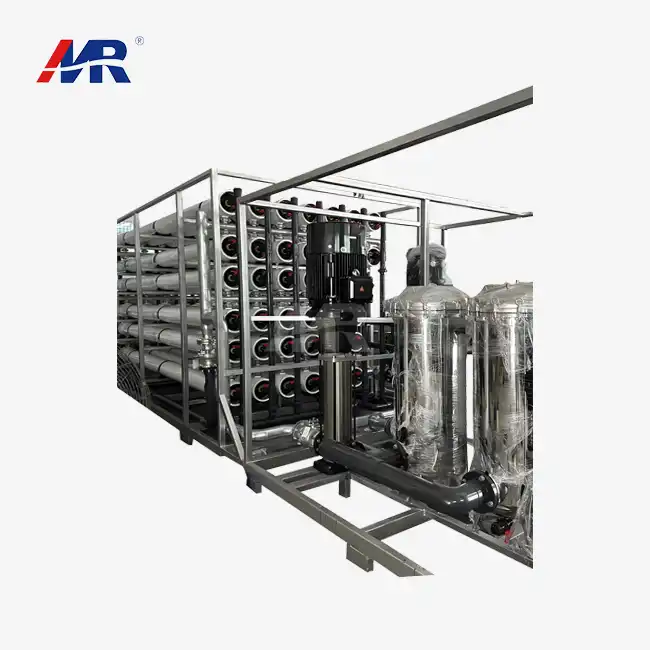 VIEW MORE150m3/hour reverse osmosis plant
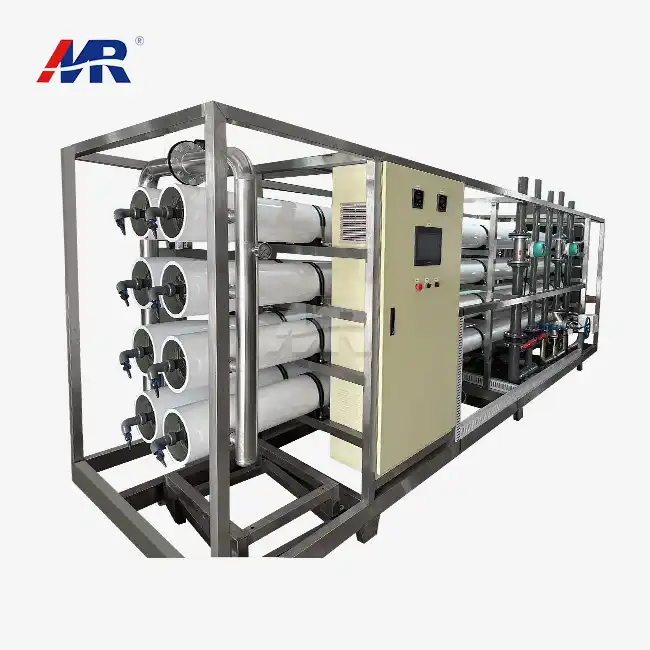 VIEW MORE8m3/hour two pass reverse osmosis system
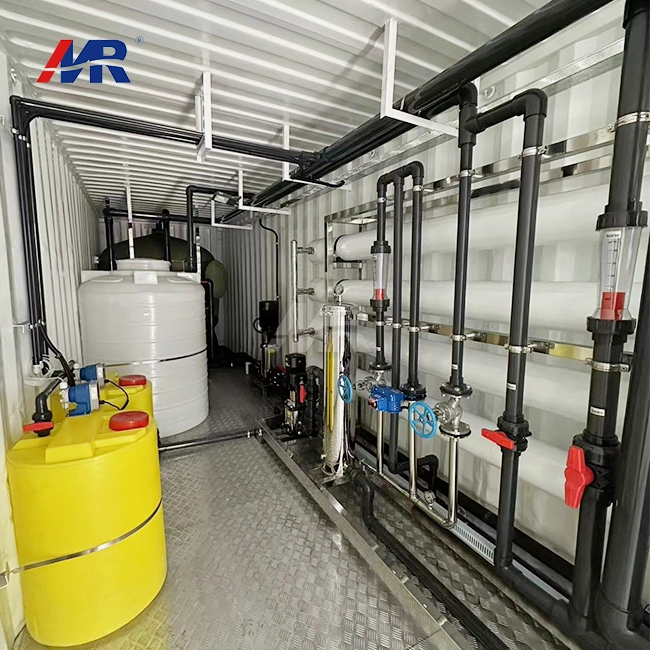 VIEW MOREcontainerized desalination plant
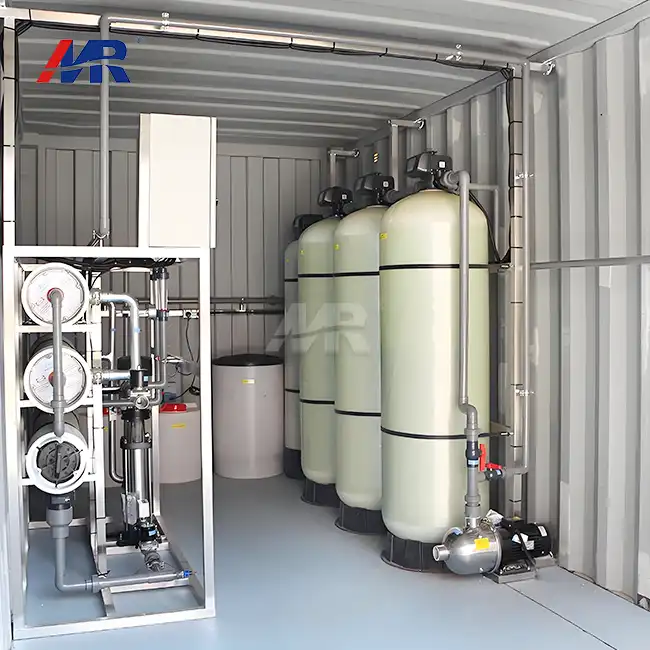 VIEW MOREcontainer ro equipment
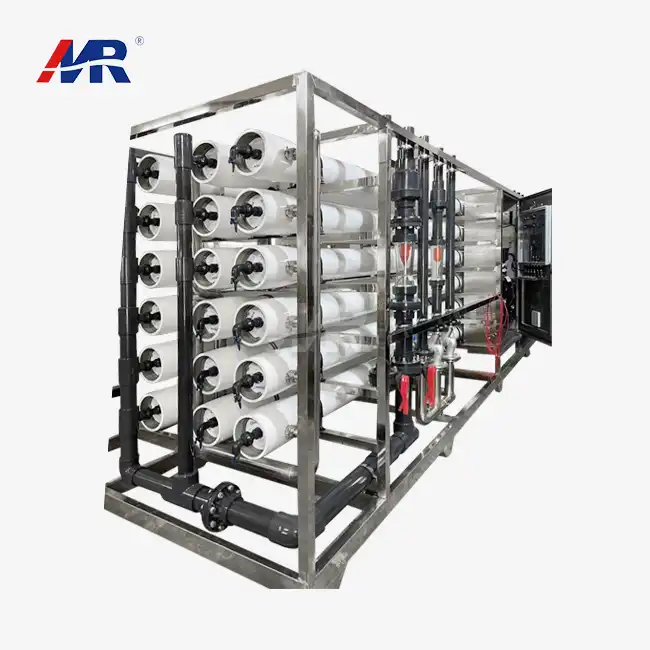 VIEW MORE100m3/hour reverse osmosis equipment
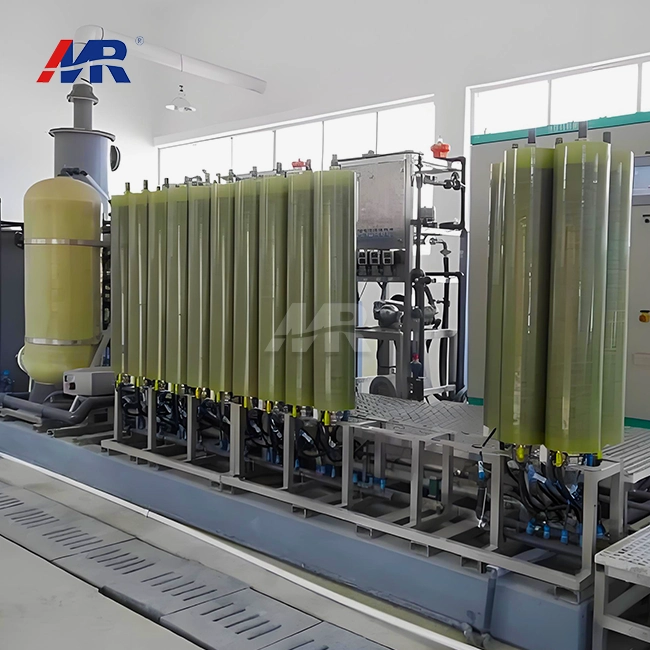 VIEW MOREDTRO Landfill Leachate Treatment
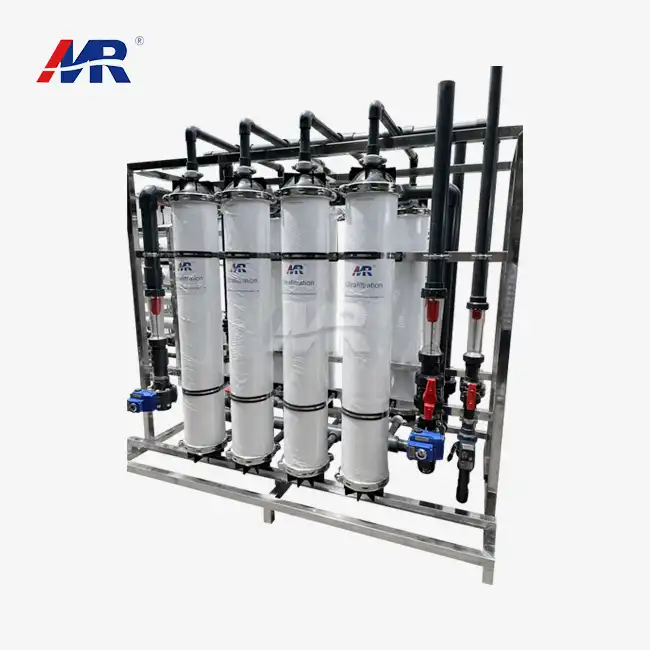 VIEW MORE15T/H ultrafiltration system
