_1745823981883.webp)

Is SBR Technology Effective in a Water Sewage Plant?
Modern water sewage plant operations have found SBR technology to be very effective, and its unique batch processing method ensures dependable treatment results. Sequencing batch reactors are different from traditional continuous-flow systems because they handle wastewater in controlled, time-sequenced processes that make biological treatment work better while reducing the system's size and making it easier to run. This technology works especially well in places where there is limited room, changing loads of wastewater, or strict rules about how it should be released. This makes it a smart choice for both commercial wastewater management and municipal wastewater treatment.
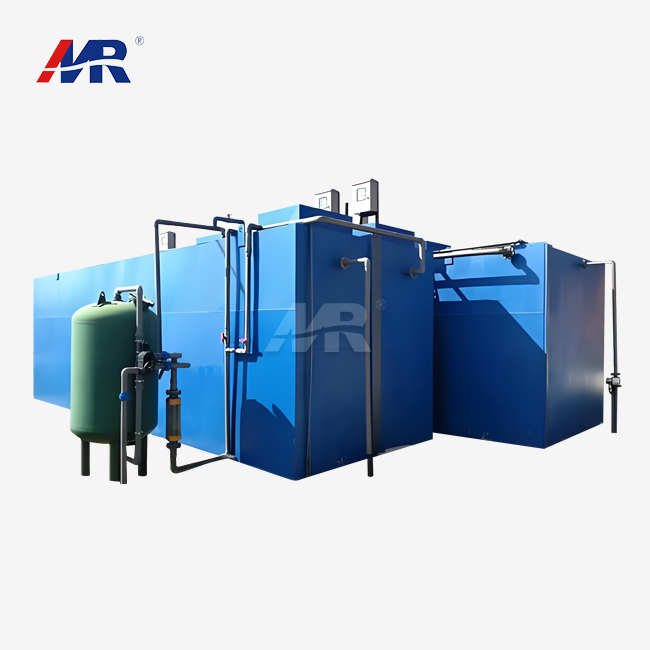
Understanding SBR Technology in Water and Sewage Plants
Core Principles of Sequencing Batch Reactor Systems
In the field of organic wastewater treatment, Sequencing Batch Reactor systems are a step forward. The technology works in five separate stages that are all carried out in the same reactor box. During the Fill phase, wastewater flows into the reactor, and bacteria start to break down the organic matter. Biochemical oxygen demand (BOD) and chemical oxygen demand (COD) are used up by aerobic cellular action during the React phase. The settling phase lets the objects that have been treated separate by gravity. The Decant phase gets rid of the cleared wastewater, and the idle phase gets the system ready for the next run. The progressive method works just as well as traditional activated sludge systems for treating wastewater, but it takes up a lot less space.
Key Components and Design Customization
Modern SBR systems use specialized tools made for reliable batch operation. When compared to mechanical aerators, aeration devices with fine-bubble diffusers make oxygen movement more efficient and use 20–30% less energy. Decanter mechanisms take out cleaned water without disturbing settled sludge, which keeps the quality of the runoff clear. Programmable logic controls (PLCs) set the timing of cycles automatically by checking liquid oxygen, pH, and oxidation-reduction potential in real time. These control systems change the treatment processes based on the features of the influent. This makes sure that the system works the same way even when the wastewater composition changes. Customization options meet the needs of different industries. For example, pharmaceutical plants that process high-nitrogen streams benefit from longer reaction phases that allow for full nitrification-denitrification, while food processing plants that deal with high organic loads use larger reactor volumes with better aeration capacity.
Operational Flexibility Compared to Continuous Systems
Batch processing has fundamental practical benefits that can't be found in continuous-flow systems. Facilities that have changing flow rates during the day, like those used by cities and to make drinks, use SBR systems instead of the equalization tanks that standard plants need. Being able to change the length of the cycle lets you deal with sudden changes in the load without affecting the quality of the treatment. When the amount of influent is low, workers can turn off reactors for a short time. This saves energy and organic nutrients. Multiple reactor designs allow for staggered operation, which keeps the treatment capacity up while repair work is being done without any downtime.
Evaluating the Effectiveness of SBR Technology
Performance Advantages Over Traditional Treatment Methods
Performance gains that can be measured show that SBR technology works. The ability to remove nutrients is better than most systems. For example, nitrogen removal is typically 80–90% through an optimized anoxic and aerobic phase sequence, and phosphorus removal is 85–95 percent through improved biological uptake during feast-famine conditions. Getting rid of organic pollutants keeps the BOD5 level below 95% and the COD level below 90%, which meets the standards set by environmental regulatory bodies for release. Total suspended solids (TSS) amounts below 10 mg/L are produced by the natural clarification phase, so there is no need for a secondary clarifier.
A review of studies done in different industrial settings (water sewage plants) shows that SBR systems always use less energy than activated sludge setups. Aeration uses about 0.25 to 0.35 kWh of energy per cubic meter of cleaned wastewater, which is about 25% less than extended aeration plants. Chemical use goes down a lot—many sites stop adding polymers to help sludge settle, which cuts costs by $15 to $30 per thousand gallons treated.
Addressing Common Operational Challenges
When running SBR setups, you need to pay attention to certain technical details. The way sludge settles has a direct effect on the quality of the decant water. When factories handle industrial wastewater that has a lot of oil and grease in it, they sometimes get floating sludge that makes decanting harder. These problems can be fixed by adding surface skimmers and making sure that ventilation patterns are optimized to stop foam from forming. Precise control of air stops over-oxidation, which makes pinpoint floc that doesn't settle well. Food-to-microorganism ratios should stay between 0.2 and 0.4 kg BOD/kg MLSS·day for the best biological activity without making the sludge too heavy.
Careful tuning is needed for cycle optimization. React stages that are too small lead to incomplete treatment, and cycles that are too long waste energy and lower daily output capacity. Advanced systems use adaptive control algorithms that change phase lengths all the time based on sensors that measure the quality of the waste. This makes sure that the best treatment happens with the least amount of help from the user.
Environmental and Regulatory Compliance Benefits
Environmental benefits go beyond how well a solution works. The small size cuts the amount of land needed by 30 to 50 percent compared to regular plants. This lets valuable land be used for production growth or lowers the cost of buying a site in cities. Less chemical use lowers the risks of handling dangerous materials and lowers the pollution caused by making and transporting chemicals.
Following the rules becomes easier to handle because of how things work by nature. When the batch process is used, sudden increases in influent volume are spread out over the whole reactor volume, rather than flooding a small part of the treatment capacity. This toughness helps buildings stay in line with their permits even when things go wrong with their operations. Automated tracking systems keep track of compliance all the time, which makes regulatory reporting easier and gives early warning of possible release violations.
Comparing SBR with Alternative Sewage Treatment Technologies
Biological Versus Chemical Treatment Approaches
The choice of treatment method has a big effect on lifetime costs and the environment's ability to survive. In contrast to chemical precipitation methods that use coagulants and flocculants, SBR technology uses biological processes in which naturally occurring bacteria break down pollution. Biological treatment usually makes 40–60% less harmful sludge than chemical precipitation, which lowers the cost of removal and the company's environmental responsibility. Chemical treatment needs infrastructure for buying and handling chemicals all the time, which makes operations more complicated and raises safety concerns that aren't present in biological systems.
The difference in cost-effectiveness becomes clearer when activities last for more than one year. Chemical cleaning may require less money up front, especially for small-scale uses, but the total cost of ownership goes up over time because of rising chemical costs and the cost of getting rid of sludge. A study of water sewage plant, and pharmaceutical production facilities shows that SBR biological treatment has a 3–5 year payback period compared to chemical options when looking at the total costs over the life cycle.
SBR Performance Against Conventional Activated Sludge
Large city sites mostly use conventional activated sludge systems because they have been used in the past, and engineers are familiar with them. But a straight comparison shows that SBR is better in many practical ways. SBR systems take up less space because they don't need separate clarifiers and possibly equalization basins. This cuts the total size by 35–45%. This small size is especially helpful in factories where production room and treatment equipment are in competition.
Metrics for treatment effectiveness show that SBR technology removes more nutrients than other methods without adding extra chemicals. Conventional plants usually need to add methanol for denitrification or alum for phosphorus precipitation, which can be prevented by setting up the SBR cycle correctly. Comparisons of energy use rely on the details of the design, but well-optimized SBR setups usually use 15 to 20 percent less energy because they don't have to pump back activated sludge and have a smaller aeration volume.
Operational ease is another thing that sets them apart. Conventional systems need to keep an eye on and change a lot of different process factors all the time. These include the rates of return of activated sludge, waste activated sludge removal, and clarifier operation. The SBR process combines these tasks into automatic cycle control, which cuts down on the amount of work that needs to be done and the number of mistakes that can affect the quality of the treatment.
Suitability Across Different Facility Scales
The size of the installation affects the choice of technology in the right way. SBR technology is especially helpful for small city sites that treat 50,000 to 500,000 gallons of wastewater every day. A small size and an easier way of doing things work well with the limited staffing and land that are common in small towns. Modular reactor designs let you add more reactors to increase the system's output without having to rethink the whole thing.
Food processing plants, chemical factories, and drug factories are all good examples of medium-sized industry uses that would benefit from SBR. When production plans change, so do the amounts of wastewater that need to be treated. SBR batch processing can naturally handle these changes. Specialized industrial wastewater often needs customized cleaning methods that are easy to use with SBR cycle planning.
Large-scale works (water sewage plants) bring up a lot of different issues. Due to economies of scale in building big clarifiers, standard continuous systems may be better for very high flow rates of more than 5 to 10 million gallons per day. However, several big SBR reactors working at the same time can easily power large city buildings. This gives them operational redundancy and repair freedom that isn't possible in conventional plants with only one train.
Conclusion
SBR technology has been shown to work well in current wastewater treatment uses thanks to its small size, high nutrient removal efficiency, and operational flexibility. The batch processing method can handle different loading situations while keeping the runoff quality stable enough to meet strict regulatory standards. When properly built, SBR installations have lower lifetime costs, less damage to the environment, and easier operation compared to traditional continuous-flow systems and chemical treatment options. Real-world uses in the business and municipal sectors show that they work well and give a good return on investment. When looking at treatment choices, procurement workers should think about the needs of the site, the skills of the vendor, and the total cost of ownership when deciding if SBR technology can be used. As new ideas come up in automation, energy recovery, and smart tracking, they keep making SBR more valuable, making it a long-term answer to changing problems in wastewater treatment.
FAQ
1. What types of wastewater are best suited for SBR treatment?
SBR systems are good at cleaning up water from cities and a wide range of industrial wastes, such as those from making food and drinks, drugs, and chemicals. The technology can handle wastewaters with BOD5 levels ranging from 150 mg/L to over 2,000 mg/L, so it can work with both weak and strong streams. There are no limits on changing flow patterns because the batch method naturally handles changes in load. For systems that deal with effluents that have inhibitory chemicals, it's important to plan them carefully, but SBRs are flexible enough to allow acclimation times and cycle changes that are hard for other systems to do.
2. How does SBR contribute to energy savings?
Energy economy comes from a number of factors that affect how things work. Getting rid of return active sludge pumping cuts pumping energy by 15 to 20 percent. Batch aeration precisely delivers oxygen based on biological demand, unlike plug-flow systems that often over-aerate all the time. Advanced control systems change the amount of air based on tracking dissolved oxygen in real time, which makes even better use of energy. When compared to regular activated sludge plants that treat the same wastewater, these changes usually save 20–30% of the energy used, which means big cost savings over the life of the system.
3. What maintenance practices ensure SBR system longevity?
The goal of routine upkeep is to keep mechanical parts and living systems healthy. To keep oxygen transfer working well, aeration diffusers need to be checked every three months and cleaned once a year. Every month, the decanter's moving parts need to be oiled, and the seals checked. Regular oil changes and pressure checks are needed for blowers. As part of maintaining biological systems, activated sludge is looked at under a microscope once a month to look for filamentous organisms that cause problems with settling. To keep the goal of mixed liquor suspended solids ratios, sludge wasting rates need to be changed. Control systems should be calibrated every six months to make sure that the sensors are working correctly and that the code is correct.
Partner with Morui for Advanced Water Sewage Plant Solutions
The dependability of treatment and the cost of ownership are directly impacted by the choice of water sewage plant provider. Morui offers a wide range of services for wastewater treatment projects, mixing tried-and-true SBR technology with full-service support. Our engineering team has successfully planned and set up sites in North America for use in food processing, pharmaceutical manufacturing, and city settings. With our own facilities for making membranes and partnerships with top equipment makers like Shimge Water Pumps and Runxin Valves, we can offer fully integrated systems that are backed by strict quality control. Our "turnkey" method includes design, making the equipment, installing it, commissioning it, and providing ongoing expert support. This makes sure that the project runs smoothly from the idea stage to the end. Please email our technical team at benson@guangdongmorui.com to talk about your specific wastewater treatment needs and find out how Morui's water sewage plant solutions can help your facility do a better job of protecting the environment while also cutting costs.
References
1. Metcalf & Eddy, Inc. (2014). Wastewater Engineering: Treatment and Resource Recovery. McGraw-Hill Education, New York.
2. United States Environmental Protection Agency (2021). Sequencing Batch Reactors for Wastewater Treatment: Technology Assessment. EPA Office of Water, Washington DC.
3. Water Environment Federation (2019). Design of Municipal Wastewater Treatment Plants: Manual of Practice No. 8, Sixth Edition. WEF Press, Alexandria, Virginia.
4. Tchobanoglous, G., Stensel, H.D., Tsuchihashi, R., & Burton, F. (2013). Wastewater Engineering: Treatment and Resource Recovery, Fifth Edition. McGraw-Hill Professional, New York.
5.Irvine, R.L. & Ketchum, L.H. (2017). Sequencing Batch Reactors: Principles, Design, and Operation. Water Environment Research Foundation, Alexandria, Virginia.
6. American Society of Civil Engineers (2018). Biological Nutrient Removal Operation in Wastewater Treatment Plants: Manual of Practice No. 29. ASCE Press, Reston, Virginia.