How to Choose DTRO Elements for High-Salinity Wastewater?
To choose DTRO Elements for high-salinity wastewater, start with a full water analysis that covers TDS, COD, hardness, silica, and suspended solids. Match operating pressure and recovery to the osmotic pressure of your feed. Then confirm salt rejection and permeate flow with data from similar wastewater, not clean-water tests. Check cleaning access, expected service life, and spare-part supply. Compare suppliers on total cost of ownership rather than unit price. I explain each step below and use the Morui MR-DTRO-40TD landfill leachate system as a working example, so you can write a clear specification and avoid costly replacements.

How DTRO Elements Work and Where They Fit
What Makes the Disc-Tube Design Different
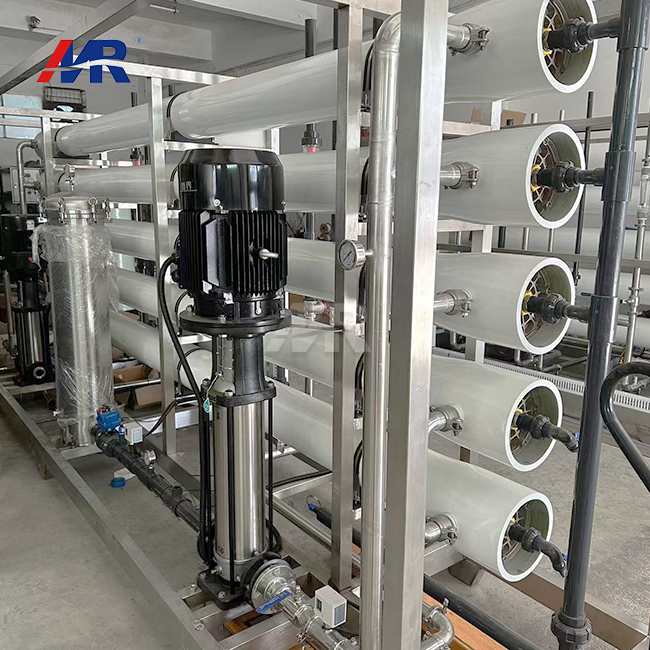
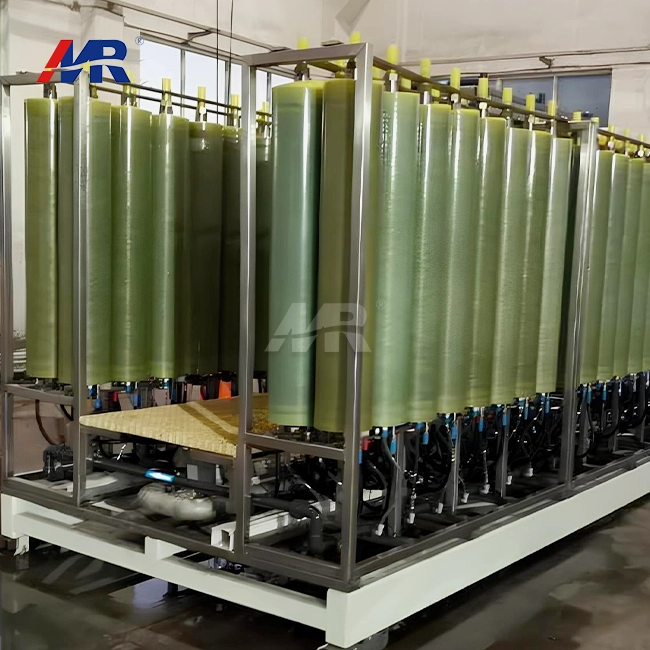
A DTRO Elements stack flat membrane cushions and hydraulic disks on top of each other on a central tension rod. It is inside a pressure housing with the stack. The feed goes across each disk through open channels, turns, and then moves on to the next disk. It moves across the membrane's surface because of this path. Water moves through the membrane when it is pressed down on. The extract holds on to the salts, organics, and metals. When someone wants to buy something, I always tell them to separate three things: the membrane element, the pressure vessel, and the whole system. Each one has a different price, and you can't compare them when they're mixed up.
Where DTRO Beats Spiral-Wound RO
Some parts are spiral-wound and have thin membrane sheets wrapped around a tube in the middle. The sheets have small gaps between them. A lot of work needs to be done on those gaps before they can be used because they catch particles and life forms. Since DTRO has open channels, it can handle more COD, silt density, and suspended solids. Because of this, it is mostly used for industrial brine and waste leachate. You can open the stack and see what's inside. The flow path is short and wide. Flux works better more often in real life when chemicals are used to clean it, and the membrane lasts longer in dirty feed. The first thing that workers do to get rid of heavy metals, ammonia nitrogen, and organic substances that don't burn is use DTRO.
When DTRO Is Not the Right Choice
DTRO Elements aren't just picked by chance. Spiral-wound systems use less energy per cubic meter than high-pressure systems with open channels when treating water that is pretty clean and has a low TDS. If the feed has low solids and COD, this type of RO will cost less to run. Tube-shaped membranes and other technologies can also handle some streams that are high in solids. What I look at when comparing choices are the feed quality, the extract goal, the price of energy, the preparation capacity, and the ease of handling concentrate. People who only look at the names or prices of membranes often choose the wrong system design.
Define Your Wastewater and Compare Core Specifications
Start With a Representative Water Analysis
Each choice should start with lab data, not just "high salinity." The data should include TDS, conductivity, chloride, sulfate, hardness, silica, pH, temperature, COD, suspended solids, oil, ammonia, heavy metals, biological activity, and more. Because of how it changes with time, season, and rain, one sample may not show the whole picture. Get a few pieces over the course of a few weeks if you can. Second, choose what you want to do: achieve legal release, lower the concentration, reuse, or ZLD front-end concentration. The feed flow, working hours, maximum discharge, and cleaning tools should all be added. With this package, the seller can tell you the sizes of the parts and a price for a recovery that will work with the chemistry of your water.
Read Pressure, Rejection, and Flow Data Correctly
The core data sheet lists the working pressure, salt rejection, permeate flow, membrane material, active area, measures, connections, and service life. It is important that the pressure is greater than the feed's osmotic pressure. It is because the concentrate is saltier that osmotic pressure goes up as recovery goes up. This means that a bigger healing goal needs more energy and pressure. It is important to know if the rejection and flow numbers came from a sodium chloride solution or real leachate, since all membranes are flat in clean water tests. Not the number of requests that came in on the first day, but a steady flow of requests after a few weeks. Also, check to see if the chemicals work well with the feed and cleaning supplies you already have. A performance graph can tell you how many DTRO elements are in something, how much energy it uses, and how much it costs over its whole life.
Review the MR-DTRO-40TD Parameters
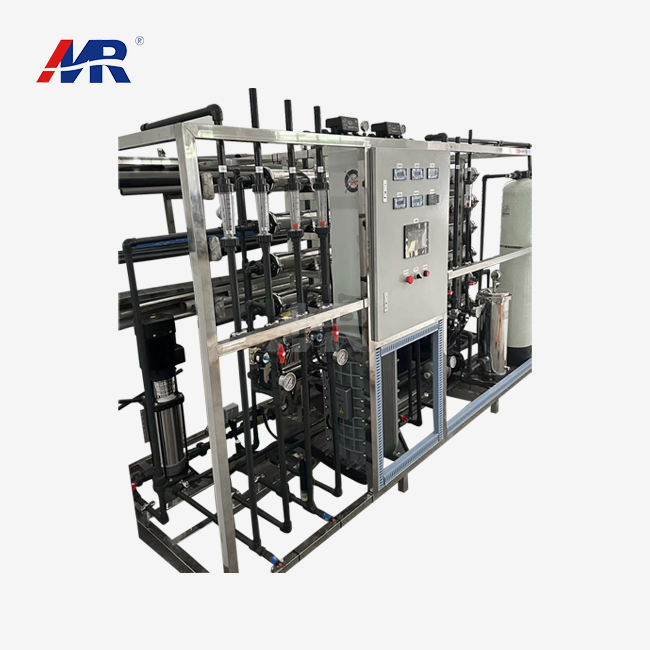
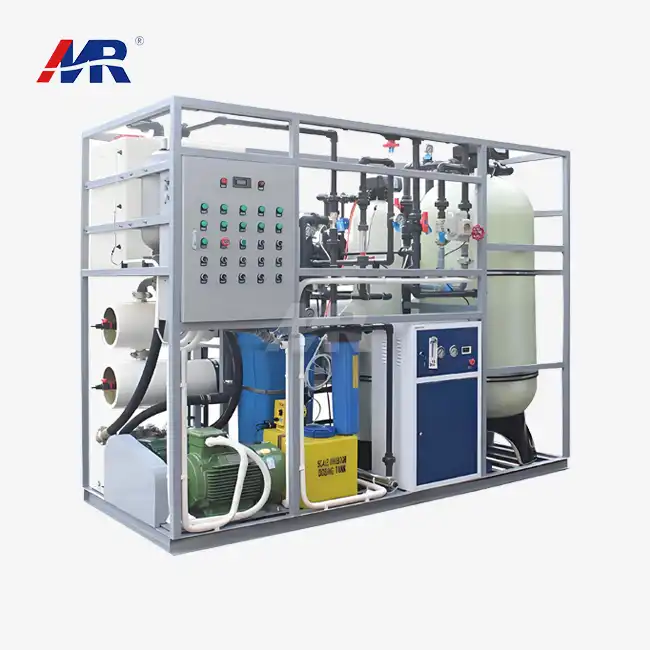
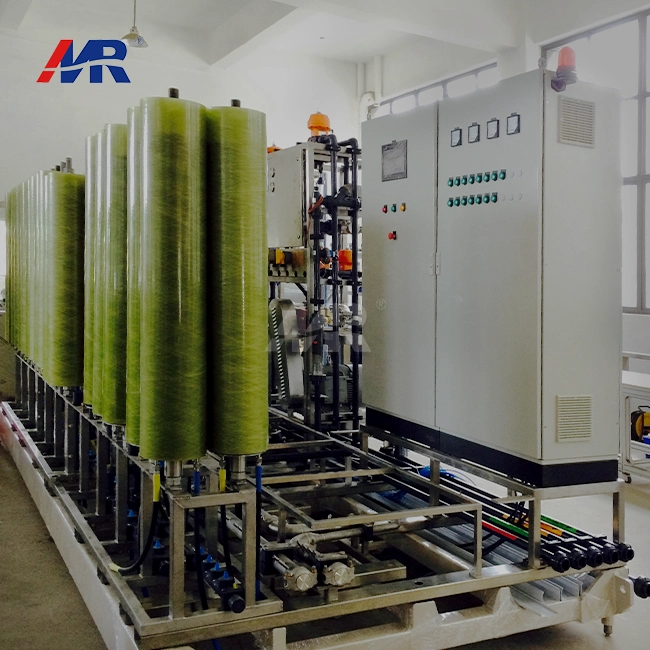
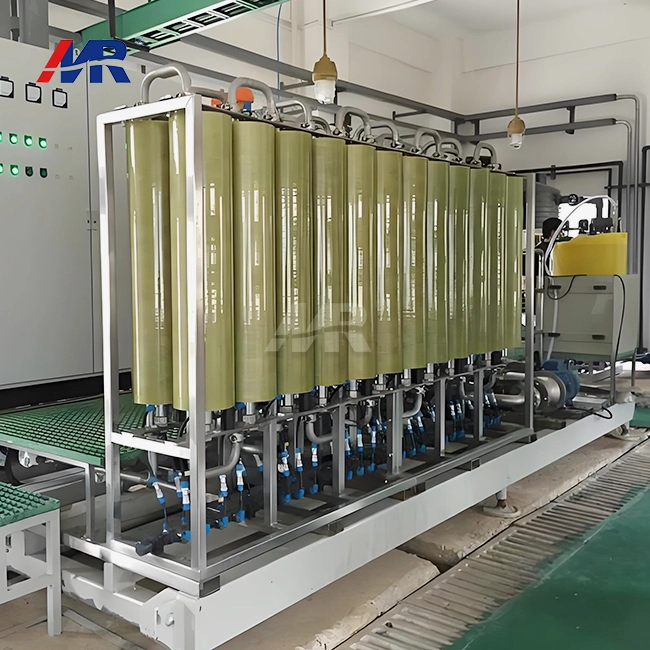
This Morui MR-DTRO-40TD is made to handle leachate from landfills. There must be less than 25,000 mg/L of COD in the water, and it needs 32 kW of power to work. The recovery rate is 50–70%. With a 50–70% recovery, 30–50% of the feed will be left over as concentrate. You should think about what to do with this concentrate right away. If your leachate has more than 25,000 mg/L of COD, you should add pretreatment before the DTRO stage or get in touch with us to set up pilot tests. As a containerized package, Morui can prepare and handle the DTRO core and focus on management. We also know how to add new DTRO Elements to systems that are already in place.
Build a Procurement Process That Protects Your Project
Request Pilot Data and Comparable Quotes
Tests with real wastewater show things that aren't shown on the data sheets. Looking at the first results is not important. What you should look at is the stable flux, pressure drop, and rejection after the fouling and cleaning rounds. So that all of the prices are the same, send the same sheet of specs to all of them. Call them and ask for a list of their past projects. The list should include the membrane material, active area, pressure rating, chemical tolerance, service life, guarantee, lead time, shipping terms, and lead time. Also, buyers in the US often want third-party effluent test reports and paperwork that is written in clear English, so make sure that you ask for both of these things. Structured requests make a project less risky and quickly get rid of offers that aren't very good.
Plan Cleaning, Monitoring, and Replacement
For stable performance, it's important to keep good records. The workers should keep track of the cleaning, pressure drop, recovery, permeate flow, conductivity, feed pressure, and concentration pressure times. If you clean with acid, you get rid of inorganic scale, and if you clean with alkaline, you get rid of biological fouling. Every single one has to follow the manufacturer's rules for concentration, temperature, and contact time. A rising pressure drop usually means that the pretreatment didn't work, the channel is blocked, there is scaling, or the seals are broken. If cleaning DTRO Elements doesn't fix or restore flow or rejection, they need to be changed or fixed up. The O&M teams won't have to wait for orders, which would cause downtime, if they only keep new parts on hand once a year.
Evaluate the Supplier Behind the Elements
Provider and barrier both have an effect on uptime. A quick technical answer, tests that can be tracked from batch to batch, and experience with high-salinity projects are all things you should look for. Guangdong Morui Environmental Technology has more than 14 branches, makes membranes in its own factory, and works on processing equipment in other factories. It has 500 employees and 20 engineers. We also sell Shimge water pumps, Runxin valves, and Createc instruments. This means that we can give you tracking, pumps, and valves all at the same time. Our tracking from afar helps keep compliance steady at a lower cost. You can ask us or any other supplier for pilot results, cleaning tips, and lead times for replacements.
Conclusion
Making sure the DTRO Elements are the right size for the water is an important part of choosing the right ones for high-salinity wastewater. The spiral-wound RO design doesn't work as well with clean, low-TDS feed and needs more energy. The disc-tube design, on the other hand, works better with high COD, mixed solids, and scale. A typical water analysis, pressure and recovery numbers based on real leachate, and stable performance data are the most reliable ways to choose a size. By keeping track of cleanings, keeping an eye on things, and planning when to replace membranes, you can make them last longer. Price is important, but so are test results, paperwork from the supplier, and keeping track of batches. For waste leachate, the MR-DTRO-40TD factors show how recovery, power use, and COD limits change the way the system is set up and the concentrate is moved.
FAQ
1. How do DTRO Elements differ from spiral-wound RO?
DTRO Elements uses a disc-stack layout and open flow channels that are wider. If you clean it, it's easier to get it back to working order, and it can handle more solids and COD with less preparation. For some reason, it works better with tough wastewater than with clean water.
2. What recovery rate suits landfill leachate?
The MR-DTRO-40TD can recover between 50 and 70% of the time. High recovery raises osmotic pressure, energy use, and the risk of scaling, so the end goal should be set based on test results and feed chemistry.
3. Can I order custom or replacement elements?
Yes, Morui does sell replacement parts and can build systems that fit the needs of projects and OEMs. You can get help from our engineers finding the best setup if you send them your lab analysis, design flow, and recovery goal.
Request a DTRO Elements Quotation from Morui
Morui can help you pick the best DTRO Elements for your project with salt water or wastewater. Since our company makes DTRO Elements and has its own membrane plant, we can offer new parts, make OEM changes, and put the MR-DTRO-40TD into containers. To find out more, send an email to benson@guangdongmorui.com with your lab analysis, design flow, and recovery goal. Our engineers will look over your details and get back to you with a price quote based on the job.
References
1. Journal of Hazardous Materials, 2008 – Renou et al., "Landfill leachate treatment: Review and opportunity"
2. Critical Reviews in Environmental Science and Technology, 2002 – Kjeldsen et al., "Present and Long-Term Composition of MSW Landfill Leachate: A Review"
3. Desalination, 1998 – Peters, "Purification of landfill leachate with reverse osmosis and nanofiltration"
4. Water Research, 2009 – Greenlee et al., "Reverse osmosis desalination: Water sources, technology, and today's challenges"
5. Membrane Technology and Applications (Wiley), 2012 – Baker
6. Water Treatment: Principles and Design (Wiley), 2012 – Crittenden et al., MWH