



Which Landfill Leachate Treatment Methods Are Used for Old Landfills?
Old landfills usually need a combination of landfill leachate treatment methods, not a single process. Mature leachate often has a BOD/COD ratio below 0.1, so biological nitrification and denitrification handle the ammonia. Coagulation or advanced oxidation, ultrafiltration, nanofiltration, and reverse osmosis then remove the stubborn organics and salts. Many operators finish with disc-tube reverse osmosis (DTRO) and a plan for the concentrate. I wrote this guide to show how each step works, how to compare options, and what data you need before asking a supplier for a proposal.
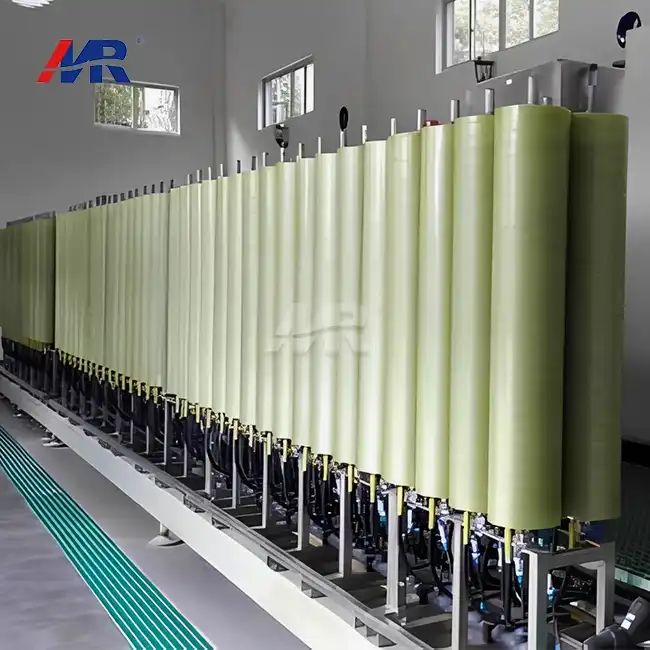
Assessing the Characteristics of Old Landfill Leachate Before Treatment
Typical Water Quality Profile of Mature Leachate
Organic waste that breaks down quickly is the first thing that goes as a landfill gets older. There is a lot of ammonia nitrogen, high conductivity, and humic chemicals that are hard for living things to break down in the leachate that is left over. It was found by Kjeldsen and his colleagues that ammonia levels stay high for a long time, but organic strength decreases over time. Solids in suspension, heavy metals, and sometimes PFAS can also be seen. Most of the time, a basic biological plant will get rid of the ammonia but leave behind a lot of the color and COD. That is why extra steps with chemicals or membranes are often added to the landfill leachate treatment methods for old landfills.
Main Treatment Challenges
The site has four issues that won't go away. Microorganisms can't grow in ammonia concentrations that are too high. Reverse osmosis has a lot of salt, which slows down cells and raises osmotic pressure. Membranes can get clogged up with germs, organic matter, and colloids. Calcium, magnesium, and silica can make them even worse. The flow changes when it rains, so tanks and pumps need to be able to handle high water. There needs to be a way to get rid of the sludge that builds up in biological tanks after each membrane stage. My clients should put these risks at the top of their lists because each one leads to a different design choice.
Sampling and Treatability Testing
Just looking at how old the landfill is is not a good way to build something. It depends on the type of trash, the climate, the amount of rain, the shape of the liner, and whether or not leachate is recycled. To get the best reading, I think you should take samples at different times of the year. There are many things that need to be checked, such as conductivity, salt, hardness, metals, dissolved solids, ammonia, and total nitrogen. You should then do a pilot test to see how the coagulation, biodegradability, and membrane fouling work in a jar. Pilot data shows how often and how fast data can be recovered, which stops size mistakes from happening. But real water data should be used to set the goal. The feed can change Morui's recovery range from 50% to 90%.
Biological and Chemical Landfill Leachate Treatment Methods
Biological Treatment of Landfill Leachate
By nitrifying and denitrifying, activated sludge, SBR, MBR, and MBBR all get rid of organic COD and ammonia. Nitrifying bacteria need acids, oxygen, and heat in certain amounts. With SBR, the flow can change. MBR holds more biomass and creates a permeate that doesn't have any solids in it. This works well with reverse osmosis further down the line. These frames give germs more space to grow. Adding equalization tanks, taking out nitrogen in stages, and letting the sludge age for longer all help it stay stable. But biology alone can't get rid of COD or salts that won't go away, so I see it as just the first big step and not the last in the landfill leachate treatment methods.
Landfill Leachate Ammonia Removal
Ammonia is often the first limit that a sewer plant has to meet when it is fully grown. The process of nitrification turns ammonia into nitrate. The process of denitrification turns nitrate back into nitrogen gas. Most of the time, operators add carbon from somewhere else because old leachate doesn't have a lot of biodegradable carbon in it. It is possible to lower the load if you remove the air before the biological step, but you will need to change the pH and deal with the off-gas. Animal stages can stay around 25–35°C when it's cold outside with the help of heat exchangers or tanks that are insulated. Reverse osmosis can also get rid of ammonia well when the pH is right. This makes it a good step to use after biology to clean.
Coagulation and Advanced Oxidation
Colloids, color, and some of the biological load are taken out of the fluid during coagulation and flocculation. At a certain pH, chemical precipitation takes away some metals. Oxidation systems that use ozone, Fenton, electro-Fenton, and UV light can break down chemicals that are hard to break down and make them easier for living things to break down. This is what Kurniawan and his coworkers looked at when they were looking for hard-to-get rid of poisons. They charge money because they need power, chemicals, sludge, and maybe even waste Products from oxidation. Tests in a jar figure out the dose before it is set. Because they don't usually meet strict limits by themselves, I put these steps before biology or the membranes as a pretreatment or after biology as a polishing.
Membrane and Hybrid Landfill Leachate Treatment Processes
UF, NF, and RO Membrane Treatment for Landfill Leachate
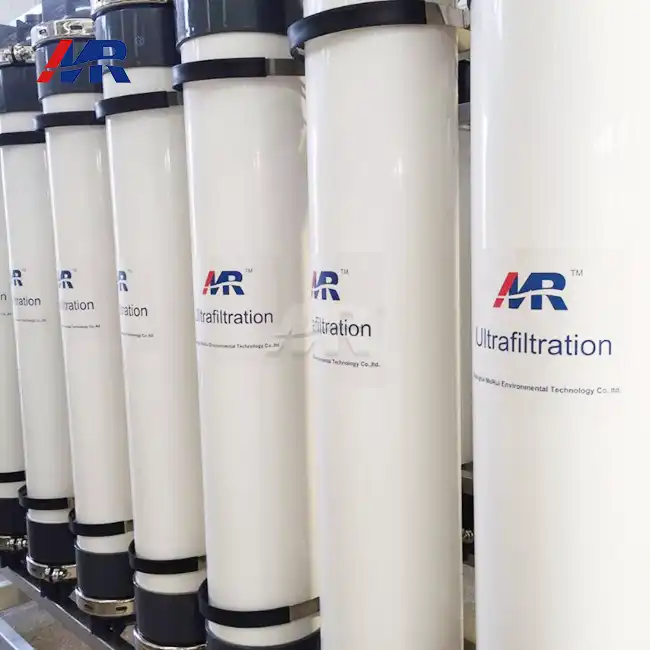
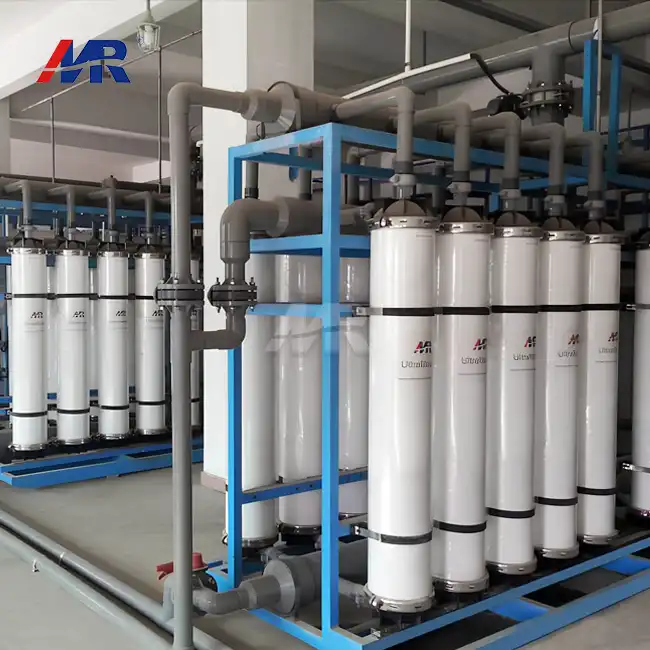
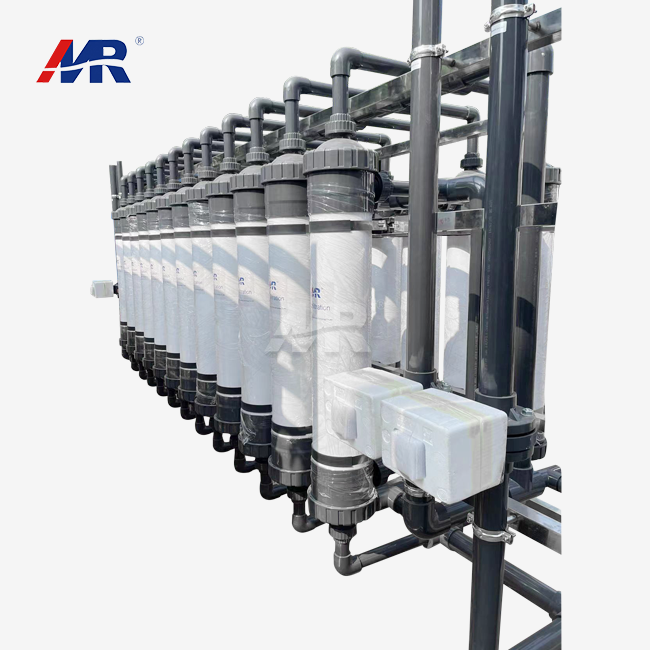
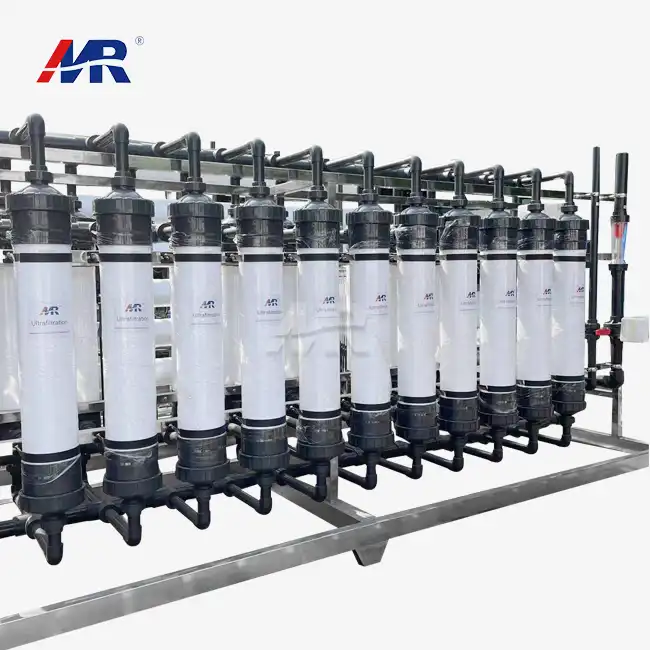
As you move further downstream in landfill leachate treatment methods, ultrafiltration and microfiltration clean the membranes by getting rid of bacteria, colloids, and suspended solids. Nanofiltration is not as much heat as reverse osmosis. More monovalent salts can pass through, but not as much hardness, color, multivalent ions, or larger organics. There are strict rules about what can be dumped or used again because reverse osmosis doesn't accept salts, ammonia, or dissolved organics. The two men, Ahmed and Lan, talked about leachate membrane bioreactors. For all steps of membranes, the lesson is the same: good preparation stops fouling. If you take good care of them, reverse osmosis and nanofiltration membranes can last anywhere from 1.5 to 3 years. Plan to get rid of waste and make things better at the same time.
DTRO for High-COD, High-Salinity Leachate
There are open flow paths between the stacked disks and tubes in DTRO. High-COD, high-salt, and high-scale feeds are less likely to foul spiral-wound elements than other types. So, DTRO is the last membrane stage that both mature leachate and leachate from incinerators go through. One of Morui's main lines of technology is DTRO. We put preparation, the DTRO core, and handling of concentrates all in one package. We can do this with the help of our own membrane factory and monitoring from afar. The recovery can range from 50% to 90%, depending on the type of leachate you use. DTRO disks, membrane tubes, and skids can also be bought by people who restock every year.
Hybrid Treatment Trains and ZLD
Mix-type trains are more stable than separate units most of the time. Separating, balancing, getting rid of organic nitrogen, MBR or ultrafiltration, and then reverse osmosis or DTRO are all parts of the same line. When biodegradability is low, coagulation or oxidation happens first. MBR followed by nanofiltration or reverse osmosis is a small, good treatment. If there isn't a lot of liquid flow, the reverse osmosis concentrate can be dried, evaporated (like MVR), or solidified to stop it from releasing any liquid. More work and energy are needed for each new stage. Tests and life-cycle cost help me compare footprint, energy, and concentration risk before I make a choice.
How to Select a Landfill Leachate Treatment System?
Design Basis and Process Routes
First, look at the average, peak, and seasonal flow when evaluating landfill leachate treatment methods. Then, think about the land, the utilities, the climate, the quality of the water that is coming in, the amount of trash that can be dumped, and what the water will be used for in the end. Then link the waste to the path. There should be a lot of ammonia and not too much biodegradability for reverse osmosis cleaning, biology, MBR, or ultrafiltration to work well.
Nanofiltration or reverse osmosis, coagulation, and people who don't break down easily can be used. Ultrafiltration or MBR works best when salt limits are strict. Reverse osmosis or DTRO comes in next, and then a clear concentrate plan. 40 CFR Part 258 tells people in the US how to build a landfill. The Clean Water Act controls release permits, so find out early on what the rules are in your area.
Cost and Lifecycle Planning
The cost of capital depends on the flow rate, the amount of pollution, the standard for release, the number of treatment steps, the size of the membrane, the building work, the electrical systems, the automation, and how the concentrate is managed. Electricity, chemicals, labor, testing, cleaning and replacing membranes, and getting rid of sludge and concentrate are some of the things that the business has to pay for. Find out how fast the water is moving and what kind of quality it is, pick a preliminary train, guess how much energy and chemicals will be needed, and then add plans for installation and backup. People who want to buy something should get several bids and compare how much the whole process costs. This is because the cheapest equipment might have high costs for things like membranes and disposal.
Evaluating a Landfill Leachate Treatment System Manufacturer
Find out if they have worked with mature leachate before, if they have similar references, if they have in-house process engineering, and if they can do pilot projects. Morui is a business that cleans water. It has more than 14 branches, 500 employees, 20 engineers, its own membrane plant, and a number of factories that make tools. Make tools, Runxin valves, and Shimge water pumps are some of the other things we sell. Make sure you know how much the costs are for the influent, the effluent, the handling of concentrates, the use of energy and chemicals, the replacement of membranes, the building work, the first use, the extra parts, and the training before you sign. To stay in line, the plant checks flow, pH, conductivity, and membrane pressure online and in the lab once it's up and running.
Conclusion
It's not often that these old dumps are good for just one process. The BOD/COD ratio of old leachate is low, and it has a lot of ammonia, salt, and organics that don't break down easily. It follows that the age of the dump should not be used to decide how to treat landfill leachate. Instead, real sampling and test data should be used when selecting landfill leachate treatment methods. Cleaning with living things gets rid of ammonia and soluble COD. Chemical processes and advanced oxidation steps take care of color, metals, and tough compounds. It could be ultrafiltration, nanofiltration, reverse osmosis, or DTRO to get rid of contaminants that have changed form. Hybrid trains are often more stable because they take more than one step. But they need a plan for sludge and concentration that includes drainage for places where it's hard to let liquid out. In real life, the steps are to describe the leachate, get rid of the solids, clean with membranes, deal with the waste, and treat the nitrogen. The final choice should be based on cost over time, compliance, and help from the provider.
FAQ
Q1: What is the best treatment for old landfill leachate?
A: There isn't a single way that all sites can use. Biodegradability, salt, flow, and release limits are some of the things that help you choose the best option. A lot of the time, membranes come after biological treatment.
Q2: Is biological treatment alone enough?
A: Not very often, no. When the BOD/COD ratio is less than 0.1, most organics don't react with living things. This means that they need to be cleaned up with chemicals or a membrane.
Q3: How do NF and RO differ?
A: Nanofiltration works with less pressure and doesn't take in larger organics or ions with more than one charge. Reverse osmosis is better at getting rid of ammonia and salts, but it needs strong cleaning first.
Q4: How much does a treatment plant cost?
A: Cost depends on how much water flows, how clean the water is, how the process is designed, and how big and complicated the project is. To make a good guess, you need this knowledge.
Q5: Can containerized systems serve remote sites?
A: Yes. Mobile and containerized units can be used in places that are far away, only there for a short time, or don't have much space.
Contact Morui About Landfill Leachate Treatment Methods for Your Old Landfill
Morui needs to know your lab data, discharge limits, site address, and which room is free. They also need to know your average and peak flows. As a landfill leachate treatment methods supplier and system manufacturer, we give you a basic process flow, a starting point for sizing the equipment, an estimated quality range for the effluent, a cost range, and pilot options. Email benson@guangdongmorui.com to start a review of a certain site.
References
1. Kjeldsen et al., "Present and Long-Term Composition of MSW Landfill Leachate: A Review," Critical Reviews in Environmental Science and Technology, 2002.
2. Renou et al., "Landfill Leachate Treatment: Review and Opportunity," Journal of Hazardous Materials, 2008.
3. Kurniawan, Lo, and Chan, "Physico-Chemical Treatments for Removal of Recalcitrant Contaminants from Landfill Leachate," Journal of Hazardous Materials, 2006.
4. Ahmed and Lan, "Treatment of Landfill Leachate Using Membrane Bioreactors: A Review," Desalination, 2012.
5. Wiszniowski et al., "Landfill Leachate Treatment Methods: A Review," Environmental Chemistry Letters, 2006.
6. U.S. Environmental Protection Agency, "Criteria for Municipal Solid Waste Landfills, 40 CFR Part 258," 1991.
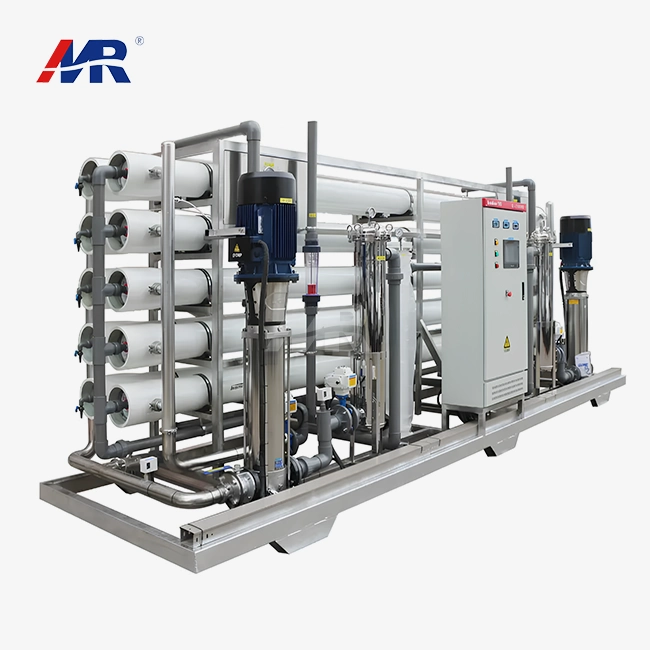 VIEW MOREreverse osmosis water purification plant
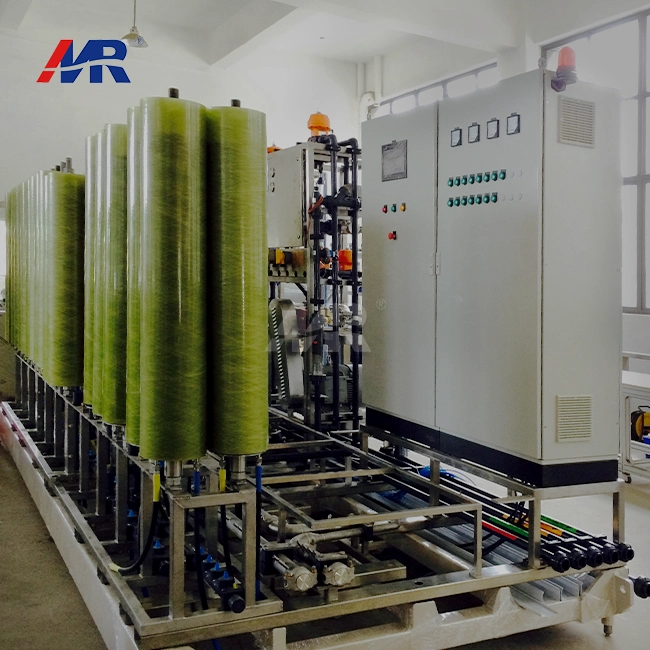 VIEW MOREDTRO Elements
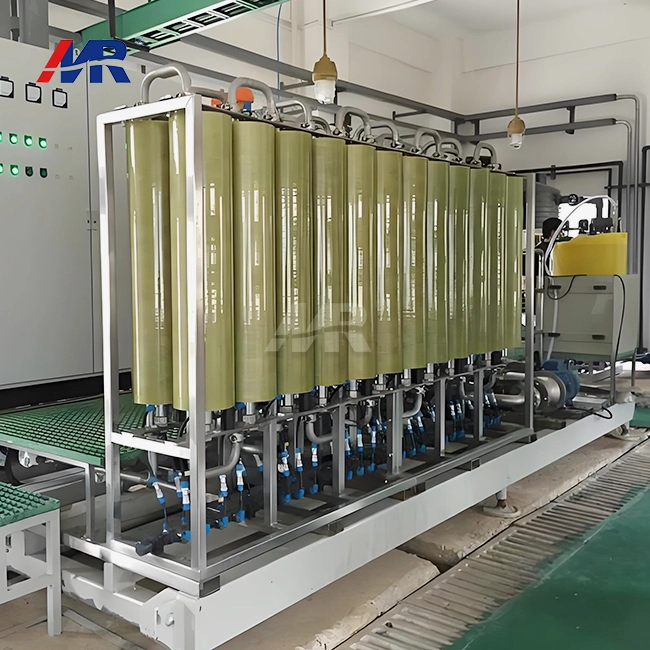 VIEW MOREDisc Tube Reverse Osmosis
 VIEW MORE90T/H ultrafiltration equipment
 VIEW MOREedi water treatment
 VIEW MORE20m3/hour ultrafiltration equipment
 VIEW MOREindustrial ultrafiltration systems
 VIEW MORE30m3/hour ultrafiltration equipment