_1745823981883.webp)

Best RO System for Well Water Treatment: Top Features Explained
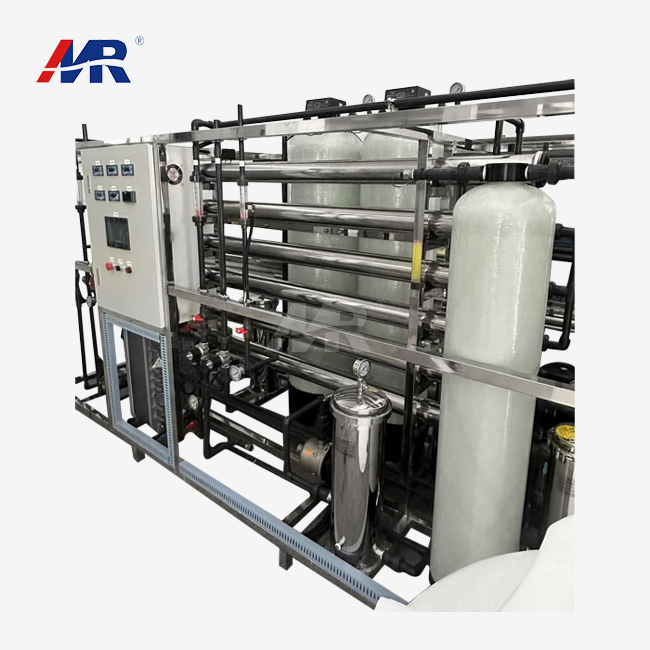
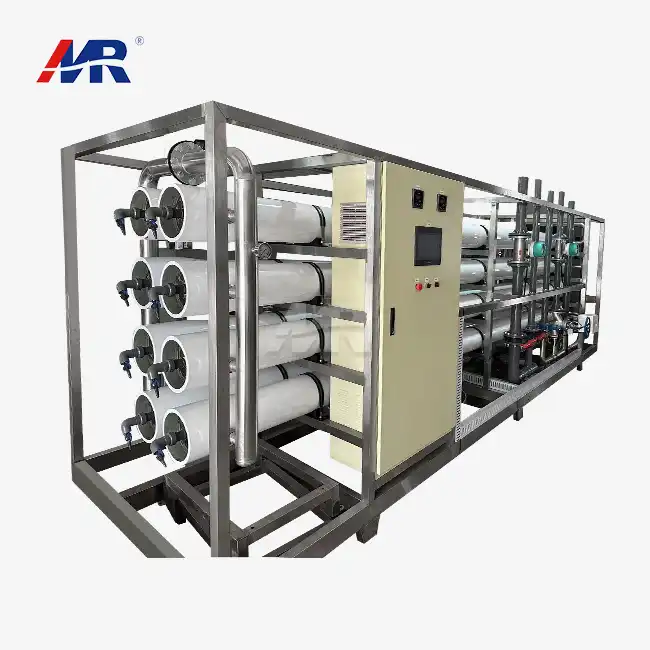
Selecting the best RO system for well water requires understanding your specific groundwater composition and operational demands. Well water differs significantly from municipal supplies—it typically harbors elevated concentrations of iron, calcium, magnesium, nitrates, and microbial contaminants that require specialized filtration. A professional reverse osmosis solution designed for groundwater applications integrates multi-stage pre-filtration, high-rejection membranes, and post-treatment conditioning to deliver consistent water purity. This ensures your facility avoids equipment scaling, product contamination, and regulatory non-compliance while achieving up to 99.5% rejection of dissolved solids and harmful substances.
Introduction
Because of the different types and amounts of pollutants that are often found in well water, like iron, hardness minerals, sediments, and bacteria, treating it can be difficult. These impurities not only make drinking water less safe, but they also make industry processes less reliable in fields like making electronics, food, and medicines. The complicated chemical profiles of private wells and farm water sources make it hard for traditional filtering methods to work.
More and more pressure is being put on procurement managers, facility engineers, and technical decision-makers to make sure that water quality rules are followed while keeping costs low. Picking a good best RO system for well water is important for keeping downstream equipment safe, keeping the integrity of the product, and meeting strict regulatory standards. This guide talks about the main things that you need to think about when choosing a system, such as knowing the types of contaminants that are present and comparing membrane technology, capacity needs, and long-term upkeep schedules.
This content is organised to give B2B buyers looking at commercial-grade water cleaning options useful information they can use. You'll understand how modern RO systems solve problems with well water, which technical details are most important, and how to get the best return on your investment by planning how to integrate the system and do regular maintenance.
Understanding the Challenges of Well Water Treatment
Common Contaminants in Well Water
Groundwater from private wells usually has more than 0.3 mg/L of iron in it, which stains things with rust and corrodes metal objects. Hardness minerals, mostly calcium and magnesium, cause scale to build up on the sides of pipes, heat exchangers, and membranes. This makes them less efficient and uses more energy. Turbidity problems are caused by suspended sediments like clay particles and organic matter that get in the way of processes further downstream. Nitrates from farming runoff can be bad for your health and cause problems with following the rules, especially in food service and pharmacy settings. Bacterial infections, such as E. coli and coliform bacteria, are still a risk in groundwater sources that haven't been treated.
Limitations of Traditional Treatment Methods
Water softeners change minerals that make water hard with sodium ions, but they don't get rid of dissolved solids, nitrates, or bacteria. While UV sterilisation kills bacteria, it doesn't affect chemical pollutants. Activated carbon filters can get rid of chlorine and organic compounds, but they can't handle iron or high TDS levels. Many places find that using all of these methods together isn't enough to get the water as clean as it needs to be for sensitive industrial processes or strict safety standards.
Recognizing When You Need an RO System
When water tests show TDS levels above 500 mg/L, iron levels that stain things clearly, or hardness levels above 150 mg/L, facility managers should think about using advanced reverse osmosis technology. Some operational signs are scaling that happens a lot in boilers or cooling towers, product quality that changes a lot because of changes in water, and repair problems that keep happening with process equipment. Quantitative water analysis by certified labs gives us the basic information we need to choose the right membranes and treatment capacities.
Core Features of the Best RO Systems for Well Water
Advanced Membrane Technology
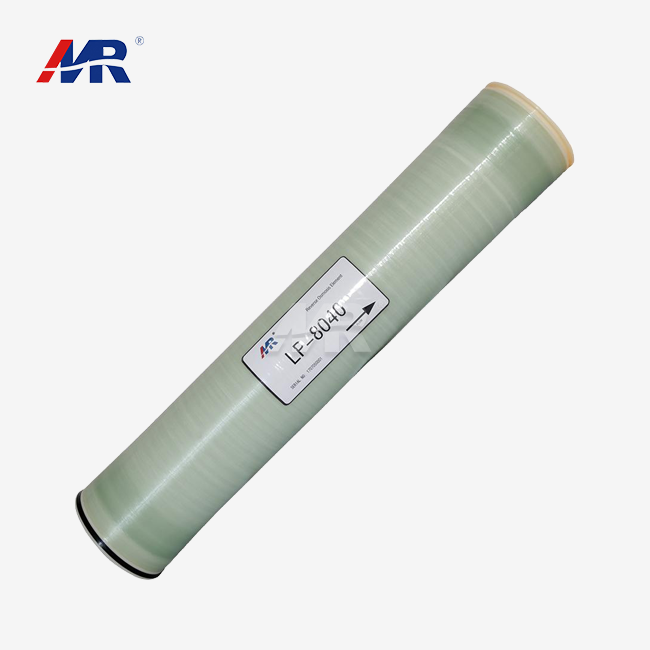
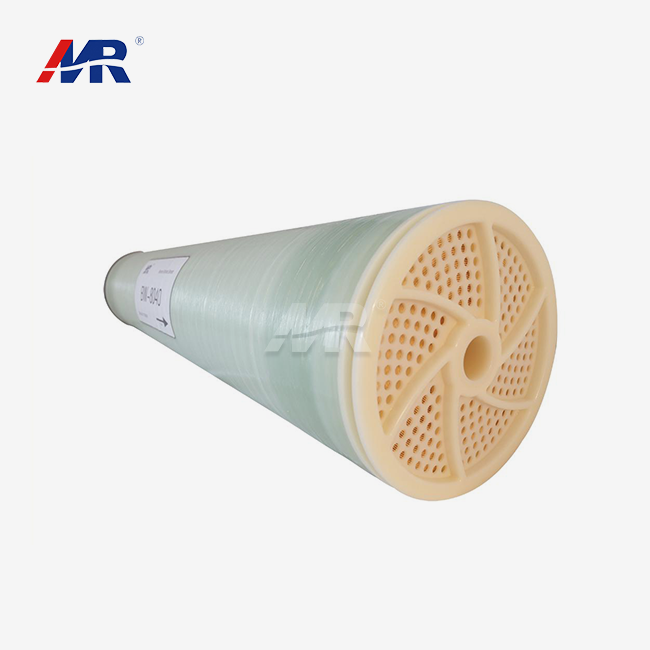
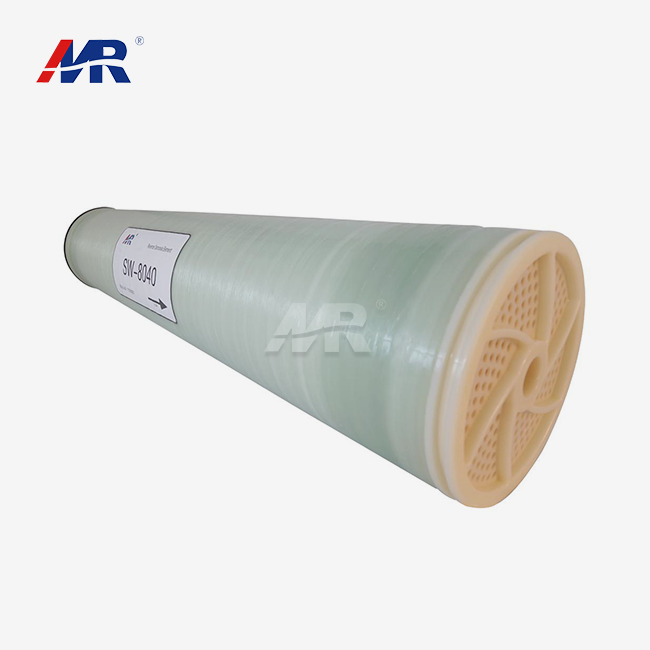
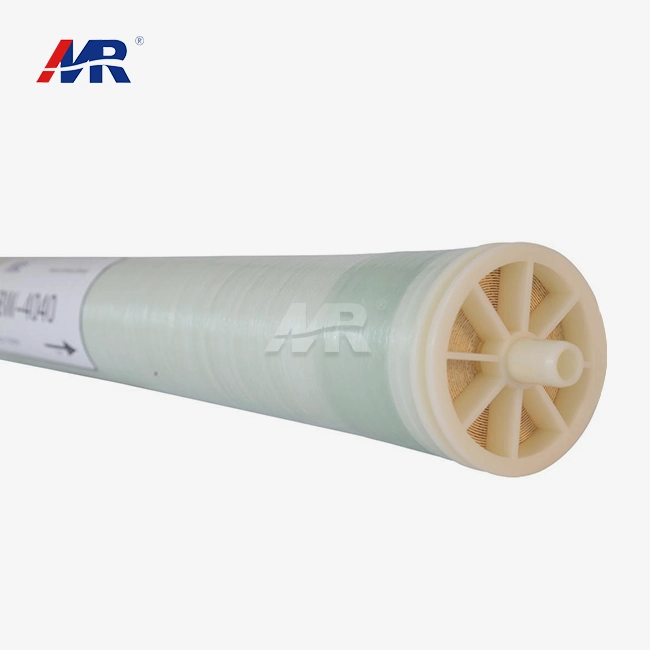
Thin film composite (TFC) membranes that work well are at the heart of effective best RO system for well water treatment. With these membranes, 99.5% of dissolved toxins are rejected, and their performance stays the same up to 10,000 mg/L of TDS in the feed water for the best RO system for well water. The membrane structure gets rid of iron particles, hardness minerals, nitrates, heavy metals, and organic substances by blocking them with walls that only let pure water molecules pass in the best RO system for well water. Industrial-grade membranes in the best RO system for well water can handle working pressures of 10 to 16 bar and reliably work across pH ranges of 3 to 11, which is suitable for groundwater sources with a wide range of chemicals.
Multi-Stage Filtration Design
In order to work best, the designs include pre-treatment steps that keep membrane surfaces clean and safe from damage. Before water gets to the ro membrane, 5-micron sediment screens catch small particles, rust pieces, and organic matter. Chlorine, pesticides, and volatile organic compounds that could break down membrane polymers are taken out by activated carbon pre-filters. This layered approach increases the membrane's life from the usual two to three years to four to five years in tough well water situations, which lowers the cost of replacement and system downtime.
Scalable Capacity and Flow Rates
Businesses and factories need systems that are designed to meet their specific needs. There are choices for capacities ranging from 1,000 GPD for small businesses to 100,000 GPD for big factories, so the right size can be found. Recovery rates of up to 75% cut down on water waste, which is important for facilities that work in areas with limited water supplies or need to handle high production volumes. Consistent flow rates keep the process stable and stop production stops that happen when there isn't enough water during peak demand times.
Energy Efficiency and Automation
Modern RO systems use only 1.5 to 2.5 kWh of power per cubic metre of cleaned water because they have energy return devices and variable frequency drives. This efficiency immediately leads to lower running costs over the 15 to 20 years that the system is used. Real-time monitoring of feed water quality, membrane performance, and system pressure is done by automated control systems, which change processes to keep them running as efficiently as possible. With programmable logic controllers, you can watch and diagnose things from afar, which helps building managers find maintenance issues before they become expensive problems.
When purchasing water treatment equipment, buying teams have to deal with two main problems: figuring out how to balance the initial investment against the long-term operating costs and making sure that the equipment always meets the standards for water quality in the industry.
How RO Systems Work for Well Water: Process and Benefits
The Five-Stage Treatment Workflow
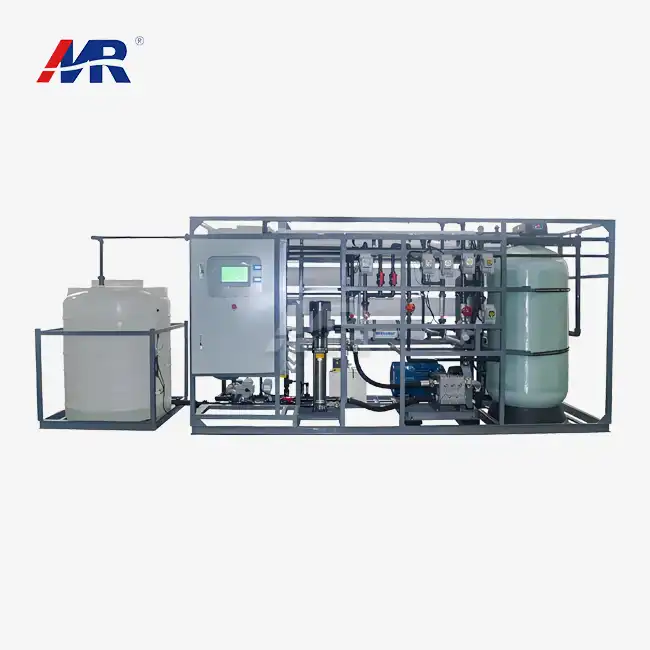
The first step in pre-treatment is to use sediment screens and extra iron removal systems to get rid of big particles and iron oxidation Products. This protection stage keeps the membrane from getting dirty, which would lower the system's capacity and make the working pressure go up otherwise. The high-pressure pump then raises the pressure of the feed water to 10–16 bar, which is enough to push the membranes apart.
Pressurised water hits the semi-permeable barrier, letting water molecules pass through but blocking 99.5% of the dissolved contaminants. This is called membrane filtration. The concentrated reject stream, which has iron, hardness minerals, and other impurities, is let out, while the clean permeate water goes to the next step of treatment. Changing the pH and, if desired, remineralising the water makes it stable again and stops corrosion in distribution systems. Clean water is moved to storage tanks where it can be used right away in production or facility operations.
Quantifiable Performance Improvements
When industrial clients use commercial RO systems, they report real improvements in their operations. A food processing plant in the Midwest cut down on equipment scaling by 87% after installing a 25,000 GPD best RO system for well water. This meant that heat exchanger maintenance could be done once a year instead of every three months. A pharmaceutical company consistently got resistivity readings above 1 megohm-cm using their best RO system for well water. This made sure they met USP water quality standards and stopped batch rejects that were caused by water contamination. A power plant cut the number of times the boiler blew down by 60% with their best RO system for well water. This cut down on the amount of water used, the cost of chemicals, and the energy wasted when replacement water had to be heated up again.
Compliance and Quality Assurance
The quality of the water that comes out of reverse osmosis technology can be predicted and can be proven to meet the needs of many businesses. For treating drinking water, systems meet NSF/ANSI standards, and they can be checked to make sure they follow GMP guidelines in pharmacy settings. Automated monitoring checks the quality of treated water all the time and creates the records needed for audits and regulatory inspections. This dependability keeps businesses from breaking the rules, having to stop making things, and getting bad press that comes with water quality problems.
Comparing the Best RO Systems and Alternative Technologies for Well Water
Integrated Treatment Approaches
When treating well water, it's often best to use RO along with other methods that work well together. Iron removal methods that use oxidation and filtering before treatment keep membranes from getting clogged up in groundwater that has a lot of iron in it. Adding UV sterilisation after the RO membrane gives sensitive applications even more protection against microbes. As a first step, a water softener increases the life of the membrane in very hard water. The best configuration depends on the types of contaminants that are found in the water after thorough testing.
Cost Considerations for Commercial Buyers
For industrial RO systems, the initial investment ranges from $15,000 for small units with a flow rate of 5,000 GPD to $250,000 for large installations with a flow rate of 100,000 GPD and full automation. Operating costs include replacing the membrane every 3–5 years, which can cost anywhere from $2,000 to $15,000. They also include changing the pre-filter every 6–12 months, which can cost anywhere from $300 to $1,200 per year, and using electricity. By figuring out the total cost of ownership over 15 years of use, we can see that energy-efficient designs that cost more up front often pay for themselves in the long run by saving money on utilities and parts lasting longer.
Technical Advantages Over Alternative Solutions
Unlike regular water softeners, RO systems get rid of contaminants instead of exchanging them, making water that can be used in the toughest situations. Reverse osmosis, on the other hand, works all the time and doesn't need as much energy as phase-change processes. Ion exchange systems need to be regenerated often with harsh chemicals and produce waste streams that are very concentrated. On the other hand, current RO technology gets higher purity with less chemical input and predictable waste amounts that can be treated or thrown away.
Maintaining and Troubleshooting RO Systems for Well Water
Preventive Maintenance Protocols
Based on the density of the feed water, sediment pre-filters need to be replaced every 6 to 12 months. The tracking of pressure differentials helps determine when to replace them. Carbon filters keep working for 12 to 18 months before they stop working. Every 6 to 12 months, chemicals allowed by the industry should be used to clean the membrane and get rid of the iron oxide, calcium carbonate scale, and biological fouling that have built up. If the feed water chemistry is difficult, cleaning needs to be done more often. For example, wells with a lot of iron may need to have membrane repair every three months to keep their rated capacity.
Diagnostic Troubleshooting
Less permeate flow in a best RO system for well water usually means that the membrane is getting clogged or scaled, which can be fixed by cleaning it with chemicals or replacing the membrane. If the reject water flow goes up in a best RO system for well water, it means that the membrane is damaged and needs to be replaced. High TDS in the product water from a best RO system for well water means that the membrane isn't working right or that the seals in pressure tanks aren't working right. By keeping an eye on the difference in pressure between the pre-filters and membrane housings in a best RO system for well water, you can spot fouling early on and do preventative maintenance before it affects production.
Maximizing System Lifespan
If you choose the right pre-treatment based on a thorough water analysis, the membrane won't fail too soon. Keeping the feed water temperature between 15°C and 25°C improves the performance and life of the membrane. It is less stressful for the system to work the same way all the time than to start and stop it often, which causes pressure and temperature changes. Facilities with system lifespans of 15 to 20 years usually have thorough preventive maintenance programs, keep detailed operating logs, and act quickly when performance signs show that maintenance is needed.
Conclusion
The chemistry of the feed water, production needs, and long-term operational goals must all be carefully considered when choosing the best reverse osmosis solution for well water treatment. Advanced membrane technology, the right pre-treatment, automated controls, and a design that can be expanded all work together to provide reliable water quality that keeps equipment safe, meets regulations, and boosts operational efficiency. The scientific details listed here, such as rejection rates, recovery efficiency, and capacity ranges, help people make smart decisions about what to buy. Putting money into well-designed RO systems pays off in a big way: lower operating costs, longer machine life, and consistent product quality that makes you more competitive in tough industrial markets.
FAQ
1. How do I test my well water to determine if I need an RO system?
To get a full picture of the water quality, authorised labs should test for TDS, hardness, iron, nitrates, pH, germs, and heavy metals. Test kits range in price from $100 to $300 and give you the numbers you need to choose the right treatment technology. When TDS is more than 500 mg/L, hardness is more than 150 mg/L, or iron levels are high enough to stain things, reverse osmosis treatment is likely to provide measurable operational benefits.
2. Can RO membranes remove iron from well water?
RO membranes can get rid of dissolved ferrous iron, but they have a hard time getting rid of oxidised ferric iron bits that get stuck in the membrane. Before reverse osmosis, oxidation and filtration are good ways to treat well water that has more than 0.3 mg/L of iron. This set-up protects the membrane surfaces and gets rid of all the iron, leaving behind water that is completely clear and free of rust stains and a rusty taste.
3. What is the expected lifespan of commercial RO system components?
It is recommended to replace sediment filters every 6 to 12 months, carbon pre-filters every 12 to 18 months, and RO membranes every 3 to 5 years if they are properly maintained. Control systems and high-pressure pumps work reliably for 10 to 15 years. The whole system can last for 15 to 20 years if facilities follow preventative maintenance plans and act quickly when performance tracking signs show that parts are wearing out.
Partner with Morui for Industrial-Grade RO Solutions
Guangdong Morui Environmental Technology has 20 years of experience in water treatment engineering that it uses in tough industrial settings. The best RO system for well water treatment is provided by our industrial reverse osmosis systems, which have been used successfully in pharmaceutical, food, and electronics manufacturing sites. We offer full support from the initial water analysis to turnkey system installation and ongoing optimisation. We have 14 regional branches, 20 dedicated engineers, and our own manufacturing capabilities for membranes.
As a reliable provider of custom RO equipment with capacities ranging from 1,000 to 100,000 GPD, we offer flexible designs that work well with your current infrastructure and can be easily expanded in the future. Our methods get rid of 99.5% of contaminants, restore 75% of water, and use as little as 1.5 kWh/m³ of energy. Email benson@guangdongmorui.com to set up a free water quality assessment and get personalised suggestions that will help you solve your groundwater problems and increase your business's long-term value.
References
1. American Water Works Association (2021). Reverse Osmosis and Nanofiltration: Manual of Water Supply Practices M46, Second Edition. Denver: AWWA Publications.
2. World Health Organization (2017). Guidelines for Drinking-Water Quality: Fourth Edition Incorporating the First Addendum. Geneva: WHO Press.
3. National Ground Water Association (2020). Private Well Water Treatment Systems: A Technical Guide for Groundwater Professionals. Westerville: NGWA Press.
4. Membrane Technology Research Institute (2019). Industrial Membrane Separation Processes: Performance Optimization and Cost Analysis. Journal of Membrane Science, Volume 584, pp. 315-341.
5. U.S. Environmental Protection Agency (2018). Point-of-Use or Point-of-Entry Treatment Options for Small Drinking Water Systems. EPA Document 815-R-18-003. Washington, D.C.
6. International Desalination Association (2020). Best Practices for Reverse Osmosis System Design and Operation in Industrial Applications. IDA Technical Guideline Series, Volume 12.