_1745823981883.webp)

7 Stage Water Filtration System Benefits for Cleaner Drinking Water
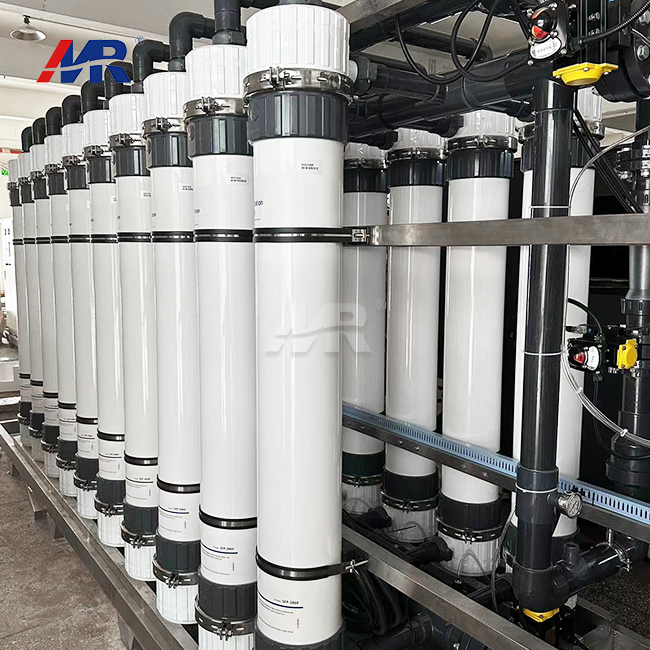
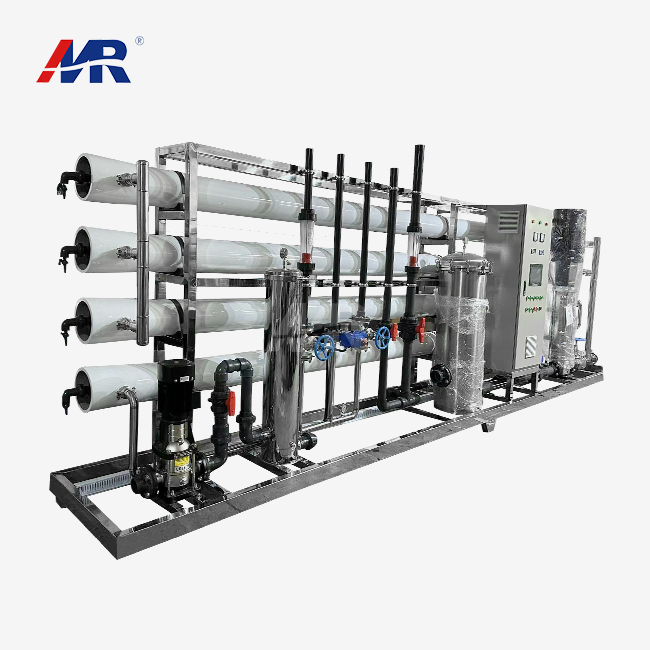
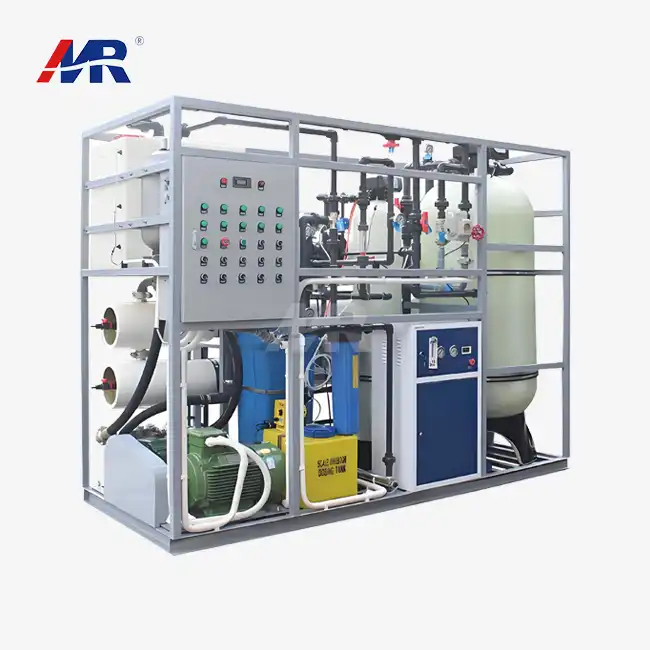
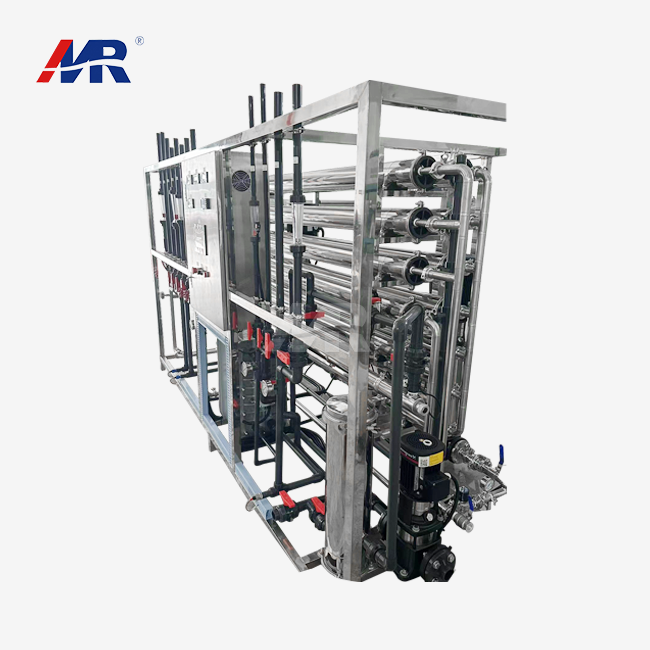
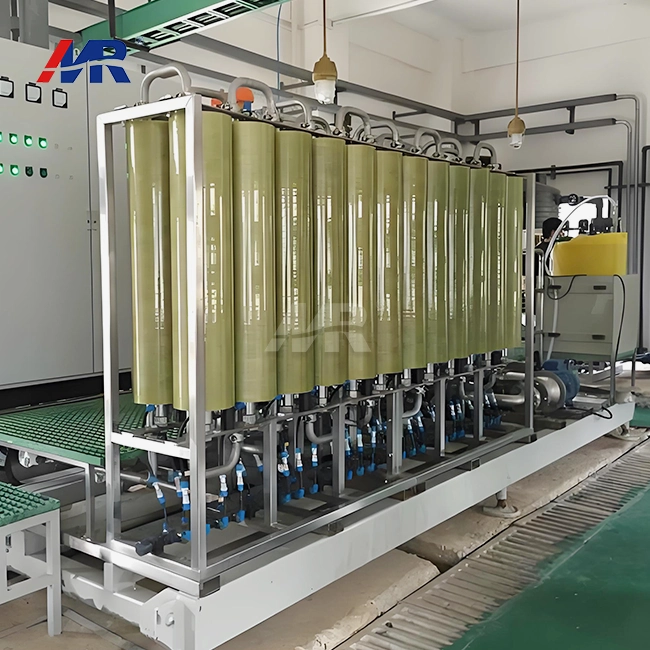
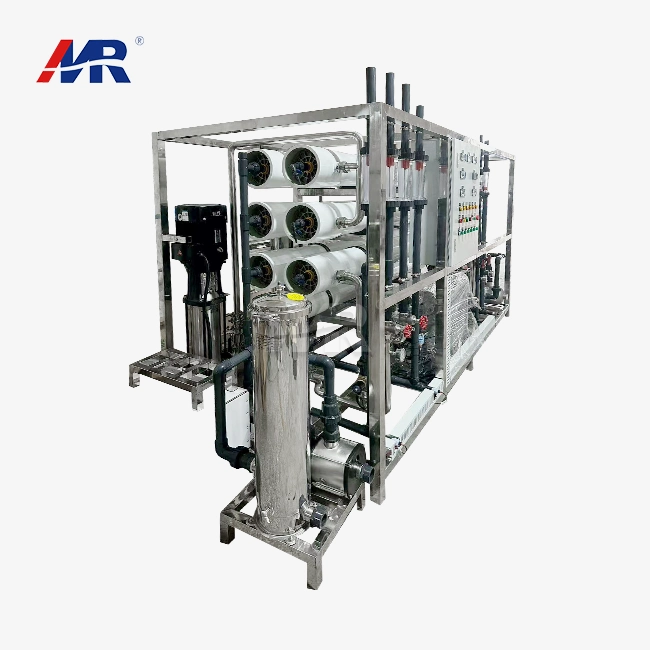
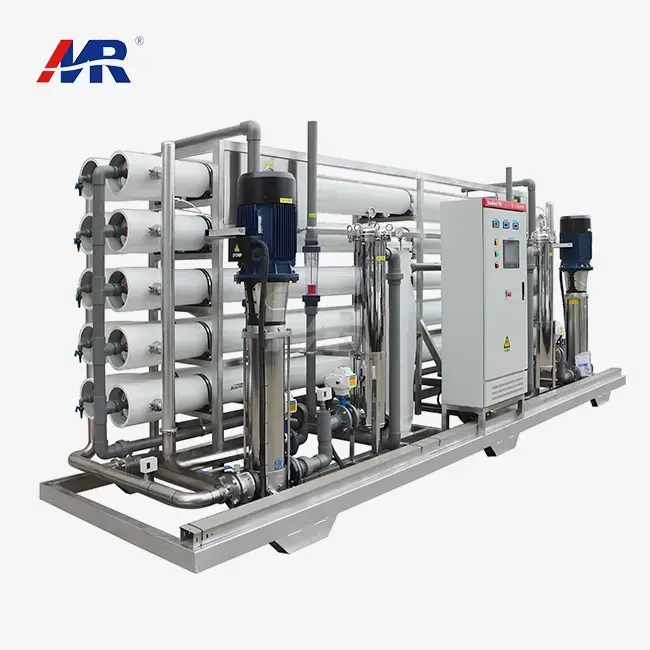
A 7 stage water filtration system represents a breakthrough in industrial and commercial water purification, delivering ultra-precision treatment that removes over 99% of contaminants through seven distinct barriers. This advanced configuration integrates sediment filtration, dual activated carbon stages, reverse osmosis membranes, post-carbon polishing, remineralization, and UV sterilization to address complex water quality challenges businesses face daily, from heavy metal contamination to PFAS removal and pH balancing.
Introduction
A big change is happening in how water quality is managed in many fields, including manufacturing, healthcare, and municipal services. The stakes have never been higher—contaminated water directly affects the quality of pharmaceutical Products, makes it harder to follow the rules when preparing food, and shortens the life of tools used to make electronics. It seems that procurement professionals are putting more and more emphasis on advanced filtration technologies that offer more than just basic purification.
It's not enough to have clean water for operations; it's also necessary for business survival. Even trace contaminants measured in parts per billion can cause whole batches to be rejected in pharmaceutical plants that make GMP-compliant filtered water. Companies that make electronics and process chips need very clean water that regular systems can't provide. When municipal water plants upgrade their equipment, they need ways to deal with source water quality changes while keeping output steady.
A 7-stage water filtration system has become the standard method for businesses that need to be sure of their work. Unlike most three- or five-stage systems, this complete system deals with multiple pollution routes at the same time. Procurement leaders are starting to understand that investing in strong multi-barrier technology lowers long-term running costs and makes sure that stricter water quality rules across the US are followed.
Understanding the 7 Stage Water Filtration System
Technical Architecture and Filtration Sequence
A sequential treatment strategy makes the 7-stage water filtration system a significant technical accomplishment. Water initially passes through a 5-micron polypropylene sediment filter to remove rust, silt, and other particles that might harm downstream parts. This initial barrier protects the system's sensitive sections from early fouling.
Granular Activated Carbon and Carbon Block filters are utilized in stages 2 and 3. Both carbon filters absorb chlorine, volatile organic chemicals, herbicides, and industrial solvents. Organic compounds cannot reach the reverse osmosis membrane due to the carbon block stage's 1-micron filtering cutoff.
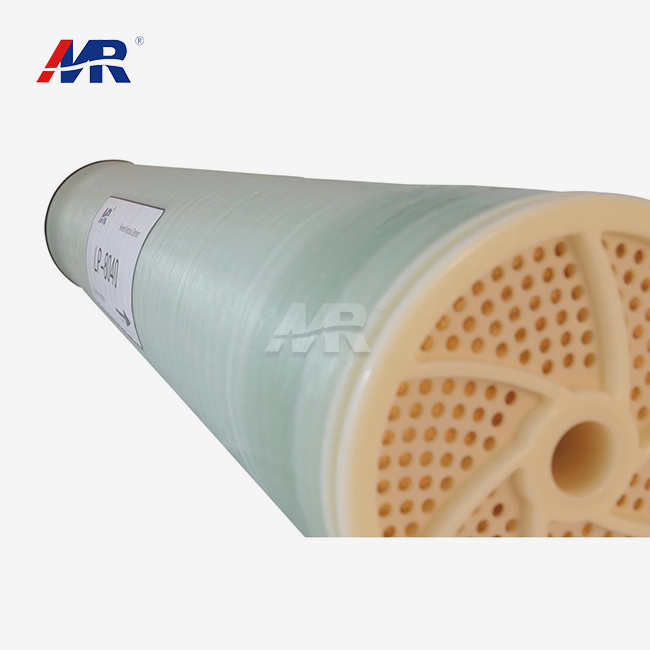
The system's key technology—a thin-film composite ro membrane with 0.0001-micron pores—is introduced in the fourth stage. This semi-permeable barrier blocks harmful heavy metals like lead and arsenic and new poisons like PFAS and PFOS. Quality RO membranes maintain rejection rates over 96% throughout their lifespan.
Stage five post-carbon polishing removes taste and smell while preserving water quality during storage. Remineralization technology adds calcium and magnesium in controlled amounts in the sixth stage. After removing pure RO water's strong acidity, the pH returns to 7.0 to 8.5.
Advanced Features Distinguishing Superior Systems
The seventh stage is different for each application. UV sterilization adds another protection against microbes by exposing water to 254-nanometer ultraviolet light, which kills bacteria, viruses, and protozoa without adding any chemicals. Alkaline adjustment filters or special media that target certain industrial toxins may be used in different combinations.
Modern units have hydrostatic burst pressure testing with a rating of 300 to 500 PSI. This makes sure that the housing is strong against water hammer events that are common in commercial settings. Micro-leaks that damage the cleanliness of the water can be stopped by vacuum leak testing of manifold connections. These quality control steps tell the difference between professional-grade gear and gear made for consumers.
Key Benefits of Using a 7 Stage Water Filtration System
Comprehensive Contaminant Removal Across Multiple Categories
The system's ability to deal with multiple pollution issues at the same time is its main benefit that is driving growth in B2B sectors. Heavy metals are always a risk in water sources used by factories and in old city structures. The amounts of lead, mercury, cadmium, and chromium are lowered to meet EPA Safe Drinking Water Act guidelines. Through molecular-level filtering, the RO membrane successfully gets rid of arsenic, which is a big problem in farming areas and areas close to mines.
Microbial contamination immediately poses risks to health and has legal effects. The multi-stage method kills Cryptosporidium, Giardia, E. coli, and other pathogens through both physical filtering and UV radiation. This backup is very important in situations where water-borne disease outbreaks could cause facilities to close and raise liability issues.
Chemical pollutants like chloramine, trihalomethanes, and industrial solvents are taken in by the activated carbon steps. The system deals with new threats like per- and polyfluoroalkyl substances (PFAS), which are being controlled more and more because they stay in the body and build up. Recent studies show that 7 stage water filtration systems can lower PFAS levels by over 90% when they are set up correctly. This helps industrial facilities with a growing compliance issue.
Operational Efficiency and Cost Performance
Longer filter life directly lowers total cost of ownership, according to our study. The pre-filtration processes prevent particulates from clogging the pricey RO membrane. This might increase its lifespan from 18 to 36 months in most industrial situations. Depending on water quality, sediment and carbon filters are inexpensive and need to be replaced every 6–12 months.
Energy-saving measures like 7-stage water filtration system designs work when described. The amount of water lost at the start of RO processing may seem shocking; however, contemporary systems recover 50–75% of the water as a filtered product, which is far better than prior methods. This method uses less energy per gallon of cleaned water than constant deionization or distillation.
Maintenance procedures are simple and require little training. Clear visual indications and flow rate monitoring indicate filter replacement. Facilities may minimize unexpected downtime by setting up preventative maintenance programs that match production cycles. This capacity to forecast service demands makes resource allocation and planning flawless.
Versatility Across Water Sources and Industrial Applications
Many purification systems have trouble with source water that changes, but 7-stage water filtration systems work well with well water, municipal supplies, and even brackish water near the coast. Well water with more than 1,500 mg/L of Total Dissolved Solids can be cleaned up so that it has less than 50 mg/L. Even though the quality of municipal water changes with the seasons, the system's many barriers keep the output steady.
Customization options meet the needs of specific industries. Pharmaceutical facilities add more biofilm-resistant parts and the ability to clean with hot water. As an eighth step, electronics manufacturers add mixed-bed deionization to get the resistivity levels above 18 megohm-cm that are needed to make chips. Food and drink makers use certain types of carbon media to target taste and smell chemicals that lower the quality of their products.
Because these systems can handle a wide range of temperatures and flow rates, they can be used anywhere from small labs that need to process 50 gallons of water every day to huge factories that need to process thousands of gallons of water every hour. Modular design lets businesses add more space as their needs grow, protecting their original investments in capital.
Choosing the Best 7 Stage Water Filtration System for Your Business
Critical Procurement Criteria and Certification Requirements
Selecting equipment begins with third-party Certifications. NSF/ANSI Standard 58 certification proves RO systems remove contaminants. NSF/ANSI 42 discusses how chlorine, taste, and smell impact appearance. The NSF/ANSI 53 clearance shows decreased lead, cysts, and volatile organic compounds. These certificates allow procurement teams to verify without relying on the manufacturer.
Filter lifetime instructions should give performance figures, not assumptions. Request TDS rejection stability data to confirm that the RO membrane maintains your desired removal rates at full capacity. Spectrophotometric examination of remineralization processes demonstrates constant mineral release.
Warranty terms suggest the manufacturer believes the system to perform successfully. Coverage should go beyond house components. Control valves and RO membranes are essential. Performance guarantees with minimum contaminant rejection rates prevent equipment failure. Knowing what the promise doesn't cover, notably source water quality, prevents lawsuits.
Supplier Evaluation and After-Sales Support
Reliability in a supplier goes beyond the quality of the products they sell and includes the infrastructure for Technical support. Check to see if makers have responsive tech teams that can answer difficult application questions. Integration into existing facilities is made easier by the fact that full installation documentation is available. This includes detailed plumbing schematics and electrical requirements.
Training classes for people who work in repair are very helpful. Suppliers who offer on-site training or detailed video lessons make it easier to learn and lessen the number of mistakes that happen when replacing filters. Access to technical support, including reaction times and the ability to get help in multiple languages, is very important when trying to fix practical problems.
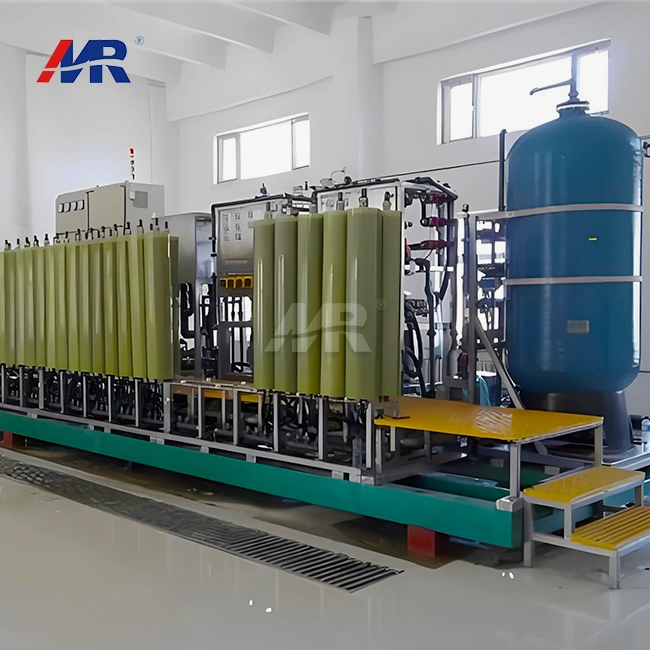
Organizations with multiple locations or individual needs can benefit from bulk purchasing agreements and custom setup services for 7 stage water filtration system equipment. When buying equipment for more than one place, volume discounts can cut unit costs by a large amount. Custom skid-mounted 7-stage water filtration system units include controls, pumps, and pre-treatment all in one package, making them easier to install and start up.
Maintenance and Operational Tips for 7 Stage Systems
Establishing Preventive Maintenance Protocols
A structured repair schedule that follows manufacturer instructions and real-time performance tracking are needed for long-term operation. When sediment filters are replaced depends on how cloudy the source water is, but usually every three to six months. Visualizing utilized filters may reveal upstream contamination sources. Too much rust on filters indicates corroding pipes, which must be repaired.
Sometimes carbon filters are changed by capacity rather than time. Simple chlorine escape test strips warn you before the RO membrane is exposed to chlorine. Carbon exhaustion usually takes 6–12 months, but it can take longer or shorter depending on chlorine input and water processing.
To monitor RO membrane performance, TDS readings must be taken daily. The rejection rate is calculated by comparing entry and penetrated TDS levels. Decreased rejection rates from 96% to 90% indicate membrane clogging or scaling and necessitate cleaning or replacement. Flow rate declines indicate comparable issues. Maintaining logbooks of these parameters helps identify patterns and schedule maintenance.
Troubleshooting Common Operational Issues
Most water leaks occur in housing O-rings during filter changes or connection parts during temperature changes. Before reassembling, lubricate the O-ring with food-grade silicone to avoid most seal failures. Too much torque can damage plastic threads, while too little can cause leaks.
Water flow may be decreased for numerous causes. Clogged pre-filters impede flow and reduce RO membrane opening pressure. Hard water causes membrane scaling, which requires citric acid cleaning. Install a backup pump if the entry water pressure is below 40 PSI.
Taste or smell issues after installation may be due to old carbon filters, insufficient contact time, or biological development in storage tanks. Complete system flushing removes manufacturing residues. Tank cleaning with hydrogen peroxide prevents biofilm growth. If intake contamination exceeds expectations, adjusting system flow rates increases carbon contact time.
Regulatory Compliance and Documentation Practices
Different industries have to follow different water quality standards that must be recorded. For pharmaceutical companies, keeping proof paperwork that shows the water quality always meets US Pharmacopoeia standards is important. Regular testing protocols, records of instrument calibration, and standard operating procedures are all important parts of regulatory submissions.
Food and drink processors have to follow FDA rules and may also have to follow state rules. Inspections are less likely to find problems when there is proof that water treatment equipment follows clean design principles. Material approvals show that food-grade parts meet the needs of auditors.
Municipal and institutional buildings often need health departments to get water quality reports every three months or once a year. Compliance reporting is easier when TDS, pH, and conductivity data are collected continuously by automated tracking devices. Keeping calibration papers for testing tools on file makes sure that data is still valid during regulatory review.
Conclusion
Switching to 7 stage water filtration system technology is a smart move for B2B companies that want to improve their operations and lower their risk. Industries that need reliable, high-purity water have proven that this technology works by using it successfully for years in manufacturing, healthcare, and municipal settings. These systems are the best choice for buying workers because they remove all contaminants, work efficiently, and can be used with a variety of water sources.
Long-term relationships that work well are built on evaluating providers based on their qualifications, support infrastructure, and past performance. Structured maintenance protocols and compliance documentation protect initial investments and keep the quality of the water stable. As safety standards rise and regulations get stricter, companies that use advanced multi-stage filters stay ahead of the competition by being able to keep running smoothly and guaranteeing quality.
FAQ
1. How effective are seven-stage systems at removing fluoride and PFAS?
In step four, the RO membrane is the main barrier against fluoride. Depending on the amounts that go in and the type of membrane used, it can usually reduce fluoride by 85 to 92%. Activated carbon adsorption and RO rejection work together to get rid of more than 90% of the PFAS. Systems designed to get rid of these contaminants may use special carbon media or extra membrane steps, which raises the removal rate above 95%. These levels of performance are kept up throughout the system's useful life by replacing the membranes on a regular basis.
2. What lifespan can we expect from different filter components?
In normal situations, sediment screens need to be changed every three to six months. Depending on the amount of chlorine and water handled, the carbon steps last between 6 and 12 months. When pre-filtration is done right, RO membranes keep working for 24 to 36 months. Filters for remineralization and polishing last for 12 to 18 months. To make sure they sterilize well, UV lamps need to be replaced every year. Actual times depend on the quality of the source water and the amount of water used each day.
3. How do operating costs compare with alternative purification technologies?
7-stage water filtration systems require more money to buy their first pieces of equipment than basic carbon or single-membrane units, but a lot less than distillation or continuous electrodeionization. Filters usually cost between 10 and 15 percent of the initial price of the system every year. Energy use is very low, ranging between 50 and 100 watts while in use. When you look at the total cost of ownership over five years, multi-stage RO systems are 30–40% cheaper than delivered bottled water options and 60–70% cheaper than distillation for the same amount of output.
Partner with Morui for Industrial Water Filtration Excellence
For your specific industrial needs, Guangdong Morui Environmental Technology is ready to design and build custom 7 stage water filtration systems. Our 14 regional offices have a lot of experience working with water systems for cities, food processing plants, pharmaceutical companies, and companies that make electronics. This means that we can provide localized help backed by national resources. As a well-known company that makes and sells high-tech water treatment systems, we have our own facilities for making membranes and other equipment, so we can keep an eye on quality throughout the whole process.
Our 20-person engineering team works with procurement managers to make sure that systems meet strict compliance standards, flow rates, and pollution removal goals. We offer full installation, commissioning, and continued upkeep services that keep operations running as smoothly as possible. Get in touch with our technical consultation team at benson@guangdongmorui.com to talk about buying in bulk, get full system specs, and find out how our 7-stage water filtration system manufacturer can help you make the most of your water treatment system.
References
1. American Water Works Association. "Reverse Osmosis and Nanofiltration: Manual of Water Supply Practices M46." Second Edition, 2021.
2. National Sanitation Foundation International. "NSF/ANSI Standards 58, 42, and 53: Drinking Water Treatment Unit Certification Requirements." 2022 Edition.
3. United States Environmental Protection Agency. "Emerging Contaminants and Federal Facility Contaminants of Concern: PFAS Treatment Technologies." EPA Technical Report 822-R-20-004, 2020.
4. Pharmaceutical Engineering Society. "ISPE Baseline Guide Volume 4: Water and Steam Systems for Pharmaceutical Facilities." Second Edition, 2019.
5. Water Quality Association. "Commercial and Industrial Water Treatment Systems: Selection, Installation, and Maintenance Best Practices." Technical Manual S-800, 2021.
6. Journal of Membrane Science. "Performance Evaluation of Multi-Stage Reverse Osmosis Systems in Industrial Applications: Long-Term Stability and Contaminant Rejection Efficiency." Volume 628, March 2021, pp. 119-134.