_1745823981883.webp)

Ultra Filtration Plant Cost: What Buyers Need to Consider
When choosing an ultrafiltration plant for your facility, consider the total investment beyond the initial cost. These sophisticated membrane separation systems use semi-permeable membranes with pore sizes between 0.01 and 0.1 microns to remove suspended solids, bacteria, viruses, and colloids. They require careful capital analysis. Whether you manage a pharmaceutical production line, municipal water infrastructure, or food processing facility, equipment procurement, installation complexity, operational costs, and long-term maintenance affect your bottom line.
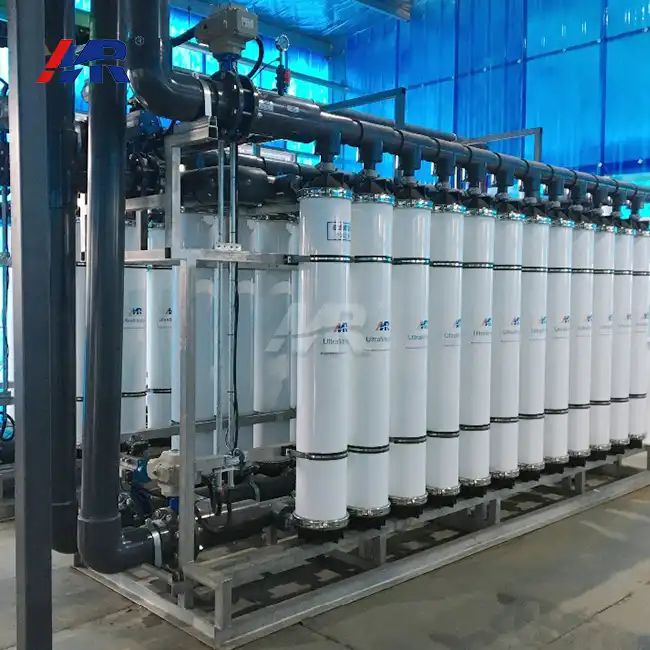
Understanding Ultrafiltration Technology and Core Applications
The use of ultrafiltration membrane technology has changed the way many businesses treat water by blocking contaminants physically without using a lot of chemicals. This process works by applying pressure to water and moving it through special filters that trap particles but let dissolved minerals and smaller molecules pass through.
How Membrane Filtration Systems Operate
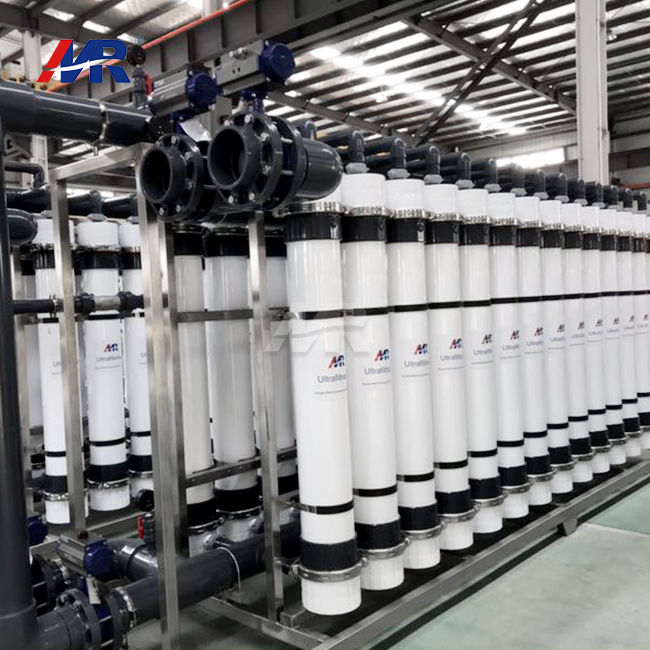
These days, modern systems have many important parts that work together. The feed pump keeps the working pressure between 0.1 and 0.3 MPa and sends water from the source through membrane modules, where it is cleaned. These membranes are more than 99.9% effective at getting rid of pathogens that can't be killed by heat, like Cryptosporidium and Giardia, that regular sand filters might miss. The system then goes into a backwashing cycle to get rid of any particles that have built up. Chemical cleaning is done on a regular basis to make the membrane permeable again. This process makes sure that the quality of the result stays the same even if the characteristics of the raw water change.
Industrial Applications Driving Market Demand
More and more, manufacturing sectors across the US depend on membrane filtration to make sure they follow the rules and get good quality Products. Pharmaceutical and biotechnology companies need water that meets GMP standards to make injectable drugs and do research in the lab. These systems are used in the food and drink industry to clarify juice and concentrate proteins in dairy products, where high flow rates are needed under heavy organic loads. Companies that make electronics need ultrapure water to make semiconductors, and power companies need demineralised water to run their boilers. This technology is used by municipal water treatment plants to update old systems and meet tougher EPA rules.
Comparing Filtration Technologies
Knowing how ultrafiltration fits into the bigger picture of separation technologies helps buyers make smart choices. Microfiltration gets rid of bigger particles but lets germs through. Nanofiltration and reverse osmosis, on the other hand, get rid of dissolved salts and smaller molecules but need more energy. Ultrafiltration is somewhere in the middle. It gets rid of more pathogens than RO systems but uses a lot less energy—usually between 0.1 and 0.3 kWh/m³. Because it works so well, it can be used on its own to remove turbidity or as a pre-treatment to protect ro membranes further down the line in projects that desalinate seawater.
Key Variables Influencing System Investment
The amount of money needed to set up an ultrafiltration plant depends on a number of interconnected factors. If buyers know about these things, they can bargain better and make better budgets for both current and future costs of the ultrafiltration plant. Key factors include membrane type (hollow fiber vs. spiral wound), pretreatment requirements based on feed water quality, automation level, and whether the ultrafiltration plant includes chemical dosing, backwash systems, and CIP (clean-in-place) capabilities that affect both initial capital expenditure and long-term operating costs.
Capacity Requirements and System Sizing
The size and shape of your tools are directly related to the flow rate your business needs. Systems that can handle 50 m³/h for small bottled water businesses are very different from systems that can handle 1,000 m³/h for city residents. More membrane modules, bigger housing tanks, stronger pumping systems, and more control instruments are needed to meet higher capacity needs. A pharmaceutical plant that makes small amounts of drugs might spend between $150,000 and $300,000. A regional water treatment plant, on the other hand, might have to spend more than $2 million on full systems. Consistency in production is also important. Facilities that need to be open 24 hours a day, seven days a week often order multiple trains, which raise the base equipment costs by 30 to 50 percent but get rid of single-point failures.
Membrane Selection and Material Considerations
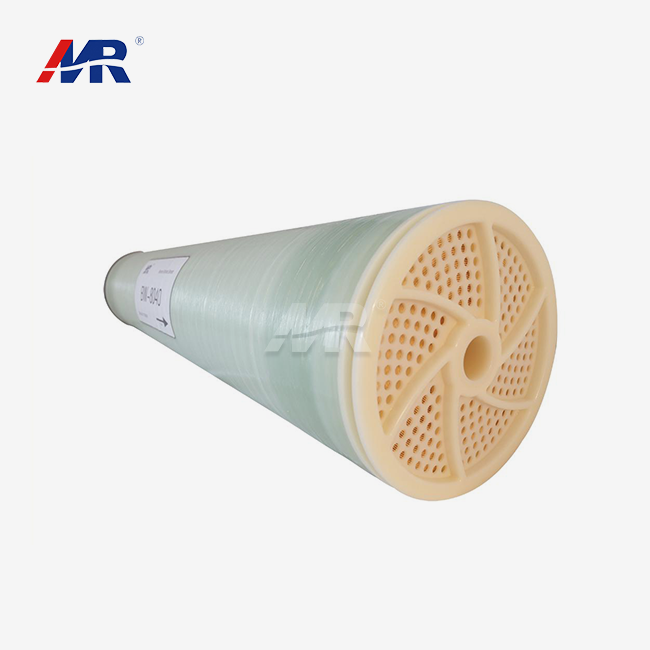
The makeup of the membrane is a major cost factor that has long-term effects. Plastic screens made of polyvinylidene fluoride (PVDF) are very durable and resistant to chemicals. They cost a lot, but they last longer in harsh settings like petrochemical wastewater treatment. Polyethersulfone (PES) choices offer good performance at a reasonable price, making them good for many food-grade uses. Buyers must compare the features of the feedwater—like high chlorine levels, wide pH ranges, or high temperatures—with the suitability of the membrane. Premium membranes may cost 20–40% more up front, but because they don't foul or break down easily, they can be replaced every 7 years instead of every 3 years, which greatly improves the lifetime economics.
Auxiliary Equipment and Automation
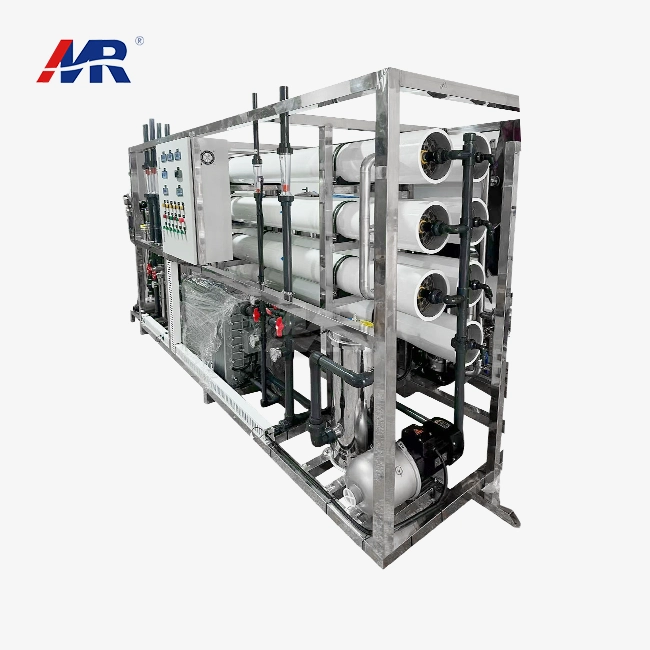
The costs of the whole project are greatly affected by the pumps, control screens, instrumentation, and tracking systems. Variable frequency drives (VFDs) on feed pumps make the best use of energy during different demand cycles. They cost an extra $5,000 to $15,000 per pump but save 15 to 25 percent of energy. Programmable logic controllers (PLCs) in automated cleaning systems make sure regular maintenance can be done without any help from a human, but they cost $20,000 to $50,000 to buy at first. Remote tracking through SCADA systems gives you access to real-time performance data on your phone, which lets you do predictive maintenance and avoids costly unplanned shutdowns. These technological upgrades usually add 25 to 35 percent to the base cost of the equipment but make it much more reliable in use.
Site-Specific Installation Factors
The limitations of your building and the equipment that is already there affect how hard the installation is and how much it costs. For buildings with limited floor space, vertical membrane configurations or outdoor installations with weatherproof enclosures may be needed, which raises the cost of the structure. Updating the electrical service to meet the needs of the system can cost anywhere from $10,000 to $100,000, based on the current capacity and the needs of the local utility. Different types of water need different kinds of pre-treatment. For example, surface water with a lot of turbidity needs multimodal filtration before membranes, while well water may need iron removal systems. These changes to the site usually make up 30 to 60 percent of the total cost of installation. This shows how important it is to do thorough site surveys before starting a project.
Evaluating Total Cost of Ownership Beyond Purchase Price
Smart buyers look at the total amount of money they will have to spend over the life of an object, not just how much it costs to buy. This all-around method shows how different system choices really affect the economy.
Operational Expenses and Energy Consumption
The daily costs of running a business add up quickly and should be carefully looked over. The highest ongoing cost is energy. At $0.12/kWh industrial electricity rates, a 500 m³/h machine using 0.2 kWh/m³ would spend about $10,500 a month on power costs alone. Chemicals for cleaning the membrane, new cartridges, and other consumables that need to be bought from time to time add another $2,000 to $5,000 a month, depending on problems with the water quality. Routine monitoring labor, which is often ignored, makes a big difference—facilities that aren't automated may need $40,000 to $60,000 a year in specialised operator attention. The advanced systems we make make the best use of these factors, using less power than the norm in the industry while intelligent backwash sequencing extends the time between chemical cleaning processes.
Maintenance Protocols and Membrane Lifespan
Maintenance is crucial for system longevity and performance stability. Scheduled membrane integrity testing detects issues before they spread, and cleaning-in-place (CIP) procedures every three months prevent unfixable fouling. Membrane replacement costs vary, with a small 50 m³/h system requiring $15,000 to $25,000 every four to five years and large city installations requiring more frequent replacement.
Comparing Alternative Treatment Technologies
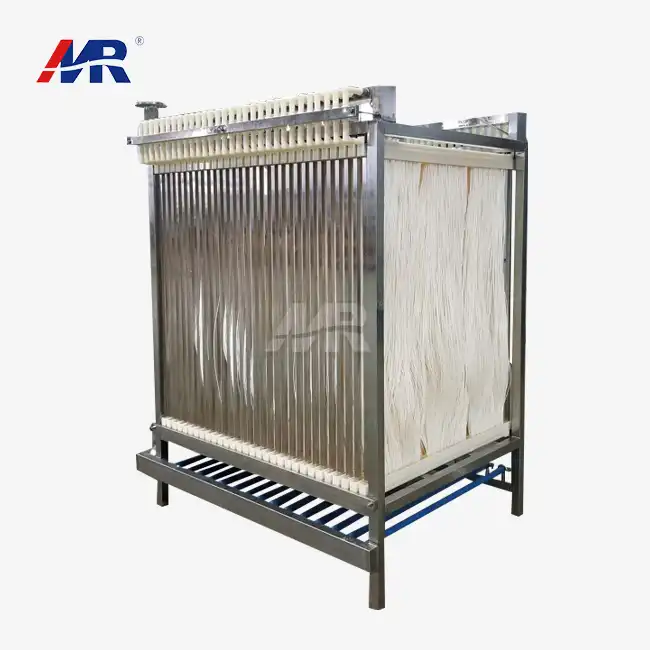
When you compare ultrafiltration to other technologies for an ultrafiltration plant, you can see how each one offers different benefits. Conventional media filtration needs less money up front, but it doesn't get rid of pathogens as well and leaves bigger footprints, which are big problems in cities where space is limited. Reverse osmosis gets rid of all contaminants, even dissolved solids, but it uses two to four times as much energy and makes concentrated brine that needs to be thrown away. Membrane bioreactors (MBR), which combine biological treatment with ultrafiltration, are great for treating wastewater, but they are harder to use and need more skilled workers for an ultrafiltration plant. The best choice relies on the treatment goals. An ultrafiltration plant always gives a better return on investment when removing particles, bacteria, and viruses is the main goal, and dissolved solids are not a worry.
Strategic Guidance for Industrial Buyers and Decision Makers
To make procurement work well, you need to use structured review systems that make sure that technical requirements match up with the organization's goals and budget. We've seen the most common mistakes that go wrong with jobs and the best ways to make sure they go smoothly.
Defining Performance Specifications Accurately
Uncertain needs lead to solutions that don't work well together and unhappy customers. Technical teams should write down the turbidity, total suspended solids, bacterial counts, and chemical makeup of the water that comes in. Suppliers can set up the right systems by comparing the necessary effluent quality to specific legal standards. These standards could be EPA drinking water standards, FDA requirements for medicinal uses, or industry-specific guidelines. Flow requirements should take into account both peak demand scenarios and plans for future growth, since adding capacity after the fact is much more expensive than building too big in the first place. Clear documentation of physical limitations, available utilities, and integration points with existing processes keeps design changes during installation from having to be made, which can be expensive.
Evaluating Supplier Capabilities and Support
The maker you choose becomes an important long-term partner for your business's growth. We suggest looking at more than just the specs of the equipment. Companies with their own membrane production, dedicated tech teams, and large service networks offer better support throughout the asset lifespan. Certifications like ISO 9001 quality management, NSF/ANSI guidelines for drinking water components, and credentials specific to the business show that the company is dedicated to doing the best job possible. Checking with current customers who have similar systems shows how well they work in the real world, how quickly support responds, and how easy it is to get parts. Businesses that offer full training programs for your workers and repair staff help them learn faster and have fewer problems when they first start working.
Implementing Total Cost of Ownership Analysis
It is possible to compare choices objectively by making financial models that include all cost factors over the expected equipment life (usually 15 to 20 years). Your analysis should include the original capital cost, funding costs if needed, yearly energy use at expected utility rates, regular maintenance and supplies, planned membrane replacements, and an estimate of the costs of downtime. By trying various situations, such as the membrane's life going above or below expectations, changes in energy rates, or repairs that were not planned for, sensitivity analysis finds risk factors and their financial effects. This methodical approach often shows that mid-tier solutions that balance quality and cost do better than both cheap choices (that aren't very reliable) and over-specified expensive systems (that have more features than are needed).
Optimizing System Performance and Reducing Operating Costs
Strong operational practices help you get the most out of your investment by extending the life of your equipment, keeping the quality of your output consistent, and keeping your recurring costs low.
Establishing Preventive Maintenance Schedules
Most system failures and speed drops can be avoided with systematic maintenance practices. Feed pressure, permeate flow rates, and transmembrane pressure differentials should all be checked every day. Deviations from baseline values show problems before they get too bad. Testing the membrane's stability once a week with the pressure decay or bubble point methods finds damaged fibres that need to be isolated from the rest of the module. Every month, you should do a CIP procedure using specially made cleaning chemicals that are matched to your specific fouling patterns. This will restore flux rates and stop membrane damage that can't be fixed. Keeping track of all maintenance tasks creates useful trend data that shows how systems behave and lets you plan ahead for future actions.
Leveraging Modern Monitoring Technologies
Modern control systems for an ultrafiltration plant change upkeep from being reactive to being proactive. Real-time monitors that keep track of turbidity, particle counts, and microbial signs let you check the cleanliness of the water right away in the ultrafiltration plant. Automated data logging creates databases of past performance that advanced analytics software searches for trends that show the best working conditions for the ultrafiltration plant. Experts who are not on-site can use remote tracking to fix problems, change control methods, and check the health of the ultrafiltration plant without having to visit. This is especially helpful for facilities that are far away. Compared to older setups, modern ultrafiltration plant systems with built-in tracking take up 30–40% less room when installed and give operators a better view of what's going on.
Addressing Common Operational Challenges
Knowing the typical performance issues and how to address them speeds up troubleshooting and reduces production interruptions. Rapid transmembrane pressure rises indicate membrane fouling that requires greater cleaning or pre-treatment. Even while pressure is normal, permeate flow is decreasing, indicating membrane breakdown and replacement. Changes to the control logic may address air scour system or valve ordering issues that cause backwashing to fail. Problematic facilities benefit from manufacturer assistance. Our engineering team optimizes installations for thousands of purposes, from aquaculture recirculating water to semiconductor ultrapure water.
Conclusion
Assessing investments in ultrafiltration systems requires a thorough examination that goes beyond the initial cost of the equipment and includes factors like how difficult the installation is, how well it works, how much upkeep is needed, and how reliable it will be in the long run. Buyers who are good at what they do set clear performance standards, carefully evaluate the skills of potential suppliers, and use total cost of ownership models that show the real economic effects throughout the lifecycle of an asset. The technology has been shown to work well in pharmaceutical, food and beverage, municipal, electronics, and industrial settings. Because of this, it is becoming an increasingly important part of modern water treatment infrastructure. It provides consistent quality and energy efficiency that traditional methods can't match.
Frequently Asked Questions
1. What price range should facilities expect for complete systems?
Investment needs are very different depending on capability and design. Small manufacturers can get compact systems that can process 50 to 100 m³/h for about $80,000 to $200,000 installed. Large industrial systems that can handle 200 to 500 m³/h usually cost between $250,000 and $600,000. Large corporate or city setups that go over 1,000 m³/h may cost between $1 million and $5 million, based on the amount of automation, the need for redundancy, and the complexity of the site. These numbers cover things like equipment, installation, commissioning, and training for the first operator.
2. How frequently do membranes require replacement?
How long a membrane lasts depends a lot on the characteristics of the feedwater, the operating conditions, and how well it is maintained. Systems that clean pre-filtered city water may last between 6 and 8 years before they need to be replaced. In tough situations with a lot of biological matter or chemical contact, replacement is usually needed every 3 to 5 years. Regular integrity testing and performance tracking find the best time to change membranes so that quality isn't compromised and useful membranes aren't thrown away too soon.
3. Can systems accommodate changing production requirements?
Modern designs are flexible so that they can adapt to changing operating needs. When you add racks to a modular membrane setup, you can increase its capacity without having to completely rethink the system. Control systems can adapt to changes in recipes for different product lines or changes in water quality that happen with the seasons. If the layout of a building changes, skid-mounted designs make it easier to move. When choosing systems, talk to makers about how you think your business will grow so that you can make sure there are enough options for future changes that protect your initial investments while allowing for adaptation.
Partner with Morui for Reliable Ultrafiltration Solutions
Guangdong Morui Environmental Technology has 14 regional offices that design and install engineered water treatment systems and provide technical services. Our ultrafiltration plant designs reach over 99.9% filtration efficiency at 0.1-0.3 kWh/m³ energy utilization. This is industry-leading performance and saves operating expenses. Our solutions can address specific water quality issues with flow rates ranging from 50 to 1,000 m³/h and membrane pore sizes tailored to application needs. We manufacture, install, and commission equipment in-house and provide 20 engineers for Technical support. We work with top component manufacturers like Shimge Water Pumps and Runxin Valves to ensure the reliability of our ultrafiltration plants and the availability of replacement parts for decades. Contact our experts at benson@guangdongmorui.com to discuss your project needs and learn how our proven membrane technology can improve water quality and total cost of ownership.
References
1. American Water Works Association. (2021). "Membrane Filtration for Water Treatment: Operational Guidance." AWWA Manual M53, Denver, Colorado.
2. Singh, R. (2019). "Membrane Technology and Engineering for Water Purification: Application, Systems Design and Operation." Butterworth-Heinemann, Oxford, United Kingdom.
3. Crittenden, J.C., Trussell, R.R., Hand, D.W., Howe, K.J., and Tchobanoglous, G. (2020). "MWH's Water Treatment: Principles and Design, Fourth Edition." John Wiley & Sons, Hoboken, New Jersey.
4. United States Environmental Protection Agency. (2022). "Long Term 2 Enhanced Surface Water Treatment Rule: Membrane Filtration Guidance Manual." EPA 815-R-09-016, Washington, D.C.
5. Judd, S. and Judd, C. (2023). "The MBR Book: Principles and Applications of Membrane Bioreactors for Water and Wastewater Treatment, Third Edition." Elsevier, Amsterdam, Netherlands.
6. Membrane Technology and Research Institute. (2020). "Industrial Water Treatment: Cost Analysis and Technology Comparison for Manufacturing Facilities." Technical Report Series, Menlo Park, California.