

_1745823981883.webp)

Best Reverse Osmosis Water System for Safe Drinking Water
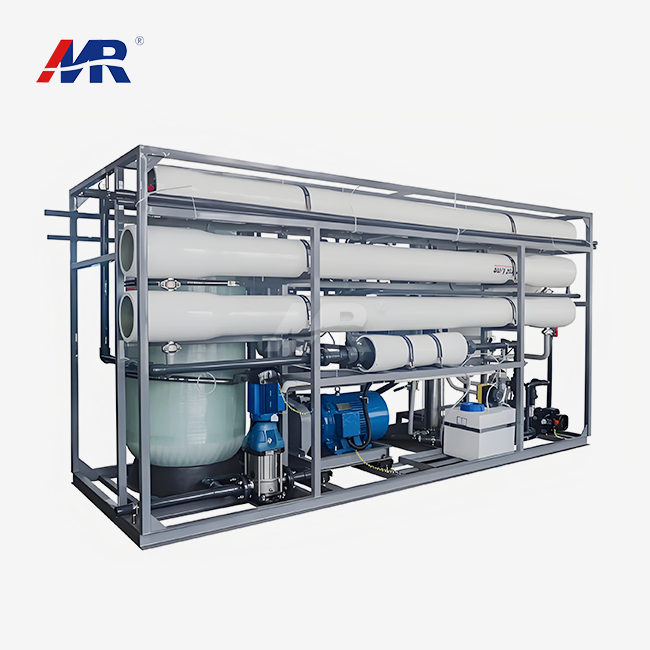
Choosing the best reverse osmosis water system involves selecting equipment with multi-stage filtration, high-rejection membranes, and appropriate capacity to remove contaminants like heavy metals, dissolved salts, and microorganisms. These systems deliver purified water meeting stringent safety standards across industrial and commercial applications. Quality reverse osmosis equipment ensures consistent water purity through advanced membrane technology, pre-filtration stages, and reliable component design that addresses diverse operational requirements and source water challenges.
Introduction
The quality of the water has a direct effect on the integrity of output, compliance with regulations, and operating efficiency in many fields. Reverse osmosis systems are now an important part of any building that needs a steady supply of clean water. These filtration systems make water safer and lower the risk of contamination in a wide range of settings, such as pharmaceutical manufacturing, food processing, and municipal water treatment.
We've seen procurement managers and building engineers under more and more pressure to balance the need for good water quality with the need to stay within budget and meet practical needs. To choose the right reverse osmosis equipment, you need to know the technical specs, look at how well it will work in the long term, and find providers who can offer full help throughout the system's lifecycle.
This guide goes over important things you should think about when picking the right reverse osmosis technology for your building. We'll talk about how these systems work, what makes high-quality tools different from basic models, and how the right setup protects both your operations and the people who use them.
Understanding Reverse Osmosis Water Systems and Their Benefits
How Reverse Osmosis Technology Works
Pressure is used in reverse osmosis to push water through semipermeable membranes that have pores that are usually between 0.0001 and 0.0005 microns in size. The contaminants can't get through this physical barrier, but water molecules can. Up to 99% of the dissolved salts, organic compounds, bacteria, and particles in source water are removed by this process.
A full system is made up of many parts that work together in a certain order. Pre-filters get rid of dirt and chemicals that could hurt membranes. The high-pressure pump keeps up enough force (usually between 60 and 150 PSI for brackish water and between 800 and 1,200 PSI for seawater) to beat the osmotic pressure. Activated carbon polishing or remineralisation may be used after filtering, based on the needs of the product.
Core Advantages for Industrial Applications
Industrial reverse osmosis systems clean water to a level that can't be reached with regular filtering. This feature is very important when making pharmaceuticals, because USP standards require certain levels of conductivity, or when making semiconductors, where resistivity levels must be higher than 18 megohm-cm.
Water quality that stays the same keeps production equipment from getting scaled up, corroded, or fouled, all of which lower its efficiency and shorten its life. We worked with a company that makes drinks and found that installing the right RO systems cut their equipment maintenance costs by 40%. Another company that finishes metal got rid of all of their wastewater by recycling process water.
The technology helps the earth by letting water be reused and lowering the amount of water that is dumped. When compared to older systems that made four gallons of waste for every gallon of purified water, energy-efficient designs with waste-to-water ratios close to 1:1 reduce both operating costs and environmental effect.
Performance Comparison with Alternative Technologies
Carbon filters get rid of chlorine and organic chemicals, but they can't get rid of dissolved salts or lower TDS. Microorganisms are killed by ultraviolet sterilisation, but chemical contaminants are not. Distillation makes very pure water, but it needs a lot of energy and can't handle large amounts of water efficiently.
Most types of contaminants can be removed by reverse osmosis, and the process can be scaled up from small lab units to large city sites that process millions of gallons of water every day. Because it can be used in so many different ways, RO technology is the best choice for applications that need reliable, complete purification.
Top Criteria for Choosing the Best Reverse Osmosis Water System
Assessing Water Source and Quality Requirements
The qualities of your source water decide how the best reverse osmosis water system needs to be designed. Well water usually has iron, manganese, and hardness that need to be removed first using special equipment before the best reverse osmosis water treatment. Chloramines may need to be taken out of municipal water supplies in a way that standard carbon filters can't do for best reverse osmosis water systems. For desalination purposes, brackish groundwater needs different membrane specs than saltwater for best reverse osmosis water applications.
Testing your source water shows you the contaminants and amounts that need to be taken into account in the design of your system. Levels of TDS, pH, temperature, and certain substances like silica or hydrogen sulphide can affect the choice of membrane and the steps that need to be taken before the membrane can be used. Instead of relying on standard system configurations, we suggest doing a full analysis of the water before choosing equipment.
The amount of production that is needed should take into account both normal consumption and times when demand is high. A building that needs 500 gallons of water every day should choose systems that can deliver that amount of water during business hours. Depending on recovery rates and schedules, this usually means 50 to 75 GPD rated capacity.
Evaluating Technical Performance Metrics
The rate of membrane rejection shows how well the purification is working. Good thin-film composite membranes can reject 97–99% of salt. Higher rejection means that the product water is cleaner and sensitive processes are better protected. While membranes may be better at filtering out certain contaminants (like arsenic, nitrate, and silica), they may not be as good at filtering out other pollutants.
The recovery rate shows how much of the feed water is turned into product water and how much is wasted. With brackish water, commercial systems usually get 50–75% recovery, but with seawater, they only get 40–50% because they need higher osmotic pressure. Higher recovery lowers operating costs, but if it's pushed too far, it may speed up membrane fouling.
Energy economy has a direct effect on the costs of running a machine over its entire life. Compared to older designs, modern systems use 30–50% less power because they have energy recovery devices and variable frequency drives. When you figure out how much energy something uses over its lifetime, you'll often find that more expensive, more energy-efficient equipment has a lower total cost of ownership.
System Capacity and Scalability Considerations
When needs change, modular designs let you add more space without having to replace whole systems. This freedom is helpful for sites that expect production to go up or that would rather make capital investments over time. We've planned installations where clients started with single-train systems and then added parallel trains to make the system three times as big while still using the same infrastructure.
Automated tracking and limits cut down on the amount of work that needs to be done while still ensuring steady performance. Sensors in high-quality systems keep an eye on pressure, flow, conductivity, and membrane performance, and they also let you know when repair is due. Remote tracking lets service be done before problems affect production.
Review of Top-Rated Reverse Osmosis Water Systems in 2026
High-Capacity Industrial Systems
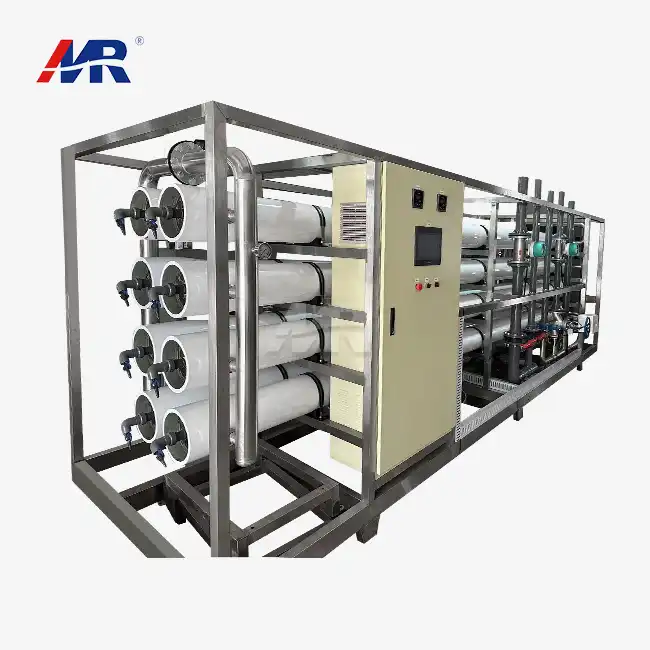
Multiple membrane tanks, advanced pre-treatment trains, and full automation are all parts of large-scale reverse osmosis systems that are used in factories and cities. These systems usually handle between 10,000 and several million gallons of water every day, and they have backups to make sure they keep running while they're being fixed.
For pharmaceutical uses, systems are built to be clean, with 316L stainless steel contact surfaces, the ability to be cleaned with hot water, and paperwork to support regulatory validation. For ultrapure water applications, electronics makers need systems that have deionisation built in and produce resistivity above 15 megohm-cm.
Medium-Scale Commercial Solutions
Systems with capacities between 500 and 5,000 GPD are good for medium-sized businesses like restaurants, labs, and small factories. These units strike a good balance between performance, cost, and space-saving design, while still maintaining commercial-grade dependability.
Under-sink reverse osmosis systems are used at the point of use for things like lab equipment, serving drinks, and certain types of cleaning. Commercial models are different from domestic ones because they have higher flow rates, stronger construction, and longer service times that are better for harsh settings.
Specialized Application Equipment
Seawater best reverse osmosis water systems use high-pressure pumps and membranes that are made to work with water that has 35,000 or more parts per million of total dissolved solids. These sites need materials that don't rust and energy-recovery devices that make processing seawater cost-effective for seaside facilities using best reverse osmosis water technology.
Mobile reverse osmosis units treat water temporarily on construction sites, during disasters, and at facilities that are upgrading their infrastructure. Trailer-mounted systems that we've put in place can make 10,000 to 50,000 GPD and can be set up quickly with little site preparation.
Installation, Maintenance, and Troubleshooting of RO Systems
Professional Installation Best Practices
A good installation starts with making sure the site is ready, with level mounting surfaces, good drainage, and electrical service that meets the equipment's needs. For business systems, we suggest having a professional install them to make sure the guarantee is followed and the system works at its best from the start.
The features of the source water must match those of the pre-treated feed water. To keep membranes from cracking, hard water needs to be softened. Municipal water that has been chlorinated needs carbon filtering to keep membranes from getting damaged by oxidation. Iron and manganese need to be removed in a certain way before they can reach ro membranes so that fouling doesn't happen permanently.
As part of system setup, pressure tests, starting sequences, and performance checks are done to make sure the installation meets the requirements set by the designer. Recording baseline parameters sets points of reference for ongoing troubleshooting and monitoring.
Routine Maintenance Requirements
When to change filters depends on the quality of the source water and the amount of water that is being made. Carbon filters last between 6 and 12 months, while sediment pre-filters need to be replaced every 3 to 6 months. When properly protected by pre-treatment, membranes usually last between 3 and 5 years before they stop working well and need to be replaced.
Regular tracking keeps equipment from breaking down when it's least expected and makes it last longer. Operating pressures, flow rates, and the quality of the product water should all be checked once a week to make sure they stay within normal levels. Monthly records allow for trend analysis, which finds small changes in performance that show repair is needed.
Common Issues and Solutions
It's common for membrane fouling, feed pressure loss, or cartridge filter loading to cause less water to flow through the product. By checking pressure gauges all along the system, you can figure out where the problem is coming from: pre-treatment, membranes, or post-filtration. Keeping log books that record pressures and flow rates makes it easier to figure out what's wrong.
Too much TDS in the product water could mean that the membrane is damaged, the seal has failed, or the feed pressure is too low. Measuring membrane performance involves figuring out the rejection rate and comparing the conductivity of the feed and product. A sudden drop in rejection rates is a sign of damage to the body, while a slow drop over time could be due to normal ageing or fouling.
Unusual noises typically originate from pumps that are cavitating because they don't get enough feed or are wearing out mechanically and need new bearings. Vibration analysis can find problems that are starting to happen before they become so bad that they stop production.
Why Choose Morui for Your Reverse Osmosis Water System?
Proven Expertise and Manufacturing Capabilities
Guangdong Morui Environmental Technology Co., Ltd. has a wide range of water treatment skills that have been honed through hundreds of successful installations in a wide range of businesses. Our all-in-one approach includes designing systems, making equipment, and providing full installation services. We are backed by 20 experienced engineers and technical specialists.
When we make our own membrane components, we can control the quality and get better prices than companies that only buy from outside sources. Our facility for making membranes allows for customisation to meet the needs of each application while keeping prices low. Our company structure includes equipment processing companies that make sure that manufacturing standards are always met and that we can reliably get parts.
We've teamed up with well-known companies like Shimge Water Pumps, Runxin Valves, and Createc Instruments to use tried-and-true parts in our system designs. Our clients depend on the reliability of our equipment to keep their operations running smoothly because it uses our own exclusive technology and only the best premium parts.
Comprehensive Service and Support
With 14 offices in different areas, we can provide quick local help for best reverse osmosis water systems backed by the company's technical resources. This structure lets service respond quickly for best reverse osmosis water while keeping standards the same for all interactions with clients. Field service teams know about the water conditions and rules in the area that affect how well the best reverse osmosis water system works.
Installation services include fully preparing the site, setting up the equipment, training the operator, and checking the equipment's performance. We take care of the paperwork and permits that your business needs to meet its compliance responsibilities. Support after installation includes preventative maintenance plans, emergency help, and advice on how to get the best performance out of the system.
Keeping a stockpile of new parts at regional service centers cuts down on downtime when parts need to be replaced. Our service agreements cover regular repair visits, faster reaction times in case of emergencies, and lower prices on parts, so you can plan your operational costs over the life of your equipment.
Conclusion
To choose the right reverse osmosis equipment, you have to weigh the prices over its entire life, as well as its technical performance and operating needs. Quality systems give measurable benefits like clean water all the time, lower maintenance costs, and longer equipment life. Knowing your personal application needs and the characteristics of the source water will help you choose options that give you the best value.
We've seen sites change how they work by installing the right water treatment equipment. Investing in good reverse osmosis technology pays off by making Products better, following rules more closely, and running the business more efficiently. Working with experienced sellers who offer full help will make sure that your system works as expected for as long as it's supposed to.
Frequently Asked Questions
1. How often should reverse osmosis system filters be replaced?
How often they need to be replaced depends on the quality of the source water and the amount of production. Sediment pre-filters need to be replaced every three to six months, carbon filters every six to twelve months, and membranes for three to five years if they are properly maintained. Monitoring differences in pressure and the quality of the product water is a better way to decide when to replace things than sticking to a set schedule. To keep downtime to a minimum during planned repair, we suggest keeping extra filters that are right for your system on hand.
2. What contaminants can reverse osmosis systems remove effectively?
Reverse osmosis membranes of good quality get rid of 95–99% of dissolved salts, heavy metals (like lead, arsenic, and mercury), nitrates, fluoride, bacteria, viruses, and most organic compounds. Total dissolved solids in product water drop from thousands of parts per million to less than 10 parts per million thanks to this technology. But volatile organic molecules with molecular weights below 200 might need extra carbon post-filtration to get rid of completely.
3. What factors influence commercial reverse osmosis system installation costs?
The cost of installation depends on the size of the system, how complicated the pre-treatment needs to be, how the site needs to be prepared, and how well it fits in with the existing infrastructure. Installing a basic business system that handles 1,000 GPD could cost between $8,000 and $15,000. On the other hand, industrial systems that handle 50,000 GPD or more can cost between $100,000 and $500,000. Specialised uses, like pharmaceutical-grade or ultrapure water systems, come with higher prices because they have to meet strict building standards and proof requirements.
Partner with a Trusted Best Reverse Osmosis Water Supplier
Morui provides engineered water cleaning systems like best reverse osmosis water solutions backed by manufacturing know-how and a wide range of service options. Customers in the pharmaceutical, food processing, electronics, and industry sectors who need a steady flow of clean water use our best reverse osmosis water products. We know the problems you're having with your operations, and instead of just selling you generic equipment, we come up with the best reverse osmosis water solutions that work for you.
Twenty of our engineers work closely with clients to look at source water, set performance goals, and set up systems that work best for your needs. Our own buildings are where we make membranes and machine parts, so we can keep an eye on quality the whole time. This vertical integration makes it possible for distributors who rely on outsourced manufacturing to offer customisation and competitive prices that these distributors can't get.
To talk about your water cleaning needs, email our expert team at benson@guangdongmorui.com. We offer in-depth consultations, coordinated water analysis, system plans, and sample tests to show how well equipment works before you decide to buy it.
References
1. World Health Organization. (2022). Guidelines for Drinking-Water Quality: Fourth Edition Incorporating the First and Second Addenda. Geneva: WHO Press.
2. American Water Works Association. (2023). Reverse Osmosis and Nanofiltration: Manual of Water Supply Practices M46. Denver: AWWA Publications.
3. Greenlee, L.F., Lawler, D.F., Freeman, B.D., Marrot, B., & Moulin, P. (2021). Reverse Osmosis Desalination: Water Sources, Technology, and Today's Challenges. Water Research Journal, 43(9), 2317-2348.
4. National Sanitation Foundation International. (2023). NSF/ANSI Standard 58: Reverse Osmosis Drinking Water Treatment Systems. Ann Arbor: NSF International.
5. Membrane Technology and Research Institute. (2024). Industrial Water Treatment: Reverse Osmosis System Design and Optimization. Berkeley: MTR Publications.
6. United States Environmental Protection Agency. (2023). Drinking Water Treatment Technology Unit Cost Models and Overview of Technologies. Washington, DC: EPA Office of Water.
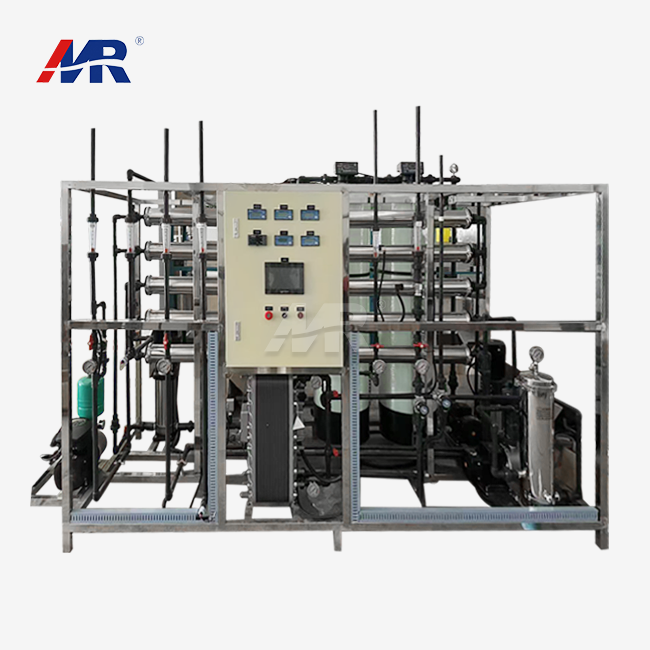 VIEW MOREedi purified water system
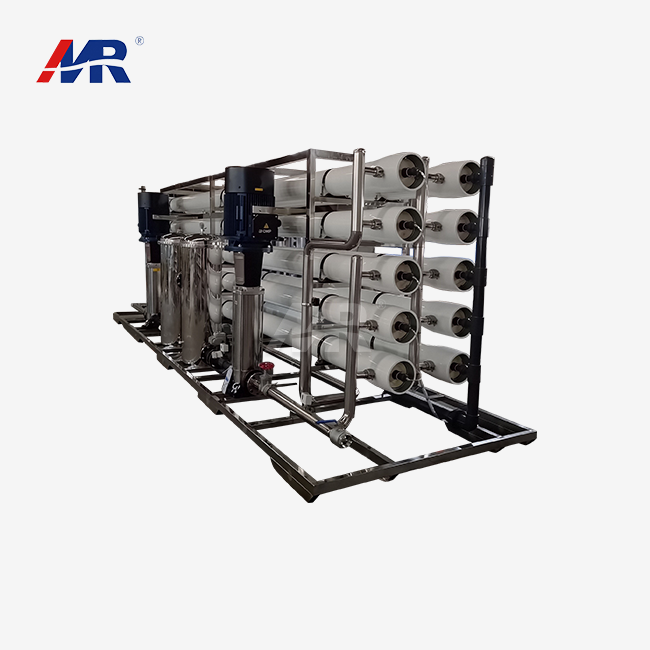 VIEW MORE2 stage reverse osmosis system
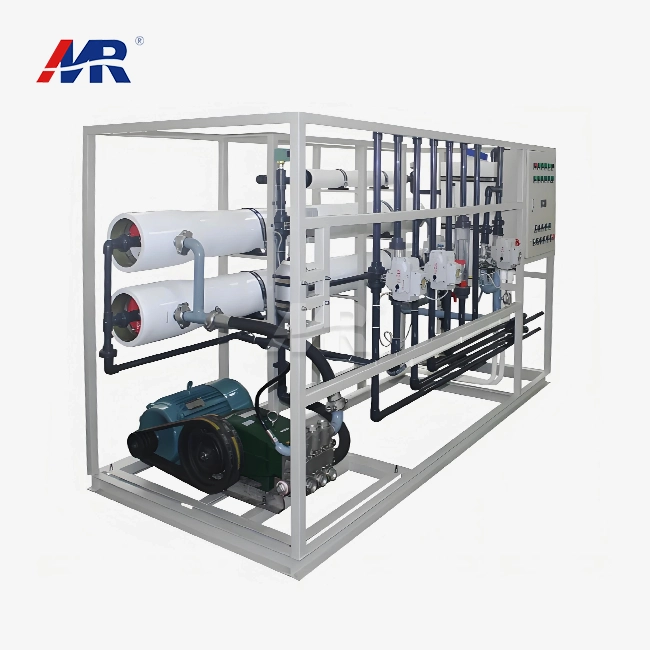 VIEW MOREseawater desalination pre-treatment
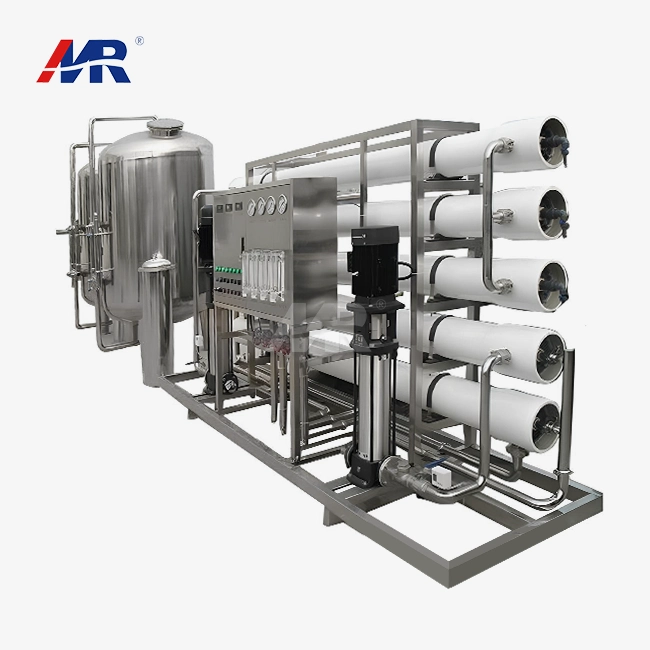 VIEW MOREbrackish water reverse osmosis
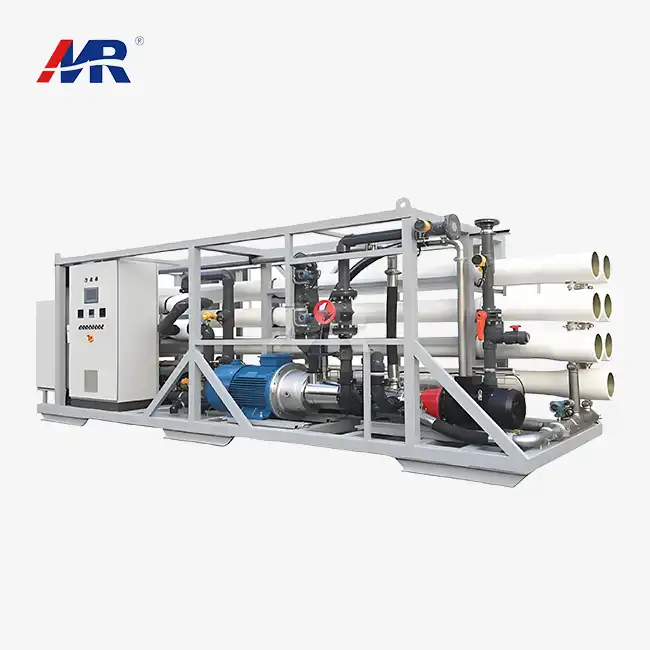 VIEW MORE20m3/hour seawater desalination equipment
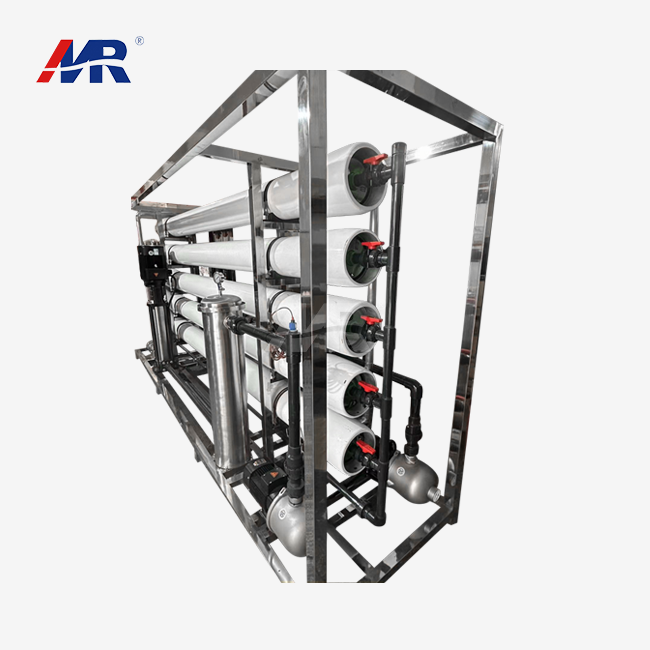 VIEW MOREreverse osmosis water treatment equipment
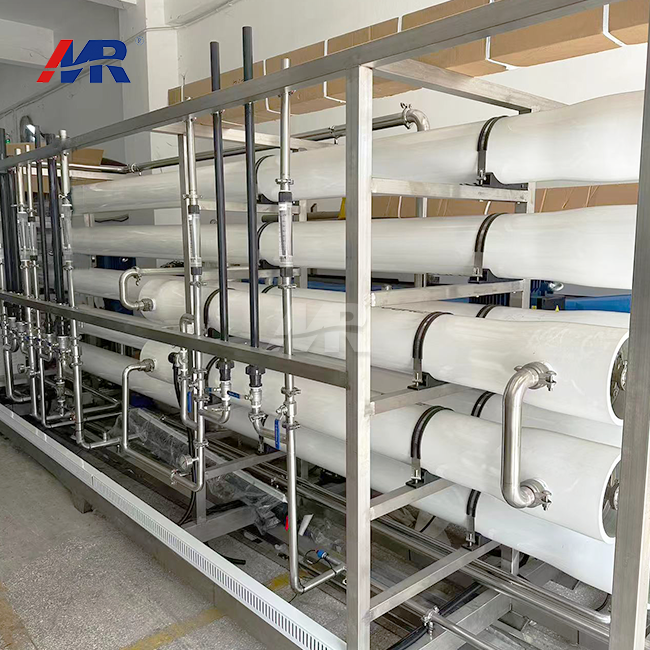 VIEW MOREosmosis drinking water system
 VIEW MOREseawater treatment plant
