

_1745823981883.webp)

Can Treatment Plants for Wastewater Reuse Water for Irrigation?
Yes, treatment plants for wastewater can definitely turn dirty water into safe resources for watering. To get rid of bacteria, heavy metals, and organic toxins, modern treatment plants for wastewater use multiple steps of cleaning, such as biological treatments, membrane filtration, and disinfection. When designed and run correctly, these systems provide recycled water that meets safety standards for agriculture. This protects crops and land while saving valuable freshwater resources. More and more, industries from industrial to farmland depend on these systems to deal with limited water and follow rules.
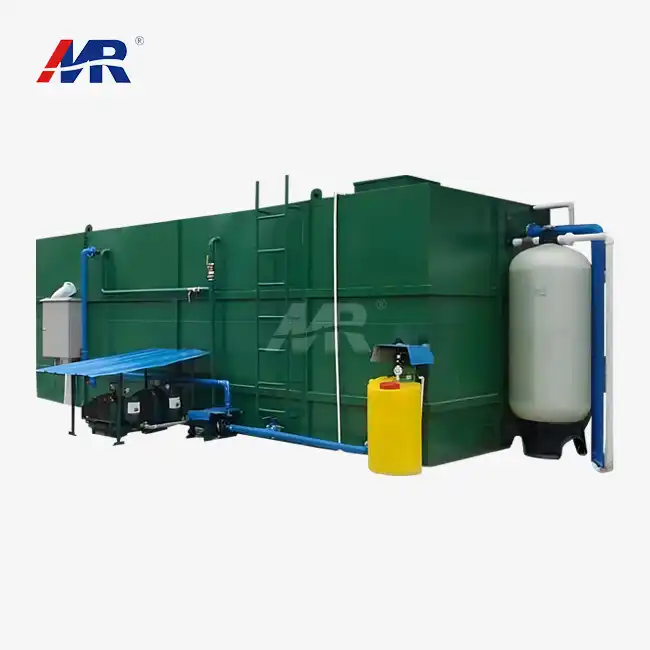
Understanding Wastewater Treatment Plants and Their Role in Water Reuse
Learn about treatment plants for wastewater and how they help reuse water. In order to turn dirty water into useful resources that can be used for agriculture and industrial purposes, modern treatment plants for wastewater play a crucial role in infrastructure. These designed systems meet strict environmental rules and help solve the growing problem of not having enough water.
Multi-Stage Purification Architecture
In treatment plants for wastewater, different stages of cleaning work together to get rid of toxins one by one. In the first stage, screening equipment and desanders are used to get rid of large pieces of dirt and grit. This keeps the gear further down the line from getting damaged. Before the water goes into the biological processing steps, it goes through sedimentation tanks, where gravity sorts the suspended solids over the course of one to two hours. This lowers the biological oxygen demand load by about 30 to 40 percent.
Advanced Technologies for Irrigation-Grade Reclamation
Microorganisms that break down liquid organic matter and nutrients like nitrogen and phosphorus are added during the second biological process. Activated sludge systems are still the standard in the business, but membrane bioreactors produce better wastewater in smaller spaces. Sand filtration, activated carbon adsorption, and UV disinfection are finishing steps added in the tertiary treatment process that get rid of any remaining pathogens and micropollutants. These advanced steps are necessary when recovered water comes into contact with crops that people eat or is used to water public areas where there is a risk of human exposure.
Matching Technology to Reuse Applications
In different watering situations, different levels of cleaning are needed. Surface drip irrigation for decorative plants that aren't meant to be eaten can use water that has been treated to basic secondary standards. However, spray irrigation for food crops usually needs water that has been treated to tertiary standards and has been rigorously pathogen-reduced. Ultrafiltration and other membrane-based systems are good at keeping germs and viruses out, which makes them useful for farms that send food to places with strict food safety rules. Knowing these differences helps buying teams choose systems that are set up correctly instead of over-engineering solutions.
The Wastewater Treatment Process Steps Relevant to Irrigation Reuse
It takes a carefully planned series of physical, chemical, and biological changes to turn polluted wastewater into water that can be used for watering. Each step builds on the one before it to lower the amount of contaminants over time.
Primary Treatment Foundation
In this basic step, organic and inorganic solids that can settle are removed by settling, and oils and greases that float to the top are skimmed off. Most primary clarifiers get rid of 50–70% of all the floating solids and cut the need for biological oxygen by a third. When cleaning industrial wastewater, facilities may add chemical coagulants like aluminum sulfate or ferric chloride to help particles stick together. This is especially important when the wastewater has fine liquid matter that can't be separated by gravity. The right initial cleaning keeps biological systems safe from too much water and increases the life of equipment.
Secondary Biological Processing
Biological treatment uses bacteria that are already in the environment to break down liquid organic substances into carbon dioxide, water, and biomass. Activated sludge methods that are used today keep mixed microbial cultures alive in aeration basins that get air from motorized fans. Extended aeration types let sludge age longer so that nutrients can be removed, which is very important when irrigation water will go into areas that are sensitive to nutrients. Sequencing batch reactors are cost-effective for medium-sized installations that serve farming cooperatives or food processing facilities because they can go through fill, react, settle, and decant stages in a single tank. This gives them a lot of operating freedom.
Tertiary Polishing and Disinfection
The last steps of cleaning in treatment plants for wastewater raise the water quality to a level suitable for watering. Rapid sand filters get rid of leftover suspended solids below 5 mg/L, which keeps drip irrigation emitters from getting clogged. Ultraviolet decontamination kills pathogens without using chemicals. Depending on the UV dose strength, it can reduce fecal coliform bacteria by a factor of 4 to 6. Chlorination is still popular, but it needs to be managed carefully because too much chlorine can hurt crops that are sensitive to salt. Membrane filtration using microfiltration or ultrafiltration tubes completely blocks Cryptosporidium and Giardia cysts that are resistant to regular disinfection. However, it comes with higher startup and running costs that are only worth it for high-value crop uses.
Comparing Wastewater Treatment Plant Solutions for Irrigation Purposes
To choose the best system design, you have to find a balance between treatment results, cost structures, site limitations, and the complexity of operations. Different treatment plants for wastewater designs are better for different types of operations and business needs.
Packaged Versus Conventional Systems
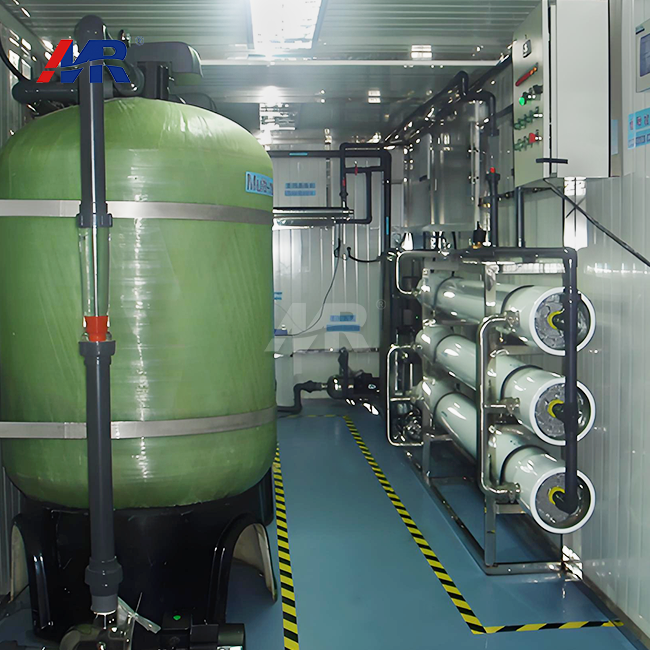
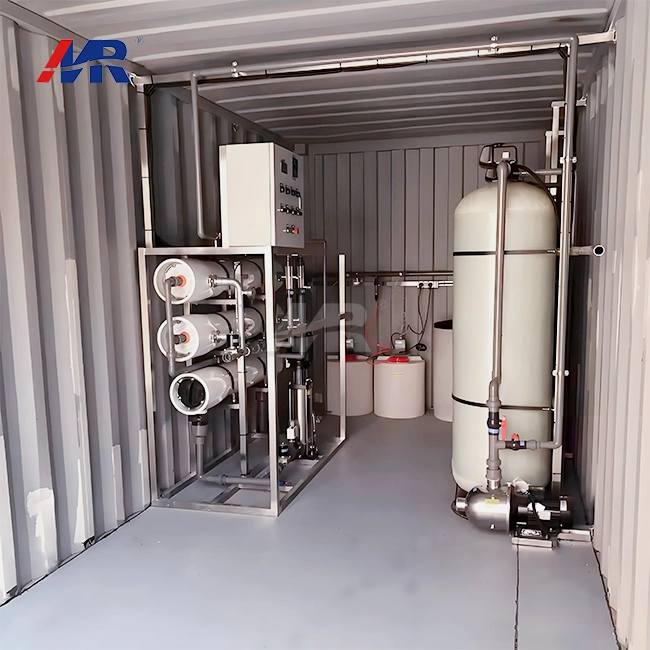
Containerized or packaged plants give treatment units that are already put together in the factory, which cuts down on the time and space needed for building on-site. These all-in-one options are great for farms that are far away, food processing plants that don't have a lot of space, or phased growths where adding flexible capacity makes financial sense. A standard packed system that can handle 50,000 gallons of water per day can fit inside a 40-foot shipping container. It comes with biological reactors, clarifiers, and control screens. Conventional concrete-built plants can handle higher flows and lower treatment costs per gallon when flows reach more than 500,000 gallons per day. This is why they are chosen for municipal water reuse programs that serve multiple farming areas.
Biological Versus Chemical Treatment Strategies
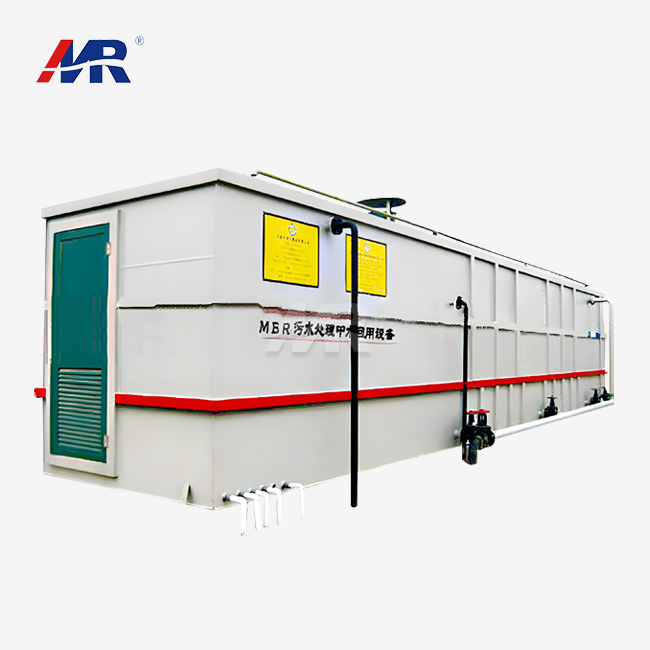
Biological methods are most common for treating wastewater because they use fewer chemicals and produce more sludge. Membrane bioreactors use biological digestion along with ultrafiltration membranes that keep bacteria in the clear wastewater while letting them pass through. This creates irrigation water with very low turbidity and pathogen numbers that don't need chemical disinfectants. Using coagulants and oxidants in chemical processes gets rid of contaminants quickly, but it makes a lot of sludge that needs to be disposed of in a certain way. Hybrid methods work well for cleaning industrial wastewater that has compounds that don't break down easily, like the wash water used in food preparation that has a lot of fat in it or the streams used in beverage production that have big changes in pH.
Energy Efficiency and Total Cost Analysis
Long-term survival is greatly affected by operating costs. Aeration usually uses 45 to 75 percent of a wastewater plant's power budget. To keep costs down, high-efficiency fans and fine-bubble diffusers are needed. Membrane devices need to be cleaned with chemicals on a regular basis, and eventually, the membrane needs to be replaced. If you take good care, a cartridge should last between five and seven years. When site conditions are good, energy-recovery devices like regenerative fans or gravity-driven membrane filtering lower the cost of running the system. To correctly compare options, financial analysis should figure out the levelized costs per thousand gallons handled over the 20-year asset lifecycles. This should include capital amortization, energy, labor, consumables, and residuals management.
Environmental and Operational Benefits of Reusing Treated Wastewater for Irrigation
Using water return systems has clear benefits that improve both caring for the environment and running a business efficiently. When businesses use reclamation methods, they become stars in sustainability and make real money at the same time.
Water Conservation and Resource Security
Reclaimed water cuts down on the need for underground and public water sources, which are becoming more and more scarce. In areas with limited water, farming becomes more stable when the need for watering doesn't have to compete with the need for drinking water by cities during droughts. A 100-acre vegetable farm that uses 500 acre-feet of recovered water each year keeps the same amount of rainwater available for other good uses. Reusing wastewater also keeps watering costs stable because the price of recovered water usually stays below the price of potable water. This protects growers from rising water prices caused by imbalances in supply and demand.
Nutrient Recycling and Soil Enhancement
Treated city wastewater from treatment plants for wastewater still has nitrogen and phosphorus in it that can be used for farming. Depending on the crop's nutrient needs and the makeup of the wastewater, this could cut the need for synthetic fertilizer by 20 to 40 percent. Recycling nutrients ends the loops in farm production and keeps receiving streams from becoming eutrophic, which would happen if wastewater were dumped into them. Over several years of use, organic matter in recycled water gradually improves the structure and water-holding ability of the soil. This is especially helpful in loose, sandy soils that aren't naturally fertile.
Regulatory Compliance and Operational Reliability
More and more strict disposal permits require advanced treatment even when wastewater hits surface waters. This means that the extra money needed to get reusable quality is a good investment. Facilities that already need to do secondary treatment can use that high-quality waste for watering instead of releasing it into the environment. Regular maintenance checks, like checking the stability of the membrane, the bearings on the blower, and the calibration of the control system, are necessary for reliable operation. Reliable providers should back these up with service agreements and extra parts that are easy to get.
How to Choose the Right Wastewater Treatment Plant for Irrigation Water Reuse?
Before making a procurement choice, you need to carefully look at the technical needs, practical limitations, and supplier abilities. Structured selection frameworks help people make decisions by guiding them through complicated choices and preventing costly mismatches between what the system can do and what the user actually needs.
Defining Water Quality Targets and Volume Demands
First, find out what quality standards for irrigation water apply to your crops and how they will be used. Food plants that get watered by spray or the ground need fecal coliform numbers to be less than 200 MPN per 100 mL, turbidity to be less than 2 NTU, and metabolic oxygen demand to be less than 10 mg/L. Crops that aren't food can handle less strict rules. Flow requirements should take into account high seasonal demand plus a 20–30% design margin to keep hydraulics from getting too full during harvest times when processing rates go through the roof. Equalization storage that turns changes in flow rates into steady treatment rates may help batch processes.
Evaluating Technical Performance and Scalability
Nameplate capacity is not as important as treatment performance measures. Ask for data from field tests or sites that have treated wastewater with similar properties to yours. Biological systems need enough time to get used to new conditions—often four to eight weeks—so that steady microbial populations can form. This is why starting support is so important. Scalability lets a business grow without having to change the whole system, and flexible designs let capacity grow by adding more trains in parallel. Think about how advanced the automation is compared to the level of operator skill that is available. This is because advanced supervisory control and data collection systems can only help with optimization if staff can read performance data and make changes to operating settings based on that.
Assessing Supplier Credentials and Support Infrastructure
Work with well-known makers who have a history of doing good work in the food processing and agriculture industries and treatment plants for wastewater. Check to see if your providers have local service networks that can handle important equipment breakdowns during busy production times. Turnkey project delivery that includes designing, buying equipment, supervising installation, and teaching operators makes the process easier for businesses that don't have their own water treatment experts. Major parts should be covered by warranties for at least three years, and there should be clear reaction times for technical help questions.
Conclusion
Water that has been polluted can be turned into safe, cost-effective irrigation water through treatment plants for wastewater. These systems deal with the problem of not having enough water by using multiple stages of cleansing that include biological treatment, membrane filtration, and cleaning. They also help with following the rules and taking care of the environment. For execution to go well, treatment methods must be matched to specific goals for water quality, operational situations, and the skills of the organization. Companies that spend wisely in systems that are set up correctly get long-term water security, lower costs for getting freshwater, and an edge in markets where resources are becoming more limited.
FAQ
1. Is treated wastewater safe for all irrigation applications?
Safety varies depending on the type of food and the amount of treatment. Tertiary-treated water with a fecal coliform count of less than 2.2 MPN/100 mL is suitable for all kinds of watering, even for veggies that are eaten raw. When people don't come into contact with the waste very often, it works well for processed food crops, fodder, and decorative plants. Regulatory systems, such as the EPA's Guidelines for Water Reuse, set clear quality standards that are appropriate for different types of applications.
2. How long do most devices that clean wastewater last?
Concrete buildings and tanks that are well taken care of last 30 to 50 years. Every 10 to 15 years, mechanical equipment like pumps and fans needs to be replaced. Depending on the quality of the feedwater and how they are cleaned, membrane units need to be replaced every 5 to 7 years. As technology improves, electrical controls and instruments are usually updated every 15 to 20 years. These stages of replacement needs should be taken into account in the total lifecycle costs.
3. Can existing systems integrate with the current irrigation infrastructure?
Standard pipe fittings and pressure-matching pump units make it easy for modern treatment plants to link to traditional irrigation networks. Filtration of wastewater to 50–100 microns is good for drip watering systems because it keeps emitters from getting clogged. When farming operations are retrofitted, they usually need storage tanks to balance the output of the treatment plant with the demand cycles for watering, as well as backflow protection devices to keep potable water sources from getting contaminated.
Partner With Morui for Irrigation Water Reclamation Solutions
Guangdong Morui Environmental Technology brings comprehensive water treatment expertise to agricultural and industrial clients seeking reliable treatment plants for wastewater reuse systems. Our engineering team creates unique solutions that meet your exact needs for water quality, flow rates, and site limitations. These solutions can be anything from small membrane bioreactors for food processing plants to large municipal reclamation plants that serve farming districts. We offer turnkey installations that include supplying the equipment, setting it up on-site, and training the operators. Our Team of over 500 dedicated professionals, 20 specialised engineers, and our own membrane production skills make this possible. We promote high-quality component names like Shimge Water Pumps and Runxin Valves as a reputable manufacturer of treatment plants for wastewater, ensuring system dependability and lengthy operating lifespans. Get in touch with our team at benson@guangdongmorui.com to talk about your goals for reusing irrigation water and get specific technical proposals with low prices that fit your procurement deadline.
References
1. United States Environmental Protection Agency (2012). Guidelines for Water Reuse. EPA/600/R-12/618. Washington, DC: Office of Wastewater Management.
2. Metcalf & Eddy, Inc. (2014). Wastewater Engineering: Treatment and Resource Recovery, 5th Edition. New York: McGraw-Hill Education.
3. Asano, T., Burton, F.L., Leverenz, H.L., Tsuchihashi, R., and Tchobanoglous, G. (2007). Water Reuse: Issues, Technologies, and Applications. New York: McGraw-Hill Professional.
4. World Health Organization (2006). Guidelines for the Safe Use of Wastewater, Excreta and Greywater, Volume 2: Wastewater Use in Agriculture. Geneva: WHO Press.
5. Lazarova, V. and Bahri, A. (2005). Water Reuse for Irrigation: Agriculture, Landscapes, and Turf Grass. Boca Raton: CRC Press.
6. National Research Council (2012). Water Reuse: Potential for Expanding the Nation's Water Supply Through Reuse of Municipal Wastewater. Washington, DC: The National Academies Press.
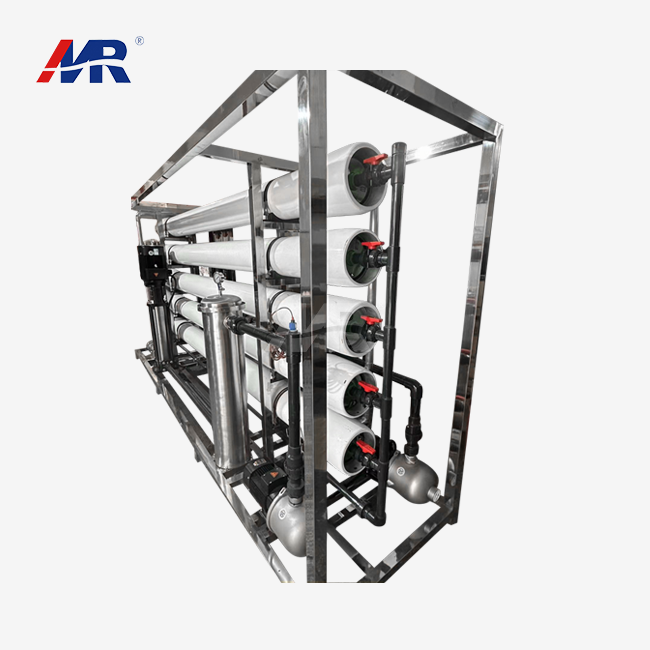 VIEW MOREreverse osmosis water treatment equipment
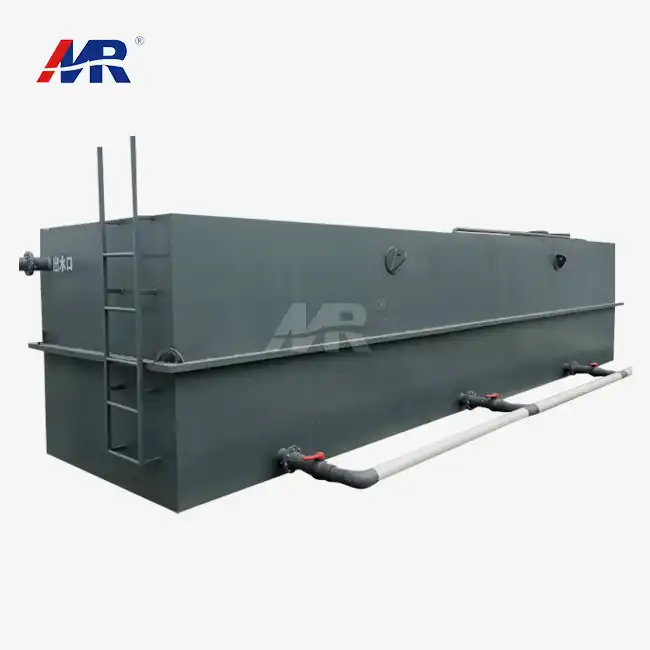 VIEW MOREportable wastewater treatment plant
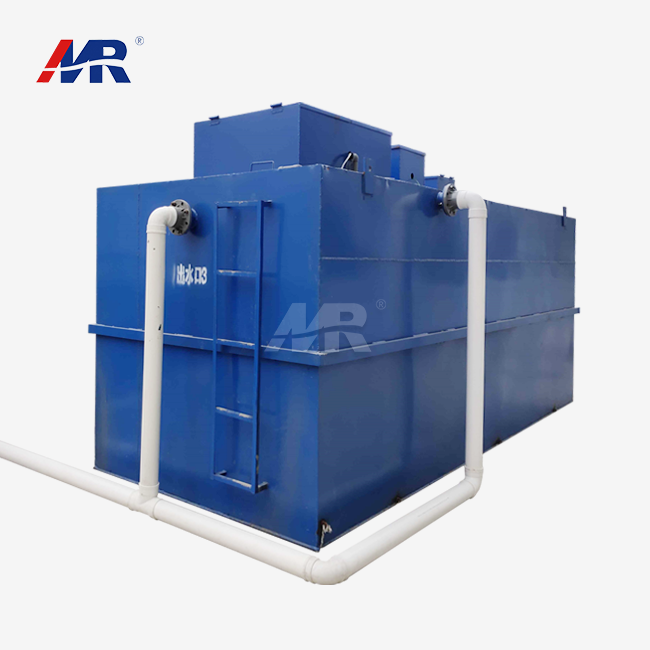 VIEW MOREMBR wastewater treatment plant
 VIEW MOREContainerized Mobile Water Treatment Systems
 VIEW MOREro edi system
 VIEW MOREsewage treatment plant MBR system
 VIEW MOREcontainerized water treatment systems
 VIEW MORE8m3/hour seawater desalination equipment
