

_1745823981883.webp)

How to Choose the Right Ultra Filtration System for Water Treatment
Choosing the appropriate ultra filtration system requires evaluating your industry's specific water quality standards, contaminant profiles, and production capacity. An effective membrane filtration solution balances removal efficiency against operational costs while meeting regulatory compliance. Whether you operate a pharmaceutical plant requiring GMP-grade water or manage municipal drinking water facilities facing seasonal turbidity spikes, selecting the right UF system directly impacts product quality, equipment longevity, and bottom-line profitability. Understanding the core technical parameters—from pore size specifications to flux rates—empowers procurement teams to make strategic investments aligned with long-term operational goals.
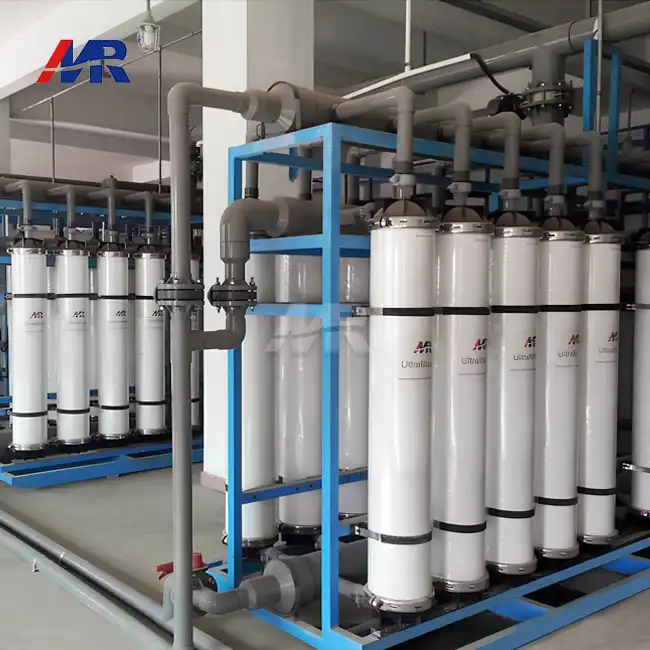
Understanding Ultra Filtration Systems and Their Role in Water Treatment
An ultrafiltration system is a way to separate things using semi-permeable barriers with pores that are between 0.01 and 0.1 microns in size. The process is driven by pressure. This exact filter range gets rid of suspended solids, bacteria, viruses, and high-molecular-weight colloids quickly and effectively, while leaving behind minerals and salts that have been dissolved. Instead of using depth filtration like regular sand filters do, uf membranes create a total barrier that keeps pathogens out. This is a very important difference for businesses that must control them.
Core Components and Working Principles
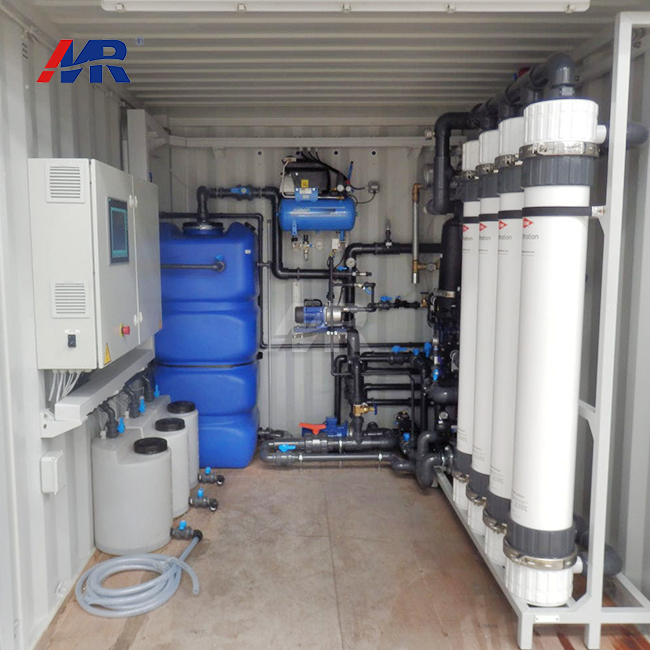
Modern ultrafiltration system equipment has a number of important parts that work together in a coordinated way. During the pre-treatment step, big particles that could damage the membrane surfaces are removed. This makes the membranes last longer. Feed pumps push water through hollow fibre PVDF membranes while keeping the transmembrane pressure steady, which is usually between 0.1 and 0.3 MPa. The chemical stability of these polymeric membranes is very high across pH ranges of 2 to 11. This makes them suitable for a wide range of industrial settings, from acidic wastewater from electroplating to alkaline wastewater from food processing.
Backwash systems change the direction of flow every so often, which gets rid of particles that have built up on barrier surfaces. This automatic cleaning cycle, along with Clean-in-Place (CIP) protocols using approved chemical agents, keeps flux rates between 40 and 100 L/m²/h for the whole life of the membrane. A temperature range of 1 to 40°C ensures reliable performance even when the weather changes or when an industrial process is going on.
Position Within the Water Treatment Spectrum
There is a range of selectivity in membrane technologies. Microfiltration (0.1–10 microns) gets rid of bigger particles while still letting bacteria pass. Ultrafiltration falls in the middle because it protects against microbes without using a lot of energy. Both nanofiltration (0.001-0.01 microns) and reverse osmosis (<0.001 microns) can get rid of dissolved salts and low-molecular-weight organics, but they need much higher working pressures and use a lot more energy.
More and more wastewater treatment plants are using Membrane Bioreactors (MBR), which combine biological treatment with an ultrafiltration system to make better runoff than traditional activated sludge methods. The UF membranes take the place of secondary clarifiers, making feed with a consistently low Silt Density Index (SDI) that is perfect for reverse osmosis systems further down the line in water reuse situations.
Key Considerations When Choosing an Ultrafiltration System
To make a procurement decision, you need to carefully look at a lot of different technical and business factors. The most expensive system doesn't always give you the best value, and cheap options often have hidden practical costs like replacing membranes too soon or having too much downtime.
Assessing Water Quality Requirements
The characteristics of your source water and the quality standards you want to meet determine the basic requirements for your system. If lab tests show that the water is cloudy, has a lot of total dissolved solids (TSS), or germs, it needs to be treated aggressively before it can be used. Microbiological standards are very strict for companies that prepare food and drinks. Ultra filtration system gets rid of germs like Cryptosporidium and Giardia without using chemicals that change the taste.
GMP rules make it very important for pharmaceutical companies to use clean water. Before the final steps of reverse osmosis and electrodeionization (EDI) cleaning, the ultrafiltration system is a very important barrier. For making electronics, you need ultrapure water with a resistivity of more than 18 Mcm. UF systems protect expensive ion exchange resins further down the line from organic fouling.
Performance Metrics and Operational Economics
The required membrane area and capital investment are directly related to the membrane flux rate. For the same amount of output, systems that work at 80 L/m²/h need smaller areas than systems that work at 50 L/m²/h. Higher flux designs, on the other hand, may foul up more quickly, which means they need to be cleaned more often and use more chemicals.
Energy use changes a lot depending on how the system is set up. Lower transmembrane pressures (0.05 to 0.2 bar) in submerged membrane designs use less power than pressurised tubular systems, but they usually have lower flux rates. The real economic picture over a typical 10-year operational horizon can be seen by comparing lifecycle energy costs to capital expenditure.
The membrane should last between 5 and 10 years, but this depends on the quality of the feed water and how well it is maintained. Selectivity is based on the Molecular Weight Cut-Off (MWCO) standard, which is usually between 100,000 and 500,000 Daltons for an ultrafiltration system. Lower MWCO membranes filter more efficiently, but they may foul up more quickly in water sources that are high in organic matter.
Maintenance Requirements and Technical Support
Automated operation cuts down on labour costs, but it needs accurate sensors and control systems that work well. Systems with transmembrane pressure monitoring in real time, permeate flow tracking, and customisable backwash processes require less work from the user. However, expert staff must know how to fix problems when automated processes don't work.
Support facilities and how close a supplier is are very important. Emergency downtime is kept to a minimum with membrane modules from manufacturers with local service centers and replacement parts that are easy to find. Long-term productivity is protected by technical help for CIP protocol optimisation, membrane integrity testing, and performance troubleshooting. Check the supplier's qualifications, such as whether they have an ISO 9001 quality management certification and whether they meet NSF/ANSI 61 standards for drinking water uses.
Comparing Ultrafiltration with Other Water Treatment Technologies
Choosing the right treatment technology depends on the type of contaminants and the goals for water quality. There is no one method that works perfectly for all uses.
Ultrafiltration Versus Reverse Osmosis
Reverse osmosis gets rid of dissolved salts, leaving behind demineralised water that is needed for many things, like boiler feedwater, making electronics, and using in medicine. An ultrafiltration system only needs 0.1 to 0.3 MPa of pressure, while RO systems need 15 to 70 bar of pressure. This means that RO systems use a lot more energy. When removing dissolved solids isn't needed, like in public drinking water treatment where keeping minerals in the water is a good thing, an ultrafiltration system is a cheaper way to keep microbes safe.
A lot of factories use mixed setups where UF pre-treatment keeps ro membranes below from getting clogged with colloidal matter. This makes the membranes last longer and requires less cleaning. This two-step process improves performance while strategically controlling energy use.
Conventional Filtration Technologies
While sand screens and container systems are less expensive to buy, they can't promise that all pathogens will be removed. How well filtration works depends on when the backwash happens, the condition of the media, and breakthrough events. Ultra filtration system consistently lowers the number of logs, even if the feed water changes. This is a very important benefit during storms when the turbidity of municipal raw water suddenly rises.
A carbon filter is great at getting rid of chlorine, organic chemicals, and taste and odour compounds, but it doesn't protect against microbes. Although distillation makes very clean water, it uses a lot of heat, which means that it can only be used in laboratories.
Application-Driven Technology Selection
Pathogen removal and water recycling effectiveness are very important to aquaculture operations. An ultrafiltration system cleans the water that goes through the system again and again, which lowers the risk of disease transmission while keeping the beneficial minerals and dissolved oxygen levels. The small size is good for marine sites that don't have a lot of room.
Food and drink makers like that UF can clear without changing the nutritional profiles. Dairy businesses remove germs and concentrate milk proteins. Manufacturers of juice can get crystal clear juice without using heat, which breaks down flavour ingredients. Chemical compatibility across pH 2–11 lets multi-product plants handle a wide range of product lines.
Municipal water utilities that have to follow stricter rules about pathogens find that an ultrafiltration system helps them do so without the problems that come with chlorine-based treatment and the disinfection byProducts that they produce. Since capital costs have gone down a lot, membrane technology is now on par with traditional upgrades to treatment plants in terms of cost.
Procurement Guide: How to Source and Select Ultra Filtration Systems
When you do strategic buying, you have to weigh technical requirements against business factors like price, delivery times, and building long-term relationships with vendors.
System Sizing and Planning for Capacity
Predicting demand correctly avoids costly over-sizing or not having enough capacity. Figure out the maximum flow needs, taking into account work plans, cleaning cycles, and a realistic outlook for growth. Systems that can be changed from 1 m³/h to 10,000 m³/h can handle operations ranging from small labs to large water utilities in the region.
Create a capacity cushion of 20 to 30 percent to keep performance high when membranes wear out and demand changes with the seasons. With modular designs, capacity can be added in stages, so capital is used in a way that matches business growth while keeping working freedom.
Supplier Evaluation Criteria
Reliable suppliers show they know how to make things by showing Certifications, client references, and clear technical documentation. Aside from the quality of the tools, you should also look at the service infrastructure, which includes things like installation support, user training programs, and quick technical help. Companies with area service teams can respond to emergencies faster than companies that need to send technicians all over the world.
The warranty terms show how confident the manufacturer is. Most warranties only cover one to two years, but some premium suppliers cover longer periods of time to show appreciation for strong materials and design. Find out what the warranty doesn't cover—many of them don't cover damage to the membrane caused by using the wrong chemicals or operating the system outside of the allowed range.
Total Cost of Ownership Analysis
The price of the purchase is only one part of lifetime economics. Figure out how much it will cost to replace the membrane, how much energy will be used at the local rate, how much chemical will be used for CIP cycles, and how many people will be needed to do upkeep. Even if the initial price is low, systems that need proprietary consumables or specialised service may have higher operational costs.
Finance choices like leasing tools or build-operate-transfer agreements work well for businesses that would rather spend money on operations than on capital investments. Water-as-a-service models let skilled providers handle practical risk, which is appealing to businesses that would rather focus on output than utility management.
Case Studies and Practical Insights for B2B Buyers
Implementation experiences in the real world shed light on practical issues that go beyond technical requirements.
Food and Beverage Processing Success
A regional juice maker had problems with bacterial pollution that shorted the shelf life of their products and hurt their brand's image. Using a 50 m³/h ultrafiltration system got rid of the need for pasteurisation and cut the number of bugs by 5 logs. Fruit juices with a pH between 3.2 and 4.5 did not damage the hollow fibre PVDF membranes. Every 30 minutes, automated backwash cycles kept flux rates steady during production shifts. The payback time was 18 months because the cost of heat energy went down and there were no more product losses due to spoilage.
Aquaculture Water Recirculation
In recycling systems, an indoor prawn farm had a lot of trouble with disease breakouts. Putting in ultra filtration system got rid of 99.99% of the germs in the water while keeping the minerals that are good for crustaceans' health. The system's small 15 m² footprint fit within the space limitations of the building. Automated operation required very little training for staff and worked perfectly with standard facility management procedures. The better water quality directly caused a 23% rise in the number of fish that survived the first output cycle.
Common Procurement Mistakes
Not measuring the amount of pre-treatment needed leads to membrane fouling happening too soon. If the source water is cloudy (>50 NTU) or has a lot of iron or manganese in it, it needs to go through coagulation, sedimentation, or multimedia filtration before it can be put through UF membranes. Skipping this effort to save money at first hurts because it means the membrane has to be cleaned too often, which shortens its life.
If operators aren't properly trained, they might follow the wrong CIP methods or take too long to respond to performance problems. Set aside money for thorough training programs that will make sure employees know how to test membrane health, choose the right cleaning chemicals, and fix problems.
Not keeping enough extra parts on hand makes the supply line more vulnerable to problems. Keep important parts like membrane modules, seals, and control system sensors in good shape to keep unplanned downtime during equipment failures to a minimum.
Conclusion
To choose the best ultrafiltration system option, you need to carefully look at the technical needs, practical limitations, and financial factors. The best system strikes a balance between how well it filters water, how much energy it uses, and how much upkeep it needs. It should also meet the standards for water quality in your business. When procurement teams carefully look at membrane specifications, supplier capabilities, and total ownership costs, they are able to get equipment that will work well for a long time. Instead of trying to find overly complicated solutions or lowering quality to save money at first, the most successful projects match technology powers exactly with application needs.
Frequently Asked Questions
1. How often do ultrafiltration membranes require replacement?
The membrane's life span is usually between 5 and 10 years, but this depends on the feed water, how it is used, and how often it is maintained. Longevity is increased by using the right pre-treatment, following CIP guidelines, and working within the limits set by the designer. Monitoring performance with permeate quality testing and flux rate tracking lets you know when replacement is needed instead of sticking to strict schedules.
2. Can ultrafiltration systems handle high turbidity water sources?
Ultrafiltration systems can handle some turbidity, but they work much better with pre-treatment when the source water has more than 50 NTU. Coagulation followed by settling or multimedia filtering keeps membranes from getting too full of particles. Seasonal changes in turbidity mean that operations need to be flexible, with more backwashing needed during times of high turbidity.
3. How does energy consumption compare between ultrafiltration and reverse osmosis?
An ultrafiltration system uses a lot less energy per cubic metre of cleaned water because it works at much lower pressures (0.1–0.3 MPa vs. 15–70 bar for RO). UF, on the other hand, doesn't get rid of dissolved salts, so applications that need to remove minerals need RO, even if energy savings are important.
Partner with Morui for Tailored Ultrafiltration Solutions
Guangdong Morui Environmental Technology specialises in making unique membrane filter systems that meet the needs of a wide range of industries. Established ultra filtration system maker with 14 regional branches and dedicated membrane production facilities, we offer full solutions, from supplying equipment to setting it up and starting it up. Our 20-person engineering team creates systems that range from 1 m³/h lab units to 10,000 m³/h city installations. They get ongoing technical help, and replacement parts are easy to find.
We want procurement professionals, building managers, and expert decision-makers to talk about the problems you're having with water treatment. Email our application engineers at benson@guangdongmorui.com for in-depth technical advice, suggestions on how to size your system, and cheap quotes.
References
1. American Water Works Association (2022). Membrane Technology for Water Treatment: Design and Implementation Guide, AWWA Manual M53, Denver, Colorado.
2. Cheryan, M. (2021). Ultrafiltration and Microfiltration Handbook, Third Edition, CRC Press, Boca Raton, Florida.
3. Judd, S. and Judd, C. (2023). The MBR Book: Principles and Applications of Membrane Bioreactors for Water and Wastewater Treatment, Fourth Edition, Butterworth-Heinemann, Oxford, United Kingdom.
4. National Research Council (2020). Drinking Water Distribution Systems: Assessing and Reducing Risks, National Academies Press, Washington, D.C.
5. Singh, R. (2022). Membrane Technology and Engineering for Water Purification: Application, Systems Design and Operation, Third Edition, Elsevier Science, Amsterdam, Netherlands.
6. World Health Organization (2021). Water Safety Plan Manual: Step-by-Step Risk Management for Drinking-Water Suppliers, Geneva, Switzerland.
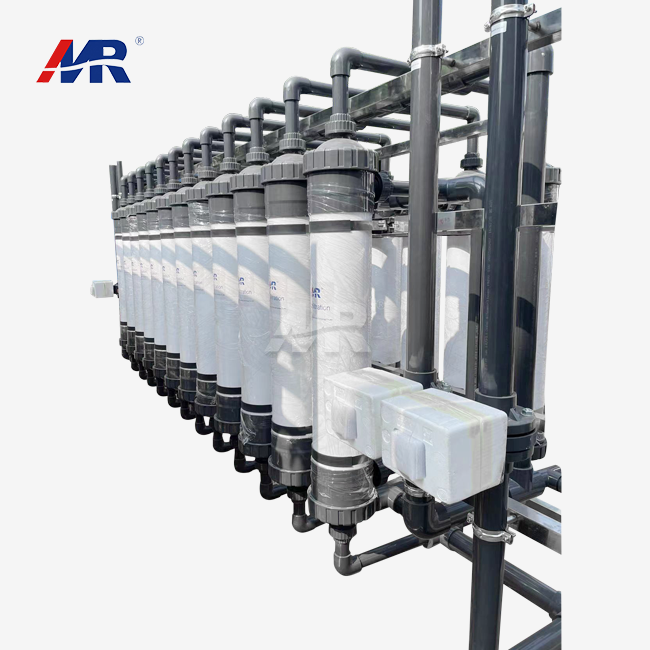 VIEW MOREindustrial ultrafiltration systems
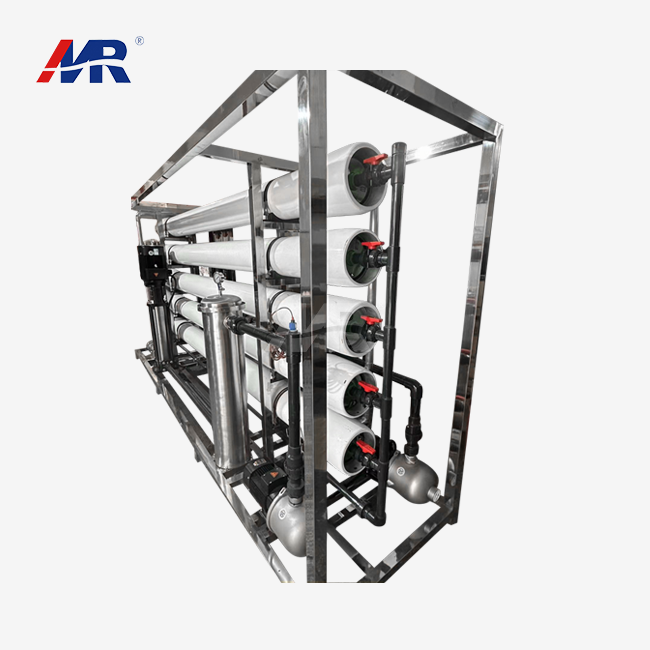 VIEW MOREreverse osmosis water treatment equipment
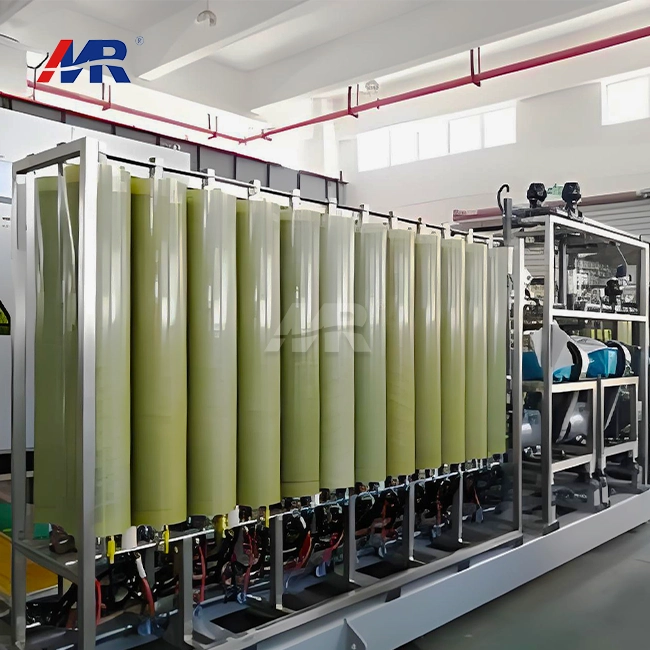 VIEW MOREDTRO plant
 VIEW MOREDTRO membrane
 VIEW MORE8 stage reverse osmosis system
 VIEW MOREcontainerized water treatment systems
 VIEW MOREDTRO Landfill Leachate Treatment
 VIEW MOREcontainerized ultrafiltration equipment
