

_1745823981883.webp)

Top Ultrafilter Membrane Applications Across Industrial Sectors
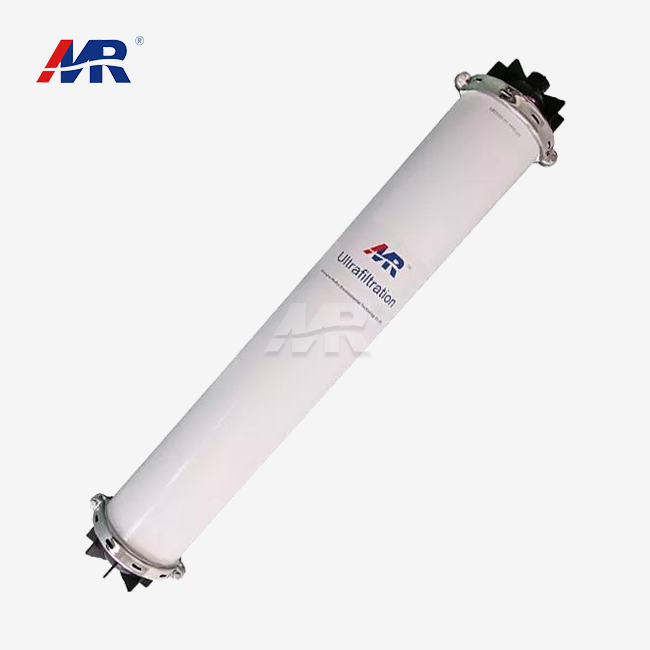
Across industrial sectors, ultrafiltration technology has become the backbone of reliable water purification and process optimization. An membrane/ultrafiltration-membrane-system">ultrafilter membrane operates through precision pore structures ranging from 0.01 to 0.1 microns, effectively capturing suspended solids, bacteria, viruses, and macromolecules while maintaining high flux rates and low energy consumption. This capability addresses critical production challenges—from pharmaceutical sterility requirements to municipal water safety standards—making membrane filtration an investment that directly impacts operational continuity, regulatory compliance, and product quality across manufacturing environments.
Introduction
Filtration systems that balance performance with cost-effectiveness are needed in industrial settings. Ultrafiltration membranes create this balance because they are proven to get rid of contaminants without using a lot of energy like thermal separation or reverse osmosis systems do. Purchasing managers are under more and more pressure to find equipment that meets strict quality standards while keeping total ownership costs low. To meet those goals, this guide looks at real-life examples from many fields, such as heavy industry, city utilities, food processing, and making medicines. Technical leaders can choose filtration solutions that meet both short-term production needs and long-term sustainability goals by knowing how hollow fiber shapes and PVDF materials work in different working situations.
Understanding Ultrafilter Membrane Technology
Polyvinylidene Fluoride (PVDF) or Polyethersulfone (PES) materials are mostly used to make semi-permeable membranes that are used in modern ultrafiltration systems. The pores in these polymeric structures are not spread out evenly, which lets the molecular weight cut-off usually be between 1,000 and 500,000 Daltons. The way the separation works is through physical sieving instead of chemical reactions. This means that it works the same way no matter what the water chemistry is like.
Core Membrane Specifications
Operating factors decide how well a system works and what kinds of applications it can handle. PVDF-based hollow fiber membranes are very long-lasting and have a tensile strength of more than 5 MPa, which keeps the fibers from breaking during backwash cycles. Temperature ranges from -1°C to 40°C can handle most industry process conditions, and pH resistance from 2 to 11 makes chemical cleaning methods work well. The operating pressure needs to be only 0.1 to 0.3 MPa, which is a lot less than what reverse osmosis systems usually need, which is 1.5 to 6.9 MPa. This difference in pressure has a direct effect on the size of the pump, the cost of energy, and the investment in infrastructure.
Filtration Performance Characteristics
Flux rates of up to 150 liters per square meter per hour (LMH) allow for small system designs that reduce the size of the building. Recovery rates get close to 95%, which means that much less wastewater is produced than with traditional filtration methods. PVDF membranes can handle up to 1,000 parts per million of chlorine during cleaning cycles. This makes disinfection procedures easier and increases the membrane's life. These success measures all deal with problems that businesses face, like not having enough room, high disposal costs, and hard-to-plan maintenance.
Top Industrial Applications of Ultrafilter Membranes
Ultrafiltration technology has spread to almost every industry that needs to clean or separate water. The ultrafilter membrane is flexible because it can work well even when the quality of the raw water changes. This is a big plus in industrial settings where feed water characteristics change because of the season, the source, or changes in the process upstream.
Municipal Water Treatment Operations
Ultrafiltration is being used more and more by city water plants to protect against Cryptosporidium, Giardia, and other pathogens that can't be killed by chlorination. The pores are only 0.01 microns wide, which means they filter out all organisms that regular sand filters can't catch. Water authorities like that the turbidity is always removed—routinely getting less than 0.1 NTU—no matter what the source water conditions are. This dependability lowers the need for disinfectants further down the line and keeps bacteria from forming in delivery systems. It is also cheaper to add membrane systems to existing treatment plants than to build new clarifier basins. This is especially true for plants that are limited in capacity or have to follow tighter rules.
Food and Beverage Production
Ultrafiltration is used by dairy processors to remove minerals and concentrate milk proteins, making standard ingredients for making cheese. Manufacturers of drinks clarify fruit juices by filtering them through membranes. This gets rid of the solids that cause haze without heating the juice, which breaks down the flavor compounds. Ultrafiltration is used by breweries to get rid of yeast and stabilize beer, which controls microbes without pasteurization. Food-grade membrane modules meet FDA and USDA standards for cleanliness by having smooth surfaces and the ability to drain completely. This makes clean-in-place (CIP) processes easier. Reusing process water through membrane treatment also helps with sustainable efforts by lowering the amount of water that cities need to provide and the amount of wastewater that they have to dump.
Pharmaceutical and Biotechnology Manufacturing
Pharmaceutical companies have to make sure that their water output follows good manufacturing practices (GMPs). In the process of making clean water, ultrafiltration is the main way that pyrogens and germs are removed. It works with reverse osmosis in Water-for-Injection (WFI) systems. Bioprocessing plants use membrane chromatography and tangential flow filtration to clean proteins, collect antibodies, and make sure viruses are gone. If you can test the stability of a membrane using pressure decay or bubble point, you can be sure that the risk of batch contamination stays under control. Concerns about thermal degradation for heat-sensitive biologics are taken care of by cold sterilization, which keeps molecular activity intact during downstream processing.
Electronics and Semiconductor Fabrication
To make chips, you need ultrapure water with a resistance of more than 18 megohm-cm. Ion exchange and electrodeionization (EDI) systems further down the line are kept clean by membrane pretreatment. This extends the life of the resin and keeps the quality of the product consistent. Even particles smaller than a micron have been shown to lower yields during photolithography steps by the semiconductor industry. This is why absolute filtration through membrane technology is so important. Ultrafiltration reusing rinse water lowers the amount of chemicals used and the amount of wastewater released into the environment. This helps meet zero-liquid-discharge goals while keeping costs down.
Electroplating and Chemical Processing
Metal finishing processes make wastewater that is very complicated and contains heavy metals, oils, and solids that are floating in the water. Ultrafiltration concentrates streams that contain metals so that they can be recovered. This turns the cost of waste into income by reusing the materials. Membrane separation is used by chemical companies to collect catalysts, recycle solvents, and concentrate Products. Because PVDF membranes are chemically resistant, they can be used in harsh environments where other materials would fail. This makes the process flexible so it can be changed to fit new formulations or production schedules.
Energy and Heavy Industry
For boiler feedwater, thermal power plants and nuclear facilities need demineralized water because dissolved solids cause scaling and corrosion in boiler feedwater. By treating the membranes before the ion exchange systems, the number of regenerations and the amount of chemicals used are cut down. Ultrafiltration is used by petrochemical refineries to clean produced water and oilfield brines so they can be reinjected or used in a useful way while still following environmental discharge limits. Offshore platforms and marine boats can install small membrane desalination units that turn saltwater into potable water. This means that they don't have to rely on transportation on land for long operations.
Agricultural and Aquaculture Operations
More and more, farming in dry areas depends on membrane treatment like ultrafilter membrane systems to turn salty groundwater into supplies that can be used for irrigation. Getting rid of dissolved solids keeps emitters in drip irrigation systems from getting clogged, which improves the even spread of water and crop yields. Marine aquaculture farms use ultrafilter membrane bioreactors to recycle hatchery water, which controls the amount of ammonia and organic matter in the water and lowers the risk of disease transmission. The small footprint and automated operation of ultrafilter membrane systems make it good for remote installations where access to skilled labor limits the complexity of maintenance.
Comparing Ultrafilter Membranes with Other Filtration Methods
Choosing the right technology means balancing the goals of the process with the powers of the membrane and the costs involved. Ultrafiltration is in a unique situation between removing large particles and separating dissolved solids. It has many benefits that make it worth using widely.
Performance Trade-offs Across Membrane Types
Microfiltration has faster flow rates but can't keep viruses or proteins, so it can only be used to get rid of loose solids. Nanofiltration filters out divalent ions and small organic molecules. This puts it in the middle of ultrafiltration and reverse osmosis for tasks that need to be selectively separated. Reverse osmosis can get rid of almost all dissolved solids, but it needs higher pressures, more preparation, and more energy. Ultrafiltration gives the best performance for the money when the goal is to get rid of particles, bacteria, or large molecules without desalination.
Economic Considerations for Procurement Teams
Ultrafiltration systems usually have lower start-up costs than reverse osmosis systems of the same capacity. This is because they don't need as much pressure and don't need as much pumping infrastructure. Operating costs are lower because less energy is used (often 40–60% less than RO) and fewer chemicals are used for preparation. Ultrafiltration can handle higher feed turbidity without damaging the membrane, so maintenance times get longer. By looking at the total cost of ownership over five years, we can see that ultrafiltration often gives a better return on investment for uses that don't need to remove dissolved solids. This makes it the smart choice for businesses that want to save money.
Procurement Considerations for Ultrafilter Membranes
Sourcing decisions aren't just about the price of the first item; they also include how reliable the supplier is, how well they can help with technical issues, and how long parts will be available. To reduce supply chain risks and keep operations running smoothly, procurement experts have to look at a lot of different factors.
Supplier Qualification Criteria
Manufacturers who are certified show that they follow ISO 9001 quality management standards and industry-specific standards like NSF/ANSI 61 for drinking water uses. By asking for performance evaluation data like flux decline curves, rejection coefficients, and cleaning recovery rates, you can compare different goods in a fair way. Suppliers who provide detailed technical paperwork, such as operation and maintenance instructions, lists of extra parts, and troubleshooting guides, make it easier for maintenance teams to learn and cut down on downtime during launch.
Bulk Purchasing and Logistics Planning
When you commit to buying in bulk, you can often get better prices and faster delivery times, which is especially helpful when your facility is expanding or when you need to do planned maintenance. Setting up basic deals with membrane providers makes budgeting easier and makes it easier to place new orders. Making sure of the wait times for replacement modules stops production from stopping without warning. This is especially important for custom setups or installations with a lot of capacity. Strategic inventory management weighs the costs of keeping items on hand against the practical risk of having to buy things quickly at higher prices.
Maintenance and Longevity of Ultrafilter Membranes
To get the most out of a membrane's service life, it needs proactive maintenance plans that deal with fouling processes before they cause damage that can't be fixed. In industrial settings, ultrafilter membranes usually last between 3 and 5 years with good care, but feedwater quality and operating procedures have a big impact on real performance.
Cleaning Protocols and Fouling Management
Every 15 to 60 minutes, depending on the feed turbidity, backwashing cycles change the flow direction to get rid of particles that have built up on the membrane surfaces. Chemical-enhanced backwash (CEB) uses acidic cleaners to get rid of mineral scales and alkaline solutions to get rid of organic foulants. By keeping an eye on transmembrane pressure trends, you can tell when fouling changes from being reversible to irreversible. This lets you take action before lasting flux loss happens. Setting up automated cleaning processes based on pressure or flux setpoints guarantees consistent performance while lowering the work of operators.
Performance Monitoring and Replacement Indicators
Normalized flux estimates take into account changes in temperature and pressure, showing the real state of the membrane even when operating changes are made. Tracking individual flux decline rates lets you plan repair ahead of time and order new units before they break down and stop production. To make sure that fiber breaks haven't affected the quality of filtration, membrane integrity testing like pressure hold tests or particulate challenge studies are used. This keeps products safe and makes sure that regulations are followed. With these diagnostic methods, maintenance goes from being spontaneous fixes to planned actions that lower the total cost of ownership.
Conclusion
Ultrafiltration membranes have been shown to separate things in a wide range of industrial settings. They can solve problems with water quality that affect the safety of products, the speed of processes, and compliance with environmental laws. The technology is the best choice for applications that need to separate particles, germs, and macromolecules because it is easy to use, uses little energy, and reliably gets rid of contaminants. When procurement workers know about membrane specifications, application needs, and upkeep needs, they can help their companies get the most out of this filtration technology. Strategic partnerships with suppliers, careful comparisons of technologies, and proactive lifecycle management all work together to make sure that investments in membranes deliver long-term performance and financial returns over a number of years.
Frequently Asked Questions About Industrial Membrane Filtration
1. What contaminants can membrane filtration remove effectively?
Ultrafiltration through hollow fibers gets rid of turbidity, bacteria, viruses, protozoan cysts, and proteins with a high molecular weight. Microorganisms can't get through because the pores are only 0.01 to 0.1 microns wide, but liquid salts and low-molecular-weight chemicals can. This selective sorting makes it possible for uses that need to control pathogens without losing minerals.
2. How does membrane lifespan vary across different industries?
With the right pretreatment and maintenance, municipal drinking water applications can last for four to five years. Three to four years, based on how much organic matter is in the water and how often it is cleaned. Due to more fouling, wastewater treatment installations may only last two to three years. However, better pretreatment makes them last longer. The quality of the feed water is still the most important factor affecting the membrane's longevity.
3. What distinguishes PVDF membranes from PES alternatives?
PVDF is very strong and doesn't react badly with chemicals or chlorine. This makes it perfect for industrial settings that need to be cleaned harshly or are exposed to oxidizing agents. PES is better at resisting proteins and naturally attracts more water, making it the best choice for bioprocessing uses. The choice of materials should be based on the expected operational challenges and cleaning procedures for the installation.
Partner With Morui for Reliable Ultrafiltration Solutions
Guangdong Morui Environmental Technology can help you reach your goals for treating industrial water with high-performance ultrafiltration membrane systems made for tough jobs. Our PVDF hollow fiber membranes can handle flux rates of up to 150 LMH and recover 95% of the energy. They also come with full Technical support from Our Team of 20 highly trained engineers. As a well-known ultrafilter membrane supplier with 14 offices and dedicated membrane production facilities, we offer full turnkey solutions, from designing the system to installing it, starting it up, and providing ongoing upkeep support. Our small, modular designs work well in facilities with limited room, and our chlorine-resistant materials make cleaning easier in industries like food processing, drug making, and city treatment. Email our application experts at benson@guangdongmorui.com to talk about your unique filtration needs and get personalized suggestions that will improve both performance and total cost of ownership.
References
1. Cheryan, M. (1998). Ultrafiltration and Microfiltration Handbook. CRC Press, Boca Raton, Florida.
2. American Water Works Association. (2005). Microfiltration and Ultrafiltration Membranes for Drinking Water: Manual of Water Supply Practices M53. Denver, Colorado.
3. Singh, R. (2015). Membrane Technology and Engineering for Water Purification: Application, Systems Design and Operation. Butterworth-Heinemann, Oxford.
4. Judd, S. & Judd, C. (2011). The MBR Book: Principles and Applications of Membrane Bioreactors for Water and Wastewater Treatment. Elsevier, Amsterdam.
5. Zeman, L.J. & Zydney, A.L. (2017). Microfiltration and Ultrafiltration: Principles and Applications. CRC Press, Boca Raton, Florida.
6. Baker, R.W. (2012). Membrane Technology and Applications, Third Edition. John Wiley & Sons, Chichester, United Kingdom.
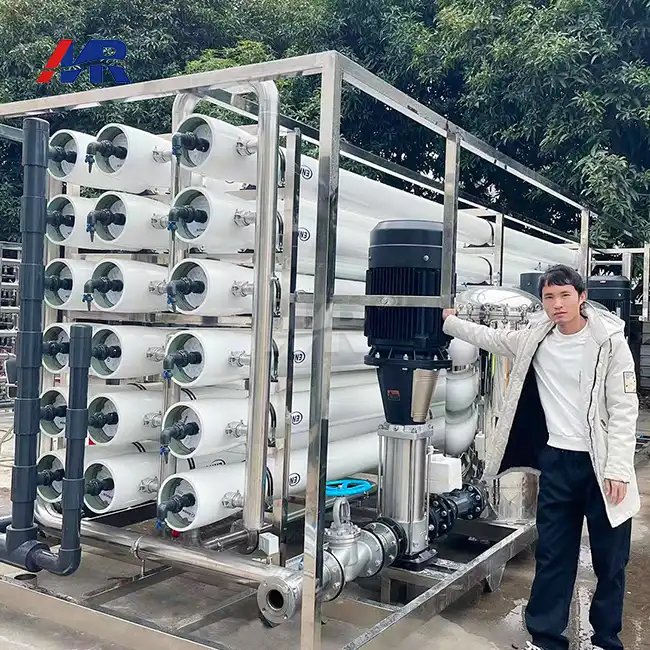 VIEW MORE100m3/hour reverse osmosis system
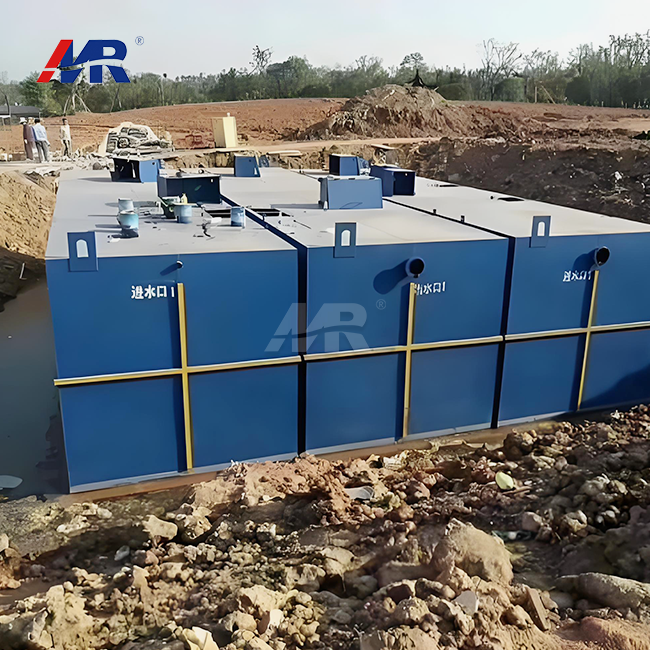 VIEW MOREwastewater treatment plant units
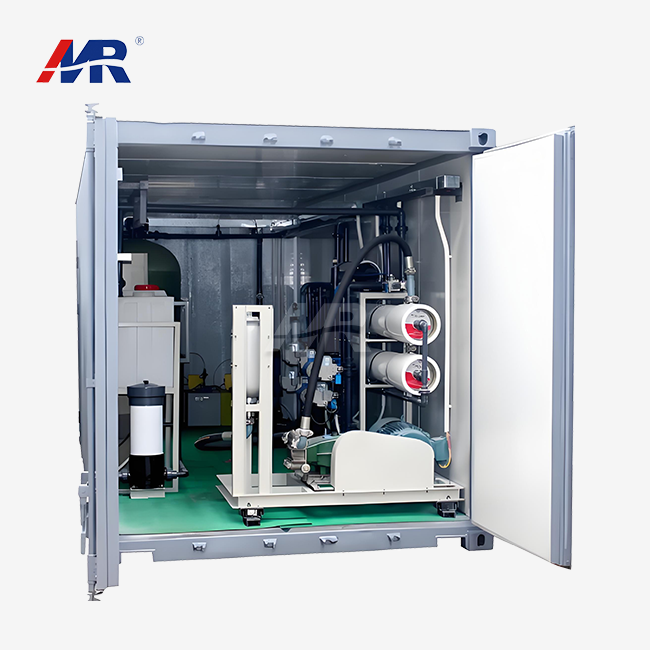 VIEW MOREcontainerized UF+RO system
 VIEW MORE8m3/hour two pass reverse osmosis system
 VIEW MOREDTRO Landfill Leachate Treatment
 VIEW MORE500m3/day reverse osmosis RO plant
 VIEW MOREbioreactor wastewater treatment
 VIEW MORE15m3/hour seawater desalination system
