

_1745823981883.webp)

Containerized Reverse Osmosis: A Practical Guide for Remote Sites
When your facility operates miles from municipal infrastructure, accessing clean water becomes more than a logistical challenge—it's a critical operational necessity. Containerized Reverse Osmosis systems deliver a turnkey solution for remote water purification needs. These fully integrated water treatment plants housed within standard ISO shipping containers provide immediate production capacity for potable or process water without the delays and expenses of traditional construction. By consolidating all essential components into a climate-controlled, mobile unit, these systems solve the persistent challenges of prolonged project timelines and inadequate infrastructure in isolated locations.
Understanding Containerized Reverse Osmosis Systems
What Makes These Systems Unique
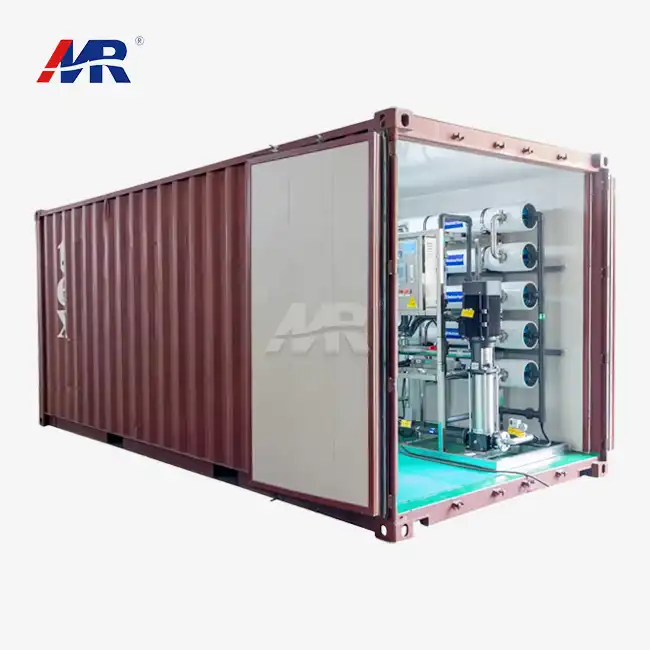
A Containerized Reverse Osmosis system puts all the parts needed to clean water into a normal 20-foot or 40-foot shipping container. There are pre-treatment filters, high-pressure pumps, semipermeable membranes, post-treatment units, and control systems in this configuration. All of these have been tried at the plant and are ready to be used right away. With this flexible method, there is no need to build special buildings or set up complicated pipe networks on-site.
Core Components and Operational Principles
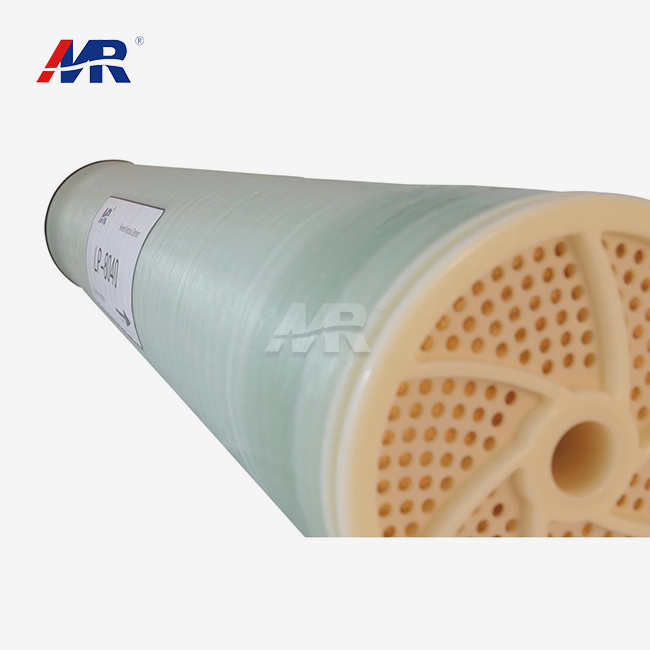
The system works by following a complicated but easy-to-understand process. When raw water goes into the container, it goes through multimedia filters or ultrafiltration modules that get rid of organic matter and suspended solids. The water is then pushed through spiral-wound membrane elements by high-pressure pumps. This separates the dissolved salts and contaminants at the molecular level. The clean filtrate comes out to be distributed, and the concentrated brine is safely released or treated further. Modern control panels with PLCs keep an eye on pressure differences, flow rates, conductivity, and membrane performance in real time, and they instantly change processes to keep them running at their most efficient.
Applications Across Industries
These systems are used by remote mining operations to turn salty groundwater into drinkable water for worker camps. Offshore oil rigs use small machines that desalinate seawater to meet their daily freshwater needs. Mobile RO containers are sent by emergency response teams to disaster areas where city water sources have been cut off. Pharmaceutical companies use these systems at temporary production sites to make clean water that meets strict GMP standards. In dry areas, agricultural projects treat salty irrigation water to increase food yields when regular sources aren't enough.
Comparing Containerized RO with Traditional Water Treatment Systems
Design and Installation Advantages
In traditional water treatment plants, it takes months of civil engineering, building foundations, and building the building itself before the equipment is put in. Containerized solutions come totally put together; all that's needed is power hookups and pipes for bringing water in and out. Usually, installation only takes a few days instead of months, which greatly reduces the amount of money needed to prepare the spot. The weatherproof container keeps fragile equipment safe from harsh weather, so there's no need for extra buildings in harsh climates or coastal areas that are prone to corrosion.
Operational Efficiency and Scalability
When production needs go up, adding capacity with traditional systems for Containerized Reverse Osmosis means making a lot of changes or building more treatment buildings. Containerized units can be stacked or connected in parallel to make modular expansion that doesn't affect current operations. When compared to traditional systems with set speeds, variable frequency drives use up to 40 percent less energy because they adjust pump speeds based on real-time demand. Energy recovery devices take pressure from the concentrate stream, which lowers costs even more. This is especially important for sites that aren't connected to the grid and run on diesel generators or solar panels.
Lifecycle Cost Analysis
When you compare the starting prices per cubic meter of capability of containerized systems to big fixed installations, the total cost of ownership is very different. With factory-integrated designs, you can save a lot of money by cutting down on site building costs, installation times, and maintenance costs. Because these units are mobile, they have residual value; when a project is over, the whole system moves to a new location instead of being left behind. Insurance costs go down because the enclosed design keeps equipment safe from theft, bad weather, and people who aren't supposed to be there.
Key Technical Specifications and System Features
Production Capacity and Membrane Configurations
Modern RO systems that come in 40-foot containers can handle anywhere from 10 cubic meters per day for small camps in the middle of nowhere to 500 cubic meters per day for large factories. Different membrane configurations can be used depending on the quality of the source water. For example, brackish water reverse osmosis (BWRO) modules can clean groundwater with 2,000 to 10,000 ppm of total dissolved solids, while seawater reverse osmosis (SWRO) systems can handle feed water with more than 35,000 ppm of salt. Multi-stage membrane arrays can be customized to remove certain types of contaminants, such as nitrates for farming areas or silica for boiler feed water uses.
Power Requirements and Off-Grid Integration
Standard units work with 380V to 480V three-phase industrial power, but makers make systems that can work with a range of electrical standards. Off-grid places use diesel engines with 150–500 kW ratings to connect these systems, based on how much is being made. Photovoltaic panels and battery storage work together in solar-powered setups to run smaller units in a sustainable way. Hybrid configurations automatically switch between grid power and backup generators, so they can keep running even when the utility goes out. When energy recovery technology is used, brackish water systems use about 2.5 to 5.5 kWh per cubic meter of water, and seawater desalination systems use about 3.5 to 8 kWh per cubic meter of water.
Automation and Remote Monitoring
With IoT-enabled SCADA systems, these containers can be turned into smart water treatment plants. Through satellite or cellular connections, operators can see real-time dashboards that show membrane differential pressures, permeate quality, recovery rates, and maintenance alerts. Predictive maintenance algorithms look at patterns in performance and plan to clean membranes before flux loss hurts output. Automatic chemical dosing systems exactly change the amount of antiscalant and pH correction, which keeps the membranes from getting clogged and reduces the amount of chemicals used. Manufacturers can provide expert help through secure network links, so there is less need for trained technicians to be stationed at remote places.
Procurement Considerations for B2B Buyers
Selecting Equipment for Site-Specific Needs
System specification decisions are based on water quality analysis. Buyers should test the source water thoroughly, checking for TDS, turbidity, pH, temperature, silica, iron, manganese, and biological oxygen demand. These factors decide the need for pre-treatment and the choice of membrane. If the turbidity is more than 5 NTU, ultrafiltration modules must be used before ro membranes. Water with more than 0.3 ppm iron needs both oxidation and filtration steps. Seasonal changes in the quality of the source water should be used to determine the right size of the system to make sure it can handle the worst-case situations.
Evaluating Suppliers and Support Services
Suppliers of Containerized Reverse Osmosis that you can trust keep their ISO 9001 certification and show that they follow ASME pressure tank standards. For drinking water uses, membrane makers should offer NSF/ANSI 61 approval. In addition to the product specs, you should also look at the supplier's installation help, training programs, and availability of spare parts. Companies that offer full-service contracts lower operational risks, especially for people who don't have their own water treatment experts on staff. It's important that warranties cover more than just broken equipment. They should also cover guarantees of membrane performance, which protect buyers against premature fouling or flux decline.
Financial Models and Investment Protection
Containerized systems cost between $150,000 for small units that treat salty water and $1.2 million for large containers that can handle a lot of seawater and are fully automated. There are several ways to pay for it, such as direct purchase, operating leases, and build-operate-transfer agreements. In these types of deals, sellers keep ownership while ensuring set rates of water output. Leasing works well for short-term projects like construction sites or disaster relief because it turns capital costs into predictable operating costs. Buyers should figure out the total cost per cubic meter over the expected length of the project, taking into account costs for energy, materials, membrane repairs, and the value of the equipment that will still be there after the project is finished.
Case Studies and Future Prospects
Proven Performance in Challenging Environments
A copper mine in Nevada used a containerized BWRO system that could handle 200 cubic meters of water per day to clean groundwater that had 5,800 parts per million of total dissolved solids. From delivery to start-up, the installation only took four days. The water produced met both drinking standards and process requirements for processing ore. In three years of use, the system was up 98.7 percent of the time, and the membrane only needed to be replaced once. This shows that it is reliable in a dirty and very hot climate.
Offshore oil rigs in the Gulf of Mexico use containerized SWRO systems that can process 50 cubic meters of seawater every day, making enough drinking water for 150 people on board. These installations can handle salt spray that is corrosive and platform vibrations while running nonstop for six months at a time between maintenance breaks. The enclosed design keeps the equipment from breaking down as older open-frame systems did, which cuts the need for spare parts by 60%.
After Hurricane Maria damaged Puerto Rico's public water systems, emergency response groups sent out ten mobile RO containers. Every day, each unit made 25 cubic meters of drinking water, which was enough for 2,000 people in an area. During the relief effort, the ability to quickly deploy systems that can be up and running within 24 hours of arrival was very important. After the emergency, six units were moved to island communities that often didn't have enough water, which made lasting changes to the infrastructure.
Emerging Technologies and Market Trends
New membrane materials that use graphene oxide and aquaporin biomimetic technology are now being made commercially. These materials promise 30% higher flux rates with the same amount of salt rejection. These next-generation membranes lower the size of the system and the amount of energy it needs, so normal containers can hold more. According to the results of a pilot program, smart automation platforms that use artificial intelligence can improve the chemical dosing and cleaning cycles. This will make membranes last 3 to 5 years longer.
Industries are moving toward containerized systems for treating wastewater and recovering resources because of rules that require them to reuse water and not release any liquids into the environment. These units are used in electroplating plants to clean rinse water so that it can be used again and to concentrate valuable metals so that they can be recovered. Companies that make semiconductors use ultrapure water systems that are contained and combine reverse osmosis (RO) with electrodeionization. These systems meet the strict requirements of chip fabrication while still allowing capacity adjustments as production lines grow.
Conclusion
For the treatment of water in industrial and remote settings, Containerized Reverse Osmosis systems represent a paradigm shift. Their ability to be quickly deployed, to be operationally reliable, and to be scalable solves the main problems that make standard infrastructure useless in remote areas. These turnkey solutions provide stable water quality without the hassle and cost of traditional cleaning facilities. They can be used for resource extraction, emergency response, or specialized manufacturing. As membrane technology and smart controls keep getting better, they make containerized RO an important tool for businesses that don't have access to municipal water networks.
FAQ
1. How do containerized systems handle extreme ambient temperatures?
No matter what the weather is like outside, industrial HVAC units built into the container keep the temperature inside between 20°C and 25°C. In deserts that get up to 50°C, thermal insulation that is at least 50 mm thick keeps things from getting too hot, and in the Arctic, heating elements keep things from freezing. This climate control keeps fragile electrical parts safe and makes sure that the membrane works the same way in all temperature zones.
2. Can pre-treatment be customized for high-turbidity water sources?
Of course. Modular design lets the pre-treatment steps change to the properties of the source water. Ultrafiltration modules with pore sizes of 0.02 microns should be put in front of RO membranes for high-turbidity feeds that are more than 10 NTU. On the other hand, multimedia filters that combine anthracite, sand, and garnet media can handle mild haze more efficiently. During system specification, site-specific water analysis determines the best way to set up the pre-treatment system.
3. What distinguishes container lifespan from internal components?
ISO shipping containers can be used for 15 to 20 years if they are well taken care of, painted, and inspected for damage on a regular basis. Different parts inside the machine need to be replaced at different times. RO filters need to be changed every three to five years, but this depends on the water quality and how it is cleaned. Pumps last eight to ten years with regular seal replacement, and control systems need to be upgraded every ten to twelve years as technology improves. This method of replacing parts in stages spreads out the costs over the life of the system while keeping it reliable.
Partner with Morui for Reliable Containerized Reverse Osmosis Solutions
Every project that Guangdong Morui Environmental Technology works on is backed by more than ten years of experience in designing and building water treatment systems. Our skills as a Containerized Reverse Osmosis maker include unique design, making membranes in-house, and full turnkey installation in both remote and industrial locations. We offer responsive support from the initial specification stage through ongoing operations, with more than 20 specialized engineers and 14 regional branches. Our systems use high-quality parts like Shimge pumps and Runxin valves to make sure they work well for a long time in tough conditions. Whether you need to clean salty water for manufacturing, desalinate seawater for offshore platforms, or make ultrapure water for pharmaceutical production, Our Team can help. We offer custom solutions backed by full service agreements. Email our project specialists at benson@guangdongmorui.com to talk about the specific needs of your site and get detailed technical proposals for solving your water treatment problems.
References
1. American Water Works Association. (2021). Manual of Water Supply Practices M46: Reverse Osmosis and Nanofiltration. Denver: AWWA Publications.
2. Greenlee, L.F., et al. (2019). Reverse osmosis desalination: Water sources, technology, and today's challenges. Water Research, 43(9), 2317-2348.
3. International Desalination Association. (2020). IDA Desalination Yearbook 2020-2021. Topsfield: Global Water Intelligence.
4. Membrane Technology and Research Inc. (2018). Containerized Water Treatment Systems: Design and Deployment Strategies. Menlo Park: MTR Publications.
5. National Research Council. (2008). Desalination: A National Perspective. Washington: The National Academies Press.
6. Voutchkov, N. (2018). Energy Use for Membrane Seawater Desalination – Current Status and Trends. Desalination, 431, 2-14.
 VIEW MOREreverse osmosis water treatment equipment
 VIEW MOREUltrafiltration Systems
 VIEW MORE45m3/hour seawater desalination system
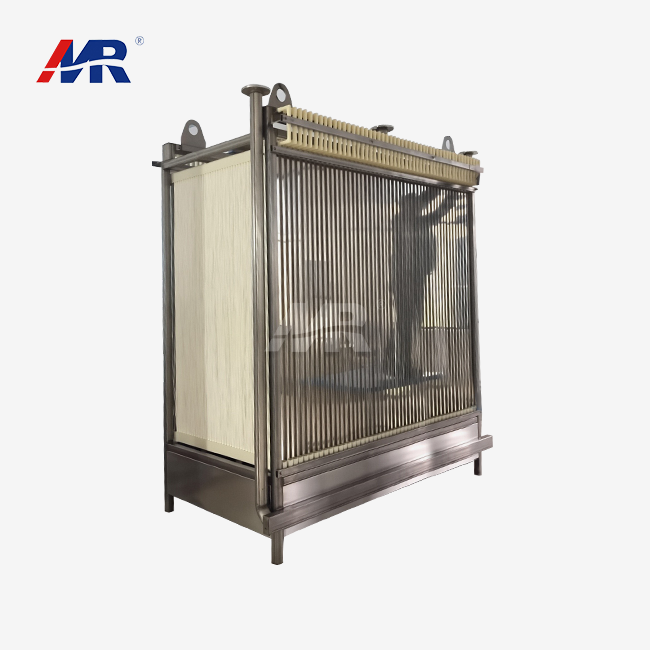 VIEW MOREsubmerged membrane bioreactor
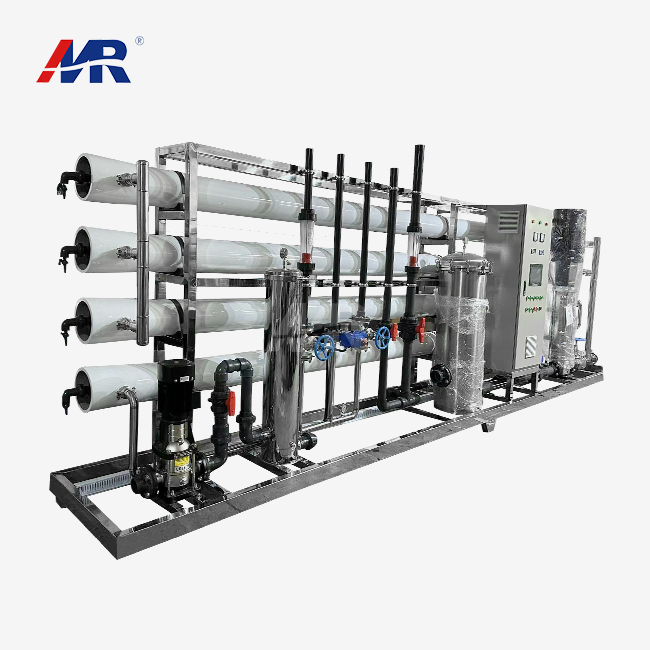 VIEW MOREreverse osmosis plant
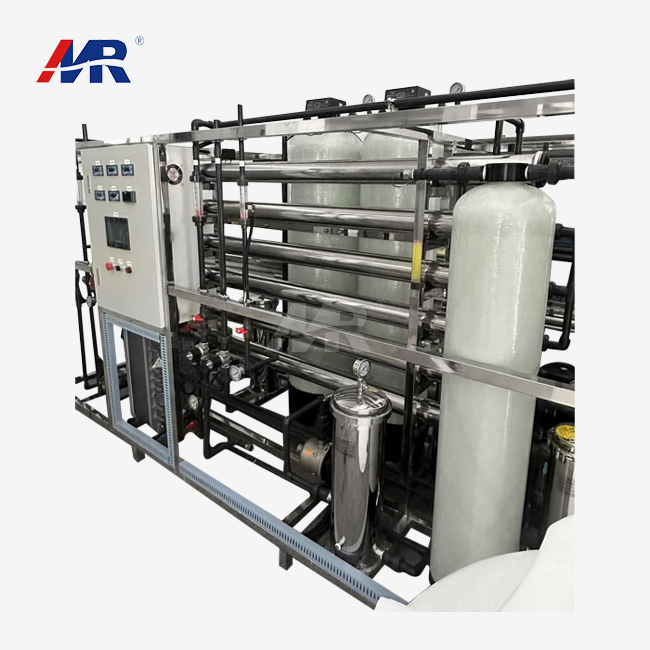 VIEW MOREelectrodeionization edi system
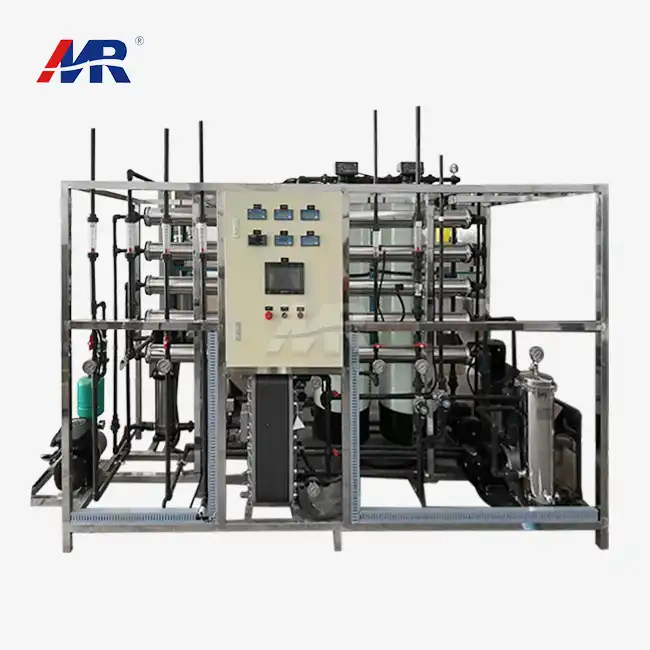 VIEW MOREedi water purification system
 VIEW MOREmembrane used for reverse osmosis
