_1745823981883.webp)

RO EDI System Buying Guide: Costs, Features, and ROI for Plants
Investing in an ro edi system represents a strategic decision that directly impacts production efficiency, regulatory compliance, and long-term operational costs. This buying guide addresses the specific concerns of procurement managers, plant engineers, and financial decision-makers evaluating ultrapure water solutions. An ro edi system integrates reverse osmosis membranes with electrodeionization technology to eliminate dissolved ions without chemical regeneration, offering pharmaceutical, semiconductor, power generation, and food processing facilities a sustainable path to consistent water purity. Understanding system capabilities, cost structures, and return on investment calculations empowers you to select equipment that aligns with both technical specifications and business objectives.
Understanding RO EDI Systems: Meaning, Process, and Key Features
What Is an RO EDI System and How Does It Work?
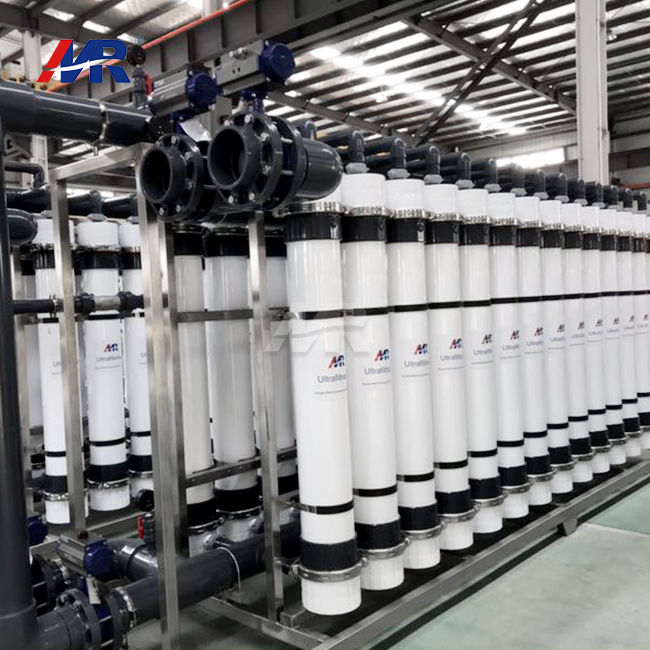
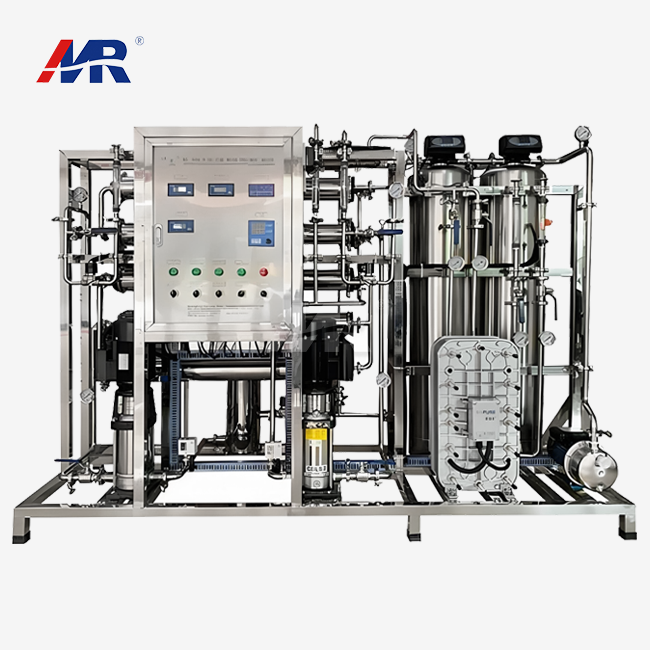
RO EDI systems combine two well-known ways to clean water into a single, streamlined process. Semi-permeable membranes are used in reverse osmosis to get rid of 95–99% of the dissolved solids, organic molecules, and bacteria in feedwater. The cleaned water then goes into the electrodeionization module, where a direct current pushes any leftover ions through ion-exchange resins and selected membranes, making the resistance levels higher than 10 M©·cm. In contrast to traditional deionization beds that need to be regenerated with acid and caustic, this continuous process keeps the quality of the output constant while removing the risks of handling chemicals.
Core Technical Features That Matter
Modern ultrapure water systems work well by combining a number of different functions into one unit. Flow rates between 0.5 and 50 m³/h can be used for a wide range of plant sizes, from small activities in a lab to full production lines. These systems can work with municipal water supplies after some basic pre-treatment because they can handle feedwater with total dissolved solids below 40 ppm. Energy efficiency is still a big plus, as the process usually uses less than 0.1 kWh of power per cubic meter of purified water. The operating range includes pressures from 3 to 7 bar and temperatures from 5 to 45°C, so it can be used in a variety of places and at different times of the year.
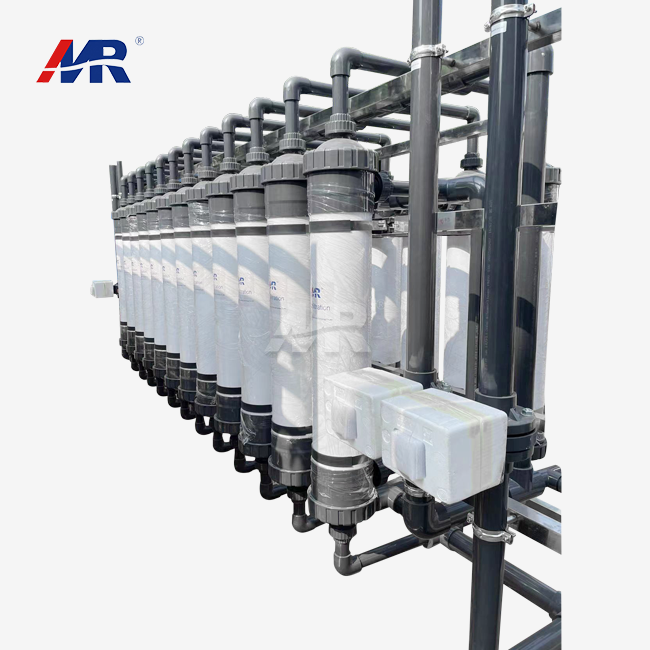
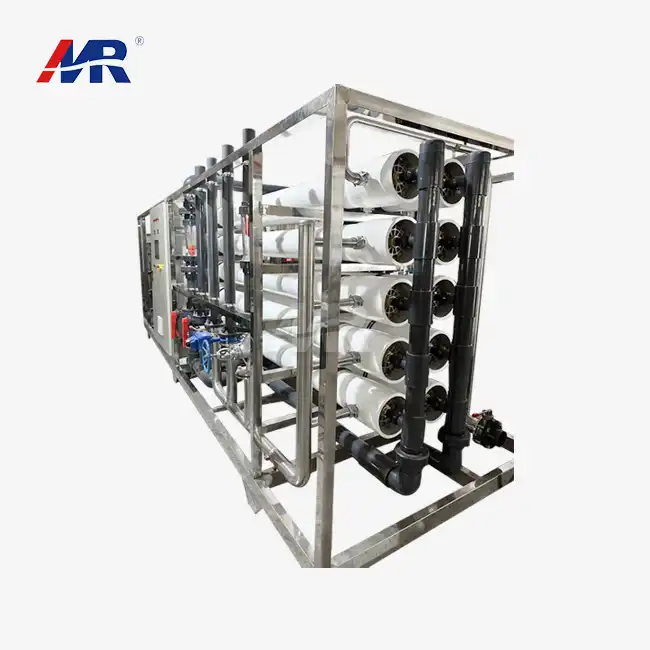
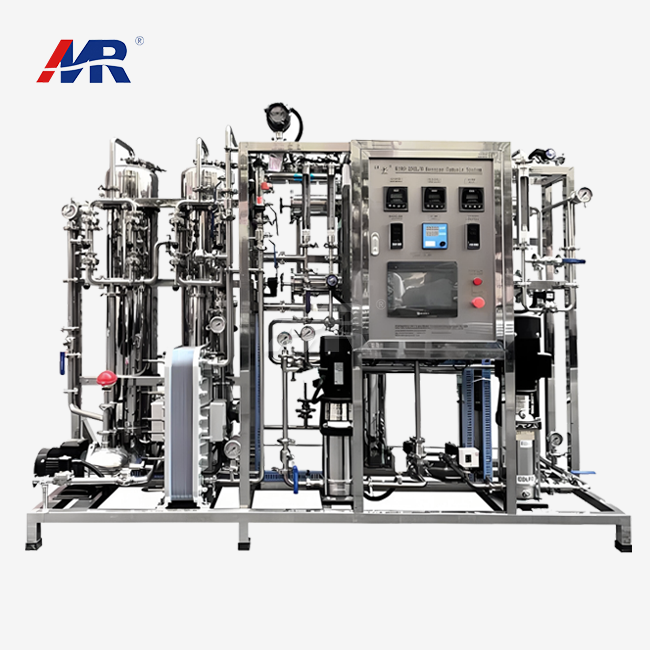
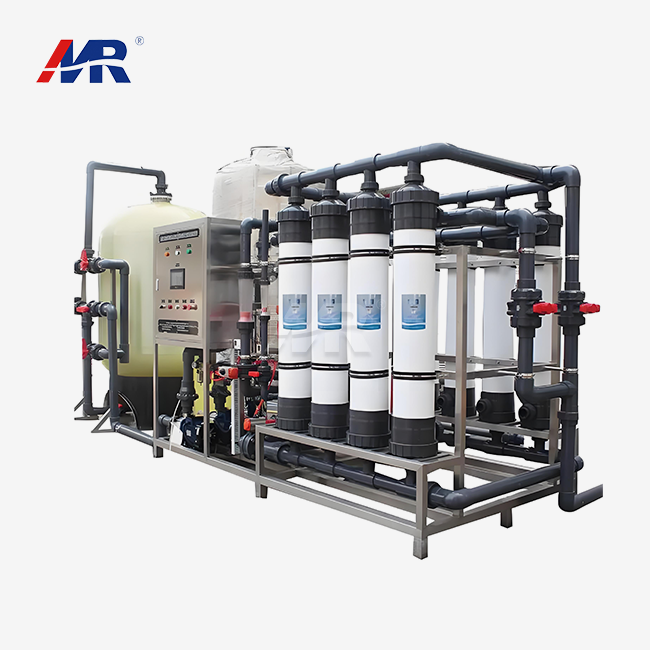
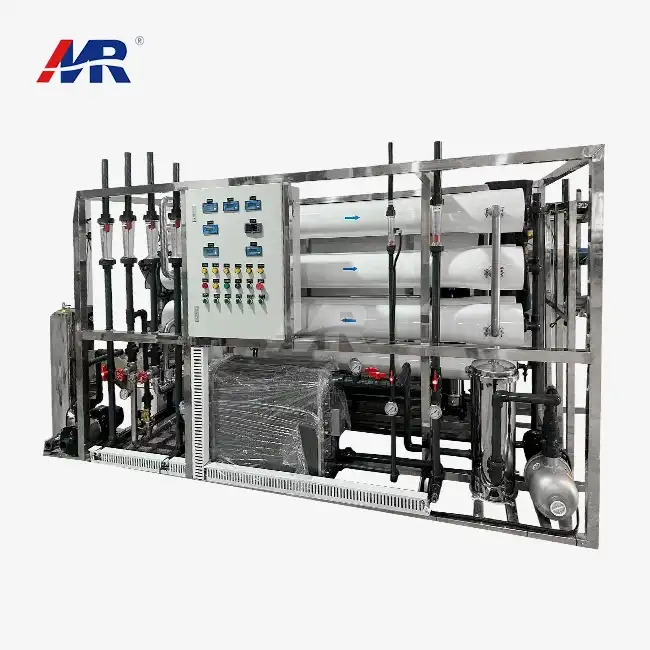
The first step in the multi-stage process is pre-treatment, which gets rid of trapped solids and softens the water. The water goes through ro membranes, which remove any dissolved contaminants. It then goes into the EDI stack, where electrical potential finishes the deionization process. When needed for specific uses, post-treatment steps make sure that the final water quality meets standards specific to the industry, like USP pharmaceutical grades or ASTM Type I laboratory specifications.
Operational Advantages for Industrial Applications
Chemical-free operation gets rid of the problems that come with storing, handling, and getting rid of regeneration acids and bases. This feature lowers both the chance of harm to people and the work needed to meet environmental standards. Compact system designs take up less floor space than regular ion exchange trains, which makes them good for building extensions where space is limited. With continuous production, there is no break for regeneration processes, so manufacturing plans can go on as planned. Instead of replacing resin, maintenance standards focus on cleaning the membrane and inspecting the modules on a regular basis. This makes service times longer and cuts down on labor costs.
Comparing RO EDI Systems with Traditional and Alternative Solutions
Traditional Deionization: Limitations That Drive Change
Conventional mixed-bed deionizers have been used in many fields for many years, but they are hard to operate. Chemical regeneration uses a lot of sulfuric acid and sodium hydroxide, which creates dangerous waste that needs to be disposed of in a certain way. The process of regeneration itself needs two to four hours of downtime, which throws off production schedules. The rate at which resin runs out depends on the quality of the feedwater, which makes the water quality uncertain and raises the need for more tracking. Environmental laws are making it harder to use chemicals and dump waste, which is pushing facilities toward closed-loop technologies.
Single-Stage RO Systems: When They Fall Short
Only reverse osmosis can make water with a conductivity of 5–20 µS/cm, which is fine for most industrial processes but not for making electronics, running high-pressure boilers, or making medicines that need purity below 1 µS/cm. Adding a polishing deionizer makes regeneration harder in the ways we already talked about. When you put these two technologies together in an integrated ro edi system, they work all the time, so there is no quality difference between RO permeate and ultrapure water standards.
Performance Benchmarks and Cost Efficiency
Industry data from 2024 show that integrated systems have a 25–40% lower total cost of ownership over three years than RO plus mixed-bed configurations. These savings come from not having to buy chemicals, paying less to get rid of waste, and working less during renewal processes. Recovery rates higher than 90% for the EDI stage reduce the amount of water that is wasted, which is important in places where water is scarce or where energy costs are high. System reliability measures show that EDI modules with the right pre-treatment have an average time between failures of 18 to 24 months. This is longer than the 6- to 12-month resin replacement rounds in traditional systems.
Cost Components and Pricing Models of RO EDI Systems
Capital Investment Breakdown
Plants can make better budgets for water treatment changes when they know how much the improvements will cost up front. The price of equipment depends on its ability and how it needs to be customized. A 5 m³/h system usually costs between $45,000 and $75,000 and includes RO membranes, EDI modules, pre-treatment parts, control systems, and frames for fixing. Larger 20 m³/h systems can cost anywhere from $150,000 to $250,000, based on how much automation is used and what materials are used. When used in pharmaceutical applications, stainless steel construction costs more than standard industrial-grade housings.
Installation costs, which include piping, electrical connections, instrument calibration, and commissioning, add 15 to 25 percent to the cost of the equipment. Facilities that already have pre-treatment equipment save money, while new installations need to spend more on conditioning the feedwater. Another 5–10% of the total cost of the project goes to engineering services for integrating the system with plant process controls and creating paperwork for regulatory compliance.
Operating Expenses and Long-Term Savings
The great thing about electrodeionization technology is that it is very cost-effective to use. Chemical costs go down to zero, which means that regeneration operations no longer have to spend the $500 to $2,000 a month that they usually do. At commercial power rates, 0.1 kWh/m³ of energy use is equal to about $0.02 to $0.04 per cubic meter. The main costs for consumables are replacing the membrane every five years and the EDI module every five to seven years. Maintenance work gets a lot easier because checks happen every three months instead of every week for regeneration.
Calculating Total Cost of Ownership
The real cost of ownership (TCO) over five years is shown by a thorough study. Think about a 10 m³/h system that runs for 6,000 hours a year. The capital investment is $120,000, and the installation costs add up to $150,000. The annual costs of running the system are $3,000 for energy, $8,000 for replacing the membrane and modules (amortized), and $5,000 for repair workers. The TCO goes up to $230,000 after five years, which is $3.83 per cubic meter made. This has the same five-year TCO as a mixed-bed system that costs $80,000 to install but costs $30,000 a year for chemicals and labor. However, integrated systems offer better operational benefits, better environmental benefits, and more consistent water quality.
Benefits and ROI of Implementing RO EDI Systems in Plants
Operational Excellence Through Consistent Quality
In sensitive manufacturing processes, the purity of the water has a direct effect on the quality of the product. Ionic pollution that could mess up circuit patterns is not allowed during semiconductor production. To keep patients safe, pharmaceutical formulations need water that meets strict USP standards. Power plants keep boilers from scaling and turbines from rusting by carefully treating the feedwater. An RO EDI system keeps its resistance above 10 M©·cm even when the feedwater changes. This gets rid of the quality changes that happen when ion exchange resins get close to being used up. This uniformity cuts down on the number of rejected Products, increases the life of equipment, and stops costly production breaks.
Results from the real world show that improvements can be measured. After switching from mixed-bed systems, a pharmaceutical plant in New Jersey saw a 32% drop in the number of times it had to clean its equipment. This saved them 240 hours of annual production downtime. A Texas company that makes semiconductors said it cut its yearly chemical costs by $85,000 and got tighter resistivity standards, which cut chip failure rates by 2.3%.
Environmental Compliance and Sustainability Goals
Regulatory demands on chemical storage and sewer release keep getting stronger. The costs of neutralizing and getting rid of trash are going up for facilities that work in areas with strict discharge limits. Chemical-free operation gets rid of all of these problems, turning a liability into a competitive edge. Chemical reduction and water saving are becoming more and more important in corporate environmental efforts. These goals are met by integrated systems, which also meet the needs of stakeholders and meet the requirements for ESG reporting. Recovery rates above 90% protect water resources, which is especially helpful in places that are prone to drought or where the cost of municipal water is high.
Quantifying Return on Investment
When figuring out ROI, you have to look at more than just direct cost savings. When downtime is cut down, production potential goes up. By getting rid of regeneration interruptions, a facility with three shifts and 90% uptime gains 876 extra operating hours a year, which is the same as increasing capacity by 10% without buying new production equipment. Avoiding fines from the government and lowering insurance rates are two less obvious but just as real ways to save money. Upgrading from mixed-bed to integrated systems usually pays for itself in 2.5 to 4.5 years, though this depends on the cost of chemicals, the rate of labor, and the amount of production.
Selecting the Right RO EDI System for Your Plant: A Decision-Making Framework
Defining Your Technical Requirements
Before choosing a system, it's important to be clear about the water quality goals, flow rates, and how the system will be used. For pharmaceutical uses, conductivity may need to be below 1.3 µS/cm and bacterial counts below 10 CFU/mL. For power generation, silica removal below 20 ppb is more important. Sizes are determined by times of high demand. For example, a plant that uses batch processes may need more instantaneous capacity than its average consumption suggests. Pre-treatment needs are affected by things like the hardness, chlorine level, and yearly changes in the feedwater. Writing down these parameters is the first step in making an accurate system specification.
Evaluating Vendor Capabilities and Support
It's just as important to work with a knowledgeable supplier as it is to have the right tools. Check to see how much experience the seller has in your field. For example, pharmaceutical system providers know about GMP documentation requirements, and power generation experts know about ASME standards for boiler feedwater. Ask about help with installation, startup, and training programs for operators. Long-term operational success is directly affected by the availability of after-sales service, spare parts inventory, and quick responses from Technical support. Ask for customer examples from similar projects and, if you can, visit the place.
Integration and Scalability Considerations
Water systems in modern plants need to be able to talk to central control networks. Check to see if it works with SCADA systems, what communication protocols are available, and if it can be monitored from afar. Modular designs allow for future increases in capacity without having to update the whole system. Compare the size of the equipment's actual footprint to the space that is available, taking into account both equipment measurements and servicing entry clearances. Skid-mounted systems are easier to install, but they might be hard to move. Field-assembled designs are more flexible for places with limited access.
Key Questions for Supplier Evaluation
By asking potential vendors structured questions, you can find out how technical they are and how flexible they are in terms of business. Ask for specific information about how the water quality will work across the entire range of flow rates. Learn about the warranty terms, especially how they cover membranes and EDI modules in the conditions of your feedwater. Make it clear what "proper operation" means for the warranty to be valid. Talk about suggestions for extra parts and wait times for important parts. Look into your financing choices, especially for smaller sites where access to capital may make business decisions harder. These talks give people more faith in relationships with suppliers that go beyond just delivering tools.
Conclusion
The technical performance, total cost of ownership, and operational reliability of a ro edi system must be weighed against the unique needs of your plant. These combined systems are the best choice for the pharmaceutical, semiconductor, power generation, and food processing businesses because they don't use chemicals, consistently produce ultrapure water, and have a smaller impact on the environment. You can set up your facility for long-term success by carefully considering your water quality requirements, learning about how costs work beyond the initial buy price, and working with experienced sellers who offer full support. Investing in tested ultrapure water technology pays off in the form of better product quality, compliance with regulations, and operational efficiency, all of which make you more competitive.
FAQ
1. What distinguishes an RO EDI system from traditional mixed-bed deionization?
The main difference is how much healing is needed. Ion exchange resins in traditional mixed-bed deionizers need to be regenerated with sulfuric acid and sodium hydroxide on a regular basis. This causes downtime and creates hazardous waste. An RO EDI system uses electrical current to remove ions through selective membranes and works nonstop without chemicals. This gets rid of the need to handle chemicals, cuts down on maintenance work, and keeps the water quality stable without the performance drop that happens when resins get old.
2. How should I calculate ROI for an RO EDI system investment?
A full ROI study takes into account the direct cost savings from not having to buy chemicals and do as much work for regeneration, as well as the saved downtime and its value in terms of your production per hour. Take into account lower costs for getting rid of waste, possibly lower insurance rates because of not having to store chemicals, and better product quality that lowers the number of rejects. Most systems pay for themselves in 2.5 to 4.5 years, and they continue to save money on operations for another 15 to 20 years.
3. What pre-treatment is necessary for reliable EDI performance?
Scaling and fouling shorten the life of EDI modules and can be stopped with good pre-treatment. Getting rid of hardness by softening keeps calcium and magnesium levels below 1 ppm to stop them from precipitating. Getting rid of chlorine shields membranes from damage caused by oxygen. A particulate filter gets rid of solids in the fluid that are bigger than 1 micron. Before the water goes into the EDI module, the reverse osmosis stage cleans the water by lowering the total dissolved solids to less than 40 ppm. With the right pre-treatment, an EDI module can last up to seven years longer.
Partner with Morui for Your Ultrapure Water System Needs
Guangdong Morui Environmental Technology offers complete water cleaning services. Our company has more than 14 branches, 500 committed employees, and 20 specialized engineers working for it. As a top ro edi system supplier, we produce membranes in our own factories and work with top component brands like Shimge Water Pumps, Runxin Valves, and Createc Instruments. Our combined systems can handle flow rates of 0.5 to 50 m³/h, have resistivities higher than 10 MΩ·cm, recovery rates higher than 90%, and energy use less than 0.1 kWh/m³. These specs meet the strict needs of users in pharmaceuticals, semiconductors, and power generation.
We offer full turnkey solutions that include supplying the equipment, setting it up, commissioning it, and providing ongoing technical support. Our chemical-free RO systems are used by businesses that need very pure water while having the least amount of effect on the environment and the least amount of operating complexity. Email our technical team at benson@guangdongmorui.com to talk about your specific water quality needs, get more information, or set up a meeting.
References
1. American Water Works Association. (2023). Membrane Technology Research Committee Report: Electrodeionization Systems in Industrial Applications. Denver: AWWA Publishing.
2. Pharmaceutical Engineering Magazine. (2024). "Total Cost of Ownership Analysis for Pharmaceutical Water Systems: Mixed-Bed vs. EDI Technology." International Society for Pharmaceutical Engineering, Volume 44, Issue 2, pp. 58-67.
3. Semiconductor Industry Association. (2023). Ultrapure Water Guidelines for Advanced Chip Manufacturing. San Jose: SIA Technical Standards Committee.
4. National Association of Water Companies. (2024). "Performance Benchmarking Study: Industrial Water Purification Technologies." Journal of Water Treatment Technology, Volume 18, pp. 112-129.
5. Power Engineering International. (2023). "High-Purity Water Systems for Modern Power Generation Facilities: Technology Comparison and Selection Criteria." Technical Report Series, Issue 47.
6. Food Safety Magazine. (2024). "Water Quality Standards and Treatment Technologies in Food and Beverage Processing." BNP Media Group, February edition, pp. 34-41.