_1745823981883.webp)

Best Reverse Osmosis Water Filter for Restaurants: A Buyer’s Guide
When evaluating the best reverse osmosis water filter for restaurant applications, decision-makers prioritize systems delivering consistent purity, scalability, and operational efficiency. High-performance commercial RO units tailored for foodservice environments typically feature flow rates ranging from 400 to 2,000 gallons per day, multi-stage filtration with sediment, carbon block, and semipermeable membrane components, and NSF/ANSI 58 certification ensuring contaminant reduction standards. These systems address critical challenges including chlorine taste interference in beverages, scale formation in ice machines and steamers, and regulatory compliance for food-contact water quality, making them indispensable investments for maintaining brand reputation and customer health.
Introduction
Everything from the clarity of ice cubes to the taste profile of unique drinks is affected by clean water, which is essential for any restaurant to run smoothly. Reverse osmosis water filtration has become the best way for business services to get rid of up to 99% of the heavy metals, dissolved solids, and microbes that municipal treatment leaves behind. When choosing RO equipment, buying teams have had a hard time because they had to deal with different information about how much capacity was needed, how hard it was to install, and the total cost of ownership.
This guide clears up the mess by giving restaurant owners, facility managers, and technical decision-makers in the foodservice industry useful information they can use right away. We'll go over the technical basics that are important for daily cooking operations, how to choose a system that fits your water use habits, and how to make smart purchases that protect your investment and make sure you meet food safety standards.
Understanding Reverse Osmosis Water Filters for Restaurants
How Commercial RO Systems Work
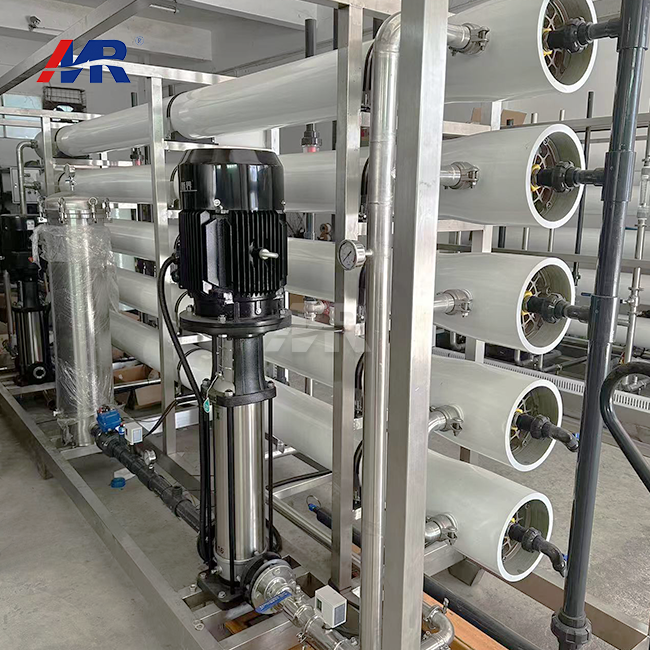
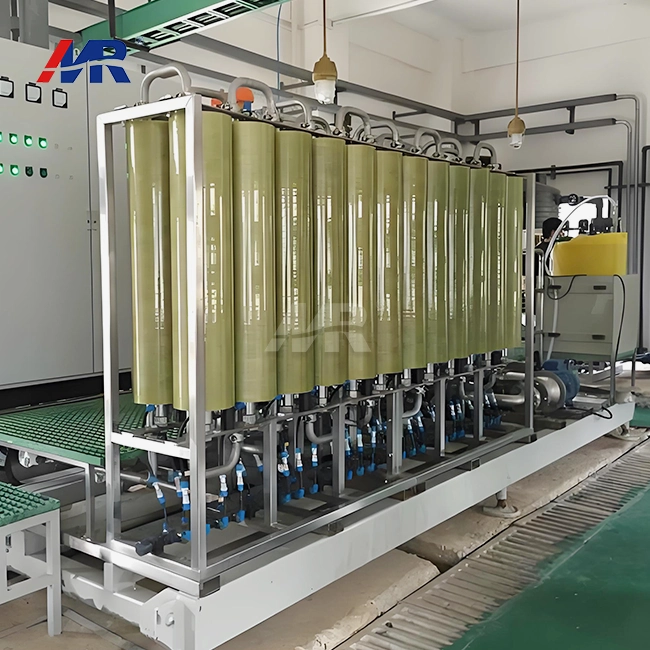
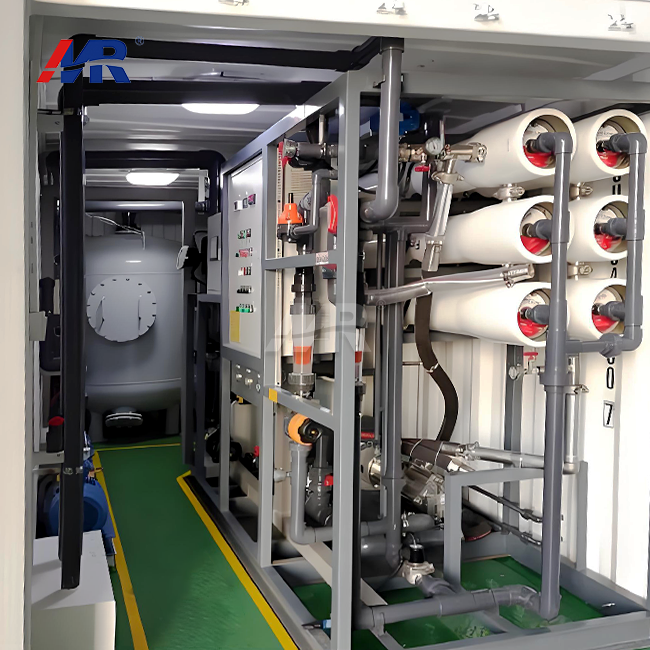
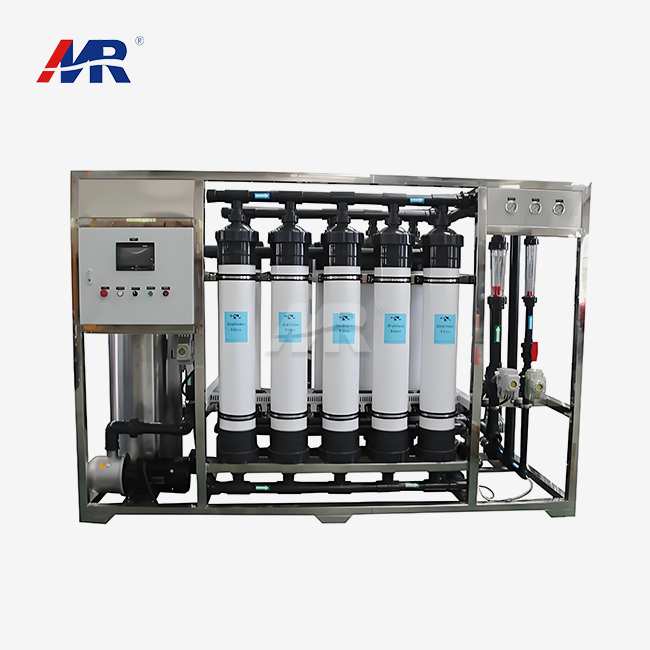
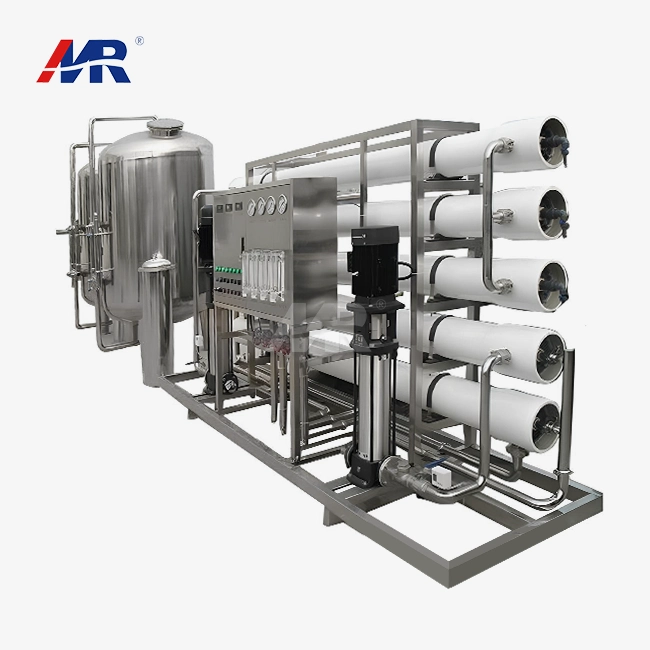
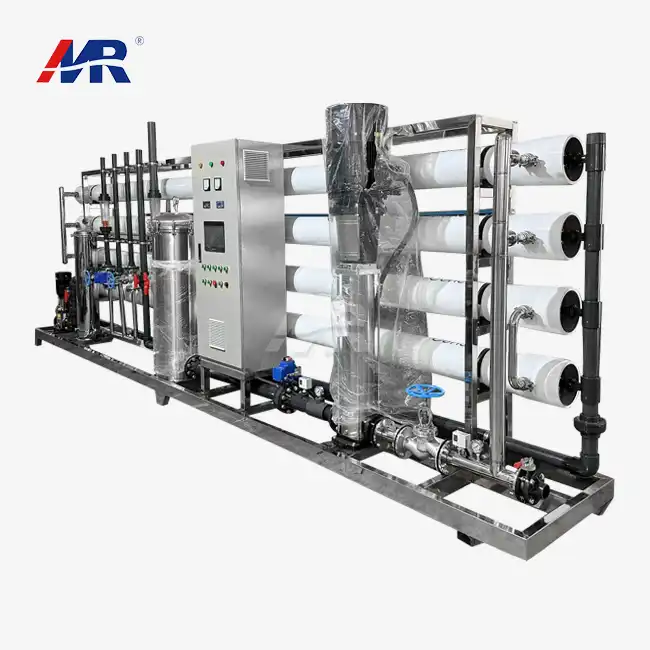
With reverse osmosis, water under pressure is forced through a semipermeable membrane with pores that are 0.0001 microns wide. This blocks contaminants while letting pure water molecules pass through. There are usually three to five stages of filtration in commercial restaurant systems. Sediment pre-filters catch particles that could damage downstream components; activated carbon blocks get rid of chlorine and volatile organic compounds that change the taste; the ro membrane rejects dissolved solids like salts and heavy metals; and optional post-filters polish the water or add back trace minerals for beverage uses.
To get around the osmotic pressure, the process needs feed water pressure between 60 and 80 PSI. Booster pumps turn on automatically when the municipal supply runs out. In contrast to regular carbon filtration, which only absorbs impurities, RO systems physically separate them, sending them down the drain through a concentrate stream while sending clean permeate water to your kitchen appliances.
Benefits Specific to Foodservice Applications
When restaurant owners put in good RO systems, they say they see measurable changes in many areas of their business. When water has 50 to 150 ppm of total dissolved solids instead of the 300 ppm that is usually found in municipal supplies, coffee extraction improves right away, and baristas say the flavors are cleaner. When RO filtration is used to protect ice machines, they need 40–60% less descaling maintenance, which extends the life of the equipment and gets rid of the cloudy look that customers associate with low quality.
Low-mineral water is great for steam ovens and combo-cookers because it keeps calcium carbonate from building up, which jams valves and makes heat transfer less effective. The kitchen staff likes it when glassware comes out of the dishwashers without spots, so they don't have to spend time polishing stemware by hand before serving. From a legal point of view, RO systems offer proven protection against toxins like lead or arsenic that can show up in old city infrastructure. This keeps businesses from being sued and meets the requirements of the health department.
Dispelling Common Misconceptions
When people first talk about RO, they usually worry about how much water they will waste. However, current industrial systems can achieve reject ratios as high as 2:1, which means that they send out two gallons of concentrate water for every gallon of purified output. In many places, this concentrate can go to greywater systems or gardening instead of going into the sewer. People often think that RO water doesn't have enough minerals, but this isn't really true in food service because customers get their minerals from food, not from drinking water. Targeted remineralization steps can be added when the quality of the drink requires it.
Key Factors to Consider When Choosing an RO Water Filter for Restaurants
Assessing Water Quality and Contaminant Profile
Before choosing a best reverse osmosis water filter system, we suggest getting a full water study that shows the total dissolved solids, hardness levels, chlorine concentration, and any iron or sulfur substances that might be a problem. When restaurants use municipal water, the TDS levels are usually between 150 and 400 ppm, and chlorine is added to kill germs. But when restaurants use well water, they may have to deal with hardness levels higher than 10 grains per gallon or certain contaminants that need special pre-treatment.
The results of the water analysis directly affect the size of the system and the choice of components. High-hardness water needs to be pre-treated with a water softener to keep the membrane from sticking too soon. High-chlorine water needs strong carbon filtration to keep thin-film composite membranes from getting damaged by oxidation. This step in the diagnostic process stops the costly mistake of undersized systems failing in real-world situations.
Capacity Planning for Peak Demand
Commercial RO capacity should be based on when you need the most water at once, not on how much you use on a daily basis. During the breakfast rush, a busy café needs to be able to make ice, pull espresso shots, and fill water glasses all at the same time. This requires instantaneous flow rates that smaller residential units can't handle. We help our customers figure out their capacity by using the specs of their tools and predictions of how much service they will need.
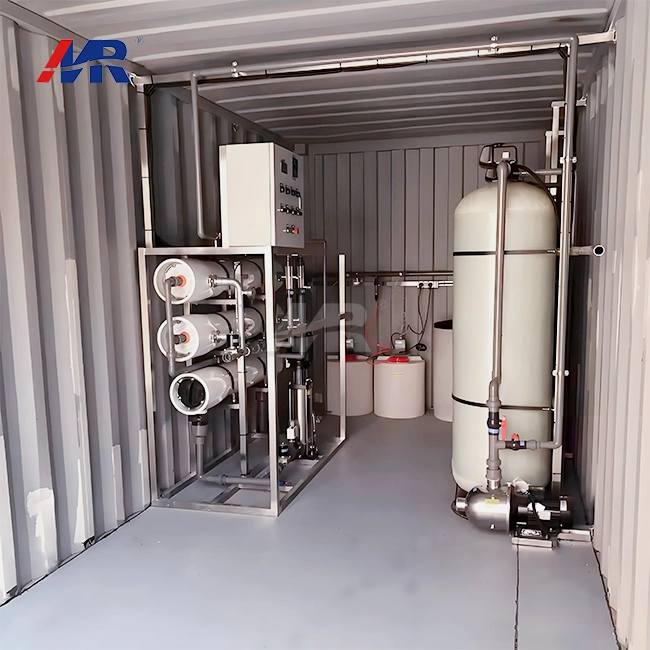
Tankless high-flux RO systems that deliver 800 to 2000 gallons of water per day get rid of the space problems that come with atmospheric storage tanks while keeping the pressure and flow rates that kitchen appliances need. When the capacity is low (200–500 GPD), atmospheric tank systems are more cost-effective. They also provide extra capacity during peak demand, but they need more room and need to be cleaned on a regular basis. The choice about capacity has a big effect on both the initial investment and the long-term happiness of operations.
Certification Standards and Material Compliance
Specifications for buying things should require reverse osmosis systems to be certified to NSF/ANSI Standard 58. This way, claims of reducing contaminants can be checked by independent testing. NSF/ANSI 372 compliance makes sure that parts that come into contact with drinking water are made of lead-free materials. This protects businesses from the risk that comes with lead leaching. Housings, tubing, and seals made of FDA-approved food-grade materials stop chemicals from moving around, which could cause bad tastes or health problems.
In addition to basic Certifications, systems with antimicrobial components or UV-C disinfection stages can help restaurants because they reduce the risk of bacterial colonization in water systems with irregular flow patterns. These new features are in line with the HACCP rules that many health offices expect high-end food service businesses to follow.
Maintenance Requirements and Service Accessibility
The total cost of ownership includes a lot more than just the purchase price. It also includes the costs of technician work, filter change schedules, and membrane service intervals. In moderate-use areas, pre-filters usually need to be replaced every three months, and carbon blocks need to be replaced around the same time, but the frequency depends on how much chlorine is in the water. RO membranes last longer; with the right pre-treatment, they can last up to five years. However, they need to be tested every year to make sure they are still working well.
Access to service changes a lot between equipment levels. Professional systems have troubleshooting screens that show how long the filters last and how well the system is working. Quick-disconnect fittings let you quickly switch out parts without needing special tools. A warranty that lasts from one year for basic parts to five years for membranes and housings shows that the maker trusts the product and keeps it from breaking down too soon. Building ties with approved service providers in your area will make sure that you get help quickly if problems come up during peak service times.
Installation and Maintenance Best Practices for Restaurant RO Systems
Professional Installation Considerations
Commercial RO installation requires more than just basic plumbing skills. For example, you need to know how to optimize the feed water pressure, how to size the drain lines to avoid backpressure, and how to mount the RO so that it can withstand constant vibration in kitchens. We've seen a lot of installations fail early because the drain lines weren't big enough, which caused backpressure that hurt the membranes, or the feed water lines were tapped upstream of the pressure regulators, which let damaging pressure spikes into the systems.
Professional installers of a best reverse osmosis water filter look at your space limitations and decide whether putting it under the sink, on the wall, or in a separate room is best for your plan while still making service easy to get to. They make sure that the electrical connections for the booster pumps and UV systems meet code requirements. They also add shut-off valves so that service can happen without stopping kitchen operations. Finally, they test the systems' performance to show that they are lowering TDS at a baseline level. It usually costs between $400 and $1,200 for this kind of service, but it keeps people from saving money by installing things themselves, only to have to pay a lot of money to fix them later.
Maintenance Protocols for High-Demand Environments
The amount of contamination in restaurant water systems is much higher than in residential systems, which speeds up filter wear and membrane fouling. Setting up written upkeep plans that are in line with what the maker suggests keeps the warranty valid and makes sure that the water quality stays the same. In moderate-use environments, pre-filters that protect membrane elements should be replaced every three months, and they should be visually checked every month to make sure that unexpected sediment events don't cause them to load too early.
Every year, TDS meters should be used to compare the feed water to the product water and test the membrane's performance. If the rejection rate is less than 90%, the membrane should be cleaned or replaced. After long shutdowns, cleaning processes stop bacteria from colonizing. Keeping detailed service logs helps with health department compliance paperwork and finding patterns that suggest system changes are needed.
Troubleshooting Common Operational Issues
When flow rates drop, it's often because the pre-filter is getting full or the membrane is getting clogged. The diagnosis depends on where in the system the pressure drop happens. A low TDS in the product water could mean that the membrane is damaged and needs to be replaced, while a high TDS could mean that changes in the feed water are too much for the system to handle. Strange tastes or smells that show up after changing the filter are usually caused by not flushing properly during installation. It is recommended to flush for 20 minutes after installation.
Another common problem in atmospheric systems is waterlogging in storage tanks, which can be seen by the very short draw periods before the pressure drops, which means the tank needs to be repressurized or a new bladder needs to be installed. Strong relationships with suppliers are very helpful when fixing problems, and quick Technical support is what sets makers who understand business uses apart from those who mostly serve household markets.
Making the Purchase: Where and How to Buy Reverse Osmosis Water Filters for Restaurants
Evaluating Procurement Channels
Restaurant RO systems can reach customers in a number of ways, and each has its own benefits. Authorized sellers of foodservice equipment let you try out the Products in person, buy them together with other cooking equipment, and use established service networks to help with ongoing upkeep needs. Their prices usually cover both coordinating the installation and managing the guarantee, but the cost per unit may be higher than web options.
Specialized water treatment distributors have a lot of technical know-how and can get you access to commercial-grade systems that most foodservice suppliers can't offer. They offer services like water research and system sizing advice, and many of them keep service teams that can provide ongoing support. Online markets make prices clear and make it easy to compare products, but buyers are responsible for making sure that the specs meet their needs and setting up installation on their own.
Strategic Purchasing for Multi-Location Operations
Standardized RO specifications save restaurant chains and franchise systems a lot of money because they make it easier to negotiate big discounts and train repair staff across all sites. Centralized procurement teams should set performance standards and lists of approved vendors. They should then use the total amount of money they spend each year to get better prices, longer warranties, and faster service responses.
When it comes to consumables, buying in bulk gives you more negotiating power. For example, annual filter supply contracts can cut per-unit costs by 15–30% compared to buying them on a whim, while making sure that there is enough inventory to keep service running smoothly. Some operators make deals with suppliers to rent out equipment. In return for long-term contracts for consumables, the suppliers keep ownership of the equipment and are responsible for upkeep. This turns capital spending into running costs and shifts the performance risk to the suppliers.
Vendor Assessment Criteria
Whether your RO investment gets the value you expected or becomes a source of operational stress depends on how reliable your vendors are. Documented technical skills, like Water Quality Association licenses, a history of working in commercial markets for a long time, which shows financial security, and references from similar foodservice businesses that can be contacted directly.
After-sales service infrastructure is what sets vendors who only sell equipment apart from partners who help businesses succeed in the long term. Check out the company's service response promises, where their parts inventory is located in relation to your facilities, the level of training and certification of their technicians, and the steps that are taken when problems can't be fixed by field service. Being clear about the costs of service calls, consumables, and repairs that aren't covered by warranty keeps vendors from being surprised, which can hurt relationships.
Conclusion
When choosing the best reverse osmosis water filter for a restaurant, you have to weigh technical performance against business needs and price limits. High-quality business RO systems give measured returns by improving the quality of the drinks, making the equipment last longer, lowering upkeep costs, and making sure that the brand is in line with regulations, which protects its image. The procurement process works best when decision-makers carefully look at their water quality problems, accurately estimate the capacity needs that will meet peak demand, check the certifications that guarantee safety and performance, and form partnerships with vendors that will support long-term operational needs. Investing in the right RO filtration technology pays off over the life of the system, directly contributing to the operational excellence and customer satisfaction that set successful foodservice businesses apart in competitive markets.
FAQ: Reverse Osmosis Water Filters for Restaurants
1. How often should restaurants replace RO filters and membranes?
In commercial restaurants that use a moderate to high amount of water, pre-filters and carbon blocks usually need to be replaced every three to four months. If the source water has a lot of particles in it, sediment filters may need to be changed more often. RO membranes last longer and can usually keep working well for three to five years as long as they are properly treated before use to keep them from getting fouled or damaged by chemicals. Performance tests with TDS meters should be done every three months, and membrane replacement should be thought about when rejection rates drop below 90% or when permeate flow drops significantly after pre-filter replacement.
2. Can RO systems remove fluoride and other specific contaminants?
Good RO membranes can get rid of fluoride, usually by 85 to 92%, though this depends on the type of membrane and how it is used. Heavy metals like lead, arsenic, and mercury can be removed by the same membrane rejection mechanisms that get rid of dissolved salts. These mechanisms also work against many organic contaminants and microorganisms that are bigger than the membrane pores. However, RO systems need extra carbon filtration to get rid of chlorine because chlorine harms membrane materials. For contaminants like hydrogen sulfide, they may also need special pre-treatment. By analyzing the water and finding specific contaminants, you can set up a method that works best for your water quality problems.
3. Are RO systems compatible with UV sterilization and other technologies?
Commercial RO systems usually have UV disinfection steps that are placed after the membrane to treat the clean water before it is stored or used. UV-C sterilization kills even more microbes, including bacteria that could grow in storage tanks or plumbing further down the line. This is known as a multi-barrier approach by health departments. When ultrapure water needs TDS levels below 1 ppm, some advanced systems add electrodeionization technology after the RO steps. However, these setups are too high for most foodservice uses, which need 10–50 ppm TDS.
Partner with Morui for Commercial Water Treatment Solutions
Finding a trustworthy source for the best reverse osmosis water filter system is important for keeping your restaurant's operations running smoothly and meeting water quality standards. Guangdong Morui Environmental Technology has over 14 branches, 500 dedicated employees, and 20 experienced engineers working for it to help food service, manufacturing, and institutional clients all over North America with their water treatment needs. Our membrane production facility and equipment processing skills allow us to create custom solutions that are exactly the right size for your needs. Additionally, our partnerships with top component makers like Shimge Water Pumps and Runxin Valves ensure the reliability of the system.
In addition to selling tools, we also offer a wide range of services, such as water quality analysis, system design advice, skilled installation coordination, and preventive maintenance plans that keep you running at full capacity. Whether you're in charge of water treatment for a single restaurant or a chain of restaurants, Our Team has the technical knowledge and quick response times that procurement professionals look for in the best reverse osmosis water filter suppliers.
Email our foodservice water treatment experts at benson@guangdongmorui.com to talk about your particular water quality problems and get personalized advice with clear B2B prices.
References
1. National Sanitation Foundation International. "NSF/ANSI 58: Reverse Osmosis Drinking Water Treatment Systems - Performance Requirements and Test Protocols." NSF International Standards, 2022.
2. Water Quality Association. "Commercial and Industrial Reverse Osmosis Systems: Application Guidelines for Foodservice Environments." WQA Technical Publications, 2023.
3. Food and Drug Administration. "Grade 'A' Pasteurized Milk Ordinance: Water Supply and Quality Standards for Food Processing Facilities." U.S. Department of Health and Human Services, 2021.
4. American Membrane Technology Association. "Membrane System Design and Operational Best Practices for Commercial Applications." AMTA Technical Reports, 2023.
5. Environmental Protection Agency. "Safe Drinking Water Act: Secondary Maximum Contaminant Levels and Treatment Technique Requirements." EPA Regulatory Guidance, 2022.
6. Foodservice Equipment Distributors Association. "Water Treatment Systems for Commercial Kitchens: Selection and Maintenance Guidelines." FEDA Industry White Papers, 2024.