

_1745823981883.webp)

Designing an EDI Water Purification System for 24/7 Production
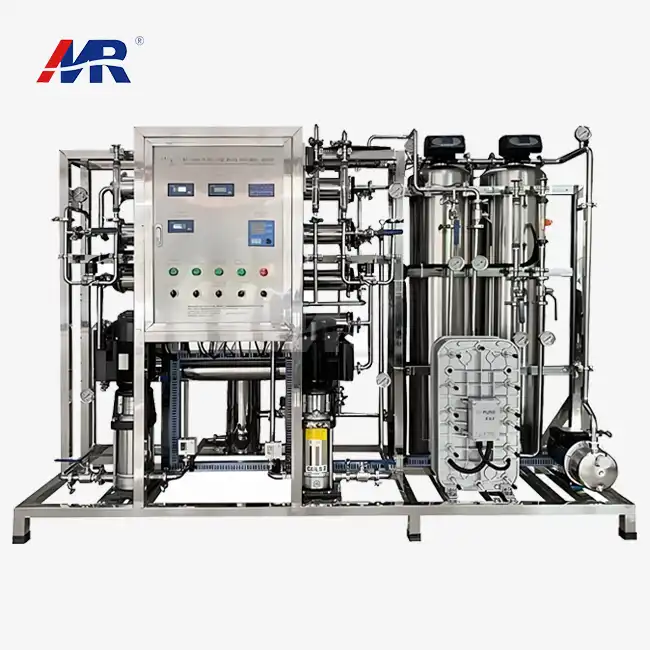
Designing a reliable electrodeionization system for continuous operations begins with understanding your production demands and water quality specifications. Edi water purification technology integrates ion-exchange resins with ion-selective membranes and direct current to remove dissolved ionic impurities without hazardous chemicals. This approach delivers consistent ultrapure water around the clock, eliminating regeneration downtime that plagues traditional deionization methods. When properly configured with adequate pretreatment, redundancy measures, and automation controls, these systems achieve resistivity levels up to 18.2 MΩ·cm while maintaining stable output during extended production cycles across pharmaceutical, semiconductor, power generation, and laboratory applications.
Understanding the EDI Water Purification Process for Continuous Production
The Working Principle Behind Electrodeionization Technology
Electrodeionization is a big step forward in the process of making ultrapure water. The technology combines the methods of standard ion exchange and electrodialysis to make a process that works better than either one alone. Ion-exchange resins pick up dissolved ions, and an electrical field pushes these contaminants through selected membranes and into concentrate chambers. Batch-mode regeneration systems need harsh chemicals and long periods of not being used. This electrochemical renewal happens all the time, so the resin stays effective without any breaks. At the resin interface, the direct current splits water molecules into hydrogen and hydroxide ions. These ions keep the resin beds in the dilute compartments fresh.
Core Components Supporting 24/7 Operations
Our cutting-edge systems use film separation and ion-exchange technologies to make ultra-pure water that gets rid of ions, chemical compounds, and particles. The membrane stack architecture is made up of mixed-bed resin compartments surrounded by cation-exchange and anion-exchange membranes that move back and forth. The ion movement is pushed along by titanium- or platinum-coated electrodes at the ends of the stack. In real time, advanced control units keep an eye on important parameters like current density, pressure differentials, and product resistivity. They also change the voltage automatically to account for changes in the feedwater. These built-in parts work together perfectly to provide flow rates between 0.5 and 50 m³/h with little help from the user, allowing industrial activities to go on without any problems.
Advantages Over Traditional Deionization Methods
Because it doesn't use chemicals, this technology helps with a lot of problems at once. By getting rid of the need to store and handle dangerous regenerants, both operating risk and environmental compliance are reduced. Continuous operation gets rid of the lost productivity that comes with resin exhaustion cycles and regeneration downtime, which directly boosts the output of manufacturing. The systems always produce high-quality water, with silica levels below 1 ppb and total organic carbon levels below 10 ppb. This meets strict requirements for precise uses. Using only 0.1 to 0.3 kWh/m³ of power means lower running costs than thermal distillation, and the small size saves valuable floor space in production facilities that are already full. Recovery rates above 90% reduce the amount of water that is wasted, which is becoming more and more important as the cost of industrial water rises.
Designing for Reliability and Performance: Key Considerations
Feedwater Quality Requirements and Pretreatment Strategies
Upstream water conditioning has a big effect on how long electrodeionization modules last and how well they work. To make sure the equipment lasts longer, the feed must be reverse osmosis concentrate with less than 1 ppm of grit and very little dissolved carbon dioxide. Too many minerals cause membrane surfaces to scale, and oxidants like chlorine break down resin functionality and damage membrane integrity. Our full process starts with pretreatment, which includes filtering and softening. Next, reverse osmosis is used for the first purification. Before water goes into the EDI stack, this staged method gets rid of the particulates, dissolved solids, and oxidizing agents. It is common for membrane degassing to be needed between the RO and EDI steps to get rid of dissolved CO2. CO2 is a slightly ionized gas that makes the product water resistivity much lower, even though the conductivity numbers are low.
System Sizing and Redundancy Planning
When you plan your capacity correctly for edi water purification systems, you take into account both high-demand situations and safety margins. Undersized systems are always under the most stress, which speeds up wear and shortens the life of modules. We look at past production data, planned capacity increases, and seasonal changes to figure out the best flow rates and module quantities. When you set up redundant modules, production doesn't stop during maintenance windows or when a component fails. Individual stacks can be cleaned in place with parallel train designs while sister units keep producing. Automated valve sequencing and failover logic built into control systems make it possible to have smooth transitions that keep production going. This is especially important in industries like pharmaceutical manufacturing, where batch contamination can have serious legal and financial consequences.
Preventive Maintenance and Performance Monitoring
Disciplined tracking procedures are needed to keep performance at its best. It is common for high-quality modules to last between seven and ten years with proper preparation and upkeep. We use key performance indicators, such as changes in product resistivity, drops in pressure across membrane stacks, and electrical current needs, to plan preventative maintenance. Gradual rises in working voltage or falls in resistivity are early signs of fouling from hardness breaking through or organic buildup. When fouling is found, performance is restored by cleaning-in-place methods that use allowed chemicals on a regular basis. Our engineers set up custom tracking schedules and alarm levels based on the needs of each application. This lets us take action quickly, before small problems turn into expensive failures.
Comparing EDI with Other Water Purification Technologies for B2B Applications
Performance Benchmarking Across Purification Methods
In order to choose the right technology, you need to know how the different methods meet different water quality goals. Reverse osmosis is very good at getting rid of dissolved solids, particles, and most organics. For common ions, it usually gets rejection rates above 98%. RO by itself makes water that is conductive (10–50 μS/cm), which is good for a lot of general commercial uses. Ultrafiltration filters out microorganisms, colloids, and suspended solids using membrane pores that are between 0.01 and 0.1 microns wide. It lets dissolved ions pass through freely. Through phase change, distillation makes very clean water, but it needs a lot of thermal energy, usually 50 to 100 times as much as membrane-based alternatives.
Electrodeionization polishes RO permeate to very high standards of purity, regularly reaching 18.2 M©·cm of resistivity at 25°C, which is the theoretical highest level for water. This means that the conductivity is less than 0.056 µS/cm, which is much lower than what RO alone can provide. Nanofiltration is kind of in the middle. It rejects multivalent ions while letting monovalent ions pass through partially. It's good for softening water but not good enough for ultrapure needs.
Energy Efficiency and Environmental Impact Analysis
Lifecycle cost analyzes show that integrating RO and EDI setups has big benefits. The polishing step only adds 0.1 to 0.3 kWh/m³, while the RO stage uses 3 to 6 kWh/m³, based on the feed salt and recovery rates. This total energy use is still a lot less than the 40 to 80 kWh/m³ thermal equivalent of distillation. The chemical-free process gets rid of the problems that come with neutralizing spent regenerant streams, which is a big deal as rules on discharge get stricter around the world.
This technology is especially appealing to businesses that want to improve both performance and their impact on the environment. The lack of use of dangerous chemicals makes following the rules easier and lowers the cost of removal. Concerns about sustainable resource use are eased by high return rates that lessen the effects of water removal. As business sustainability pledges become more important to brand identity and investor relations, these environmental benefits become more important in deciding what to buy.
Procurement Guide: Selecting and Buying an EDI Water Purification System
Evaluating Production Requirements and Technical Specifications
To start, procurement teams should write down the exact water quality standards that their processes or regulations require. Pharmaceutical companies need water that meets the standards set by the United States Pharmacopeia for filtered water or water for injection. For chip cleaning processes, semiconductor factories need resistivity reliability within very small ranges. To keep boiler tubes from scaling, power companies set limits on silica and conductivity. These needs have a direct effect on how the system is set up and which modules are chosen.
When figuring out capacity, it's important to look at more than just normal demand. You should also think about peak usage times, planned production increases, and good safety margins. Knowing how to integrate new systems with current ones, like the space you have, the power outlets, the systems that handle wastewater, and the automation platforms, can help you avoid having to make expensive changes during installation. Professionals in charge of buying things should ask for thorough engineering drawings, estimates of how much energy and utilities will be used, and lifetime cost analyzes that include the costs of energy, upkeep, and replacing modules after ten years of use.
Supplier Selection and Total Cost of Ownership
To find reliable suppliers for edi water purification systems, you need to look at their technical knowledge, production skills, and framework for providing help after the sale. Over 500 people work for Guangdong Morui Environmental Technology, including twenty specialized engineers. The company has more than fourteen offices, which shows the size and technical depth needed to support complex industrial systems. Our company runs its own factories to make membranes and a number of factories to process other equipment. This keeps quality control high all along the supply chain. As authorized agents for well-known component brands like Shimge Water Pumps, Runxin Valves, and Createc Instruments, we put together reliable integrated solutions from tried-and-true subsystems.
To evaluate pricing models, you need to look at the warranty terms for both modules and other parts that go with them. Start-up risks are lower when installation services include commissioning, user training, and performance proof. Quick troubleshooting and supply of extra parts are possible through responsive Technical support networks. This cuts down on unplanned downtime costs, which often outweigh differences in the initial purchase price. When figuring out the total cost of ownership, you should look at both the up-front cash cost and how reliable and quick the vendor's service is. This is especially important for mission-critical applications where production interruptions cost a lot of money.
Case Studies & Applications: Successful 24/7 EDI Implementations
Pharmaceutical Manufacturing: GMP-Compliant Water Production
A medium-sized drug company in New Jersey often had to wait for production to start again because its old mixed-bed deionization system needed to go through chemical recovery processes. Schedules for batch production had to be carefully coordinated with windows for resin regrowth, which made planning production harder and limited output. Regulatory audits brought up concerns about how chemicals are handled and how wastewater is treated.
We planned and set up a combined RO plus edi system that constantly delivers 10 m³/h of water that meets USP standards for purified water. UV treatment was used to kill microbes, and ultrafiltration was used to get rid of all the particles, making sure that the process met the standards of current Good Manufacturing Practice. Within six months of starting up, the plant saw a 15% rise in production capacity because a regeneration break was no longer needed. The costs of buying chemicals and getting rid of hazardous waste dropped by 92% each year. Tighter control of the resistivity of the feedwater was found to be the cause of better batch-to-batch consistency in the final product's moisture content. The plant manager said that maintenance needs had gone down a lot, which meant that workers could focus on improving the process instead of dealing with regenerants.
Semiconductor Fabrication: Ultrapure Water for Precision Cleaning
For photolithography and wet cleaning stations, a semiconductor company in Texas that makes high-tech logic chips needed ultrapure water with total oxidizable carbon levels below 5 parts per billion and resistivity stability within 17.5 to 18.2 M©·cm. Variability in their current system led to lost yields during important etching steps, and the glue and electrical conditions can stop microbes from growing. Adding more UV light guarantees sterilization against bacterial contamination that could harm sensitive electronics.
Our experts set up a three-train system that can carry a total of 35 m³/h and has two backup systems. Real-time tracking of resistivity with automatic alerts made it possible to respond quickly to any changes. After 18 months of operation, the facility reached six-sigma quality levels in water resistivity, which was directly linked to higher wafer yield in later steps of the manufacturing process. The merged RO-EDI method used 0.18 kWh/m³ of energy, which is 40% less than the old system. The technical director stressed how important it was to have vendor support during startup and ongoing consultation on optimizing pretreatment. This shows how important partner expertise is beyond just providing equipment.
Power Generation: Boiler Feed Water for Thermal Plants
A 500-megawatt coal-fired power plant in Ohio had to replace some old demineralizers that were used in boiler makeup water systems. High-pressure boilers need ultrapure feedwater to keep the turbines from growing and rusting because of silica and conductivity requirements. Since the plant had three shifts every day, regeneration downtime was very disruptive to operations.
We provided four EDI trains that ran in parallel and were each rated at 12 m³/h. These trains were connected to existing reverse osmosis systems by improving the pretreatment filtration. The modular design made it possible to place parts in stages during planned repair breaks, which had little effect on power production. Monitoring after installation showed that silica levels stayed below 2 ppb and conductivity stayed below 0.1 μS/cm, which was higher than what was planned. The operations manager said that not having to handle sulfuric acid and caustic soda improved safety at the plant and made it easier to follow environmental rules. Compared to the previous approach that relied heavily on regeneration, the new method made budgeting and planning purchases easier by providing predictable repair plans and minimal consumable needs.
Conclusion
EDI water purification electrodeionization technology is the most reliable way to make ultrapure water all the time, even in demanding lab and industrial settings. When designing systems to work nonstop 24 hours a day, seven days a week, they need to carefully combine pretreatment, capacity planning, redundancy measures, and predictive maintenance protocols. Concerns about safety and the environment are addressed by the chemical-free process, which also lowers running costs compared to standard regeneration methods. Comprehensive performance testing against other purification technologies helps buying teams choose the best options that balance the cost of capital investment with the cost of ownership over the life of the system. Successful applications in power generation, semiconductor, and pharmaceutical facilities show measurable changes in the stability of water quality, production flow, and operating efficiency. Long-term system performance and return on investment are guaranteed by working with experienced providers who offer technical know-how, high-quality parts, and quick support.
FAQ
1. What feedwater quality is needed for electrodeionization systems?
For the technology to work, the reverse osmosis extract needs to have a hardness level below 1 ppm, very little dissolved carbon dioxide, and very few oxidants. Too many minerals can cause membrane cracking, and chlorine can hurt both resins and membranes. The purity of the module is protected, and its useful life is extended by proper pretreatment, which includes RO, degassing, and final filtering.
2. How does electrodeionization compare to reverse osmosis in removing impurities?
Through membrane filtration, reverse osmosis gets rid of 95–99% of dissolved salts, particles, and most organics. To get resistivity up to 18.2 M©·cm, electrodeionization improves RO permeate by getting rid of any leftover ionic impurities. When RO and EDI are used together, they produce ultrapure water that neither technology can do on its own.
3. What maintenance is required for continuous 24/7 operation?
Maintenance is still minor but necessary. By keeping an eye on electrical parameters, pressure differences, and product resistivity on a regular basis, you can find fouling or performance loss early on. Periodic cleaning-in-place methods using approved chemicals get rid of hardness or organic buildup when tracking shows that performance is dropping. High-quality modules usually last seven to ten years before they need to be replaced if they are properly pretreated.
Partner with Morui for Advanced EDI Water Purification Solutions
Guangdong Morui Environmental Technology specializes in delivering complete water treatment systems that are designed to work in demanding production environments that are always running. We are a well-known company that makes edi water purification systems. We have fourteen branches and our own facilities for making membranes. We offer technical help and full after-sales service to make sure that your activities always have ultrapure water. Our twenty engineers can design a system just the way you want it, install and commission it all in one place, and give you ongoing technical advice that is specific to your needs, whether you're in the pharmaceutical, semiconductor, food processing, or power generation industries. Our systems meet the strictest requirements for water cleanliness. They can handle flows from 0.5 to 50 m³/h and have been shown to work well, providing resistivity up to 18.2 MΩ·cm. Email Benson at benson@guangdongmorui.com to talk about how our tried-and-true solutions can help you improve your water purification infrastructure and keep your production going strong.
References
1. American Water Works Association Research Foundation. (2019). Electrodeionization for Industrial Water Treatment: Performance and Design Considerations. Denver: AWWA Publications.
2. International Society for Pharmaceutical Engineering. (2021). Baseline Guide: Water and Steam Systems for Pharmaceutical Manufacturing Facilities. North Bethesda: ISPE Technical Documents.
3. Semiconductor Equipment and Materials International. (2020). Guidelines for Ultrapure Water Systems in Semiconductor Manufacturing. Milpitas: SEMI Standards.
4. Electric Power Research Institute. (2018). High-Purity Water Treatment for Thermal Power Plants: Technology Assessment and Best Practices. Palo Alto: EPRI Technical Report.
5. Lawrence Berkeley National Laboratory. (2022). Energy Efficiency Analysis of Industrial Water Purification Technologies. Berkeley: Environmental Energy Technologies Division.
6. National Association of Corrosion Engineers International. (2020). Corrosion Control in Power Generation: The Role of Water Chemistry. Houston: NACE Technical Publications.
 VIEW MOREbrackish water reverse osmosis systems
 VIEW MOREultrafiltration water system
 VIEW MOREDTRO Water Treatment
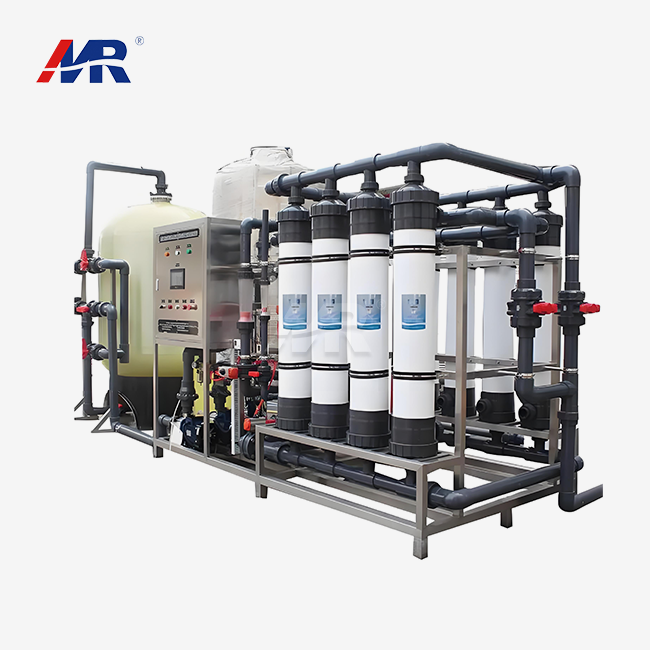 VIEW MOREuf ultrafiltration
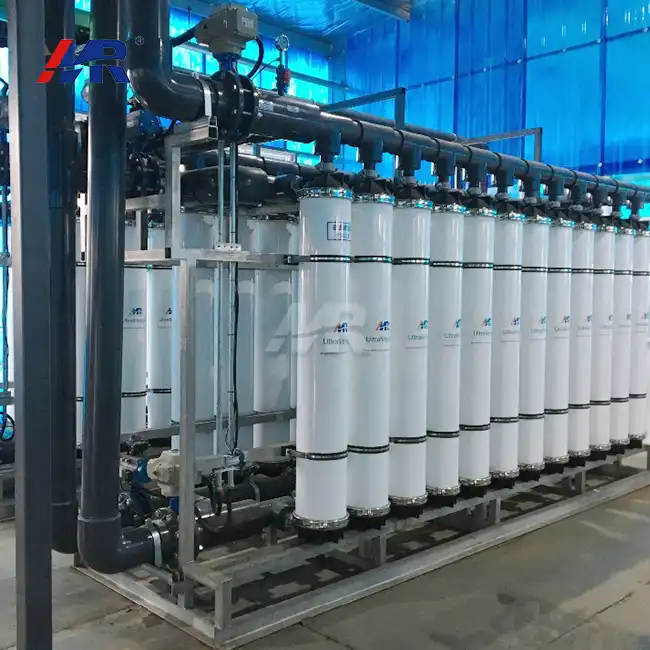 VIEW MORE50m3/hour ultrafiltration plant
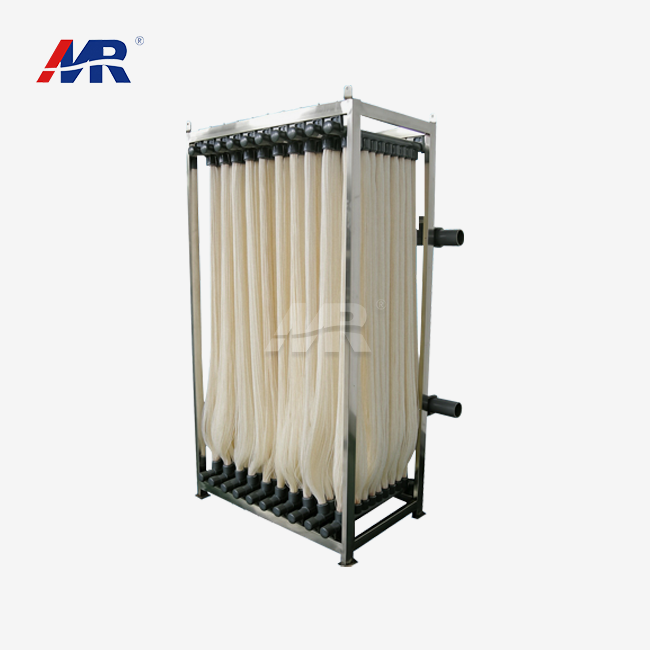 VIEW MOREbiological reactor wastewater treatment
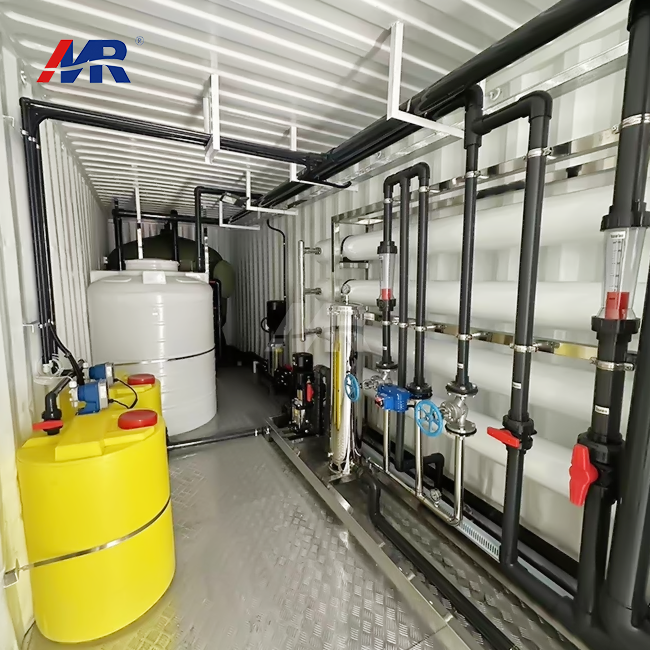 VIEW MOREcontainer reverse osmosis equipment
 VIEW MOREadvanced wastewater treatment system
