_1745823981883.webp)

Industrial Reverse Osmosis System for High-Purity Water
When precision matters, and water quality can make or break your operation, an industrial reverse osmosis system becomes the unsung hero of your production line. These robust water purification systems use semi-permeable membranes and high-pressure pumps to eliminate up to 99% of dissolved salts, bacteria, organics, and contaminants from your water supply. Whether you're bottling beverages, manufacturing pharmaceuticals, or running a power plant, achieving consistent high-purity water isn't just a regulatory checkbox—it's the foundation of product integrity, equipment longevity, and operational reliability that keeps your business running smoothly around the clock.
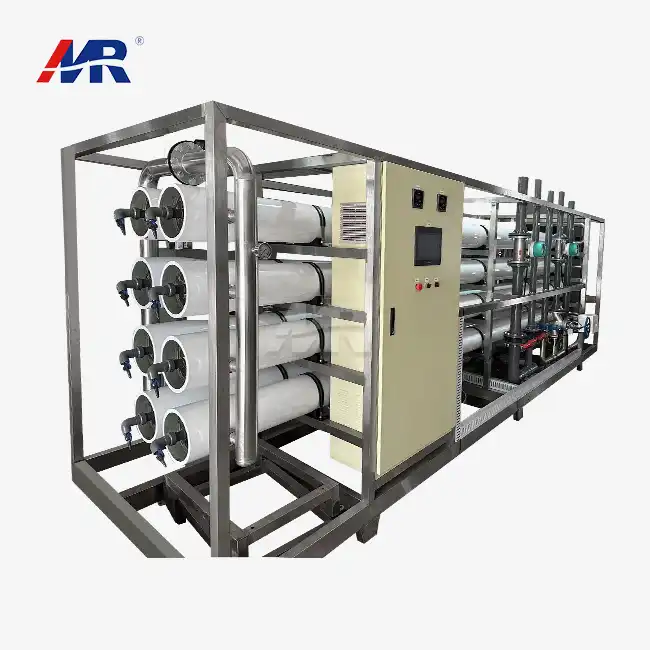
Understanding Industrial Reverse Osmosis Systems
How Industrial RO Systems Work
A fascinating physical process that goes against nature's tendency toward balance is at the heart of industrial reverse osmosis system purification. High-pressure pumps push feedwater through thin-film composite membranes that have pores smaller than a virus. This makes a shield that stops dissolved solids from getting through but lets pure water molecules go through. This process makes two separate streams: a high-purity permeate that meets your production needs, and a concentrate that gets rid of the unwanted contaminants. The system always works against osmotic pressure, which tries to balance the amount of solutes on both sides of the membrane. For the system to keep working well, it is very important to handle the pressure precisely.
Key Components That Deliver Results
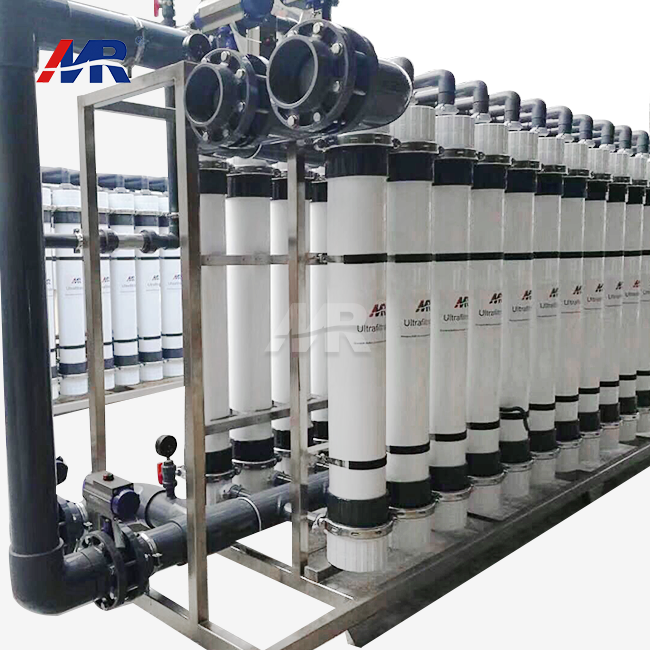
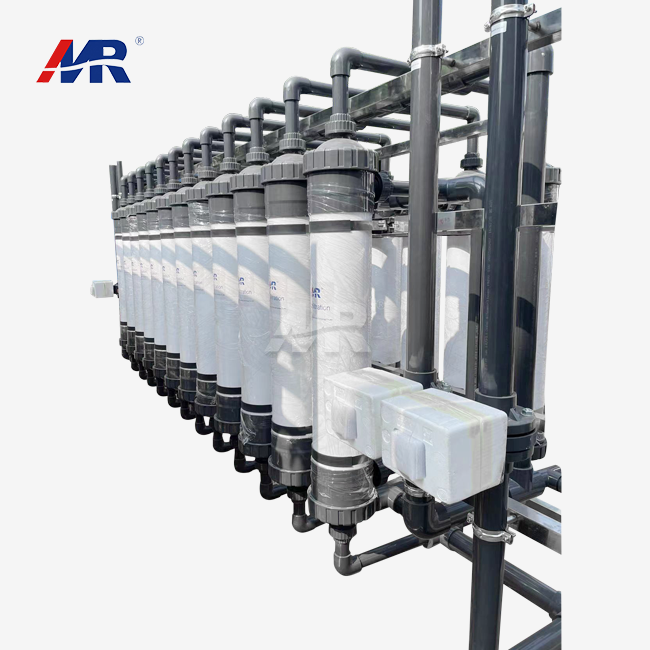
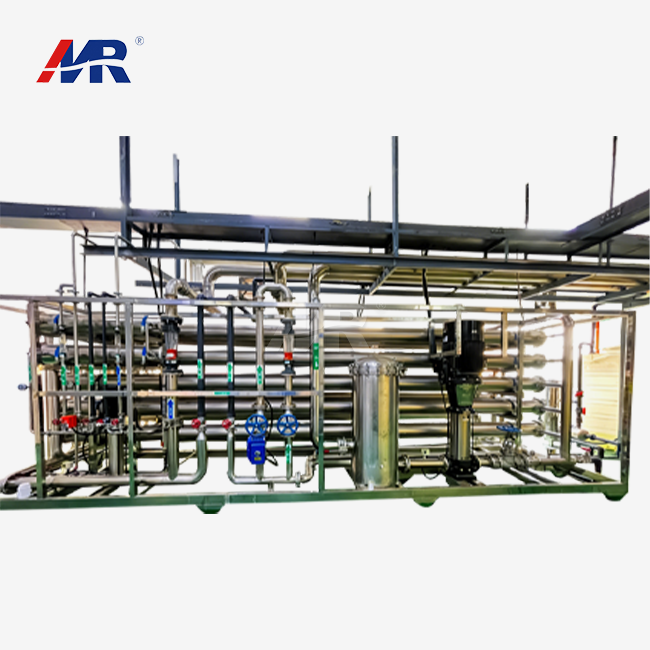
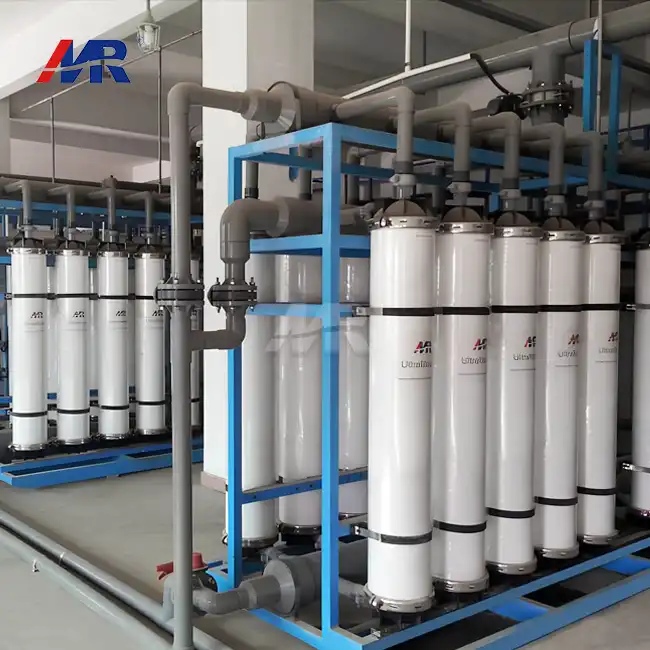
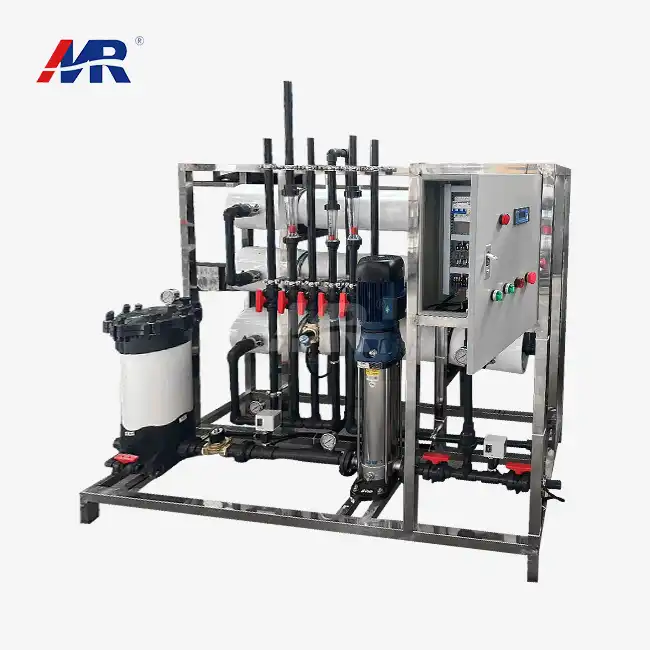
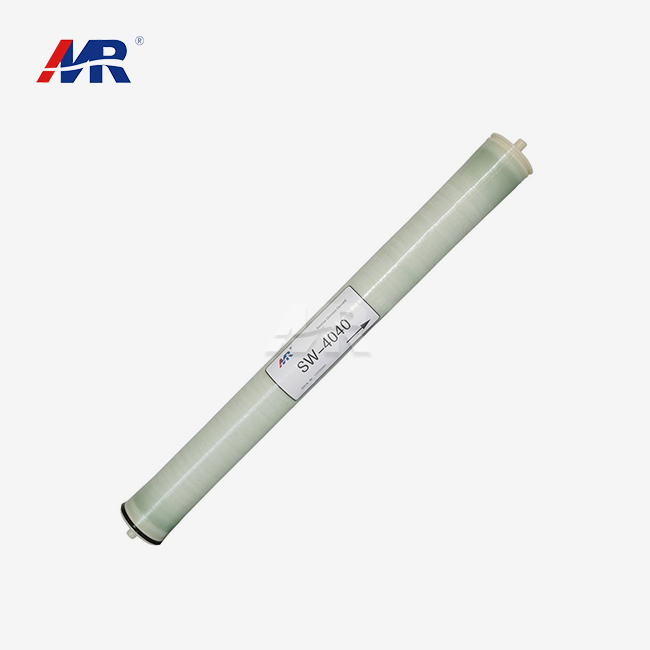
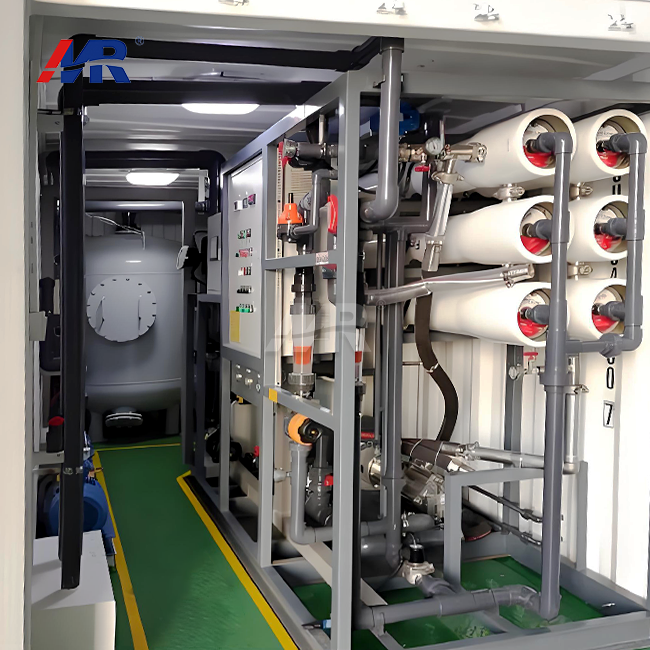
These days, water treatment systems have many parts that work together to keep the membranes strong and the quality of the output constant. Multimedia filtration to get rid of suspended particles, activated carbon beds to get rid of chlorine and organic compounds, and water softeners or anti-scalant dosing to keep minerals from building up are some of the things that are usually done in the pre-treatment stages. The membrane system has spiral-wound parts set up in pressure tanks, and variable frequency drive pumps keep the ideal working pressure between 150 and 220 PSI. Before water enters your process line, post-treatment parts like polishing filters and UV sterilization chambers make sure the quality is perfect one last time.
Industrial Versus Residential Systems
Both types of systems use membrane technology in similar ways, but they are very different, like comparing a bicycle to a freight train. Commercial-grade equipment can handle daily flow rates of 1,000 to several million gallons, is made of strong stainless steel, and is automated with PLCs so it can run 24 hours a day, seven days a week. There are redundant parts, Clean-In-Place processes, and high-tech tracking that keeps an eye on conductivity, pressure differences, and flow rates in real time in these systems. Residential units, on the other hand, only make small amounts of water under sink-level cabinets and need to be controlled by hand and have their cartridges replaced every so often. This means they are only good for use in homes and not in demanding manufacturing environments.
Benefits and Applications of Industrial Reverse Osmosis Systems
Advantages That Impact Your Bottom Line
When you use advanced industrial reverse osmosis system technology, you get real practical benefits that go far beyond just cleaning water. These methods have a number of strong benefits that industry leaders find especially useful in highly competitive manufacturing settings:
- High-efficiency filtration gets rid of 99% of all dissolved solids, making sure that the water is pharmaceutical-grade pure for delicate uses like making injectable drugs or rinsing semiconductor wafers, where even small amounts of contaminants can lower product yields.
- Energy-saving design: the current pump technology and pressure recovery devices used in energy-saving designs cut power use by up to 30% compared to older systems. This directly leads to lower utility bills and better sustainability measures.
- Compact and space-saving vertical tank arrangements and flexible skid designs allow for small and space-saving layouts that can be used in existing facilities without the need for expensive building additions. This is especially helpful for updating older production sites.
- Easy installation and maintenance, standardized links, and easy access to parts make installation and upkeep simple. This cuts down on both the time it takes to set up and the cost of ongoing service. Technician-friendly designs mean that they don't need as much training.
These benefits take care of long-standing problems in industrial water management, especially in places where water quality is closely linked to consistent Products and following the rules. The multi-stage process starts with pre-filtration, which gets rid of bigger particles and sediment. Next is carbon filtration, which gets rid of chlorine and organic compounds. Next is reverse osmosis, which gets rid of dissolved solids and contaminants. Finally, post-filtration improves the quality, and if desired, UV sterilization is used to kill bacteria and viruses.
Real-World Industry Applications
When you look at how membrane separation technology is used in different types of manufacturing, you can see how flexible it is. RO permeate is used by food and drink makers to mix ingredients and clean bottles. It meets FDA cleanliness standards and keeps the taste of the product from being affected by mineral content. Pharmaceutical companies use multi-pass setups to make USP-grade water for formulation, cleaning equipment, and making injections, all of which need to keep endotoxin levels below strict detection limits.
Electronics factories use electrodeionization and RO to make ultrapure water that is used for photoresist processing and final chip rinsing. Conductivity below 0.1 microsiemens keeps circuits from breaking. High-purity makeup water is used to keep boiler tubes from scaling in power plants. This extends the time between repair visits and improves the efficiency of heat transfer. Chemical processors clean up industrial wastewater to recover resources. They do this by collecting valuable materials and making sure that the release streams meet environmental permits.
Choosing the Right Industrial Reverse Osmosis System
Comparing Purification Technologies
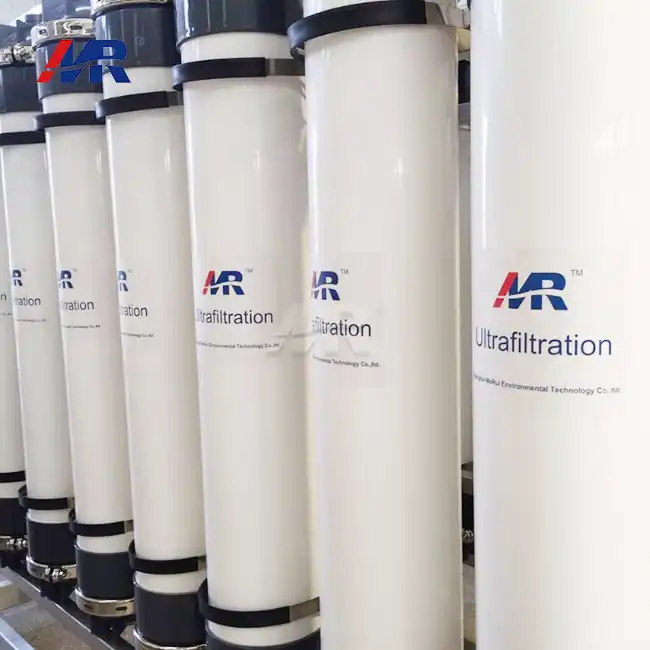
To choose the best water treatment tools, you need to know how different technologies deal with different types of contaminants and operating limitations. Larger pores in ultrafiltration membranes get rid of bacteria, viruses, and colloidal matter well, but they let dissolved salts pass through. This makes them perfect for biological purification rather than demineralization. Ion exchange resins are very good at getting rid of certain ions, like calcium and magnesium, but they need to be regenerated chemically and make brine waste streams.
Nanofiltration is in the middle because it softens water while partly removing salts. However, it can't reach the low conductivity levels needed for some manufacturing processes. When completely getting rid of dissolved solids is important, like when working with high-TDS feedwater or trying to reach near-absolute cleanliness, an industrial reverse osmosis system really shines. The technology works especially well for high-volume, continuous tasks where consistency is more important than batch-based ion exchange.
Critical Selection Criteria
When procurement teams look at different system choices, they should pay attention to a number of technical and business factors that affect long-term happiness and return on investment (ROI). Baseline specifications are set by the quality and volume of the permeate that is needed. For example, conductivity below 1.3 microsiemens might be needed for pharmaceutical applications, while 10–20 microsiemens is fine for boiler makeup water. Feedwater analysis shows TDS, hardness, chlorine, and biological content, which tell us how complicated the pre-treatment needs to be.
Operating budgets are affected by estimates of how much energy pumps will use based on their specs and recovery rates. Whether horizontal or vertical configurations make sense depends on how much space is available in current buildings. The name of the supplier is very important because the performance and lifespan of the membrane rest a lot on how the system is designed and which parts are chosen. Authorized dealers with engineering support teams offer more than just the initial purchase price. They help with installation, train operators, and fix problems quickly when production needs to go as soon as possible.
Working with Trusted Suppliers
Partnering with well-known manufacturers with approved quality systems and a track record of success lowers the risks that come with buying complicated industrial equipment. Suppliers who offer options that can be changed to fit specific needs show that their engineering is flexible enough to deal with things like different feedwater chemistry or limited space. Technical evaluation can be done with the help of complete paperwork that includes performance guarantees, thorough schematics, and component specs.
Your investment is protected over a number of years thanks to an after-sales support system that includes spare parts, membrane repair services, and the ability to watch things from afar. Companies that offer turnkey solutions that include planning, manufacturing, installation, and testing make it easier to carry out projects and make sure that people are held accountable for how well systems work.
Maintenance, Troubleshooting, and Cost Considerations
Routine Maintenance Best Practices
Maintaining good filter performance requires regular preventive maintenance that deals with membrane fouling before it slows down flow rates and decreases rejection efficiency. Monitoring permeate conductivity, pressure differences across membrane stages, and standardized flow rates every day can help detect problems early on. Checking the pre-filter cartridge once a week and replacing the sediment filter once a month keeps particles from building up, which raises the pump's load.
Cleaning the membrane every three months with approved formulas gets rid of organic buildup, biological films, and mineral scaling that slowly block water passages inside spiral elements. High-pressure seals, pump bearings, and sensor calibration should be checked once a year to keep the mechanical durability high. During Clean-In-Place processes, acid solutions are usually circulated to break down inorganic scaling, and then alkaline detergents are used to get rid of organic matter. However, the exact steps depend on what the industrial reverse osmosis system manufacturer suggests.
Addressing Common Issues
If the permeate conductivity rises out of the blue, it could mean that the membrane has been damaged by chlorine or that the actual seal has broken, letting feedwater pass through. If flow rates are going down even though pressure numbers are standard, this means that fouling is happening and needs to be cleaned right away. When the pressure drops in different membrane vessels, it shows which elements are blocking them and need specific attention.
Biofilm creation is a sign of microbiological contamination that regular cleaning methods can't fully remove, which can mean replacing the membrane. Over years, salt passage slowly increases as the membrane breaks down naturally. However, sudden spikes may mean that there is mechanical damage. Keeping thorough records of performance changes in detailed logbooks helps identify patterns that tell the difference between regular age and problems that need to be fixed.
Financial Planning
RO equipment costs a huge range of amounts depending on its size and level of complexity, from $15,000 for small systems that produce 1,000 GPD to several hundred thousand dollars for installations with multiple trains that produce millions of gallons every day. Operating costs include the electricity used by pumps and other equipment, the cost of replacing the membrane every three to five years, cleaning chemicals, pre-treatment media, and the time needed for regular maintenance.
When figuring out the total cost of ownership, you should include the rate of water recovery, since lower recovery means using more feedwater and getting rid of more concentrate. Having spare parts on hand for important parts like high-pressure pumps, instrumentation sensors, and control valves keeps downtime from lasting too long when they break. Some businesses benefit from service contracts that include both preventative maintenance and emergency response. However, bigger facilities usually train their own staff to do routine tasks while hiring outside help for more specialized tasks like cleaning and replacing membranes.
Enhancing Efficiency and Future Trends
Optimizing Energy Consumption
In industrial reverse osmosis systems, pump energy is the main operating cost, which makes improving efficiency appealing from a business point of view. Instead of shutting off extra pressure through valves, variable frequency drives change the motor speed to match the real demand. This saves energy. Pressure recovery devices take hydraulic energy from concentrate streams and send it back to the feedwater. This works especially well in applications that use high-pressure seawater.
When the recovery rate is balanced against the concentrate osmotic pressure, the required differential pressure is kept as low as possible. If a business has enough storage space, it can make more money by running during off-peak energy hours, when electricity rates are lower. Modern membranes with higher flux at lower pressure produce the same amount of work while using less energy. This means that smart changes to membranes are worth it even before elements hit the end of their useful life.
Advancements Reshaping the Industry
New membrane technologies that use nanomaterial coatings make them more resistant to fouling and chlorine, which means they can be used for longer periods of time without needing to be cleaned. Integration of IoT sensors and cloud data into automation allows for predictive maintenance by finding changes in performance before they set off alarms. Machine learning systems adjust the amount of chemicals added and the rate of recovery based on changes in the feedwater, keeping the output steady without any help from a human.
Combining membrane technology with biological treatment or advanced oxidation makes it possible to treat a wider range of contaminants. Better energy recovery brings the limits of efficiency closer to the ideal maximum. Collectively, these changes lower the total cost barrier for facilities that used to rely on more expensive or less effective methods of cleaning. This speeds up growth in fields where water quality directly affects how competitive they are.
Conclusion
When choosing and running an industrial reverse osmosis system, you have to balance technical performance with business realities. However, the investment is worth it across all industrial sectors because it improves product quality, protects equipment, and meets legal requirements. Modern RO technology has grown into a proven way to deal with problems related to getting clean water. It has many stages of filtration that get rid of contaminants one at a time, and it has advanced monitoring systems that make sure it works all the time. Whether you're running a power station that needs to protect boiler tubes or a pharmaceutical plant that needs USP-grade water, knowing what your system can do, how it needs to be maintained, and how it can be improved will set your business up for long-term success.
FAQ
1. What differentiates single-pass from double-pass configurations?
Single-pass devices only go through water through membranes once, lowering the TDS by 95–99%, which is good for most commercial uses. The permeate from the first stage is treated in double-pass configurations by passing it through a second bank of membranes. This makes it very pure, with a conductivity below 1 microsiemens. This setup is necessary for making medicines, doing work in the lab, and working with semiconductors, where the amount of leftover ions needs to be close to the theoretical minimums.
2. How does feedwater temperature affect performance?
Warmer water has less viscosity and moves through membrane pores more easily, so membrane flux goes up by about 3% per degree Celsius. However, temperatures above what the manufacturer recommends can cause the membrane to become compacted and break down more quickly. To keep the plan flow rates, cold feedwater needs a higher working pressure, which uses more energy. Most systems work best between 15°C and 25°C. To account for seasonal changes, temperature compensation factors are used when figuring out normalized performance metrics.
3. Can existing systems be customized for changing requirements?
By adding parallel membrane trains or upgrading to higher-flux elements inside existing pressure vessels, modular designs make it possible to increase capacity. Changes in the quality of the feedwater are dealt with by pre-treatment tweaks. For example, activated carbon is added when chlorine levels rise, and anti-scalant systems are put in place when hardness rises. Upgrades to the control system allow for more advanced monitoring and automation without having to replace any mechanical parts. This ability to change protects initial investments while allowing for business growth and changing production needs.
Partner with Morui for Your Industrial Water Solutions
We at Guangdong Morui Environmental Technology know that picking the right RO system provider is more complicated than just looking at the specs of the different industrial reverse osmosis systems. Our 500-person team, which includes 20 specialized engineers, has more than ten years of experience treating water in ways like managing industrial wastewater, desalinating seawater, and making high-purity water. We own and run our own membrane production site and various equipment processing plants.This gives us full control over quality while keeping our prices low. If you email us at benson@guangdongmorui.com, you'll be talking to qualified professionals whose systems have done turnkey setups in 14 regional branches and work with top component names like Shimge Water Pumps and Runxin Valves.
References
1. American Water Works Association. (2021). Reverse Osmosis and Nanofiltration: Manual of Water Supply Practices M46. Denver: AWWA Publications.
2. Crittenden, J.C., Tru ssell, R.R., Hand, D.W., Howe, K.J., & Tchobanoglous, G. (2020). MWH's Water Treatment: Principles and Design (4th ed.). Hoboken: John Wiley & Sons.
3. International Desalination Association. (2022). IDA Desalination Yearbook 2022-2023: Global Water Intelligence Market Profile and Desalting Inventory. Topsfield: Media Analytics Ltd.
4. Qasim, M., Badrelzaman, M., Darwish, N.N., Darwish, N.A., & Hilal, N. (2019). Reverse osmosis desalination: A state-of-the-art review. Desalination, 459, 59-104.
5. United States Pharmacopeial Convention. (2023). USP 43-NF 38: United States Pharmacopeia and National Formulary. Rockville: USP Publications.
6. World Health Organization. (2022). Desalination for Safe Water Supply: Guidance for the Health and Environmental Aspects Applicable to Desalination. Geneva: WHO Press.