

_1745823981883.webp)

Reverse Osmosis Drinking System Maintenance Guide
Maintaining a reverse osmosis drinking system effectively prevents costly downtime and ensures your industrial operations deliver consistently pure water. A well-maintained RO system protects membrane integrity, reduces rejection of dissolved solids below threshold, and extends equipment lifespan by up to 40%. Whether you operate in pharmaceutical manufacturing, food processing, or semiconductor fabrication, understanding maintenance fundamentals directly impacts your water quality compliance and operational budget.
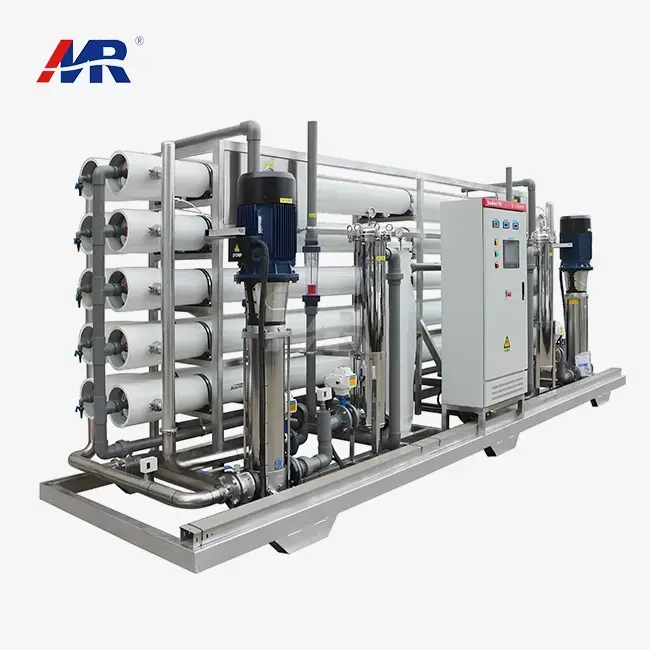
Understanding Reverse Osmosis Drinking System Maintenance
What Maintenance Encompasses
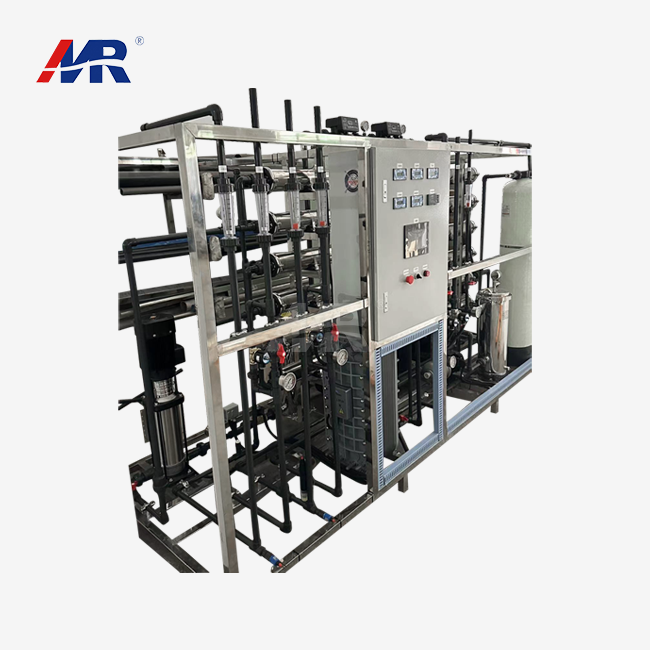
Pre-treatment filters, thin-film hybrid membranes, high-pressure pumps, control systems, and storage tanks are all part of industrial reverse osmosis drinking systems that need to be maintained. Each part needs to be checked on a regular basis to keep problems from starting a chain reaction that affects the quality of the water and production plans.
Why Maintenance Directly Affects Your Bottom Line
Membrane fouling raises operating pressure by 15–25% in neglected reverse osmosis drinking systems, which raises energy costs and lowers water recovery rates. When unexpected system failures happen at facilities, the average cost of downtime is more than $5,000 per incident. This does not include the cost of replacing membranes, which can range from $800 to $3,500 depending on the capacity.
Critical Components Requiring Attention
Filters used for pre-treatment keep expensive membranes safe from damage from particles and chlorine. Monitor the membranes themselves to see if the flux drops and how well they reject salt. Post-treatment systems keep the pH stable and add minerals back to the water if needed. Pressure tanks, O-rings, and flow restrictors need to be checked regularly to stop leaks that waste cleaned water and make the system work less well.
Key Maintenance Procedures for Reverse Osmosis Drinking Systems
Routine Filter Replacement Schedules
Under normal city water conditions, sediment pre-filters need to be changed every 6 to 9 months. It takes 9 to 12 months for carbon block filters to get rid of chlorine and organic compounds. When pre-treatment works right and feed water TDS stays below 1,500 ppm, thin-film composite membranes keep working at their best for 24 to 36 months. Visual signs include a difference in pressure above 10 psi from the starting point and a rise in permeate TDS above 10% of the feed water values.
Facilities that process source water with a lot of turbidity or that run all the time should cut down on refill times by 20 to 30 percent. Keeping replacement parts on hand at industrial sites helps keep downtime to a minimum by reducing the need for emergency purchases that cause delays for the reverse osmosis drinking system.
Cleaning and Sanitization Protocols
When normalized permeate flow drops by 10% or salt passage goes up by 10-15% from baseline, the membrane needs to be cleaned. Chemical cleaning solutions need to be matched to the type of fouling. For example, citric acid solutions work well for mineral scaling, while alkaline cleaners work well for biological fouling. Cleaning needs are different for each application, but they are usually done every three months to once a year.
Using food-grade hydrogen peroxide or peracetic acid to clean stops biofilm formation, which holds germs and lowers the effectiveness of membranes. To stay in line with regulations, healthcare and food processing facilities often use weekly sanitization cycles. To sanitize, a solution is pumped through the system for 30 to 60 minutes, and then it is rinsed well until the amount of germs left over meets safety standards.
Troubleshooting Common Operational Issues
Pressure drops below what is required is usually because the pre-filters or membranes are clogged. Check the differential pressure gauges at each stage of the filter to find the area that isn't working right. Low permeate flow and normal pressure are signs that the membrane is breaking down and needs to be replaced, or that it is heavily clogged and needs to be cleaned with chemicals. High permeate TDS levels mean that the membrane is damaged, either by chlorine exposure, physical tears, or an O-ring seal that doesn't work. Unusual noises from high-pressure pumps indicate they are cavitating because the feed pressure isn't high enough or there is internal wear that needs to be fixed right away by a professional.
When troubleshooting shows problems that can't be fixed by regular maintenance, hiring certified technicians keeps warranties from being voided and ensures the right diagnosis. Our expert team fixed membrane fouling problems that meant a pharmaceutical client only had to clean three times a year instead of once a month, which brought back 18% of lost production capacity.
Enhancing Longevity and Performance Through Proactive Maintenance
Monitoring Critical Water Quality Parameters
The amount of Total Dissolved Solids in the feed water determines how much the membrane is loaded and how fast it should reject water. When feed TDS stays fixed within design parameters, industrial reverse osmosis drinking systems work at their best. pH monitoring keeps membrane polymers from being damaged by acids or bases. The ideal pH range for feed water is between 6.5 and 8.5. Finding chlorine is very important because exposure to even 0.1 ppm can damage thin-film hybrid membranes forever in just a few hours.
Today's digital monitoring systems send out real-time alerts when parameters move out of acceptable ranges. Automated data logging makes maintenance records that show you're following the rules and show how performance is slowly dropping before it breaks. These systems usually cost an extra $1,200 to $3,500 at first, but they cut down on unplanned maintenance by 60 to 70%.
Operational Optimization Strategies
The quality of pre-filtration has a direct effect on how long a membrane lasts. Facilities that switched from 10-micron dirt filters to 5-micron ones say that the membranes last 25% longer. Running the membrane at 70% of its maximum rated flow makes it last longer while keeping the goal rejection rates the same. Temperature-compensated flow control takes into account changes in viscosity that have an effect on how well the system works. For example, feed water that is below 60°F lowers permeate production by about 3% per degree.
Changes to the water recovery rate balance the management of the concentrate stream with permeate production. When systems that were made for 70% recovery are used at 80% recovery, fouling happens faster, and the membranes last less long. Getting rid of or recycling concentrates the right way keeps you from breaking the law and keeps wastewater costs down.
Industry-Specific Maintenance Success Stories
By testing the membrane performance every month and cleaning it with chemicals every three months, a regional beverage maker cut their yearly maintenance costs by $12,000. They also improved the consistency of the water quality, which stopped two product batch rejections worth $8,500. Because they were proactive, they taught facility staff basic troubleshooting skills, which cut the number of calls to emergency services by 75%.
Healthcare centers that use laboratory-grade reverse osmosis drinking systems for dialysis water say that strict daily cleaning and monthly membrane tests keep them in line with AAMI standards and allow membrane replacements to happen every 18 to 30 months. The written records of maintenance meet the requirements of regulatory audits and lower operational risks related to compliance.
Selecting Reverse Osmosis Systems with Maintenance in Mind
Comparing System Configurations
With filter housings that are easy to get to and small areas, point-of-use systems are great for lab use or small-scale production because they make upkeep easier. These systems can usually handle between 50 and 500 gallons of water per day, and the filter cartridges are easy to change, which can be done by trained building staff.
For centralized industrial reverse osmosis drinking systems with 1,000 to 100,000 GPD, professional maintenance skills are needed, but they offer better tracking and more efficiency at scale. Morui's advanced systems use thin-film hybrid membranes that can reject 99.5% of wastewater while still recovering up to 70% of it. This makes it much cheaper for large businesses to get rid of their wastewater.
When production needs rise, modular configurations protect infrastructure investments by letting capacity grow without replacing the whole system. Different types of feed water can be used with these designs because the pre-treatment steps can be changed, which makes planning for upkeep easier.
Evaluating Supplier Support Infrastructure
Pressure tanks and control systems with warranties that last between 3 and 5 years show that the maker is confident in the quality of the build. Most membrane warranties cover a period of one to three years, with coverage based on how well the membrane is maintained. The length of downtime during repair events is based on the availability of technical help, such as phone consultations and on-site service.
Filter supply chain reliability keeps production from stopping because of a lack of parts. Suppliers who keep a lot of stock in various distribution centers make sure that new parts are delivered within 24 to 48 hours. Morui works with top brands like Shimge Water Pumps and Runxin Valves to give customers access to high-quality parts that can be replaced on a regular basis and at a reasonable cost.
Total Cost of Ownership Considerations
Besides the cost of buying the equipment, the labor to set up an industrial system can range anywhere from $2,000 to $15,000, depending on how complicated it is and how well it works with the existing infrastructure. Filters, membranes, and chemical cleaning Products make up about 8 to 12 percent of the original system investment in annual maintenance costs. At 3 to 5 kWh/m³, the amount of energy used means running costs that depend on local utility rates but are usually between 15 and 20% of the total cost of ownership over the system's lifetime.
When facilities compare bids, they should ask for detailed maintenance schedules with costs for replacing parts so they can accurately estimate their five-year ownership costs. Systems with lower prices to buy but proprietary filters or limited service networks often end up costing a lot more over their lives than well-designed alternatives with reasonable prices for replacement parts.
Comprehensive Installation and Maintenance Workflow for B2B Buyers
Pre-Installation Requirements
The right pre-treatment configuration is decided by analyzing the feed water to find out its TDS, hardness, iron content, and biological loading. Seasonal sampling should be part of the testing because changes in water quality affect how big a system needs to be and how often it needs to be maintained. Planning the space must include ways to get to the filters to be replaced, drains for getting rid of the concentrate, and enough airflow to keep the equipment cool for the reverse osmosis drinking system.
Structured Maintenance Scheduling
Digital maintenance management systems keep track of when filters need to be replaced, when membranes need to be cleaned, and the results of water quality tests in a central database that operations teams and regulatory auditors can access. These platforms set off automatic reminders to make sure that upkeep jobs aren't missed, which could lead to equipment failures.
To have the least amount of effect on operations, maintenance schedules should match up with output plans. Pharmaceutical and food processing plants often schedule major maintenance for times when they are supposed to be closed. On the other hand, facilities that run continuously set up backup systems that let maintenance happen without stopping production.
Training programs that teach facility staff how to change filters and fix basic problems on their own lower maintenance costs and dependence on outside service providers. Staff can quickly fix small problems when there is a lot of paperwork, such as system diagrams, component specs, and troubleshooting flowcharts.
Emergency Response Protocols
Keeping in touch with qualified service providers guarantees quick action when problems are bigger than what the company can handle. When you need emergency parts, you should have extra pre-filters, O-ring seal kits, and important sensors on hand to get things back up and running while you wait for special parts to arrive.
Backup water supply plans keep output going even when there is extended maintenance. Some sites keep enough clean water in storage to last for 24 to 48 hours, while others make deals with mobile water treatment companies to provide temporary systems during emergencies.
Conclusion
When you do regular maintenance on your reverse osmosis drinking system, it goes from being a possible operational liability to a reliable asset that helps you meet production goals and regulatory requirements. The steps shown, like replacing filters on a regular basis and keeping an eye on how well they're working, have a direct effect on the stability of the water quality, the life of the equipment, and the total cost of ownership. When industrial facilities use organized maintenance routines, their running costs go down by 15 to 25 percent on average, and the systems last longer than the manufacturer's estimates. Investing in qualified maintenance staff and high-quality replacement parts pays off in a way that can be measured: higher uptime, fewer emergency repairs, and consistently pure water that protects product quality and brand reputation.
FAQ
1. How frequently should RO membranes be replaced in industrial applications?
Under normal conditions, industrial thin-film composite membranes usually keep working at their best for 24 to 36 months. After 18 to 24 months, facilities that deal with difficult feed water or are running at full capacity may need to be replaced. When normalized permeate flow drops 15% from baseline, salt rejection drops below 95%, or cleaning frequency goes above every three months to keep performance at a satisfactory level, the membrane needs to be replaced in the reverse osmosis drinking system.
2. Can facility maintenance staff perform RO system servicing without specialized training?
Regularly replacing the pre-filter and carbon filter only needs a little training and the right safety gear. To change membranes and clean chemicals, you need to know how the system works, how to handle chemicals safely, and how to follow safety rules. Manufacturers offer training programs that help facilities get their own staff certified to do routine maintenance. More complicated tasks are left to professional service providers. Controlling maintenance costs and making sure the system works well are both goals of this hybrid approach.
3. What risks does neglected maintenance create for industrial operations?
Putting off maintenance speeds up membrane fouling, which raises the operating pressure and energy use while lowering the rate of water recovery. Bacteria that get on products from not being properly cleaned and sanitized lower their quality and make it harder to follow the rules in food and drug processing. If a membrane fails because of chlorine exposure or physical damage, it has to be replaced right away at a high cost, and production has to stop until the damage is fixed. When maintenance isn't done on time, dialysis water that doesn't meet standards for purity puts patients at risk.
Partner with a Trusted Reverse Osmosis Drinking System Manufacturer
The experts at Guangdong Morui Environmental Technology are experts at providing industrial water treatment solutions that balance operating performance with upkeep needs that can be easily handled. Our engineering team makes unique reverse osmosis drinking systems with capacities ranging from 1,000 to 100,000 GPD that are best for your feed water and cleanliness needs. Our 14 branches across the area back up our full installation services, preventative maintenance programs, and expert help that's available 24 hours a day, 7 days a week. We have our own facility for making membranes and work with top component suppliers to make sure we can offer you competitive prices and parts that you can count on. This lowers your operational risks. Get in touch with Our Team at benson@guangdongmorui.com to talk about how our custom solutions and expert upkeep support can help you clean your water more effectively and protect your production investments.
References
1. American Water Works Association. (2022). "Membrane Technology for Water Treatment: Operational Guidelines and Maintenance Best Practices." AWWA Manual M46, Fourth Edition.
2. National Sanitation Foundation International. (2021). "Reverse Osmosis Drinking Water Treatment Systems: Performance Standards and Maintenance Requirements." NSF/ANSI Standard 58.
3. Water Quality Association. (2023). "Industrial RO System Maintenance: Technical Service Manual for Commercial Applications." WQA Technical Operations Committee.
4. International Desalination Association. (2022). "Membrane Cleaning and Maintenance Protocols: Best Practices for Industrial Applications." IDA Technical Proceedings, Volume 18.
5. United States Environmental Protection Agency. (2021). "Membrane Filtration Guidance Manual for Water Treatment Facilities." EPA 815-R-06-009, Office of Water.
6. Association of Water Technologies. (2023). "Total Cost of Ownership Analysis for Commercial Reverse Osmosis Systems: Maintenance and Operational Considerations." AWT Technical Brief Series, Report 47.
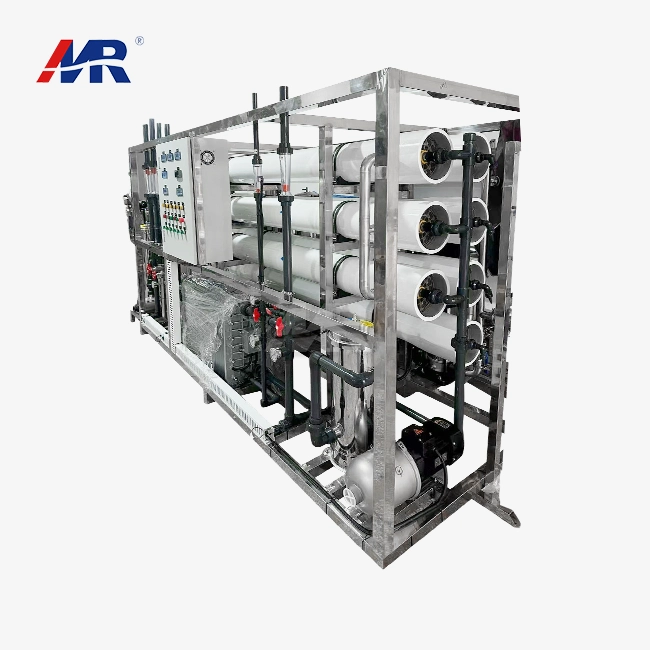 VIEW MOREedi module water treatment
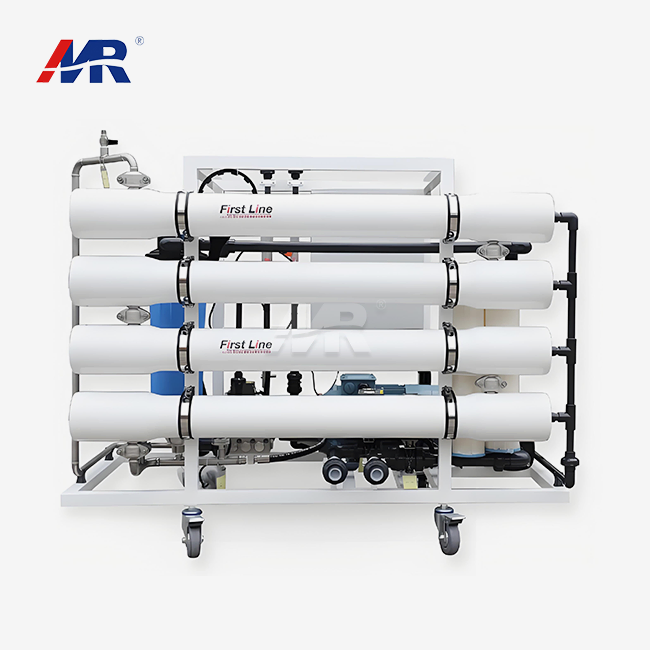 VIEW MOREseawater desalination system
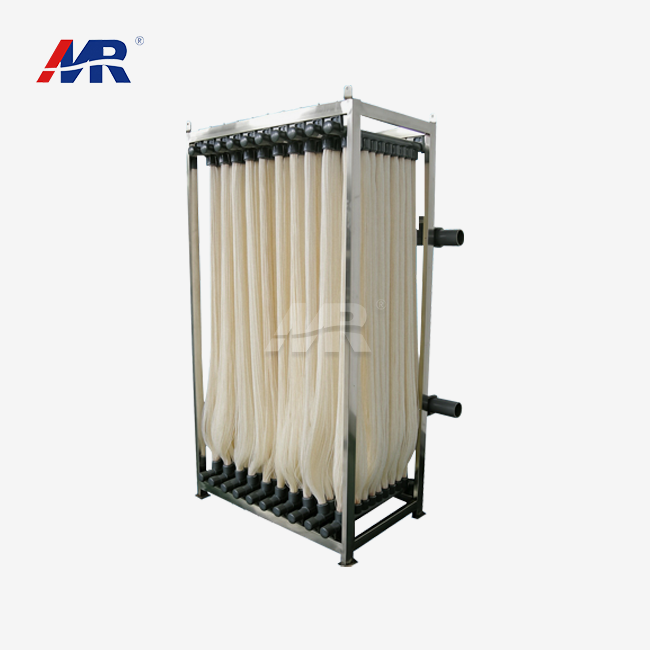 VIEW MOREbiological reactor wastewater treatment
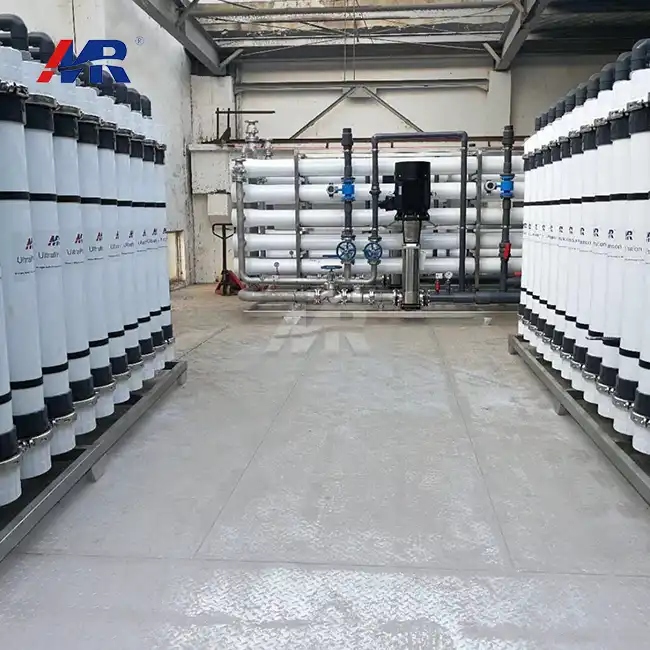 VIEW MORE2000m3/day ultrafiltration equipment
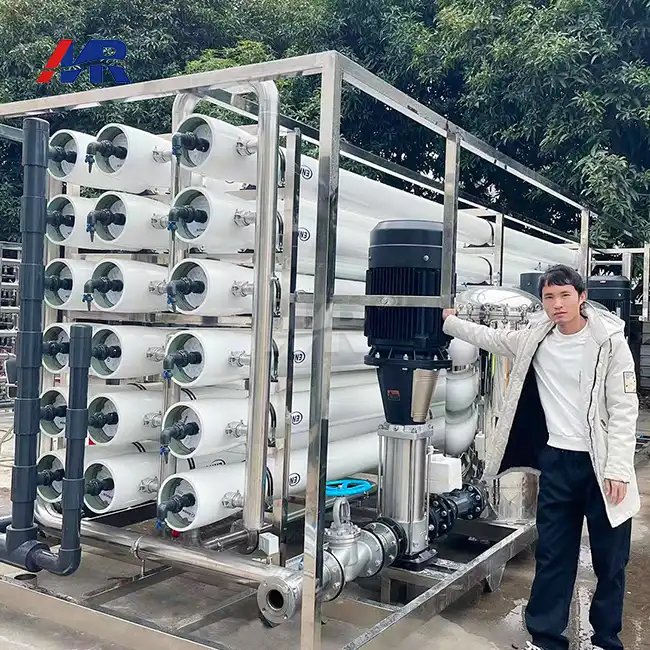 VIEW MORE100m3/hour reverse osmosis system
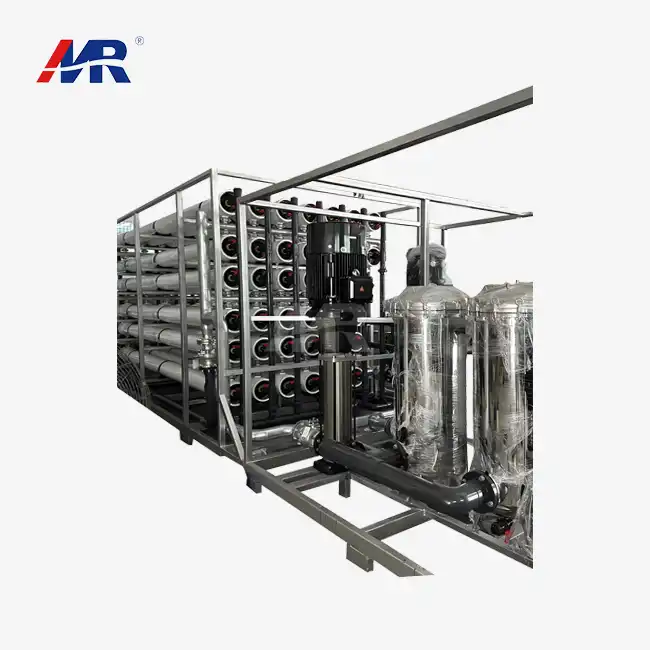 VIEW MORE150m3/hour reverse osmosis plant
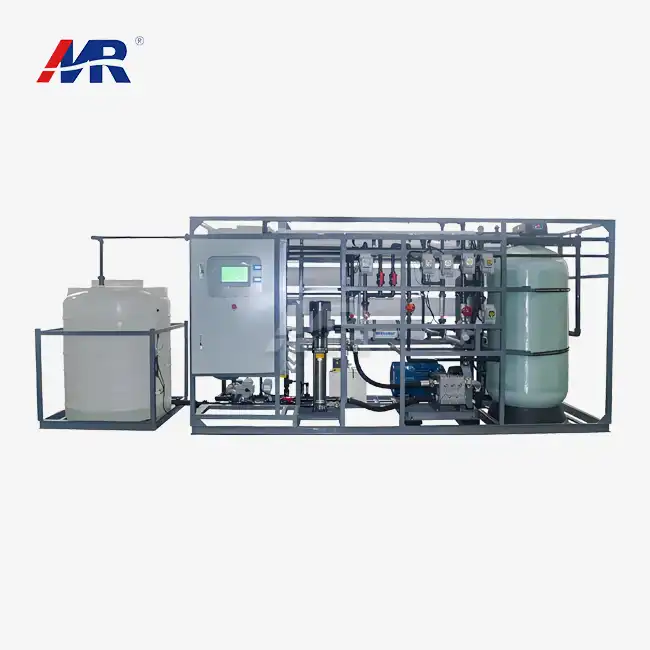 VIEW MORE5m3/hour seawater desalination equipment
 VIEW MOREedi water treatment system
